REVIEW · OSTUNI
Ostuni: Olive Oil Tasting Tour
Book on GetYourGuide →Operated by PUGLIAMARE SRL · Bookable on GetYourGuide
Old olive trees have a way of teaching fast.
On this Ostuni olive oil tasting tour, you walk through a real Masseria setting, from the groves into two oil mills, including a centuries-old underground press. I love the mix of living history (the trees are said to include ones planted over 2,000 years ago by veterans of the Punic Wars) plus a guided, hands-on tasting of three organic oils. One thing to factor in: the experience is short, so you get a focused tasting rather than a long sit-down meal.
The practical payoff is that you leave with a better nose for quality extra virgin olive oil, not just a souvenir bottle. You also get a small plate of local pairings like olives, tarallini, and fried broad beans to help you understand how the oil behaves with food. If you’re expecting a full lunch or lots of time to linger after the tasting, you may wish there were more hours.
In This Review
- Quick hits you’ll care about
- Meet the Masseria first: walking the olive grove at Masseria Valente
- Hypogeum oil mill vs epigean mill: see pressing history in two stages
- The tasting of three organic oils: how to make sense of what you taste
- Pairings that actually teach: olives, tarallini, and fried broad beans
- Pace, duration, and what fits in your day
- Guide style and language: English support, with some variability
- Value for money: why $53 can still make sense
- What to bring and how to set yourself up for the best visit
- Should you book the Ostuni olive oil tasting tour?
- FAQ
- FAQ
- How long is the Ostuni olive oil tasting tour?
- Where is the meeting point?
- Is transportation or a transfer included?
- What’s included in the price?
- What languages are the tours offered in?
- Can I cancel for a refund?
- Is there a reserve & pay later option?
- What do I taste during the tour?
Quick hits you’ll care about
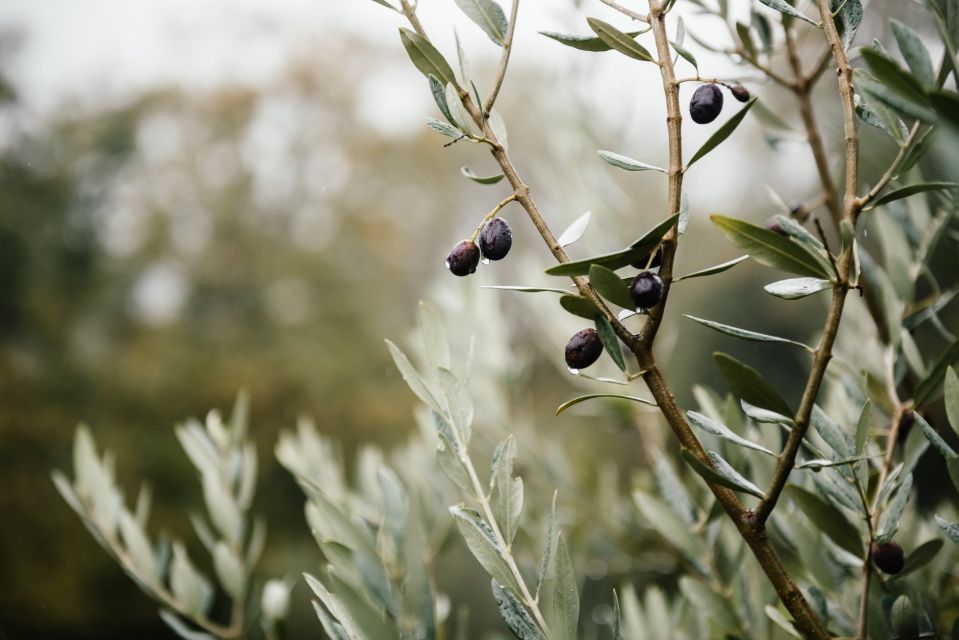
- Ancient olive trees on the grounds: some are said to date back over 2,000 years, tied to Punic War veterans.
- Two different mills to compare: a 16th-century hypogeum (underground) oil mill and a 19th-century epigean (aboveground) mill.
- A structured tasting of three organic oils with olives, tarallini, and fried broad beans.
- Local countryside history in context, explained by the Masseria owner/guide rather than a textbook script.
- You’ll likely meet a named host (guides mentioned include Angela, Maria, and Carla), with English and Italian supported.
- No transfer included, so you’ll want to plan how you’ll reach Masseria Valente on time.
Meet the Masseria first: walking the olive grove at Masseria Valente
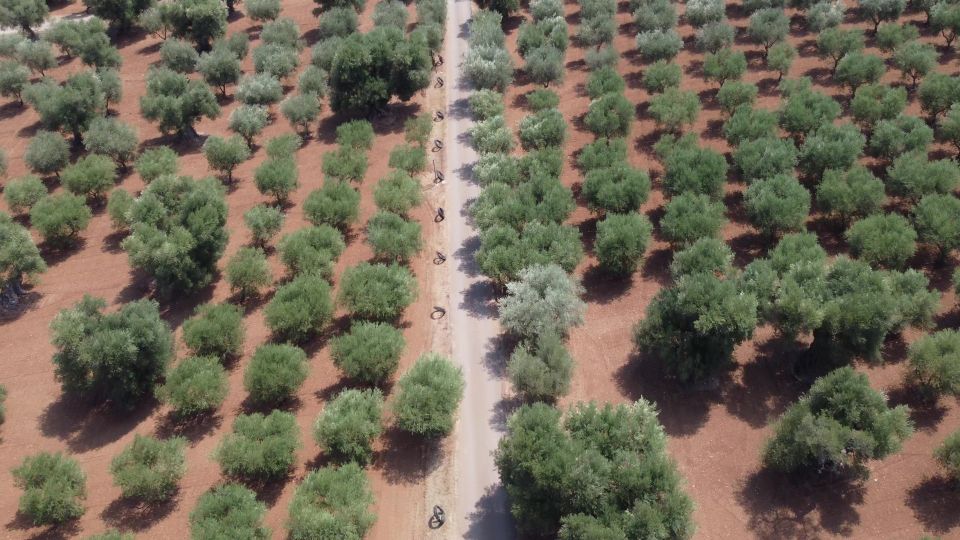
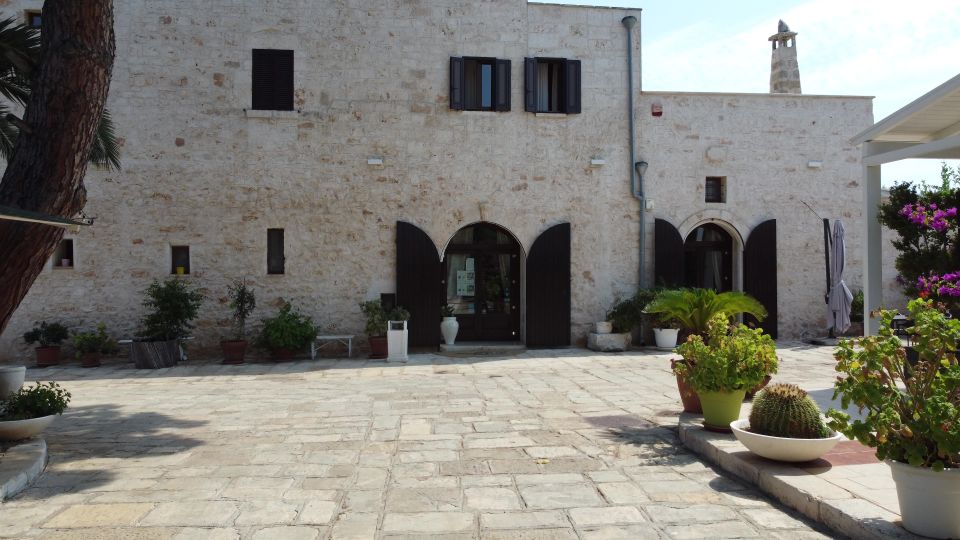
This is one of those experiences where the setting is part of the lesson. You start at Masseria Valente, then move through the farm’s olive groves, with guidance focused on how the land and the trees shape the oil. The walk isn’t just for photos; it’s how you build context before you taste.
The olive trees are a big deal here. You’ll hear stories about ancient plantings—including the claim that some trees may have been planted more than 2,000 years ago by Punic War veterans. Even if you treat the timeline as local legend, it still works as a powerful “why this matters” framing.
A practical note: because this is a working farm visit, wear shoes you’re comfortable walking in. It’s not a museum-floor stroll, and you’ll want sure footing when you’re moving between the grove and the historic milling areas.
Hypogeum oil mill vs epigean mill: see pressing history in two stages
The most memorable part for me is the way the tour helps you compare the processing methods, not just view them. First you’ll visit the hypogeum oil mill, described as a 16th-century underground setup. Then you’ll see the epigean mill, a 19th-century aboveground mill.
Why this matters: underground and aboveground pressing weren’t just different locations. They often reflect different ways of handling materials, managing space, and using the farm’s structures over time. Standing where the oil was historically processed gives you a grounded feel for how slow and physical this work was compared to modern shortcuts.
You’ll also learn traditional methods for producing extra virgin olive oil, which is the key link between what you saw in the mill and what you taste afterward. If you’ve ever wondered what makes extra virgin more than just “olive oil,” this is where the explanation becomes real.
The tasting of three organic oils: how to make sense of what you taste
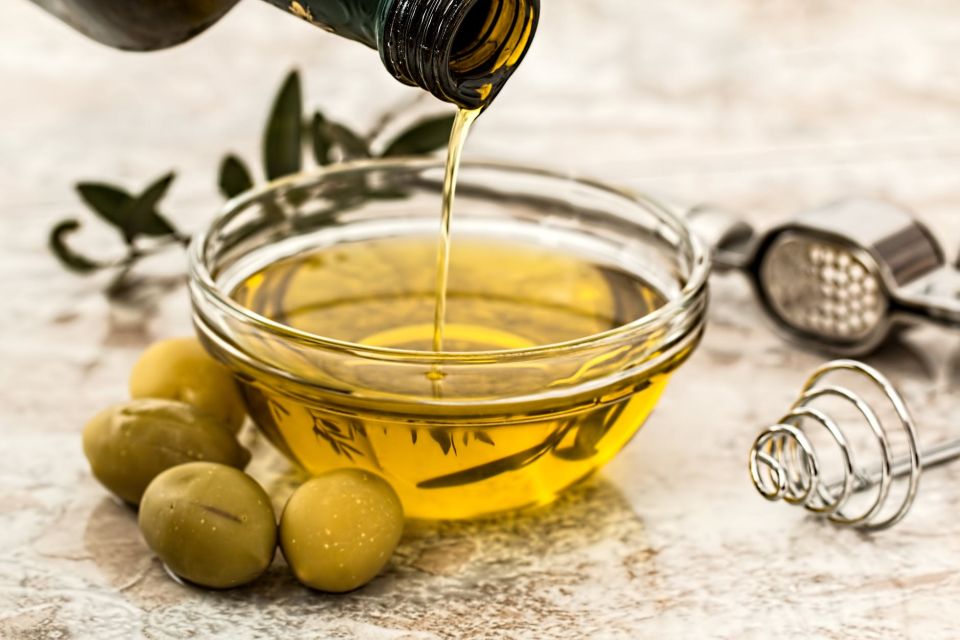
The tasting portion is the core payoff: three organic oils, paired with olives, tarallini, and fried broad beans. That pairing is smart because it lets your palate notice how the oil changes with salty snacks and fried bites. Instead of drinking oil like a science experiment, you experience it as part of a meal pattern.
Here’s how I suggest you approach the tasting so you get more than a quick sip-and-smile:
- Take a breath and notice the aroma first, not the flavor.
- Try each oil with a small bite, so you can compare how it behaves with different textures.
- Don’t chase a single “best” oil immediately. Let the oils show you different personality traits.
A lot of people go in thinking olive oil is olive oil. The tour’s strength is that it pushes you toward the differences between virgin and extra virgin styles, so you start shopping with better questions later. When you’re back in Ostuni’s shops, you’ll know what to look for beyond a pretty label.
Pairings that actually teach: olives, tarallini, and fried broad beans
The food side isn’t an afterthought. You’re paired with olives, tarallini, and fried broad beans to match with the three oils. It’s a practical way to understand why local oil matters: oil isn’t only for salads. It shows up with snack foods, casual bites, and rural cooking habits.
Tarallini are especially useful in tastings like this because they’re salty and crunchy. Broad beans add a different kind of richness from frying. And olives… well, olives make the tasting instantly more logical, because you’re tasting the oil next to the fruit it came from.
One review note worth respecting: some people wished there were more oils, or more food options on-site. That doesn’t mean the tasting is weak; it means your time is tightly managed. Think of this as a high-quality sampler, not a long lunch.
Pace, duration, and what fits in your day
The experience is listed at about 1 hour, and the schedule includes the visit around Ostuni plus the farm time. That compact timing is great if you have limited hours in town, but it does explain a common complaint: some visitors feel the price is a little steep for something that ends quickly.
So how do you decide if the timing works for you? Ask yourself what you want from your day:
- If you want a fast, memorable way to learn how Puglia’s olive oil is produced, this fits.
- If you’re hoping for a multi-hour food day with lots of extras, you may feel cut short.
Also keep in mind there’s no transfer included. You’ll want to handle getting to Masseria Valente on your own. That matters because a tour that starts on time at a farm is not the place to be improvising with late arrivals and unclear transport.
Guide style and language: English support, with some variability
The tour includes a live guide and is offered in English and Italian. Many visits run smoothly with clear explanations and a friendly approach. Guides mentioned by name include Angela, Maria, and Carla, and they’re described as warm, attentive, and well-versed in olive oil and farm history.
One caution: if you’re very question-heavy, you may want to arrive ready with focused topics. A small number of experiences report that English explanation can be less detailed depending on the guide. That doesn’t erase the value, but it can affect how much you feel you’re getting out of the conversation.
If you want to maximize your learning, bring a couple of questions like:
- What differentiates extra virgin from other grades in practical terms?
- How do you taste for quality beyond just flavor?
- What changes during harvest and processing?
Value for money: why $53 can still make sense
At $53 per person, this tour isn’t a bargain snack. It’s priced like a specialty farm experience: a guide, access to historic milling spaces (including the underground press), and a structured tasting of three organic oils with local pairings.
So where does the value come from?
- Unique access to both hypogeum and epigean mill structures on a working property.
- Three oil tasting rather than a single sample, which helps you learn by comparison.
- Local history tied to the farm, not just generic olive talk.
Where might you hesitate?
- If you only want a quick taste and don’t care about the mills or grove walk.
- If you’re hungry and want lunch-style options beyond what’s included.
My advice: treat this like a learning-focused stop. If you go into it with that mindset, the price can feel fair for what you see and taste in a short window.
What to bring and how to set yourself up for the best visit
This is a countryside stop, so keep it simple:
- Wear comfortable walking shoes.
- Bring a light layer if you’re visiting in cooler weather, since underground and stone spaces can feel cooler.
- If you’re sensitive to scents, remember you’ll be around olive oils and the grove environment.
If you like souvenirs, you can also plan to buy bottles after you learn what you’re looking for. The tour is designed to help you select a bottle you’ll actually use at home, not just display.
Should you book the Ostuni olive oil tasting tour?
Book it if you want a compact, high-impact farm experience: ancient olive trees, two types of historic mills, and a guided tasting that teaches you how to think about extra virgin olive oil. It’s especially good for couples and friends who enjoy hands-on food learning and don’t want to spend half a day on logistics.
Skip or think twice if your top priority is a long meal, lots of tasting variety beyond three oils, or if you need included transportation. Since there’s no transfer, you’ll also want to be confident about getting to Masseria Valente and arriving about 15 minutes early.
FAQ
FAQ
How long is the Ostuni olive oil tasting tour?
The tour is listed as 1 hour in duration.
Where is the meeting point?
The meeting point is Masseria Valente. Plan to arrive 15 minutes before the activity starts.
Is transportation or a transfer included?
No. Transfer is not included, so you’ll need to arrange how to get to the meeting point.
What’s included in the price?
You get a guide and a tasting of three organic oils paired with olives, tarallini, and fried broad beans.
What languages are the tours offered in?
The live guide offers English and Italian.
Can I cancel for a refund?
Yes. You can cancel up to 24 hours in advance for a full refund.
Is there a reserve & pay later option?
Yes. You can reserve now and pay later and keep your plans flexible.
What do I taste during the tour?
You’ll taste three types of organic olive oil, paired with olives, tarallini, and fried broad beans.