REVIEW · PALERMO
Palermo No Mafia walking tour: discover the Anti-mafia culture in Sicily
Book on Viator →Operated by Addiopizzo Travel · Bookable on Viator
Mafia in Palermo has an answer: resistance. On this small-group walk, I like how the guide connects big landmarks to the real story of the anti-mafia movement, not movie stereotypes. If you get someone like Sylvia or Ermes leading your group, you can feel the mission in every stop.
Two things I really like: you get a tight route through major sites like Teatro Massimo and Palermo Cathedral, and you also meet everyday courage in the form of refusals to pay pizzo. The one drawback to consider is that this is message-first, not an art-and-architecture deep dive, so there may be some pauses and repetition rather than nonstop walking.
In This Review
- Key things to know before you go
- Why Palermo’s Anti-Mafia Story Feels More Real Than Movie Plots
- Price and Value: What You Pay, What You Fund, What You Leave With
- From Piazza Giuseppe Verdi to Fontana Pretoria: How the Walk Is Set Up
- Teatro Massimo: The Godfather Moment and Palermo’s Rebirth Symbol
- Wall of Legality: 70 Meters of Names, Faces, and a Photo Stop With Purpose
- Market Noise and Cappadonia Gelati: Where Pizzo Refusal Gets Real
- Palazzo di Giustizia, Cattedrale di Palermo, and Palazzo Pretorio: Institutions Under Pressure
- What to Expect on the Ground: Timing, Pace, and Comfort
- Should You Book This Palermo No Mafia Walking Tour?
- FAQ
- How long is the Palermo No Mafia walking tour?
- What’s the price per person?
- Is the tour offered in English?
- How big is the group?
- Where do you meet and where does the tour end?
- What should I wear or bring?
- Should You Book This Palermo No Mafia Walking Tour?
Key things to know before you go
- Max 15 people means easier questions and a more personal pace
- Anti-mafia focus connects victims, institutions, and local resistance
- Wall of Legality is a standout photo stop with a 70-meter stretch of names and faces
- Cappadonia Gelati on the Cassaro signals anti-extortion support with a visible sticker
- Addiopizzo support built in through a small solidarity contribution via the tour
- Old-town finish at Fontana Pretoria makes it easy to keep exploring right after
Why Palermo’s Anti-Mafia Story Feels More Real Than Movie Plots
If you think the Mafia story is only violence and villains, this walk gently corrects that. You’ll still hear about deaths and intimidation, but the emotional center is how people pushed back—through judges, church conversations, and ordinary shopkeepers.
I love that the tour treats Palermo like a living place, not a theme park. You’re walking a line through the city’s power centers and then right into its public spaces, where anti-mafia choices became visible. Guides also seem to bring energy that sticks; names from recent groups like Sylvia and Frederico show up for a reason.
One more reason this works: the anti-mafia message includes the future, not just the past. In particular, you get a sense of how this movement tries to reduce the appeal of the racket to children—because intimidation can get inherited if no one fights it.
You can also read our reviews of more tours and experiences in Palermo.
Price and Value: What You Pay, What You Fund, What You Leave With
At $39.30 per person for about 3 hours, you’re paying for a guide-led route plus real-world context. This is not a long day trip with transport costs, and the walk keeps you close to Palermo’s core sights.
You also get a built-in social impact component: a small solidarity quote that contributes to Addiopizzo, a local NGO. It’s one of the few times in tourism where your ticket lines up with a specific community effort, and you’ll see that same idea echoed at a stop later on.
Quick practical note: bring comfortable shoes, because you’ll be on your feet for the full route. And if you’re planning this during a wet stretch, plan ahead with an umbrella and a dry layer, since rain can change how comfortable the walk feels.
From Piazza Giuseppe Verdi to Fontana Pretoria: How the Walk Is Set Up
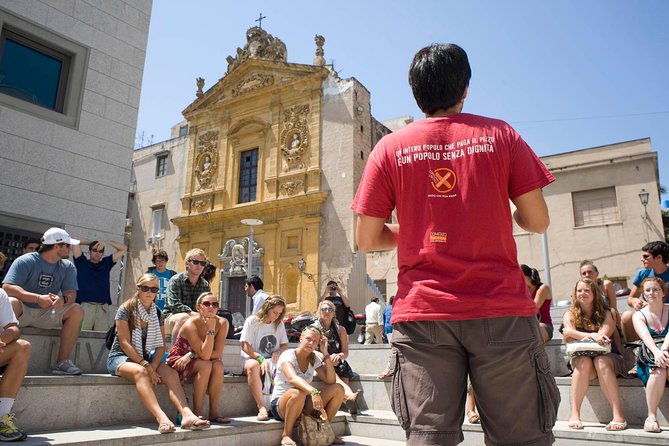
The experience starts at P.za Giuseppe Verdi, 455 and ends near Fontana Pretoria in Piazza Pretoria. That matters because you don’t just leave with information—you end in the heart of the old town where you can keep going.
The group size cap is 15, which is a big deal for a topic like this. Fewer people means you can ask questions and get answers that fit what you’re actually wondering, not generic soundbites.
You’ll also have an easy check-in with a mobile ticket, and it’s offered in English. The tour runs around 3 hours, so it fits well as an afternoon anchor when your goal is to understand the city before you wander on your own.
Teatro Massimo: The Godfather Moment and Palermo’s Rebirth Symbol
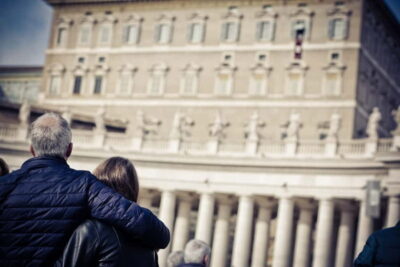
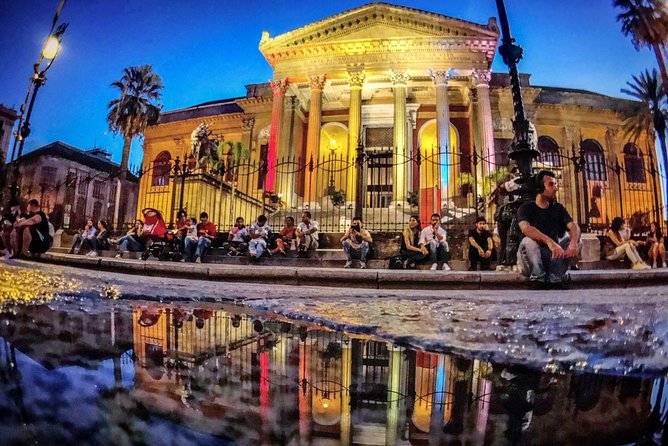
You begin at Teatro Massimo, Palermo’s famous opera house. Even if you’ve never set foot in an opera, it’s one of those places that feels important the second you arrive.
The guide connects it to a dramatic pop-culture scene from The Godfather III, which is a fast way to orient your imagination. Then the tone shifts: the theatre is also framed as a symbol of rebirth for the city after decades of Mafia violence.
It’s a strong opener because it sets a key theme early. Power structures can wear different costumes—glamour in the form of art and public life, and control in the form of intimidation. Starting here helps you understand why the rest of the route isn’t just history facts; it’s about how society remade itself.
What to watch for: this is a sit-and-listen moment. If you prefer constant movement, you may find a few stops feel more like brief lectures outside key buildings than a fast-paced street tour.
Wall of Legality: 70 Meters of Names, Faces, and a Photo Stop With Purpose
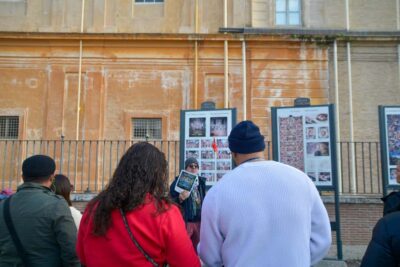
Next comes the Wall of Legality, described as the longest wall painting in Italy at about 70 meters long. This stop isn’t just pretty street art; it’s a public memorial that helps you put names and faces to the people who were killed.
I like this part because it turns a scary topic into something concrete. When you can read a list of victims and see the scale of it on a long wall, the story stops being abstract.
There’s also a practical bonus: it’s a natural place to pause for photos. Just don’t treat it like a casual backdrop; the whole point is remembrance and recognition, not Instagram scenery.
Possible drawback: if you’re someone who wants more buildings and less explanation, this wall may feel like you spend more time standing still. The tradeoff is that you actually learn what the memorial is saying, not just that it exists.
Market Noise and Cappadonia Gelati: Where Pizzo Refusal Gets Real
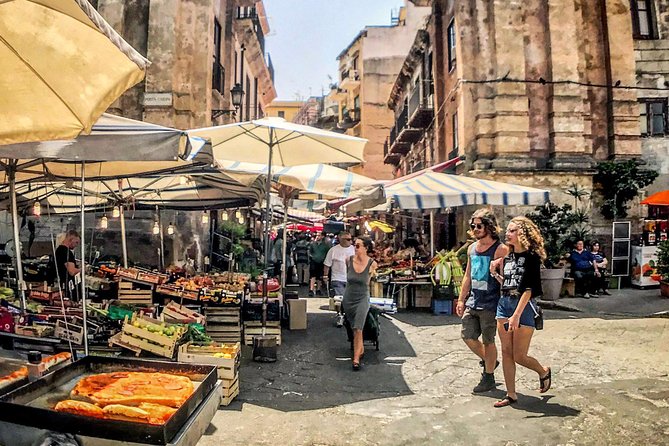
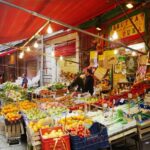
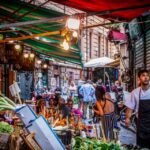
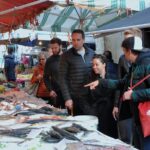
The middle of the walk shifts into street life with an old open-air market. This is where the Mafia-and-business relationship becomes easier to understand, because shopkeepers aren’t a distant concept here. You’ll walk through one of Palermo’s loud, colorful areas and hear how intimidation worked in everyday commerce.
Then the route continues along the Cassaro, Palermo’s main spine, and you hit Cappadonia Gelati. This is a small stop that carries a big message: some shop owners put an orange sticker in their windows after choosing to say no to the extortion racket, or pizzo.
What makes this especially effective is that you can literally see what the anti-mafia stance looks like. The guide also ties it to Addiopizzo’s grassroots critical-consumption effort, which helps you understand that resistance doesn’t always look dramatic—it can look like a decision made at a register.
How to use this stop well: if you’re curious, ask your guide what the sticker campaign represents and how it supports community work. You’ll get more out of a quick gelato stop when you understand the role of refusal in the bigger fight.
Palazzo di Giustizia, Cattedrale di Palermo, and Palazzo Pretorio: Institutions Under Pressure
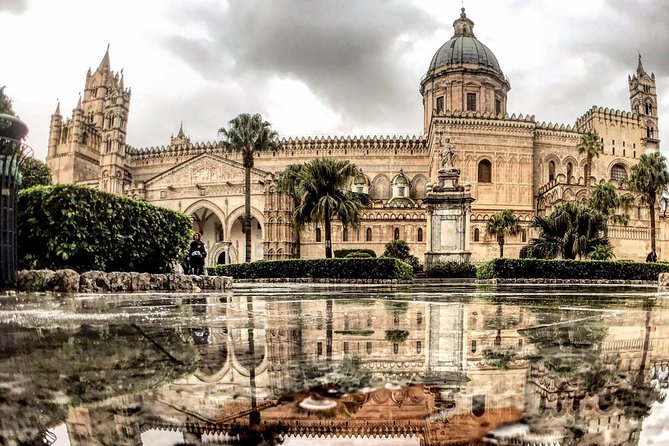
After the market-and-street section, the walk heads into the city’s institutional core. This part is powerful because it shows how the Mafia’s grip wasn’t only personal; it also targeted systems meant to protect society.
You’ll pause at Palazzo di Giustizia in Piazza della Memoria, a memorial dedicated to judges and prosecutors killed by the Mafia. This isn’t about sensational crime details. It’s about how justice itself became a battleground, and how people paid for trying to enforce the law.
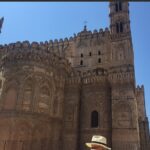
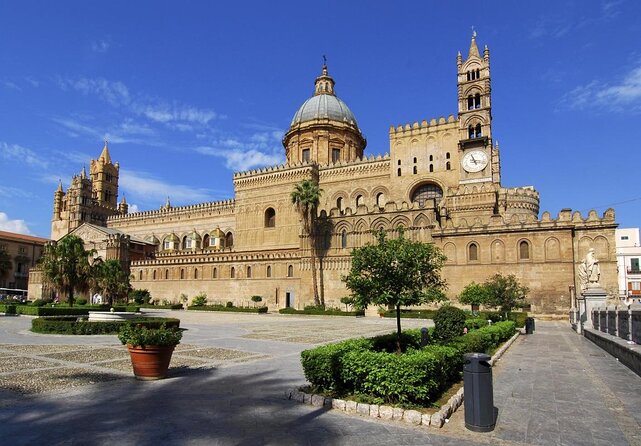
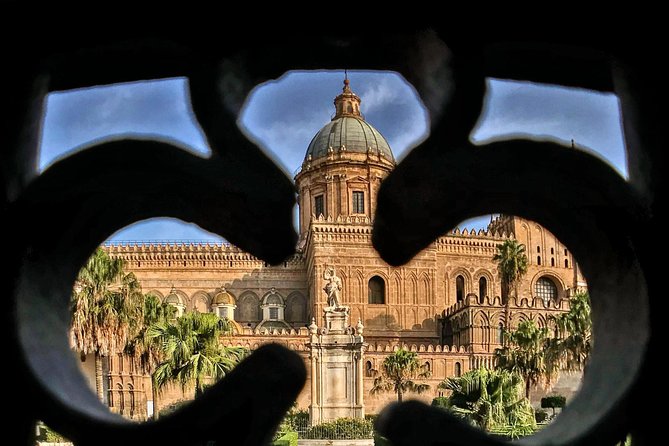
From there, you reach Cattedrale di Palermo (the Arab-Norman Cathedral). The guide focuses on the relationship between the Catholic Church and the Mafia—how religion and power can collide, and how that conversation has evolved over time. This is one of those stops where your takeaway depends on what you listen for: not just what was said, but why those relationships mattered.
Finally, you end up at Palazzo Pretorio, tied to Palermo’s City Hall. Here the theme becomes political integrity versus corruption. The message isn’t that leaders were all villains; it’s that public office in Palermo could be used by organized crime—and that anti-mafia figures also fought back from within the same structures.
Balance note: if you want a purely historical tour focused on art, style, and architecture, this section might feel heavy on ethics and social conflict. If you’re okay with that, it’s also the most meaningful part, because it explains why resistance had to be organized, not just emotional.
What to Expect on the Ground: Timing, Pace, and Comfort
The tour runs around 3 hours and caps at 15 people, so the logistics stay manageable. Most stops have free admission listed for the key sights, which keeps your budget steady and lets you spend your energy listening instead of figuring out ticket steps.
The pace is mostly on foot, with short segments at each major site. A few past experiences describe some standing around while information is relayed, so I’d plan your body accordingly.
You’ll also want to dress like you’re doing real walking: comfortable shoes are suggested for a reason. Bring a light layer, and if rain threatens, an umbrella and dry jacket will save the day.
When you finish, you’re placed near Fontana Pretoria, and the guide shares tips to keep exploring and to taste Sicilian specialties in the surrounding area. That end point matters because it turns the tour into a launchpad, not a dead-end.
Should You Book This Palermo No Mafia Walking Tour?
Book it if you want Palermo explained through the lens of resistance—judges, shopkeepers, and public institutions pushing back against pizzo. It’s a smart choice as a first or second day activity because it gives you a framework you’ll carry while you wander the old center.
Skip it or consider pairing it with another sightseeing-focused walk if you mainly want art-history commentary and constant movement. This one is built to teach the anti-mafia story in a way that stays grounded in places you can see, and that tradeoff includes a few pauses.
FAQ
How long is the Palermo No Mafia walking tour?
It lasts about 3 hours.
What’s the price per person?
The tour costs $39.30 per person.
Is the tour offered in English?
Yes, it’s offered in English.
How big is the group?
The tour has a maximum of 15 travelers.
Where do you meet and where does the tour end?
You start at P.za Giuseppe Verdi, 455, 90133 Palermo, and end at Fontana Pretoria in Piazza Pretoria, 90133 Palermo.
What should I wear or bring?
Comfortable shoes are suggested. If it’s rainy, the tour notes you should bring an umbrella and a dry jacket.
Should You Book This Palermo No Mafia Walking Tour?
Yes, if you want a focused, human-scale introduction to Palermo’s anti-mafia culture tied to real landmarks. It’s also a good value use of a half-day, especially because you finish in the historic center with ideas for what to eat next.