REVIEW · PALERMO
Palermo: NO Mafia Walking Tour
Book on GetYourGuide →Operated by Addiopizzo Travel · Bookable on GetYourGuide
Forget movie mafias; this walk is street-level. In Palermo’s historic center, you’ll connect major landmarks with the real civil anti-mafia movement, not just spooky folklore. The best part is how the guide keeps everything grounded in everyday choices and consequences, with anti-mafia activism threaded through the sights.
I love the way the tour makes concepts physical. Along the Cassaro, you’ll notice pago chi non paga orange stickers in shop windows, tied to people who refused extortion and joined an ethical-consumer campaign.
I also like that the route doesn’t stop at the Mafia as a headline—it follows the response, including the memorial focus of Piazza della Memoria and the tour’s connection to Addiopizzo. One possible drawback: the subject matter is heavy, so if you’re hunting for light, funny sightseeing only, this won’t be your vibe.
In This Review
- Quick Hits: What You’ll Remember After the Walk
- A Street-Level Look at Palermo’s Anti-Mafia Fight
- Where the Walk Starts in Palermo’s Core
- Teatro Massimo: When Architecture Meets the Real Story
- Il Capo and Palermo’s Everyday Pulse
- Piazza della Memoria: The Names Behind the System
- The Cassaro Sticker Story: pago chi non paga in Practice
- Piazza Beati Paoli, the Cathedral, and City Hall Stops
- How the 3 Hours Actually Feels (and How to Fit It in)
- What You’re Paying For: The Value Behind the $40 Ticket
- Who Should Book This Tour (and Who Might Skip It)
- Should You Book Palermo: NO Mafia Walking Tour?
- FAQ
- How long is the No Mafia walking tour in Palermo?
- What does it cost?
- What languages are available for the live guide?
- What is included in the ticket price?
- Are museum or monument entrance fees included?
- Where do we meet for the tour?
Quick Hits: What You’ll Remember After the Walk
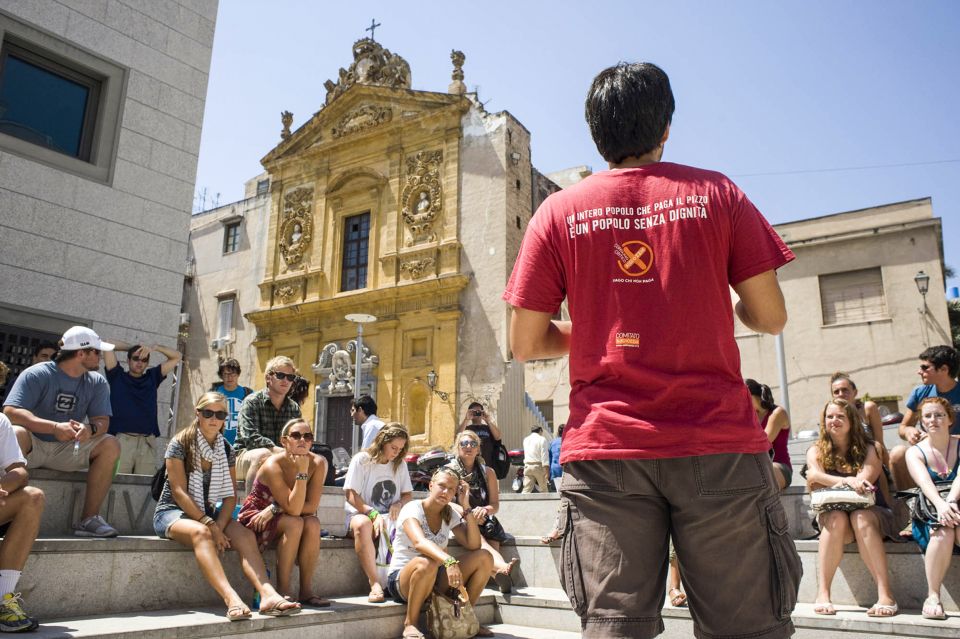
- Cassaro orange stickers that explain pago chi non paga in plain terms
- Teatro Massimo and other big-city landmarks placed into a real social context
- Piazza della Memoria and the people killed for doing the job
- Il Capo area to feel how daily life looks on the ground
- Small-group pacing and guides who answer questions without rushing you
- Addiopizzo support included so your ticket funds anti-mafia work
A Street-Level Look at Palermo’s Anti-Mafia Fight
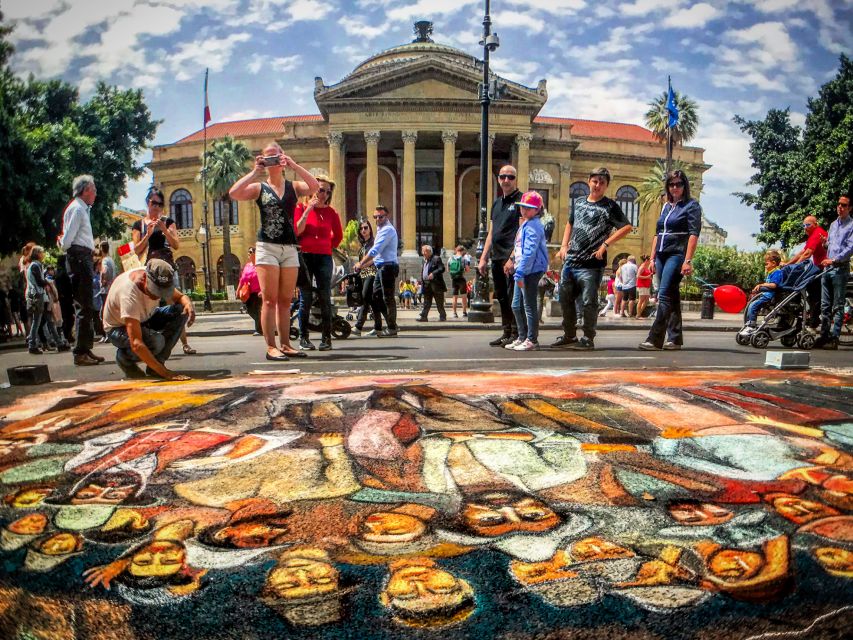
This is the kind of tour that changes your mental picture fast. In Palermo, the Mafia isn’t just a crime story—it’s a system that can shape jobs, pressure business owners, and distort everyday life. What I like here is that you’re not asked to admire violence or solve it like a thriller. You’re asked to understand why people said yes, why some said no, and what it costs.
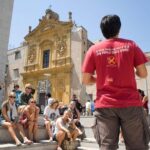
Your guide is the engine. This tour runs with live guides in English, French, Italian, or Spanish, and the emphasis is on real history and real civic resistance. In the guide line-up you might encounter names like Linda, Valeria, Giuseppe, Salvatore, Ermes, and Attilio, and the common thread across them is clarity, engagement, and serious passion for the cause.
And yes, the topic can feel dark. But the tone stays practical. You come away with a more accurate sense of the stakes—and also why the anti-mafia movement matters beyond Palermo.
You can also read our reviews of more tours and experiences in Palermo.
Where the Walk Starts in Palermo’s Core
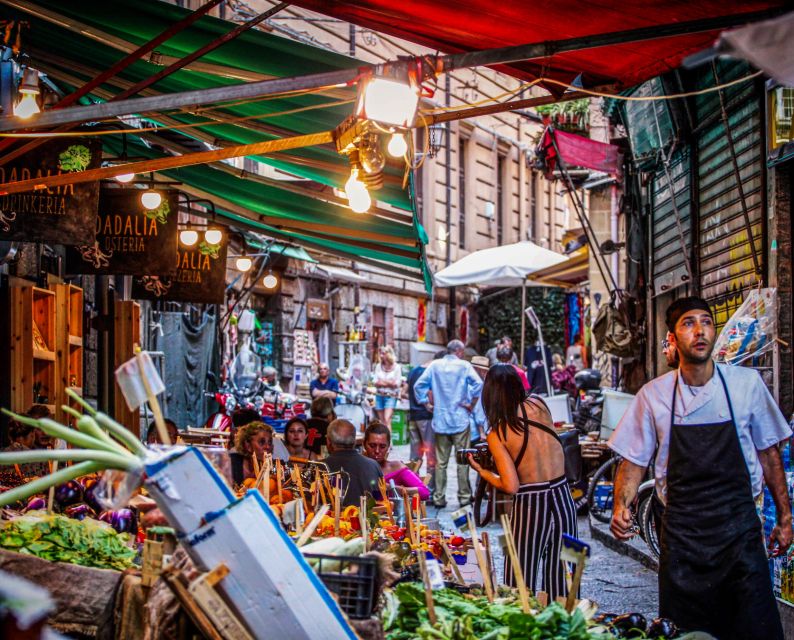
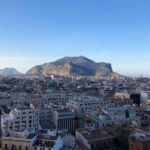
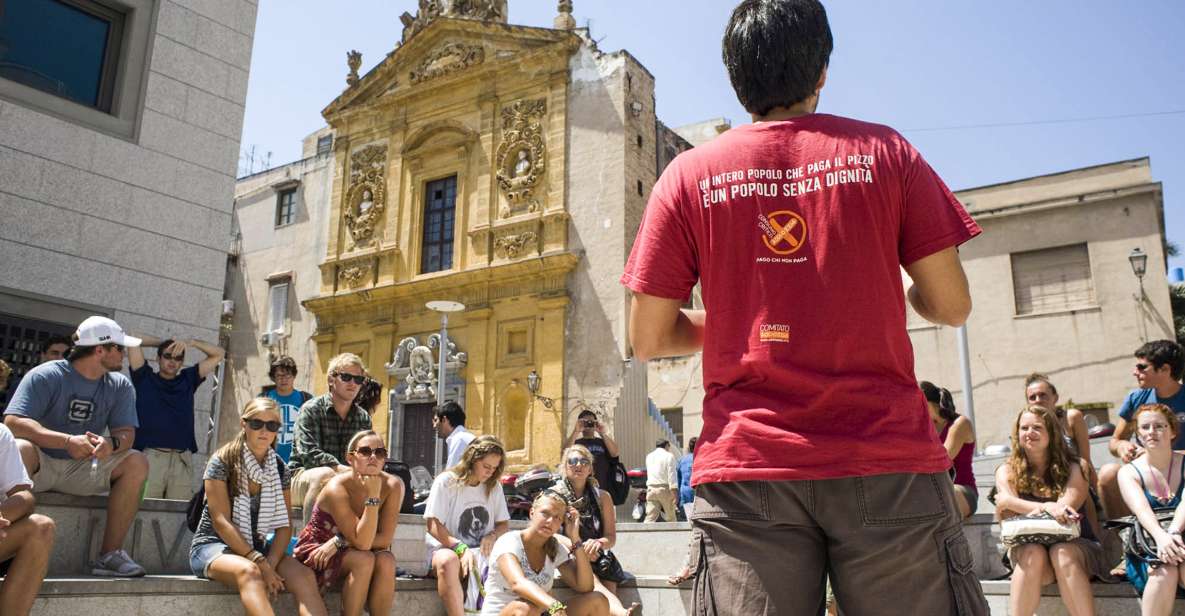
You meet in Palermo’s historic center, though the exact meeting point can vary depending on the option you book. The route itself is built for walking: a steady stroll through the old streets where the city’s layout helps the story make sense. Think of this as seeing Palermo’s “stage” while the guide explains the plot behind it.
Because the tour is 3 hours, you won’t feel dragged across the city. You’ll cover enough major landmarks to anchor your visit, then finish back in the old center with suggestions on where to taste Sicilian specialties. If you like tours that help you get your bearings fast, this is a good match.
The only thing you truly need to plan for is your shoes. Wear comfortable ones, because you’ll be on foot the whole time.
Teatro Massimo: When Architecture Meets the Real Story
One of the tour’s anchors is Teatro Massimo, Palermo’s famous opera house area. On a normal sightseeing day, you might just admire the exterior and move on. Here, the point is different: you’re learning how society, power, and institutions connect in Sicily.
A big benefit of this stop is that it gives you a sense of Palermo’s scale and ambition. The city has cultural grandeur, and it also has pressures that can undermine fairness. The guide uses that contrast to move you from clichés to cause-and-effect.
Even if you’re not an opera person, you’ll get value. You’re using the building like a map marker for a bigger conversation about how influence works when it’s embedded in social life.
Il Capo and Palermo’s Everyday Pulse
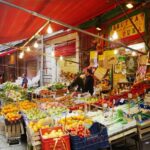
Next, you head toward the Il Capo area, the open-air market zone. This is where the tour feels most “alive” because you’re in a part of town tied to daily routines: food, chatter, commerce. The guide uses the market setting to talk about how Mafia influence can show up in ordinary places, not just in crime scenes.
This is one of the tour’s smartest choices. If you only learn about the Mafia through dramatic incidents, you end up with a shallow picture. By placing the story next to everyday life, you get a better understanding of why people were frightened, pressured, or cornered. And you also get why the anti-mafia movement relies on community courage—not movie-style heroics.
If markets are your thing, this is a strong moment on the route. If markets aren’t your thing, it’s still useful, because you’ll feel the texture of Palermo while learning what changes when people refuse intimidation.
Piazza della Memoria: The Names Behind the System
Then comes one of the most important emotional stops: Piazza della Memoria. This square serves as a memorial dedicated to prosecutors and judges killed by the Mafia. That detail matters because it shifts the story from gang culture to the legal system—what happens when the rule of law is attacked.
I like how this changes your listening. After this stop, the tour doesn’t feel like a general history lecture. It feels like a specific account of people who tried to stop impunity and paid for it. You start to hear the anti-mafia movement as something painfully personal.
You also get a reminder that resistance is not just armed conflict. It’s civic work, legal work, and community pressure—plus the long, grinding effort of keeping justice on the table.

The Cassaro Sticker Story: pago chi non paga in Practice
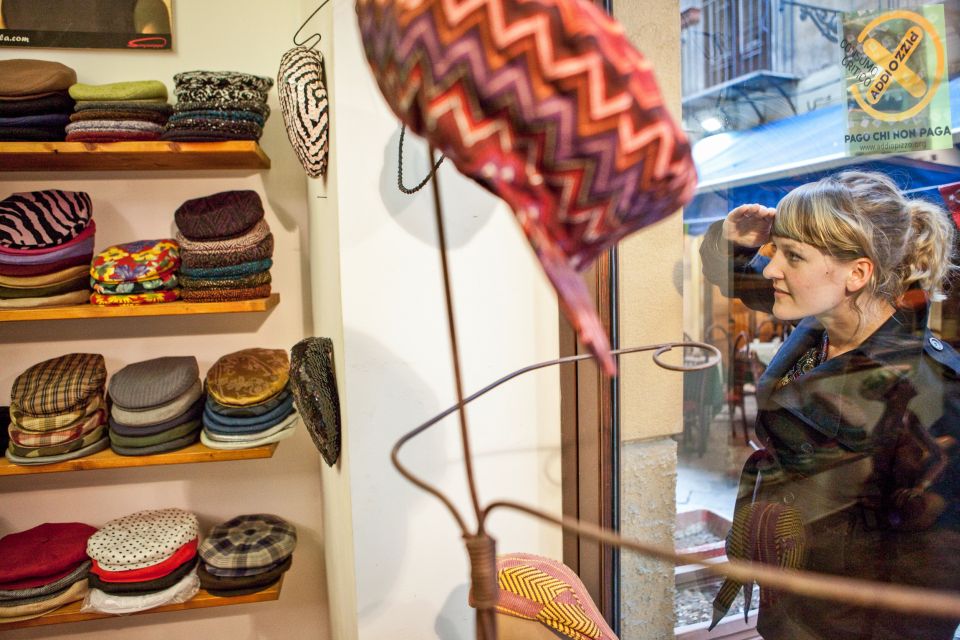
A standout feature of the walk is the Cassaro section, where you’ll see shop windows marked with orange stickers. The guide explains what they mean through the campaign called pago chi non paga, which translates as I pay who does not pay. The idea is simple: businesses refusing extortion can shift the “normal” expectation of intimidation.
This is the part I think most visitors will appreciate, because it turns an abstract concept into something you can see with your own eyes. Instead of asking you to memorize terms, the tour points at real signals people used to communicate refusal.
It also connects directly to why this tour is tied to Addiopizzo. Your ticket includes a contribution to the charity, and that charity’s work is about supporting people who say no and building safer community conditions. You’re not just hearing about resistance—you’re helping it keep going.
Piazza Beati Paoli, the Cathedral, and City Hall Stops
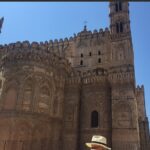
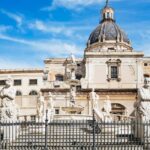
After the memorial and activism focus, the route keeps moving through major civic and cultural landmarks. You’ll pass places like Piazza Beati Paoli and Palermo Cathedral, plus city hall. The tour uses these stops to show how deep the Mafia question runs: into tradition, into authority, into public life.
These aren’t random photo ops. The guide uses each location to reinforce a theme: power can hide in plain sight, and civic space can become either a shield for communities or a weakness that criminals exploit. Even if you’re not interested in politics, the guide translates it into real-world consequences.
One more detail you might catch along the way: references to spots tied to Palermo’s anti-mafia symbolism, including a Mafia memorial wall and the fountain of shame. The tour’s style is to connect these landmarks to what they represent, not just what they look like.
How the 3 Hours Actually Feels (and How to Fit It in)
Three hours is an ideal length for a walking tour of this type. Long enough for the story to build, short enough that you can still enjoy the rest of your day in Palermo.
If you can, I’d schedule it early in your trip. The route gives you context that makes the rest of the city click. After learning how the Mafia and anti-mafia movements interact, you’ll start noticing patterns in neighborhoods, institutions, and even how people talk about the past.
Pacing can also matter with heavy topics. Several guide comments highlight that some guides make sure the talk remains manageable, even offering places to sit when there’s shade available. That small comfort helps the narrative land.
And when you finish in the old-town heart, your guide typically shares practical advice on where to taste Sicilian specialties. That last step matters because it keeps the day from feeling like one-note education. You leave with a plan to enjoy the food culture you just learned a bit of civic context for.
What You’re Paying For: The Value Behind the $40 Ticket
At $40 per person, this tour isn’t a bargain-price gimmick. It’s priced more like a specialized walking experience. The value comes from three places.
First, you get a structured route through major landmarks like Teatro Massimo and the Il Capo market zone, plus stops that carry moral weight like Piazza della Memoria. Second, you’re paying for a live guide who carries the narrative for the full 3 hours, in the language options offered. Third, your ticket includes a contribution to Addiopizzo, turning your payment into support for ongoing anti-mafia work.
If you’ve ever paid similar money for a standard sightseeing tour, this is the kind that tends to feel more personal. You’re not just collecting views. You’re collecting understanding—plus you’re funding a cause. That mix is why the reviews score so high.
Who Should Book This Tour (and Who Might Skip It)
This tour is a great fit if you want more than surface-level Palermo. You’ll enjoy it if you like tours that connect buildings and streets to human decisions, and you’re curious about the anti-mafia movement as a civic force.
It’s also a good choice if you’re tired of the glamorous Mafia myth from movies and games. The tone here aims to replace fantasy with consequences: violence, intimidation, and the long work of people pushing back from the grassroots.
Consider skipping if you mainly want a light, social stroll for photos and chatter. Even with thoughtful pacing, this is still a serious subject. You should go in knowing it’s educational and emotionally weighty.
Should You Book Palermo: NO Mafia Walking Tour?
Yes, I’d book it if you want your Palermo visit to mean something beyond pretty streets. The route gives you classic landmarks like Teatro Massimo while also teaching you how power and resistance operate in real life, including visible symbols like the orange pago chi non paga stickers.
I’d also book it early—then use what you learn to guide your choices for the rest of the trip. And since the tour is 3 hours on foot, do yourself a favor: wear comfortable shoes, bring water if you tend to get thirsty, and show up ready to listen.
If you want a Palermo that doesn’t sugarcoat the past, this is one of the strongest uses of your time in the city.
FAQ
How long is the No Mafia walking tour in Palermo?
It lasts 3 hours.
What does it cost?
The price is $40 per person.
What languages are available for the live guide?
The tour is offered with a live guide in Spanish, French, English, and Italian.
What is included in the ticket price?
Your ticket includes the guide, the walking tour, and a contribution to the Addiopizzo charitable organization.
Are museum or monument entrance fees included?
No. Entrance to museums and monuments is not included.
Where do we meet for the tour?
The meeting point may vary depending on the option you book.