Roll pasta, trade stories, eat it.
In Sanremo, Monica runs a small-group class where you learn handmade tagliatelle, ravioli, and gnocchi/orecchiette, then you share a terrace meal with the dishes you made.
I like two things a lot. First, everyone gets an apron, a spot at the counter, and the ingredients to actually practice each step, not just watch. Second, Monica ties the cooking to Italian names, simple science, and family-style stories, so the lesson sticks even after you leave.
One possible drawback: this is a home-kitchen setup. If you’re expecting a polished restaurant experience, the vibe may feel more casual, more you-walk-in-and-cook than you-dress-up-and-queue.
In This Review
- Key things to know before you go
- A practical look at this pasta class in Sanremo
- What you make: tagliatelle, ravioli, and the seasonal wildcard
- Meeting Monica at the Strada Privata Vallarino apartment
- The lesson style: hands-on pasta skills, not just watching
- From dough to sauces: how the menu comes to life
- The terrace dinner: al fresco, family-style, and very worth it
- Price and value: what you’re paying for at $181.41
- Who should book this class (and who should skip it)
- Tips to make your evening smoother
- Should you book Pasta & Basta?
- FAQ
- How long is the Pasta & Basta class in Sanremo?
- Where do we meet for the experience?
- What languages is the class offered in?
- What types of pasta will we learn to make?
- Do we eat the pasta we make?
- Is it a private tour or shared group?
- Is there a mobile ticket?
- What is the cancellation policy?
Key things to know before you go
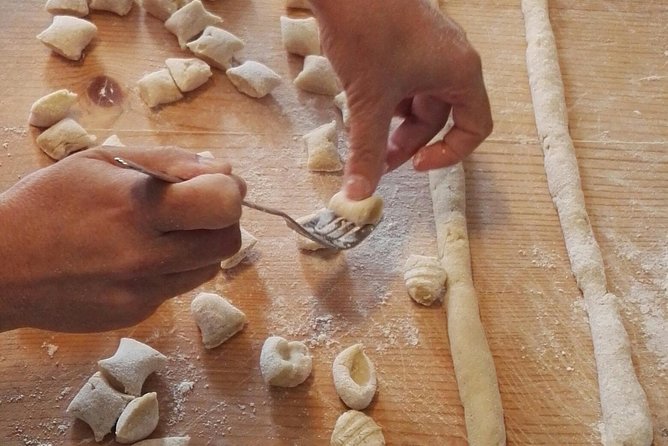
- Three pasta shapes, one lesson: tagliatelle, ravioli, and a seasonal third pasta (gnocchi or orecchiette)
- You handle the dough: each person works with their own ingredients and space
- Sauces go with the pasta, not afterthoughts: pesto, pomodoro sugo, and burro e salvia
- Al fresco terrace dinner: you eat family-style outdoors after the workshop
- English-friendly, private group: the class is offered in English and only your group participates
- Sea-view energy: the terrace setting is a big part of the feel in this Sanremo apartment
A practical look at this pasta class in Sanremo
This experience is the kind of evening you’ll remember because your hands were in it. Instead of a quick tasting tour, you go all the way through: mix dough, shape pasta, cook with guidance, then sit down and eat what you made. It’s taught in English, in a real local kitchen, with Monica and support from Diego De Santis behind the scenes.
Sanremo is the calm, lived-in side of the Italian Riviera. Here, the cooking class fits that mood. You’re not rushing between monuments. You’re learning food skills you can repeat at home.
The timing also helps. At about 2 hours 30 minutes, it’s long enough to make real progress, but not so long that you feel trapped doing one activity all day.
What you make: tagliatelle, ravioli, and the seasonal wildcard
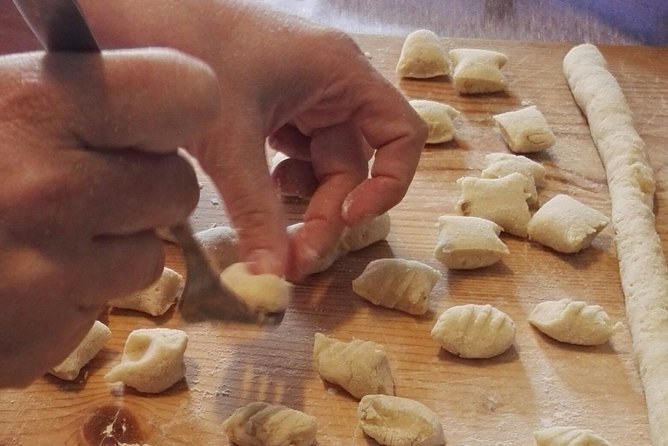
The heart of Pasta & Basta is making three different pasta types by hand. You’ll work through:
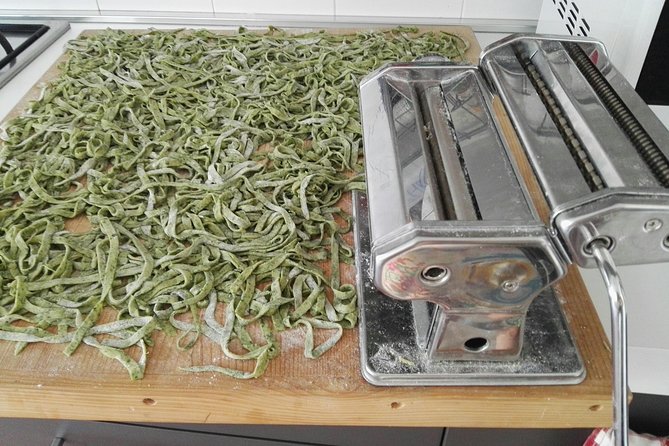
Tagliatelle
You’ll learn how to form fresh tagliatelle and pair it with tagliatelle al pesto. Pesto is a classic choice because it shows off the pasta’s texture. Fresh tagliatelle grips sauce differently than dried pasta, and you’ll notice that fast.
Ravioli
Ravioli is the skill that feels the most magical once you get it right. You’ll shape and fill ravioli, then enjoy them with a butter-and-sage sauce (burro e salvia). This sauce is simple, but it demands timing—when the pasta hits the pan, it all comes together quickly.
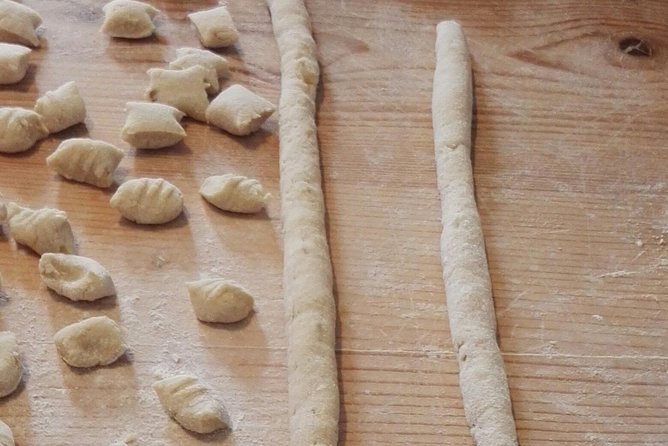
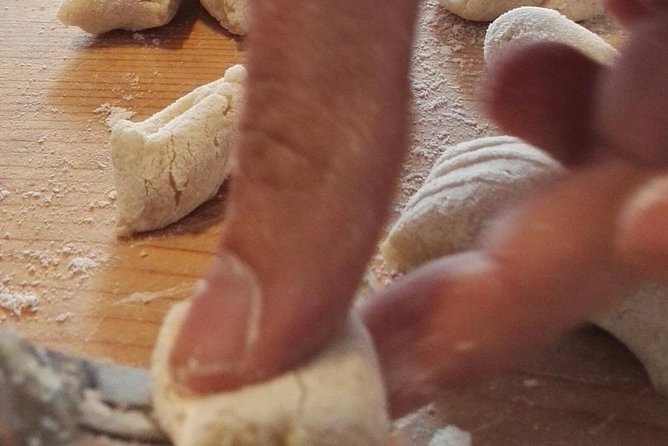
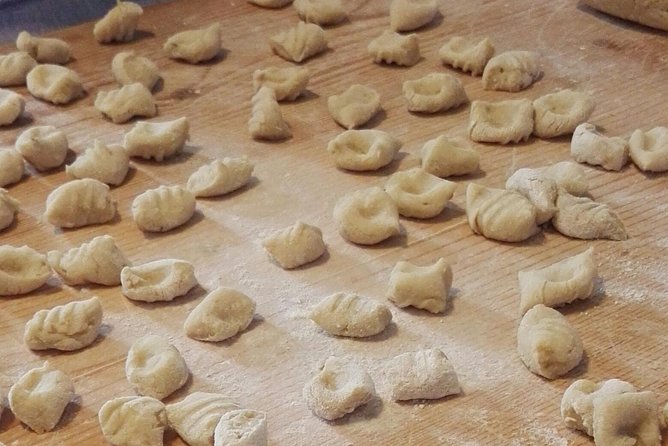
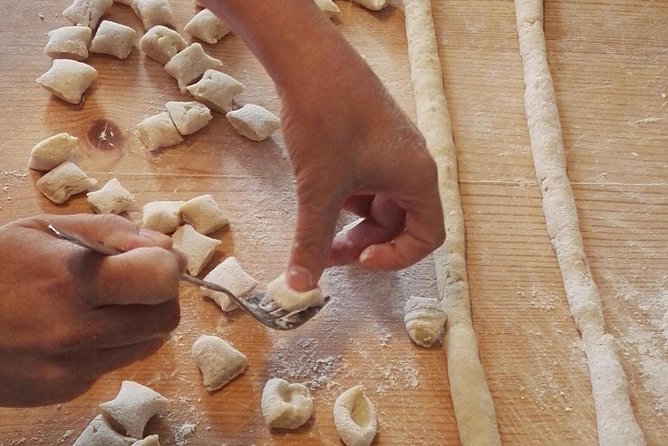
Gnocchi or orecchiette, depending on the season
This is the one detail to plan around. The third pasta changes with the season: gnocchi or orecchiette. If you have a strong preference for one, treat that as a reason to double-check your date or messaging before you lock in.
Why this matters for value: you’re not only learning “how to cook one thing.” You’re learning how different shapes change the way sauce clings, and how each dough behaves.
Meeting Monica at the Strada Privata Vallarino apartment
You meet at Strada Privata Vallarino, 18038 Sanremo IM, Italy. The experience ends back at the meeting point, so you’re not stuck figuring out where to go after dinner.
Two practical notes help:
- It’s near public transportation, which is useful on the Riviera where schedules can get tricky.
- It’s a private activity, so only your group participates. That matters because pasta classes go better when you don’t have a crowd shuffling in and out.
This is also where the mood clicks. You’ll be welcomed at the apartment, then guided into the kitchen. Instead of a formal classroom, it feels like a friendly kitchen setup—aprons on, counters ready, and everyone starting at their own station.
The lesson style: hands-on pasta skills, not just watching
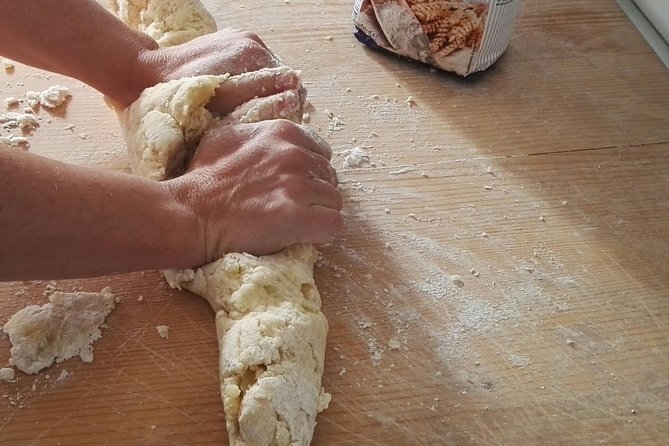
Monica teaches in a way that makes you feel productive. You won’t spend the whole time waiting for someone to show you what to do next.
Here’s what the teaching approach translates to in your day:
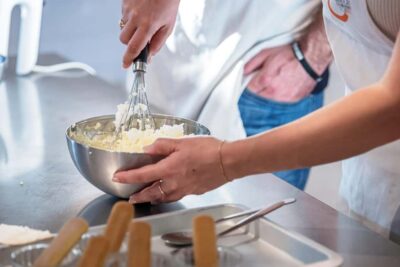
- Your station is active. You’ll have your own space and ingredients to practice what she explains.
- You learn the why, not only the how. She shares origins and historical links behind preparations, plus cooking tricks that help you understand results.
- Language support is built in. You’ll learn Italian names for key ingredients as you use them, so you can follow recipes later without translating everything from scratch.
- It’s interactive from the start. You’re not separated from the process. You’re part of it.
The teaching also aims at confidence. You’re walking out knowing how to describe what you cooked—tagliatelle, ravioli, and the seasonal third pasta—plus what makes each one work.
Even the humor and storytelling have a purpose: they keep attention where it belongs. Fresh pasta punishes distractions. When you’re laughing and moving, you’re also staying on track.
From dough to sauces: how the menu comes to life
You’ll cook with a plan that leads directly into what you eat. The sample menu pairs each pasta with a clear sauce direction:
- Tagliatelle al pesto
Expect a green, herby sauce built for fresh pasta textures.
- Orecchiette al sugo di pomodoro
If your date lines up with orecchiette season, you’ll work with a tomato sugo that clings well to the pasta shape.
- Ravioli burro e salvia
This one is buttery and fragrant, with sage doing the heavy lifting.
A smart detail in how this is run: Monica and Diego handle parts of the cooking so the meal doesn’t collapse under timing. That lets you focus on learning the shaping and core steps without turning dinner into a chaotic scramble.
One other thing I appreciate: you’re not just tasting finished pasta. You’re seeing how each sauce behaves with the pasta you made. That link is what helps you cook at home later—if you understand pairing, you stop guessing.
The terrace dinner: al fresco, family-style, and very worth it
After cooking, you move to the terrace. This is where the experience becomes a meal, not just a workshop.
You’ll share the pasta dishes cooked during class in a convivial family-style format. It’s the moment you can finally breathe, look around, and enjoy Sanremo from a calmer angle.
The terrace part is more than pretty scenery. It’s also a practical pacing tool:
- Cooking fresh pasta demands attention and timing.
- Then you get a chance to reset, eat, and absorb what you just learned without rushing to a second activity.
You’ll also finish with real Italian coffee, plus more talk—local tips and legends tied to food. Even if you don’t care about trivia for trivia’s sake, this keeps the evening feeling complete instead of stopping abruptly after plating.
Price and value: what you’re paying for at $181.41
At $181.41 per person, you’re not paying for a cheap meal. You’re paying for a guided, hands-on class in a private home kitchen—plus ingredients, teaching time, and the dinner itself.
Here’s what makes it feel reasonable:
- Personal instruction in a small setup. With only your group participating, you’re not competing for space or time.
- Three pasta types in one evening, rather than a single demo.
- You eat what you make, including multiple sauces.
- Language and culture teaching are part of the package, not tacked on.
Where you should be honest with yourself: if you mainly want to eat Italian food and you’re not interested in cooking skills, you might find cheaper meals in Sanremo. But if you want a take-home ability—pasta shapes, pairing ideas, and ingredient vocabulary—this is the kind of activity that converts into real value after the trip.
Also, the fact that it’s often booked about 71 days in advance is a clue: the schedule is limited, and good kitchen experiences don’t stay open forever.
Who should book this class (and who should skip it)
This fits best if you:
- Want a hands-on food experience, not a passive tasting
- Like learning practical technique you can repeat at home
- Enjoy meal-centered travel days—where dinner is the highlight
- Prefer a smaller, more personal group setting with hosts like Monica and support from Diego De Santis
You might not love it if:
- You need a fully formal, restaurant-like environment
- You’re only interested in one pasta type (because the lesson includes all three, and the third depends on season)
It’s ideal for couples, families, and small groups who can enjoy an active evening. The vibe is warm, welcoming, and interactive—so go with an open mindset and expect to get flour on your sleeves.
Tips to make your evening smoother
A few practical moves will help you enjoy the full 2.5 hours:
- Wear comfy clothes. Pasta class means dough time, and dough can be messy.
- Arrive ready to participate. The class works best when you treat it like a cooking session, not a show.
- Ask about the seasonal pasta if you care. Since the third pasta is gnocchi or orecchiette depending on the season, your preference matters.
- Plan your evening buffer. Fresh pasta and dinner take time to digest. Try not to schedule a late show right after.
If you’re booking from far away, don’t panic about last-minute details. Confirmation is typically received within 48 hours of booking, based on availability. And you’ll get a mobile ticket, so there’s no paper hunt.
Should you book Pasta & Basta?
If you want one experience in Sanremo that feels both authentic and useful, I’d say book Pasta & Basta. The biggest reason: it’s not only about eating pasta. You learn how to make it, in a guided kitchen you can trust, and then you sit down right away to enjoy your work.
Pick it especially if you’re the type who loves practical skills—rolling dough, shaping ravioli, pairing sauces, and learning the Italian words for what’s on your counter. The terrace dinner and coffee finish the evening in a way that feels like a real local night, not a rushed tourist stop.
FAQ
How long is the Pasta & Basta class in Sanremo?
It lasts about 2 hours 30 minutes (approx.).
Where do we meet for the experience?
The meeting point is Strada Privata Vallarino, 18038 Sanremo IM, Italy.
What languages is the class offered in?
The tour is offered in English.
What types of pasta will we learn to make?
You’ll learn to make tagliatelle and ravioli, plus either gnocchi or orecchiette depending on the season.
Do we eat the pasta we make?
Yes. After cooking, you’ll have an al fresco family-style lunch or dinner featuring the dishes prepared in the class, plus Italian coffee.
Is it a private tour or shared group?
It’s a private tour/activity, so only your group participates.
Is there a mobile ticket?
Yes. The experience includes a mobile ticket.
What is the cancellation policy?
You can cancel for a full refund up to 24 hours in advance of the experience start time. If you cancel less than 24 hours before, the amount paid is not refunded.