REVIEW · MILAN
Milan: Wine Tasting Experience in the City Centre
Book on GetYourGuide →Operated by Hidden Experiences · Bookable on GetYourGuide
Milan can feel like a blur, but wine makes it stop. This 1.5-hour tasting in the city center pairs 3 Italian wines with appetizers in a traditional bar setting, and you get the story behind what you’re drinking. I especially love how the sommelier coaching is practical, not just a lecture, and how the food is made to match the wines. The only real catch: you need to show up on time, because latecomers aren’t accepted.
I also like that the experience keeps things human and conversational. In past sessions, hosts named Abinesh, Salman, and Samer were praised for hospitality and for making the room feel relaxed, even when the topic is serious. One consideration: this is strictly adults only (18+) and not suitable for pregnant women or anyone under 18.
If you want something simple and high-impact for your Milan time, this is it—three pours, three pairings, and a quick education you can use next time you order.
In This Review
- Key things to know before you go
- Entering the wine bar in Milan’s city center
- The 90-minute flow: what happens during your tasting
- Your flight of 3 Italian wines: red, white, and sparkling
- Food pairing that actually changes what you taste
- The sommelier teaching style: practical, friendly, and not stuffy
- Why the group feels manageable (and why that matters)
- Price and value: what $53 gets you in Milan
- Who should book this wine tasting in Milan
- Tips to make sure you enjoy the whole 90 minutes
- Should you book this Milan wine tasting?
- FAQ
- Where is the meeting point?
- How long does the tasting last?
- What’s included in the price?
- Is there a latecomer policy?
- What language is the host?
- Is this tour only for adults?
Key things to know before you go
- 90 minutes in an intimate Milan wine bar format that keeps pace brisk
- 3 wines served in a planned sequence: red, white, and sparkling
- Sommelier-led tasting focused on how to taste and what to ask for
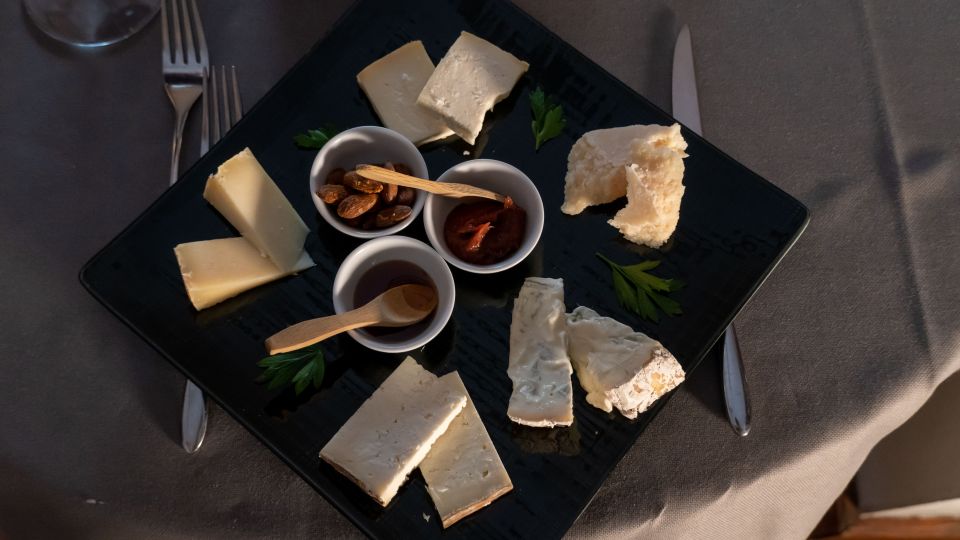
- Chef-made appetizers and bread using local ingredients for real pairing value
- English host and an atmosphere where questions are welcomed
- No late entry: arrive sharp at La Dogana del Buongusto
Entering the wine bar in Milan’s city center
This tasting happens in the heart of Milan at La Dogana del Buongusto, Via Molino delle Armi, 48 (20123). That matters more than it sounds. If you’re trying to fit something into a tight itinerary, being central means you can do this without a complicated transit plan.
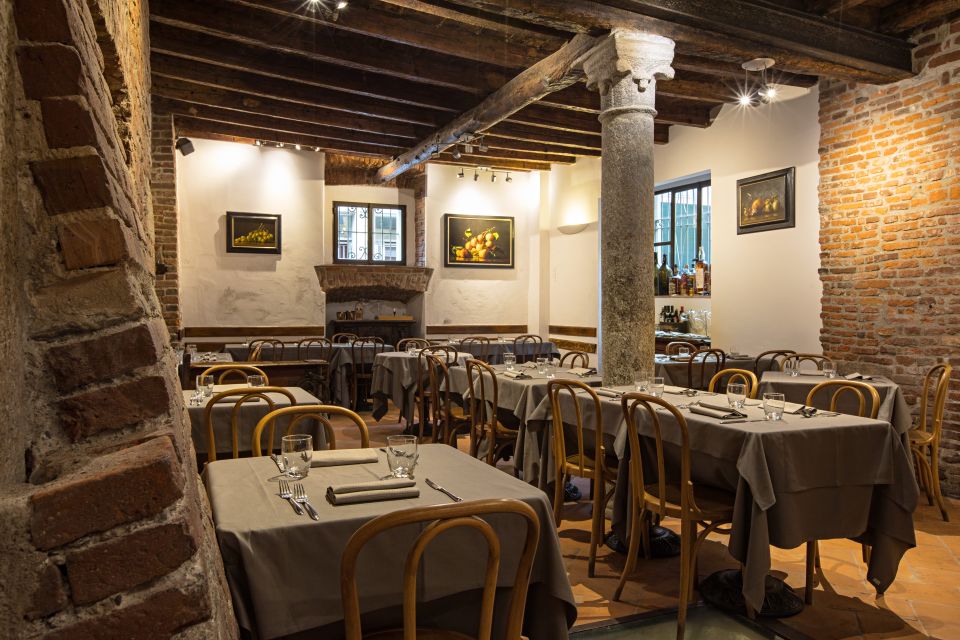
The setting is also part of the appeal: think traditional wine bar vibe, elegant but not stiff. You’re not just grabbing a drink and moving on. You settle in, you taste, you listen, and then you eat in a way that actually supports what you’re learning.
And because this is paced for a short session, you won’t feel stuck in a long class. It’s designed to keep you progressing from one wine to the next without losing the thread. For me, that’s the difference between an enjoyable evening and one that feels like homework.
You can also read our reviews of more tours and experiences in Milan.



The 90-minute flow: what happens during your tasting
You’re signing up for about 1.5 hours, which is a smart length for a first wine experience—or for a returning wine lover who wants to refine how they taste. Within that time, you get:
- A guided tasting of 3 Italian wines
- A pairing of each wine with appetizers and bread
- Explanations from a professional sommelier in English
- Water throughout, which is honestly a big quality-of-life detail when you’re trying to focus on flavors
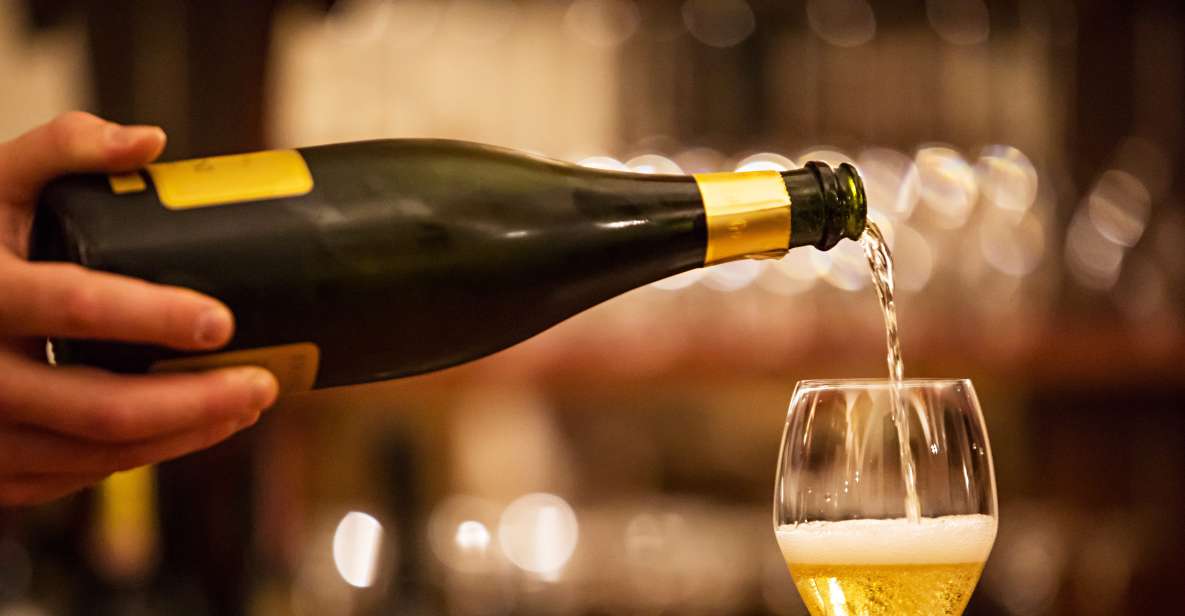
The best part is how the order works. You start with lighter and move through to more structured flavors, so your palate can keep up. You’re tasting, then switching gears to food, then coming back to wine with a clearer sense of what changed.
You should also know this is an adult-only event. It’s not a family stop, and the vibe is more “evening out with wine people” than “tour bus activity.”
Your flight of 3 Italian wines: red, white, and sparkling
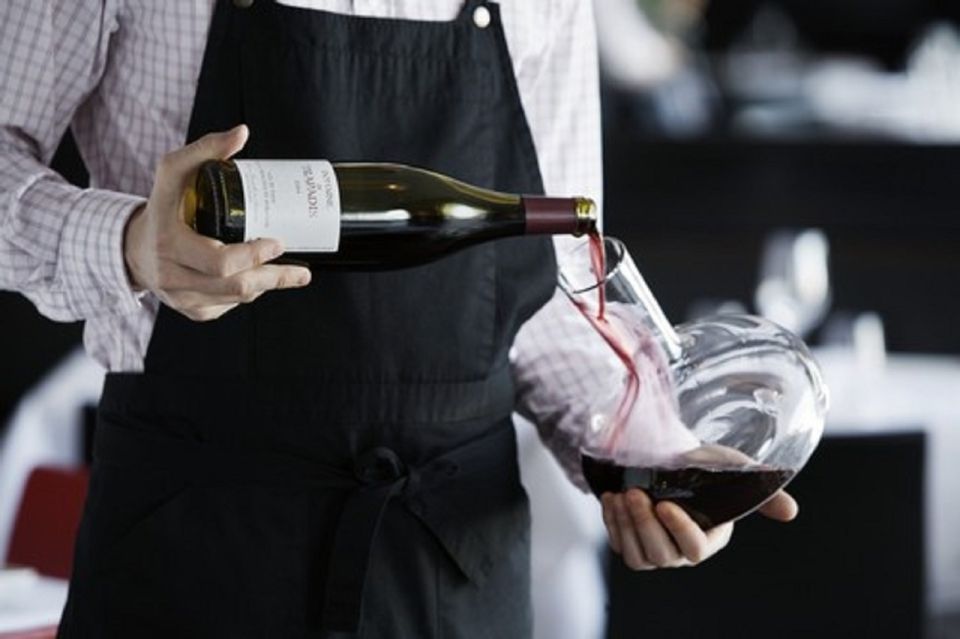
This experience is built around a very doable flight: red, white, and sparkling. You’re not overwhelmed with a long list of labels. Instead, you learn what to pay attention to so you can recognize character, not just memorize names.
Here’s what you’re effectively practicing:
1) White wine tasting mindset
You’re trained to notice acidity, freshness, and how the wine behaves with the first bites. This is where many people realize they’ve been drinking white wines without really tasting them.
2) Red wine tasting mindset
Then you shift to a wine with more structure—where you’re listening for balance and texture, not only sweetness or bitterness. The pairing helps you understand why reds often feel different depending on what’s on your fork.
3) Sparkling wine tasting mindset
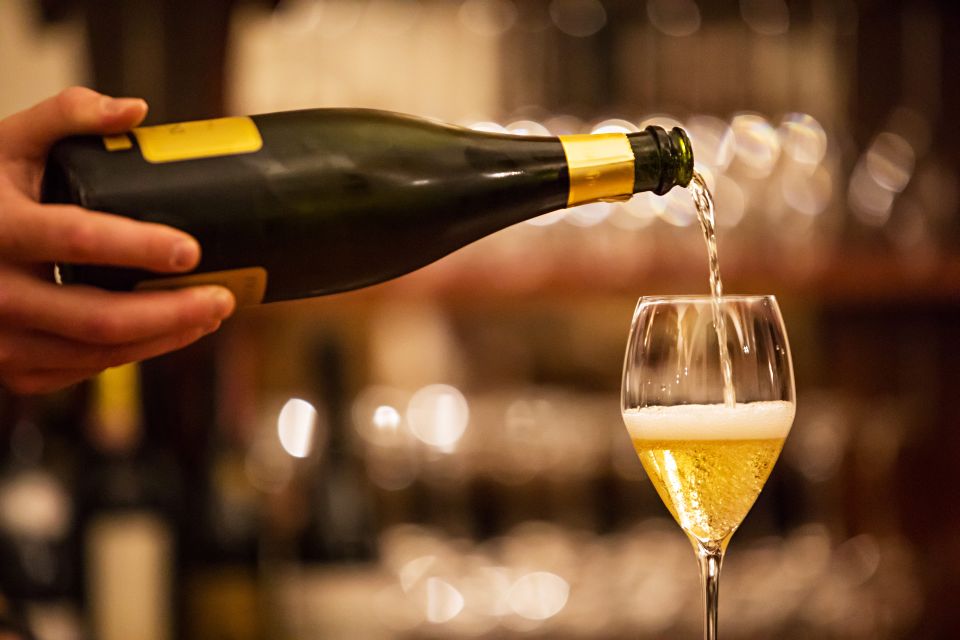
Sparkling is a fun curveball. It forces you to pay attention to bubbles, aroma lift, and how acidity and carbonation interact with food. It’s also a great way to reset your palate between courses.
Across the experience, the sommelier explains what makes these wines special—how they’re grown and produced, and what to expect when you drink them. One of the strongest themes in the feedback you’ll hear from others is that it’s not just about grape names or memorizing trivia. The coaching focuses on how to recognize your own preferences and how to describe them.
That’s valuable because it makes your next restaurant order easier. Once you learn what you like, you stop feeling stuck choosing randomly off the menu.
Food pairing that actually changes what you taste
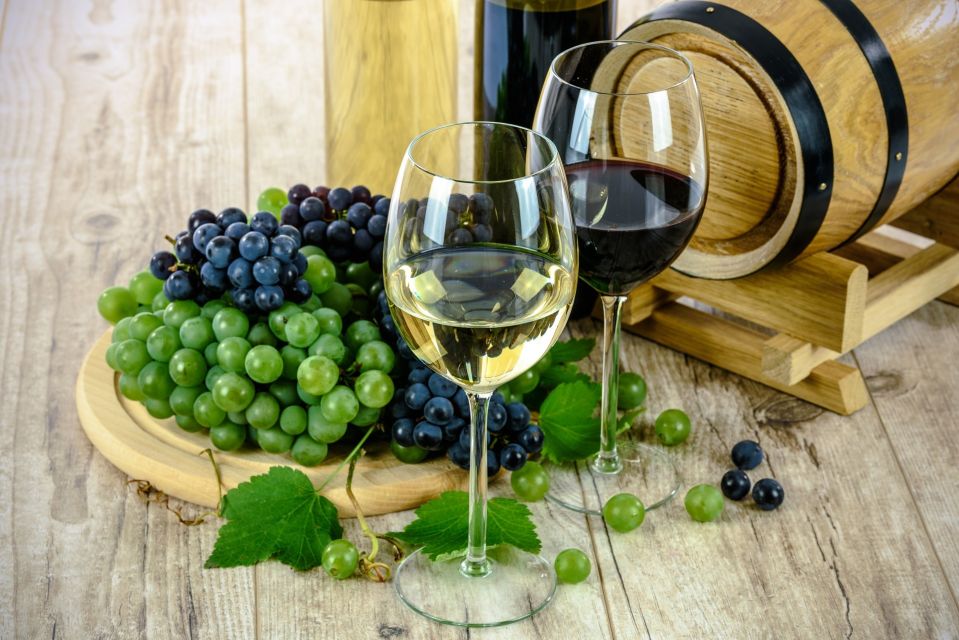
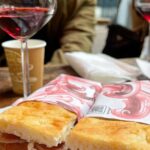
This is not a token snack-and-sip situation. You’ll be served appetizers and bread, and the important detail is that the food is made by a professional chef using local ingredients.
Pairing food with wine does two things for you:
1) It reveals flavors you might miss when you taste wine alone.
2) It teaches you how to think like a taster, not a consumer.
If you’ve ever tasted a wine and thought it was okay until you ate something with it, you already understand the point. Here, that effect is the lesson. The bites are small enough to fit the timeline, but they’re enough to make a difference.
The practical win: you learn patterns. For example, after the session, you’ll be more confident asking for pairings that match what you enjoy—rather than asking for something you don’t actually like.
And if you’re the type who wants to enjoy the meal too, you’ll appreciate that the food is not an afterthought. In fact, some people have said they liked the tasting so much they went back for dinner later, which tells me the kitchen isn’t just there to fill space.
The sommelier teaching style: practical, friendly, and not stuffy
The sommelier is the core engine here, and the tone matters. Past experiences highlighted hosts like Abinesh, Salman, and Samer for being exceptionally welcoming and for making the session fun without turning it into a joke show.
What I like about this approach for real life is that it builds confidence. You’re learning how to taste properly, how to identify characteristics, and how to connect what you notice in the glass to what you’ll want next time.
Several people specifically valued that the explanation isn’t centered only on grape names and label facts. Instead, you get a framework for tasting that translates across wines. That means you can walk into a shop or restaurant in Milan—or anywhere—and sound like you know what you’re doing.
There’s also a communication advantage: the host is English-speaking, and feedback suggests they’re careful about explaining words you don’t know. So even if your wine vocabulary is basic today, it doesn’t stay basic by the end of the tasting.
Bottom line: this is guidance that helps you order with more accuracy. You’re not just paying for wine; you’re paying for the ability to enjoy wine better.




Why the group feels manageable (and why that matters)
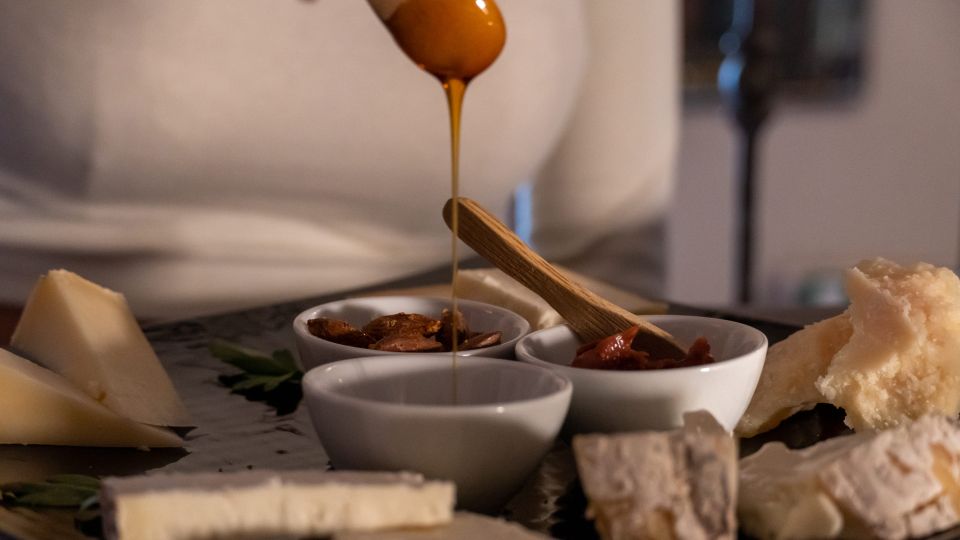
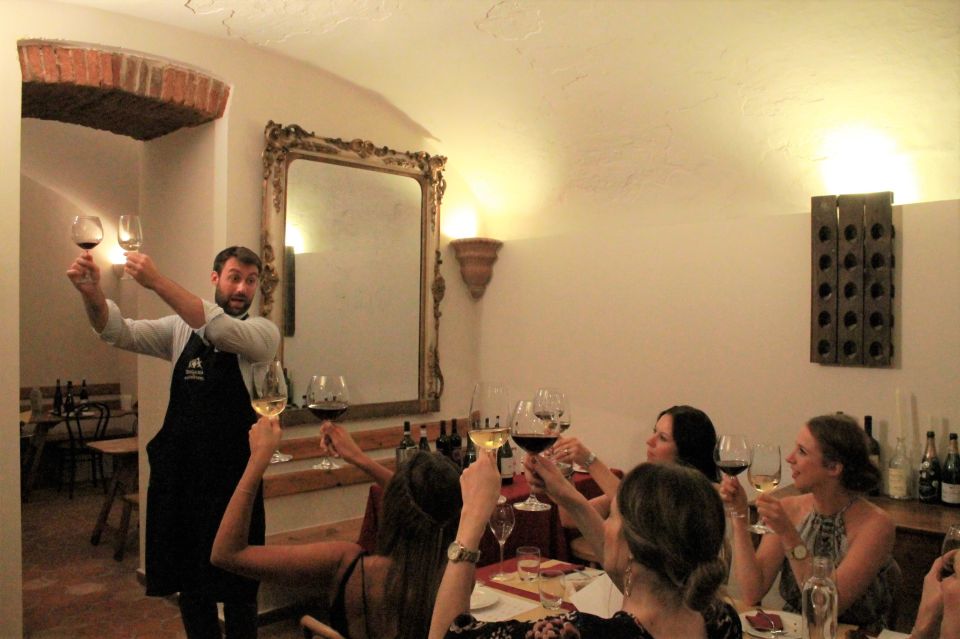
This tasting is described as an intimate, elegant wine bar experience. You’re also not stuck in a huge crowd. That matters because wine tasting works best when you can ask questions and hear answers clearly.
People have noted the group size as being great, and they’ve enjoyed being seated with other friendly guests. That’s not a guarantee for your specific night, but it tells you the format supports conversation.
If you’re traveling solo, a more conversational group helps you get value out of the sommelier. If you’re on a couple trip, it’s still comfortable, because you’ll share the pacing and the food without feeling like you’re competing for attention.
For groups of friends, the shared tasting is usually the easiest way to get everyone on the same page quickly—no debates about which museum to pick.
Price and value: what $53 gets you in Milan
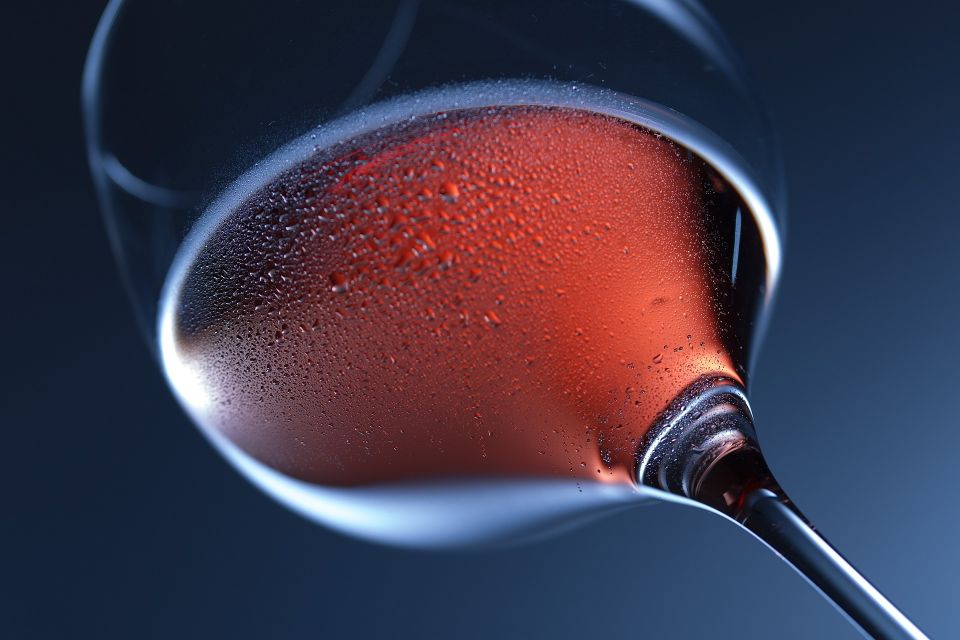
At $53 per person, you’re not buying just a flight of wine. You’re getting:
- 3 wines
- appetizers and bread
- water
- sommelier guidance in English
- an organized tasting experience for about 1.5 hours
When you compare that to paying for wine by the glass plus ordering food on top, it often feels like a fair deal—especially because the pairing is part of the package and the instruction is included.
The value is strongest if you:
- want to learn quickly without wading through a long course
- plan to eat anyway and prefer pairing with purpose
- like having someone else do the hard work of choosing wines and planning the sequence
If you’re a hardcore wine geek who already knows tasting technique inside out, you might not get as much “new” information. But even then, pairing plus coaching can be a nice refresher—especially in a city where wine culture is part of everyday life.
Who should book this wine tasting in Milan
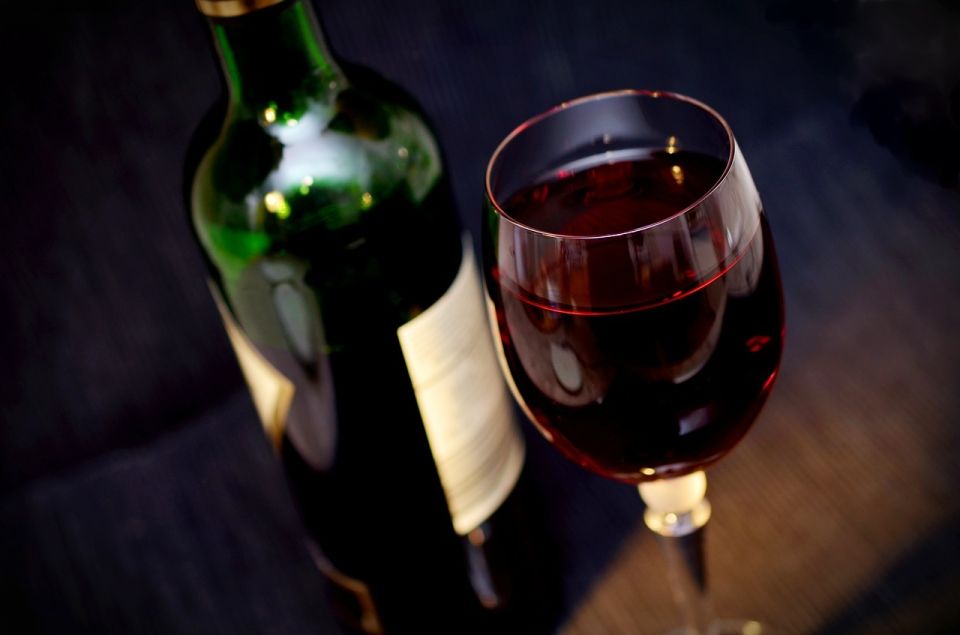
This is a strong match for adults who want a calm, confident start to Milan nightlife. I’d point you toward this if you are:
- Curious about Italian wines and want a simple structure
- Someone who wants to feel more comfortable ordering wine
- A foodie who likes learning how wine and food work together
- Traveling with a partner and looking for a shared, low-stress activity
- Celebrating a birthday or milestone, since the format feels special without being overly formal
It’s also a good first step even if you’re not a wine “person.” Many people start out casual and leave feeling much more certain about what they like and why.
Tips to make sure you enjoy the whole 90 minutes
- Arrive early. Latecomers aren’t accepted, so don’t treat this like a flexible stop. Get there with time to find the entrance and settle in.
- Come hungry-ish. You’ll get appetizers and bread, but the tasting is better when you’re ready to taste rather than distracted by a delay between meals.
- Take small notes mentally. You don’t need a notebook, but paying attention to what you like during each wine makes the coaching stick.
- Ask one or two questions. This kind of session rewards curiosity. If you’re unsure what to ask, tell the sommelier what you typically order and what you think you’re tasting.
- Drink water. It’s included for a reason. Staying hydrated helps you actually notice the differences between wines.
Should you book this Milan wine tasting?
If you want an evening activity that’s central, structured, and genuinely educational without being heavy, I’d book it. The combination of 3 Italian wines, chef-made appetizers, and English sommelier guidance is the right mix of fun and usefulness.
I’d skip it only if you fall into the stated limitations (it’s for adults only) or if you need a very flexible schedule. The timing is tight, and you must arrive on time.
If your goal is to leave Milan feeling more confident ordering wine and tasting with intention, this is one of those simple plans that pays off the moment you sit down in your next restaurant.
FAQ
Where is the meeting point?
The meeting point is La Dogana del Buongusto, Via Molino delle Armi, 48, 20123 Milan, Italy.
How long does the tasting last?
The experience lasts 1.5 hours.
What’s included in the price?
You’ll receive the wine tasting experience, 3 wines, water, and appetizers and bread.
Is there a latecomer policy?
Yes. Latecomers will not be accepted, so you need to arrive sharp on time.
What language is the host?
The host or greeter is English.
Is this tour only for adults?
Yes. It is only for adults (above 18) and is not suitable for children under 18 or pregnant women.