REVIEW · PISA
Pisa’s Ultimate Food Tour: Full Tuscan Meal by Do Eat Better
Book on Viator →Operated by Do Eat Better Experience · Bookable on Viator
Pisa’s food route is the real deal. This 3-hour walking tour focuses on local flavors around the Arno—wine bar cured meats, handmade pici, Pisa-style cecina, and a sweet finish on Lungarno. You’ll get an English-speaking local guide and a small-group vibe, like what you’d want if you came for the city, not just the tower.
I especially like the mix of classic Tuscan staples and Pisa-specific dishes, plus the way the guide connects food to everyday life in town. In the same tour style that I’ve seen delivered by guides like Valentina and Alessandra, you’re guided to places locals actually use, not just tourist lunch counters.
One consideration: you’ll be walking and eating often, so if you move slowly, the pace may feel a bit brisk.
In This Review
- Key highlights that make this tour work
- Why Pisa food tastes better than Pisa sightseeing
- Price and value: what the $83.48 really covers
- Walk route and timing: what 3 hours feels like in practice
- Stop 1: Lungarno wine bar cured meats with a river-view start
- Stop 2: Pici near the Palazzo area—thick handmade pasta you can taste
- Stop 3: Ponte di Mezzo cecina—Pisa’s chickpea flatbread classic
- Stop 4: Sweet finish on Lungarno—gelato or local cake
- How the guide shapes your experience (and why names matter)
- Who this tour suits best
- Before you go: simple tips to make the tour feel great
- Should you book the Pisa Full Tuscan meal tour?
- FAQ
- FAQ
- How long is the Pisa food tour?
- What does the tour cost?
- Where do I meet the guide, and where does the tour end?
- What food should I expect during the tour?
- Is alcohol included?
- Can people with food allergies join?
- Is there free cancellation?
Key highlights that make this tour work
- A full-meal feel in at least four tasting stops, not tiny bites
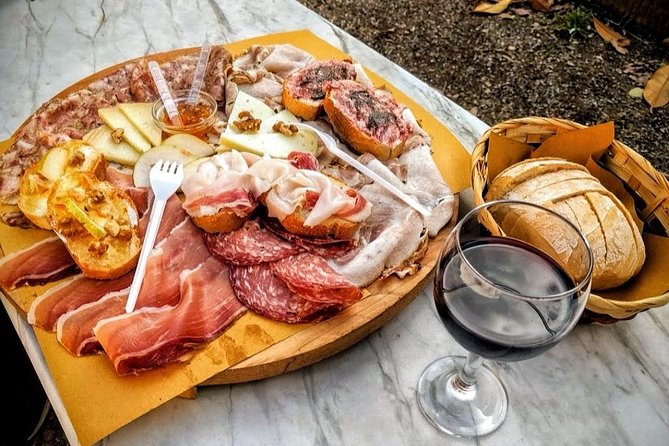
- Lungarno wine-bar start with Tuscan cured meats and local red wine
- Pici pasta (thick, hand-rolled strands) as a real Tuscan anchor dish
- Ponte di Mezzo cecina—savory chickpea flatbread baked until golden
- A sweet stop at the end with gelato or a local cake
- Max 12 people for a more personal walk and easier questions
Why Pisa food tastes better than Pisa sightseeing
Pisa can be a one-two punch: famous monuments on one side, and regular city life on the other. This tour helps you lean into the second part. Instead of treating food like a side quest, it’s the point. You start near Piazza Garibaldi and finish back along Lungarno Antonio Pacinotti, so the route naturally threads through real neighborhoods and the river walk.
The best part is how it’s built around “you’ll recognize this later” foods. You’re not just sampling random bites. You’re trying Tuscan cured meats with wine, then moving into handmade pici and Pisa-style cecina. Those are the kinds of dishes that teach you what locals mean when they talk about the region.
Also, guides seem to bring personality and practical restaurant know-how. If you’re the type who likes asking, Where do I go next, this is that kind of tour. More than once, the experience has been described as relaxed and generous—exactly what you want after a day of trains, walking, or packing.
You can also read our reviews of more tours and experiences in Pisa.
Price and value: what the $83.48 really covers
At $83.48 per person, this tour isn’t an impulse-buy snack crawl. It’s priced like a guided meal experience. And it’s not only about food—it also includes water, an English-speaking local guide, and alcoholic beverages (at least one drink) for guests over 18.
The value jumps if you think about timing. A guided route plus coordinated stops can cost less than you’d pay trying to assemble a similar sequence on your own—especially once you factor in that the tour is designed to equal a full meal across at least four stops. You’re not meant to eat a normal lunch first. You’re meant to show up hungry and let the tour do the work.
There’s also a small-group limit—up to 12 travelers—which matters more in Italy than people expect. Smaller groups spend more time actually tasting and asking questions instead of shuffling like a moving queue.
Walk route and timing: what 3 hours feels like in practice
The tour runs for about 3 hours, starting at 11:30 am. You meet at Piazza Garibaldi (56126 Pisa) and end on Lungarno Antonio Pacinotti. That timing is a smart compromise. It’s late enough to dodge the early breakfast crowd, and early enough to leave you with energy to explore after.
Expect a steady walking rhythm plus short stays at each stop. The good news is that you’re not doing “all day” touring. The flip side is that you’re eating pretty constantly. More than one person has flagged that the tour can leave you very full, which is exactly the design—think “meal,” not “tasting.”
For logistics, the tour is near public transportation and uses a mobile ticket. It’s also positioned as a route suitable for moderate physical fitness, so wear comfortable shoes. And if you’re sensitive to fast walking pace, keep that in mind before you book.
Stop 1: Lungarno wine bar cured meats with a river-view start
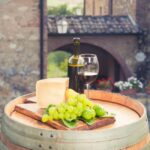
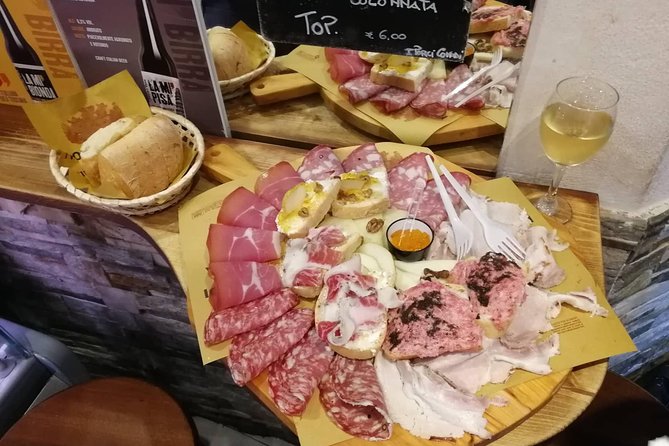
Your first tasting starts on Lungarno Antonio Pacinotti at one of Pisa’s older wine bars. You’ll get Tuscan cured meats paired with a glass of local red wine, while you soak in the view of the Arno.
This stop does two jobs at once. First, it sets the tone. Cured meats are the classic way to introduce Tuscan eating habits—simple, flavorful, and made for pairing with wine. Second, it gets you oriented fast. Even if it’s your first time in Pisa, standing on the Lungarno makes the city feel navigable.
A practical note: if you drink wine, you’ll want water. The tour includes water, but it’s still wise to sip steadily, especially if you’re warming up with alcohol earlier than you normally would.
Also, because it’s a wine bar setting, you’ll likely notice it’s not a “sit-down course” the way a formal restaurant meal works. It’s more like a tasting moment with a little history and context from your guide, then you move on.
Stop 2: Pici near the Palazzo area—thick handmade pasta you can taste
Next comes pici, a Tuscan pasta shaped into thick, hand-rolled strands. The tour stop is scheduled near the Palazzo Agostini / dell’Ussero / Red area (the exact spot can vary), and the point is consistent: you’re trying a dish you won’t understand fully from a menu photo.
Pici is often compared to spaghetti, but it’s heavier and more rustic—meant to hold onto sauce instead of sliding around your plate. That chewy, substantial texture is what makes it such a good “regional identity” food. You may see it served with something hearty, like a meat ragu, or a simpler combo with olive oil, garlic, and cheese, depending on what’s available at the stop.
The potential drawback here is also the nature of the experience: you’ll be eating something filling. If you’re the type who likes light browsing tours, this isn’t that. If you come hungry, it feels perfect.
This is also where the guide’s pacing matters. Ideally, you get enough time to actually eat and talk before moving on. The best guides manage that balance well, so you don’t feel rushed while chewing through a pasta portion that’s meant to matter.
Stop 3: Ponte di Mezzo cecina—Pisa’s chickpea flatbread classic
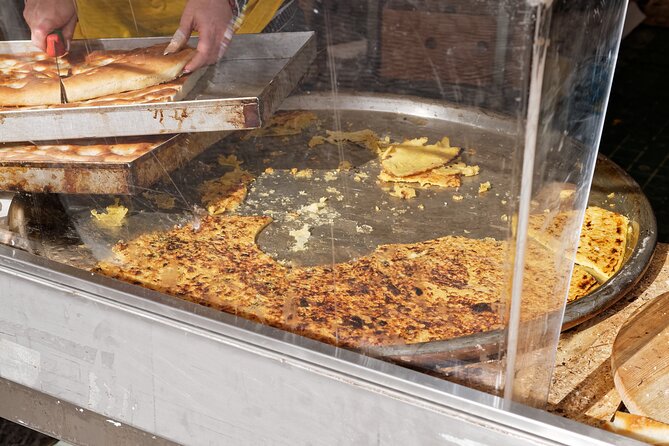
Pisa has a specialty that food lovers seek out: cecina. At the Ponte di Mezzo area, you’ll try it at a local pizzeria. Cecina is a savory flatbread made from a batter of chickpea flour, water, salt, and olive oil, baked until it turns golden.
What I like about cecina as a tour stop is that it teaches you something instantly. It’s simple ingredients, but the result is distinctive. It’s not just “a snack flatbread.” It’s a regional comfort food that works on its own and also pairs well with the rest of the meal you’re building through the tour.
A practical point: chickpea flavor can be either an easy win or a strong preference. The good news is that it’s mild enough to fit most palates, but if you don’t like chickpeas, you might want to plan around that before booking.
Also, because this is a pizzeria setting, you’re likely standing or moving more than you would in a full-service restaurant. That’s normal for a walking tour, but it’s good to mentally prepare so you’re not expecting a formal table service vibe.
Stop 4: Sweet finish on Lungarno—gelato or local cake
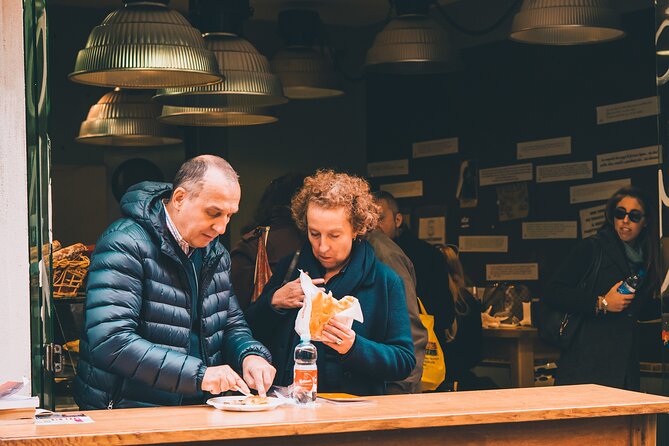
Every Pisa meal tour should end with something that makes you slow down. Here, the finale is back along Lungarno Antonio Pacinotti with a sweet treat. You’ll choose between artisan gelato or a traditional local cake.
This last stop matters because it closes the loop. You’ve had savory bites and warm, filling textures. Dessert is your palate reset, and gelato is also the kind of food that travels well in memory after your trip is over.
One caution: go easy on choices earlier in the tour. Multiple guides and schedules seem to produce a lot of food volume, and people often report ending the tour very full. If you want to enjoy dessert instead of battling it, save room from stop to stop.
If you do drink alcohol earlier, you might also find the dessert feels sweeter than you expect. That’s not a bad thing. It just means you’ll enjoy it more if you’re pacing.
How the guide shapes your experience (and why names matter)
This tour is built around the guide’s ability to connect food to place. And the guide role isn’t just “handing out snacks.” It’s also the walk. In the way the experience has been led by people like Valentina, Alessandra, Marta, Nicoletta, Dina, and Sasha, the route tends to mix practical sights with real food stops—helping you understand how Pisa eats beyond its landmark zone.
You’ll also get help with how to interpret what you’re tasting. For example, pici isn’t just pasta; it’s a texture lesson. Cecina isn’t just flatbread; it’s a chickpea flour identity food. When you hear why a dish is shaped or baked a certain way, you remember it longer than you would from a standard meal.
One possible issue that comes up: a fast walking pace. If you have older family members or you know you walk slowly, choose your shoes carefully and consider messaging the operator in advance if they offer any guidance for group pacing.
Who this tour suits best
This is a great fit if you want:
- A “see and taste” Pisa that goes beyond the landmark area
- Tuscan comfort foods with a Pisa-specific twist
- A small group format with time for questions
- A meal experience that’s hard to replicate on your own without planning
It may be less ideal if:
- You dislike walking while eating
- You have a serious allergy (the tour can’t accommodate severe or life-threatening food allergies)
- You’re hoping for a light, casual snack crawl
For food-adventure travelers, this is one of the better uses of a short Pisa visit. It’s also a strong option if your itinerary is tight and you still want to understand the city’s food culture without hiring separate tours or doing a scavenger hunt.
Before you go: simple tips to make the tour feel great
Come prepared to eat. That sounds obvious, but the tour is designed as a full meal across multiple stops. If you arrive with a full stomach, you’ll probably feel disappointed. If you arrive hungry, the generous portions feel exactly right.
Wear comfortable walking shoes. You’ll be moving between tastings around central Pisa. Also, if you plan to drink wine, think about pace—sip water, slow down when you need to, and keep your energy for the dessert stop.
If you’re traveling with dietary needs, pay attention to the allergy rule: severe or life-threatening food allergies can’t join for safety reasons. Vegetarian needs aren’t described in the core tour details, but there are reports from vegetarian guests that they had no issue on the day, so it’s worth asking directly if you want confirmation for your specific situation.
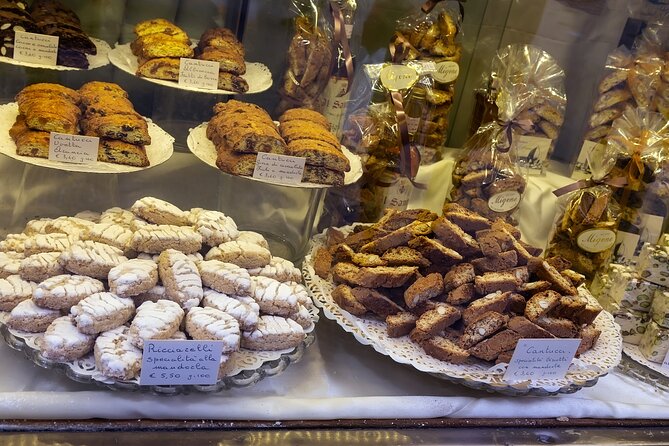
Finally, if you expected the Leaning Tower to be part of the route, adjust expectations. This tour focuses on neighborhoods and food stops, and you’ll likely see other parts of town instead of spending time at the monument complex. You can still visit the tower on your own after.
Should you book the Pisa Full Tuscan meal tour?
Book it if you want a guided food-focused walk that gives you an actual meal, not a few bites. The combination of Lungarno wine bar cured meats, handmade pici, Pisa’s cecina, and a sweet finish is a strong lineup for tasting what the region is about.
If your priority is landmark sightseeing only, you might not get what you want. This is a “taste Pisa” experience, not a “tower tour.” But if you’re even slightly curious about Tuscan cooking beyond stereotypes, it’s a smart way to spend a half-day.
FAQ
FAQ
How long is the Pisa food tour?
It’s listed as about 3 hours.
What does the tour cost?
The price is $83.48 per person.
Where do I meet the guide, and where does the tour end?
You meet at Piazza Garibaldi, 56126 Pisa (near public transportation) and end at Lungarno Antonio Pacinotti, Pisa PI.
What food should I expect during the tour?
You’ll have meals that add up to the equivalent of a full meal across at least four stops, with food tastings at each location.
Is alcohol included?
Yes. Alcoholic beverages are included for guests over 18, and the minimum drinking age is 18.
Can people with food allergies join?
For safety reasons, guests with severe or life-threatening food allergies are unable to participate.
Is there free cancellation?
Yes. You can cancel for a full refund up to 24 hours in advance of the experience start time.