REVIEW · ROME
Rome: Pizza & Tiramisu Class with Free Flowing Fine Wine
Book on GetYourGuide →Operated by The Roman Food Tour · Bookable on GetYourGuide
Ever wonder how pizza dough really works. In this 3-hour Rome class, you roll up your sleeves in an old-school Roman restaurant and learn the craft, from dough technique to baking in a wood-fired oven. The goal is simple: make a Margherita pizza and finish with tiramisu, while wine and soft drinks keep the evening easy.
What I like is how hands-on it is, starting with making the pizza dough from scratch. I also love that you get guidance on real Roman methods, including the 600-year-old mozzatura technique for cutting the dough.
One possible drawback: if you hate getting your hands dirty or you only want to watch, this class is not that kind of experience. You’ll be kneading, shaping, and baking as you go.
In This Review
- Key highlights
- Arriving at La Panetteria and Getting Into Chef Mode
- The Dough Workshop: Roman Kneading, Cutting, and Timing
- From Sauce to Toppings: Making a Margherita Feel Personal
- Baking in a Real Wood-Fired Oven: The Part You’ll Remember
- Tiramisu Lessons: Coffee, Cream, and the Finish Line
- Wine Flow, Soft Drinks, and Keeping the Mood Right
- How the Hosts Make It Worth the Price
- Price and Value: $50.39 for Skills, Dinner, and Drinks
- Timing, Duration, and What 3 Hours Feels Like
- Who Should Book This Class
- A Possible Downside to Consider
- Should You Book This Roman Pizza & Tiramisu Class?
- FAQ
- How long is the Rome pizza and tiramisu class?
- Where do I meet for the class?
- Is the class taught in English?
- What will I learn to make during the workshop?
- Is wine included?
- Where is the pizza baked?
- What special dough technique is mentioned?
- Is there a guide and a local chef?
- Can I cancel for a refund?
- Is there a reserve now, pay later option?
Key highlights
- Mozzatura technique for cutting dough, taught the Roman way
- Wood-fired baking in Trastevere’s oldest wood-fired oven setting
- Make-your-own Margherita from dough to finished pie
- Tiramisu instruction with the chance to learn the classic method
- Wine and soft drinks throughout to go with your food
Arriving at La Panetteria and Getting Into Chef Mode
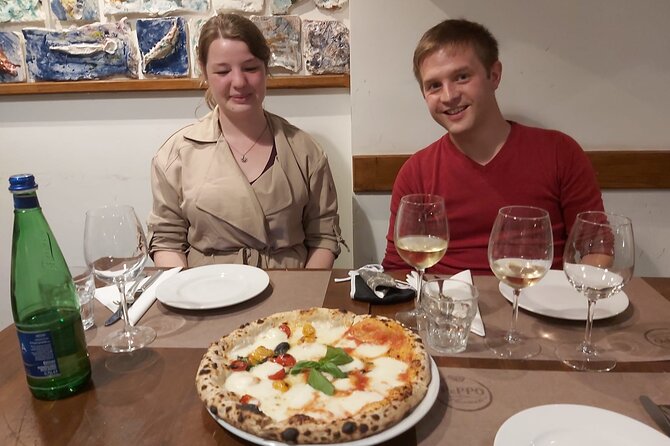
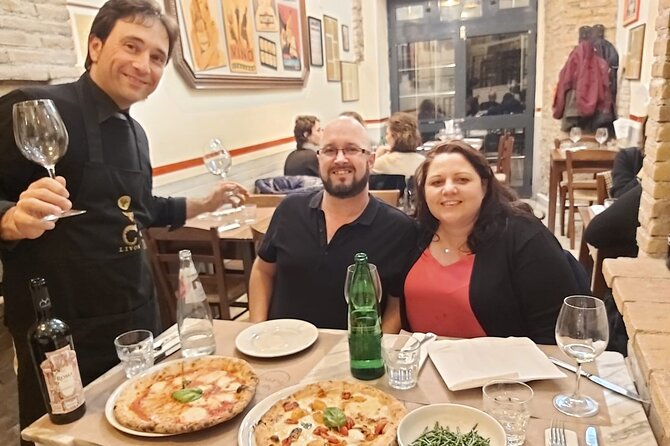
You meet inside La Panetteria Restaurant, Via della Panetteria 13a/14, 00187 Roma RM. It’s the kind of place where you can tell the kitchen does real work, not a show-and-tell version of it.
Once you’re in, the pace is friendly and practical. You’re not just handed a dough ball and sent off to improvise. You get an English-speaking guide and a local chef who run the room like a working workshop: quick context, then straight to making.
If you arrive on time, you’ll feel the rhythm fast. People who enjoy learning by doing tend to click with this format right away. And because it’s in a Roman restaurant with serious oven history, you get that “this is how Romans actually cook” feeling early.
You can also read our reviews of more tours and experiences in Rome.


The Dough Workshop: Roman Kneading, Cutting, and Timing
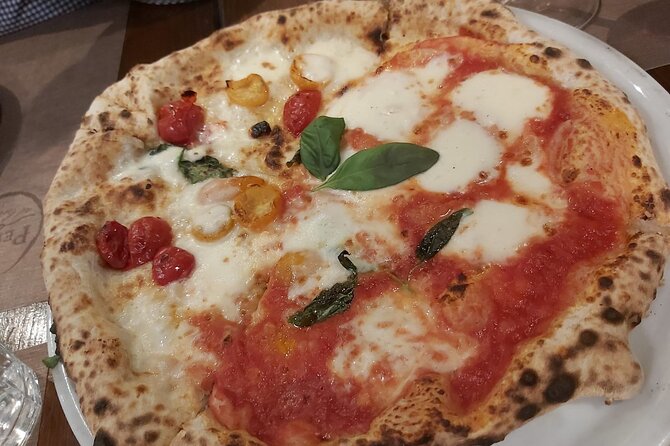
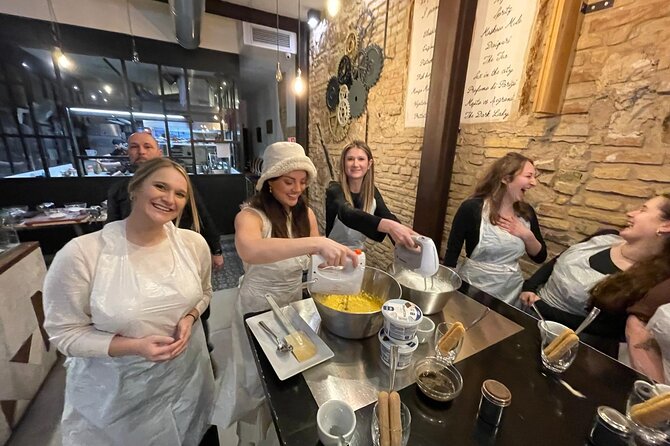
The class starts the best way—by working with dough from scratch. You’ll put on your apron, then learn how ingredients behave when you treat them properly: how the dough comes together, how it should feel, and how to work it without overthinking.
Two parts matter here.
First is the kneading and shaping logic. Roman pizza dough isn’t about fancy tricks. It’s about texture and handling. Your chef-guided instruction is the difference between a dough that stretches nicely and one that fights you.
Second is the mozzatura technique. You’ll learn the 600-year-old mozzatura approach for cutting the dough. That detail is more than trivia. It changes how the dough pieces behave, which helps your finished pizza bake more evenly and look more like the Roman style you want.
A good sign: in a setting like this, the teaching is interactive. One of the most praised parts of the experience is how hosts like Julia, Mia, Monica, Lucero (Lucy), and Irene keep the energy light while still correcting your technique. That mix helps you leave with actual skills, not just a plate of food.
From Sauce to Toppings: Making a Margherita Feel Personal
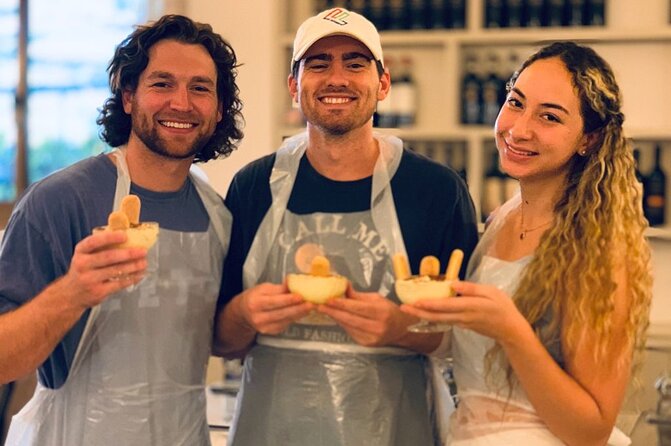
After dough prep, you move into the shaping and topping stage. The key here is learning how to make choices without ruining the style. You’re aiming for balance: enough sauce, not so much it turns into soggy pizza-collision.
The class centers on a Margherita, so you’ll be guided toward the classic build. That’s smart. Margherita is simple, but it’s also unforgiving. Get the dough handling right, keep the sauce sensible, and you get that golden crust and clean bite.
Many people also love the topping freedom angle. Several instructors are praised for letting participants choose what they want to put on their pizza. That makes the workshop feel less like a school assignment and more like a cooking night where you learn the rules and then apply them.
One practical note: plan to pay attention during the topping stage. It’s easy to go heavy when everything smells great. The class structure pushes you to think like a pizza maker: less guesswork, more technique.
Baking in a Real Wood-Fired Oven: The Part You’ll Remember
Then comes the oven—the heart of Roman pizza cooking. This workshop is hosted in a Roman restaurant known for Trastevere’s oldest wood-fired oven. Even if you’ve eaten wood-fired pizza before, baking in this kind of environment changes how you understand the process.
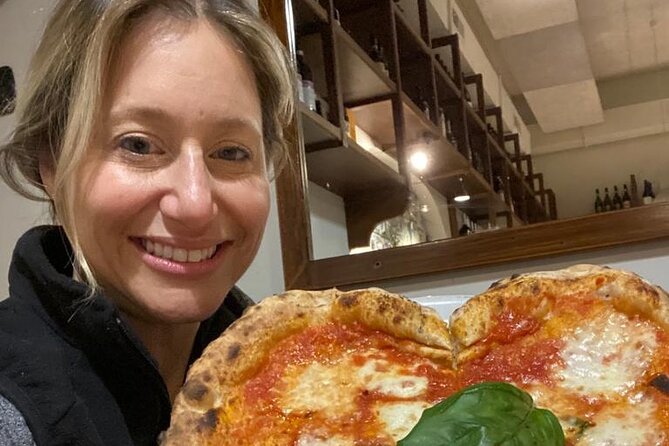
The lesson isn’t just about waiting for fire and heat. You’ll bake your pizza until it reaches that golden look that signals the crust is set and the toppings are warmed properly.
Wood-fired baking has personality. Hot spots exist. Heat rises fast. Timing matters. When your guide tells you what to watch for, listen. That’s where the class turns from “fun dinner” into “I could do this at home.”
And yes, the smell helps. But the real reward is the result. Making your own pie in an oven like this gives you a reference point for what authentic Roman pizza tastes like when it’s done right.
Tiramisu Lessons: Coffee, Cream, and the Finish Line
You don’t just stop at pizza. The workshop includes tiramisu, taught as part of the same learning rhythm: steps explained, then you follow through and make it yourself.
Tiramisu is popular for a reason. It’s comforting, it’s familiar, and it can still be frustrating if the method is off. The class setting gives you the advantage of being coached, so you’re more likely to hit the right texture and balance between coffee flavor and creamy layers.
Hosts are specifically praised for teaching tiramisu in a friendly, “you can do this” way, with some instructors sharing their nonna-style approach. That matters because tiramisu is one of those desserts where small adjustments make a big difference.
If you’re the kind of person who likes learning the “why,” you’ll appreciate how the chef turns the tiramisu-making steps into practical understanding: what you should aim for, what to avoid, and how to finish so it tastes like the classic.



Wine Flow, Soft Drinks, and Keeping the Mood Right
This is not a dry workshop. Wine and soft drinks are offered throughout the class, and people consistently call out the enjoyable, social vibe.
The best part of pairing food with wine in a class like this is pacing. You’re doing active work—kneading, shaping, then baking. Having drinks available keeps the evening relaxed while you focus on what your instructor is correcting in real time.
A few people highlight the free-flowing nature of wine and draft beer during the experience. Even without focusing on that word, the overall pattern is clear: the room feels celebratory, not stiff.
That said, it’s still a hands-on cooking class. So you want to pace yourself. Take a sip when you need a breather, then get back to the dough and topping decisions. It’ll help you remember the steps when you get home.
How the Hosts Make It Worth the Price
The instructor can make or break a cooking class, and this one gets high marks for personality and clarity. Names that pop up often include Julia, Mia, Monica, Lucero (Lucy), and Irene.
Here’s what that means for you in plain terms:
- You’re likely to get corrections that are specific and kind.
- You’ll probably learn little history-and-technique tidbits while you work.
- The atmosphere tends to be fun, with humor, patience, and step-by-step guidance.
One review-style theme you can safely act on: the guides help you feel ready, not rushed. People also mention getting practical take-home help, like recipes shared after the class. It’s the kind of extra that turns a meal into a skill you can repeat.
Price and Value: $50.39 for Skills, Dinner, and Drinks
$50.39 per person for a 3-hour workshop with live English guidance, a local chef, pizza-making instruction, tiramisu instruction, plus wine and soft drinks throughout is usually strong value.
Why? Because you’re not paying only for food. You’re paying for:
- technique coaching (dough, cutting, shaping, baking),
- a real oven setting that makes the learning meaningful,
- and a full meal outcome you can actually eat right away.
If you’ve paid similar prices for a “dinner plus a quick demo,” this is the opposite. You’re producing the pizza and dessert yourself, then enjoying them while the night stays social.
Also, Margherita as a focus is a smart value choice. It’s one of the most recognizable styles, so you leave knowing what to aim for next time.
Timing, Duration, and What 3 Hours Feels Like
The class lasts 3 hours. That’s a workable length: long enough to learn, make, bake, and sit down, but not so long that you feel stuck in the same spot for your whole day.
You’ll move through the evening in phases:
- apron on, dough work from scratch,
- shaping and topping,
- bake time in the wood-fired oven,
- tiramisu preparation,
- then the meal and pairing.
If you like a schedule that moves, this is it. If you prefer a slow, wandering food experience, you might find the structure a bit intense. But most people like that intensity because it turns into real results fast.
Who Should Book This Class
This is a great fit if you want:
- hands-on cooking with clear instruction,
- a real Roman oven experience in a beloved restaurant setting,
- and an evening that includes wine and dessert, not just a lesson.
It also seems welcoming for groups. People mention doing it with family and even with younger kids, and they felt comfortable and included. So if you’re planning a trip with mixed ages and want a shared activity that still feels “Roman,” this works well.
Couples also tend to like it because it’s interactive without being awkward. Everyone eats what they made, then the class becomes part of the story of your trip.
A Possible Downside to Consider
If your goal is total freedom to explore Rome right after, this class has a clear structure and ends back at the meeting point. It’s not a roaming food tour.
Also, since the workshop centers on dough work and oven baking, it’s best for people who are okay with being active for much of the session. If you’d rather have a purely observational experience, you may not get as much value.
Finally, because it’s cooking, it’s not the best choice if you’re extremely short on time or you’re worried about planning around dinner.
Should You Book This Roman Pizza & Tiramisu Class?
I think you should book if you want a fun, skill-building evening that ends with pizza and tiramisu you made yourself. The mix of Roman techniques (including the mozzatura method), baking in a wood-fired oven setting tied to Trastevere’s tradition, and wine and soft drinks throughout makes it feel like more than a meal.
Book it especially if:
- you like learning by doing,
- you want authentic pizza technique, not generic toppings-and-baking,
- and you want a host who brings energy. People keep praising guides like Julia, Mia, Monica, Lucy, and Irene for making the class feel personal and well taught.
If you want, tell me your travel dates and whether you prefer morning or evening food. I can suggest how to slot this into your Rome day for the least stress and the best pacing.
FAQ
How long is the Rome pizza and tiramisu class?
It lasts 3 hours.
Where do I meet for the class?
You start at La Panetteria Restaurant, Via della Panetteria 13a/14, 00187 Roma RM, Italy.
Is the class taught in English?
Yes, it includes a live tour guide in English.
What will I learn to make during the workshop?
You’ll learn to make traditional Roman pizza dough from scratch, shape and top a Margherita pizza, and you’ll also make tiramisu.
Is wine included?
Yes. Wine and soft drinks are offered throughout the experience.
Where is the pizza baked?
Your pizza is baked in an ancient wood-fired oven at the restaurant.
What special dough technique is mentioned?
You’ll learn the 600-year-old mozzatura technique for cutting the dough.
Is there a guide and a local chef?
Yes. You’ll have instruction from a local Italian chef and your guide.
Can I cancel for a refund?
Yes. Free cancellation is available up to 24 hours in advance for a full refund.
Is there a reserve now, pay later option?
Yes. You can reserve your spot and pay nothing today.