REVIEW · COLOSSEUM
Rome: Ancient History and Colosseum Underground Tour
Book on GetYourGuide →Operated by TOURS OF ROME · Bookable on GetYourGuide
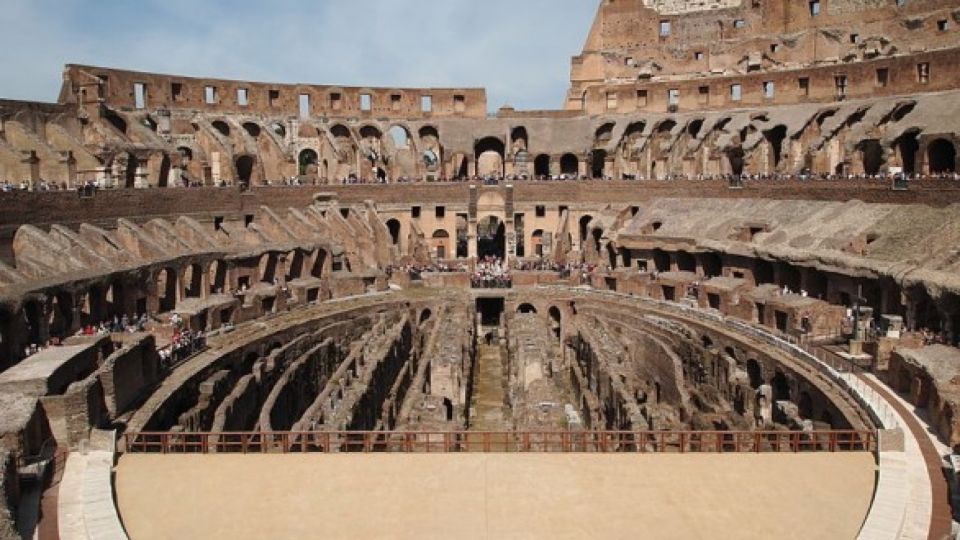
The Colosseum gets a second act. This tour takes you down into the Colosseum Underground and onto the arena floor, where you can picture the caged animals, gladiator routes, and the mechanics of Roman spectacle. It then hands you your Roman city ticket: you explore the Roman Forum and Palatine Hill afterward at your own pace.
I love the way this experience turns the Colosseum from photos into places you can actually stand in. The underground chambers and secret passages make the building feel like a living machine, not a ruin, and the arena-floor walk helps you understand why people traveled across the empire to watch games here. I’m also a big fan of the small-group vibe—many guides (including the likes of Christina, Laura, Elisabeth, and Mido, depending on the day) keep the pace relaxed and the explanations detailed enough to answer real questions.
One possible drawback: the tour depends on access and timing, and the underground portion can be affected if areas are closed or there’s a last-minute issue. If you’re visiting with a tight schedule, plan to stay flexible and still enjoy the Colosseum and Forum even if the underground is changed.
In This Review
- Key things I’d circle before you go
- Entering The Colosseum Underground Fast
- What the Underground Part Actually Feels Like
- Walking the Arena Floor Like a Gladiator
- How the Secret Passages Make the Colosseum Make Sense
- Roman Forum and Palatine Hill Afterward (On Your Own)
- Time, Pace, and Group Size: What to Expect in Real Life
- Price and Value: Is $104.22 Worth It?
- Practical Notes: What to Bring, What to Avoid
- If Underground Access Changes at the Last Minute
- Who This Tour Suits Best
- Should You Book It?
- FAQ
- How long is the Colosseum Underground and Forum tour?
- Does this tour include skip-the-ticket-line entry?
- What’s included besides the Colosseum?
- Do I need ID to enter?
- What should I bring and what is not allowed?
- Is the tour wheelchair accessible?
Key things I’d circle before you go
- Skip-the-ticket-line entry through a separate entrance to reduce queue time
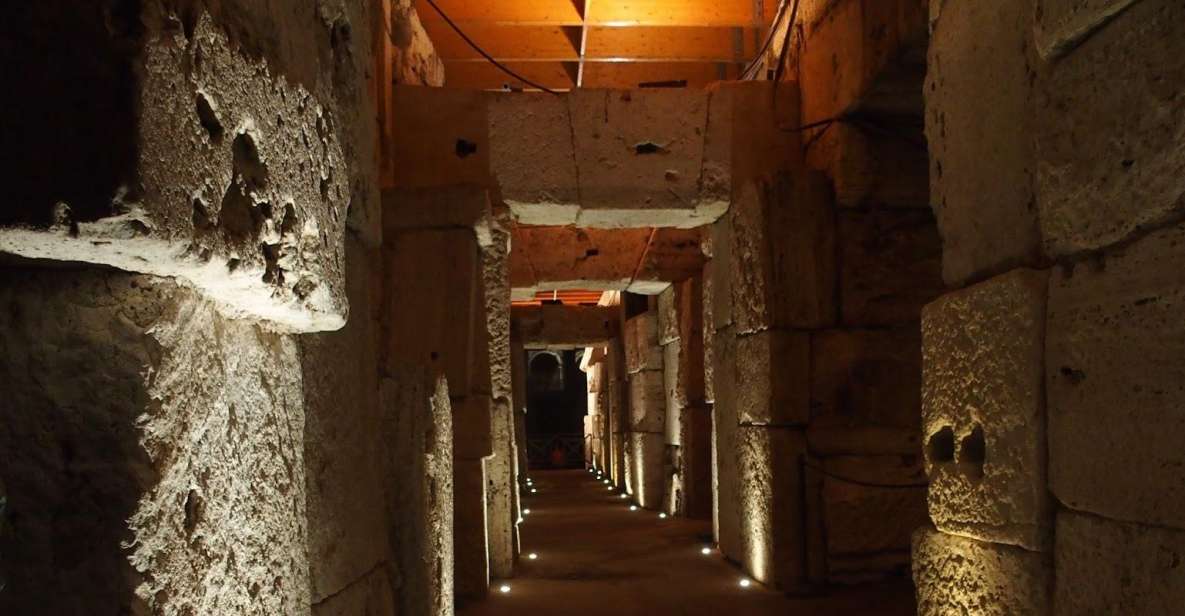
- Underground chambers + secret passages tied to gladiators, slaves, and transported animals
- Arena floor access so you can feel the scale and staging of Roman games
- Small-group feel with guides who often run with a slower, clearer pace
- Roman Forum and Palatine Hill afterward using your included entry ticket
- Meeting-point control via a guide holding a Tours of Rome sign for easier arrival
Entering The Colosseum Underground Fast
This starts the way you want major sites to start: you meet your guide outside the Colosseum at your booked time, then you cut into the fast lane. You’ll wait with the guide holding a Tours of Rome sign, and you should arrive early because everything runs on time and the meeting point process needs a minute to settle.
Before you go inside, you’ll be asked for valid ID. A passport or an ID card works, and even a copy is acceptable (and some people used driving licence successfully). The key is that you bring something that matches what they record—this is the kind of detail that prevents delays later. Your guide also provides your entry tickets on the day, which reduces the usual scramble.
One practical tip that comes straight from how this tour is set up: have a cell phone with you. It’s specifically recommended for quick contact, and it helps if you need to adjust your meeting point in a crowded area.
You can also read our reviews of more tours and experiences in Colosseum.


What the Underground Part Actually Feels Like
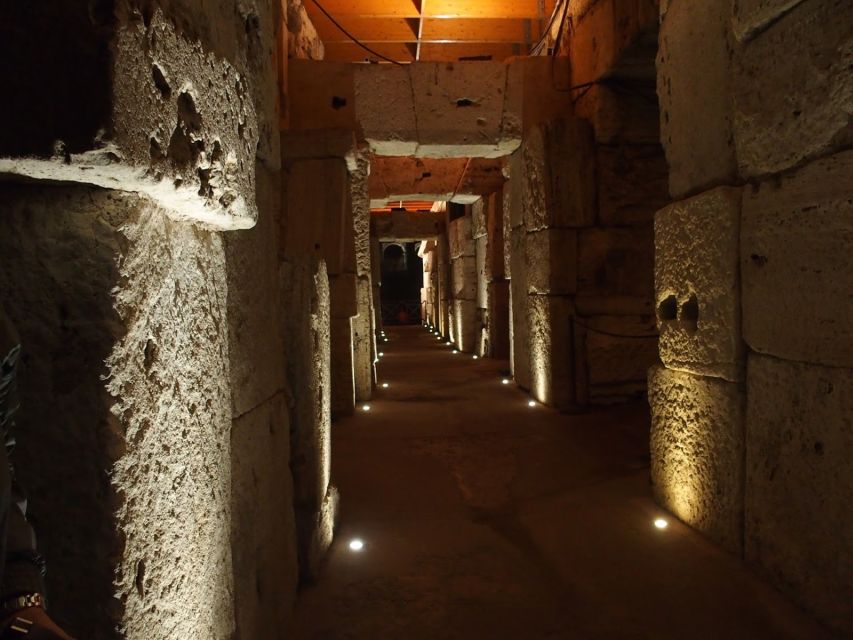
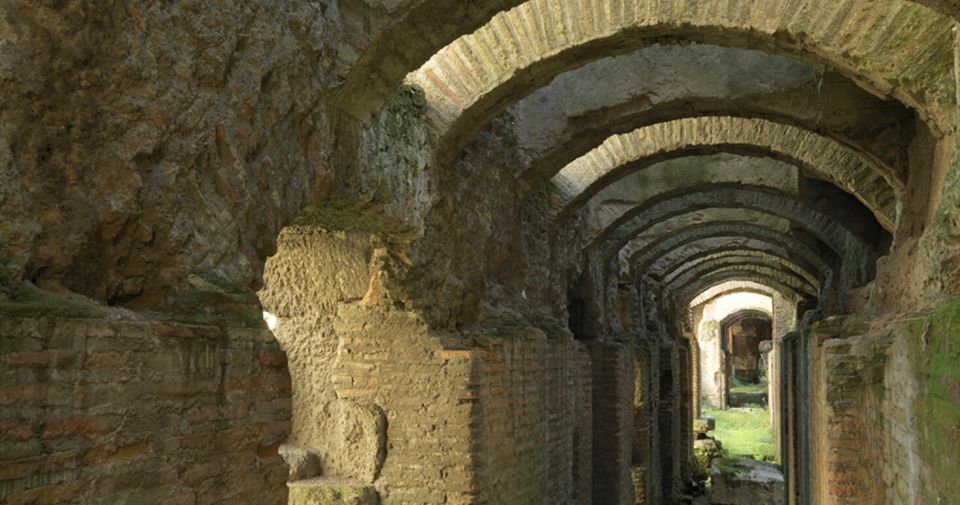
The headline is the Colosseum Underground, and this is where the tour becomes more than a standard walkthrough. You’ll go through underground chambers and see passages linked to how fights were staged. The Roman system wasn’t just theatre—it was logistics: moving people and animals, controlling access, and keeping the crowd’s attention above ground.
As you walk through these areas, it helps to mentally switch on the Roman workflow:
- There were routes for gladiators and officials
- There were controlled spaces beneath the arena
- There were staging areas for animals before they reached the main level
The most powerful moments tend to be when the guide points out the connection between the invisible parts of the building and what you see above. When you later look back toward the arena, the underground suddenly makes sense.
I also like that the tour explains this with storytelling. The guide doesn’t just list facts. You hear tales tied to gladiators, slaves, and ferocious animals, and those details make the underground feel less like a basement and more like the engine room of spectacle.
Walking the Arena Floor Like a Gladiator
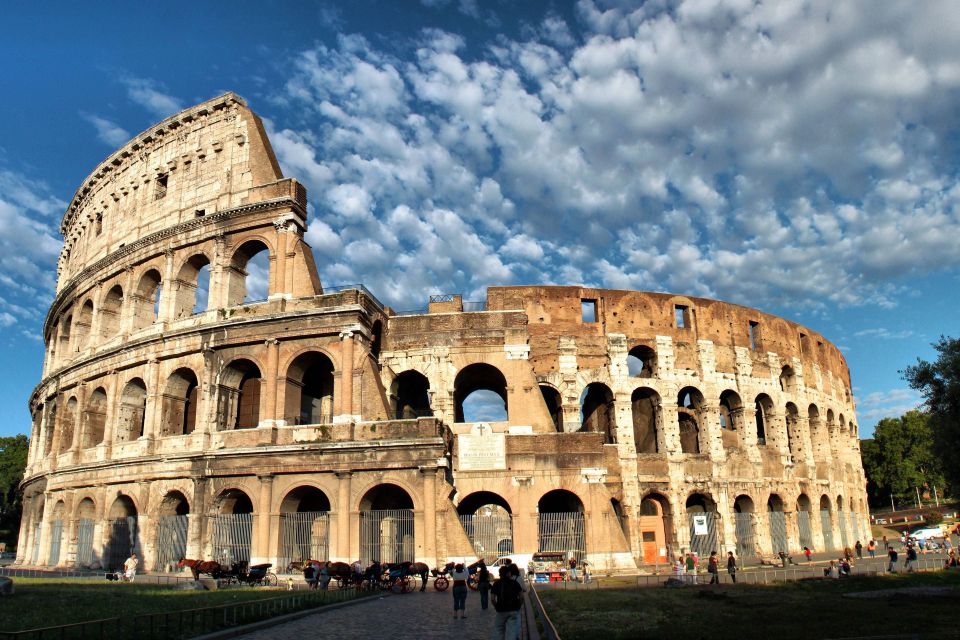
Next comes the part that makes the Colosseum feel personal: you walk on the arena floor. Even if you’ve seen the arena from photos or viewpoints, standing on the same surface where games played out changes your sense of scale fast.
This walk is also a nice timing break. Instead of bouncing between viewpoints and listening over crowds, you get a focused moment down where the action happened. You can almost feel how the arena was designed for viewing angles and movement.
There’s a small irony here: the Colosseum is the most photographed ruin in Europe, but the arena floor can still surprise you. One guide-led experience described it like something out of a movie, and that’s exactly the right vibe—because the building is dramatic, and the route through it is planned like a story.
How the Secret Passages Make the Colosseum Make Sense
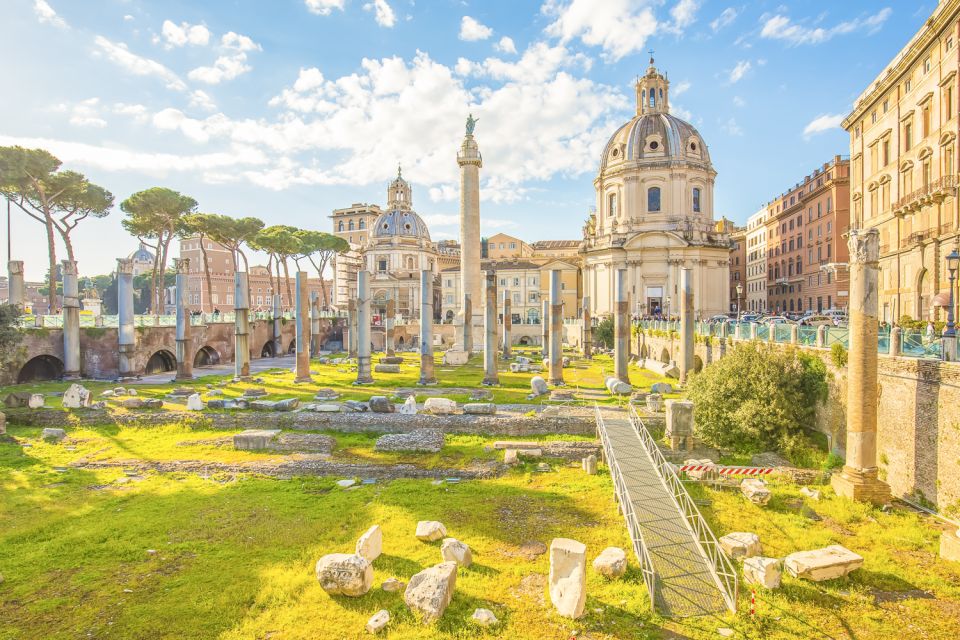
The underground portion includes secret passages used for movement to the arena. This is the “why” behind what you’re seeing. The Colosseum wasn’t just a big oval; it was a controlled environment where access mattered.
This is also where you learn to read the structure differently. When your guide shows how passages connect underground spaces to the arena, you start noticing things you’d normally ignore: how entry points relate to staging, how movement would be managed, and why certain areas would be off-limits to the public.
If you like architecture that’s tied to human behavior—who went where, who controlled what, and how the Romans engineered a show—this portion will be one of the best value times you spend in Rome.
Roman Forum and Palatine Hill Afterward (On Your Own)
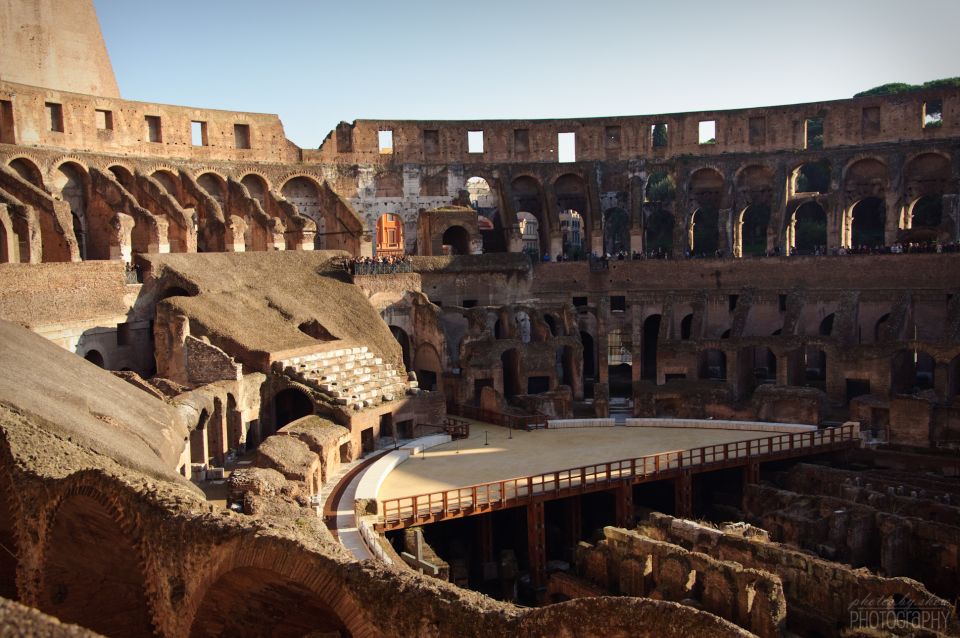
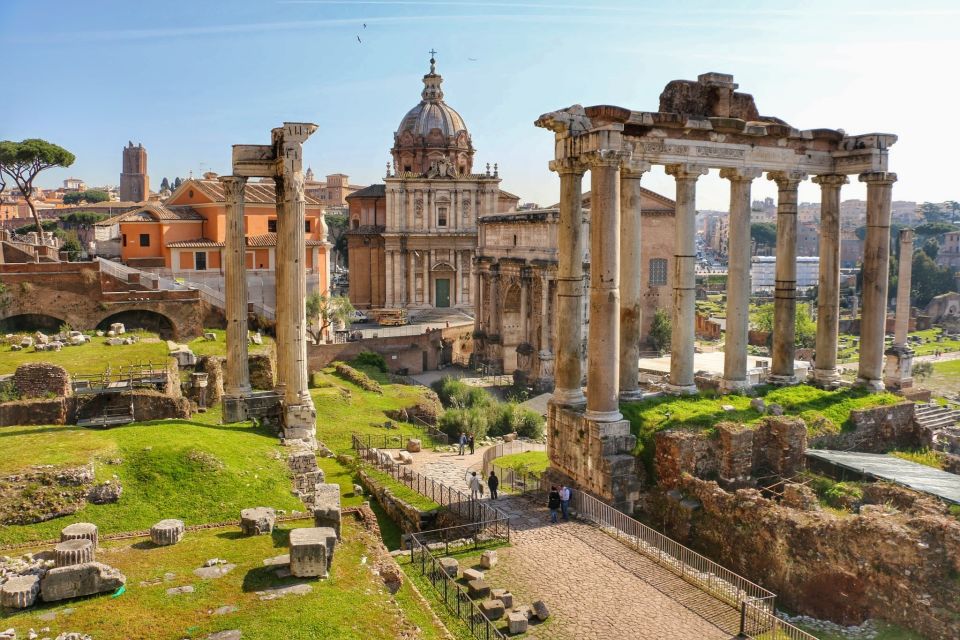
Once the Colosseum portion wraps, you shift gears. You don’t just get dropped at the main gate and sent off into a maze. You get an entry ticket to the Roman Forum and Palatine Hill, then you explore at your own pace.
This is a smart format. The Colosseum is intense and guided for a reason. But the Forum and Palatine are huge, layered, and best handled with freedom. You can pause longer at temples and the older places of worship, take photos without feeling rushed, and follow your curiosity instead of a strict script.
What you’ll see here is the heart of ancient Rome: the remains of temples and other sacred spaces, the kind of ruins that reward slowing down. You’ll probably want breaks. Rome gets hot, and these are outdoor sites with limited shelter.




Time, Pace, and Group Size: What to Expect in Real Life
The duration is listed as 1 to 3 hours, depending on starting times and the exact flow for the day. In practice, I’d think of this as a short, high-impact window, not a long sit-with-your-guide-and-linger tour.
The group size tends to be small or private, and that matters. When the group is smaller, you’re less likely to get steamrolled by the rhythm of other tours. One experience noted very low crowding inside the Colosseum itself, which is the sort of thing you only get when a group is handled carefully and numbers are controlled.
That said, the area around the Colosseum can still be busy—lots of tours, lots of foot traffic. Your advantage is the fast track entry and the organized meeting point procedure.
Price and Value: Is $104.22 Worth It?
At $104.22 per person, this isn’t a budget ticket. But it’s also not paying for only one viewpoint or one building.
You’re paying for a bundle of things that are hard to replicate on your own:
- Skip-the-ticket-line with a separate entrance
- A guided Colosseum tour
- Access to the Colosseum Underground
- A guided underground walkthrough
- Roman Forum and Palatine Hill entry included
The value calculation comes down to time and access. Rome is full of great ruins, but the underground access is the differentiator, and underground space is exactly the kind of permission that’s limited and often sold out. If this is high on your Rome bucket list, that bundled access is where the money starts to make sense.
If you’re visiting with limited time, or you want the Colosseum experience to feel like more than a loud, crowded loop, the guided format plus underground access is a strong deal.
Practical Notes: What to Bring, What to Avoid
Bring:
- Comfortable shoes (the surface can be uneven and you’ll be moving)
- A passport or ID card. Copies can work, and some people used scanned pictures effectively
Don’t bring:
- Weapons or sharp objects
- Luggage or large bags
Not wheelchair accessible is also clearly stated. If mobility is a factor, you’ll want to plan around it.
One more small point: bathrooms near the Colosseum area can be limited. It’s not in the tour inclusions, so I’d treat this as a before-you-go or during-transfer kind of situation, not something you’ll solve mid-route.
If Underground Access Changes at the Last Minute
Here’s the part to respect: access to underground spaces can be affected by real-world conditions like closures or technical issues. One experience described the underground portion being cancelled due to circumstances beyond the guide, and the tour still turned out very informative—just not exactly as originally booked.
If you’re booking specifically for the underground, still go in with a plan B mindset. The Colosseum experience itself is meaningful, and with Forum and Palatine Hill entry included, you won’t be left with nothing. But keep expectations grounded: the underground is the big prize, and it can be vulnerable to changes.
Who This Tour Suits Best
This is for you if:
- You want a first-time Colosseum visit that feels structured and story-driven
- You care about the “how it worked” side of Roman spectacle
- You like walking on the arena floor rather than only looking from outside railings
- You want to keep the Forum and Palatine portion flexible and self-paced afterward
It may not suit you if:
- You need wheelchair access
- You’re expecting a super long, slow museum-style day
- You hate crowds and are highly sensitive to any meeting-point or site-area congestion
Should You Book It?
I’d book this if the Colosseum Underground and arena floor are on your must-do list. The main reason is simple: it combines fast entry, guided access, and a rare look at the spaces beneath the iconic seating bowl—then it extends your time with included entry to the Forum and Palatine Hill.
If you’re the type who wants facts, routes, and human details (gladiators, animals, secret passages, how Romans moved people), this tour is a strong value use of limited time. If you’re not sure the underground part matters, you might question whether you need this specific format—but for most Rome first-timers, it’s one of the more memorable ways to do the Colosseum.
FAQ
How long is the Colosseum Underground and Forum tour?
The duration is listed as 1 to 3 hours. Check availability for the exact start times and the day’s schedule.
Does this tour include skip-the-ticket-line entry?
Yes. It includes a Colosseum skip-the-ticket-line ticket and access via a separate entrance.
What’s included besides the Colosseum?
You get entry tickets to the Roman Forum and Palatine Hill, in addition to the guided Colosseum and Colosseum Underground portions.
Do I need ID to enter?
Yes. You need a valid ID card or passport (a copy is accepted). Your guide will check that the ID matches their paperwork, and entry tickets are provided by the guide.
What should I bring and what is not allowed?
Wear comfortable shoes and bring your passport or ID (copies can work). Weapons or sharp objects are not allowed, and luggage or large bags are not allowed.
Is the tour wheelchair accessible?
No. It’s not wheelchair accessible.
If you tell me your travel month and whether you’re prioritizing the underground above everything else, I can help you decide the best approach for timing and what to plan around.