REVIEW · VICUS CAPRARIUS
Rome: Trevi Fountain District Underground Domus Guided Tour
Book on GetYourGuide →Operated by TOURISTATION · Bookable on GetYourGuide
Rome runs underground under your feet. This guided walk takes you about 9 meters down to the Vicus Caprarius site, where you follow the water story and see Imperial Age finds. I like the archaeologist-style explanations led in English (guides like Naomi and Erica get repeated praise), and I like how the tour connects relics to daily Roman life using the water supply as the thread.
One heads-up: the tour is next to Trevi more than under it. You’ll get a short stop at the Trevi Fountain at the end, but the site itself is the underground archaeology, not private access to the fountain.
In This Review
- Key highlights you’ll feel right away
- Rome’s Underground Water City: what you’re actually visiting
- Vicus Caprarius: the Roman world underneath Trevi
- What you’ll see in plain terms
- The water system story: from Trevi’s flow to a luxury domus
- Imperial finds you’ll remember: marble, coins, amphorae, and more
- Trevi Fountain at the end: what you do (and don’t) get
- Price and value: is $50 a smart use of your Rome time?
- Group size, timing, and hearing the guide
- Practical tips for a smooth underground visit
- Who should book this tour (and who shouldn’t)
- Should you book this Trevi Fountain Underground Domus tour?
- FAQ
- How long is the Rome Trevi Fountain District Underground Domus Guided Tour?
- Where do I meet the guide?
- Is the tour actually inside or under the Trevi Fountain?
- What language is the tour in?
- What should I wear or bring?
- Is there a ticket included for Trevi and does it include skip-the-line access?
Key highlights you’ll feel right away

- 9 meters down at Vicus Caprarius: See the Roman “City of Water” where Trevi’s water connections are explained.
- English live guidance with real stories: English-speaking archaeologist guides (often named Naomi, Erica, Erika, Michelle, or Noemi) keep it engaging and question-friendly.
- Follow the water system: You trace how water moved through ancient masonry toward a luxury domus setup.
- Imperial-era artifacts in context: Coins, African amphorae for oil, and other finds are shown as part of the bigger system.
- A quick Trevi finale: You end near Trevi so you can admire the Baroque fountain after the underground portion.
Rome’s Underground Water City: what you’re actually visiting
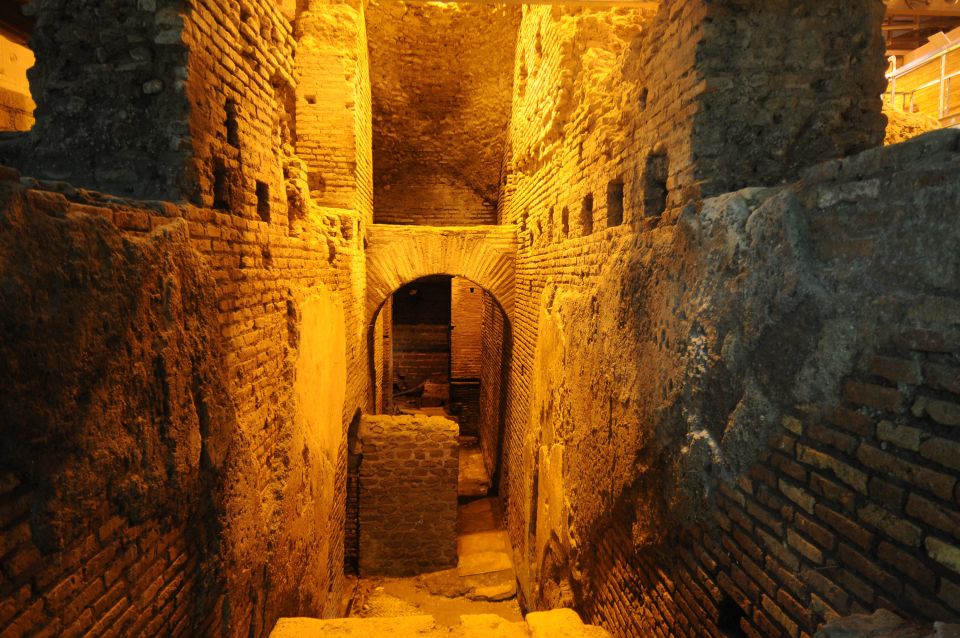
This is not a generic “Roman ruins” tour. You’re going to a specific place tied to Trevi’s water—and that changes the whole experience.
You’ll start at Vicolo del Puttarello 25, then meet your guide at the entrance of the Vicus Caprarius archaeological area. From there, you spend most of your time underground, in a guided route that’s built around the story of water movement and how Roman engineering served everyday life and elite homes.
The big idea: the Trevi Fountain you see above is the public finale, but the real plot has chapters below street level. Expect to move through distinct sections and learn what those spaces meant in Roman times, not just what was found there.
Vicus Caprarius: the Roman world underneath Trevi
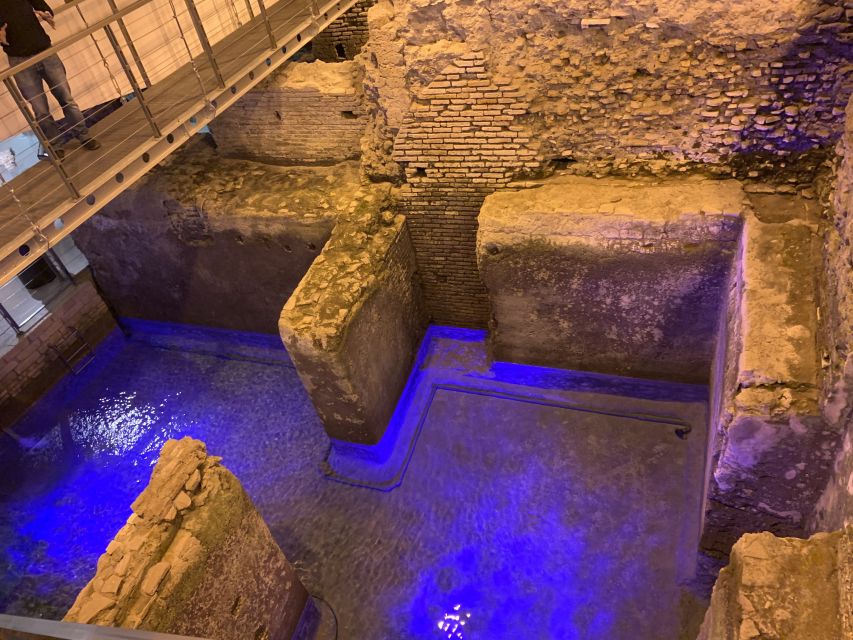
The main portion of the tour is at Vicus Caprarius, often called the City of Water. You’ll walk a guided path through the site’s three sections, with your guide explaining how this area supported the flow of water associated with the Trevi district.
What makes this stop work so well is that the guide doesn’t treat the ruins like disconnected stones. Instead, you’re guided through how the site’s layout relates to function—how water was managed, stored, and routed. That approach helps you “read” the remains instead of just looking at them.
Also, underground sites tend to feel like a cool break from street heat and crowds. It’s not a full escape, but it’s a noticeable change of pace—especially if you’re doing Trevi plus other major sights in the same day.
What you’ll see in plain terms
You’ll be shown key features connected to water storage and plumbing-like channels. And you’ll hear about finds that help illustrate how the Romans turned a natural resource into something useful—and impressive—at scale.
If you prefer context over trivia, you’re going to enjoy this format a lot.
The water system story: from Trevi’s flow to a luxury domus

This tour’s theme is water, but the payoff is how far Rome took it. You follow the logic of water moving from the Trevi Fountain area and filtering through ancient masonry that once helped supply a luxurious domus residence nearby.
That “follow the water” approach gives you a mental map. When you later see Trevi in the daylight, you’ll understand it less as a standalone landmark and more as a public-facing end point of a much older system.
You’ll hear about the idea of filtering, storage, and distribution—because the Romans didn’t just build fountains. They built networks. And once you understand that, even small details at the underground site start to click.
Imperial finds you’ll remember: marble, coins, amphorae, and more
The underground rooms hold artifacts that help explain who used the system and what the Romans were moving around.
Here are some of the standout items you’re specifically told about during the route:
- Polychrome marble connected to the high-status environment
- The head of Alessandro Helios (treated as one of the remarkable discoveries from the excavations)
- Hundreds of ancient coins, shown as evidence of everyday activity and long-term use
- African amphorae used to transport oil, tying the site to wider trade routes
What I like about how this is presented is that it doesn’t turn the finds into a checklist. Each item is used to support the bigger story: water wasn’t only infrastructure. It was part of how Rome displayed power, comfort, and access.
You’ll also get chances for photos. Multiple guides are praised for giving enough time for pictures and for keeping the group moving without turning it into a race.
Trevi Fountain at the end: what you do (and don’t) get

The tour concludes with a short stop at Trevi—about 5 minutes—so you can admire the Baroque design and make your wish. It’s a quick “wrap-up moment,” not a long exploration.
Here’s the practical truth: this tour does not mean you’ll go underneath the Trevi Fountain itself. You’re visiting an underground dig site near Trevi, and Trevi is included as an end point afterward.
You’ll also want to plan for crowd reality. Trevi can be packed, and the tour’s Trevi time is brief. The good news is that entrance to the fountain itself is free, so you can always linger after your guided portion if you still want more time near the waterworks.
Price and value: is $50 a smart use of your Rome time?
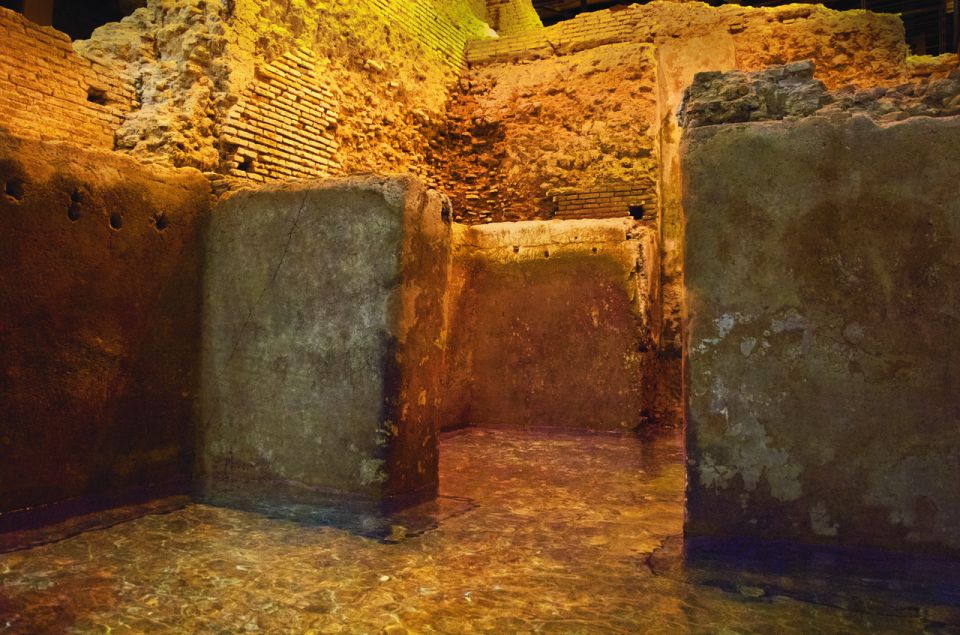
At $50 per person for roughly 45 minutes, the question is simple: are you paying for a guided story, or for a ticket to a room you could see on your own?
You’re mainly paying for the guided portion and the archaeologist-led interpretation. The underground site can look impressive, but the value here is how the guide links the water system, the domus setting, and the artifacts into one understandable narrative. Several guides are repeatedly described as funny and able to answer lots of questions—exactly what you want for an underground site where details can otherwise feel abstract.
Also, your price includes reserved entry for the Vicus Caprarius site and a guided portion there, plus a Trevi access ticket. What’s not included is anything like a full Trevi skip-the-line experience.
So, is it worth it? If you’re the type who likes to understand what you’re looking at, yes. If you just want quick photos and don’t care about plumbing history, you may find a self-guided stroll more appealing.
Group size, timing, and hearing the guide
This is described as a small group, which matters in a tight underground space. A smaller group usually means less chaos around viewpoints and fewer moments where you can’t see what the guide is pointing out.
It can still get busy, though—underground sites sometimes run more than one tour at a time in different languages. That’s normal. Your best move is to arrive on time and stay close to your guide so you don’t lose the thread when people move.
One review note that’s useful: some groups use radios so you can always hear the guide. If that’s available for your departure, lean into it. It makes the tour easier, especially where acoustics can be tricky.
Practical tips for a smooth underground visit
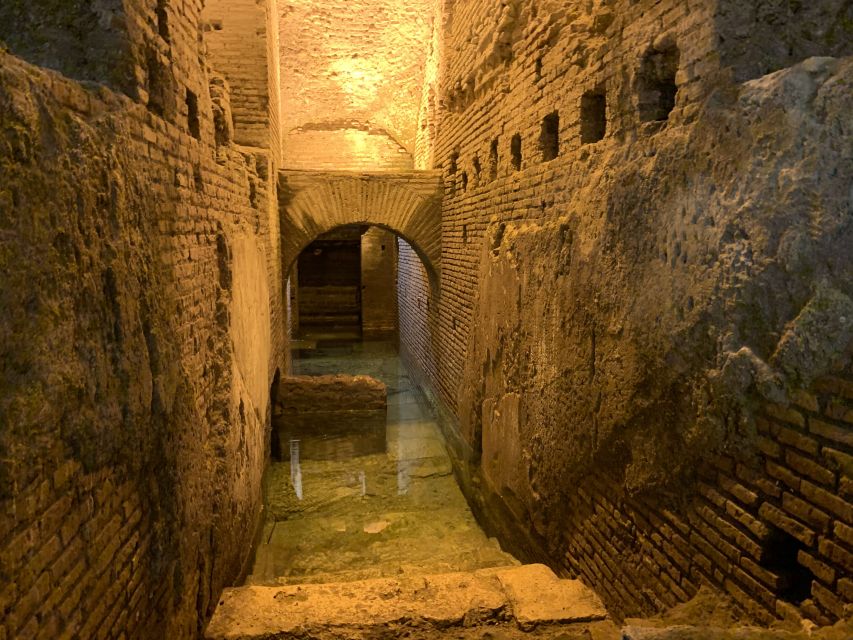
This tour is straightforward, but a few choices make it feel a lot easier:
Wear comfortable shoes. The site is underground and you’ll be moving through an archaeological environment. Sturdy footwear helps you keep your footing without thinking about it.
Bring a camera mindset, not just a photo mindset. You’ll be shown specific artifacts and explained how they connect to the water story. If you only take pictures, you’ll miss why those objects matter.
Plan your Trevi time buffer. Since Trevi is crowded and your guided stop is short, don’t schedule an important dinner moment the moment the tour ends. Give yourself room to move slowly and still enjoy seeing the fountain up close.
Consider the ice cream option if offered on your booking. One guide tip mentions a with ice cream add-on that comes with a voucher for ice cream near Trevi. It’s a small bonus, but it’s the kind of practical treat that fits a Rome afternoon.
Who should book this tour (and who shouldn’t)
This tour fits best if you want:
- A guided explanation tied to water engineering and how it shaped Roman life
- An archaeologist-style storytelling approach focused on a single theme
- Time-efficient sightseeing that still feels meaningful, not rushed
It’s not the best match if:
- You have mobility issues, since it’s specifically noted as not suitable for people with mobility impairments or wheelchair users
- You’re hoping for private access to Trevi or an extended “stand inside the fountain” experience
If you’re doing Trevi at least once anyway, this is a smart way to add depth without burning half a day.
Should you book this Trevi Fountain Underground Domus tour?
Book it if you like understanding what you’re seeing—especially when it connects to something famous above ground. The underground part is the star, and the best value comes from the guided interpretation: the water system narrative, the domus context, and the Imperial finds explained in a way that makes them feel real.
Skip it if your goal is mainly quick photos at Trevi, or if you only want super-famous landmarks and don’t care about infrastructure and archaeology. In that case, you might prefer spending your time elsewhere and keeping Trevi as a casual walk.
If you’re on the fence, pick this when you can still bring your curiosity. Underground archaeology rewards attention. And here, the water story helps you pay attention fast.
FAQ
How long is the Rome Trevi Fountain District Underground Domus Guided Tour?
The tour lasts about 45 minutes total, with the Vicus Caprarius portion taking around 40 minutes and the Trevi Fountain stop taking about 5 minutes.
Where do I meet the guide?
Meet your guide at the entrance to the Vicus Caprarius archaeological area, at Vicolo del Puttarello 25.
Is the tour actually inside or under the Trevi Fountain?
No. The tour is conducted at the underground archaeological site next to Trevi. You get a short guided stop at the Trevi Fountain at the end.
What language is the tour in?
The tour is conducted in English by a live guide.
What should I wear or bring?
Wear comfortable shoes. The tour involves walking around an archaeological site underground.
Is there a ticket included for Trevi and does it include skip-the-line access?
You do get a Trevi Fountain access ticket, but skip-the-line access is not included. You can still visit Trevi afterward, and entry to the fountain is free.