REVIEW · BOLOGNA
Bologna: Pasta and Tiramisu Cooking Class with Wine
Book on GetYourGuide →Operated by The Roman Food Tour · Bookable on GetYourGuide
Fresh pasta and tiramisu, plus wine in Bologna. This 3-hour cooking class keeps things relaxed and practical, starting with a welcome glass of Prosecco and taught in English by hosts like Luca and Al, who also toss in easy local tips like where to grab coffee after.
What I love is the hands-on pacing: you get guided step-by-step work on fresh pasta dough and tiramisu techniques you can actually repeat later.
The one caution: the class focuses on the traditional recipe (gluten, dairy, eggs). Even though they may offer substitutes, allergy and dietary limits are real, and cross-contamination can’t be guaranteed.
In This Review
- Key highlights I think you’ll care about
- Why this Bologna cooking class fits a tight schedule
- The restaurant kitchen vibe: how the class actually starts
- Tiramisu workshop: the dessert that teaches you structure
- Fresh pasta dough: flour, feel, and the fresca vs secca lesson
- Eating together: lunch or dinner plus wine that matches the pace
- Price and value: what you’re really paying for
- Dietary limits: what to know before you book
- Who this cooking class is best for (and who should skip)
- Tips to get better results and feel relaxed
- Should you book it? My straight answer
- FAQ
- How long is the Bologna pasta and tiramisu cooking class?
- Is the instructor English-speaking?
- What’s included in the price besides the cooking?
- What dishes will I make?
- Do I need to bring anything?
- Are vegetarian, vegan, or other dietary options available?
- Can the class accommodate gluten intolerance, lactose intolerance, or food allergies?
- Will I sit down to eat what I prepare?
- Is there a cancellation option?
- Can I reserve now and pay later?
Key highlights I think you’ll care about
- Prosecco welcome, then wine with your lunch or dinner—food and drinks are part of the experience, not just an add-on.
- Tiramisu first, then fresh pasta dough—a smooth two-dish arc that keeps you moving.
- English instruction from friendly hosts (Luca, Al, Peter, Steven are repeatedly mentioned) with clear, patient guidance.
- You learn the why behind the steps, including pasta fresca vs pasta secca and how different flours behave.
- Cozy restaurant setting where you end by eating what you made together, as one group.
Why this Bologna cooking class fits a tight schedule
Three hours can disappear fast in Italy. Here’s why this works: you’re not cramming in sightseeing, but you also aren’t stuck doing a long workshop that burns your whole day. You get a complete food experience—tiramisu + fresh pasta—and then you sit down to eat, with wine flowing alongside the lesson.
At $57 per person, the value comes from the combo. You’re buying instruction, ingredients, and a full sit-down meal (lunch or dinner) rather than just a bite-sized tasting. It’s a good pick if you want Bologna culture through the one thing you’ll remember: what the food actually tastes like when you make it.
Also, the timing is built for people who are already in “vacation mode.” The format is social. You’re guided, you’re eating, and you’re leaving with a stronger sense of how Italians think about simple ingredients turned into something precise.
You can also read our reviews of more tours and experiences in Bologna.
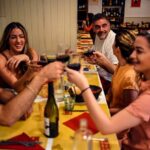
The restaurant kitchen vibe: how the class actually starts
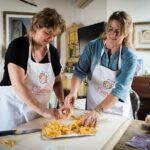
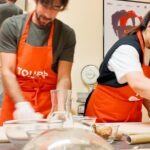
This is hosted in a central Bologna restaurant setting, so you’re stepping into the real working rhythm rather than a demo studio. Before cooking begins, you’ll wash your hands and put on an apron. That little formality helps the session feel official, like you’re joining a kitchen process instead of watching from the sidelines.
The group experience matters here. Many comments point to instructors who keep the energy light—Luca and Al come up often—with humor and clear instructions in English. You’re not just translating words; you’re translating technique. When the instructor repeats key steps and checks that everyone’s on track, a first-time cook can still feel confident.
One small but useful perk: some hosts also share quick local food tips—like where to eat, and where to grab a coffee—so the class doesn’t feel sealed off from the rest of your trip.
Practical note: wear comfortable clothes. This kind of cooking is hands-on, and you’ll be standing or leaning over your workstation.
Tiramisu workshop: the dessert that teaches you structure
The class starts with tiramisu, and that’s smart. It’s not just because it’s popular. It’s because tiramisu teaches the “structure” idea of Italian cooking: clean layering, correct timing, and balance.
In the session, you’ll make the tiramisu, then sample what you’ve made. The guide also explains its origins and the techniques that make it work—so you’re not only copying a recipe, you’re understanding why the texture lands the way it does.
What I’d watch for while you cook (so you get results you can repeat at home):
- Focus on even assembly. The layers should look consistent, not lumpy or lopsided.
- Don’t rush the “set” stage. Tiramisu quality depends on how it sits after assembling.
- Keep your attention on the classic method the instructor uses, even if you’ve seen other versions elsewhere.
You’ll notice the class treats tiramisu as an actual Italian standard, not a tourist gimmick. That makes the learning stick.
Fresh pasta dough: flour, feel, and the fresca vs secca lesson
After tiramisu, it’s time for fresh pasta. This is the part most people picture—and it’s also the part where good teaching makes the biggest difference.
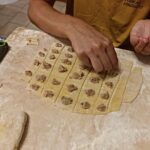
You’ll learn how to prepare the pasta dough with step-by-step guidance, including discussion around different flours and the distinction between pasta fresca and pasta secca. Even if you’ve never made pasta before, that comparison helps you understand why fresh pasta cooks quickly and why the texture changes based on dough hydration and handling.
You’ll be working at a station to roll, cut, and shape your pasta. In at least some sessions, chefs may handle certain cooking steps so everything reaches the table on time, while you focus on prep and shaping. Either way, the core takeaway is that you learn the hands-on mechanics—how dough should feel, how thickness affects the cut, and how the final shape connects to how it eats.
Why fresca vs secca matters (in plain terms):
- Fresh pasta tends to stay tender and cooks faster.
- Dried pasta is designed for longer storage and a different bite.
- Your sauce choice shifts with the pasta type, so the dough matters, not just the shape.
This class gives you enough technique to feel in control, even if the first attempt is a little imperfect. And yes, the result is tasty enough that you’ll eat it without overthinking.
Eating together: lunch or dinner plus wine that matches the pace
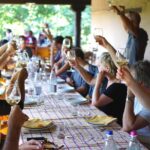
After cooking, you sit down as a group for lunch or dinner. This part is often the sleeper reason people love the class. You don’t finish at the workstation and sprint off. You actually eat your work in the same atmosphere where you made it.
You’ll get a glass of wine with your meal. A welcome glass of Prosecco kicks things off, and the overall vibe stays warm and social. One practical upside: alcohol here isn’t just for fun. It keeps the pacing gentle. When everyone’s comfortable, instructors can focus on teaching instead of rushing to “get through” the steps.
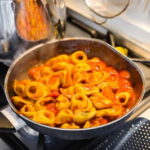
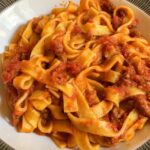
Food-wise, you’ll sample what you prepared during the class. Some sessions include more than one pasta style, and you may see different fillings or sauce combinations based on what the instructor teaches that day. Either way, your meal is built directly from your session.
And do come hungry. You’re making a dessert and pasta, then eating them. This is not a light snack experience.

Price and value: what you’re really paying for
Let’s break down the $57 price in a way that’s actually useful.
You’re paying for:
- A 3-hour guided cooking session in central Bologna
- Two dishes you make (tiramisu and fresh pasta)
- A meal included (lunch or dinner)
- A welcome glass of Prosecco
- A glass of wine with your meal
- An English-speaking instructor who guides you through technique
If you were to build this day on your own, you’d likely spend money on dinner, drinks, and a separate learning experience. Here, it’s bundled. Even if you only care about learning pasta, you still get the full dessert and meal package.
The “value” sweet spot is for people who want hands-on cooking, not just a tasting menu. If that’s you, this class has a lot going for it.
Dietary limits: what to know before you book
This is the one area where you should slow down and check carefully.
The class notes dietary options and substitutions are available, but the instructions focus on the traditional recipe that includes gluten, dairy, and eggs. It also states it can’t guarantee zero cross-contamination.
At the same time, the activity is listed as not suitable for:
- Vegans
- People with food allergies
- People with gluten intolerance
- People with lactose intolerance
- Children under 3 and babies under 1
So what should you do? If you fall into any of those groups, treat this as a no unless the provider explicitly confirms a safe alternative for your situation. For allergies in particular, the safest approach is to avoid assuming substitutions will eliminate risk.
If you’re vegetarian or you simply want alternatives (not strict medical avoidance), the class may work well, but still inform the provider at booking.
Who this cooking class is best for (and who should skip)
This class fits best if you want a relaxed, social Bologna experience where food skills are the point.
You’ll probably love it if:
- You’re a first-time pasta maker and want guided technique you can repeat.
- You like a clear structure: tiramisu first, then pasta, then a sit-down meal.
- You want a break from museums and lines, without giving up a memorable “Bologna day.”
It may not be ideal if:
- You have strict dietary needs tied to gluten, dairy, or allergies (the traditional recipe focus and cross-contamination note are important).
- You don’t want alcohol at all, since Prosecco and wine are part of the included experience.
- You’re traveling with very young children (the class isn’t suitable for babies under 1 or kids under 3).
It’s also a good couple or solo experience. The group format means you’re not just cooking alone—you share the meal, and that social factor is repeatedly mentioned as part of the fun.
Tips to get better results and feel relaxed
You’ll get more out of the class with a few simple moves:
- Show up comfortable. You’ll be in an apron and moving around. No fancy shoes.
- Go in with an open mind about traditional technique. If the instructor teaches a classic method, follow it before trying to freestyle.
- Take notes the moment something feels confusing. Pasta dough and tiramisu both have “feel” moments that you’ll forget later unless you jot them down.
- Eat slowly during the meal. You’ll be tasting wine and eating what you made. It’s easy to overdo it if you’re eager to get through everything.
- Ask the instructor questions. Hosts like Luca and Al are often described as patient and funny—and that’s your window to learn why steps matter.
Should you book it? My straight answer
Book this Bologna pasta and tiramisu cooking class if you want a hands-on meal experience with an English-speaking host, a Prosecco welcome, and wine at the table—plus real technique for fresh pasta dough and tiramisu.
Skip or reconsider if you need strict gluten/dairy/allergy safety. The class is built around the traditional recipe, and cross-contamination can’t be ruled out.
If you’re flexible on dietary needs and you like learning by doing, this is one of those trips moments that pays off immediately: you leave full, you leave smiling, and you leave with a skill that doesn’t disappear the next morning.
FAQ
How long is the Bologna pasta and tiramisu cooking class?
It lasts 3 hours.
Is the instructor English-speaking?
Yes. The class is taught by an English instructor.
What’s included in the price besides the cooking?
You get a welcome glass of Prosecco, the pasta and tiramisu cooking class, lunch or dinner, and a glass of wine with your meal.
What dishes will I make?
You’ll make tiramisu and fresh pasta (with guidance on dough, shaping, and related techniques).
Do I need to bring anything?
Wear comfortable clothes.
Are vegetarian, vegan, or other dietary options available?
Dietary options and substitutes are mentioned, including vegetarian, vegan, and lactose intolerant options. But the activity is also listed as not suitable for vegans and for lactose intolerance, and it focuses on the traditional recipe with gluten, dairy, and eggs. Inform the provider of your needs when booking.
Can the class accommodate gluten intolerance, lactose intolerance, or food allergies?
The activity is listed as not suitable for people with gluten intolerance, lactose intolerance, and food allergies. Even with substitutes, it cannot guarantee 100% freedom from cross contamination.
Will I sit down to eat what I prepare?
Yes. At the end, you gather for lunch or dinner and sample the dishes you prepare during the class.
Is there a cancellation option?
Yes. You can cancel up to 24 hours in advance for a full refund.
Can I reserve now and pay later?
Yes. The option to reserve now and pay later is available.