REVIEW · ORVIETO
Small Group E-bike Experience from Orvieto to Civita with Lunch
Book on Viator →Operated by OrvietoBikeTour · Bookable on Viator
A hilltop medieval town, without the stress. This Orvieto-to-Civita small-group e-bike day pairs easy electric assist with timed access to Civita, plus wine-and-food stops. I also like that the route is built for a tight group of up to 10, so you get real guidance (not just a herd).
The main thing to plan for is effort beyond the bike: Civita involves a steep walk up the pedestrian bridge once you park, so if incline walking is a struggle, think hard before you go.
You’ll start at 9:00 am in Orvieto (near the train station area), ride out through the hills and countryside, visit Civita di Bagnoregio and two more historic stops, then circle back for lunch in Orvieto. The day runs about 6 hours on average, and in practice it can land shorter when the group is small and the pace stays smooth.
In This Review
- Key highlights at a glance
- Orvieto to Civita by e-bike: what the day feels like
- Stop 1: Civita di Bagnoregio and that postcard lookout
- Stop 2: Abbey of Saints Severus and Martyrius (the quick history fix)
- Stop 3: Castel Rubello and the Papal-States border story
- How the countryside ride works: surfaces, hills, and safety
- Lunch in Orvieto: the light lunch that actually delivers
- Guides, gear, and what small-group time buys you
- Price and value: what $157.22 gets you
- Should you book the Orvieto to Civita e-bike tour?
- FAQ
- How long is the Orvieto to Civita e-bike experience?
- Where does the tour start?
- How many people are in the group?
- What’s included with the ticket?
- Is the lunch included, and what kind of food is it?
- Do I pay for admission to Civita and the other stops?
- Is transportation included to and from the meeting point?
- What if the weather is bad?
Key highlights at a glance
- Small group size (max 10): more hands-on help when the road turns tricky.
- Civita ticket included: you’re not scrambling for entry when you arrive.
- Food and wine tasting at Civita plus lunch in Orvieto: more than just a scenic ride.
- Mixed roads (paved and gravel): you get real countryside, not just flat paths.
- Bikes sanitized and riders given masks, gloves, gel: they treat the gear like it’s part of the experience.
- Multiple guides with strong local knowledge: I saw names like Paolo, Georgio, Val, and Riccardo tied to enthusiastic hosting.
Orvieto to Civita by e-bike: what the day feels like
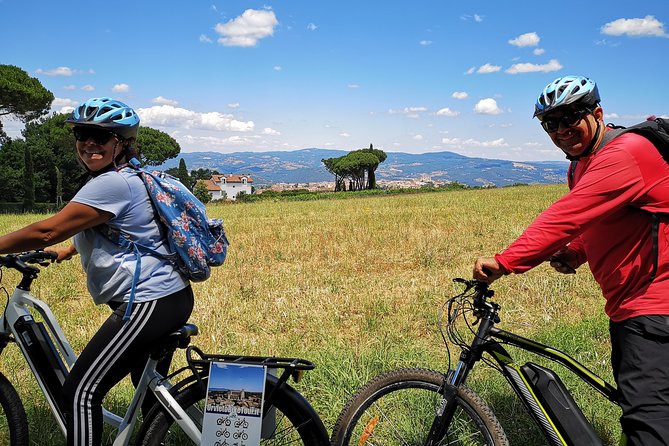
This is the kind of tour that makes Umbria feel close-up. Instead of buses, you’re moving at bike speed through working farmland, past small medieval towns, and along countryside roads that would be slow or tiring on a normal bike. The e-bike matters because the route includes climbs that can look intimidating on a map—reviews mention steep up-and-down sections—but the assist levels make it controllable.
I like the structure of the day: you get a major wow moment early (Civita), then a couple of smaller “stop and look” places that add context without turning the trip into a museum marathon. And the guide-led pacing makes it easier to relax and take photos rather than constantly worrying about navigation.
You can also read our reviews of more tours and experiences in Orvieto.
Stop 1: Civita di Bagnoregio and that postcard lookout
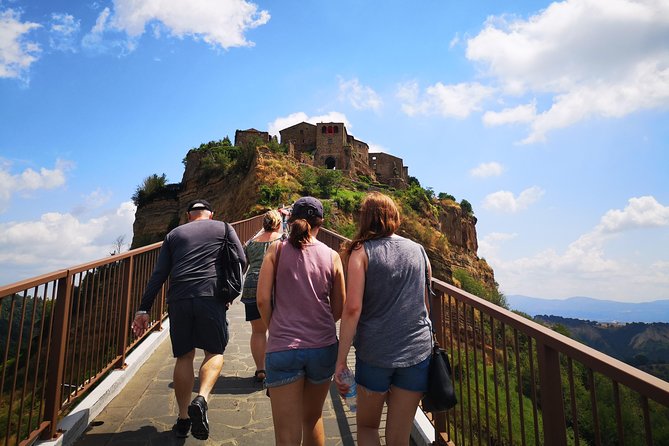
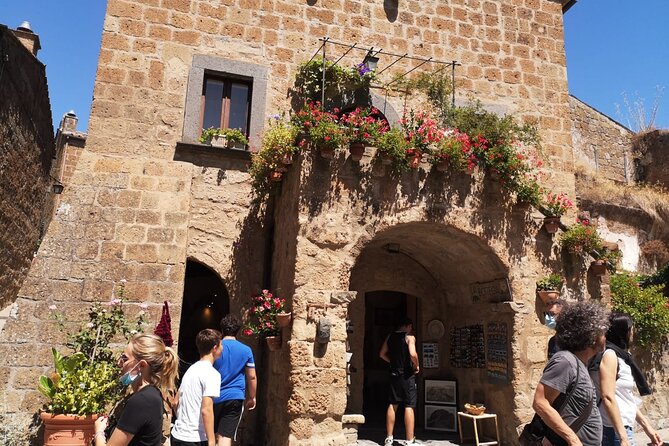
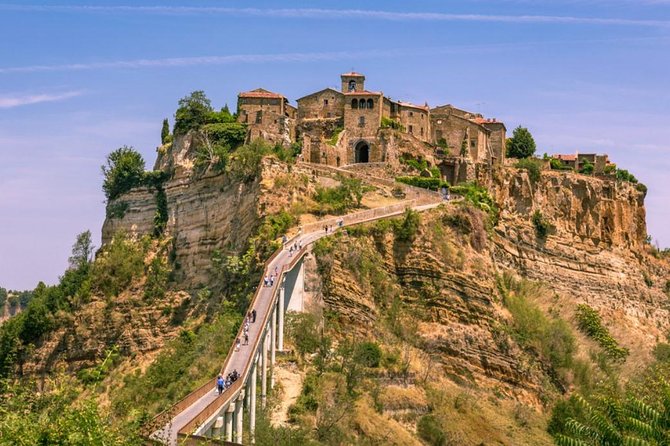
Civita di Bagnoregio is the star of the show, and you approach it the right way. First you park the e-bikes at the lookout point, where the view is dramatic enough that it practically demands a photo. Then you cross the pedestrian bridge to enter the ancient village.
This is also where the tour gives you a small, satisfying break. You visit the village, and you’ll snack with tastings of local products and wines as part of the Civita time (about 1 hour 30 minutes). That timing is smart: you get enough time to wander the lanes and pop into a church, but you’re not stuck watching the group melt away while you’re still staring at the views.
The tradeoff is real: Civita involves a steep walk up from the bridge area. One rider estimated it around a 40-degree incline, and even with the bike, your legs still need to handle that climb once you’re off the handlebars. If you know you struggle with steep incline walking, this part is the one you should think through.
Stop 2: Abbey of Saints Severus and Martyrius (the quick history fix)
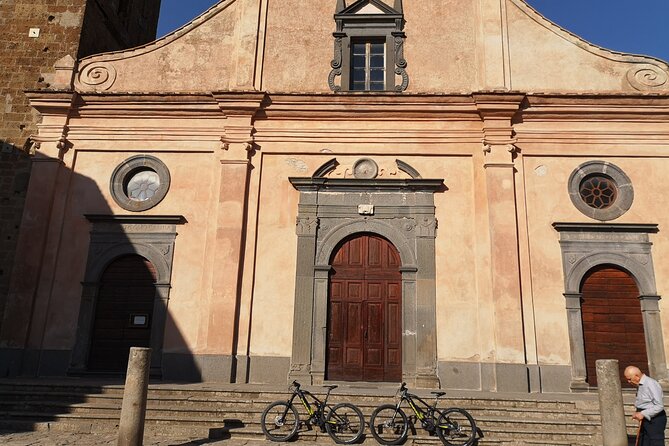
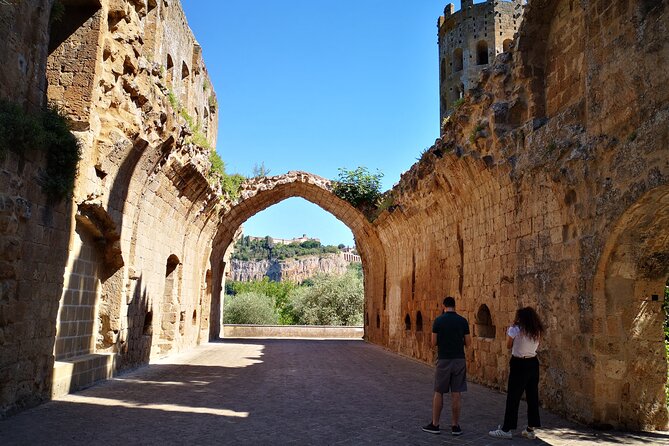
After the Civita wow, the tour shifts gears into medieval mode with a short visit to the Abbey of Saints Severus and Martyrius—often referred to as the Badia. The stop is brief (about 20 minutes), but it’s not random. You get to admire the convent and the church, and it’s framed as a walk through seven centuries of Orvieto history.
What I like here is the “right size” timing. You’re not trapped in a long explanation. Instead, you get a focused look at the architecture and the place, then you’re back to riding. If you’re traveling with people who don’t want constant sightseeing stops, this short stop can help keep everyone on board.
Stop 3: Castel Rubello and the Papal-States border story
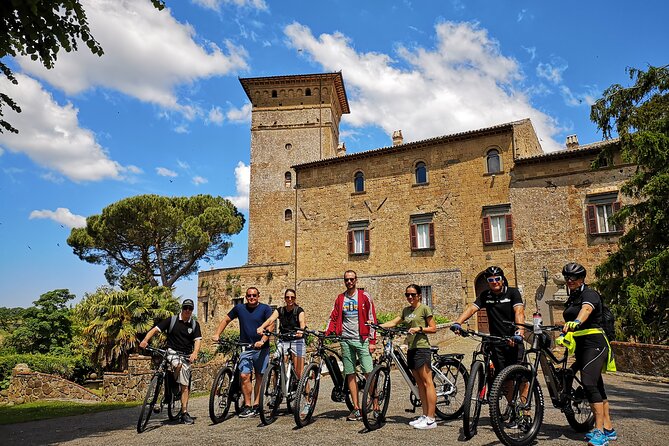
Next comes Castel Rubello S.R.L., a 13th-century castle tied to the borderlands between regions that once mattered politically and militarily. The tour notes that battles were fought around this territory to defend Orvieto, so the stop adds a “why did this place matter” layer.
It’s another short pause (about 20 minutes), but it works well right after the abbey because the theme shifts from religious life to political territory and defense. You get a sense of why Orvieto and its surrounding areas weren’t just pretty—they were strategic.
How the countryside ride works: surfaces, hills, and safety
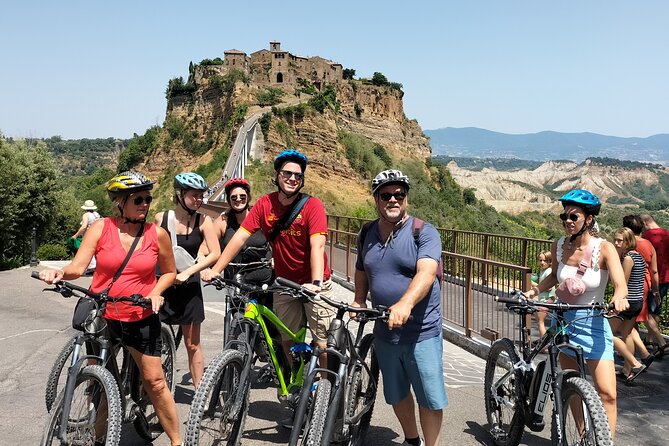
Here’s the practical part: you’re riding through a mix of paved roads and gravel roads. Gravel means slower speeds and a bit more attention—especially on corners. Reviews also describe country roads with curves where cars can pass, so you’ll want to stay alert even with the e-bike assist.
The e-bikes are the equalizer. Reviews highlight that the bikes are easy to use for people who haven’t ridden an e-bike before, and the electric assist helps you handle hills without feeling like you’re performing. One rider mentioned being able to choose among assistance levels (including Turbo) to power up steeper sections.
Still, don’t assume it’s effortless everywhere. The day includes steep up-and-downs, and downhills can feel intense if you’re cautious and the group is moving steadily. If you prefer riding at your own pace, tell your guide early, and stay where you can see them—especially when visibility drops near bends.
Lunch in Orvieto: the light lunch that actually delivers
The tour ends with lunch back in Orvieto at a historic restaurant near the city center (many mention it close to the Duomo). On paper it’s described as a light lunch. In practice, it lands as a proper meal for most people: local products, cheese and bread, and a farro salad shows up in some descriptions, along with Orvieto wine.
Timing is something to keep in mind. Lunch is typically served in the early afternoon. One review noted arriving around 2:35 pm while lunch happens closer to 2 pm, so delays can happen if the group’s pace runs behind or if the ride needs extra support.
Also, remember Civita has shops and small stalls. If you want souvenirs or snacks, bring some money. People who like browsing tend to use that free time well.
Guides, gear, and what small-group time buys you
This tour runs as a small-group experience, with a maximum of 10 travelers, and that changes everything. When the group is small, you get more attention during bike setup and more patience when someone needs help. Reviews repeatedly highlight guides like Paolo, Georgio, Val, and Riccardo as friendly, engaged, and focused on keeping everyone comfortable and safe.
Another detail I really appreciate: bike readiness and cleanliness. The tour supplies masks, gloves, and gel, and the bikes are sanitized before and after each use. That makes the gear feel cared for, not just rented and tossed.
About bike quality: there are mixed comments on comfort and one or two issues with bike reliability. On the comfort side, one rider flagged that bicycle seats can feel hard after a few hours. On reliability, a few bikes breaking down did happen in one group day, but the tour response emphasizes that there’s an assistance vehicle and spare bikes available, and that the bikes are kept modern (replaced about every three years). In other words: it’s not a fantasy day with zero glitches. It’s a well-run operation that’s built to handle bumps when they occur.
Price and value: what $157.22 gets you
At $157.22 per person, this isn’t a bargain price. But you’re paying for a lot more than motion on a bike.
You get:
- E-bike use (including sanitized equipment and safety prep)
- Civita village entrance (so you’re not hunting for tickets on-site)
- Guided time through multiple historic stops
- Food and wine tastings at Civita
- A lunch in Orvieto with local items and wine
The biggest value driver for many people is Civita itself. The village is famous, and timing matters; having the admission already handled helps your schedule stay intact. And the small group format adds value because you’re not just buying entry—you’re buying a guided experience where you can ask questions about what you’re seeing while you ride.
If you’re comparing against cheaper day trips, ask yourself what you want most: a faster bus-and-walk day, or a slower, more personal route that gets you countryside time plus Civita without the scramble.
Should you book the Orvieto to Civita e-bike tour?
Book it if you want a day that mixes real riding with real places to stop—Civita, plus two extra historic sites—and you like the idea of using electric assist to make hills manageable. It’s especially good for couples and small groups who want scenic countryside without feeling lost, and who are fine with the fact that you’ll still walk uphill at Civita.
Skip it or choose carefully if incline walking is a hard limit for you. The bridge climb into Civita is steep, and the day involves mixed road surfaces plus stairs-ish walking once you’re off the bikes.
FAQ
How long is the Orvieto to Civita e-bike experience?
It runs for about 6 hours on average, with the tour starting at 9:00 am and ending back near the meeting point.
Where does the tour start?
The meeting point is Orvieto Stazione (Orvieto Scalo), in the Province of Terni, Italy.
How many people are in the group?
The tour is a small-group experience with a maximum of 10 travelers.
What’s included with the ticket?
You get e-bike use, entrance to the village of Civita, and a lunch in Orvieto (described as a light lunch). You also get masks, gloves, and gel, and the bikes are sanitized before and after use.
Is the lunch included, and what kind of food is it?
Lunch is included at the end of the tour. It’s described as an excellent light lunch with local products and wines, served in a historic restaurant in Orvieto.
Do I pay for admission to Civita and the other stops?
Civita village admission is included. The Abbey of Saints Severus and Martyrius stop has free admission, while Castel Rubello includes admission.
Is transportation included to and from the meeting point?
No. Private transportation is not included, so you’ll handle getting to and from the meeting point yourself.
What if the weather is bad?
The experience requires good weather. If it’s canceled due to poor weather, you’ll be offered a different date or a full refund.