REVIEW · ORVIETO
Orvieto: Pozzo della Cava Entry Ticket
Book on GetYourGuide →Operated by Pozzo della Cava · Bookable on GetYourGuide
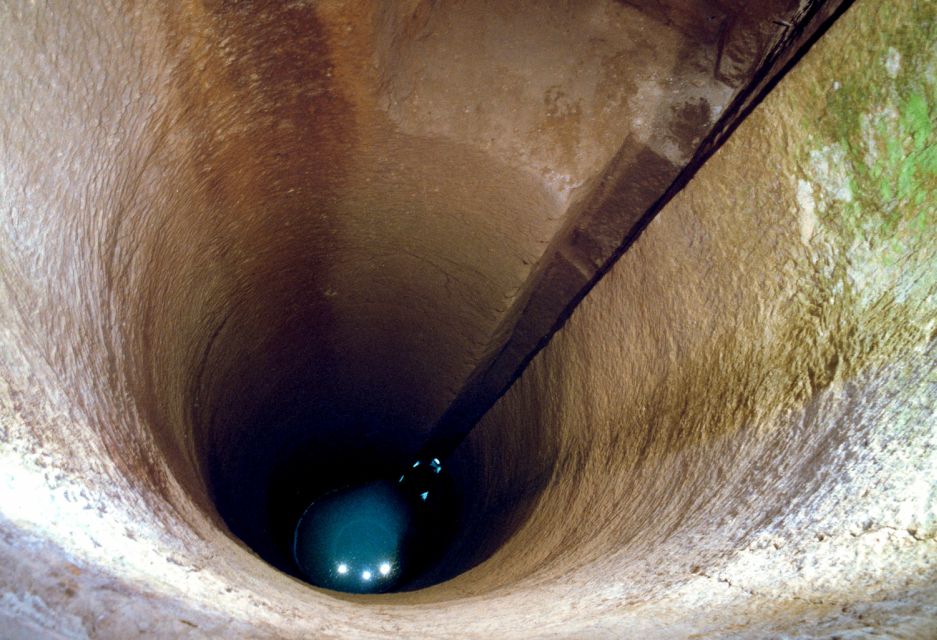
A well that lives under the streets. Pozzo della Cava is Orvieto’s oldest Etruscan spring well you can actually visit, tucked under the medieval Cava neighborhood, and it stays a welcome cooler spot when the sun hits the hill above. I love that you’re not just looking at history in glass—you’re walking through the space where people collected and stored water.
I especially like the self-guided setup. The route is clearly signposted, and the explanations are offered in Italian, English, and French, so you can pause, read, and move at your own pace—no rush, no waiting for a group.
One possible drawback: there’s no guided tour included, so if you want a live expert talking the whole time, you’ll need to rely on the interpretive panels instead. Also, it’s a smaller underground visit than the big “wow” sites in central Orvieto, so it works best as a focused stop, not your whole history day.
In This Review
- Key points to know before you go
- Pozzo della Cava in Orvieto: an Etruscan well you can walk through
- Nine caverns, three eras: Etruscan, Urbs Vetus, and Renaissance changes
- Walking the route: cistern, hypogeum houses, and the final 28-century cave
- Self-guided interpretation that actually works in three languages (and for kids)
- Timing, walking distance, and how long it takes in real life
- Price and value: a $5 ticket for 9 caverns of layered archaeology
- Who should book Pozzo della Cava entry tickets?
- Quick help: should you book Pozzo della Cava?
- FAQ
- FAQ
- How much is the Pozzo della Cava entry ticket?
- How long does the visit take?
- Is this a guided tour?
- Is the visit self-guided?
- What languages are available?
- Are there explanations for children?
- How many caverns are in the underground complex?
- What historical periods does the site cover?
- Does the ticket help you avoid a line?
- Is the ticket valid for one day?
Key points to know before you go
- Oldest Etruscan spring well you can visit in Orvieto
- Nine caverns spread across Etruscan, medieval, and Renaissance layers
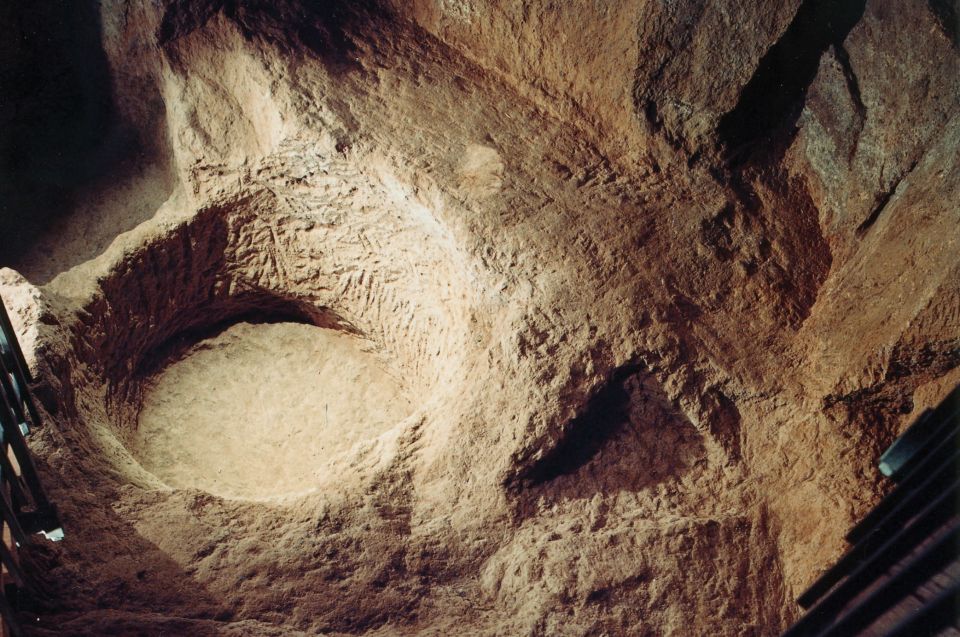
- Cocciopesto-lined cistern in the oldest section, with preserved artifacts
- Urbs Vetus hypogeum maze showing how homes used underground space
- Self-guided route with multi-lingual explanations in Italian, English, and French
- Kids get a special itinerary, so this isn’t only for adults
Pozzo della Cava in Orvieto: an Etruscan well you can walk through
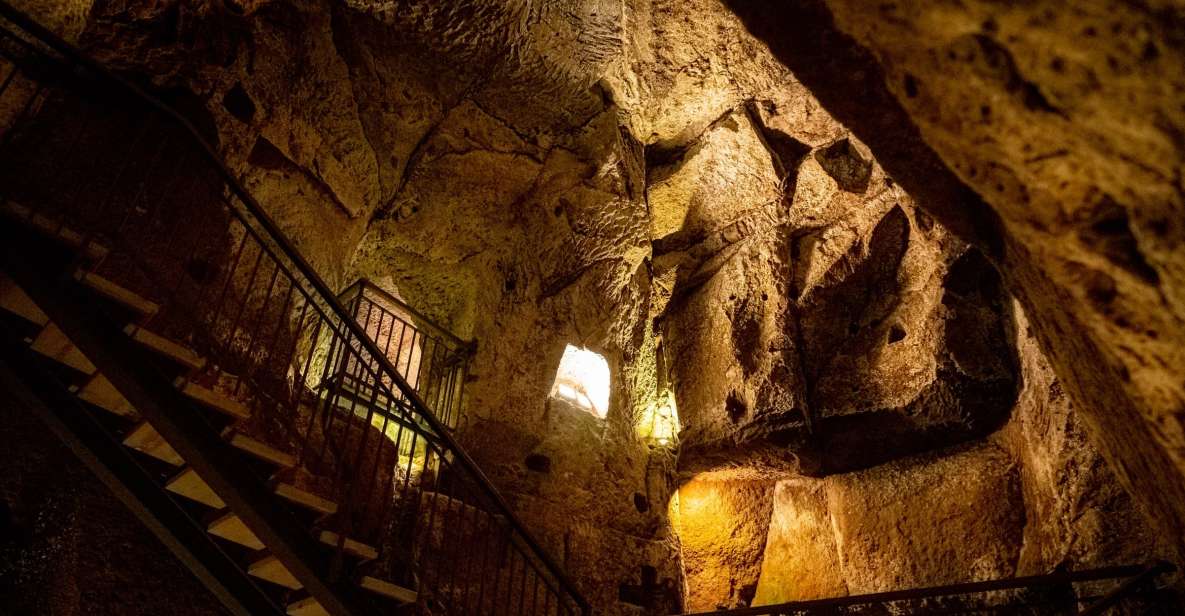
Orvieto has plenty of above-ground sights, but Pozzo della Cava gives you something rarer: an underground window into how people collected water and lived over many centuries. The complex sits beneath the medieval district called Cava, so the history isn’t in a museum case. It’s under your feet.
This is centered on the first spring water well—starting in the Etruscan era—and then continuing as the site was used, modified, and excavated through later periods. The ticket takes you into an underground cave system made up of nine caverns you can explore on your own.
I like how the experience feels compact and human-scaled. You’re not trying to “conquer” a maze for hours. Instead, you follow a set route that gradually expands your understanding of what the well and the underground spaces were for.
You can also read our reviews of more tours and experiences in Orvieto.
Nine caverns, three eras: Etruscan, Urbs Vetus, and Renaissance changes
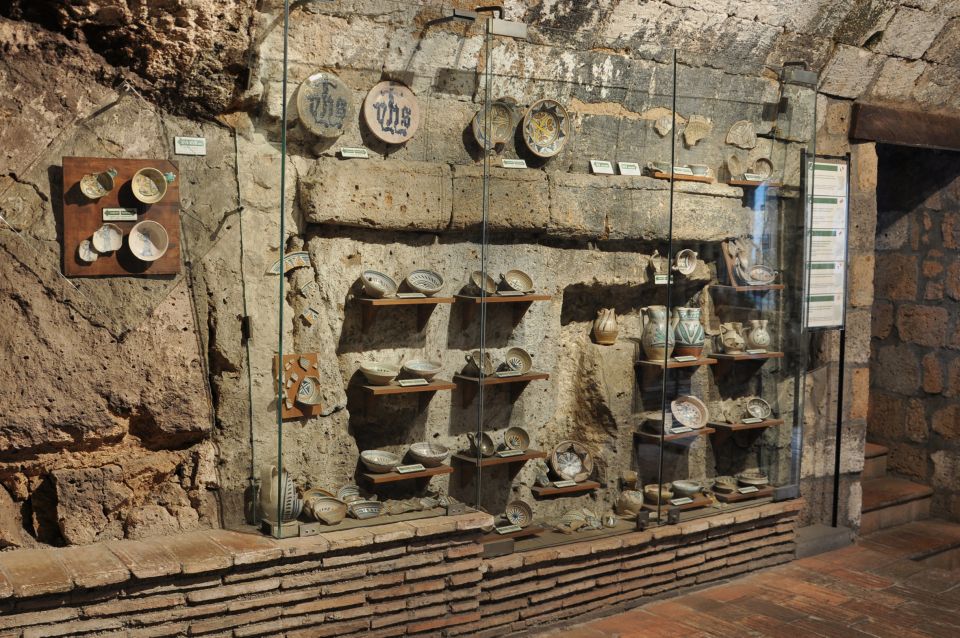
The best part is watching the site’s timeline unfold as you move deeper through the complex. You’ll see evidence connected to Etruscan beginnings, then the Middle Ages (where Orvieto was known as Urbs Vetus), and finally Renaissance developments from more recent excavations.
In the oldest section, you start at the cistern lined with cocciopesto plaster. That detail matters because cocciopesto is a strong, practical material used historically to make water-holding surfaces more durable. It’s the kind of engineering touch that makes this feel real, not just symbolic.
From there, you encounter artifacts preserved within the underground environment. The complex protects objects over time in a way the open air can’t, which is why you’ll find items spanning centuries of Italian life.
Then the story shifts to life underground in the medieval era. You descend into the hypogeum maze of Urbs Vetus, Orvieto’s medieval name, and you get a sense of how the buildings of the old district used the underground space. The route highlights the intricacies of houses’ three-story basements, which is a clever way of thinking about “extra floors” without building upward.
Finally, you reach the later layers connected with the Renaissance. The final cave preserves traces of transformations carried out across twenty-eight centuries, which is a big number—but it lands because you can see the changes reflected in the space itself.
Walking the route: cistern, hypogeum houses, and the final 28-century cave
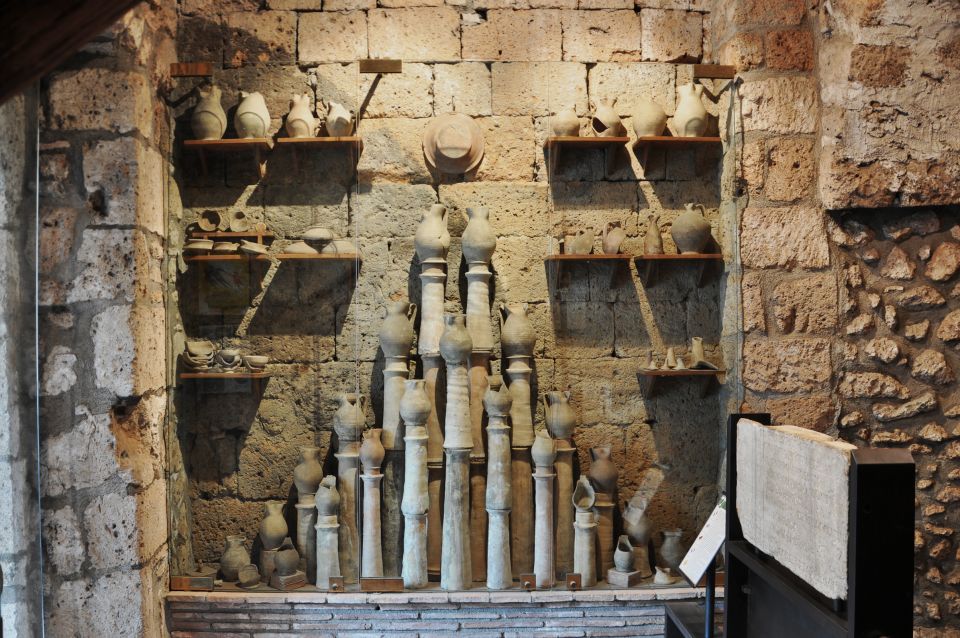
Your visit has a natural flow: oldest → medieval underground life → later excavated parts. Even though it’s self-guided, the site structure helps you orient yourself, and the signage makes the chronology easier to follow.
Stop 1: the oldest cistern section
You begin at the oldest part of the Pozzo della Cava, where the cistern is lined with cocciopesto plaster. This is where the experience anchors itself in water storage—an essential survival technology—before branching out into the wider archaeological story. You can also expect to see Etruscan burial remains, which adds a sharper emotional edge to what’s otherwise a technical site.
Stop 2: the Urbs Vetus hypogeum maze
Next comes the medieval layer, where the underground complex links to how the district functioned. In Urbs Vetus, you’re looking at the “house beneath the house” concept, with attention on the three-story basements connected to buildings above. It’s a reminder that “underground” wasn’t automatically unpleasant or forgotten. It was organized space with purpose.
Stop 3: the Renaissance developments
The later part of the visit shifts to Renaissance-era developments uncovered through excavation. This is where the route transitions from “ancient structure as it was used” to “ancient structure as it was rediscovered and reshaped.” The final cave is described as impressive, and it preserves traces of transformations across 28 centuries, which makes the ending feel like a time-lapse you can walk through.
A practical tip: pace yourself like you would in a good small church—slow enough to read, quick enough to keep moving. Some sections invite reflection, and a few of the strongest moments come when you stop and let the timeline click into place.
Self-guided interpretation that actually works in three languages (and for kids)
This is not a “show” tour. It’s a self-guided walkthrough using interpretive panels, plus a built-in children’s route. That approach is ideal if you like history but don’t want to hear the same set speech repeated for every group.
I love that the explanations are available in Italian, English, and French. That matters more than it sounds. In underground spaces, it’s easy to feel lost fast. Clear text panels reduce that frustration, so you can focus on the actual objects and structure.
One nice detail: there’s a host or greeter on hand in Italian, English, and French. So if you’re standing there wondering where to start, you’re not completely on your own.
For families, the ticket includes a special itinerary for children. It’s not trying to turn the site into a theme park. Instead, it gives younger visitors a path to follow so the underground experience doesn’t feel like wandering in the dark.
Also worth noting: this stop doesn’t demand an app or a guided storyteller to make sense of it. If you like reading panels and moving at your own pace, the format fits.
Timing, walking distance, and how long it takes in real life
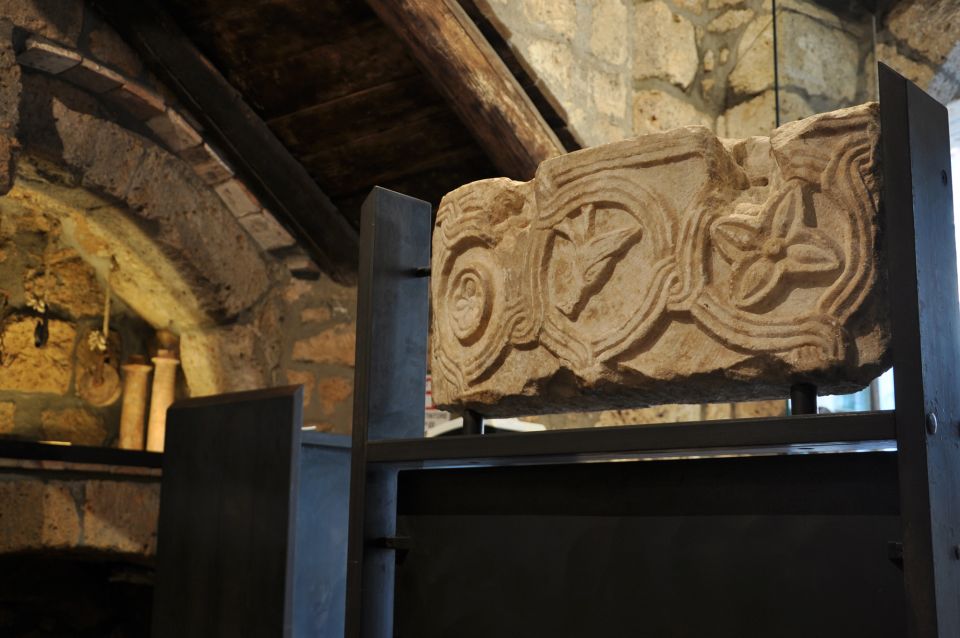
This is a short, efficient visit. Many people find it takes around 30 minutes if you’re reading lightly, and closer to an hour if you slow down and stop often. Either way, it’s a good fit for a gap in your day when you want something meaningful without losing an entire afternoon.
There’s also the practical advantage of an underground site: it can be a relief on hot days. More than one visitor clearly enjoyed using the caves as a break from the heat, which makes sense in a town like Orvieto.
As for location, it’s on the far side of Orvieto, but still close enough to walk from central areas depending on your pace. If you’re already planning to cover the Duomo area, you may want to map your route so you don’t accidentally tack on extra hills.
And here’s a real-world planning note: Orvieto has more than one underground experience. Double-check you’re heading to Pozzo della Cava and not confusing it with another underground tour that starts near the Duomo area. The ticket you’re holding is for this Cava neighborhood cave complex.
If you want the easiest visit, consider going earlier in the day. Some people report starting in the morning avoided lines, which can make the whole experience feel more relaxed.
Price and value: a $5 ticket for 9 caverns of layered archaeology
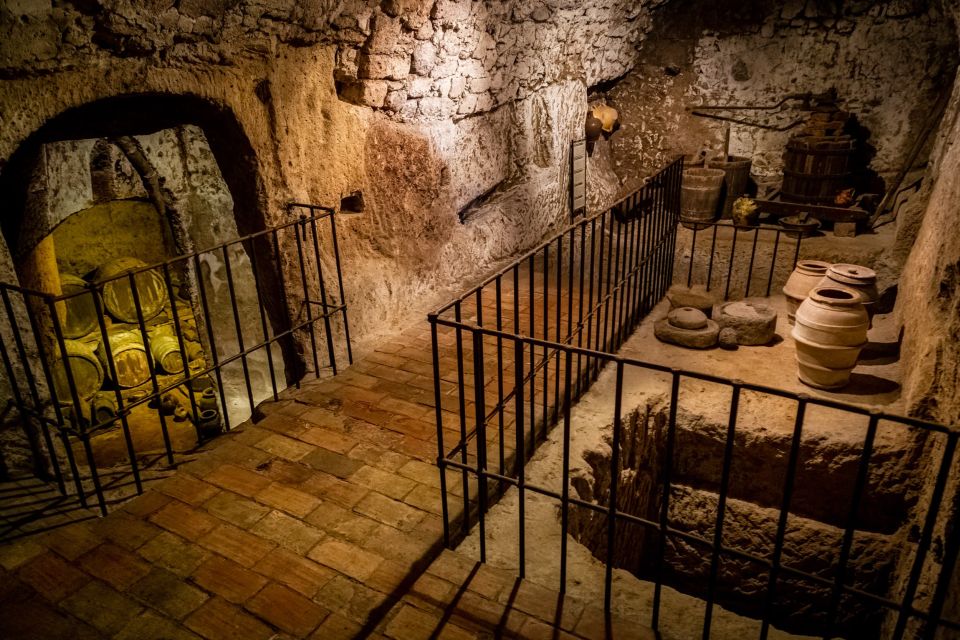
At about $5 per person, this is strong value—especially because the ticket includes the interpretive content you need. You’re paying for entry into a genuine underground archaeological structure, with multi-lingual explanations already built into the route.
Also, it’s included that you can skip the ticket line, which saves time and keeps your underground moment from feeling like it’s constantly delayed. That’s a small thing, but in Italy it adds up.
The other value angle is what you’re getting for your time. A lot of Orvieto sightseeing costs more and takes longer. Here, you can get a concentrated “how people lived” experience without needing a whole afternoon.
That said, balance matters. Since there’s no guided tour included, you’re relying on the panels to connect the dots. If your ideal history experience is a living guide explaining choices and context, you might feel this is “too quiet” or too self-directed. But if you like reading and wandering, it’s a bargain.
Who should book Pozzo della Cava entry tickets?
Book it if you fit one of these boxes:
- You want an Etruscan-origin experience that’s not just a signboard or a photo.
- You like history that shows real-world engineering, like water storage in a cistern.
- You’re traveling with kids and appreciate a children’s itinerary instead of a lecture.
- You need a cool escape from the heat and want a short, high-impact stop.
- You prefer self-guided pacing, with Italian, English, and French explanations.
Consider skipping or pairing thoughtfully if:
- You’re craving a full guided narrative rather than interpretive panels.
- You want a long “big tour” day packed with multiple major attractions. This is more focused than that.
One more thought: it pairs well with other Orvieto sights because it adds variety. Many people spend their day in churches and viewpoints. Pozzo della Cava gives you something different: living infrastructure under the medieval town.
Quick help: should you book Pozzo della Cava?
I’d book this if you want a worthwhile underground stop that doesn’t eat your whole day. The $5 price is hard to beat for a site with nine caverns and layered Etruscan-to-Renaissance context, especially with multi-lingual explanations included.
You can also book with flexibility: there’s reserve now & pay later and free cancellation up to 24 hours in advance. That makes it easy to hold your plan while you build your Orvieto route.
If you like quiet exploration, clear signs, and learning by looking, Pozzo della Cava is an easy yes. If you want someone to talk nonstop through the details, you may find it feels short on guidance—but you’ll still leave with a better grasp of how this town used water and space over centuries.
FAQ
FAQ
How much is the Pozzo della Cava entry ticket?
The price is listed as $5 per person.
How long does the visit take?
It’s often quick: many visitors describe it as around 30 minutes to about an hour, depending on how long you pause for the explanations.
Is this a guided tour?
No. The ticket includes entry and explanations, but a guided tour is not included.
Is the visit self-guided?
Yes. The experience is set up for you to explore on your own using explanations and signage.
What languages are available?
You can find explanations in Italian, English, and French.
Are there explanations for children?
Yes. The ticket includes a special itinerary designed for children.
How many caverns are in the underground complex?
The underground complex consists of nine caverns.
What historical periods does the site cover?
You’ll see materials and developments connected to the Etruscan beginnings, the Middle Ages (Urbs Vetus), and the Renaissance, with changes preserved across twenty-eight centuries.
Does the ticket help you avoid a line?
Yes. The entry includes skip the ticket line.
Is the ticket valid for one day?
Yes. The ticket is valid 1 day, with starting times depending on availability.