REVIEW · SIENA
Total Immersion Wine Tour in Chianti
Book on GetYourGuide →Operated by Fattoria di Montemaggio · Bookable on GetYourGuide
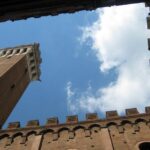
A roofline view in Chianti hits different. This small, family-run organic winery tour in the Radda in Chianti area pairs rolling-hills scenery with hands-on wine education. I really like that the team explains how organic farming shapes the wine, not just the wine itself. One possible drawback: the estate sits in a remote spot, so getting there can be tricky if you don’t follow the road directions.
You’ll love the mini tasting course built into the last stop, where you learn how to smell, taste, and serve the wines. I also like the way the route layers everything: vineyard walk, cellar walkthrough, then a relaxed tasting room with bread, cheeses, and salami plus olive oil. The main consideration is logistics—hotel pickup isn’t included, and the final approach road includes gravel/unpaved sections.
In This Review
- Quick Reasons This Chianti Tour Works
- Entering Montemaggio: Rooftop Views and the Chianti Classico Black Rooster
- Organic Chianti at a Small Family Winery: What You’re Really Paying For
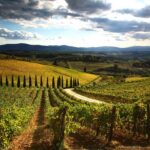
- Vineyard Walk: Seeing Organic Work Where It Starts
- Cellar Time: Harvest, Selection, Fermentation, and Aging, Explained Straight
- The Mini Tasting Course: Smell, Taste, Serve Without Guesswork
- Food Pairing at Montemaggio: Olive Oil Bread, Cheese, and Salami
- Optional Grappa Moment: A Small Production Lesson at the End
- Price and Logistics: How to Make This Worth Your Time
- Who This Chianti Classico Organic Tour Is For
- Should You Book This Tour at Fattoria di Montemaggio?
- FAQ
- How long is the Total Immersion Wine Tour in Chianti?
- How much does the tour cost?
- What wines and drinks are included in the tasting?
- Is food included?
- Are gluten-free or other dietary options available?
- Is hotel pickup included?
- Where is the meeting point?
- Is there free cancellation and a reserve-now option?
Quick Reasons This Chianti Tour Works
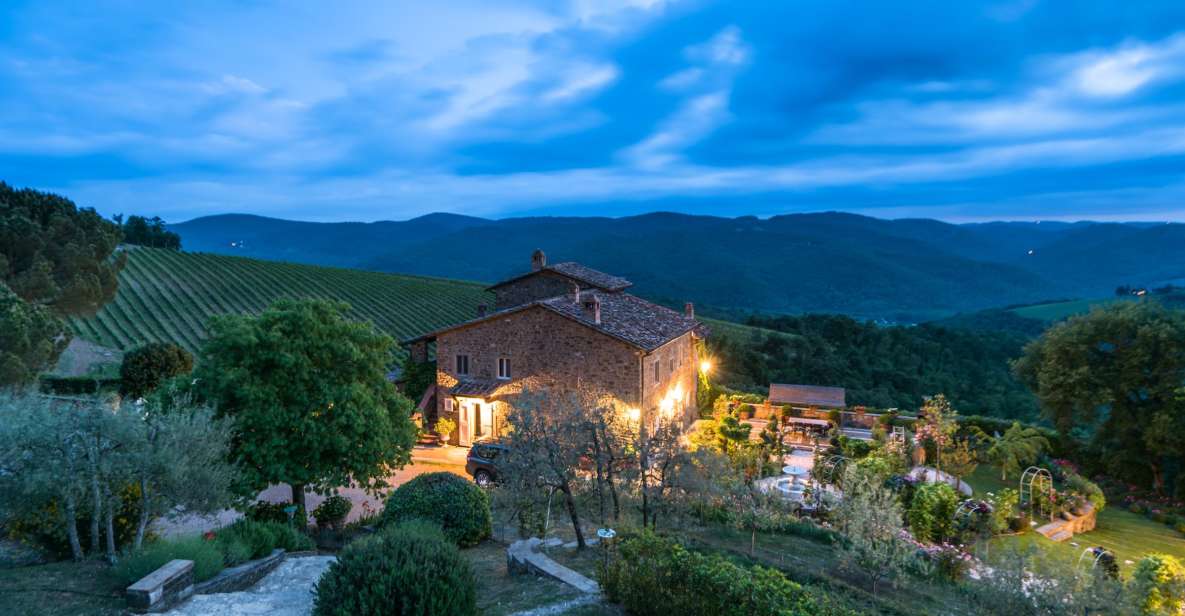
- 600 meters above sea level views from the cellar roof area, with an estate intro at the start
- Organic farming focus, including vineyard work and how the winery handles harvest and selection
- Vineyard-to-cellar story, from grapes in the field to fermentation and aging
- 5-product tasting with a structured mini course on smell, taste, and serving
- Food pairing basics: cheese, cold cuts, bread, and extra virgin olive oil
- Optional grappa production and tasting for those who want the extra chapter
Entering Montemaggio: Rooftop Views and the Chianti Classico Black Rooster
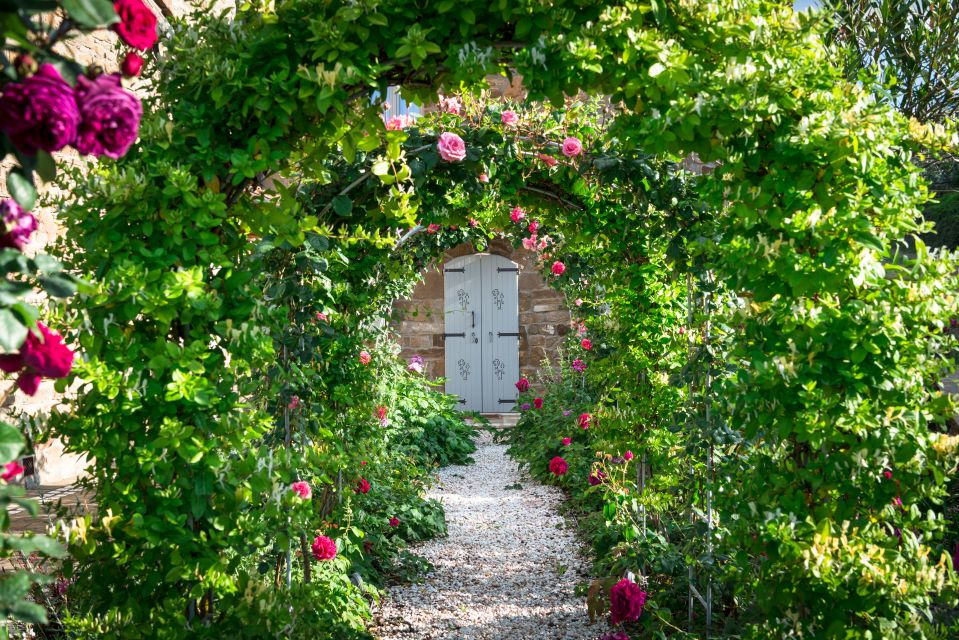
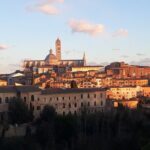
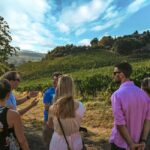
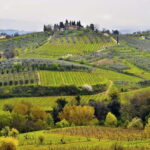
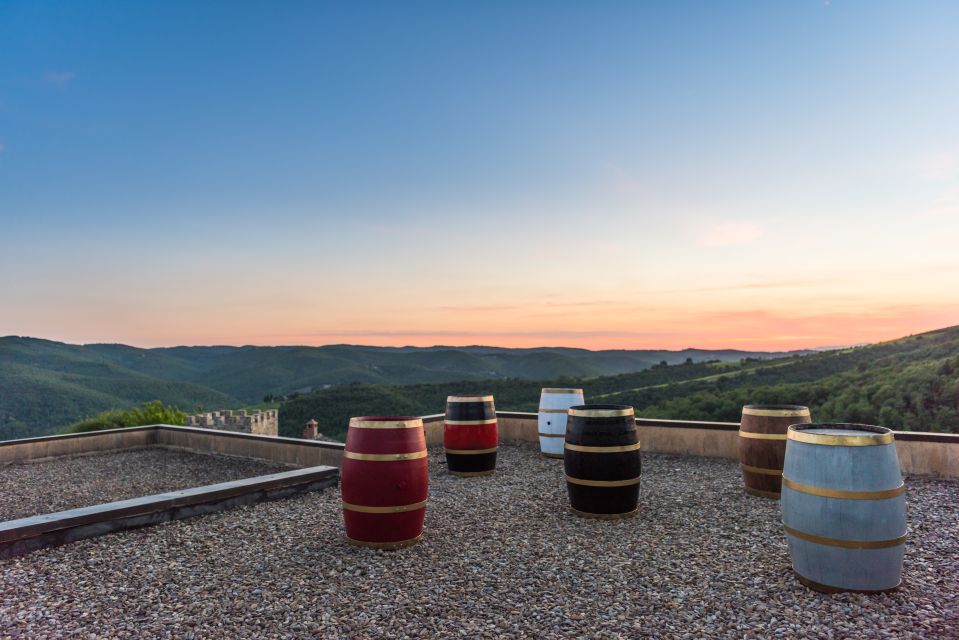
The tour begins at Fattoria di Montemaggio in Localita Montemaggio, Radda in Chianti (Siena). First you’re welcomed on the estate, then you’re brought up to a roof of the cellar for the big view—these hills are around 600 meters above sea level, and you get that classic Chianti panorama right away.
This early stop matters. It’s not just scenery for photos. You hear an intro that sets the tone: history of the estate, and the story of Chianti Classico Black Rooster. That gives your later tastings a real anchor. Instead of random sips, you’re learning how this area’s identity shows up in the bottle.
Tip: if you’re sensitive to sun or glare, the rooftop setup is open-air. One small note from the field: on bright days, they may adjust shade coverings on the roof area to make it more comfortable.
You can also read our reviews of more tours and experiences in Siena.
Organic Chianti at a Small Family Winery: What You’re Really Paying For
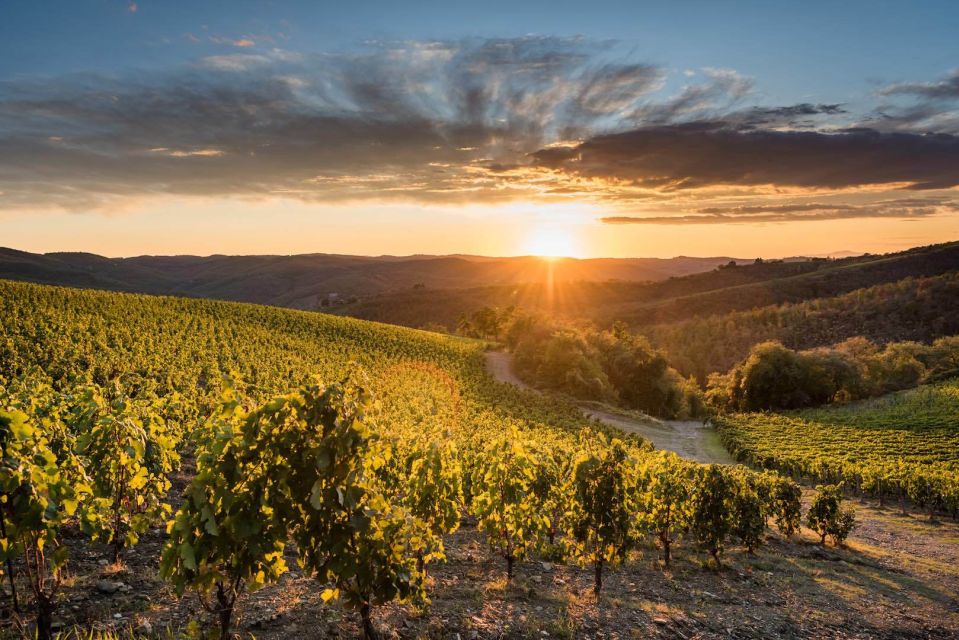
At a price point of $47 per person for a 2-hour experience, what you’re buying isn’t a grand bus ride into a mega-cellar. You’re paying for time and attention in a small, family-run organic winery setting.
Here’s the value logic: organic wine isn’t a marketing badge here—it’s the operating system. You’ll see and hear how the vineyard and cellar practices fit together. That is why the tour format works so well. If all you wanted was tastings, you could find cheaper tastings elsewhere. If you want to understand why the wines taste the way they do, this is the better match.
You also get a structured tasting flow with education. The mini course at the end isn’t just a lecture—there’s a practical rhythm to it. That helps you taste more accurately, even if you’re a first-timer. If you’re more experienced, you’ll still appreciate the clear language and the focus on serving and technique, not just snobbery.
Vineyard Walk: Seeing Organic Work Where It Starts
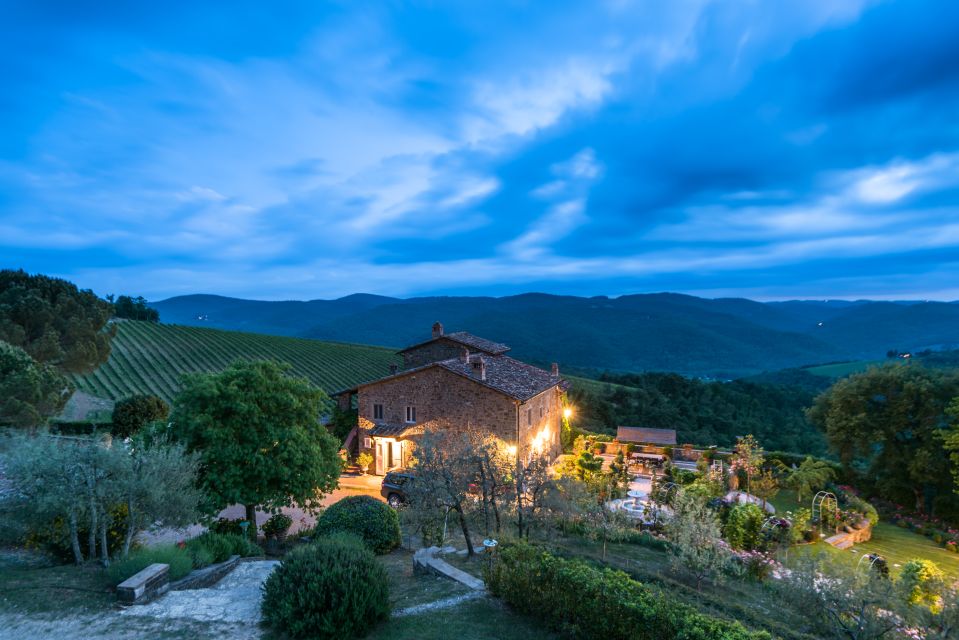
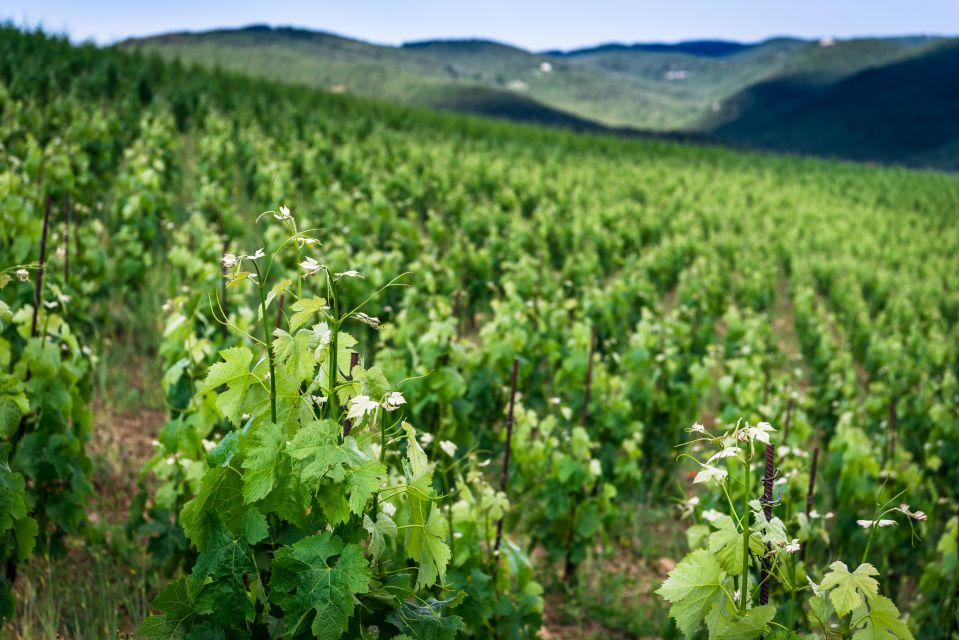
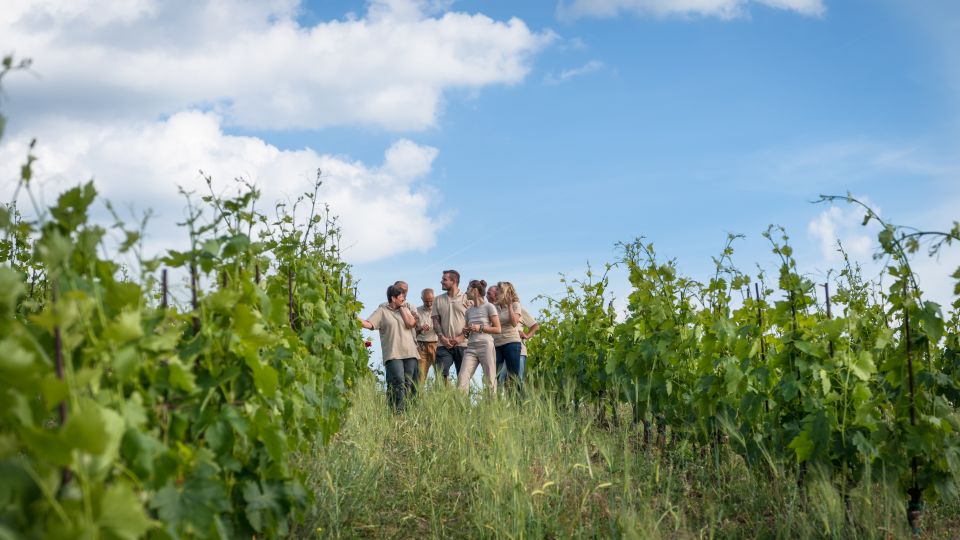
After the rooftop intro, you’ll visit a vineyard and get an explanation of the working process and organic agriculture. This part is where you connect the dots between farming choices and what you taste later.
Organic farming changes daily work in the vineyard: planning, timing, and how you manage the vines through the growing cycle. The tour’s goal is to show you that logic step-by-step, so you can understand organic practices as something lived in the fields, not just something printed on the label.
Practical note: you’ll likely be walking on estate paths. If it’s raining, wear closed shoes. Even if the tour time stays short, slick ground makes everything less pleasant.
Cellar Time: Harvest, Selection, Fermentation, and Aging, Explained Straight
The next stop is the cellar, where the guide moves through the wine process in a clear order. You’ll hear about harvest and grape selection, then fermentation, then the aging process.
This is the part I like most for “new-to-wine” people, because it’s laid out like a system. You’re not trying to remember wine terms; you’re following a chain: grapes come in, grapes are selected, fermentation happens, then aging shapes the final character. When you later taste the wines, you have context for questions like: Why does this wine feel lighter or deeper? Why does one taste more structured than another?
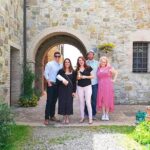
You may notice the guides lean into storytelling. Guides such as Francesco, Ilaria, and Stefano are specifically mentioned as passionate and lively in hosting. That matters because wine education is easier when the guide talks in a way that makes you pay attention.
The Mini Tasting Course: Smell, Taste, Serve Without Guesswork
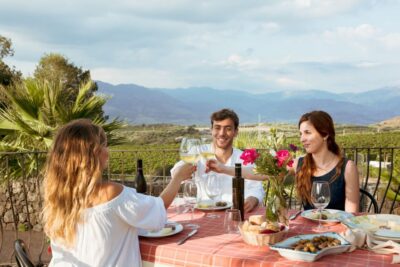
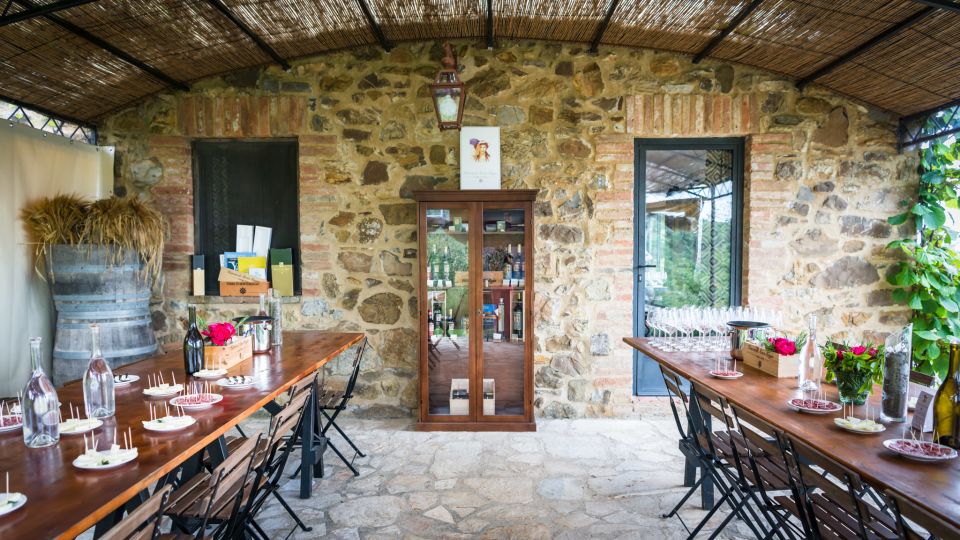
The final stop is a tasting room where you’ll try all 5 products from the estate. The included selection covers red, white, rosé, and sparkling among the five. This is a smart mix because it trains your palate. You’re not stuck in one style, and you can compare how the same land shows up across types.
What makes this tasting more valuable than a casual pour-and-go is the mini tasting course. You’ll learn how to smell, taste, and serve the wines properly. In plain terms, that means you start noticing details instead of chasing flavor alone. You learn the order: first aroma, then taste, then how temperature and serving affect what you perceive.
If you want a fun challenge for yourself, try tasting one wine while thinking about what you’d call it in one sentence, before you get the guide’s explanation. That keeps your brain active, and it makes the lesson stick.
Food Pairing at Montemaggio: Olive Oil Bread, Cheese, and Salami
The tasting includes a light snack: cheese, salami with bread, and extra virgin olive oil from their production. This is classic Tuscan comfort food, and it plays a real role in the tasting.
Fat (from cheese) and salt (from cured meats) can change how you experience acidity and tannin. Olive oil and bread also help you reset between sips so your palate stays clearer. It’s not a full meal, but it’s enough to keep the experience comfortable, especially since you’ll be sampling multiple wines in a compact 2-hour window.
One caution: dietary needs are supported—gluten-free options are available and dietary options exist. Still, if you have strong food intolerances, you should plan to ask what’s possible. Some people noted the snack felt only fair for certain intolerances, so it’s worth being proactive.
Optional Grappa Moment: A Small Production Lesson at the End
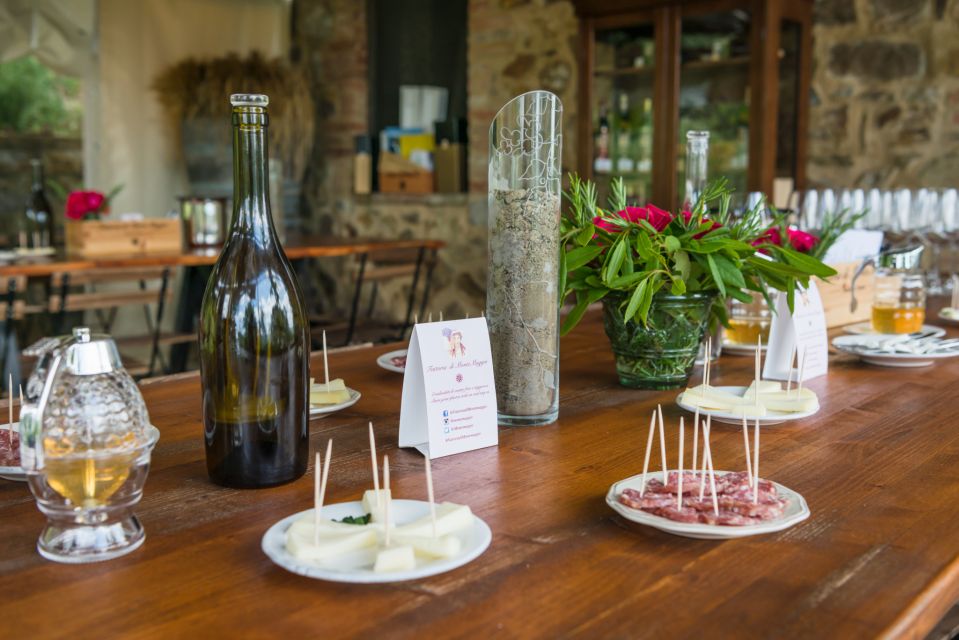
At the end, there’s an extra detail for those who want it: grappa. The team explains its production and its delicate taste, and you’ll have the chance to experience it as part of the overall flow.
I like that grappa is presented as optional. It lets you finish with something familiar for people who enjoy it, or keep things light if you’d rather stick to wine only.
Price and Logistics: How to Make This Worth Your Time
Let’s talk real-world math. $47 per person for 2 hours includes 5 estate wines plus olive oil, bread, cheese, and cold cuts. That’s solid value when the tasting is paired with instruction and the setting is rural, remote, and genuinely focused on process (vineyard and cellar, not just a counter).
The main logistics issue is access. There’s no hotel pickup/drop-off, so you need your own transport. Also, this estate is in a forested, remote area. The approach includes a gravel/unpaved final stretch, and the operator stresses that it’s important to follow road instructions carefully.
If you’re driving:
- Give yourself extra time.
- Expect narrow turns and uneven surfaces.
- Treat the last stretch like a separate trip—slow down and follow signage.
If it’s raining, road conditions can feel even more stressful, which is why wearing closed shoes and arriving early helps a lot.
Also: there’s wheelchair accessibility noted, so it’s set up for mobility needs. Still, since the experience includes vineyard/cellar movement, it’s wise to confirm the best route for your device or assistance needs.
Who This Chianti Classico Organic Tour Is For
This tour fits best if you want more than tasting. It’s for you if you like:
- Understanding how organic farming connects to what you taste
- Learning a practical tasting method (smell, taste, serve)
- Seeing a small estate operation up close—vineyard to cellar
- Drinking a range of styles: red, white, rosé, sparkling, plus optional grappa
It’s also a good choice for couples, friends, and people on a short Tuscany stop who want one focused winery experience. The tone is adult-focused; it’s not suitable for children under 18.
One more thing: if you travel with pets, there’s at least one note that the winery can be pet friendly in some circumstances. Don’t assume it’s universal—confirm ahead.
Should You Book This Tour at Fattoria di Montemaggio?
I’d book it if you want a process-led Chianti experience in a small organic estate, with a guided tasting that actually teaches you how to taste. The combination—rooftop views, vineyard + cellar walkthrough, then 5-product tasting with a mini course—turns it from a stop into a learning session you’ll remember.
I’d think twice if you hate driving in rural areas or you’re counting on easy logistics. With no pickup and a gravel/unpaved approach, this is easiest when you have your own car and you’re comfortable following directions carefully.
If you can handle the drive, this is one of those short tours that gives you more wine understanding than many full-day trips.
FAQ
How long is the Total Immersion Wine Tour in Chianti?
It lasts 2 hours.
How much does the tour cost?
The price is $47 per person.
What wines and drinks are included in the tasting?
You’ll taste 5 products from the estate, including red, white, rosé, and sparkling. There’s also an end segment about grappa for those who want it.
Is food included?
Yes. You’ll get a small snack with cheese, salami with bread, and extra virgin olive oil from their production.
Are gluten-free or other dietary options available?
Yes. Dietary options are available, including gluten-free options.
Is hotel pickup included?
No. Hotel pickup and drop-off are not included.
Where is the meeting point?
You meet at Fattoria di Montemaggio, Localita Montemaggio, Radda in Chianti, Siena.
Is there free cancellation and a reserve-now option?
Yes. You can cancel up to 24 hours in advance for a full refund, and there’s a reserve now & pay later option.