REVIEW · VENICE
Venice: Doges Palace, Prison, and Secret Passageways Tour
Book on GetYourGuide →Operated by Walks of Italy · Bookable on GetYourGuide
Secret doors beat the usual Doge’s Palace tour. This 2.5-hour, small-group experience takes you past the lines and into secret passageways and lesser-known palace spaces tied to Venice’s rulers. One of the big reasons I like it is the way the tour connects art, power, and punishment in the same building.
I also really love the limited group size (max 20) and the storytelling from guides such as Mose, Nico, Sarah, Niko, Dr. Susan, and others who are drawn to the details of Venetian politics and culture. One drawback to think about: the tour involves moderate walking and time on your feet in tight, sometimes claustrophobic areas—so it’s not a good match if you get anxious in enclosed spaces.
In This Review
- Key Highlights You’ll Actually Feel
- Entering the Game: Correr Museum Meets the Palace Fast
- Doge’s Palace in Secret: Skip the Usual Route and See the Machinery
- Casanova’s Cell and the Darker Side of the Palace
- Secret Passageways: Why the Layout Matters More Than the Scenery
- Bridge of Sighs and the New Prisons: The Ending That Locks the Story
- Ca’Rezzonico After the Tour: Turn Prison Stories Into 18th-Century Life
- Price and Logistics: Is $106.49 Good Value?
- What to Bring (and What Can Slow You Down)
- Who This Tour Fits Best
- Should You Book It?
- FAQ
- How long is the Doge’s Palace, prison, and secret passageways tour?
- Where does the tour meet?
- Does the tour include skip-the-line tickets for Doge’s Palace?
- Is Ca’Rezzonico included?
- Is the tour in English?
- What should I wear or bring?
- Is this tour suitable for wheelchair users or mobility impairments?
Key Highlights You’ll Actually Feel
- Skip-the-line entry into Doge’s Palace through a separate entrance
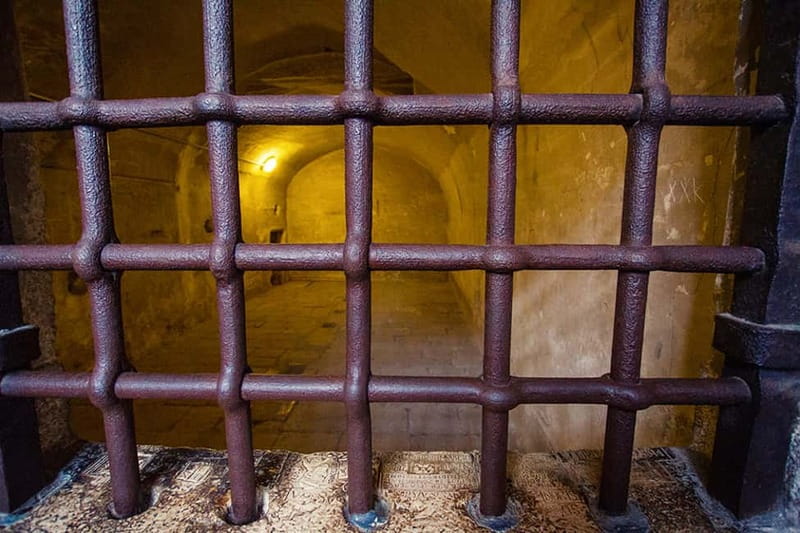
- Secret itineraries: archives, offices, council rooms, and prison areas most people never see
- Casanova’s cell and torture chamber stop, with context that makes the legend make sense
- Small group access (20 max), which helps you hear the guide and move smoothly
- Bridge of Sighs + New Prisons wrap-up, so the whole story lands with a full-circle feel
Entering the Game: Correr Museum Meets the Palace Fast
Your tour starts at Museo Correr in Piazza San Marco, with your guide holding a green Walks sign just under the portico outside the museum entrance. Plan to arrive about 15 minutes early so you don’t feel rushed when the group forms and the guide gives the rules of the day.
This start point is practical. You’re already in the St. Mark’s area, where most Doge’s Palace chaos begins later. Starting early (when times are available) is a smart move because you’ll spend more of the tour inside the palace and less time in the line. One review noted the difference made by an early morning slot, and it’s easy to see why.
Also, watch the dress code. You’ll want long pants and a long-sleeved shirt, and you’ll need to leave shorts, sleeveless tops, oversized luggage, and big bags behind. Comfortable shoes matter because this isn’t a slow stroll.
You can also read our reviews of more tours and experiences in Venice.
Doge’s Palace in Secret: Skip the Usual Route and See the Machinery
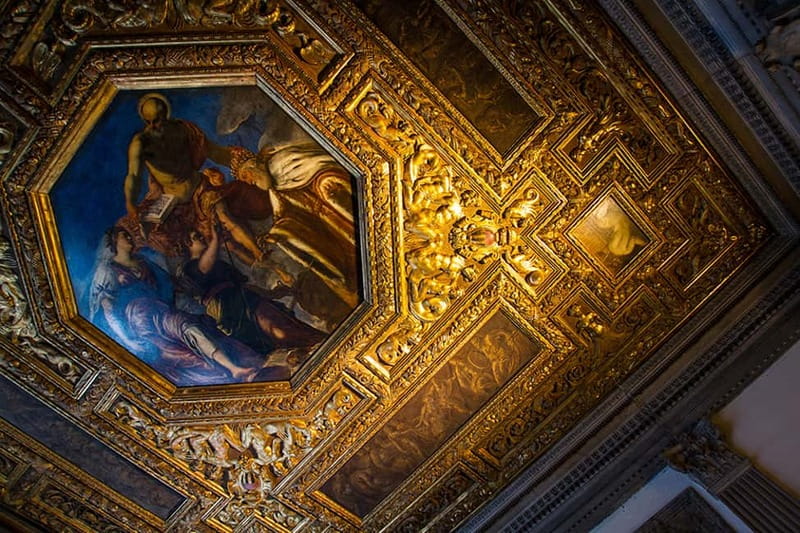
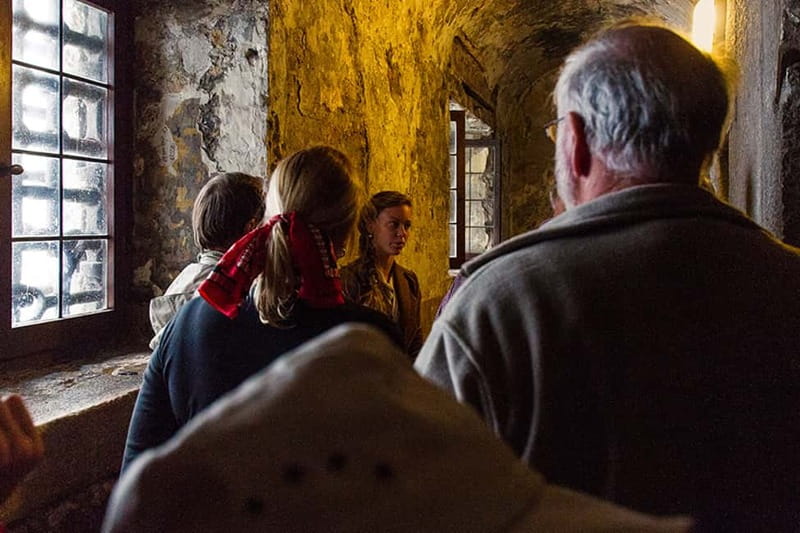
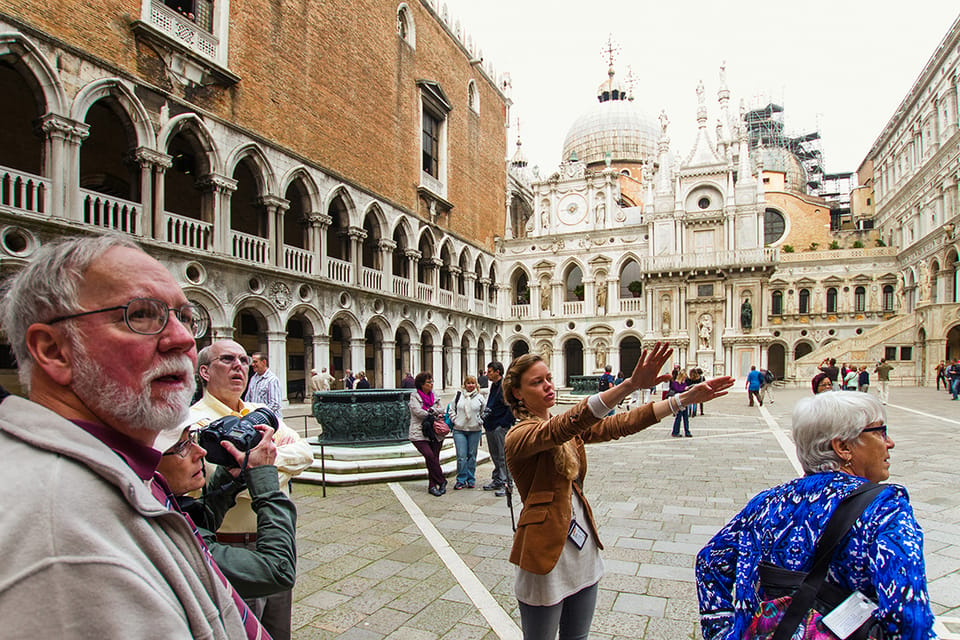
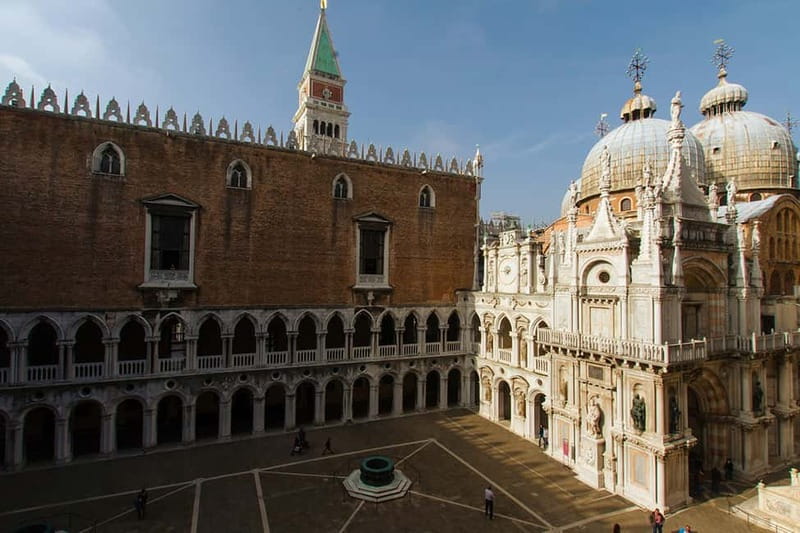
Once you’re in Doge’s Palace, the tour turns from sightseeing into a behind-the-scenes walkthrough. You’re not just looking at grand rooms. You’re moving through areas that connect decision-making, record-keeping, and punishment—the stuff that kept the Venetian system running.
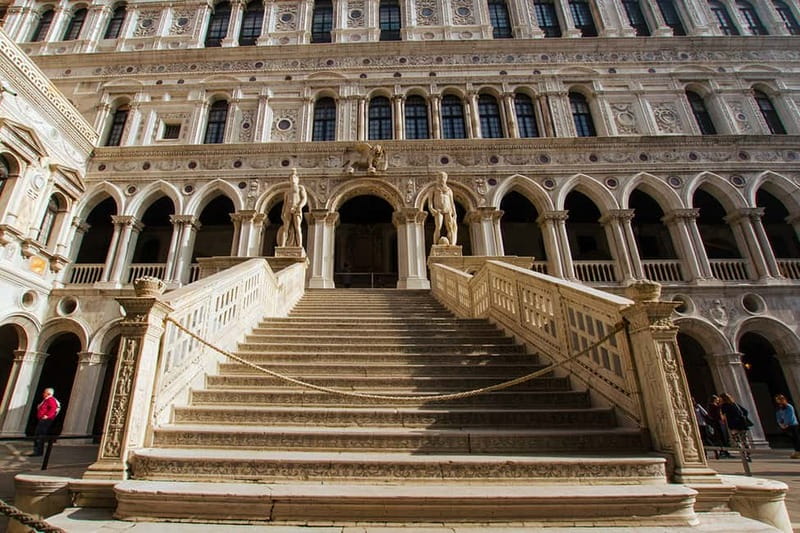
A key benefit is that you get skip-the-line tickets plus access through a special route. That matters because Doge’s Palace is one of those places where waiting can eat up your energy fast. Instead, you’re guided into the palace’s hidden side as the group size stays intentionally small (max 20).
Expect to see:
- Hidden or lesser-known spaces connected to the rulers’ day-to-day work
- Archives and offices tied to how information and control were kept
- Areas that help you understand the Republic’s system of checks and balances
- Big public-feeling rooms too, like huge audience spaces and ballrooms with major painting work (including artists such as Veronese and Tintoretto, as mentioned in the tour description)
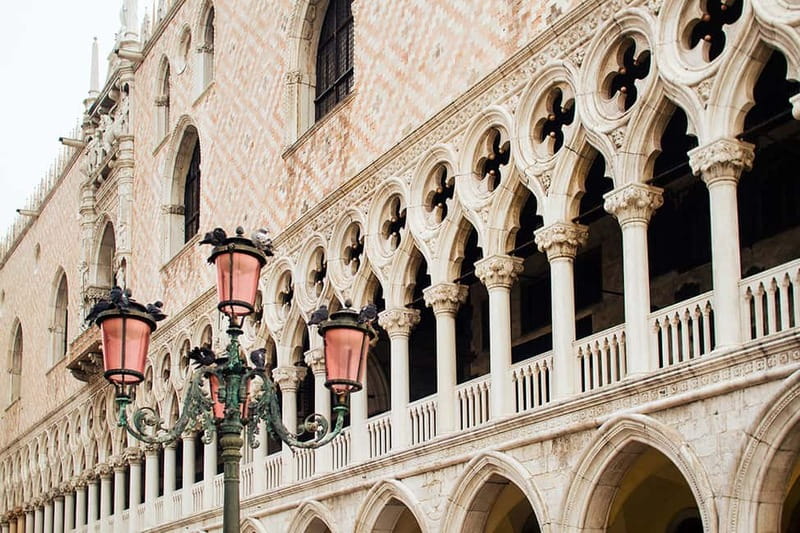
What you’ll learn from these rooms is the real reason the palace matters. On the surface, it’s spectacular art and architecture. Underneath, it’s a building engineered for governance—where documents, hearings, and authority all lived in the same walls.
Casanova’s Cell and the Darker Side of the Palace
The most dramatic stop is the prison story, including Casanova’s prison cell and a torture chamber. This is where the tour earns its name. You’ll follow a guided route that uses doors and corridors most visitors never experience, and the guide’s narrative keeps it tied to how the Republic handled threats, suspicion, and control.
Even if you’re not a die-hard Casanova fan, this part helps you read Venice differently. It’s one thing to enjoy the romantic image of canals and masks. It’s another to understand that the same power structure also built spaces meant to intimidate, extract information, and deter rebellion.
Practically, this stop also means more time in areas where comfort isn’t guaranteed. Several people pointed out that many rooms inside don’t have air conditioning, so plan for warm conditions. If you tend to overheat, bring a small fan and water where allowed—one review specifically called out how helpful a battery-powered hand fan was during the palace and prison sections.
Secret Passageways: Why the Layout Matters More Than the Scenery
The star appeal here isn’t just that the palace has prisons. It’s that you get to experience how the building moves people from one function to another. You’ll pass through secret passageways that feel like the palace had a private bloodstream—routes used to transfer prisoners, staff, and information without turning the process into a public spectacle.
This is one of those experiences where the “wow” isn’t only visual. It’s spatial. The guide helps you connect:
- Where you are in the building to what the system needed
- How movement inside the palace supported secrecy
- How specific spaces fit into punishments and official procedures
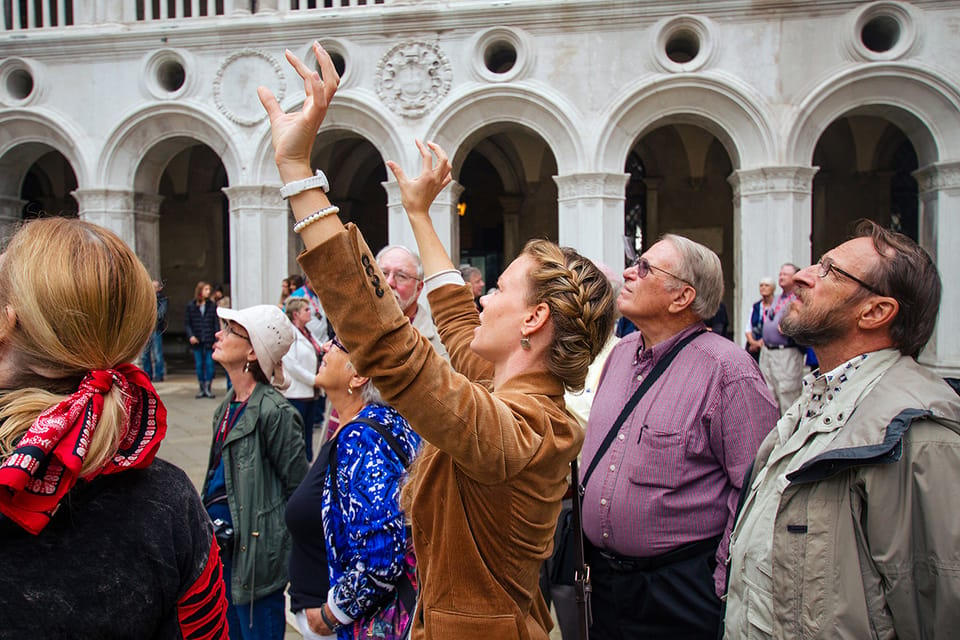
Small group size helps here. With fewer people, the tour moves with less scrambling, and you’re more likely to actually hear the guide’s details while you’re walking and turning corners.
And yes, guides really shape this part. Reviews named instructors with standout delivery styles—people like Susan, Sarah, Nico, and Mose were praised for story-driven explanations and the way they answered questions. That’s important because prison history can turn either into a quick scare tactic or into a true understanding of why these systems existed.
Bridge of Sighs and the New Prisons: The Ending That Locks the Story
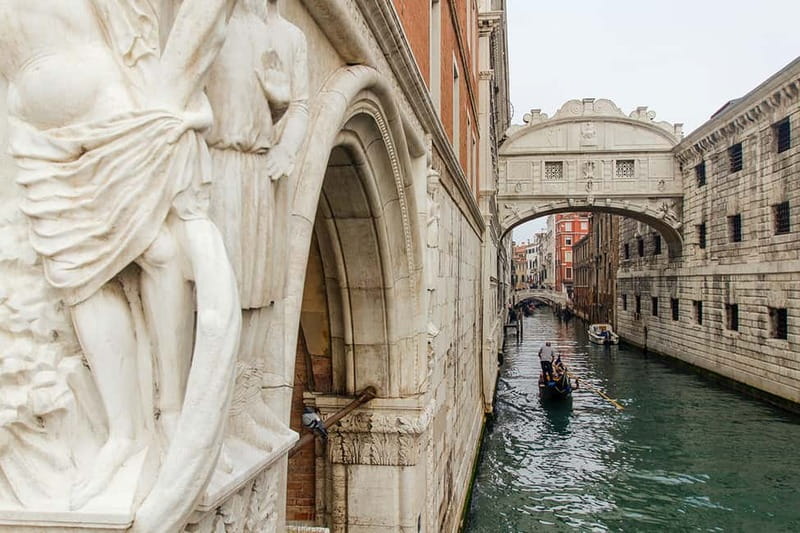
After the palace interiors, the tour finishes with the Bridge of Sighs and a look at the New Prisons. This is the payoff moment. You get to connect the earlier prison stops to the “final chapter” spaces meant for confinement after formal processes.
The Bridge of Sighs is famous for a reason—it visually frames the prisoner’s world. But the real value in this tour is that you’re not seeing it as a photo stop. You’re seeing it as part of a larger chain: courtroom or council decisions leading into detention, then movement into prisons.
Because the tour is organized for a small group, you’re also less likely to feel like a number while you’re crossing the bridge and transitioning into the final areas.






Ca’Rezzonico After the Tour: Turn Prison Stories Into 18th-Century Life
At the end, you say goodbye in St. Mark’s Square and continue on to Ca’Rezzonico with your ticket included. This stop is self-guided, which I like because it gives you control over pacing after the guided intensity inside the palace.
Ca’Rezzonico is a Baroque palace tied to 18th-century Venetian life, and the tour connects it to Casanova’s world—he lived there in 1756, according to the tour description. So instead of leaving with only the grim prison details, you get a different kind of perspective: the luxury and social life that existed right beside political power and repression.
You’ll be in the right mood for it. After the palace, the museum galleries feel less like random art rooms and more like the “other half” of the same society.
Price and Logistics: Is $106.49 Good Value?
At $106.49 per person, this isn’t a budget add-on. But it also isn’t just a normal guided tour with a faster line. You’re paying for a bundle of advantages that add up:
- Skip-the-line access through a separate entrance
- Special access to parts of Doge’s Palace that most visitors never see
- Small-group limits (20 max), which improves how much you hear and how comfortably you move
- A dedicated emphasis on prisons, archives, and the Casanova story
- Ca’Rezzonico ticket included, so you’re not paying separately for that museum time
If you’re the type who enjoys context—politics, art, scandal, and how institutions actually worked—this price starts to make sense. If you only want a quick highlight tour of the public rooms, you could probably find cheaper options. But if you’re going to spend the time in Venice to do Doge’s Palace at all, this is one of the most focused ways to see the darker, more human side of the Republic.
What to Bring (and What Can Slow You Down)
Here’s what matters day-of:
- ID/passport (you’ll be asked to bring it)
- Comfortable shoes for standing and lots of walking
- Long pants and a long-sleeved shirt
- A plan for heat: indoor rooms may run warm since AC isn’t guaranteed
- Avoid backpacks and large bags
One more key point: the tour is not suitable for people with mobility impairments or wheelchair users, and it also isn’t suitable for children under 6 inside the secret itineraries. It’s also not a good choice for anyone who is claustrophobic.
That might sound harsh, but it’s honest. Prison corridors and secret passageways mean your body will be in motion through tighter spaces than the public palace walkways.
Who This Tour Fits Best
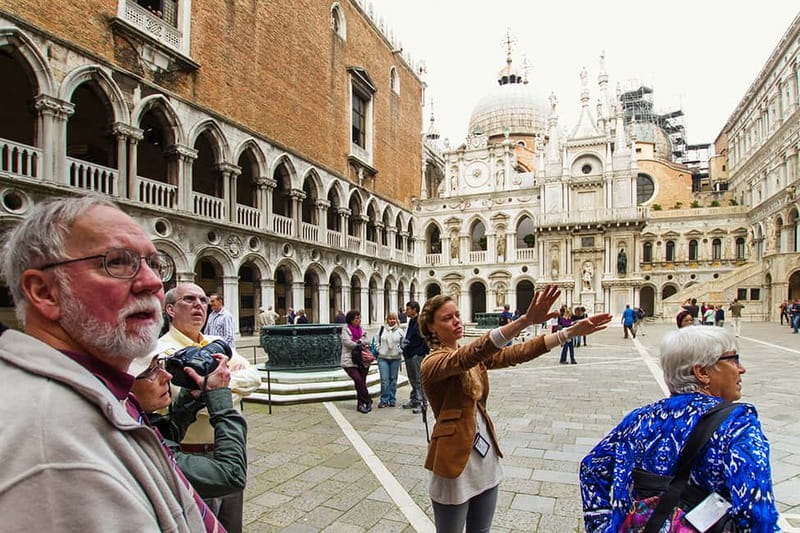
This is a strong choice if you:
- Want Doge’s Palace beyond the main galleries
- Like the mix of politics + art + storytelling
- Are curious about Casanova and how Venice controlled reputations and risk
- Prefer a small group and a guide who can explain details without rushing
It’s less ideal if you want a relaxed, mostly outdoors experience. This tour leans indoor, structured, and information-heavy. One review noted that the amount of information can feel like a lot for younger kids, and that there aren’t many chances to sit and rest for long stretches.
Should You Book It?
I think you should book this tour if Doge’s Palace is high on your Venice list and you want the building’s real backstage story—not just the postcard rooms. For the money, the standout value is the combination of secret access, a tiny group, and an included museum stop right after.
I would hesitate if you know you struggle with enclosed spaces, overheating, long standing, or tight interiors. If that sounds like you, you’ll likely enjoy Venice more with a standard palace visit and a slower museum day.
FAQ
How long is the Doge’s Palace, prison, and secret passageways tour?
The tour runs about 2.5 hours.
Where does the tour meet?
It meets at Museo Correr in Piazza San Marco, 52. Your guide will be under the portico outside the museum entrance, holding a green Walks sign.
Does the tour include skip-the-line tickets for Doge’s Palace?
Yes. It includes skip-the-line Doge’s Palace tickets with access through a separate entrance.
Is Ca’Rezzonico included?
Yes. Your ticket to Ca’Rezzonico is included, and you can explore it at your own pace after the tour.
Is the tour in English?
Yes, the tour is conducted in English.
What should I wear or bring?
Bring your passport or ID card, wear long pants and a long-sleeved shirt, and wear comfortable shoes. You should also be ready for moderate walking and time indoors.
Is this tour suitable for wheelchair users or mobility impairments?
No. It is not suitable for guests with mobility impairments, wheelchair users, or strollers.