REVIEW · VENICE
Venice: Fondazione Querini Stampalia Entry Tickets
Book on GetYourGuide →Operated by Fondazione Querini Stampalia onlus · Bookable on GetYourGuide
Venice has a lot of big-ticket sights, but this one is more personal. In the Fondazione Querini Stampalia, you get art from centuries (and genres) that sit side by side in an aristocratic home setting. I especially like the way the visit mixes contemporary works with major Venetian names in the same rooms, and I also love getting your own tempo thanks to the audio guide.
My favorite part is the setting itself: historic halls, a central courtyard feel, and a Carlo Scarpa–designed garden that turns a museum visit into something quieter and slower. One drawback to plan for: the ticket is for a fixed operating window (last admission at 5:30 PM), and you’ll want to skip heavy bags since large luggage isn’t allowed.
In This Review
- Key things to know before you go
- Count Querini’s house museum: how this ticket really feels
- The art lineup: from Bellini and Palma Vecchio to modern Italian voices
- Renaissance and Venetian painting anchors
- Contemporary artists and architectural minds
- Temporary exhibits add a changing layer
- Carlo Scarpa’s secret garden: the break your feet will thank you for
- Pacing the day: halls, courtyard feel, café, and bookshop
- Venetian high society, explained by the setting you walk through
- Price and value: is $14 worth it?
- Practical timing: when to go and how to plan your last entry
- Who should book these tickets (and who may skip it)
- Should you book Fondazione Querini Stampalia entry tickets?
- FAQ
- What does the entry ticket include?
- How long is the ticket valid for?
- What are the opening hours and last admission time?
- Is the museum open on Mondays?
- Are large bags allowed?
- How do I use a voucher on arrival?
Key things to know before you go

- One day ticket, flexible pacing: You can move through the permanent and temporary exhibitions at your own speed within opening hours.
- A palace-house museum, not just galleries: You’re walking through Count Querini’s home-like setting, not only museum corridors.
- Scarpa’s garden is a highlight: The secret garden design gives you a break from indoor rooms and a different kind of “architecture viewing.”
- Big-name Venetian masters appear alongside modern artists: Look for works by Giovanni Bellini and Palma il Vecchio in the same visit as contemporary figures.
- You’ll have a built-in pause: There’s a café, plus a bookshop and spaces to regroup between rooms and the garden.
- Rules are strict on bags and pets: No large bags, and pets aren’t allowed (assistance dogs are fine).
Count Querini’s house museum: how this ticket really feels
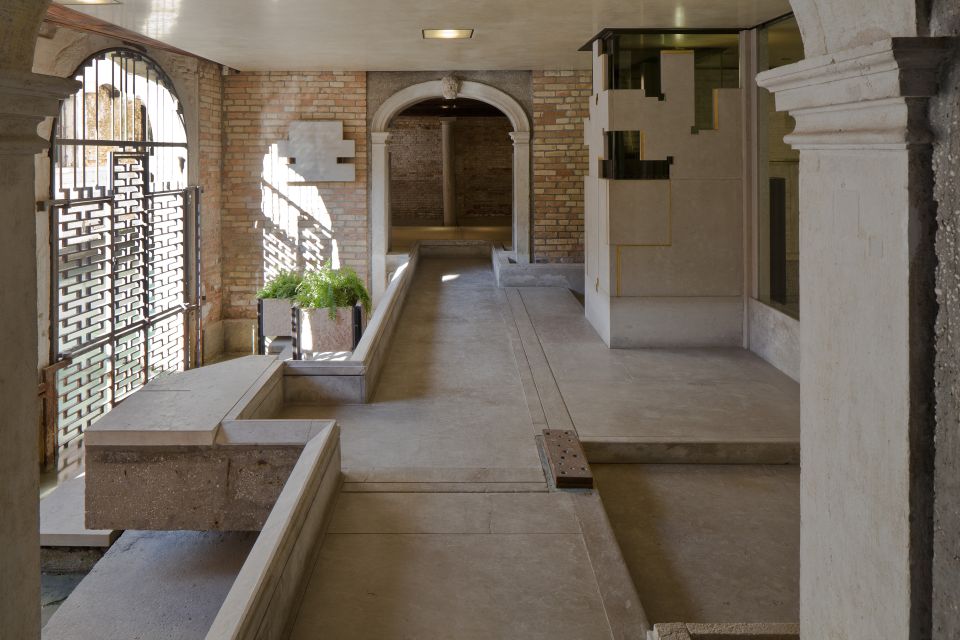
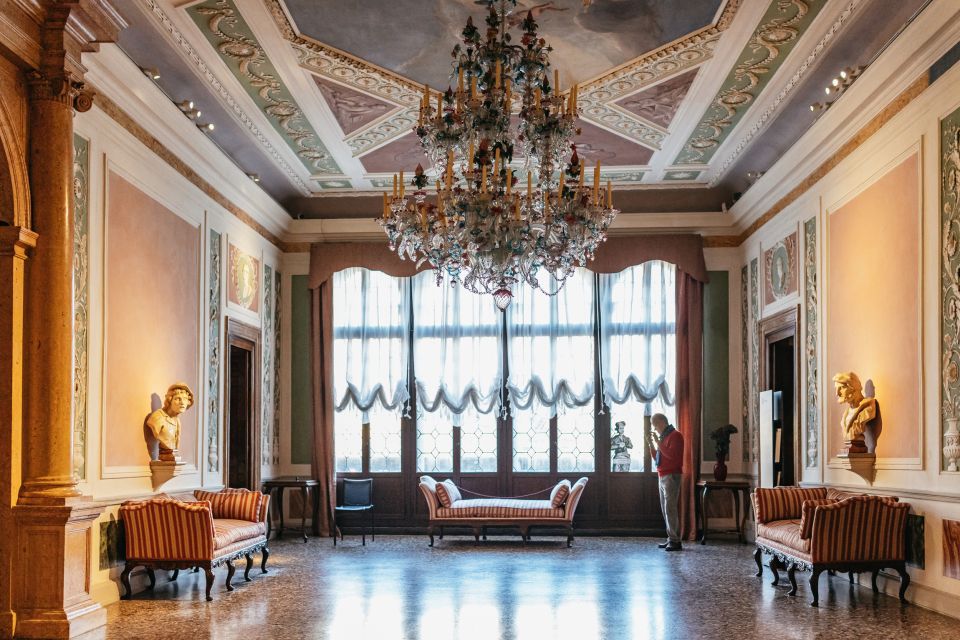
Fondazione Querini Stampalia is one of those Venice stops that rewards curiosity. Instead of herding you past painted walls in a hurry, the experience is built around wandering: historic rooms, collection spaces, and the sense that you’re stepping into a real patrician lifestyle. You come for the art, but you stay because the architecture and the atmosphere make you slow down.
Your ticket gives you entry for the whole day, so you can choose your rhythm. If you like arriving right at opening, you’ll likely get the calmest start. If you’re more of a wander-all-morning person, you can time this after breakfast and before your Venice afternoon turns into a crush of crowds.
The location is in the Veneto region (Venice proper), and practically speaking it’s best handled as a dedicated block in your day. This isn’t a “see it between two landmarks” attraction unless you keep expectations realistic. Give it the time to be what it is: a palace museum where you move from room to room, not a quick checklist stop.
You can also read our reviews of more tours and experiences in Venice.


The art lineup: from Bellini and Palma Vecchio to modern Italian voices

What makes this visit special is the conversation between periods. You’ll see works spanning the 14th through the 20th century, including major Venetian names and also modern artists tied to Italian design and contemporary thinking.
Here are the artists and types of works that matter for planning your looking style:
Renaissance and Venetian painting anchors
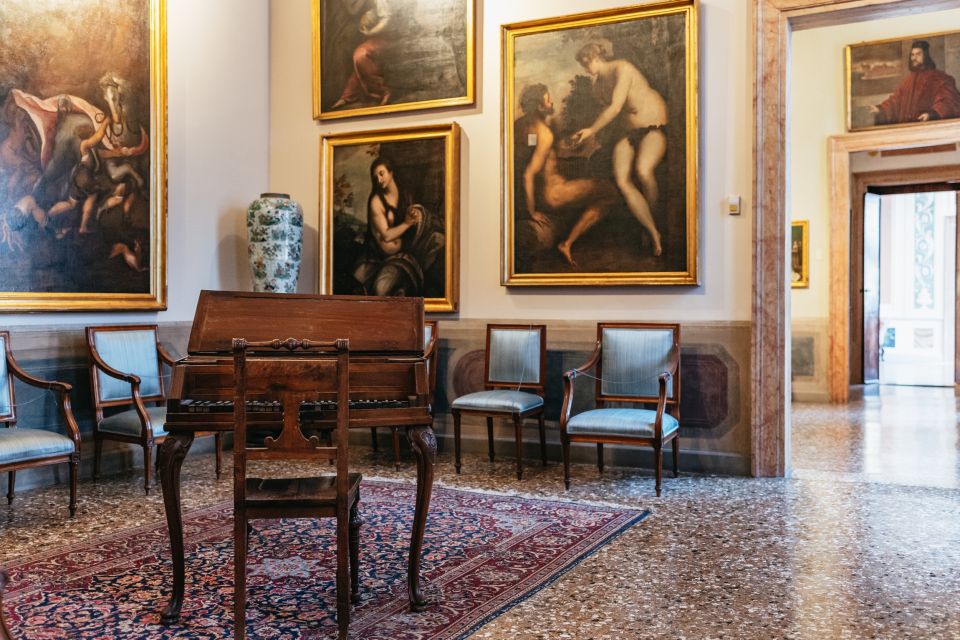
You can aim your attention first at the older masters, because they help you understand how Venetian taste evolved. The collection includes pieces by Giovanni Bellini, Palma il Vecchio, Pietro Longhi, and Giambattista Tiepolo. Even if you’re not an art scholar, their presence gives you something concrete to track: changes in color, figure style, and how Venetian painting learned to signal status and story.
If you’re the kind of visitor who likes to compare and contrast, you’ll find it easier here because the museum’s layout supports that kind of back-and-forth attention. You don’t feel like you’re jumping across unrelated rooms—you feel like you’re walking through a curated household logic.
Contemporary artists and architectural minds
Then the modern layer shows up, and it’s not random. Contemporary artists listed for this visit include Joseph Kosuth, Carlo Scarpa, Mario Botta, Valeriano Pastor, and Michele De Lucchi. That means you’ll likely see modern works that aren’t only about painting or sculpture, but also about ideas, design, and the way form interacts with space.
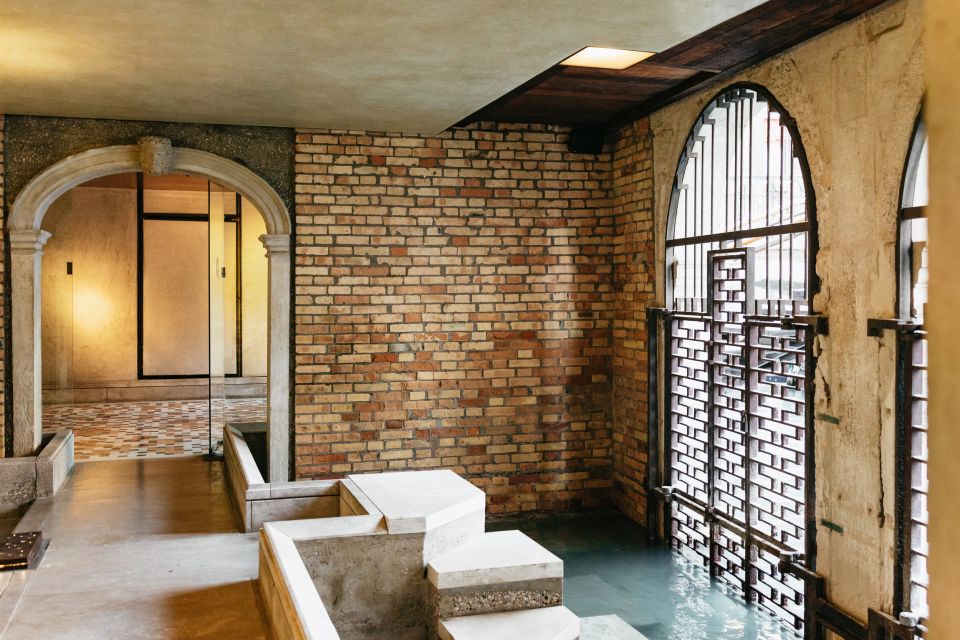
A nice effect is how your brain starts reading the building as part of the art. In many museums, modern art feels like a separate world. Here, it shares air with older rooms, so you notice echoes: composition, light, materials, and how the museum frames what you see.
Temporary exhibits add a changing layer
You also have access to temporary exhibitions in addition to the permanent collection. That’s what keeps the place from feeling like a one-and-done visit. If you’re visiting Venice and you care about seeing at least one thing that might differ from trip to trip, this is a smart option.





Carlo Scarpa’s secret garden: the break your feet will thank you for
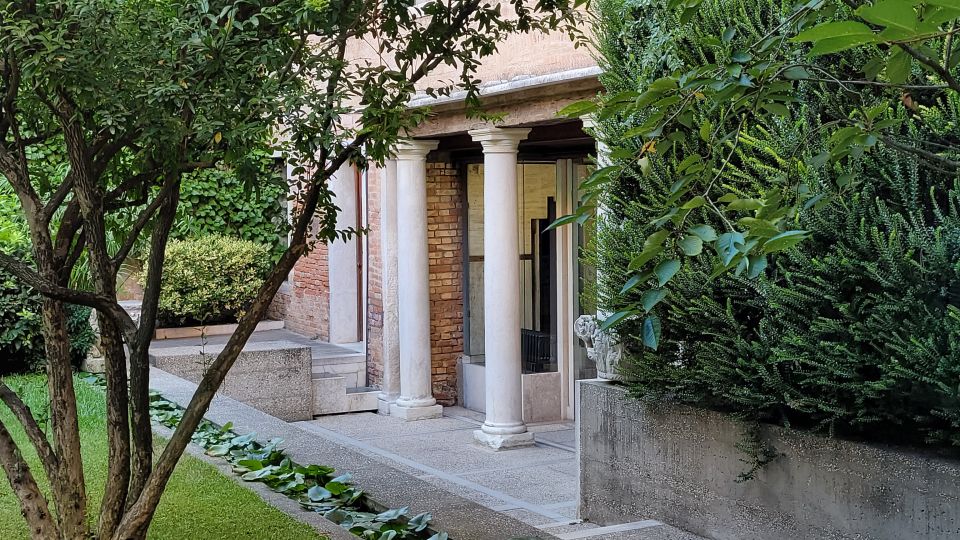
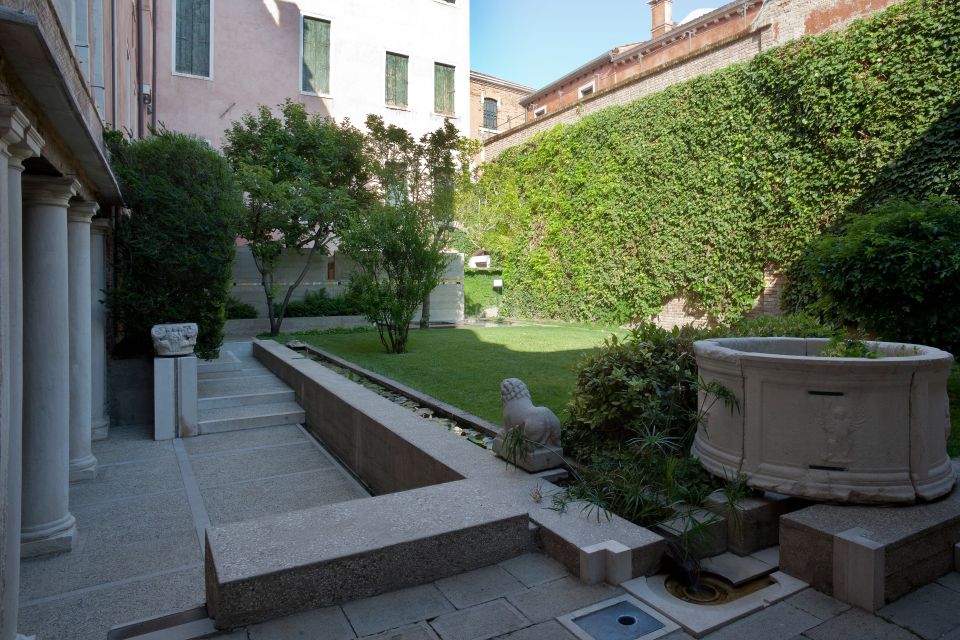
If you only remember one part of the visit, make it the garden designed by Carlo Scarpa. It’s described as a secret garden, and that matters because the design experience isn’t just about having greenery. It’s about the way architecture and outdoors get treated as one idea.
How it helps you as a visitor: you’ll likely spend a lot of Venice time inside churches and in narrow streets. The garden here gives you a different pacing. Indoors, you’re looking up and across artworks. Outdoors (even in a tucked-in garden setting), you tend to slow your head movement, notice edges and transitions, and feel less “on show.”
If you like design details, Scarpa is where that instinct gets rewarded. Even when you’re not trying to study the architecture, you’ll probably catch the way the garden’s structure guides you—making the walk feel intentional rather than incidental.
And importantly, this isn’t a token outdoor moment. It’s part of the core visit, so you should plan time for it rather than rushing through it like an afterthought.
Pacing the day: halls, courtyard feel, café, and bookshop
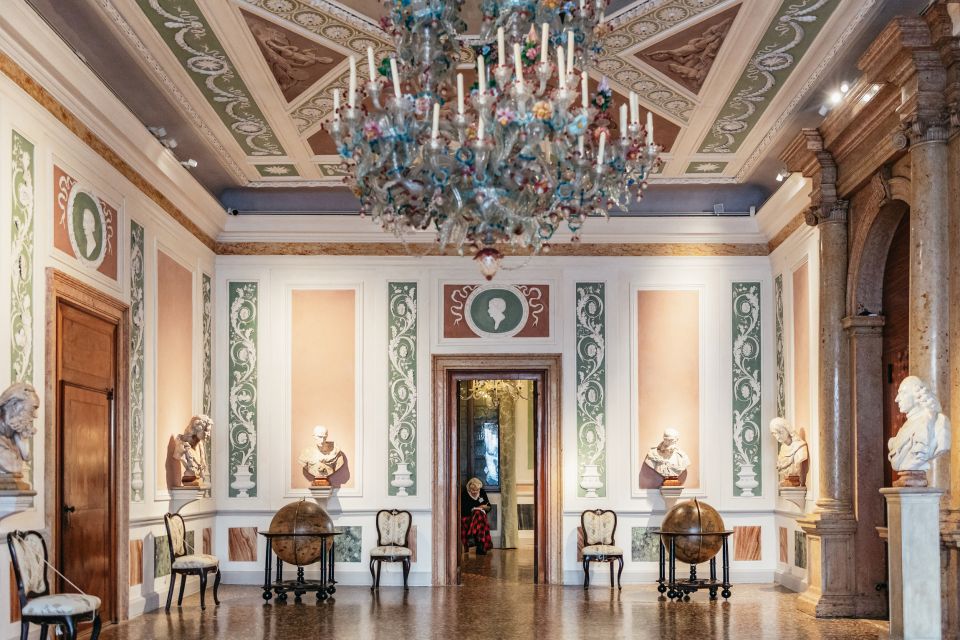
Think of this as a visit with built-in pauses. There’s a café on site, plus a bookshop, and you can take breaks in between collection rooms and the garden areas.
One practical tip for making the most of your time: use the audio guide as your anchor, not as a script. Start it when you enter a new section, then turn it off when you want to look silently. The place works well for that. When you switch between guided listening and your own visual reading, you’ll probably feel less like you’re consuming information and more like you’re experiencing the space.
Also, give yourself time to regroup. People often forget that a museum day is partly about avoiding decision fatigue—figuring out where to sit, where to reset, and when to move on. Here, you have the option to stop and then come back to the rooms with fresher focus.
Based on the kind of feedback the experience tends to generate, the museum layout makes it reasonable to move freely between highlights: you can bounce between the garden, the bookshop, and the café and still feel like you’re staying within the same overall experience rather than leaving it behind.
Venetian high society, explained by the setting you walk through
You’re not only looking at art. You’re learning a lifestyle—quietly—through the setting of Count Querini’s aristocratic palace home.
The museum connects you to Venetian high society over centuries past, and the value is in how the atmosphere teaches you. You don’t need a lecture to get the idea: the building is an artifact of status, taste, and patronage. When you stand in rooms that were designed for refined living, it changes how you interpret the art around you. You start asking different questions: who might have commissioned this, why it might have been displayed here, and how a collection signals power and identity.
That context is especially interesting if you’re already curious about the Venetian Republic. You can pair this with other Venice topics later—like architecture, trade wealth, or the city’s social structure—but the museum itself keeps the focus on what you can see: rooms, collections, and the house-like feeling that makes the “society” part feel real instead of abstract.
Price and value: is $14 worth it?
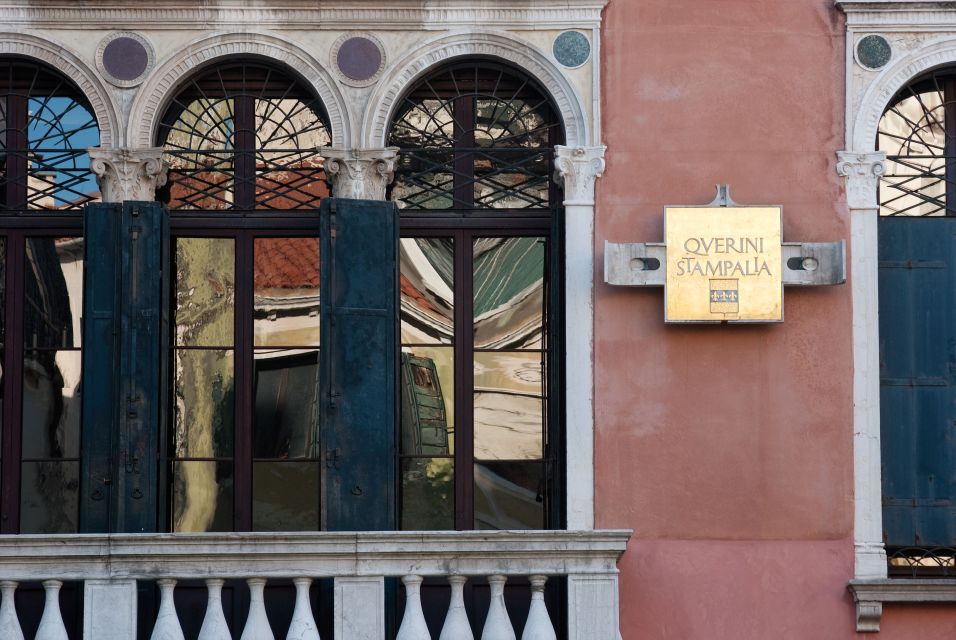
At around $14 per person, this ticket is good value if you like quality art and architecture in a compact setting. The reason it feels like a strong deal isn’t just the price—it’s the combination.
You get:
- entry to permanent and temporary exhibitions
- an audio guide
- access to the Carlo Scarpa garden
- on-site café and bookshop options
For Venice, that mix matters. Many paid attractions cost more and deliver one type of experience (mostly paintings, mostly views, mostly a single building). Here, you can spend the day on art, design, and the house-museum atmosphere without feeling like you’re paying twice for the same thing.
To judge value for your own style, ask yourself one question: do you enjoy looking longer rather than faster? If yes, this price makes even more sense. If you prefer high-speed “hit every major landmark” days, you may end up wishing you had chosen something with more dramatic outdoor views.
Practical timing: when to go and how to plan your last entry
Opening hours are 10:00 AM–6:00 PM, and the last admission is at 5:30 PM. The museum is closed on Mondays. Plan your day so you’re not trying to arrive at the last possible hour, because you’ll want time for both indoor rooms and the garden.
If you’re trying to dodge the busiest time of day, a mid-morning arrival is a smart move. There’s a calmness that fits this kind of palace museum, and it makes it easier to concentrate on art details and architecture rather than sharing space with every tour group at once.
As for how long to budget: since your ticket is valid for the full day, you can shape your visit. I’d suggest giving it enough time to do the garden and temporary exhibits without rushing the main collection.
Who should book these tickets (and who may skip it)
This experience fits best if you:
- enjoy art that spans multiple periods, not just one era
- like architecture and design as much as paintings
- want a slower, quieter-feeling museum day inside a real historic house setting
- appreciate being able to control your pace with an audio guide
It may not fit as well if you:
- only want big outdoor scenery
- hate visiting gardens or prefer strictly indoor sites
- travel with large bags that you can’t store elsewhere (large luggage isn’t allowed)
Also, if you’re visiting on a Monday, you’ll need a different plan since it’s closed that day.
Should you book Fondazione Querini Stampalia entry tickets?
Yes, if you want Venice that feels a bit more like private access than public sightseeing. The value is strong for what you get: permanent and temporary exhibitions, an audio guide, and the highlight that many people remember most—the Carlo Scarpa garden—plus a comfortable break area with the café and bookshop.
I’d book it in advance if you can, especially if your schedule includes a day near opening time or if you’re visiting during a busier season. Then plan your day so you have time for both the artwork and the quieter spaces. This is the kind of museum where rushing makes it smaller, but taking your time makes it feel personal.
FAQ
What does the entry ticket include?
Your ticket includes admission to the permanent and temporary exhibitions, plus an audio guide.
How long is the ticket valid for?
The ticket is valid for 1 day.
What are the opening hours and last admission time?
The museum is open 10:00 AM to 6:00 PM, and the last admission is at 5:30 PM.
Is the museum open on Mondays?
No. The museum is closed on Mondays.
Are large bags allowed?
No. Luggage or large bags are not allowed.
How do I use a voucher on arrival?
The group leader must exchange the voucher at the ticket counter.