REVIEW · VENICE
Venice Islands: Murano Glass & Burano Colors Guided Visit
Book on Viator →Operated by CITY TOURS CO. LTD · Bookable on Viator
Venice islands feel calmer than the main streets. This guided Murano Glass & Burano Colors trip mixes a lagoon boat ride with hands-on-style island stops—so you get a real sense of how Venice’s crafts shaped the city.
I especially love the Murano glass experience: you visit the island and watch a glassblowing demonstration at Vetreria Artistica Ferro E Lazzarini. I also love the chance to slow down in Burano, with real time for colorful-house photos and a lace-making stop that adds context beyond souvenirs.
One thing to consider: the experience is time-boxed. If you’re expecting long, leisurely demonstrations or lots of flexible wandering, the schedule (and occasional weather delays) can make some moments feel short or rushed, depending on the day.
In This Review
- Key things to know before you go
- Why Murano and Burano fit so well (even when your time is tight)
- San Marco to the islands: the boat ride part you can plan around
- Murano stop 1: glassblowers’ island with guided walking time
- Murano stop 2: the glassblowing demonstration at Ferro E Lazzarini
- Murano free time: shop smart, because you won’t get forever
- Burano stop 1: the colorful houses, the lace atmosphere, and photo time
- Burano stop 2: lace-making demonstration (short, but meaningful)
- Guides, headphones, and group size: when the experience flows
- Weather and timing: rainy lagoon days still work, but be flexible
- Price and value: does $32.65 make sense?
- Who this tour suits best (and who should reconsider)
- Should you book this Murano and Burano guided visit?
- FAQ
- How long is the Murano Glass & Burano Colors guided visit?
- Where does the tour start?
- Is the tour in English?
- Does the price include the boat ride?
- Are there entry fees for Murano and Burano?
- Is there a glassblowing demonstration in Murano?
- Is there lace-making on this tour?
- Is food included?
- How big is the group?
- What if I need to cancel?
Key things to know before you go
- Round-trip boat from San Marco: You’re not stuck figuring out public transport across the lagoon.
- Murano factory demo at Ferro E Lazzarini: A key highlight tied to real Venetian glass tradition.
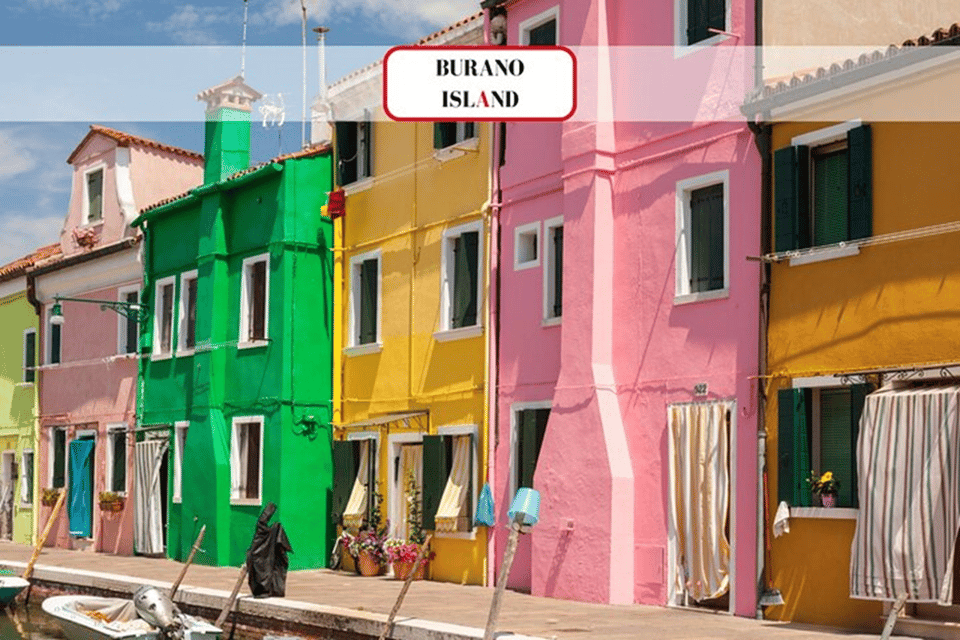
- Burano for color photos: Two hours gives you time to wander the main streets and see the painted houses.
- Lace-making demonstration in Burano: Short and focused, but it helps you understand what you’re looking at.
- Max group size of 30: Big enough for a shared-boat feel, small enough that you’re not lost in the crowd.
- English guide: The narration matters here—history and context make the island craft stops more enjoyable.
Why Murano and Burano fit so well (even when your time is tight)
If your Venice days are packed with canals, museums, and line-ups, this tour offers a smart reset. Murano and Burano are part of the Venetian lagoon’s story—glass, lace, and the daily rhythm of island life—but you see them without committing to a full day on the water and on water taxis.
What I like about this format is the balance. You get a guided structure (so you know what matters) plus free time to actually look, shop, and photograph. That combo is what makes the experience feel worth it, especially for first-timers who don’t want to spend the whole day figuring out routes.
You can also read our reviews of more tours and experiences in Venice.

San Marco to the islands: the boat ride part you can plan around
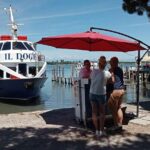
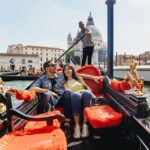
The tour starts from the San Marco area and uses a comfortable boat for round-trip transportation. You’ll have a scenic ride across the lagoon, and that matters more than people think: Murano and Burano are far more interesting when you approach them from the water, with the island rhythm visible before you step into the streets.
Practical tip: if wind or waves pick up, the boat ride can get noisy. Some visitors specifically complained about the audio system being hard to hear in windy conditions. I’d keep your expectations realistic: you may catch the guide best when the boat is quieter, and you’ll still get plenty of value from what you see with your own eyes.
Also, confirm in advance where you’re meeting inside the San Marco area (it’s near public transportation, but the exact spot can be easy to miss when Venice is busy). A few people noted the embarkation location wasn’t crystal clear and the boat arrived late on some departures—small issues, but they can matter if you’re trying to stay punctual for every connection.
Murano stop 1: glassblowers’ island with guided walking time

The first island is Murano, timed at about 1 hour 15 minutes. This is your “get oriented” window. You can browse shops, look for glass you’ll recognize later, and get the feel of the island before the demonstration.
Some departures add a Murano walking tour option, which can be useful if you want the guide to point out what you should notice—glass styles, workshop culture, and how the island became linked to glassmaking. If you skip guided walking, you’ll still be able to wander, but you may find your time better spent focusing on a few streets instead of trying to cover everything.
Expect this part to feel like island exploration rather than a museum lecture. The value is that you’re not rushing straight into the show—you’re learning with your eyes first.
Murano stop 2: the glassblowing demonstration at Ferro E Lazzarini
Next comes the main event: a glassblowing demonstration at Vetreria Artistica Ferro E Lazzarini. The scheduled time is about 50 minutes, and this is where the tour becomes more than scenic travel.
In plain terms, what you’re watching is craft under pressure. Glassblowing looks slow when you watch a finished product, but it’s actually a fast series of steps: heat, shape, gather, and form. Even when the pacing feels brisk (one negative note said the demonstration could feel shorter), the point is still the same: you see how Venetian glassmakers turn raw material into pieces people display in homes and collections.
If you get a guide who tells the story clearly, this stop becomes even better. In past groups, guides such as David Philips and others (for different departures) were praised for breaking down Venice’s glass history in digestible segments—so you’re not just watching hands at work, you’re also learning why that craft mattered.
One useful expectation-setter: the most dramatic “wow” moment can be short. The artistry is there, but don’t plan your whole day around one single long sequence.
Murano free time: shop smart, because you won’t get forever
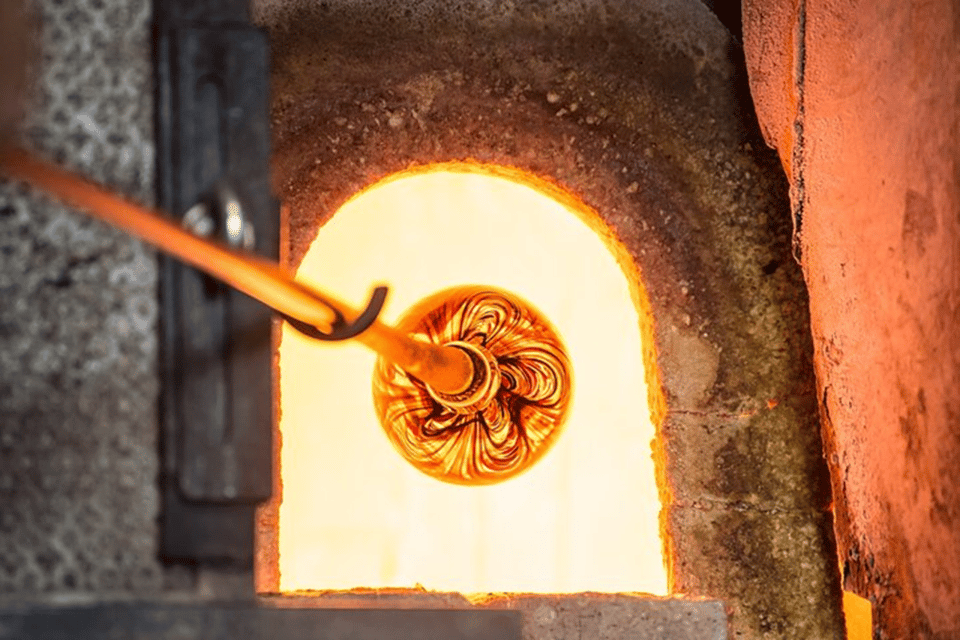
After the demonstration, you’ll have some time on Murano. If you love shopping, this is where you can actually take advantage of the experience. Glass items are beautiful, and the shops can be tempting—some visitors specifically warned to bring enough cash or to plan for credit card acceptance, since glass purchases add up quickly.
One frustration showed up more than once: the time on Murano can feel tight. People wanted a little more browsing, or wanted extra minutes to observe the process without feeling the group pressure. That’s not a deal-breaker if you go with the right mindset, but it is important.
My advice: decide what you’re shopping for before you arrive.
- If it’s a small souvenir, pick your target price range early.
- If it’s a showpiece, focus on a few high-quality places rather than bouncing randomly.
Even with limited time, you’ll get better results if you shop with a plan.



Burano stop 1: the colorful houses, the lace atmosphere, and photo time
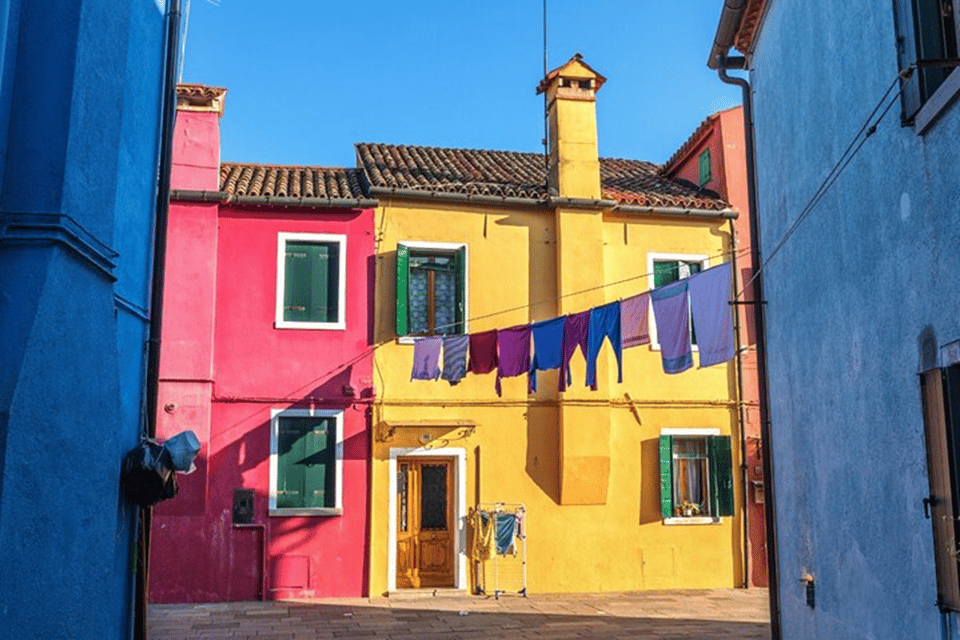
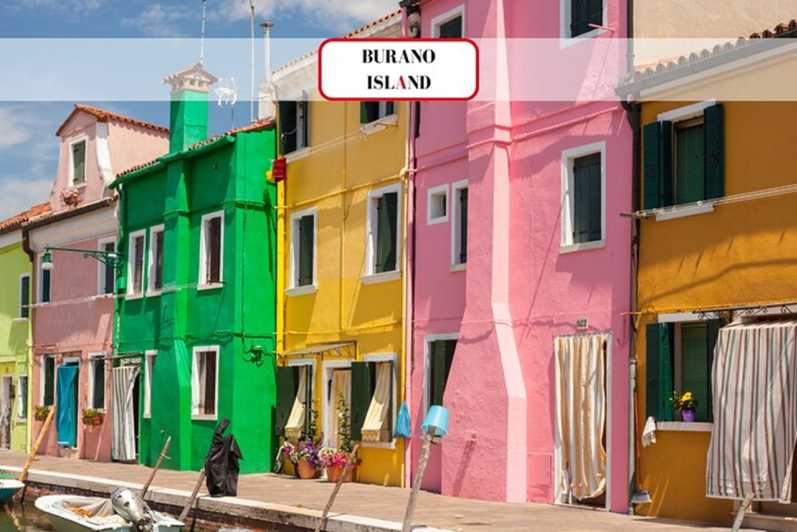
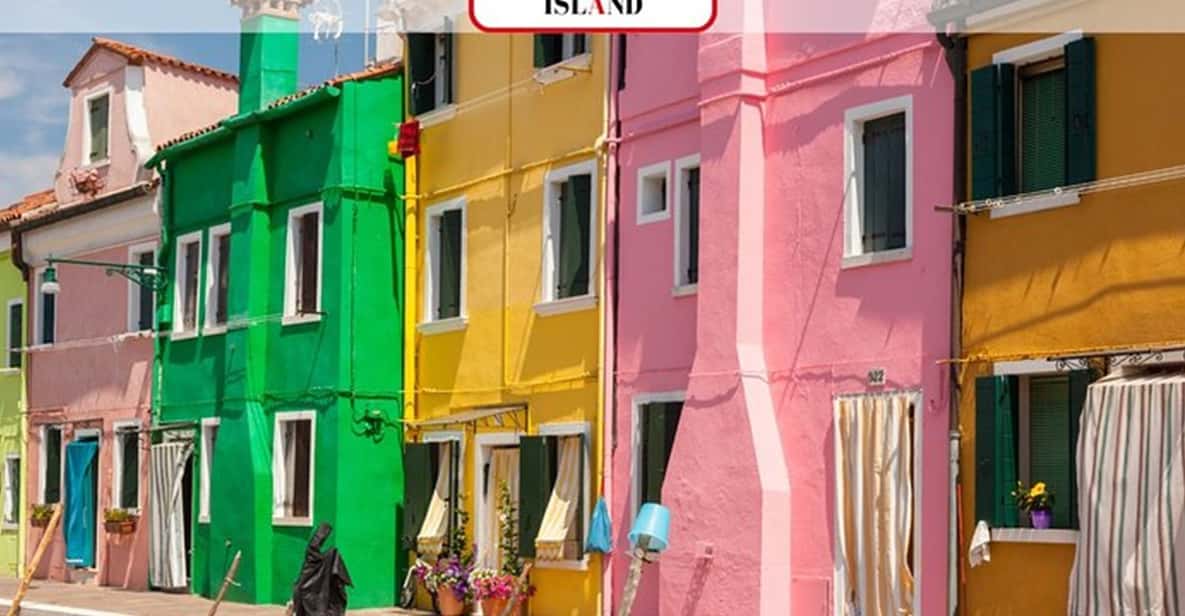
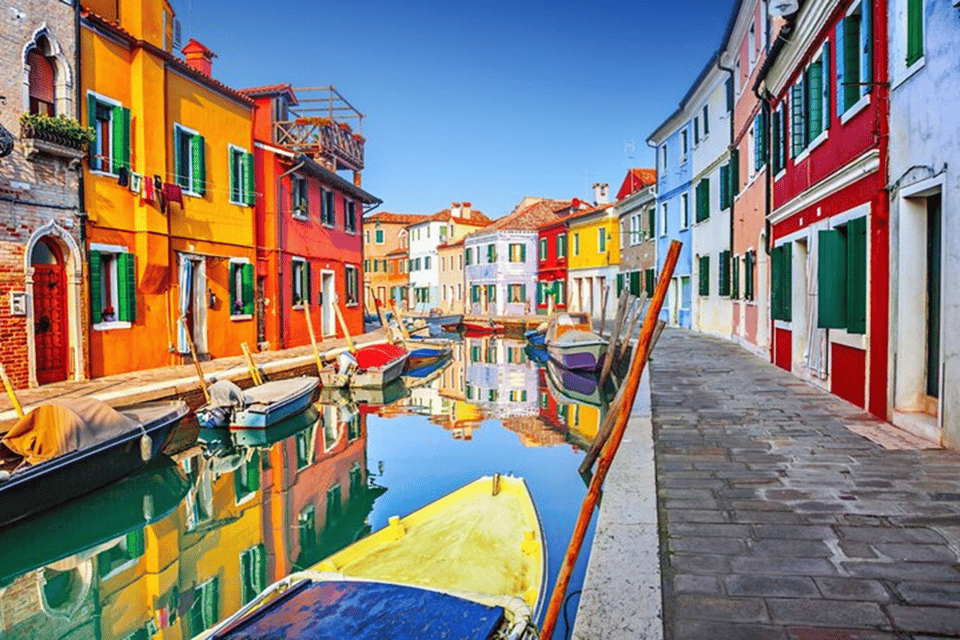
Then you head to Burano for about 2 hours. This part is pure joy for many people: the island is famous for its colorful houses, and the streets practically beg you to wander slowly with your camera.
What makes Burano work well on a guided tour is the rhythm. You’re not spending 30 minutes trying to translate directions or guess which blocks are most photogenic. The guided format helps you reach the best areas quickly, then gives you time to wander at your own pace.
Also, Burano has a different feel from Murano. It’s less workshop-focused and more island-life focused. That’s why two hours feels right—it gives you space to breathe, pause, and take photos without feeling like you’re sprinting through a checklist.
Burano stop 2: lace-making demonstration (short, but meaningful)

The tour includes a lace-making demonstration on Burano, timed at about 15 minutes. This stop is smaller than the glass demo, so keep expectations aligned: think of it as a window into the tradition, not a long hands-on workshop.
Still, even a short demonstration adds context. When you can see how lace is made (and understand what makes it delicate), the lace shops become more than commercial stops. You’re better at spotting quality and recognizing craft rather than just comparing styles by price.
Some visitors described the lace stop and related museum/church elements as highlights, which makes sense: Burano’s identity isn’t only visual color; it’s tied to the island’s craft heritage.
Guides, headphones, and group size: when the experience flows
This tour runs with a maximum of 30 travelers, and that helps. You’re in a shared group, but you’re not swallowed by it. With a good guide, it feels organized: clear instructions, return-time reminders, and practical tips so you don’t lose the group in a maze of streets.
A few specific guide names came up in positive feedback, including Sabina, David Philips, Francesco, Martha, and Nicolas. The common thread in the praise was simple: they kept things moving, gave helpful recommendations, and made history feel understandable instead of like a long lecture.
The main caution is the audio system. Some people said the headphones/earpieces and microphone setup made it hard to hear the guide, especially with engine noise on the boat. If your goal is to hear every word, that’s a real risk. If your goal is to see and experience the islands, you’ll still get plenty.
Weather and timing: rainy lagoon days still work, but be flexible
Rain can happen in Venice, and at least one visitor described doing the tour with rain on and off. The boat still runs, and the islands still deliver—so you shouldn’t cancel your plans based on a gloomy forecast alone.
But timing is the fragile part. One negative account described a glass maestro arriving late, creating downtime, and another mentioned an unexpected additional stop. I can’t promise that scenario will happen to your group, but it’s a good reminder that lagoon tours depend on people and weather. If you’re the type who needs every minute to match a personal schedule, plan a bit of slack.
Also, the boat travel time matters. A couple of comments pointed out that boat duration can eat into island time. If you strongly prefer maximizing time on land, you might consider comparing this tour with a self-planned water taxi approach. You’ll pay more in effort, and you may lose guided context—but you might gain control.
Price and value: does $32.65 make sense?
At $32.65 per person for a 4 to 5 hour outing, the pricing can feel like a bargain—mainly because the tour includes more than just narration.
You’re paying for:
- Round-trip boat transportation from San Marco
- A professional English-speaking guide
- The glassblowing demonstration at the Murano factory
- Burano time plus a lace-making demonstration
What’s not included is also clear: food and drinks and hotel pickup. That’s normal for city tours.
So the value question is simple. If you want both islands and you want the glass factory stop with a guide, the price is competitive. If your main goal is only transportation and sightseeing at your own pace, you might find cheaper ways to get there—but you would lose some of the storytelling and the convenience of structured return timing.
For most first-timers, this tour is a strong “time-efficient sampling” of the lagoon’s two most famous craft islands.
Who this tour suits best (and who should reconsider)
This tour is ideal if you:
- Have limited time in Venice and want two islands in one go
- Want the convenience of a guided boat + guided craft stops
- Care about photos and want colorful Burano streets without guesswork
- Like learning the story behind glass and lace rather than only browsing shops
You might reconsider if you:
- Want long, slow, fully guided craft experiences (the glass demo can feel quick on some days)
- Are very sensitive to audio quality on boats
- Need a perfectly flexible itinerary with no schedule pressure
In other words: it’s a great “day-trip sampler.” It’s less ideal for people who want a deep, half-day workshop vibe.
Should you book this Murano and Burano guided visit?
I’d book it if you’re aiming for maximum value with minimum planning. The mix of Murano glassmaking and Burano color + lace context, plus the convenience of a round-trip boat from San Marco, makes this a smart choice for a short Venice visit.
Book with realistic expectations, though. You’ll get guided structure and meaningful demonstrations, but you won’t control the clock, and some parts can feel brisk when the day runs behind or the boat ride is slow.
If you want an easy win for first-time lagoon islands—this is one of the best ways to do it.
FAQ
How long is the Murano Glass & Burano Colors guided visit?
It runs about 4 to 5 hours.
Where does the tour start?
You depart from the San Marco area.
Is the tour in English?
Yes, it’s offered in English.
Does the price include the boat ride?
Yes. It includes round-trip boat transportation from San Marco to the islands and back.
Are there entry fees for Murano and Burano?
Murano and Burano island admission tickets are listed as free for the time you spend there.
Is there a glassblowing demonstration in Murano?
Yes. You attend a glassblowing demonstration at Vetreria Artistica Ferro E Lazzarini.
Is there lace-making on this tour?
Yes. There’s a lace demonstration included on Burano (about 15 minutes).
Is food included?
No. Food and drinks are not included.
How big is the group?
The tour has a maximum of 30 travelers.
What if I need to cancel?
You can cancel for a full refund if you cancel at least 24 hours before the experience’s start time.