REVIEW · VENICE
Venice: Must-See Attractions Walking Tour
Book on GetYourGuide →Operated by Guydeez Tours · Bookable on GetYourGuide
Venice can feel like a maze, fast. This private guided walking tour is a smart way to see the biggest hits in a short time, starting at Campo S. Luca and working your way toward Rialto-area landmarks. I like that the guide helps you move with purpose instead of wandering in circles.
I also like the way the route can be tailored to what you actually care about—architecture, local history, or Renaissance art. One consideration: it’s still a lot of walking in 3 hours, so comfortable shoes are not optional.
- Private and customizable: You can steer the pace and focus toward what matters to you most.
- Rialto Bridge and Rialto Market on the same loop: You get the postcard moments and the food-market energy in one stretch.
- Guided stops at major landmarks: Basilica dei Frari, Teatro La Fenice, and Santa Maria della Salute are all included.
- Neighbourhood streets plus famous buildings: Cannaregio is on the route, so you get more than just the obvious skyline photos.
- A traditional bar finish: You’ll stop at a Venetian bar for wine and appetizers you can order along the way (food/drinks aren’t included in the tour price).
- Help with tickets when needed: The provider assists with booking entry when attractions require it.
In This Review
- Why This 3-Hour Venice Plan Feels Worth It
- Starting at Campo S. Luca: Getting Oriented Before You Wander
- Rialto Bridge: The Photo Moment Plus the Context
- Mercato di Rialto: Why the Market Stop Works
- Basilica dei Frari and Campo san Bortolomio: A Church-and-Square Pause
- Madonna dell’Orto and Cannaregio: Venice Beyond the Main Postcards
- Teatro La Fenice: The Landmark Stop That Signals Venetian Culture
- Palazzo Contarini del Bovolo: Photo-Ready Venice with a Local Guide’s Focus
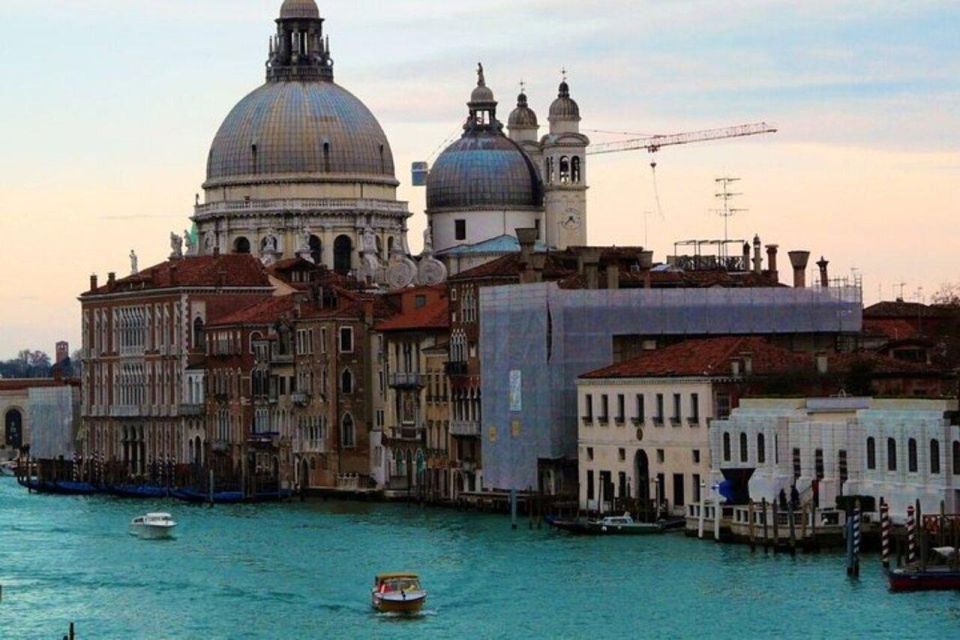
- Santa Maria della Salute and Ponte dell’Accademia: Big City Drama in Two Hits
- San Zaccaria and the Return to Campo S. Luca
- The Traditional Venetian Bar Stop: Wine, Appetizers, and Real Down Time
- Price, Timing, and What You Really Get for $41
- Who This Tour Fits Best (and Who Might Want Something Different)
- Should You Book It?
- FAQ
- Where does the tour start and end?
- How long is the Venice walking tour?
- How much does the tour cost?
- Is this a private tour, and is it wheelchair accessible?
- Does the tour include ticket help for attractions?
- Are food and drinks included?
Why This 3-Hour Venice Plan Feels Worth It
Venice is famous, but it’s also practical chaos. Streets twist, bridges pop up when you think you’ve figured the route out, and “just one more stop” can turn into a half-day detour. This tour is built to stop that spiral: you start at Campo S. Luca and walk through a concentrated set of sights without you having to connect all the dots yourself.
At $41 per person for a private guided experience that lasts 3 hours, the value isn’t just the landmarks. It’s the guidance. A good guide means fewer dead ends, faster orientation, and more meaningful time at each place. You’re also not left alone with online ticket puzzles: the tour includes help booking tickets for attractions, when needed.
The other big plus is flexibility. The tour can be tailored based on your interests—so if you care more about churches and facades than theatre stops, or you want more local-history context than photo-time, you can usually steer the balance.
Starting at Campo S. Luca: Getting Oriented Before You Wander
You begin at Campo S. Luca, 4473, which is a strong move because it gives you a baseline before the route starts stacking up famous stops. In practice, that first stretch matters. I find it helps you learn how Venice routes through small passages and open squares, so later landmarks feel easier to reach and explain.
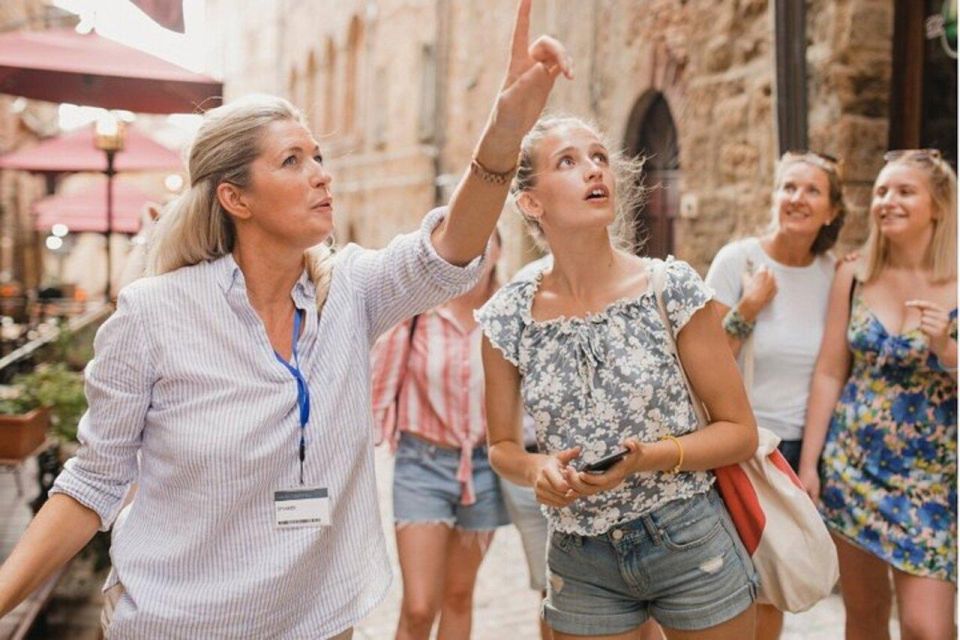
This is also where your guide sets the tone. In past tours with guides like Cecelia, Karen, and Christiano, what stood out wasn’t just facts—it was enthusiasm and a comfortable rhythm. You get the sense that your guide is reading the group, answering questions, and adjusting when you want to slow down or move faster.
If you’re the type who worries you’ll miss things because your map app is confused, starting with a guide is the cure. You get bearings quickly, then you can explore later on your own.
You can also read our reviews of more tours and experiences in Venice.
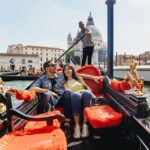
Rialto Bridge: The Photo Moment Plus the Context

Next up is Rialto Bridge. This is one of those places where you’ll instantly see why it’s famous. But the real benefit of having a guide here is timing your attention: you learn what to look for and what matters about the location in the city’s layout.
Even in a short tour, your guide doesn’t treat the bridge as a quick snapshot stop. It’s part of the flow into the market area right after, which makes the whole sequence feel connected instead of random.
Possible drawback: Rialto-area spots can be crowded at certain times. Since this is a walking tour and the stop is guided, the timing will still be guided, but you should expect some crowding around the bridge itself. If you dislike busy photo points, wear patience like a layer.
Mercato di Rialto: Why the Market Stop Works
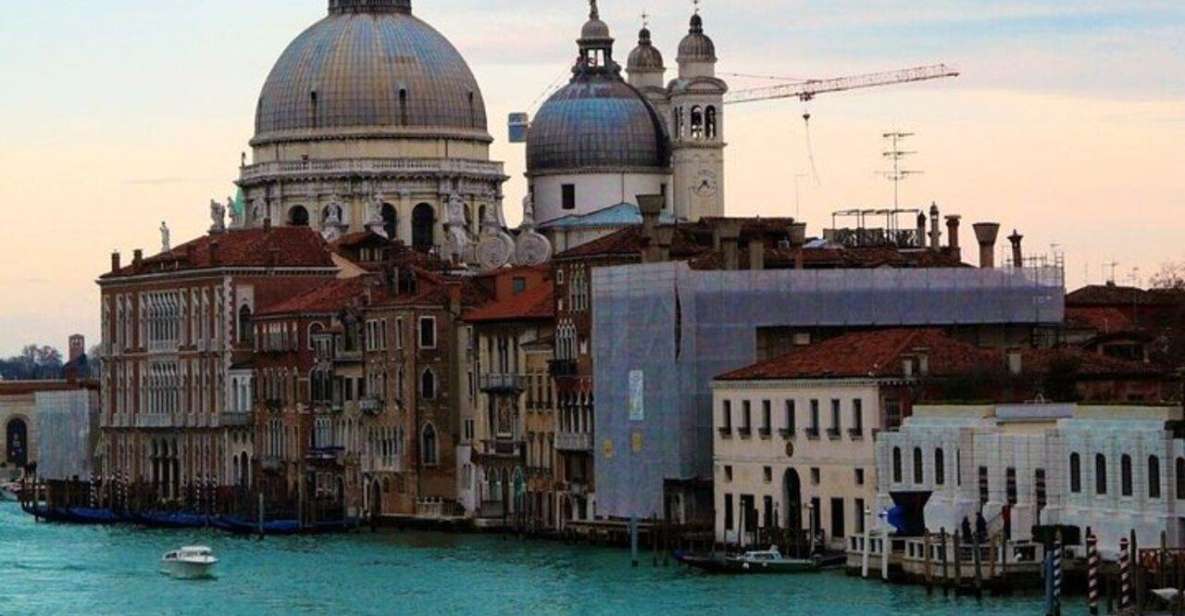
After the bridge, you head to Mercato di Rialto. A market stop adds a different Venice “voice” to the day. It’s not just architecture and big views—it’s the everyday rhythm of where people come to buy, browse, and interact.
What I like about including the market is that it gives your guide a chance to share the practical side of Venice. Guides such as Sneh and Farid are often praised for being “a mine of information,” and that’s exactly where a market stop shines. You can ask questions, get tips for the rest of your trip, and learn how to think about the city beyond the obvious landmarks.
One more smart angle: the market is a visual reset. After churches and squares, you’ll appreciate a stop that’s lively and hands-on (even if you just watch, people-watch, and take in the energy).
Basilica dei Frari and Campo san Bortolomio: A Church-and-Square Pause
Then comes Basilica dei Frari, followed by Campo san Bortolomio. This section is where the tour balances big-name Venice with quieter, slower-feeling stops.
Basilica stops can be hit-or-miss on tours if you only have time for a quick exterior view. Here, the guided component matters because your guide can help you focus on what you’ll enjoy seeing most—whether that’s architectural details, atmosphere, or the sense of how the city organizes itself around prominent religious buildings.
Campo san Bortolomio adds a different kind of value: a square break. Squares in Venice are where you absorb the city’s scale. Even without going inside every place, this kind of pause helps you avoid the “constant walking, constant looking” fatigue.
Practical tip: keep your eyes open for where you can take a breather without stepping into a bottleneck. Your guide can steer you to the best angles while the group stays together.
Madonna dell’Orto and Cannaregio: Venice Beyond the Main Postcards
Next is Madonna dell’Orto, then you move into Cannaregio. Cannaregio is a named quarter stop, so it’s not just a stroll past a street—it’s part of the route designed to show you a different slice of Venice than the bridge-and-market corridor.
Guides like Nazarena and Fredo are specifically praised for tailoring the tour and finding corners that feel more personal. In this middle phase, that tailoring often matters most. If you want more street-level Venice, this is where it happens.
What you can expect here is a shift in pace: more narrow streets, more turns, and more chances to notice how the city works day-to-day. You’ll also start thinking about what you want to revisit later, because you’re seeing Venice in segments rather than in one long blur.
Possible drawback: if your main goal is only the ultra-famous sites, you might feel like this section is “less dramatic.” The flip side is that it helps you understand the city as a system, not just a list of highlights.
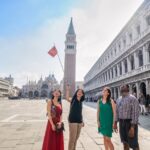



Teatro La Fenice: The Landmark Stop That Signals Venetian Culture
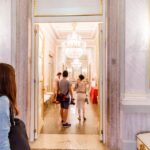
After Cannaregio, the tour includes Teatro La Fenice. Even if you don’t attend a performance, a theatre stop gives Venice a cultural angle. It’s a reminder that the city isn’t only about churches and canals—it’s also about arts and public life.
This is a good point for asking questions, too. A strong guide (like those named Vittorio or Fredo in the experiences shared) tends to go beyond pointing. They explain how a stop fits into Venice’s identity and how it connects to what you’ve already seen.
Palazzo Contarini del Bovolo: Photo-Ready Venice with a Local Guide’s Focus
Then you reach Palazzo Contarini del Bovolo. Palace stops are where your guide’s storytelling style matters. Instead of you guessing what to notice, you get a direction: where to look, what to compare, and how the building’s presence fits into the surrounding street plan.
A detail that comes up in guide feedback is that they often take time to help with pictures. If that matters to you, this is the kind of stop where you’ll likely appreciate it—clear guidance, better angles, and less fumbling while holding up the group.
Santa Maria della Salute and Ponte dell’Accademia: Big City Drama in Two Hits
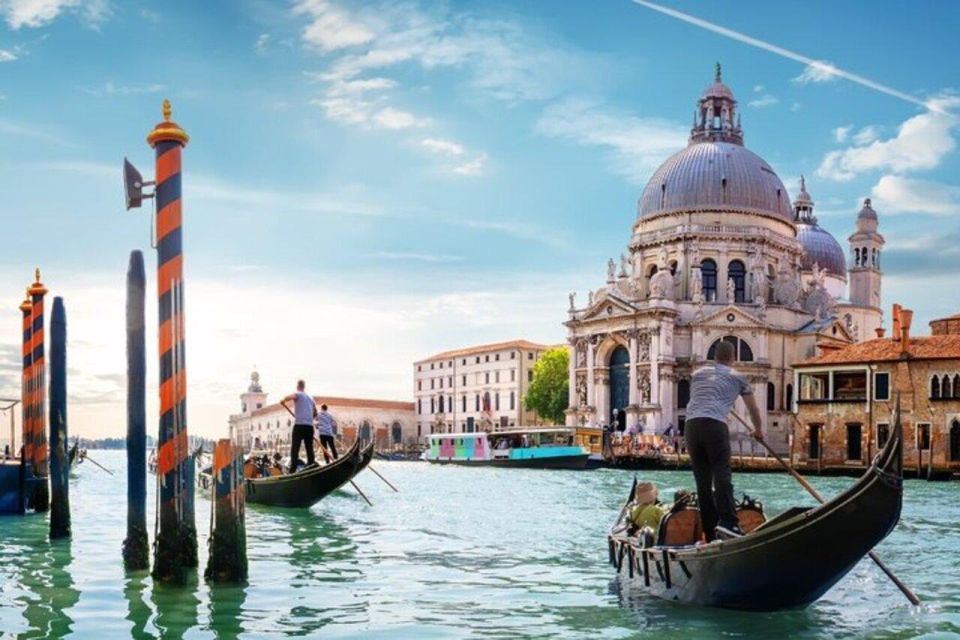
The route continues to Santa Maria della Salute, then Ponte dell’Accademia. These are the kind of stops that give you scale: you see Venice not just as a collection of streets, but as a city with major viewpoints and prominent architectural moments.
Guided time here helps you avoid the classic mistake: walking across a bridge and missing what makes it special. With a guide, you can slow down at the right moment and take in the structure and surrounding views without feeling like you’re wasting your precious 3-hour window.
Possible drawback: bridges and major squares can feel like bottlenecks. Since this is a private tour, the group size is smaller than public tours, which generally helps. Still, you should expect some shared space.
San Zaccaria and the Return to Campo S. Luca
Finally, you arrive at San Zaccaria and then return to Campo S. Luca, 4473 to close the loop. Ending where you started is practical: you’re not stranded on the wrong side of Venice, and you can continue exploring without immediately planning your next move.
In guides’ feedback, there’s a consistent theme: they’re patient, respond to questions, and don’t rush you. That matters here because the last portion can either feel like a sprint or like a composed finish. When the guide keeps the tempo comfortable—as described in experiences on both cold and hot days—you’re more likely to feel satisfied rather than worn out.
The Traditional Venetian Bar Stop: Wine, Appetizers, and Real Down Time
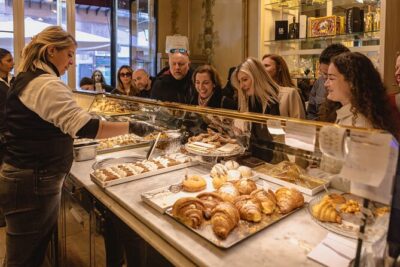
One of the highlights is the stop at a traditional Venetian bar for wine and appetizers. This is the part that turns a “see the sights” walk into an actual Venice experience. It gives you a social reset and a chance to ask for food and sightseeing tips while you’re still together with your guide.
Important practical note: food and drinks aren’t included in the price. So go in knowing you’ll likely pay for what you order. The value is that you’re not guessing where to sit or what to ask for—you can just focus on taking a break.
Price, Timing, and What You Really Get for $41
$41 per person for a 3-hour private guided walking tour is the type of price that makes sense if you’re optimizing for time and clarity. Venice punishes indecision with lost hours. A guided loop through major anchors—Rialto Bridge and Mercato di Rialto, Cannaregio, Teatro La Fenice, Santa Maria della Salute—means you’re buying fewer wrong turns and more “where should I go next?” confidence.
You also get included support for attractions that may need tickets. Even if you’re not planning to buy a lot, having help can reduce stress—especially if you arrive with limited time.
What’s not included is the obvious but important part: food and drinks. That means your budget should include a bar stop if you want to do it. The tour gives the moment; you still choose what you order.
Who This Tour Fits Best (and Who Might Want Something Different)
This tour is a strong match if you:
- Are visiting Venice for the first time and want a structured route.
- Like the idea of a guide who can tailor the balance toward your interests (architecture, local history, Renaissance art).
- Prefer a private group so you can ask questions and move at a comfortable tempo.
- Want ticket help for any attractions along the way.
It may feel less ideal if you:
- Want a fully self-directed experience with no guided input.
- Dislike walking and would rather spend the time on public transit or in fewer sites.
- Only care about one tiny slice of Venice (like strictly Rialto area) and don’t want a broader arc.
Should You Book It?
I’d book this tour if you want to feel oriented quickly and leave with a sense of how Venice hangs together. The private format and the ability to tailor the itinerary are the real reasons to spend money here. The route hits must-see anchors while still giving room for “real Venice” street time, and the bar stop makes the finish feel human instead of rushed.
If you’re unsure, use this quick test: if you’re worried you’ll miss key areas or waste time figuring out where to go next, this is a sensible way to spend a few hours. If you already have a strong plan and you love wandering without guidance, you might not need it.
FAQ
Where does the tour start and end?
The tour starts at Campo S. Luca (4473) and returns to Campo S. Luca (4473).
How long is the Venice walking tour?
The tour lasts 3 hours.
How much does the tour cost?
It costs $41 per person.
Is this a private tour, and is it wheelchair accessible?
Yes, it’s a private tour, and it is listed as wheelchair accessible.
Does the tour include ticket help for attractions?
Yes. The tour includes help from the activity provider to book tickets for attractions.
Are food and drinks included?
Food and drinks are not included. The tour does include a stop at a traditional Venetian bar where you can enjoy wine and appetizers.