REVIEW · VENICE
Venice: Natural History Museum Entry Ticket
Book on GetYourGuide →Operated by Venezia Unica by Vela Spa · Bookable on GetYourGuide
A dinosaur skull in Venice is not what you expect. This Natural History Museum packs fossils, animals, and even a big library visit into a beautiful 13th-century palazzo on the Grand Canal. I also like that it’s easy to do at a relaxed pace—perfect when Venice crowds feel like they’re multiplying. One heads-up: the museum includes a fair amount of taxidermy, so very sensitive kids may need a quick skip plan.
If you like your Venice days more about ideas than lines, this works. The building itself is a reason to go, and the collection scale is genuinely impressive—about 2 million objects. Still, note that information isn’t always in English, so plan on using your translation app or seeking the English audio option if it’s available when you visit.
In This Review
- Key Reasons This Ticket Is Worth It
- The Palazzo on the Grand Canal: A Museum You’ll Want to Photograph
- What’s Actually Inside: Earth Science, Prehistory, and More
- Dinosaurs and Prehistoric Crocodiles: The Upper Floor Main Show
- Ouranosaurus nigeriensis: Seeing a 7m Skeleton in Person
- Sarchosuchus imperator Skull: A Prehistoric Predator Story
- The Museum’s Scale: About 2 Million Objects (And Why It Matters)
- The Library Corner and the “Think About It” Side
- Practical Timing: Hours, Monday Closures, and the Access Fee
- How Long Should You Plan? (And Where to Spend Extra Time)
- Getting Oriented Fast: Where the Best Views and Break Spots Are
- Language and Signs: How to Handle English (Without Stress)
- Taxidermy and Family Comfort: Know Before You Go
- Is This Good Value for $11?
- Who Should Book This Natural History Museum Ticket
- Should You Book? My Practical Take
- FAQ
- Where is the Venice Natural History Museum located?
- How long does the visit take?
- What are the opening hours?
- Is the museum wheelchair accessible?
- Is this ticket refundable?
- Do you need a guide?
- Is there any additional fee to consider in summer 2025?
Key Reasons This Ticket Is Worth It
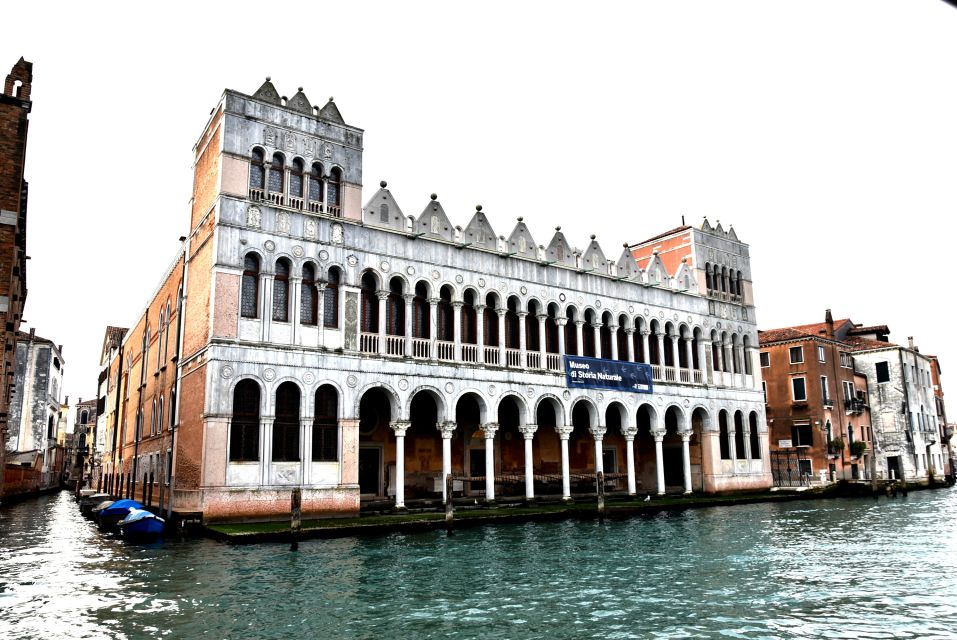
- Grand Canal palazzo setting: You’re visiting inside a gorgeous old building, not just a box of exhibits.
- Dinosaurs as the main event: Big prehistoric skeletons and fossils are front-and-center on the upper floor.
- Ouranosaurus nigeriensis, about 7m long: A standout size moment for kids and adults.
- Sarchosuchus imperator skull: A striking prehistoric-crocodile story point tied to Africa.
- A museum-stuffed library corner: Over 40,000 books, giving the visit a nerdy-but-fun vibe.
- Calmer break from Venice: Gardens/terrace/courtyard feel make it a welcome pause on hot or rainy days.
The Palazzo on the Grand Canal: A Museum You’ll Want to Photograph
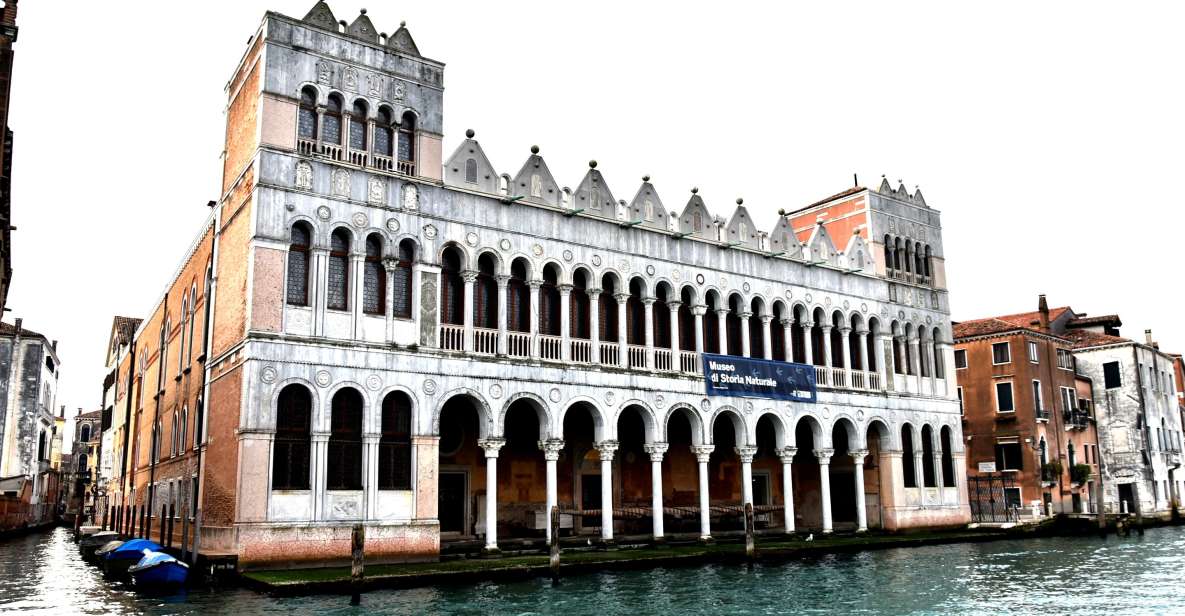
The Natural History Museum sits right on the edge of the Grand Canal, so you get that classic Venice backdrop the moment you arrive. Before you even step inside, I’d give yourself a minute to frame the building—this is one of those places where photos look like they took work, even though you’re just standing there.
Inside, the museum is housed in a historic palazzo (it dates back to the 1200s). The rooms have that older, atmospheric feel that helps fossils and old-world science fit the setting. One practical perk: you can also treat this as a mid-day reset. If Venice is frying you, the museum gives you air and walls that don’t move.
You can also read our reviews of more tours and experiences in Venice.

What’s Actually Inside: Earth Science, Prehistory, and More
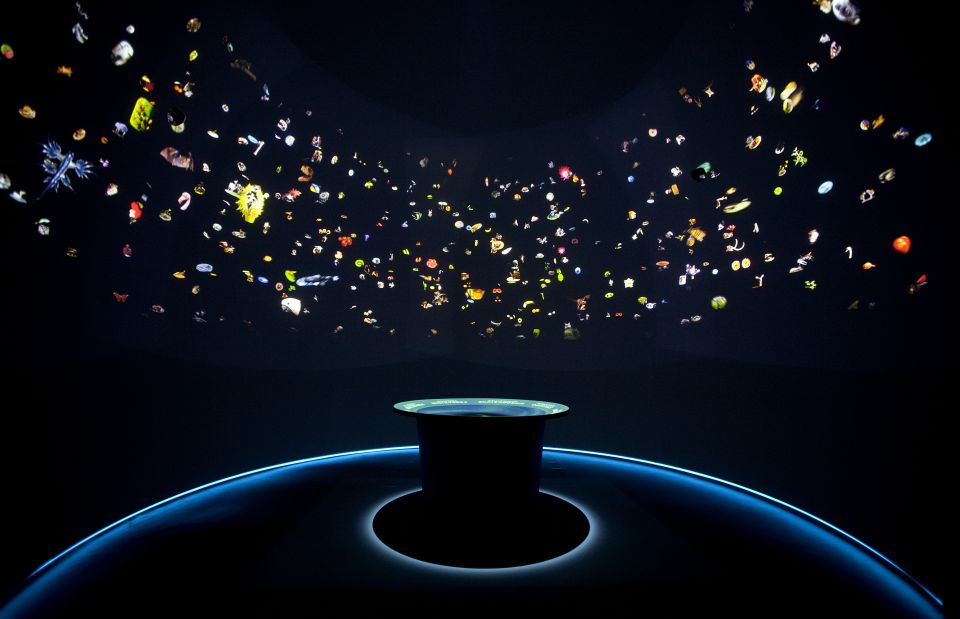
This is a true natural history museum, meaning it isn’t only about dinosaurs. You’ll see zoological displays, plants, fossils, and ethnographic collections. The museum’s organizing idea is basically the story of the natural world and how life changes over time.
You’ll likely spend your first part of the visit learning the basics—how the museum lays out themes and what they choose to show first. After that, you can follow your interests. If you’re dinosaur-focused, you’ll feel like you found your people upstairs.
If you’re with kids, this structure helps. Some rooms are high-interest and visual; others are quieter cabinets-of-curiosities style. Adults who love detail can slow down and wander. Adults who prefer speed can cut to the highlights without ruining the experience.
Dinosaurs and Prehistoric Crocodiles: The Upper Floor Main Show
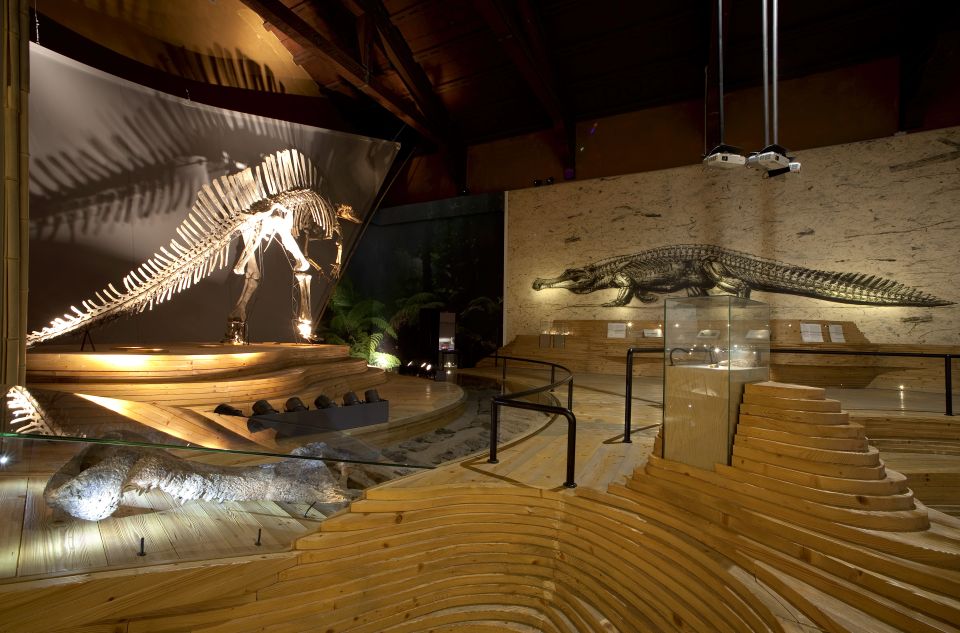
The upper floor is where the museum’s most popular attraction lives: dinosaurs and prehistoric crocodiles. This is the part that tends to pull you forward, because the scale is hard to ignore once you’re standing near the fossils.
What makes this section work (even for non-paleontology fans) is the contrast. The museum mixes big skeleton moments with smaller fossil pieces, so you don’t get numb from only huge displays. You also get a sense of how scientists interpret ancient life—by collecting evidence, comparing features, and building a story from remains.
If you’re traveling with teens or curious adults, aim to spend extra time here. It’s where the museum stops being passive and starts feeling like science.
Ouranosaurus nigeriensis: Seeing a 7m Skeleton in Person
One exhibit people remember is the Ouranosaurus nigeriensis skeleton, measuring more than 7 meters long. That size matters because it changes how you picture dinosaurs. In a book, a dinosaur’s length is a number. In a room, it’s a scale you can almost feel in your posture.
I’d treat this like the museum’s “gravity center.” Stand there for a bit. Walk around if the layout allows it. If you’re with kids, it’s the kind of moment that turns a museum from boring to wow without needing any special trick or gimmick.
Sarchosuchus imperator Skull: A Prehistoric Predator Story
Another highlight is the skull of a Sarchosuchus imperator, discovered in Africa. This is the kind of specimen that makes you stop and really look, because the face shape gives you instant questions: what did it eat, how did it move, how similar was it to modern crocodiles?
Even if you don’t go deep into taxonomy, this exhibit is a great “evolution in real evidence” moment. It’s also a nice pairing with the prehistoric crocodile theme on the upper floor, so you’re not juggling unrelated content.






The Museum’s Scale: About 2 Million Objects (And Why It Matters)
The museum is said to hold around 2 million historical objects. That doesn’t mean you should plan to see everything—nobody has time for that in one day. What it does mean is that the museum has depth. You’re not looking at a short, curated set that feels thin.
Even if you only catch the sections you’re drawn to, the overall atmosphere benefits from that scale. You feel like you’re walking through a serious collection, not a temporary exhibition.
If you like structured wandering, the themed rooms help. One reviewer also noted the museum uses atmospherics like themed music per room, which can make it feel like you’re stepping through mini worlds instead of just reading labels.
The Library Corner and the “Think About It” Side
Don’t rush past the library area. The museum includes a library collection of over 40,000 books, and it gives the visit a different texture. You’re not just staring at specimens—you’re seeing that knowledge has a paperwork trail too: books, archives, and study.
This is also where you’ll feel the museum’s slower pace. It’s a good place to reset after the fossil excitement. If your group is mixed—some kids want dinosaurs, some adults want context—this area helps everyone take a breather.
Practical Timing: Hours, Monday Closures, and the Access Fee
This museum has hours that change with the season, so check before you go:
- Until May 31: 9:00 AM–5:00 PM, last admission 4:00 PM
- From June 1: 10:00 AM–6:00 PM, last admission 5:00 PM
- It’s closed on Monday
Plan your visit around that, because you don’t want to waste a Venice walk on a closed-door moment.
Also watch for a Venice Access Fee on certain dates between 18 April 2025 and 27 July 2025. For those specific days, every visitor to Venice is required to pay an access fee directly to the City of Venice (with some exemptions). I’d treat that as part of your day planning, not a surprise at the gate. Check cda.ve.it to confirm dates, payment method, and whether you’re exempt.
How Long Should You Plan? (And Where to Spend Extra Time)
The experience is sold as a 1-day visit, but in real life, you can tailor the pacing. Some visitors treat it like a focused stop—about 40 to 60 minutes—and come away satisfied. If you’re a fossil fan or you like reading labels, you may want longer.
Here’s a good way to decide:
- If you’re dinosaur-first: spend extra time upstairs and don’t feel guilty skipping rooms that don’t catch your attention.
- If you’re kid-family mode: aim for one big highlight plus a few smaller “wow” rooms. The visit becomes a win without turning into a label marathon.
- If you’re a museum-slow walker: build in time to look at fossils carefully and wander the natural world displays at your own pace.
Getting Oriented Fast: Where the Best Views and Break Spots Are
This is one of those Venice stops where the building does double duty. It offers a classic photo spot outside, and then gives you indoor calm.
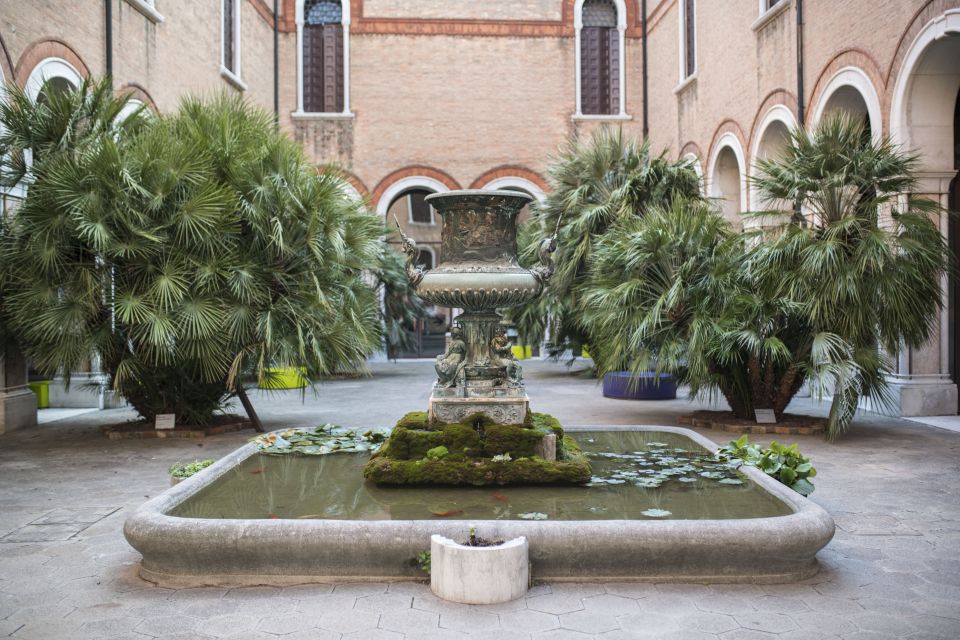
Look for the calmer spaces such as the garden/terrace/courtyard area mentioned in visitor feedback. It’s a welcome change from narrow streets and constant foot traffic. If your day is heavy on walking, this museum can act like a breather—especially on hot days.
And because you’re right on the Grand Canal, you can connect the museum to a casual canal walk after, without turning it into a full sightseeing production.
Language and Signs: How to Handle English (Without Stress)
English support seems to be hit or miss with signage. If you want a smoother experience, consider getting the English voice guide if it’s available on-site—one visitor noted a voice guide is offered in English and costs about $10.
If you don’t want to buy it, use your translation app. The exhibits with dinosaur fossils are visual enough that you won’t be lost. Still, for the less obvious rooms—ethnographic collections and smaller interpretive labels—you’ll enjoy it more if you can read what you’re seeing.
Taxidermy and Family Comfort: Know Before You Go
This museum includes a lot of taxidermy. That’s not automatically a problem for adults, but it’s a real factor with young kids. If your child is sensitive to realistic animal displays, you may want to keep expectations flexible and prepare to move quickly through those rooms.
The good news is that you can still build a family day around the fossil highlights. In a group, one person can handle the dinosaur focus while another keeps an eye on pacing. It’s totally doable as a family outing; just don’t plan on every room being equally fun for every age.
Is This Good Value for $11?
At about $11 per person, the value is strong for a few reasons:
- You’re getting a full natural history museum experience, not just a small exhibit.
- The highlights are truly memorable: the Ouranosaurus skeleton length and the Sarchosuchus skull are the kind of things you remember later.
- The building itself adds value. A palazzo museum in Venice isn’t cheap just in atmosphere.
- You can do it in a short window, which helps you not lose money to time pressure.
For most people, the ticket price makes sense because the museum gives you multiple “reasons to care” in one visit: fossils, natural world collections, and a library/lore angle.
Who Should Book This Natural History Museum Ticket
This one fits best if you:
- Want a family-friendly activity that works on both rainy and hot days
- Like dinosaurs, fossils, and prehistoric crocodile themes
- Prefer quieter Venice moments away from the tightest crowds
- Enjoy calm walking breaks inside an atmospheric old building
It may be less ideal if you’re strictly looking for only Venice’s art and architecture, with zero interest in science-themed museums. But even then, the palazzo setting and the big fossil exhibits can act as a satisfying change of pace.
Should You Book? My Practical Take
Yes, you should book this ticket if you want a smart, low-cost break from Venice chaos and a museum stop that has real “wow” moments. The dinosaur exhibits are the payoff, but the broader natural history collections keep it from feeling one-note.
Book it especially if:
- You’ll be in Venice on a day when you need an indoor option
- You want something that works for mixed ages
- You like your travel days a bit educational and a bit surprising
If taxidermy might bother your family, go anyway but keep a flexible plan: focus on the fossil highlights upstairs and treat other rooms as optional.
FAQ
Where is the Venice Natural History Museum located?
It’s on the edge of the Grand Canal in Venice. Go to the main entrance and show your ticket on arrival.
How long does the visit take?
The experience is offered as a 1-day entry. Many visitors find they can cover the main areas in about 40–60 minutes, though you can stay longer at your own pace.
What are the opening hours?
It’s closed on Monday. Until May 31 it’s open 9:00 AM to 5:00 PM (last admission 4:00 PM). From June 1 it’s open 10:00 AM to 6:00 PM (last admission 5:00 PM).
Is the museum wheelchair accessible?
Yes, it’s wheelchair accessible.
Is this ticket refundable?
No, the activity is non-refundable.
Do you need a guide?
A guide is not included. Admission is for the museum on your own.
Is there any additional fee to consider in summer 2025?
Yes, on certain days between 18 April 2025 and 27 July 2025, Venice requires an Access Fee that you pay directly to the City of Venice (with specific exemptions). Check cda.ve.it for the exact dates and rules.