REVIEW · VENICE
Venice: Pasta and Tiramisu Cooking Class with Wine
Book on GetYourGuide →Operated by The Roman Food Tour · Bookable on GetYourGuide
Venice tastes better when you make it. This pasta and tiramisu cooking class puts you in a local Venice restaurant in Dorsoduro, rolling up your sleeves to learn fresh pasta and finishing with tiramisu at the table. I love the hands-on rhythm of fresh pasta work, and I also love how the meal becomes part of the lesson, with both dishes served alongside wine. One consideration: the class is built around a traditional recipe with gluten, dairy, and eggs, and you can’t count on a completely cross-contamination-free setup if you have serious allergies or strict dietary needs.
The format is simple and friendly. You get a live English guide who walks you through techniques, and you’ll have real time to ask questions about what you’re making and why it works. In practice, the vibe tends to be lively, and hosts such as Barbara or Serena are often praised for clear pacing and keeping everyone involved, including people who have never made pasta before.
When the cooking is done, the evening keeps going in the same place or you can step back out into Venice. You’ll eat what you prepared, and the table includes wine plus limoncello and coffee. Because it’s a shared meal at one table, you’ll likely spend the last part of the class chatting with other people, not rushing off to do the next stop alone.
In This Review
- Key highlights you’ll actually care about
- A break from sightseeing: why this class fits Venice so well
- Fresh pasta in Dorsoduro: fettuccine and ravioli, step by step
- Making tiramisu in a real Italian dessert workflow
- The table experience: wine, limoncello, coffee, and conversation
- Price and value: what $78 buys you in Venice
- Dietary limits: what you need to confirm before booking
- Making the most of your 3 hours (and leaving with more than dinner)
- Should you book this Venice pasta and tiramisu class?
- FAQ
- What dishes will I learn to make?
- How long is the cooking class?
- Is wine included, and what else is served?
- Do you offer dietary options or substitutions?
- Is this class suitable for children?
- Where do we meet for the class?
Key highlights you’ll actually care about
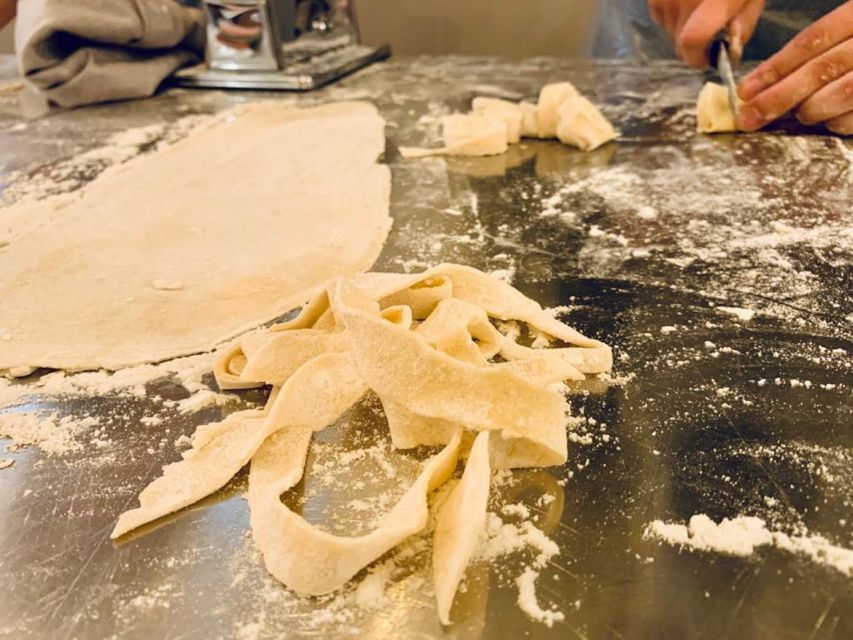
- Hands-on fresh fettuccine and ravioli: you don’t just watch, you make the dough and shape the pasta
- Tiramisu technique time: you learn the steps that turn ingredients into a proper, sliceable dessert
- Wine with dinner, plus limoncello and coffee: the food is paired with the kind of drinks Italians expect
- Dorsoduro location: you’re in a real neighborhood area instead of a remote meeting point
- Host-led energy: instructors like Barbara, Serena, Eddie, and others are repeatedly noted for pacing and fun
- Diet reality check: substitutions may be possible, but the traditional recipe includes gluten, dairy, eggs
A break from sightseeing: why this class fits Venice so well

Venice can exhaust you. Between the walking, the crowds, and the constant “what do we do next?” feeling, an evening that’s anchored in one place is a gift. This cooking class is built for exactly that moment when you want a break, but you still want something deeply Italian.
What makes it work is that it’s not a performance. You’re making fettuccine and ravioli from scratch, then turning around and eating the results while you sit down. That combination matters because it removes guesswork. Instead of wondering if you picked the right restaurant or ordering something that’s fine but forgettable, you’re learning the fundamentals and then tasting the proof.
There’s also a social element that feels natural. You’re cooking in a group, then eating together at the table with wine. Several hosts have a knack for keeping people relaxed and moving at a pace that doesn’t leave anyone behind, which is a big deal if you’re traveling with mixed skill levels.
Finally, the location in Dorsoduro gives you a little extra payoff. Afterward, you can either stay in the restaurant environment to keep the good mood going or walk out into nearby streets. Either way, you end with something you made, not just photos.
You can also read our reviews of more tours and experiences in Venice.



Fresh pasta in Dorsoduro: fettuccine and ravioli, step by step
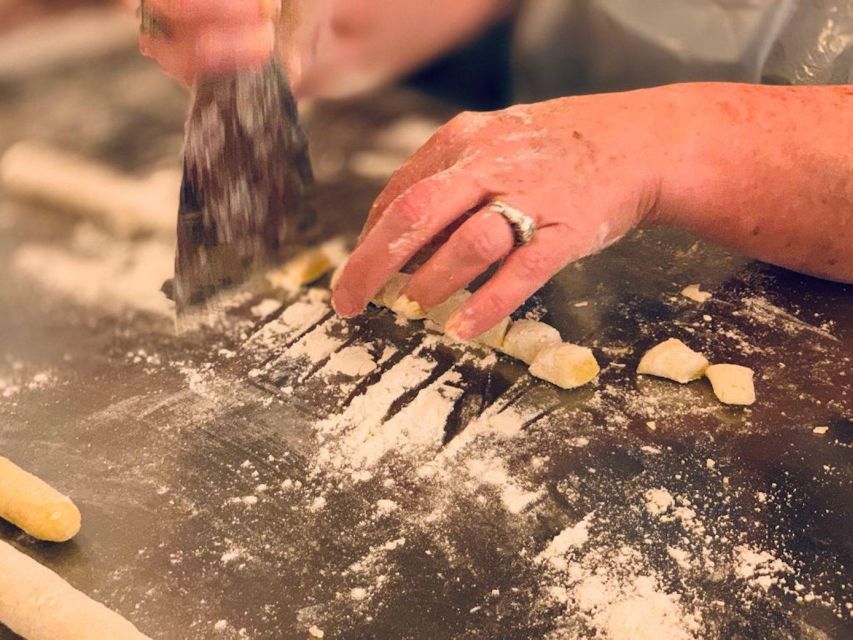
The class focuses on two pasta styles: fresh fettuccine and ravioli. That’s a smart pairing, because they teach you two different ways pasta can show character. Fettuccine is about handling dough smoothly and cutting consistently. Ravioli is about portioning and filling with enough confidence that the final bite stays intact.
You’ll start in the restaurant and get guided through the process like it’s meant for your hands, not just your eyes. The teaching approach tends to emphasize technique you can repeat later: how to get the dough to the right feel, how to work it without making it tough, and how to approach shaping with steadiness rather than panic.
One thing I like about this format is the way it supports beginners. Many sessions are praised for clear instruction and a pace that people can follow, even if pasta-making is new to you. If you’re the type who gets nervous about cooking demonstrations, this style helps because you’re actively doing the work.
The ravioli portion is where you can really see the value of learning by hand. Ravioli only tastes amazing if the dough and filling end up balanced, and the class structure gives you time to get the steps right. Then you get to sample the pasta dishes you prepare, which turns the lesson into an actual meal instead of a class where everyone leaves hungry.
Making tiramisu in a real Italian dessert workflow
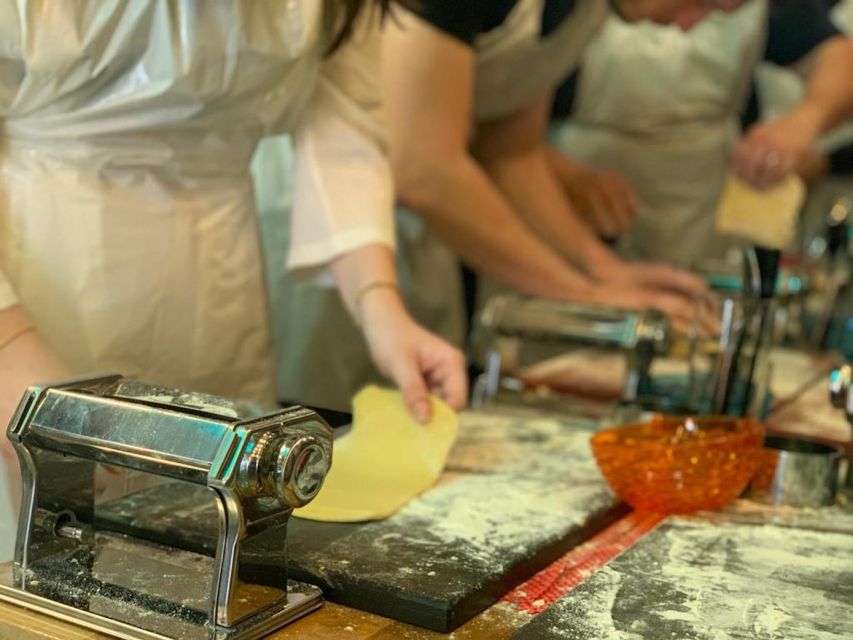
Then comes tiramisu, the dessert that can make or break an Italian meal. The class doesn’t treat it like a last-minute sweet. Instead, you learn how to assemble it properly and how to think about timing and texture, so the dessert lands the way it should when you serve it.
In a tiramisu lesson, the small details are everything. Reviews repeatedly praise the hands-on instructions and the way hosts explain the steps in a way that’s easy to follow, even if you’ve never layered anything before. If you’ve ever had tiramisu that’s too watery or too heavy, this is the sort of class where you’ll start understanding why that happens.
You’ll also get to eat what you make, which is crucial for learning. You can taste the result while it’s still fresh enough to feel like dessert, and you’ll likely leave with a mental checklist of what worked: the balance of flavors, the cream texture, and the way it holds up in a serving.
And because the class doesn’t stop at dessert, the tiramisu part ties into the overall meal flow. Coffee at the end brings the whole thing together, especially after pasta and wine.
The table experience: wine, limoncello, coffee, and conversation
A lot of cooking classes end right when the food is ready. This one keeps you seated for the part that actually feels Italian: you eat, you sip, and you talk while the meal unfolds.
Wine is included, and the experience also includes limoncello and coffee at the end. That matters because you’re not just getting ingredients and instruction. You’re getting the full social dinner component that makes a cooking class feel like a night out, not a workshop.
The shared table setup is one of the most praised elements. People often mention meeting others and enjoying the meal together, which is a practical bonus if you’re traveling solo or you want an activity that doesn’t feel like you’re glued to your phone. The last part of the class is where the mood usually turns from focused to relaxed.
Some sessions have an extra streak of personality, too. A few instructors have been credited with adding entertainment like music, and there are stories of special moments like birthday singing. You shouldn’t count on a birthday moment, but you can expect the vibe to be warm and human, not stiff or overly formal.
If you want a class that doubles as your dinner plan, this is the kind of experience that makes sense. You cook, you taste, and you leave fed, not just educated.
Price and value: what $78 buys you in Venice
At $78 per person for about 3 hours, the biggest question is value: is this just a meal, or is it really a cooking class?
Here’s the practical breakdown based on what’s included. Your price covers the cooking class itself, the ingredients, and wine. Then, at the end, you sit down to eat the pasta dishes you prepared and the tiramisu you made, with limoncello and coffee included in the feast.
That turns the cost into something easier to judge. You’re paying for a guided activity plus your meal and drinks. In Venice, where a satisfying dinner with drinks can quickly add up, getting instruction plus food you make yourself helps the experience feel more like a trade than a splurge.
Also, the 3-hour length is a good compromise. It’s long enough to actually learn hands-on steps and not just do a quick appetizer lesson. But it’s short enough that you can still enjoy the rest of your evening afterward, either by staying a bit longer or walking Dorsoduro’s nearby streets.
One more value point: you’re learning skills that go beyond one dinner. Fresh pasta and tiramisu are both “repeatable” in theory, and the class structure is set up to give you technique you can remember next time you cook.





Dietary limits: what you need to confirm before booking
This is the part I’d treat with care, especially if you have an allergy or a strong dietary constraint.
The class offers substitutes for allergies or preferences, but the instructions focus on the traditional recipe, which contains gluten, dairy, and eggs. You also can’t count on zero cross-contamination, so if your health depends on strict separation, you’ll want to ask direct questions before you book.
The provided details also say it isn’t suitable for certain needs: vegans, people with gluten intolerance, and people with lactose intolerance. At the same time, it lists dietary options available that include vegetarian, vegan, and lactose intolerant. Because those two statements conflict, the safest move is simple: confirm with the provider what they can do for your specific situation.
If you’re vegetarian, you may have an easier time, but again, gluten and dairy are part of the traditional base, so you’ll want clarity. If you’re vegan, lactose intolerant, or gluten intolerant, don’t assume a workaround will be identical to what you avoid at home.
For allergies, send your details early. The class notes specifically ask you to inform the activity provider of any allergies or food restrictions.
Making the most of your 3 hours (and leaving with more than dinner)
To get the most out of a pasta and tiramisu class, treat it like a skill-building dinner.
First, arrive hungry and ready to focus. You’ll spend time rolling, shaping, and assembling, and having an empty stomach keeps you engaged instead of thinking about food every five minutes.
Second, ask questions while you’re cooking. The best learning happens when the instructor can see what you’re doing. If you’re unsure about dough texture or layering steps for tiramisu, this is the time to clarify, because you can adjust before the final results.
Third, pay attention to pacing. Many sessions are praised for instruction that keeps people on track, including beginners and groups with teenagers. That doesn’t mean you’ll be rushed through, but it does mean you should follow along and trust the timing.
When you finish, choose what you want your evening to be. If you’re tired from walking, you can stay in the restaurant setting. If you still have energy, you can step out into Dorsoduro and wander nearby streets. Either way, you’re ending the day with something real you made, not just something you bought.
Should you book this Venice pasta and tiramisu class?
Book it if you want a hands-on Venice cooking class that teaches you fresh pasta and tiramisu and then feeds you with wine, limoncello, and coffee. It’s especially good for first-timers, couples, and groups who want dinner that’s more interactive than a standard restaurant night. The repeated praise for hosts like Barbara, Serena, Eddie, and others points to a strong chance you’ll be taught clearly and kept engaged.
Skip it or ask a lot of questions first if you have strict dietary needs. The traditional recipe includes gluten, dairy, and eggs, and cross-contamination can’t be guaranteed. If you’re gluten intolerant, lactose intolerant, or vegan, confirm whether the alternative you need is truly workable for you.
If you’re on the fence because you already have restaurant plans, I’d still consider this. For many people, the appeal is that it replaces dinner and gives you a skill to take home with you.
FAQ
What dishes will I learn to make?
You’ll learn to make fresh fettuccine, ravioli, and tiramisu. You’ll also sample both pasta dishes and the tiramisu you prepare during the class.
How long is the cooking class?
The class lasts 3 hours.
Is wine included, and what else is served?
Wine is included. At the end, the meal is served with free-flowing fine wine, limoncello, and coffee.
Do you offer dietary options or substitutions?
Dietary options are listed, including vegetarian and other diets, but the class is also noted as not suitable for vegans and for people with lactose intolerance. For allergies and food preferences, substitutes may be offered, but the traditional recipe includes gluten, dairy, and eggs, and cross contamination cannot be fully ruled out. Inform the provider of your allergies or restrictions when booking.
Is this class suitable for children?
It is not suitable for children under 3 years, and it is also listed as not suitable for babies under 1 year.
Where do we meet for the class?
The meeting point may vary depending on the option booked, so you should check the details for your specific booking.