REVIEW · VENICE
Venice: The Three Tenors Concert Ticket
Book on GetYourGuide →Operated by I MUSICI VENEZIANI · Bookable on GetYourGuide
Three voices and a live orchestra make this feel big. In Venice, I Musici Veneziani and a trio inspired by Luciano Pavarotti bring Verdi and Puccini to life with period-accurate costumes in a setting that looks built for opera. One thing to consider: if mobility is a concern, you may want to ask in advance because access may not be ideal for everyone.
This is an event that fits neatly into an evening. For about $39.86 per person and roughly 1.5 hours, you get a compact show with classical music performed live, not piped in from a speaker box.
A practical note: the singing is in Italian, and you might be able to take photos but not video. If you are new to opera, that is still fine. The show is built to keep your attention with variety, humor, and clear performance energy.
In This Review
- Key things to know before you go
- Three Tenors in Venice: why this concert works even if you hate long operas
- The setting: Scuola Grande di San Teodoro and the sound it creates
- What you hear: Verdi, Puccini, and that classic-Italian emotional punch
- The show format: how the Three Tenors combinations keep things moving
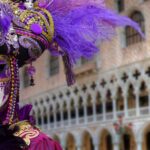
- Costumes and performance style: seeing opera, not just hearing it
- Your evening plan: timing, ticket pickup, and how early to arrive
- Seating and comfort: what matters most in this kind of venue
- Price and value: is $39.86 a good deal for a live orchestra and three tenors?
- Who should book this concert in Venice
- Should you book the Venice Three Tenors concert?
- FAQ
- FAQ
- How long is the Venice Three Tenors concert?
- What is the price per person?
- Where do I present my voucher?
- When does the concert start?
- Is the singing in Italian?
- Are photos or videos allowed?
Key things to know before you go
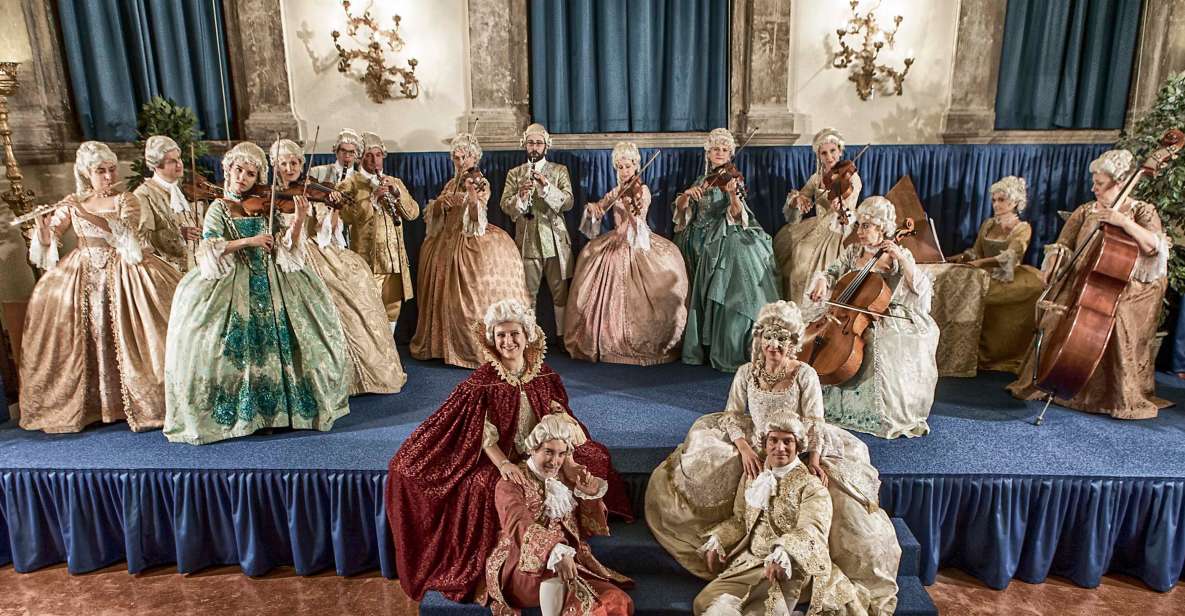
- A Pavarotti-inspired Three Tenors concept: the program is based on the famous idea of tenors together, with multiple solo/duet/trio combinations.
- Historic venue atmosphere: performances take place in a 16th-century Scuola Grande di San Teodoro, which adds instant drama.
- Verdi and Puccini plus recognizable classical moments: you’ll hear popular operatic signatures alongside Baroque-era favorites you may recognize.
- Two-part show structure: expect the evening to break into sections rather than running straight through.
- Photo-friendly, video-restricted: photos are allowed, while video may be restricted.
- Costumes are part of the show: period-accurate outfits help you read the performance even if you do not know every plot beat.
Three Tenors in Venice: why this concert works even if you hate long operas
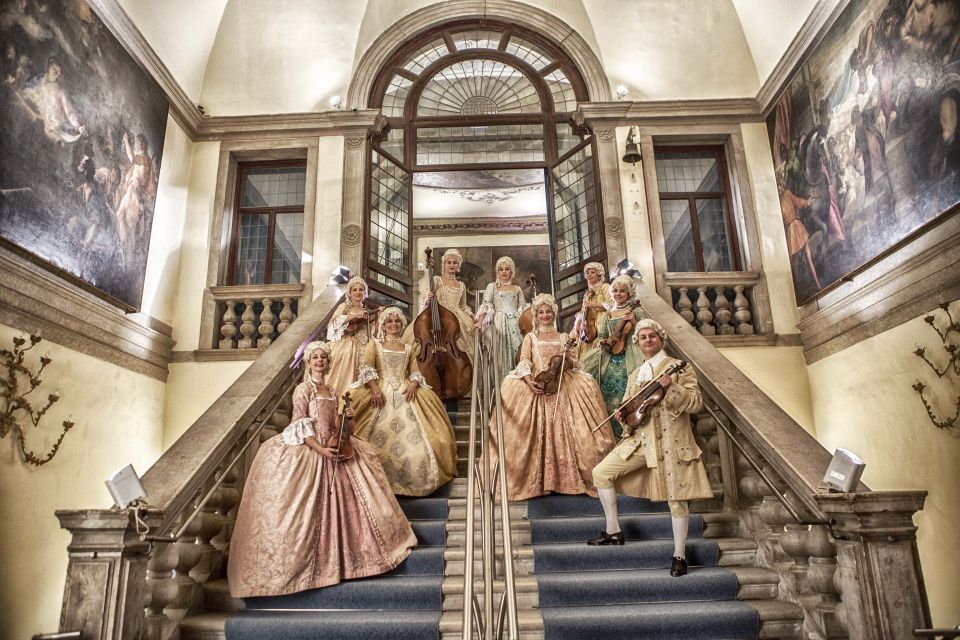
If you think opera means sitting still for hours, this format is a strong way to test the waters. The music is familiar in style and tone, but the pacing stays tight because it is staged as a theatrical concert: singers and orchestra share the spotlight, and the evening is designed to flow.
I like that it leans into recognition. Verdi and Puccini are instantly identifiable composers for a reason, and hearing their melodies performed live changes the feel. A recording is smooth; live performance has breath, bite, and small timing moments that make the sound feel human.
The other big win is the look and feel. Period-accurate costumes do not just decorate the stage. They help you track who is singing and when the show shifts mood, from elegant and romantic to playful and dramatic.
You can also read our reviews of more tours and experiences in Venice.

The setting: Scuola Grande di San Teodoro and the sound it creates
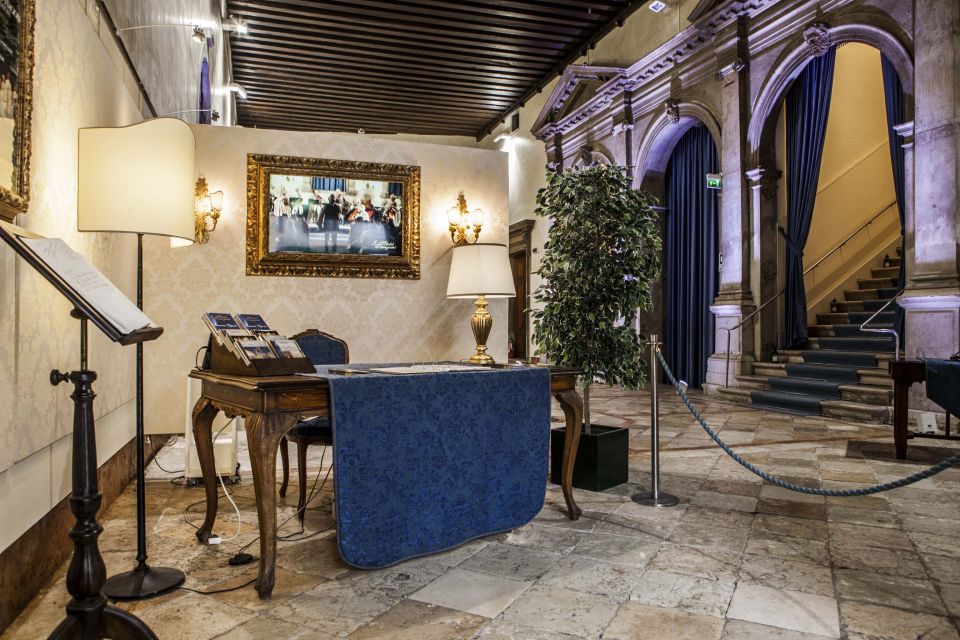
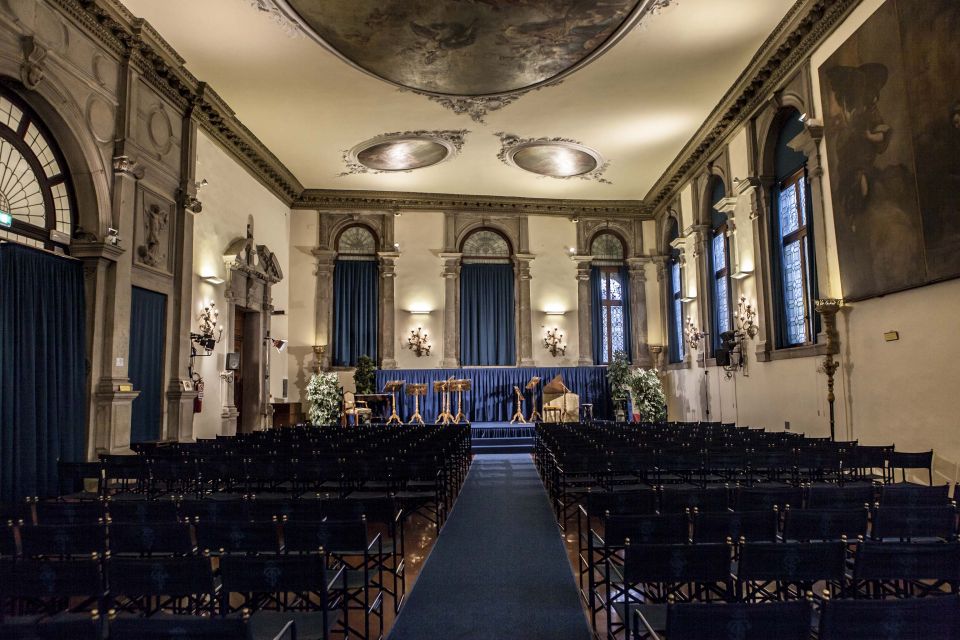
One detail that matters more than most people realize is where you sit and what kind of room you are in. This concert takes place in the Scuola Grande di San Teodoro, a 16th-century building. Old stone rooms tend to shape sound in a way modern theaters cannot mimic.
In practice, that means the orchestra and vocals tend to feel close and present. You are not watching something far away; you are hearing it in the same space where the performers are moving. That is also why people talk about the venue and the intimate staging so much.
If you are hoping for big modern comfort, know that the charm comes with an old-building vibe. One downside that came up is mobility access may not meet modern expectations everywhere. If stairs, narrow paths, or tight seating areas could be an issue for you, plan a quick question to confirm the best option for your needs.
What you hear: Verdi, Puccini, and that classic-Italian emotional punch
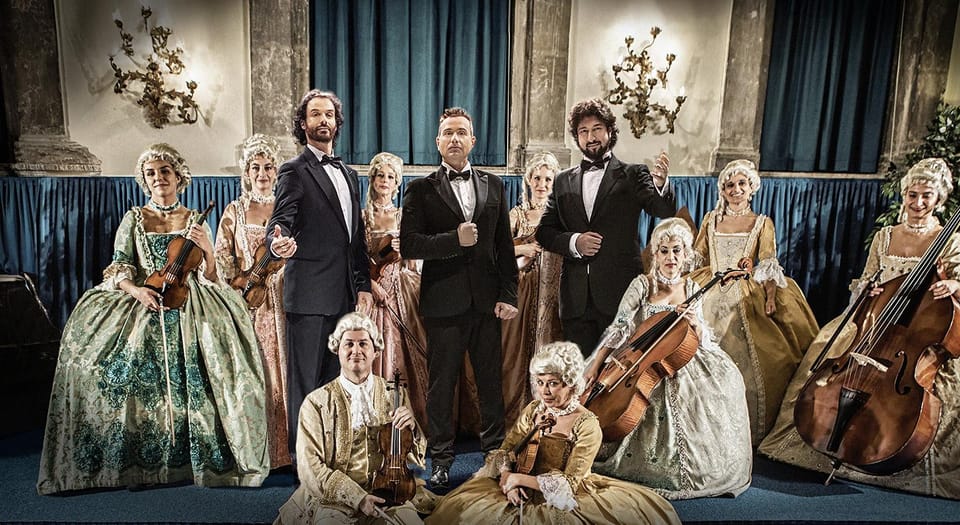
The program is built around iconic Italian music, especially the world of Verdi and Puccini. Even if you do not know the exact aria title, you will likely recognize the musical fingerprints: the soaring lines, the dramatic crescendos, and the moments where a phrase lands and the room goes quiet.
This is also where the show’s structure helps. It is not only one composer or only one “mode.” You get variety across composers and styles, and you are likely to hear Baroque-era pieces too. That matters because Baroque music often feels rhythmic and ornamented in a way that keeps the ear engaged, even if you are used to modern pop patterns.
Live delivery adds another layer. A singer can stretch a note, shape consonants, and respond to the orchestra in real time. The result is that the emotion hits in a way recordings can miss, especially during dramatic passages where the timing is everything.
The show format: how the Three Tenors combinations keep things moving
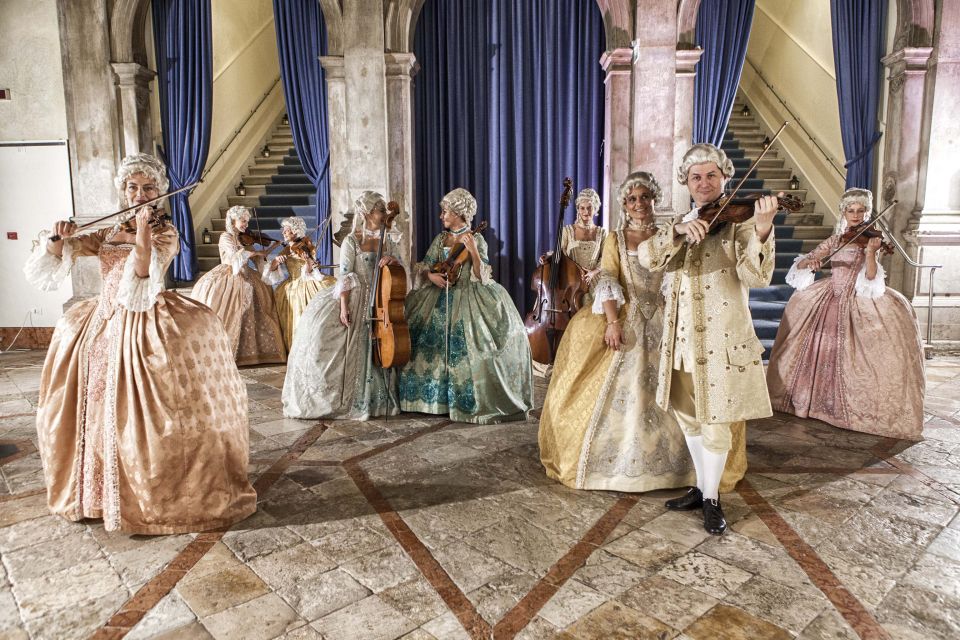
This is inspired by Maestro Luciano Pavarotti’s famous Three Tenors concert idea, but it is presented as a fresh staged program. The biggest reason it stays fun is that it does not rely on one static setup where three men sing together for the entire evening.
Instead, the performance shifts among solo, duo, and full trio moments. That variety keeps the sound from blending into one long wall of voice. It also gives you a clearer sense of each singer’s role as the evening changes pace.
The show runs about 1.5 hours and is split into two parts. That structure makes it easier to enjoy even if you are not an opera regular. You get a natural midpoint where the tone can reset before the closing stretch.
Language note: the singing is in Italian. You do not need perfect Italian to enjoy the sound, but if you rely on translation to follow every lyric, plan to enjoy the performance more for music and staging than for word-by-word plot.
Costumes and performance style: seeing opera, not just hearing it
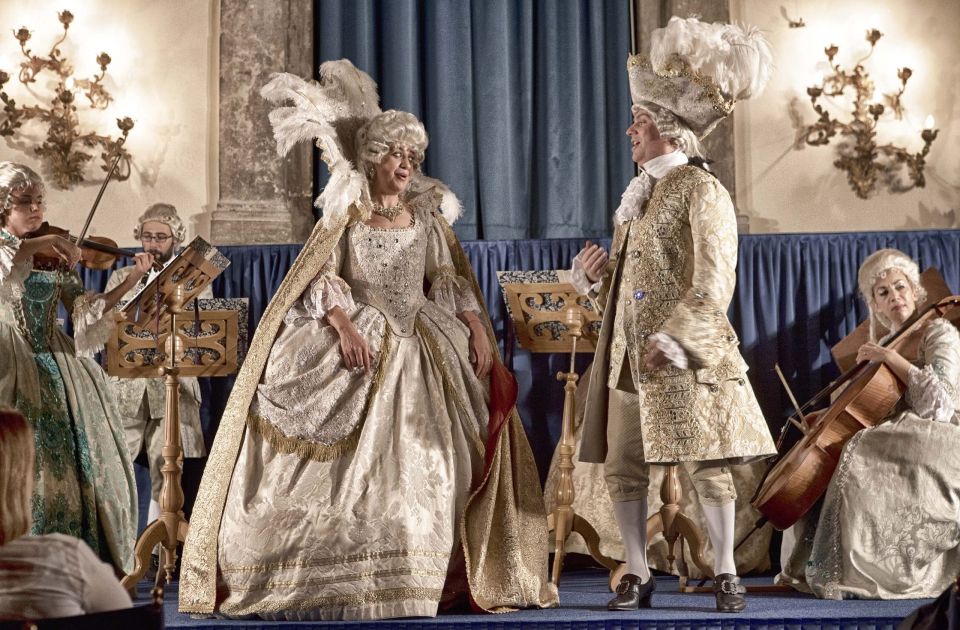
Costumes here are not optional color. They are part of the storytelling. Period outfits help the show feel time-appropriate, and they also make stage moments easier to follow from your seat.
A few audience-friendly touches show up in the performance energy. The show has humor and theatrical timing, and the artists interact in ways that keep first-timers comfortable. That is a big deal if you are trying opera for the first time, because you can enjoy the spectacle without feeling lost.
Also, the performance is described as professional and high quality, with both the orchestra and the singers highlighted in equal measure. That balance matters. If the orchestra is only “background,” a concert can feel uneven. Here, the musicians share attention with the vocalists, which gives the evening more shape.



Your evening plan: timing, ticket pickup, and how early to arrive
You will want to start by treating this like a show, not a casual stop. The voucher pickup is straightforward: you can present your voucher at the ticket office from 8 pm. Since start times can vary, confirm the exact performance time when you check availability.
Plan to arrive early enough to settle in. You’ll likely need a little time to find your way inside, get settled, and get comfortable with the room. In one detail people emphasize, arriving on time helps you avoid last-minute stress.
What to expect on arrival:
- You present your voucher at the ticket office from 8 pm.
- The concert runs about 1.5 hours.
- It ends back at the meeting point, so your evening doesn’t get complicated afterward.
Seating and comfort: what matters most in this kind of venue
This is the part that can make or break the experience. In older buildings, sightlines can vary, and seating can be less forgiving than modern theaters. Some attendees noted the experience was excellent, but there was also a comment about improving mobility access.
If you are comfortable with walking and you do not need special accommodations, you will probably be fine. If you do have mobility needs, treat this as a “check first” situation rather than assuming.
Also, if you want a better view, think of this show like a small-theater event. People mention seating positions like the mid-front area, which suggests that where you land can affect how much you see of the performers and costumes.
Price and value: is $39.86 a good deal for a live orchestra and three tenors?
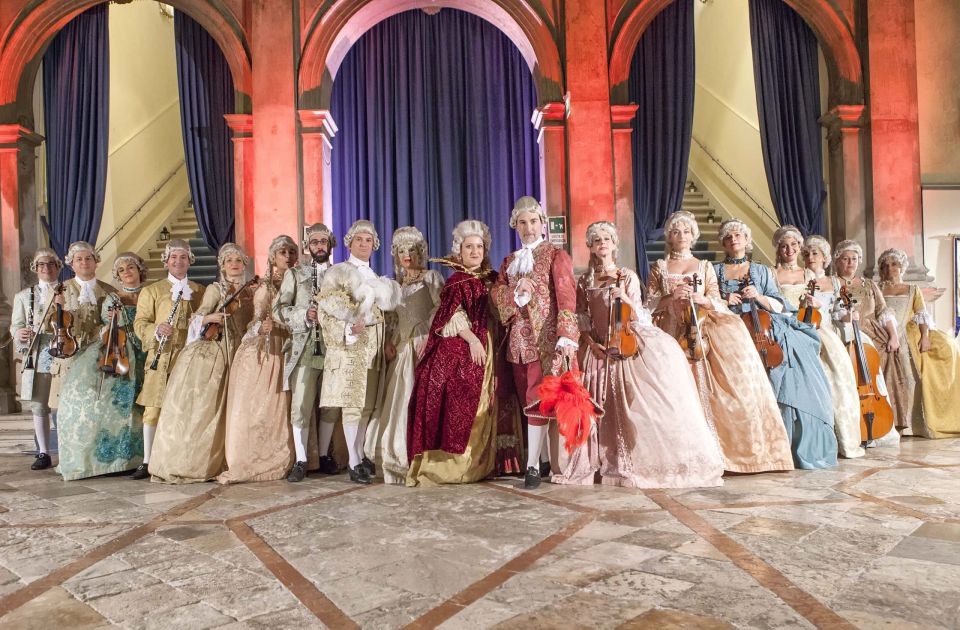
At $39.86 per person for a roughly 1.5-hour concert ticket, you are paying for a full live performance: orchestra plus opera singers in a historic venue, with period costumes and a staged format.
Is it expensive? Not compared to what many people imagine when they hear the word opera. It also comes out to a little over $25 per hour. What makes that math meaningful is that you are not getting a single singer with a piano. You are getting a coordinated orchestra-and-vocal show with multiple vocal configurations and theatrical staging.
The best value signal is simple: people consistently describe it as a great evening, with the venue and the performances doing heavy lifting. When a concert is this short, price sensitivity matters. A show has to earn every minute, and in this one, the minutes generally land.
Who should book this concert in Venice
This is a strong fit for:
- First-timers who want opera energy without a huge time commitment.
- People who love classical music but want it packaged in a lively, theatrical way.
- Families looking for an evening activity around the city’s cultural side, since it is designed to be entertaining and engaging.
It may be less ideal if:
- You need guaranteed mobility-friendly access and do not want to risk uncertainty in an older building.
- You prefer purely serious opera without humor or audience-friendly touches.
- You expect plot-heavy opera theater with long scenes. This is a concert format that focuses on performance and music.
Should you book the Venice Three Tenors concert?
If you want an authentic Venice night that mixes live classical music, recognizable Italian composers, and costumes you can actually see, I think booking is a smart move. The setting in a historic Scuola Grande adds atmosphere, and the show’s structure keeps it moving rather than turning into a long sit.
Book it if you’re open to Italian lyrics and you want to feel the difference that comes from hearing opera live. I would especially recommend it for your first opera experience in Venice, because the format lowers the intimidation factor while still giving you real vocal talent and a proper orchestra sound.
FAQ
FAQ
How long is the Venice Three Tenors concert?
The concert lasts about 1.5 hours.
What is the price per person?
The ticket price is listed as $39.86 per person.
Where do I present my voucher?
You can present your voucher at the ticket office from 8 pm.
When does the concert start?
Start times can vary, so you’ll need to check availability for the specific time offered.
Is the singing in Italian?
Yes, the show is described as being in Italian.
Are photos or videos allowed?
Photos are allowed, but video recording is described as not permitted.