REVIEW · VENICE
Venice: Vivaldi Baroque Concert Ticket and Free Music Museum
Book on GetYourGuide →Operated by INTERPRETI VENEZIANI · Bookable on GetYourGuide
Baroque music hits different when it’s played on period instruments. This evening pairs a live performance by INTERPRETI VENEZIANI with time in Venice’s Music Museum at the San Maurizio Church, built around Vivaldi and the Venetian school, plus a focus on Italian violin and the School of Stradivari. I love how the program connects the sound you hear to the instruments you see, and I also like that you’re not stuck with just background music in the dark.
You’ll get a real run of Baroque names like Vivaldi, Bach, Mozart, Albinoni, Tartini, Marais, and Boccherini, and you’ll see around 200 playable musical instruments spanning from the 1500s to the 1900s. The only drawback to keep in mind is the strict rules: no cameras or recording, and no large bags, so plan light if you want to enjoy the visit without stress.
In This Review
- What makes this Vivaldi Baroque concert worth your evening
- The setting: San Maurizio and the feel of Venice Baroque
- Meeting at San Vidal and a practical walk toward St. Mark’s
- Inside the Music Museum: what “200 playable instruments” means
- The School of Stradivari angle: why it matters for the sound
- The concert itself: Baroque composers and period-instrument performance
- Price and value in Venice terms: $44.41 for a real music night
- What to bring (and what to leave behind)
- Timing, languages, and who should book
- Should you book this Vivaldi Baroque concert?
- FAQ
- Where does the experience start?
- How long is the concert and visit?
- Is the Music Museum free to enter?
- Where does the experience end?
- What languages are available for the host or greeter?
- Is wheelchair access available?
- Are cameras or phones allowed during the experience?
- Can I bring a big bag or luggage?
- Who performs the concert?
What makes this Vivaldi Baroque concert worth your evening
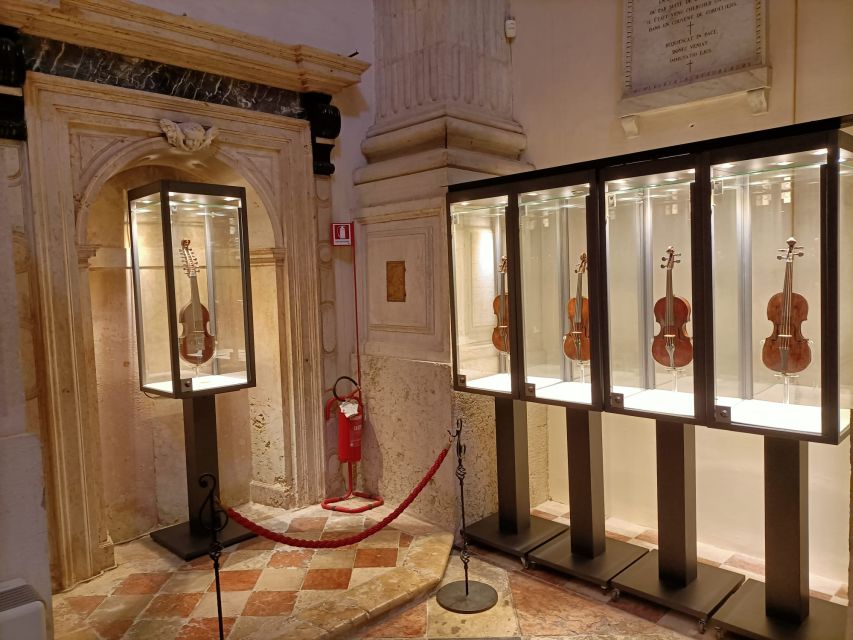
- San Maurizio Music Museum setup: you’re watching and listening with the history literally around you, not just reading it.
- Period instruments, not replicas in theory: about 200 playable instruments from the 1500s to the 1900s, plus the chance to hear them perform.
- Italian violin focus: the program highlights violin culture and includes the School of Stradivari experience at the museum.
- Baroque depth without being exhausting: Vivaldi and Venetian composers, plus major Baroque-era pages from Bach, Mozart, Tartini, and more.
- Short, concentrated format: 80 minutes total, which is great if your Venice day is packed.
The setting: San Maurizio and the feel of Venice Baroque
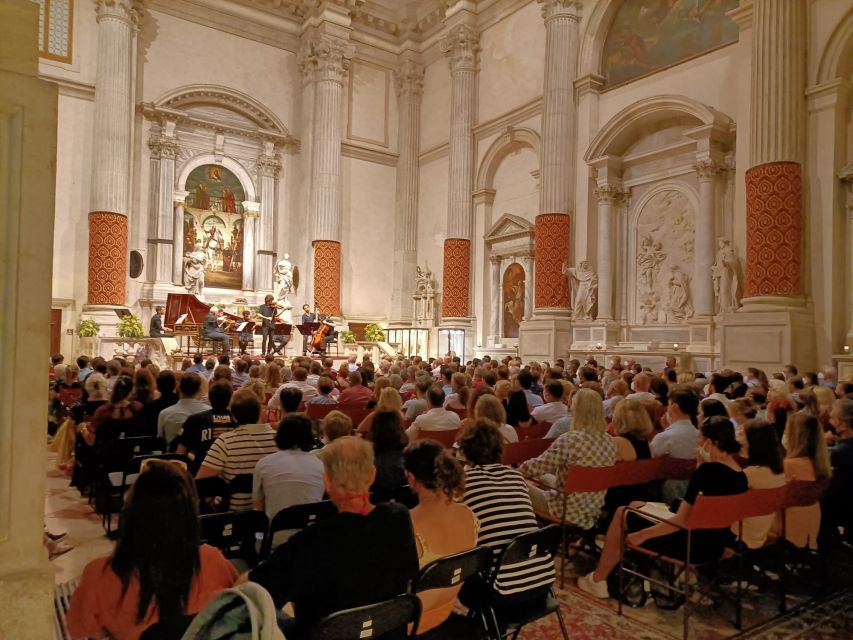
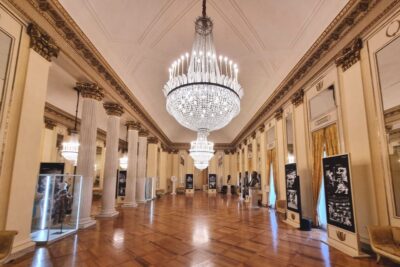
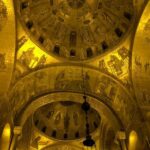
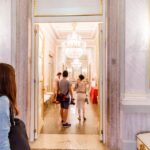
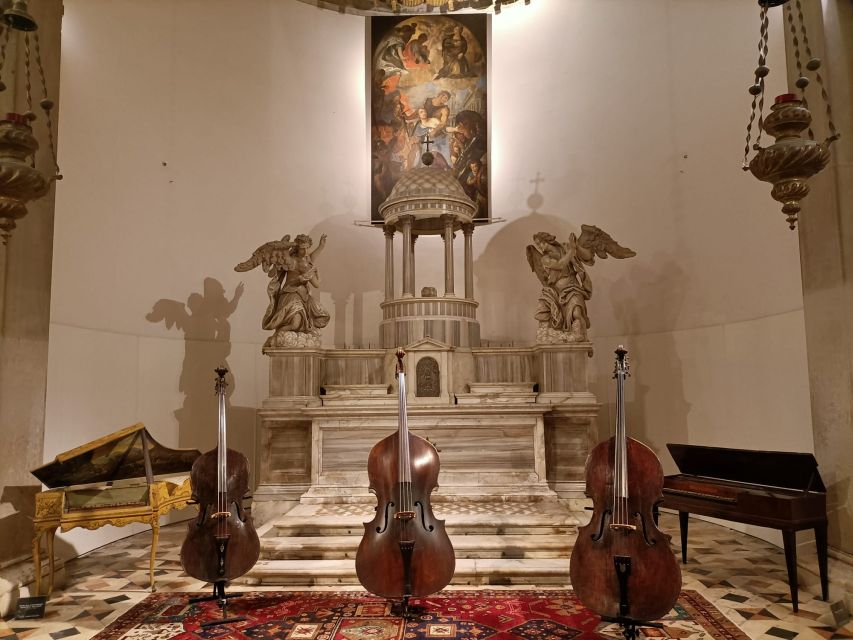
This experience is built on one simple idea: Baroque music works best when the room supports it. The concert takes place at the Music Museum in the San Maurizio Church, which matters because church acoustics and Baroque-era instruments have a natural chemistry. Even if you only know Vivaldi from The Four Seasons, you’ll quickly hear how composers of the period thought about rhythm, contrast, and ornamentation.
I like that this isn’t presented like a lecture. The museum visit helps you understand what you’re about to hear, and then the live performance brings it to life. The result is a smooth “see → understand → listen” arc that makes the evening feel purposeful rather than rushed.
You can also read our reviews of more tours and experiences in Venice.
Meeting at San Vidal and a practical walk toward St. Mark’s
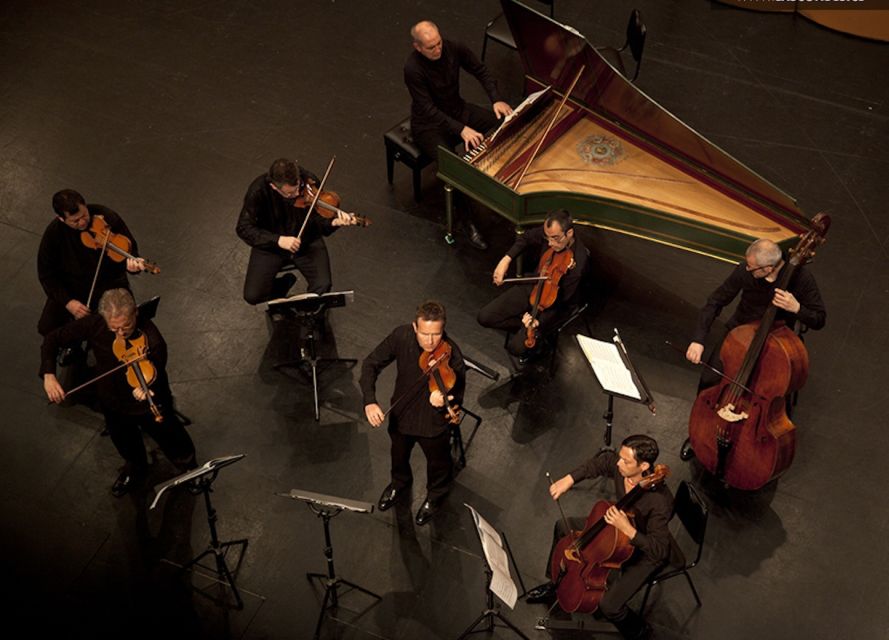
Your meeting point is the church of San Vidal, near Accademia Bridge in Campo Santo Stefano. From there, the San Maurizio Church–Music Museum is on the way toward St. Mark’s Square, so the location is easy to plug into a Venice itinerary.
No hotel pickup or drop-off is included. That’s actually a plus: you’ll stay flexible and won’t be stuck waiting for a van in a city where that can be slow. Still, do plan for some walking. The area is central, but Venice always asks you to commit to your feet.
Tip that saves time: arrive a few minutes early and take a quick look at your surroundings. San Vidal is close to the Accademia area, but once you turn down a canal-facing street, it’s easy to lose track of time.
Inside the Music Museum: what “200 playable instruments” means
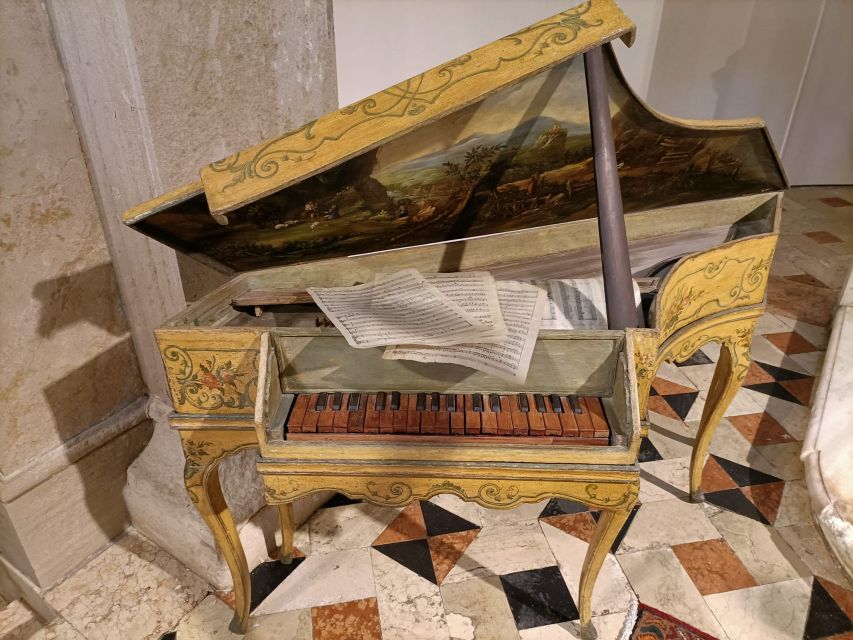
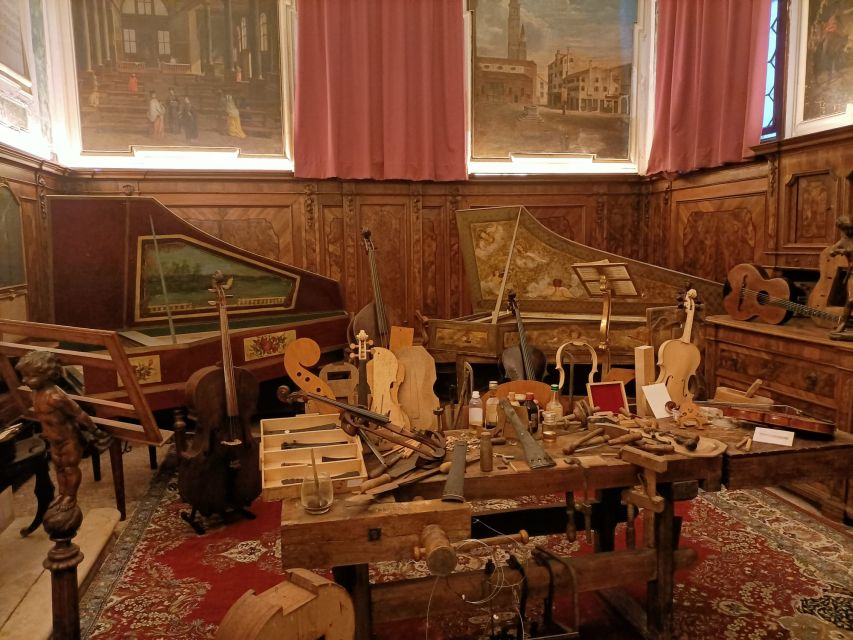
The museum part is the foundation of the whole show. You’ll explore a collection of about 200 musical instruments that are playable and span a huge timeline, from the 1500s to the 1900s. That range is important because Baroque isn’t just one sound. It changes with instrument design, materials, and performance practice.
Instead of treating the instruments as museum props, the experience frames them as living tools for making music. You’ll also learn techniques related to how musical instruments are made. The goal here is not to make you a luthier in 80 minutes. It’s to help you notice why tone color differs from instrument to instrument—and why musicians choose specific period-style setups for certain repertoire.
One practical drawback: museum rules can shape your comfort level. You can’t touch exhibits, and you also can’t use cameras or recording devices. If you like photographing details of instruments and labels for later, you’ll need a different strategy, like taking notes during quieter moments.
The School of Stradivari angle: why it matters for the sound
A standout theme is Italian violin culture, including the School of Stradivari portion inside the Music Museum experience. Even if you’re new to classical music, this part helps you connect two worlds: craftsmanship and performance.
In plain terms, violin sound comes from more than a musician’s hands. It’s the structure, the materials, and the way an instrument is made and set up that shape response and projection. The experience leans into that idea by teaching the incredible technique behind instrument making (without bogging you down in measurements or engineering talk).
If you’ve ever wondered why two violins can play the same note and still feel different, this is the time to care. You’ll likely walk out with a better ear for timbre and for how “Baroque” can sound bright, snappy, or more mellow depending on the instrument character.
The concert itself: Baroque composers and period-instrument performance
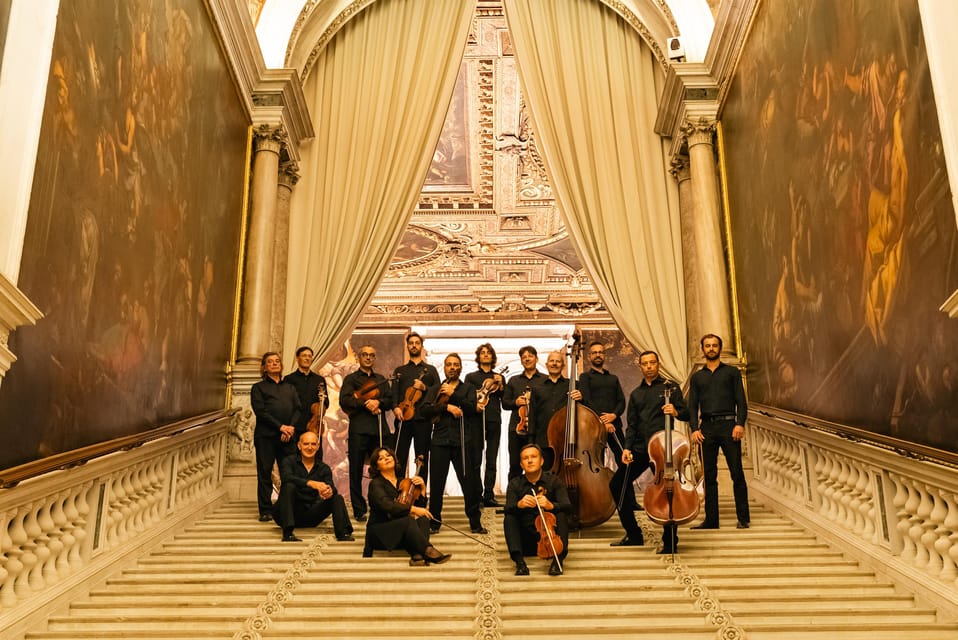
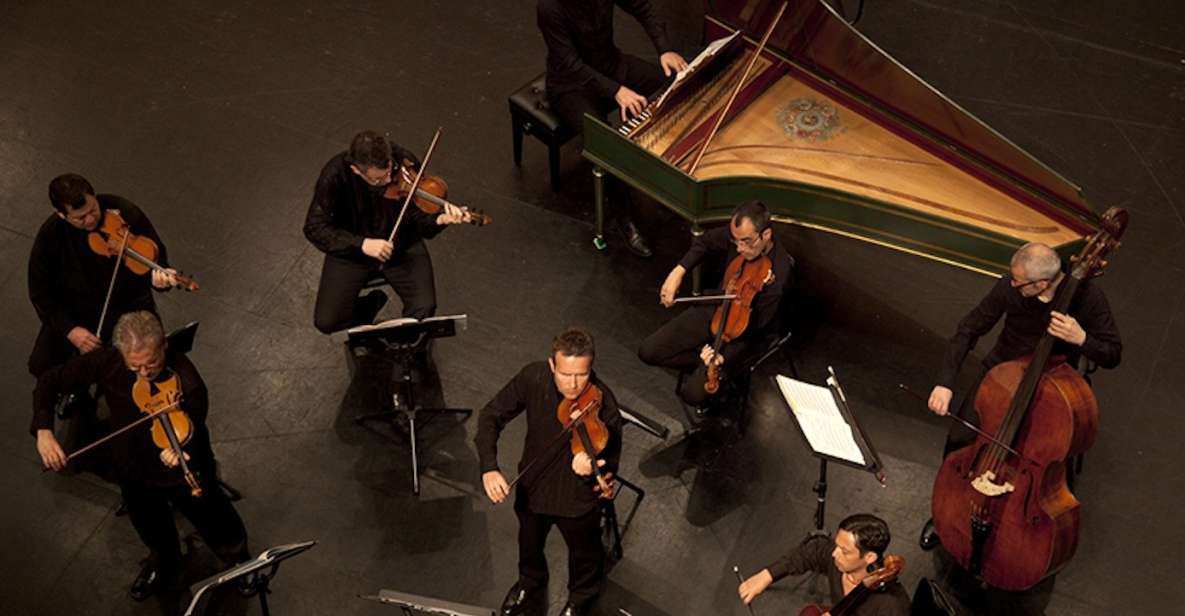
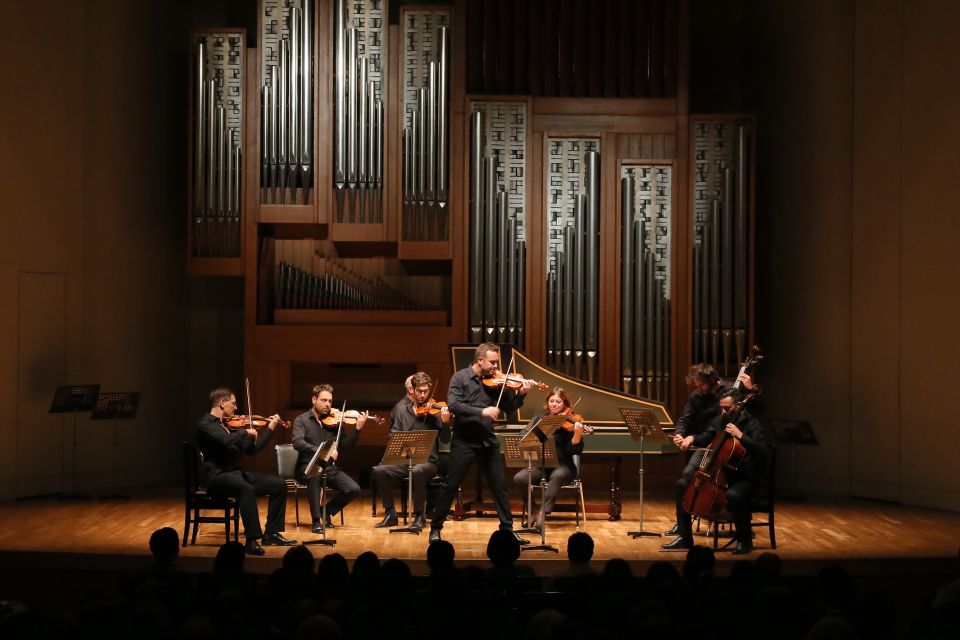
After the museum visit, the performance part is where the ticket justifies itself. You’re not just hearing modern interpretations in a generic hall. The description is clear: you’ll hear original instruments playing as part of the live event.
The music program centers on Vivaldi and Venetian composers, with works connected to major Baroque figures such as Bach, Mozart, Albinoni, Tartini, Marais, and Boccherini. That mix is useful for two types of listeners:
- If you mostly know Vivaldi, you’ll get context for how Venetian Baroque fits into the wider European scene.
- If you know several Baroque names already, you’ll get a Venice-flavored sequence that makes the era feel connected rather than scattered.
The pacing is also built for attention. The total duration is about 80 minutes, so you’re getting a complete evening-style arc without turning it into a long sit. Based on the overall tone of the experience, the performance is meant to feel energetic and precise rather than formal and distant.
And yes, the setting really matters. Church spaces can make string sound feel more “present,” like it’s filling the room instead of just arriving.

Price and value in Venice terms: $44.41 for a real music night
The price is $44.41 per person, and that number can feel either reasonable or high depending on what you compare it to.
Here’s the value logic that makes it work:
- You’re paying for a live Baroque concert performed by INTERPRETI VENEZIANI.
- The ticket is paired with a museum experience tied to the performance, including the School of Stradivari theme and exposure to a huge instrument collection (about 200 instruments).
- The entire time commitment is compact: 80 minutes. In Venice, saving time can be worth real money, especially if you’re balancing multiple sights.
Important nuance: the Music Museum admission is noted as free. That doesn’t automatically mean the ticket is overpriced, because the concert portion is what you’re truly buying. The museum connection gives you context, and the live performance is the main event. If you’re the type who hates paying just to sit and listen, this setup is more justified because you’re understanding what you hear as you go.
What to bring (and what to leave behind)
This experience has firm rules, and they’re worth reading before you head out.
Not allowed:
- Cameras and photography inside
- Video recording and audio recording
- Selfie sticks
- Luggage or large bags
- Pets (assistance dogs allowed)
- Smoking and drinks
- Alcohol and drugs
- Flash photography
- Touching the exhibits
- Unaccompanied minors
So keep it simple. Bring what you need for an evening walk and a seat: a small bag, your ID, and maybe a notebook for quick notes. If you’re traveling light anyway, these rules won’t bother you much. If you’re the type who always wants photos of instrument labels, you’ll have to accept that this is a “listen and remember” kind of night.
Also, plan for the route: you start at San Vidal near Accademia and end back at the meeting point. Wear walking shoes you trust.
Timing, languages, and who should book
Starting times depend on availability, and the duration is about 80 minutes. The host or greeter is available in English, French, Italian, German, and Spanish, so you should be able to follow along comfortably.
This is a great fit if:
- You want classical music in Venice but you don’t want a complicated, multi-stop tour.
- You like the idea of period instruments and want to connect sound to craft.
- You’re curious about the violin world and the Stradivari story without needing advanced knowledge.
- You’re trying to make The Four Seasons more meaningful by hearing the broader Baroque context.
It may be less ideal if:
- You need to film or photograph inside.
- You’re traveling with lots of gear and don’t want to deal with luggage rules.
- You’re short on evening time and hate the idea of a fixed 80-minute block.
Should you book this Vivaldi Baroque concert?
I’d book it if you want a compact, high-quality Venice music evening that explains what you’re hearing and then delivers it with period-instrument performance. The strongest reason to go is the pairing: museum context plus live Baroque music performed by talented musicians, in a setting designed for that repertoire.
If you’re on the fence, ask yourself one question: do you enjoy listening with intention? If yes, this is the kind of ticket that turns a visit into a memory. If you need lots of photos or you hate strict venue rules, you might prefer a different concert option where recording is allowed.
For most people—especially first-timers to live classical music—this is a smart way to get beyond background listening and actually enjoy Baroque as a craft and a sound.
FAQ
Where does the experience start?
The tour starts at the church of San Vidal, close to Accademia Bridge in Campo Santo Stefano.
How long is the concert and visit?
It’s listed as about 80 minutes. Starting times vary, so check availability.
Is the Music Museum free to enter?
Admission to the Music Museum is free.
Where does the experience end?
The activity ends back at the meeting point at San Vidal.
What languages are available for the host or greeter?
The host or greeter is available in English, French, Italian, German, and Spanish.
Is wheelchair access available?
Yes, the activity is wheelchair accessible.
Are cameras or phones allowed during the experience?
No. Cameras are not allowed, and photography inside is also not allowed.
Can I bring a big bag or luggage?
No. Luggage or large bags are not allowed.
Who performs the concert?
The experience provider is INTERPRETI VENEZIANI.