REVIEW · VENICE
Venice: Vivaldi’s Four Seasons Concert & Music Museum Visit
Book on GetYourGuide →Operated by INTERPRETI VENEZIANI · Bookable on GetYourGuide
A Vivaldi concert inside an old Venetian church.
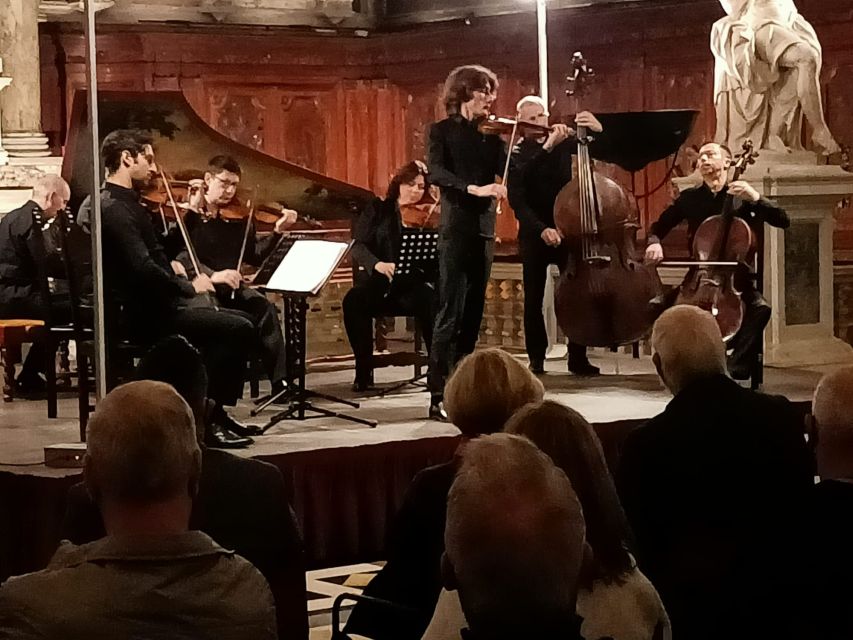
This day pairs the Museo della Musica di Venezia with a live performance of Vivaldi’s Four Seasons at Chiesa di San Vidal by Interpreti Veneziani. It’s the kind of combo that makes you feel like Venice is speaking through sound and stone, not just postcards.
Two things I especially like. First, you get to hear Vivaldi performed by Venetians in a space built for resonance, so the music feels close and physical, not distant. Second, you’re not stuck with abstract “classical talk” because the museum shows you instruments made across centuries and explains how the violin family can keep singing for generations—right down to how instruments are constructed.
One possible drawback: seating can be tight and not every spot is equally comfortable. If you’re hoping for a cushy evening, plan for more “church bench” than “concert hall,” and arrive early if you want a better view.
In This Review
- Key takeaways before you go
- Why San Vidal is such a strong setting for Vivaldi’s Four Seasons
- Interpreti Veneziani: the advantage of hearing Four Seasons in Venetian hands
- The music museum break: 200 original instruments in one day
- What you’ll see: Cremona tradition meets Venetian craft
- How the violin story makes the concert make more sense
- Timing and seats: how to avoid the classic church-concert frustration
- Rules that affect your day: what you can and can’t bring
- The value question: is $46 worth it?
- Who this is best for in Venice
- Should you book this Venice Vivaldi concert and music museum?
- FAQ
- Where is the concert held?
- What’s included with the ticket?
- Can I visit the museum on the same day as the concert?
- What are the museum hours?
- Is this experience available in English?
- Is the concert suitable for wheelchair users?
Key takeaways before you go
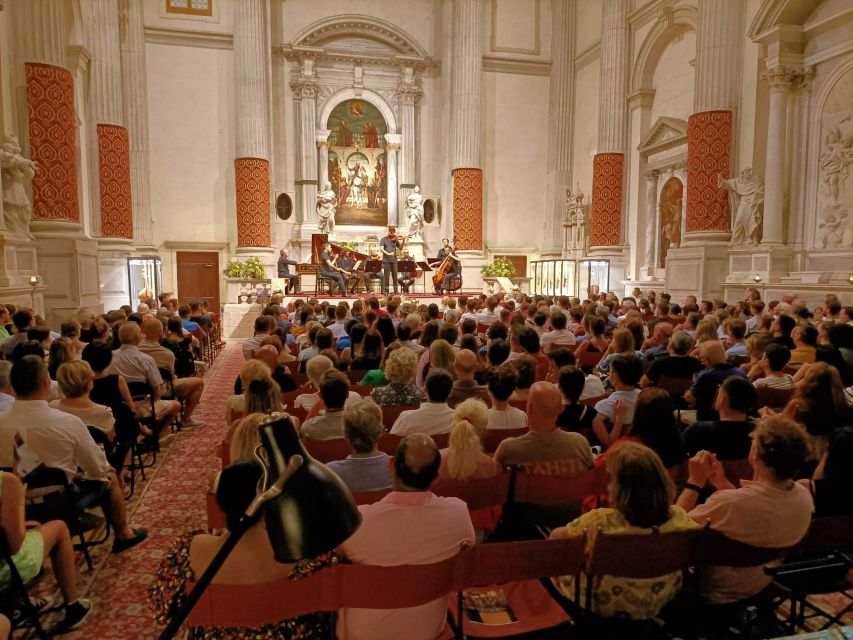
- San Vidal’s acoustics help Vivaldi’s strings sound sharp and alive, not muffled.
- No assigned seats means your arrival time affects where you end up.
- The museum visit is hands-on in spirit, with 200 original instruments you can actually connect to the music.
- You’ll see instruments from the 1600 to 1900 range, including pieces tied to the violin-making tradition from Cremona and Venice.
- Expect strict rules during the concert (no photography, no noise, no flash), and follow them closely.
Why San Vidal is such a strong setting for Vivaldi’s Four Seasons
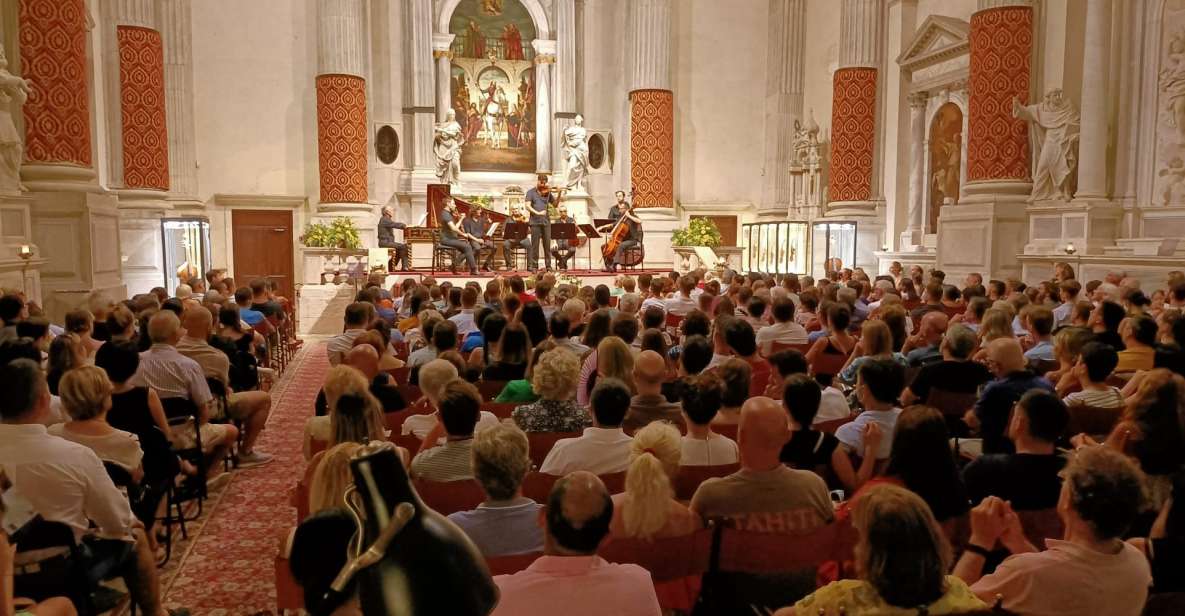
San Vidal is a historic church tucked between major Venice landmarks, and that location matters more than you might think. You’re not traveling across town after dinner—you’re in the Venice center zone, near the Accademia area and not far from St. Mark’s side. That makes it easy to pair with a day of wandering without turning the evening into a logistics puzzle.
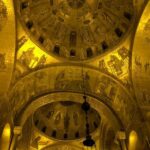
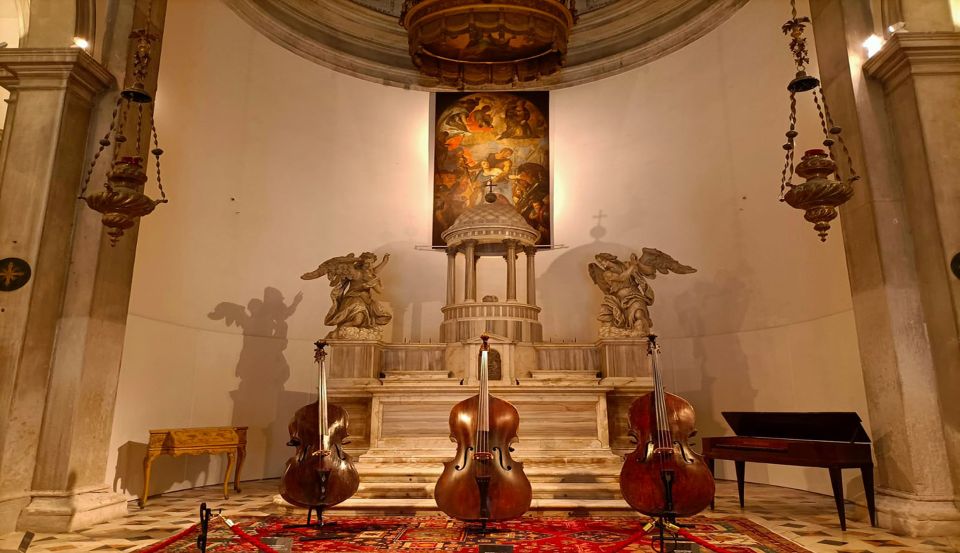
The real reason to go, though, is the sound. The church amplifies string tone in a way that makes Vivaldi’s fast passages feel crisp and Vivaldi’s slower lines feel intimate. Several people clocked that the venue’s acoustics feel special, and you’ll probably notice it within minutes of the first movement.
This isn’t a generic “listen to classical music” outing. You’re in a real worship space, among real stone and wood, with the ensemble performing in a way that feels connected to the room. It’s one of those evenings where you stop thinking about the city as a museum and start experiencing it as a living culture.
You can also read our reviews of more tours and experiences in Venice.

Interpreti Veneziani: the advantage of hearing Four Seasons in Venetian hands
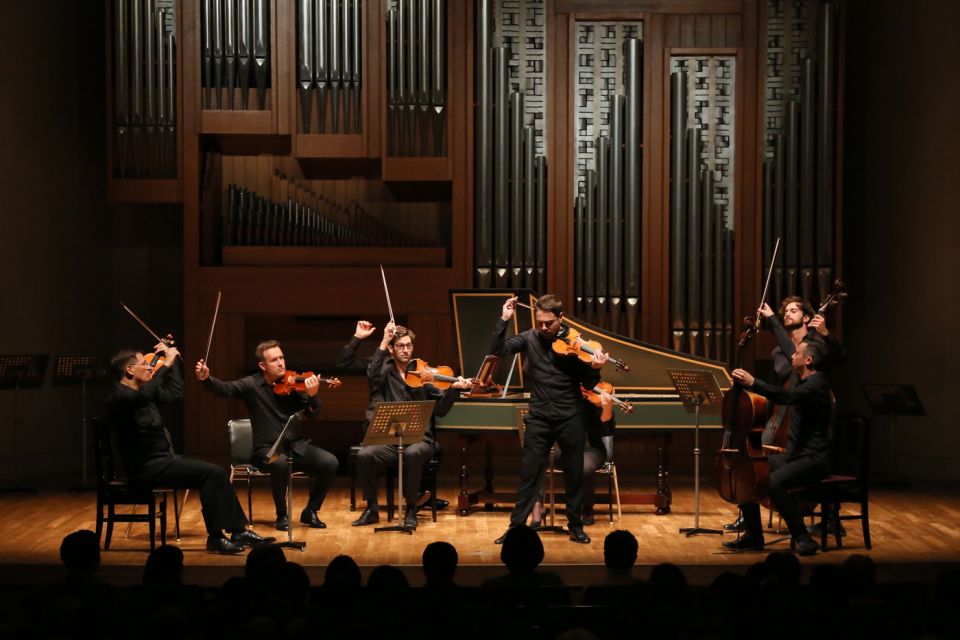
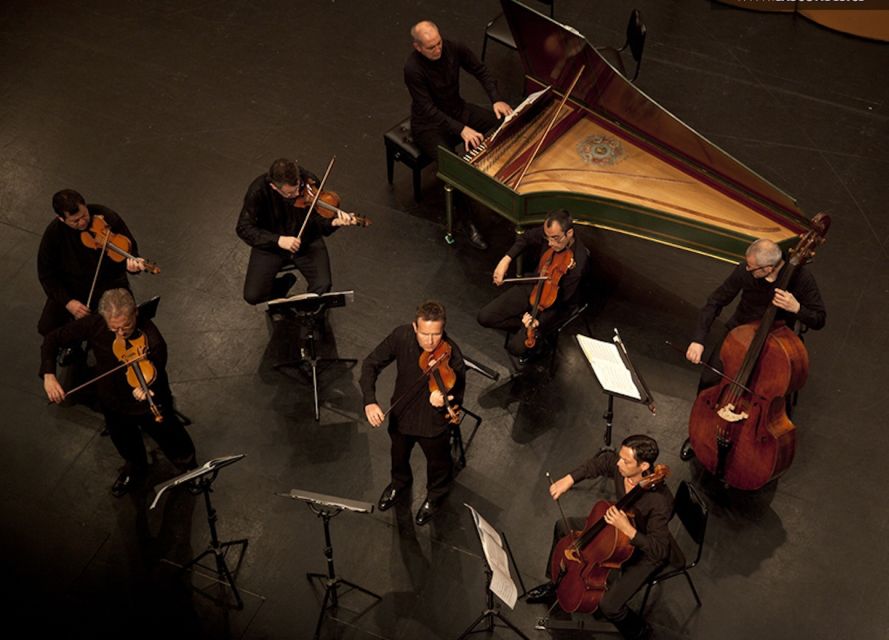
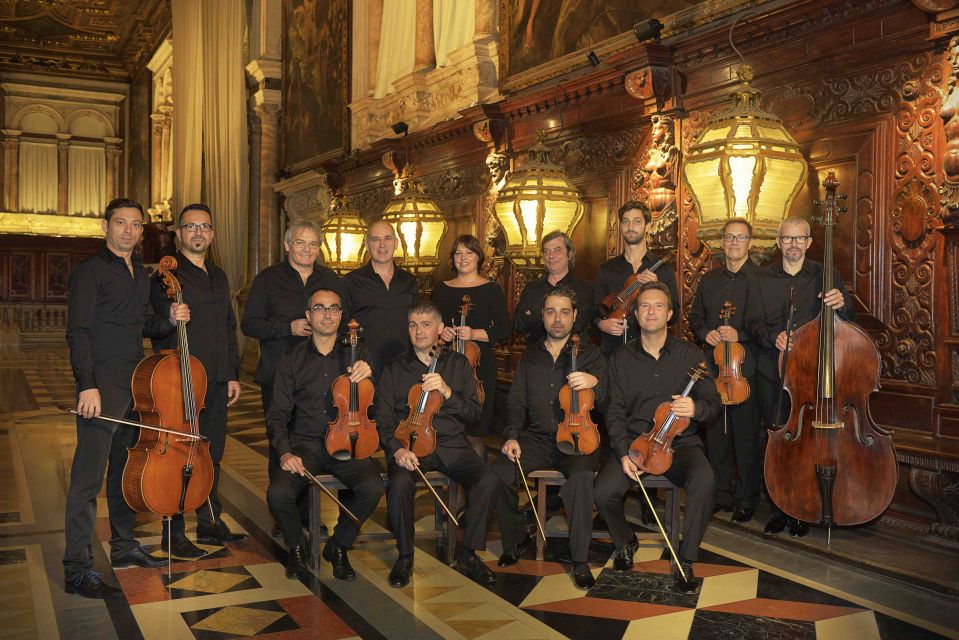
This concert is performed by Interpreti Veneziani, a baroque orchestra connected to Venice (and described as an ensemble with decades of experience). That “local baroque” angle isn’t marketing fluff. When musicians speak the style day after day, you tend to hear phrasing that feels natural, not “museum reenactment.”
Vivaldi’s Four Seasons is famous, but it’s also easy to get bored if you’ve only heard it through recordings that sand down its edges. Here, the performance leans into a clean, baroque-leaning tone with strong detail in the articulation. The result is that even familiar melodies can feel newly shaped.
One more thing: the program includes Four Seasons plus other pieces. That matters if you’re not a strict “I only want the famous tracks” person. You’ll get extra variety and a better sense of how the orchestra approaches baroque repertoire rather than treating the concert as a single highlight reel.
The music museum break: 200 original instruments in one day
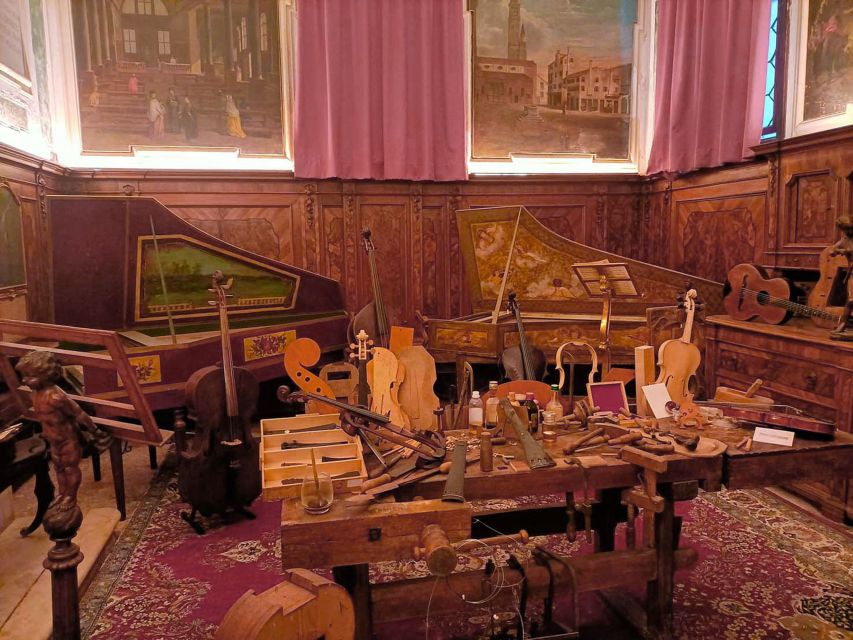
Your day starts with the Museo della Musica di Venezia. The ticket gives you access to a collection of about 200 original musical instruments created from 1600 to 1900. That time span is the museum’s secret weapon: you’re not just looking at a single era of instruments, you’re seeing how the craft evolved across centuries.
If you like travel that changes how you listen, this stop is worth your time. Instead of only thinking about the music as “notes,” you start thinking about materials, design choices, and how musicians can coax sound from wood, metal, and strings. It’s practical art appreciation.
The museum is located at S. Marco, so it’s in the Venice center grid. Hours are split: 10:00–13:00 and 14:00–19:00. Plan your visit around that rhythm, and don’t count on squeezing it in at the very last minute. One person had a rough evening when the timing didn’t match the site they used, so treat the day’s hours like a must-check item.
What you’ll see: Cremona tradition meets Venetian craft
The museum’s highlights aren’t random trophies. They’re tied to the violin-making story—how instruments were built to last and how that tradition helped shape sound for centuries.
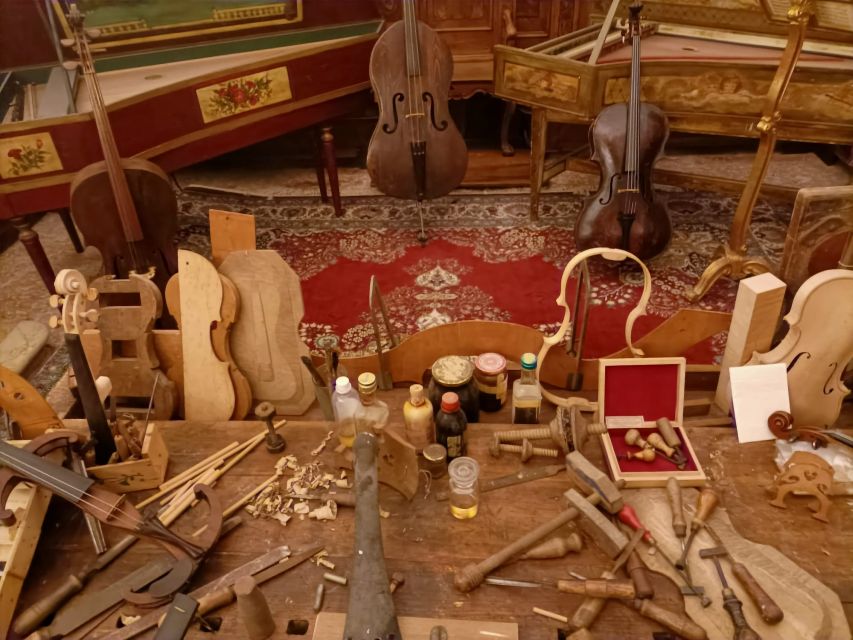
You’ll see instruments connected to the Stradivari school of Cremona, with references to makers like Bergonzi and Amati, including doublebasses. That’s a big deal if you’ve always heard names but never connected them to what they actually look like and how they function in performance.
Then there are Venetian instruments, including a violin associated with Matteo Goffriller and material described around the violin-making tradition linked to Antonio Vivaldi, also nicknamed the Red Priest. Even if you already know the big names, seeing instruments labeled with maker lineage helps you understand why baroque music still feels so “physical” when performed live.
And yes, the museum focuses on why instruments keep working. You’ll learn how a violin is created and how it’s possible for instruments to play for so long. That background helps when you sit down for the concert afterward—you stop seeing performers as just musicians and start seeing them as caretakers of craft.
How the violin story makes the concert make more sense
This experience doesn’t ask you to have a music degree. It gives you a framework. When you understand basic violin creation and what goes into the instrument, Vivaldi’s sound becomes easier to interpret.
Here’s what changes in your head: the violin stops being a single object and becomes a system. Wood selection, construction choices, and setup all affect tone and response. That’s why some performances of Four Seasons sound sharp and bright, while others sound heavy and rounded.
In the church, you’ll hear the benefit immediately: the ensemble’s clean string tone and the way lines connect to each other. When you’ve just walked through instrument details, the music feels less like background entertainment and more like a demonstration of craft in motion.
It also helps if you’re not a lifelong classical fan. Several people said they enjoyed the evening even without being “serious classical people,” and I think this combination is the reason. The museum gives you just enough context to stay curious during the concert, without turning the night into homework.


Timing and seats: how to avoid the classic church-concert frustration
Let’s be honest: the biggest practical variable is seating. There are no assigned seats, so you’ll want to arrive earlier rather than later if you care about view and sound balance.
From the experiences shared, coming about 30 to 45 minutes early helps a lot. People who arrived sooner reported better spots, including being closer to the front. One person even found a good seat by arriving later—so there’s no absolute rule—but your safest move is early.
Comfort is another variable. Some chairs were described as uncomfortable or noisy, which matters because Four Seasons isn’t a short program when you include the full arc. If you have a sensitive back, consider planning for that reality.
Temperature can also be a factor. One visitor noted the room felt warm and mentioned no AC in the seating area. Again, it won’t be the same for everyone or every season, but you’ll feel it if you’re the type who can’t ignore heat.
Finally, follow the concert rules. No flash photography, no photography inside, and no audio recording. They also forbid making noise during the performance and prohibit touching exhibits at the museum. Think of this as a “serious listening” evening, and you’ll have a better time because everyone around you will be on the same page.
Rules that affect your day: what you can and can’t bring
The experience is strict because it’s a protected church setting and a museum with original instruments. That affects your planning more than you’d expect.
You should expect restrictions like:
- No food or drinks inside
- No large bags (you’ll want to travel light)
- No pets (assistance dogs allowed)
- No flash photography, and no photography inside the concert area
- No touching exhibits, and no disruptive behavior
If you’re coming from a busy Venice day—shopping bags, snacks from the train station, a camera-heavy setup—this outing asks you to simplify. The upside is that the concert atmosphere stays focused. You’re there to listen, not manage distractions.
Also note the host or greeter is English-speaking, and staff assistance is included. That helps if you’re not sure where to pick up or where to go next once you’ve done your museum time.
The value question: is $46 worth it?
At $46 per person for a 1-day package, the value comes from the structure, not just the ticket price. You’re effectively paying for two experiences that reinforce each other:
1) the music museum, where you see 200 original instruments and learn how instrument-making works
2) the live concert, where that knowledge turns into sound in a resonant historic setting
If you only wanted the concert, you might feel the price is fair but not a steal. But pairing it with an instrument museum makes it feel more like a complete evening study of “how the music is made.” And because the ticket lets you visit the museum for free on the same day (before or after), it’s easier to fit into how you already travel around Venice.
The other value factor is performance quality. Many people described the musicians as excellent, emotionally compelling, and technically strong, and they called the venue standout. When you combine strong performers with good acoustics, $46 stops looking like a gamble.
Who this is best for in Venice
This is a strong match if you:
- want a cultural evening that doesn’t require deep classical knowledge
- enjoy the “place + performance” combo, especially in historic churches
- like to understand instruments and how they connect to sound
It’s also a good pick for couples and families. People reported bringing teenagers and said the evening still worked. Four Seasons is famous enough to hook people fast, and the museum adds enough variety to keep attention from drifting.
If you’re extremely sensitive to discomfort (tight seating, church benches), consider that drawback. If you’re traveling with lots of luggage, plan to travel light. If you want to take photos during the performance, you should know photography is not allowed inside.
Should you book this Venice Vivaldi concert and music museum?
Yes—if you want a Venice evening that feels specific, not interchangeable. The combination of San Vidal’s acoustics, a Venetian baroque orchestra, and a museum with original instruments gives you more than one “moment.” You get a day that teaches you how to listen, then rewards you with live sound.
Book it if Four Seasons is on your list, even if you’re not a hardcore classical fan. The museum context makes the concert easier to enjoy, and the performance quality is repeatedly the main reason people feel it was worth their time.
Skip it only if you’re looking for a casual, flexible evening where you can snack, wander freely with photos, or sit wherever you want without thinking about arrival time. This outing is designed for focused listening, and it works best when you show up ready to listen.
FAQ
Where is the concert held?
The Vivaldi concert is in San Vidal Church (and the experience also references San Maurizio Church as part of the setting/locations).
What’s included with the ticket?
Your day includes the Music Museum visit (Museo della Musica di Venezia) featuring about 200 original instruments, plus a live concert with Vivaldi’s Four Seasons performed by Interpreti Veneziani.
Can I visit the museum on the same day as the concert?
Yes. With this ticket, you can visit the Museo della Musica di Venezia for free on the same day—either before or after the concert.
What are the museum hours?
The museum is listed as open 10:00–13:00 and 14:00–19:00.
Is this experience available in English?
Yes. The host or greeter is English-speaking.
Is the concert suitable for wheelchair users?
Yes. The experience is wheelchair accessible.