REVIEW · CAPANNORI
Villa Reale di Marlia Entrance Ticket
Book on GetYourGuide →Operated by Villa Reale di Marlia · Bookable on GetYourGuide
Gardens with a scent trail beat the usual museums. I love the olfactory path and the restored grounds that make the whole place feel like a living time machine. One watch-out: you’ll be walking a lot on garden paths, so plan for comfortable shoes.
You also get more than scenery. The Royal Villa apartments tied to Elisa, Princess of Lucca and the Clock House museum with Countess Mimì Pecci Blunt’s collections give you a real sense of how private taste shaped public design. If you’re mobility-limited, note that the Clock House museum is stair-only, even though elevators exist inside the Royal Villa.
In This Review
- Key highlights to look for
- Villa Reale di Marlia: what this $21 ticket actually buys
- Getting oriented fast: ticket office, map, and the audioguide app
- The olfactory path: a perfume-powered way to read the gardens
- Twin houses, theaters, and the garden “stage set”
- Lemon Garden and the Spanish Garden of Deco
- Pan’s Grotto, Villa del Vescovo, and the Clock House area
- Clock House museum: Countess Mimì Pecci Blunt’s private collections
- Royal Villa apartments: Elisa Bonaparte Baciocchi’s empire-style rooms
- Food and the café break: where to pause without ruining your rhythm
- Kid activity: the €5 botanical treasure hunt
- How long you should plan: morning visit vs full-day wandering
- Price and value: $21 for gardens plus two major indoor stops
- Who should book Villa Reale di Marlia (and who might skip it)?
- FAQ
- FAQ
- What is the duration of the Villa Reale di Marlia ticket?
- Where do I go first?
- How much does it cost?
- What’s included with the ticket?
- Is there an audioguide?
- Is it wheelchair accessible?
- Is food included?
- Is there a kids’ activity?
- Should you book this experience?
Key highlights to look for

- Olfactory path with perfume cues that guide you through the gardens in a memorable, non-visual way
- Elisa’s apartments inside the Royal Villa, including empire-style rooms
- Green Theatre in the garden loop, linked to the famous violinist N. Paganini’s performances
- Clock House museum featuring collections by Countess Mimì Pecci Blunt
- Kid add-on botanical treasure hunt for €5 paid onsite
Villa Reale di Marlia: what this $21 ticket actually buys
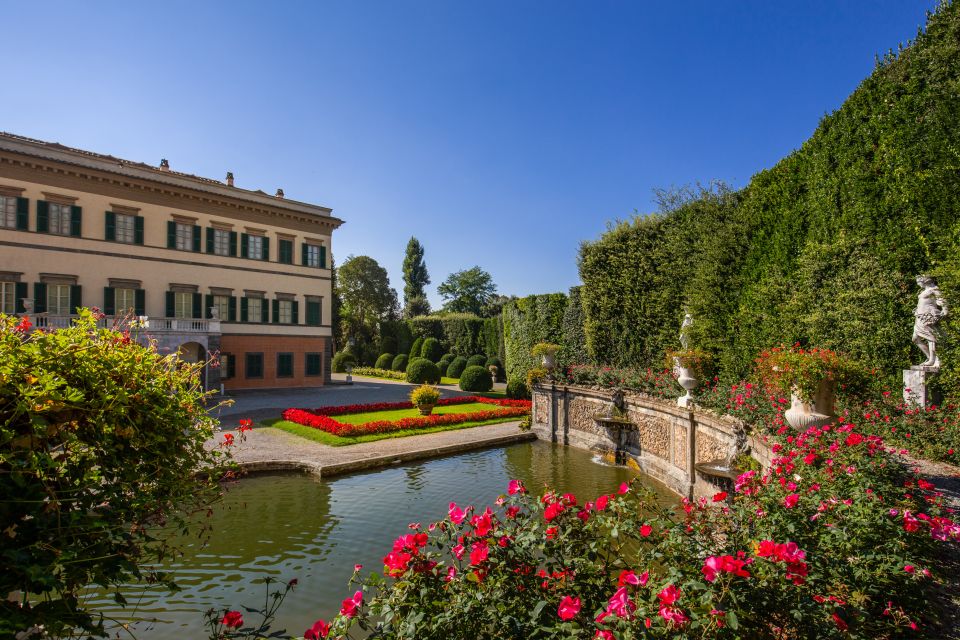
At about $21 per person for a 1-day visit, Villa Reale di Marlia is good value because it gives you three different kinds of pleasure in one ticket: planned walking (the gardens), storytelling (the audio/mapping experience), and indoor payoffs (Elisa’s apartments plus the Clock House museum).
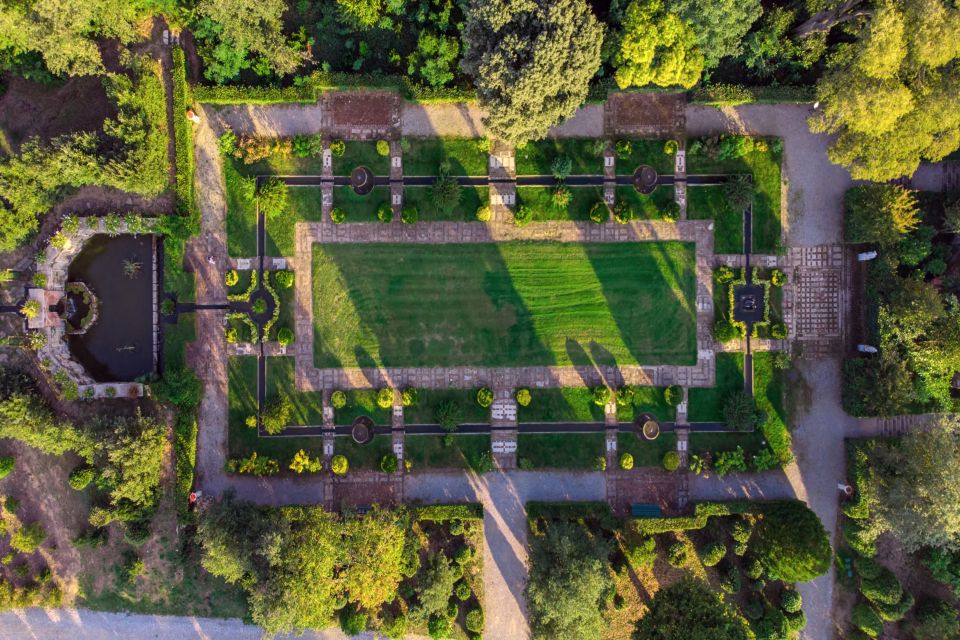
This isn’t one building that you quickly tour. It’s an estate spread across 16+ hectares, designed so you can move between garden “chapters.” That matters, because you’re not choosing between a pretty walk and museum time—you get both, without feeling like you’re speed-running either.
Another value point: you’re not stuck on a schedule with a live guide. You can move at your pace using the on-site map and the free smartphone audioguide app, Villa Reale di Marlia. You do need to be willing to walk, but you control the tempo.
Getting oriented fast: ticket office, map, and the audioguide app
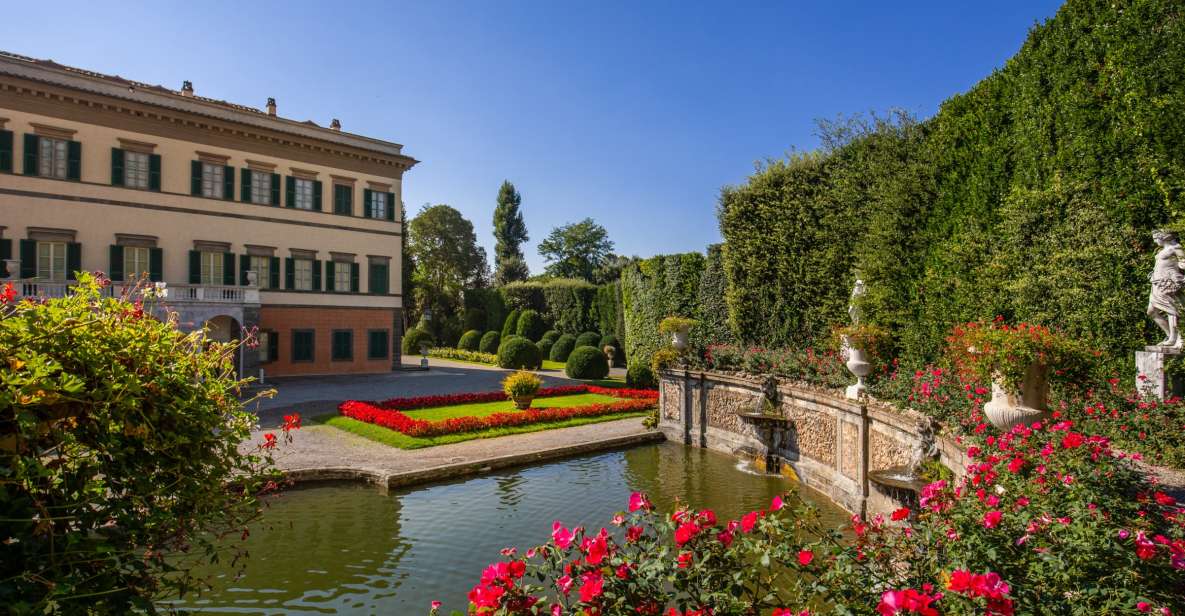
Your visit starts at the ticket office of Villa Reale di Marlia. When you get in, grab the included map—it’s not just wayfinding. It helps you connect what you see with what you’re meant to notice next, like how garden features link to eras and stories.
Then use the free audioguide via the Villa Reale di Marlia app. I like this setup because you’re not stuck listening to someone else’s voice in a group. You can pause, walk slower, and reread your bearings whenever your attention gets pulled by a view, a fountain, or a garden detail.
A quick practical tip: the best visits usually start with a “wind-down plan.” Pick one loop for the gardens, then decide whether you’ll add more museum time afterward. If you go in thinking you must see everything perfectly, you’ll rush the parts that are meant to be savored.
The olfactory path: a perfume-powered way to read the gardens
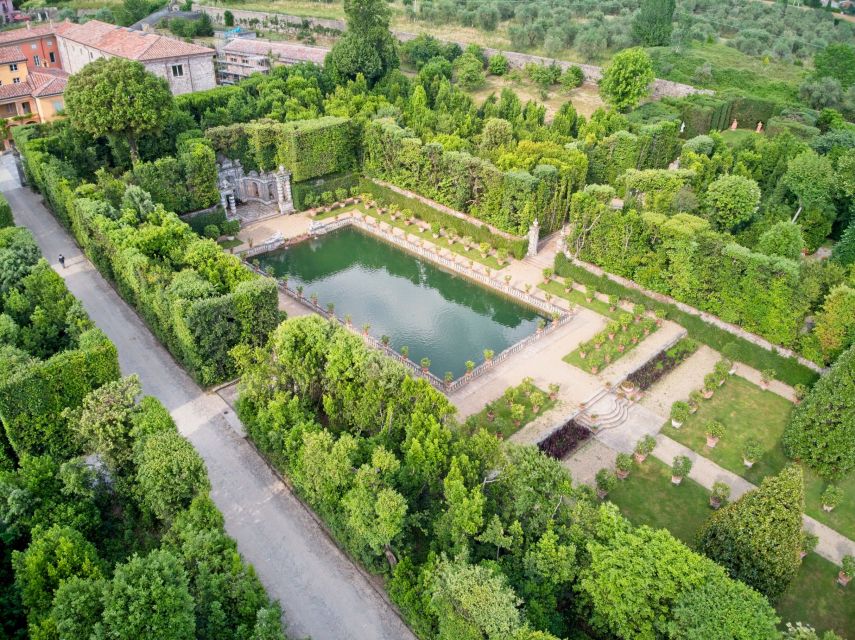
The signature experience here is the olfactory path, marked on the property map. Instead of relying only on signage or visuals, it nudges you to use your nose. The idea is simple and effective: you smell, you compare, you associate, and suddenly the gardens feel like they’re telling a story in layers.
This kind of attention changes how you move. You stop more often. You look longer. You catch the subtle rhythm of the estate—especially when you’re between garden sections and the atmosphere shifts.
The olfactory path also works well on days when the weather changes, because it gives you a different way to experience the villa beyond sun-and-shadows. You’ll still want to wear shoes built for paths, but the sensory focus makes the walking feel purposeful rather than just exercise.
Twin houses, theaters, and the garden “stage set”
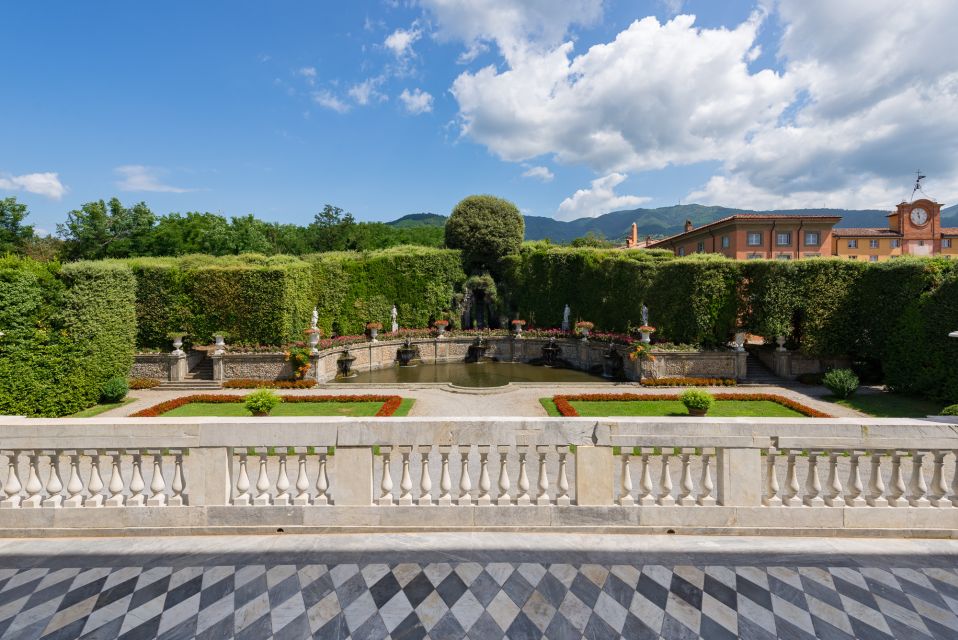
One of the smartest ways to plan your route is to treat the garden like a theater program: first you get the layout, then you watch it unfold feature by feature.
As you follow the marked route with your map and audioguide, you’ll come across the twin houses, plus two famous theaters: the Water Theatre and the Green Theatre. This is where the estate feels playful and theatrical, not stiff or purely formal.
The Green Theatre is a highlight for history-minded visitors. It’s described as the oldest in Europe where the famous violinist N. Paganini often performed for Elisa Baciocchi. Even if you’re not a music fanatic, the connection matters—because it tells you this estate wasn’t just about looks. It was built for culture, events, and public performances tied to the people in Elisa’s orbit.
One drawback to consider: if you’re expecting a single grand courtyard moment, you may need to adjust your mindset. The theaters are part of a walking sequence, so they shine most when you’re moving slowly enough to notice how the estate frames each stop.
Lemon Garden and the Spanish Garden of Deco

After you’ve gotten your bearings around the performance-style features, the garden starts shifting toward signature plantings and stylistic zones.
Don’t miss the Lemon Garden. Gardens here aren’t just “pretty plants.” They’re a design language. The lemon section adds a practical texture—something cultivated and maintained—so it feels more lived-in than just ornamental.
Then look for the Spanish Garden of Deco. This is the part of the visit where you can really enjoy the contrast: the estate includes multiple eras and design approaches, and you can feel it in the way these garden sections are planned and presented.
This is also a good time to take photos, but keep it realistic. The most satisfying moments are usually the ones you slow down for: a path curve, a view between structures, or a pause near a fountain or feature that your audioguide helps you place.
Pan’s Grotto, Villa del Vescovo, and the Clock House area

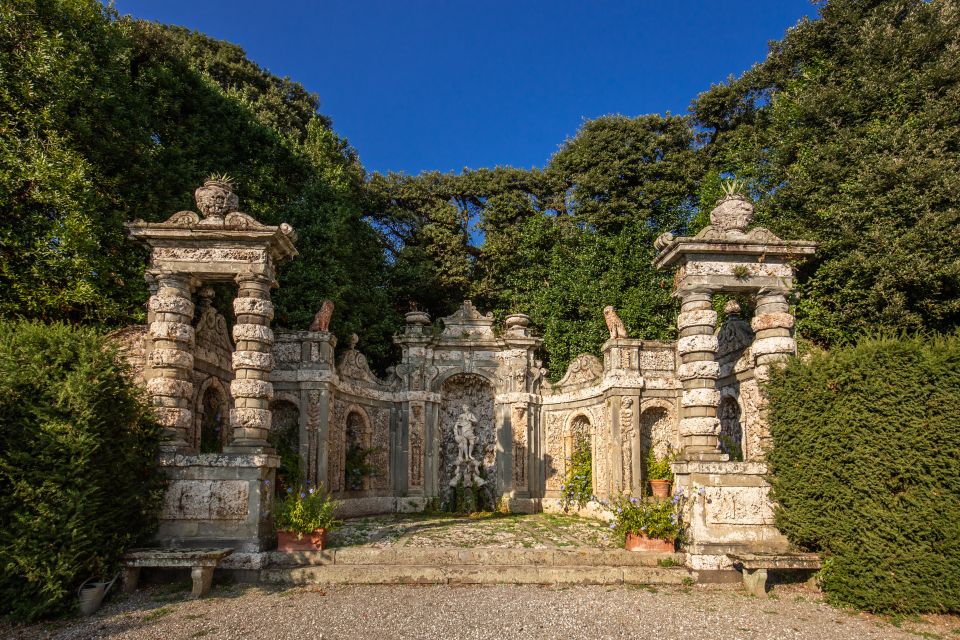
The estate adds drama as you move toward the more architectural garden highlights. Plan time for the historic buildings, including the Villa del Vescovo, located adjacent to the Nymphaeum called Pan’s Grotto.
Pan’s Grotto is a great stop because it feels like a break from straight garden paths. It gives you atmosphere—something crafted to make you think about mythology, retreats, and staged wonder. It’s the kind of place where you’ll want to slow down even if you’re tempted to keep moving.
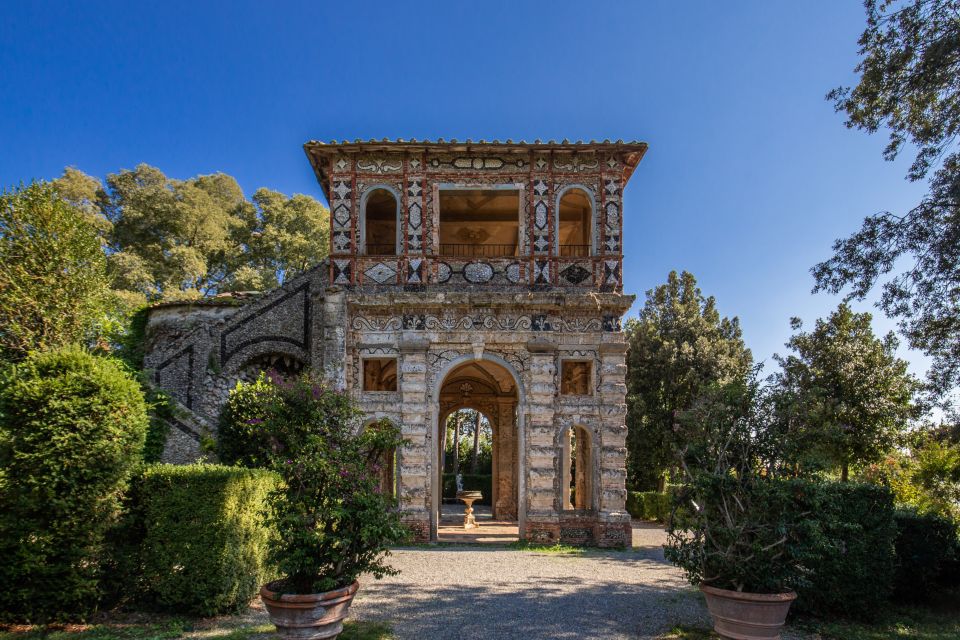
Near this part of the grounds, you’ll also spot the Clock House with its panoramic loggia. It’s both an architectural viewpoint and a gateway to the museum space, so it’s a natural pivot point: after gardens and grotto-like moments, you can transition indoors without losing the thread.
Clock House museum: Countess Mimì Pecci Blunt’s private collections
The Clock House museum is included with your ticket, and it’s one of the best indoor payoff stops because it adds “private world” context. You’re not just looking at gardens anymore—you’re seeing how collections and personal taste shaped the estate’s personality.
Inside, you’ll find the unique collections of Countess Mimì Pecci Blunt. The museum space is reachable only by stairs, so if stairs are a challenge, plan your day around it. The Royal Villa portion has elevators, but the Clock House museum itself doesn’t.
This museum works best when you let it be smaller than a big-city attraction. Instead of chasing every label like it’s a chore, give yourself time to browse slowly. It’s the kind of visit where the fun comes from facts, objects, and the feeling that you’re stepping into a curated personal world rather than a generic exhibition.
Royal Villa apartments: Elisa Bonaparte Baciocchi’s empire-style rooms
Your day ends with the Royal Villa apartments linked to Elisa Bonaparte Baciocchi inside the Royal Villa. This is a major reason the ticket feels worth it. You’re not only walking outdoors—you’re also stepping into spaces connected to imperial-era taste.
You can expect empire-style examples in Europe (as the estate presents it), with rooms designed to impress and comfort in equal measure. Even if you’re not a decorative-arts specialist, you’ll likely enjoy how the interiors echo the estate’s overall idea: power expressed through design, and beauty that’s meant to be lived with.
A practical upside: elevators exist inside the Royal Villa. So if your body needs a breather on a long garden day, this is where you’ll get real relief without having to skip the indoor highlights.
If you’re short on time, I’d prioritize the Elisa apartments over repeating outdoor loops. Indoors is where the estate’s story consolidates.
Food and the café break: where to pause without ruining your rhythm
Food and drinks aren’t included in the ticket price, but there’s a café on site. It’s perfect for a break that doesn’t force you into a whole detour off the property.
I like pairing a garden loop with a simple café reset because you can keep momentum without feeling guilty about sitting down. Grab something quick, find a seat with a view if you can, then return to the route refreshed.
Kid activity: the €5 botanical treasure hunt
If you’re visiting with children, plan for the botanical treasure hunt. It’s described as a fun add-on and costs €5 paid onsite. The great part is that it converts the garden into a game, so kids don’t only endure walking—they participate in it.
This also helps adults. When you do a treasure hunt-style activity, you end up noticing the small garden details you’d otherwise speed past. If you’re traveling with mixed ages, it’s often the difference between a “we got through it” day and a “we actually enjoyed it” day.
How long you should plan: morning visit vs full-day wandering
Most people won’t need a whole day to hit the core. An easy strategy is to plan a morning visit with enough buffer to add an indoor museum segment without rushing.
If you’re the type who lingers—especially when gardens are your thing—then a full day makes sense. The estate is spread out, so you’ll be rewarded for taking breaks and looping back to features you liked.
A realistic way to decide:
- If you want the main highlights and you’re comfortable with a steady pace, budget a half day to a morning.
- If you want slow garden wandering plus indoor time, budget most of the day.
Either way, the estate layout means you’ll always find something new nearby, but you’ll only fully enjoy it if you don’t force yourself to “tick off everything” like homework.
Price and value: $21 for gardens plus two major indoor stops
Let’s talk value plainly. At $21 per person, you’re paying for:
- entrance to the park
- entrance to Elisa’s apartments inside the Royal Villa
- entrance to the Clock House museum
- the map
- a free audioguide download on your phone app
- free parking
- wheelchair accessibility overall (with specific stair note for the Clock House museum)
In other words, the money goes into both the outdoor and indoor sides of the experience. You’re not paying only for scenery, and you’re not paying only for a single indoor building.
The best part is that the estate feels restored and well cared for, so your time doesn’t feel wasted. There are also moments of presentation that make the property feel thoughtfully maintained, including before-and-after restoration views that help you understand what you’re seeing.
One last value tip: if you like places that feel calmer than the big famous hits, Villa Reale di Marlia is often a smarter use of your time.
Who should book Villa Reale di Marlia (and who might skip it)?
This is a strong match if:
- you love gardens with a clear “route” and a sense of pacing
- you’re curious about Elisa, Princess of Lucca and how her world shaped the estate
- you want a mix of outdoor wandering plus museum time
- you’re traveling with kids and appreciate a structured activity like the botanical hunt
You might consider skipping or shortening your visit if:
- you have limited ability to climb stairs and need the museum spaces without steps (Clock House museum is stair-only)
- you dislike walking estates with lots of garden paths and prefer a single compact attraction
FAQ
FAQ
What is the duration of the Villa Reale di Marlia ticket?
The ticket is valid for 1 day. Starting times depend on availability.
Where do I go first?
Go to the ticket office of Villa Reale di Marlia as your meeting point.
How much does it cost?
The entrance ticket price is $21 per person.
What’s included with the ticket?
Included are entrance to the park, entrance to Elisa Bonaparte Baciocchi’s apartments in the Royal Villa, entrance to the Clock House museum, a map (including the olfactory path), the free smartphone audioguide app (Villa Reale di Marlia), and free parking.
Is there an audioguide?
Yes. You can download the free audioguide on your smartphone using the app called Villa Reale di Marlia.
Is it wheelchair accessible?
Yes, it is wheelchair accessible. However, there are elevators inside the Royal Villa, while the museum in the Clock House is reachable only by stairs.
Is food included?
No. Food and drinks are not included in the ticket price, though there is a café on site.
Is there a kids’ activity?
Yes. There’s a botanical treasure hunt that costs €5 paid onsite.
Should you book this experience?
Yes, if you want a day that feels like more than a standard museum stop. Villa Reale di Marlia is one of those rare places where the gardens aren’t just background—they’re the main event, especially with the olfactory path guiding you through the experience. Add in the indoor payoffs (Elisa’s apartments plus the Clock House museum), and the $21 price starts to feel very fair.
Book it if you like walking with purpose, want calm and space, and enjoy seeing how design connects to real people and events in Lucca’s world.