REVIEW · VERONA
Best of Verona Highlights Walking Tour with Arena
Book on Viator →Operated by Ways · Bookable on Viator
Verona clicks into place fast on this tour. I like how this small-group format keeps the pace relaxed, and I love that you get a skip-the-line entry experience at the Arena instead of losing time in queues. You’ll walk through the city’s Roman and medieval layers, with a guide turning street corners into stories you’ll actually remember.
One thing to plan for: this is a lot of outdoor walking, so on a bright, hot day you’ll want sun protection and a water bottle. A good guide will try to find shade when possible, but your comfort still depends on the weather.
In This Review
- Key highlights worth your time
- A 10:00 am route that mixes Roman Verona with medieval Verona
- Meeting point and the easiest way to start without stress
- Castelvecchio lanes: where the tour earns its keep
- Ponte Scaligero: a short stop with a big “why”
- Porta Borsari and the city’s shopping-laced elegance
- Piazza delle Erbe and Piazza dei Signori: power, rituals, and symbols
- Piazza delle Erbe (about 15 minutes)
- Piazza dei Signori (a key stop tied to the Dante statue)
- Arena di Verona: the skip-the-line moment that pays for itself
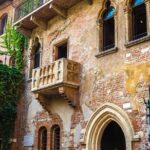
- Casa di Giulietta: legends, lanes, and what you should know about the balcony
- The late-2025 balcony access change
- What the guide style is like (and why it affects your value)
- Pacing, weather, and comfort tips that actually help
- Price: what you’re really paying for at $83.45
- Who should book this tour—and who might not need it
- Should you book this Verona highlights tour with the Arena?
- FAQ
- Where is the meeting point and what time does the tour start?
- Where does the tour end?
- How long is the tour, and how big is the group?
- What is included in the price?
- Which parts might require separate tickets?
- During Dec 6, 2025 to Jan 6, 2026, can I access Juliet’s Balcony?
- What’s the cancellation window for a full refund?
Key highlights worth your time
- Skip-the-line Arena di Verona entry with a guided inside visit (ticket included)
- Small group cap (16 people), which makes questions easy and stops feel personal
- Scaligero Bridge + Castelvecchio area views that anchor the “why” behind Verona’s layout
- Roman-era Piazza delle Erbe and power-squares like Piazza dei Signori (Dante vibes)
- Juliet legends at Casa di Giulietta, plus a note on balcony access timing in late 2025
A 10:00 am route that mixes Roman Verona with medieval Verona
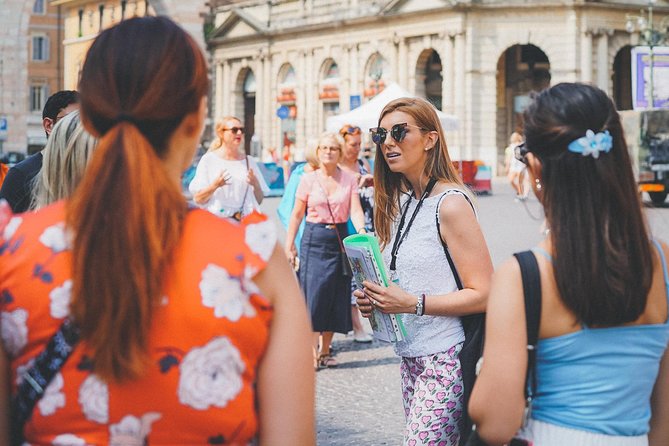
This tour is built for people who want Verona’s main hits without turning the day into a scavenger hunt. It starts in the Castelvecchio area and then threads through the historic center in a way that helps you understand how the city’s power shifted over the centuries: Roman streets and civic life, then the medieval rulers, and finally the Arena as the standout monument that still draws crowds.
At 3 hours (approx.) and with a maximum of 16 travelers, it’s not a slog. You get enough time at the key places to learn what you’re looking at, but it doesn’t drag long enough for the stories to blur together.
English is the working language, and the tour runs rain or shine—so you’re not stuck waiting for weather to behave. You’ll also use a mobile ticket, which is handy if you’re juggling a tight travel schedule.
You can also read our reviews of more tours and experiences in Verona.

Meeting point and the easiest way to start without stress

You meet at Via Teatro Ristori, 7, 37122 Verona, and the tour begins at 10:00 am. The end point is Arena di Verona, Piazzale Bra, 1.
Why this matters: Verona’s old center can be a puzzle when you’re arriving. Starting near Castelvecchio means you’re already positioned by one of the city’s best “layout clues.” You’ll likely feel oriented sooner, and that makes the rest of your day smoother—especially if you plan to explore on your own afterward.
Tip: don’t show up at the last second. The start is fixed, and since this is a walking route, a late arrival can throw off the group’s flow.
Castelvecchio lanes: where the tour earns its keep
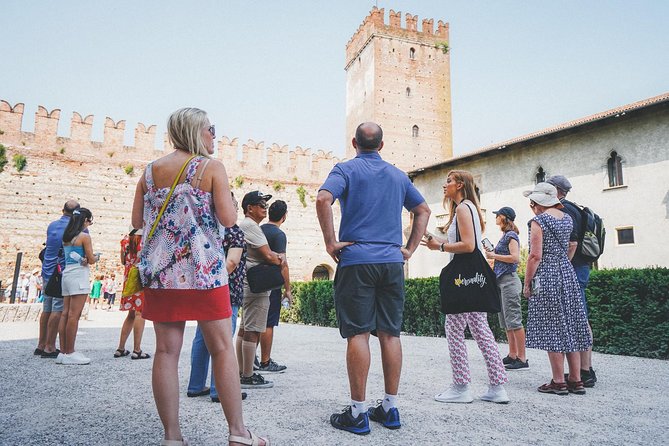
The first stop is Museo di Castelvecchio (about 15 minutes). Admission is not included, which is important to know up front. In practice, what you’re getting here is the guided context: why this area matters, how the bridge and nearby sights connect, and how Verona’s medieval identity formed around older structures.
You’ll walk through Verona’s lanes with your local guide and make several outward-looking moments—so you’re admiring major monuments without feeling like you’re stuck inside ticket lines for every single stop. This is a good use of time early in the route, because it sets the “map” for what comes later.
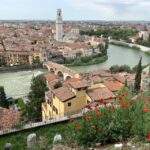
Then the tour moves into the area around Castelvecchio and the Scaligero Bridge, with views toward Bra Square and the Roman Arena amphitheater. Even if you’re seeing these landmarks from the outside first, it helps your brain file them correctly: the bridge acts like a connector between the castle zone and the Adige river area, and the Arena becomes the centerpiece you’ve been heading toward.
If you hate ticket fatigue, this is a smart rhythm: one paid museum stop isn’t forced on you, yet you still get the big-picture story.
Ponte Scaligero: a short stop with a big “why”
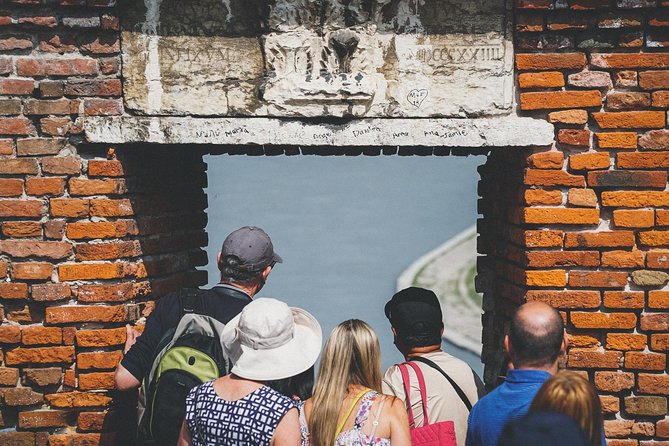
Next is Ponte Scaligero (about 10 minutes). It’s free to view—no extra ticket needed.
The tour’s focus here is not just the scenery. You’ll hear how the bridge was almost destroyed in a bombing and later rebuilt to look precisely similar to the original. That detail matters because it changes how you see the structure: it’s not only medieval architecture; it’s also a symbol of what Verona chose to restore and preserve.
This is the kind of moment that makes guided tours worth it. You look at a familiar-looking bridge, but you leave understanding what history did to it—and what effort went into bringing it back.
Porta Borsari and the city’s shopping-laced elegance
After the bridge, the route heads to the street area tied to Porta Borsari. This section is described as one of Verona’s more elegant, characteristic streets—and notably one of the city’s more exclusive shopping areas.
You might not get a long lecture here, and that’s fine. It’s a palate cleanser between the heavier Roman-and-ruler sites and the square stops. Plus, it’s a real slice of everyday Verona, where the historic walls and gates still shape modern movement.
Practical note: if you’re sensitive to crowds, this is where foot traffic can feel denser. Plan for normal city energy and keep your pace steady.

Piazza delle Erbe and Piazza dei Signori: power, rituals, and symbols
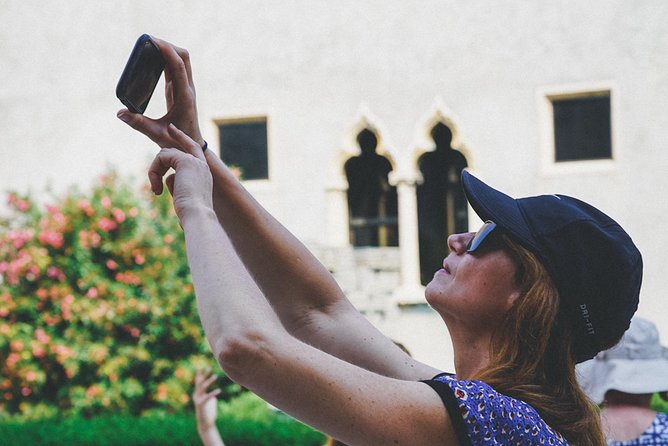
Then come two of Verona’s best-known squares, and the guide turns them into something more than “pretty places to photograph.”
Piazza delle Erbe (about 15 minutes)
This square was the Forum, the center of civic life during Roman times. You’ll stand in a place where the city’s public energy was once concentrated, and you’ll learn how that Roman function echoes through today’s atmosphere.
One of the signature details here is the fountain in the center. It’s associated with Scaligeri rule, so it becomes a visual clue for who held power and what they wanted people to remember.
Admission here is free, and that’s part of the value. You’re paying for storytelling and guidance, not for an endless list of paid entrances.
Piazza dei Signori (a key stop tied to the Dante statue)
This square was the former center of power in Verona. A major statue of Dante Alighieri dominates the area and is the reason the square often gets the nickname connected to Dante.
Why this is useful: you’ll start seeing the city as a system—Roman civic spaces, medieval authority squares, and monuments that function as political branding. It’s the difference between looking at buildings and understanding why they were placed where they were.
If your goal is to learn Verona fast and then go off-script to explore, this portion is doing the heavy lifting.
Arena di Verona: the skip-the-line moment that pays for itself
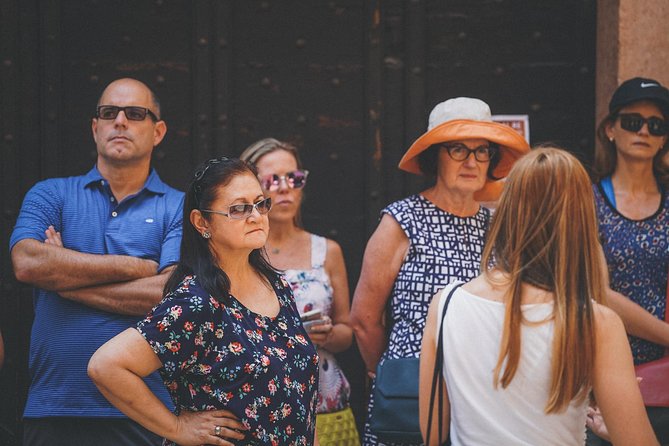
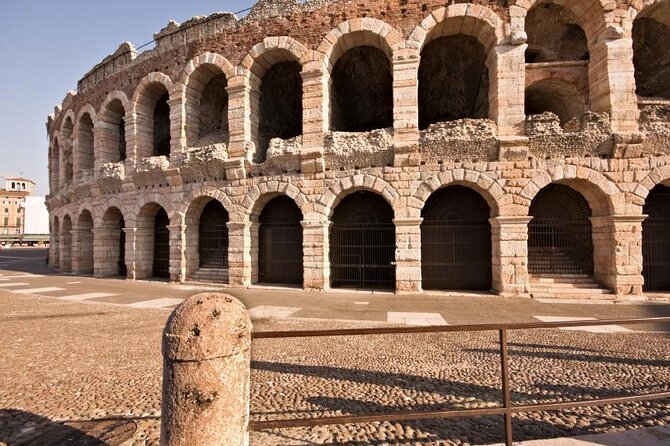
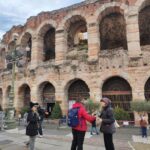
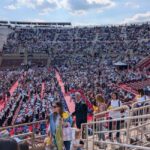
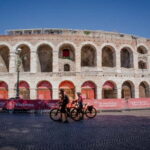
Now for the centerpiece: Arena di Verona. The guided visit here runs about 30 minutes, and the Arena entrance ticket is included. The big practical win is the skip-the-line access, so you’re not spending your most limited time standing in queue.
This stop is also where the tour does more than point. You’ll enter the amphitheater and listen to stories about it—what it was built for, how it functioned in its era, and why it keeps pulling people back even today.
A good rule of thumb: if you’re only willing to pay for one “must-see” ticket experience in Verona, make it this. You’re already paying enough by the time the route gets rolling, and the Arena inclusion is the part that turns “walking tour” into “real experience.”
A scheduling note: for the English tour, there’s a 30-minute break before the Arena tour. That break matters because it gives you a chance to reset—grab water, use a restroom nearby if you need one, and avoid the sticky feeling of rushing from square to amphitheater.
Casa di Giulietta: legends, lanes, and what you should know about the balcony
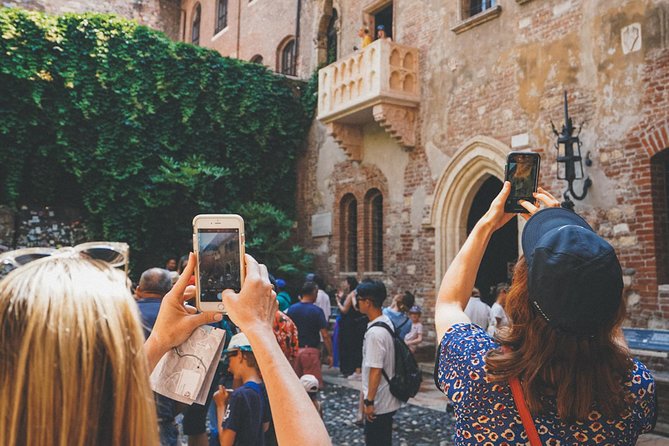
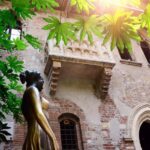
The last stop is Casa di Giulietta (about 15 minutes). Admission to the site and any balcony access is not included.
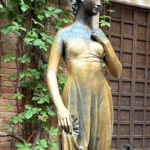
What you will get is the guided storytelling: legends tied to Juliet, the famous balcony reference, and the mix of Roman and medieval lanes around the old town walls. Even if you’re not chasing every photo opportunity, hearing the background makes the area feel less like a theme-park and more like a piece of Verona’s cultural imagination.
The late-2025 balcony access change
There’s an important caveat for dates between December 6, 2025 and January 6, 2026. During that window, access to Juliet’s Balcony is not included as usual because high visitor numbers mean the city has set a ticket requirement. You can ask for information on how to purchase your ticket, but it won’t be handled for you.
If your trip falls inside those dates and Juliet’s balcony is a must, I’d plan ahead so you’re not scrambling on the day.
What the guide style is like (and why it affects your value)
This tour lives or dies on the guide. The strongest versions of it use humor, invite questions, and connect architecture and streets to the people who lived there.
On this route, you’ll also notice guides with very different backgrounds in storytelling—some very history-minded, some more performance-like in delivery. Names that show up frequently in guide schedules include Serena, Franco, Francesco, Maria, Isabella, Priscilla, and Andrea. You won’t always get the same person, but the pattern is consistent: the best guides here keep you moving, then land the stories at the exact right stop.
Also, because the group stays small, you can ask practical questions like where power shifted, why a bridge looks the way it does, or what to prioritize after the tour. That turns the walk into a kind of guided map.
Pacing, weather, and comfort tips that actually help
Even with a good guide, you’re still walking outside. Verona can get hot, and one day of strong sun can make a normal tour feel longer than it is.
Do this:
- Bring water. You’ll be glad during that 30-minute break too.
- Pack sun protection (hat, sunscreen). Shade helps, but it’s not guaranteed everywhere.
- Wear comfortable shoes with good grip. Old-stone streets and bridge areas can feel uneven.
If you’re traveling with someone who gets tired easily, this is one of the better guided options because the stops are short and structured. But it’s still a walking tour, so don’t schedule something intense right before or right after unless you’re confident in your stamina.
Price: what you’re really paying for at $83.45
At $83.45 per person, the headline looks steep if you think of it like a “normal city walk.” The real value comes from two things:
- Arena di Verona ticket is included, and skip-the-line access saves time and hassle at a top attraction.
- You’re also paying for a local licensed guide, not just directions.
What’s not included helps clarify your total cost. Museo di Castelvecchio admission and Casa di Giulietta / balcony access are separate. Some other parts are free to admire, like the squares and the Scaligero Bridge viewing. So your final spend can vary based on whether you choose to pay for optional indoor experiences.
Bottom line: if the Arena matters to you (and it should), this pricing usually makes sense. If you don’t care about the Arena ticket experience, then a self-guided walk could be cheaper. But for most first-time visitors, this is a focused way to buy time back.
Who should book this tour—and who might not need it
Book it if:
- You want a first-day Verona introduction with a clear route through the biggest monuments.
- You care about the Arena, and you prefer skip-the-line entry.
- You like learning stories that connect Roman ruins to medieval power centers.
- You want a manageable group size and a guide you can actually ask questions to.
You might skip it (or pair it differently) if:
- You prefer slow solo wandering and don’t need guiding.
- You’re trying to minimize time in tourist hotspots like the Arena and Juliet area.
- You already know a lot about the city and mostly want photos and free time.
Also keep in mind: some parts of the walk may be tricky for reduced mobility. If that’s a concern, check with the operator before you go.
Should you book this Verona highlights tour with the Arena?
Yes—if you want the smartest use of a limited Verona day, this is a strong pick. The Arena di Verona portion is the key reason: it’s ticketed, guided, and built to avoid long queues. Add the squares and lanes—Piazza delle Erbe, Piazza dei Signori, the bridge-and-castle area—and you get a guided picture of how Verona worked as a city, not just a list of stops.
If the weather is hot on your travel day, plan for comfort. If you’re traveling around early December 2025 to early January 2026, plan for the Juliet Balcony ticket rule too.
FAQ
Where is the meeting point and what time does the tour start?
The meeting point is Via Teatro Ristori, 7, 37122 Verona, and the tour starts at 10:00 am.
Where does the tour end?
The tour ends at Arena di Verona, Piazzale Bra, 1, 37121 Verona.
How long is the tour, and how big is the group?
The tour lasts about 3 hours and has a maximum group size of 16 travelers.
What is included in the price?
Your price includes a local licensed tour guide and an Arena di Verona entrance ticket.
Which parts might require separate tickets?
Museo di Castelvecchio admission is not included, and Casa di Giulietta / Juliet’s balcony access is also not included as listed (with a special balcony rule for part of December 2025 to early January 2026).
During Dec 6, 2025 to Jan 6, 2026, can I access Juliet’s Balcony?
No, during Dec 6, 2025 to Jan 6, 2026 the tour does not include access to Juliet’s Balcony as usual. Balcony access requires a ticket purchased separately.
What’s the cancellation window for a full refund?
You can cancel up to 24 hours in advance for a full refund. If you cancel less than 24 hours before the start time, the amount paid is not refunded.