Bari moves fast, but this walk gives you the right pace. In just about two hours, you’ll bounce between Bari Vecchia’s big names and the everyday lanes that locals still use. I love how it mixes monuments with real street scenes, then lands on a food stop that makes the whole thing feel like a short local day.
What I also liked is the practical setup: luggage storage at the start and free Wi‑Fi, so you don’t spend your energy hunting for lockers or fighting bad data. One thing to consider: you’re walking the old town on tight streets, and a couple of notes point out it’s not ideal for strollers or anyone needing lots of step-free crossings.
In This Review
- Key highlights I think you’ll care about
- Two Hours To Get Your Bearings in Bari Vecchia
- Where You Meet on Strada Vallisa (and How Not to Miss It)
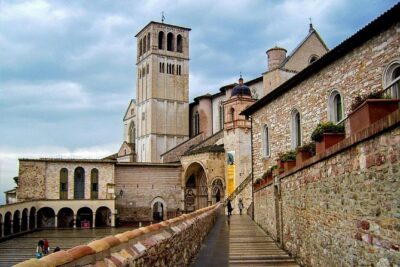
- Basilica of Saint Nicholas: The Crypt Moment and Time Inside
- Saint Sabinus Cathedral and the Swabian Castle Era
- The Narrow Streets Where Pasta Life Still Shows Up
- The French Part of Bari: Opera, Shopping Streets, and the Sea-Side Market
- Gelato Finale (or Focaccia in Cooler Months)
- Price and Value: What You’re Really Paying For
- Pace, Walking Conditions, and Group Size Reality
- What Makes the Guides Stand Out
- Should You Book This Bari Walking City Tour?
Key highlights I think you’ll care about
- Bari Vecchia focus in a short time: you get the main sights without turning it into a half-day marathon
- Icon stops you’ll recognize fast: San Nicola, Saint Sabinus, and the Swabian Castle area
- Food included to keep the energy up: homemade gelato as the usual finish, sometimes focaccia in colder months
- Local guide depth: many guides were praised for friendly explanations and good story pacing (some even add music at the end)
- Practical logistics: luggage storage and free Wi‑Fi at the meeting point
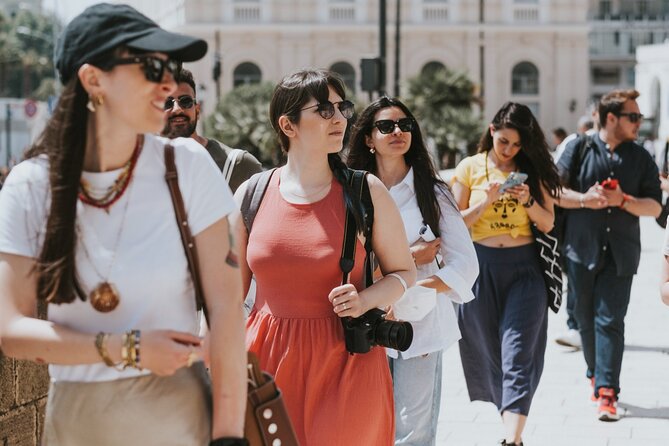
- Small-group feel: reviews describe groups in the teens, with a maximum allowed size of 99
Two Hours To Get Your Bearings in Bari Vecchia
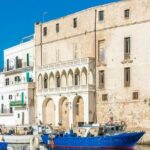
Bari can feel like two cities at once. You’ve got the old waterfront mood and then the quieter logic of the old town lanes, where people still live their daily routines. This tour works because it’s designed for orientation: you see the major landmarks, then you walk through the narrow streets long enough to feel how the neighborhood actually functions.
The timing matters. Two hours is short enough that you won’t dread the walk if you’re jet-lagged or coming in from the sea. But it’s also long enough for the guide to explain what you’re looking at and help you connect the dots, especially around the religious and historical anchors of Bari Vecchia.
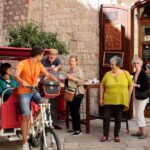
For me, the best part is how it balances big sights with street-level details. You’re not just doing a checklist. You’re watching how daily life looks in the narrow lanes—where kids play outside, and where cooking and small production can be right there at street level.
You can also read our reviews of more tours and experiences in Bari.


Where You Meet on Strada Vallisa (and How Not to Miss It)

You start at Strada Vallisa, 81, 70122 Bari. The key practical move here is simple: arrive a bit early. One recurring theme is that the meeting point can be tricky to spot, especially if you’re arriving from a port-side schedule or you’re still figuring out the neighborhood layout.
Also, plan to travel light if you can. This tour does include luggage storage at the starting point, but it’s still easier to enjoy the walk if you’re not dragging a heavy bag across cobblestones for the first stretch.
If you’re carrying a phone as your navigation tool, take advantage of the included Wi‑Fi at the start. It can help you map your next move after the tour, since the route ends right back where you began.
Basilica of Saint Nicholas: The Crypt Moment and Time Inside

One of the major anchors of the walk is the Basilica of Saint Nicholas, including its crypt. Even if you don’t know much about Bari’s religious history before you arrive, this stop is memorable because it’s instantly recognizable as a serious spiritual landmark, not just another church on a street corner.
What makes this stop especially good for you is the way it’s paced. Reviews note that you may get a window of time to enter the Basilica on your own at your pace. That matters. Church spaces often feel best when you can slow down, step away from the group rhythm, and look at details without feeling rushed.
Important practical note: entrance costs for monuments and museums are not included. So if you want to go inside everything possible, bring a little extra cash/card for tickets where required.
Saint Sabinus Cathedral and the Swabian Castle Era
After the San Nicola focus, the tour continues through the old town with stops tied to Bari’s deeper layers—especially the ancient Cathedral of Saint Sabinus and the Swabian Castle area. These names don’t sound like your average sightseeing labels, and that’s the point. They help you understand why Bari’s old town looks the way it does: the streets and views make more sense when you know what power centers once shaped them.
The guide’s role here is more than narration. It’s the “what to look for” part—explaining why certain corners matter, what architectural clues signal different eras, and how the city’s religious and civic identity overlapped over time.
One good thing I’d flag: if you’re trying to photograph, bring your patience. The streets are narrow, and you’ll be mixing in and out of small viewing pockets while the group moves along. It’s worth it, but don’t expect a wide-open, effortless photo safari.
The Narrow Streets Where Pasta Life Still Shows Up
This tour gets a lot right with its street-level pacing. You walk along the authentic lanes where you can spot daily Bari life: old ladies working, kids playing outside, and people cooking in small everyday ways.
One stop that tends to stand out is the orecchiette area, often linked to alley food culture. In a couple of guides’ styles, you’ll hear about the tradition behind those small, ear-shaped pasta pieces and get to see the neighborhood texture where that life happens. It’s one of those experiences that’s hard to replicate on your own unless you already know where to look.
This is also where the tour feels most “local” for your money. You’re not paying just for buildings. You’re paying for interpretation—how to read the neighborhood while you walk through it.

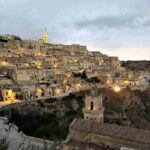

The French Part of Bari: Opera, Shopping Streets, and the Sea-Side Market
Then the tour shifts. You move from the core Bari Vecchia atmosphere into the modern French-influenced area, where you’ll catch the contrast: opera theaters, luxury shopping streets, lively squares, and the sea-side setting that makes Bari feel like a port city with opinions.
The sea-side market is a highlight here, especially if you like food culture and watching how communities trade and gather. Even if you don’t buy much, you’ll leave with a better sense of where the city gets its everyday energy: from the sea, from the stalls, and from the routine rhythm of people out in public.
This part of the walk also helps you plan the rest of your trip. Once you’ve seen where the market and the lively squares sit, it becomes easier to decide where to eat, where to wander after dark, and what area you might want to return to later.
Gelato Finale (or Focaccia in Cooler Months)
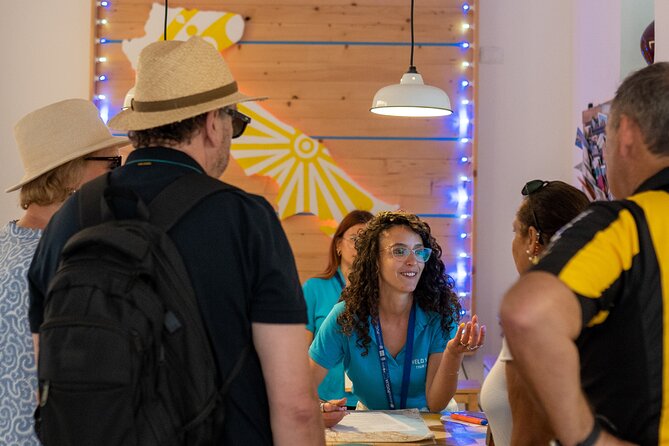
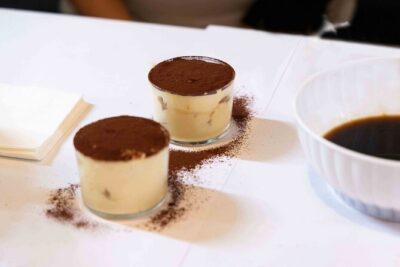
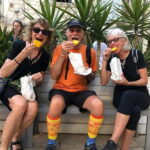
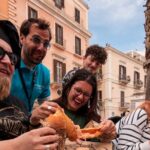
By the end, you get the payoff: homemade gelato included. It’s not just a sweet stop. It works as a reset button. After walking tight streets, you want a moment that feels like a reward, not a chore.
A useful heads-up from tour experiences: in colder months, some tours may provide focaccia barese instead of gelato. Either way, you still get that included local food hit, and it’s a better ending than trying to find gelato while you’re already tired and hungry.
And yes, people really do talk about the taste. That last stop helps turn the tour into more than a history lesson. It becomes a small taste of Bari you can remember when you’re back at your hotel and still thinking about the streets you walked.
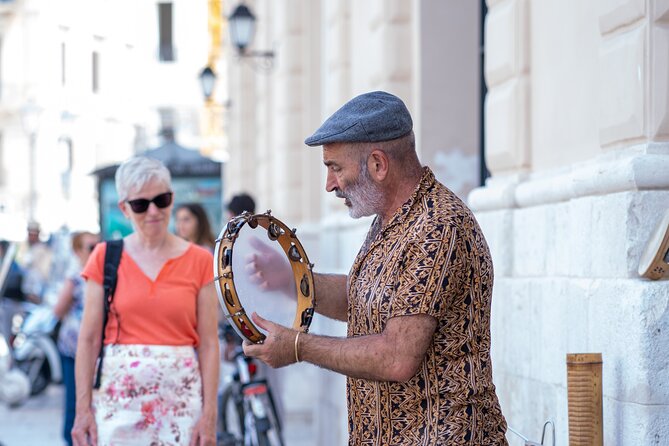
Some guides also add a fun touch at the end, like music or a sing-along with a local musician. It’s not something I’d assume every single day, but it’s been part of the experience with certain guides.
Price and Value: What You’re Really Paying For
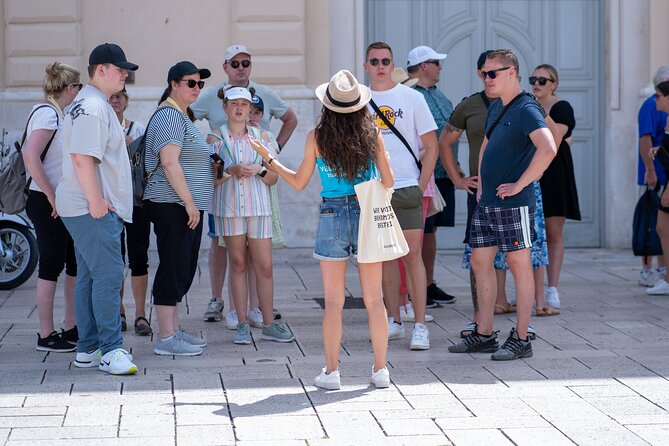
At $38.70 per person for about 2 hours, this sits in the “good value” zone for a city walking tour—especially because you get more than just a route.
Here’s what you’re buying:
- A local guide who helps you interpret landmarks you might otherwise skim past
- Luggage storage and Wi‑Fi, which saves real stress and time
- A food finish (gelato normally, focaccia possible) that makes the tour feel complete
- A format that’s short enough to fit into a travel schedule without grinding your feet all day
Entrance fees to monuments and museums aren’t included, so don’t plan on using this as your one payment to cover everything. But if you’re smart and treat monument entry as optional upgrades, the price feels fair for the guide time and included food.
Also, many people book it as an orientation move. If you only have a limited time in Bari, paying for a guided walkthrough can save you from spending the first day wandering in the wrong direction.
Pace, Walking Conditions, and Group Size Reality
This is a walking tour through a historic core, so expect uneven, narrow, and sometimes cramped passageways. Reviews also note it isn’t especially stroller-friendly, and guides may not always prioritize accessible crossings for strollers.
If you’re bringing a stroller or you have mobility constraints, I’d treat this as a “check first” situation. Ask what the route looks like for your needs before you commit, and be ready for some stretches where you’ll move slower than you would on a modern street.
On pace: most descriptions place it around the advertised time, but a couple of experiences report it ending earlier than expected. That usually means the guide adjusted for the group or the flow. Either way, you’ll likely finish with enough energy to grab your own lunch and keep exploring.
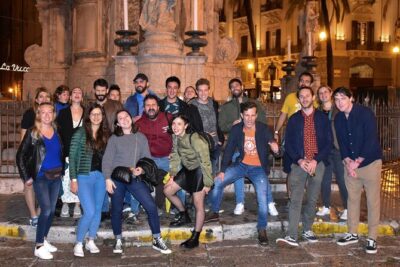
Group size: one review described a group around 15–17 people. That kind of size tends to work well: small enough for questions, large enough that you don’t feel like you’re holding the guide hostage.
What Makes the Guides Stand Out
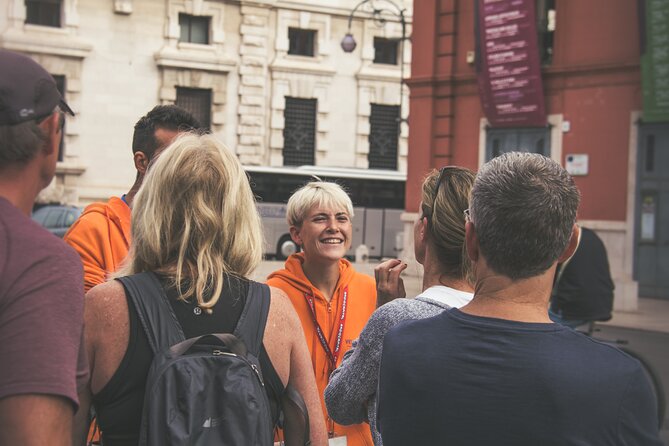
A big part of why people rate this tour so highly is the guide style. Names that came up in excellent experiences include Julia, Giulia, Barbara, Federica, Alessia, Elissa, Vincenzo, Chiara, and Iris—and what they had in common was a friendly approach and good explanations.
You’ll notice the difference in how the tour feels:
- Guides who don’t rush you and leave space to absorb a place
- Guides who speak clearly in English, and in some cases handle multiple languages for mixed groups
- Guides who keep the group together while still allowing short personal time inside key sights
One practical tip from the experience pool: if your hearing is critical, consider that you might benefit from better audio. A review suggested headsets would help, so if you’re sensitive to sound in groups, keep that in mind.
Should You Book This Bari Walking City Tour?
I think this is a strong booking if you want a fast, guided way to understand Bari Vecchia and then see where the city opens up toward the sea and the market areas. It’s especially worth it when you like food stops that feel local—like gelato or focaccia—and when you want a guide to explain what you’re looking at.
Skip it or choose a different format if you:
- Need a very step-free or stroller-friendly route
- Want a deep museum-style experience (this is focused on the walk and orientation)
- Have a schedule risk (like an uncertain dock time) and can’t build a buffer to get to the meeting point
If you’re in good walking shape and you want a smart first taste of Bari, this tour hits a sweet spot: major landmarks, real neighborhood texture, and a satisfying included finish.