REVIEW · CATANIA
Catania: Volcanic Wine Tasting in a Metropolitan Market
Book on GetYourGuide →Operated by Kemedia · Bookable on GetYourGuide
Volcanic wine meets street-level Catania. Set in Piazza Scammacca, you’ll learn how eruption soils shape aroma and flavor, then taste four Sicilian volcanic wines with food that’s built for each pour. It’s a smart, story-driven way to experience Catania’s food-and-wine culture without needing to know anything about wine first.
I especially like the volcano-to-glass explanation—how different volcano origins and soil composition show up in what you smell and taste. I also love that you don’t just drink; each wine arrives with food samples matched by a sommelier and chefs.
One consideration: the pacing can feel slow between tastings in some sessions, so if you want a nonstop conversation the whole time, be ready to enjoy the atmosphere and the market setting while you wait for each next pour.
In This Review
- Key things to know before you go
- Piazza Scammacca: the market setting that makes volcanic wine feel real
- The volcanic wine story: how soil and eruption history change what you taste
- The 1.5-hour flow: what happens between the first and fourth glass
- The food pairings: small plates that actually match the wine
- Your sommelier and the language mix: English or Italian, with real personality
- Price and value: is $53 for four volcanic wines fair?
- Where it feels special: the room, the mood, and Catania in the background
- Who should book this volcanic wine tasting in Catania?
- Small trade-offs to plan around
- Should you book? My take on this Sicilian volcanic wine tasting
- FAQ
- FAQ
- Where is the meeting point?
- How long is the wine tasting?
- How much does the tasting cost?
- What’s included in the ticket?
- Are additional food or drinks included?
- What languages are offered during the tasting?
- Is the tour wheelchair accessible?
- Is this experience suitable for children?
- Is it suitable during pregnancy or for medical conditions?
- Is there free cancellation and can I pay later?
Key things to know before you go
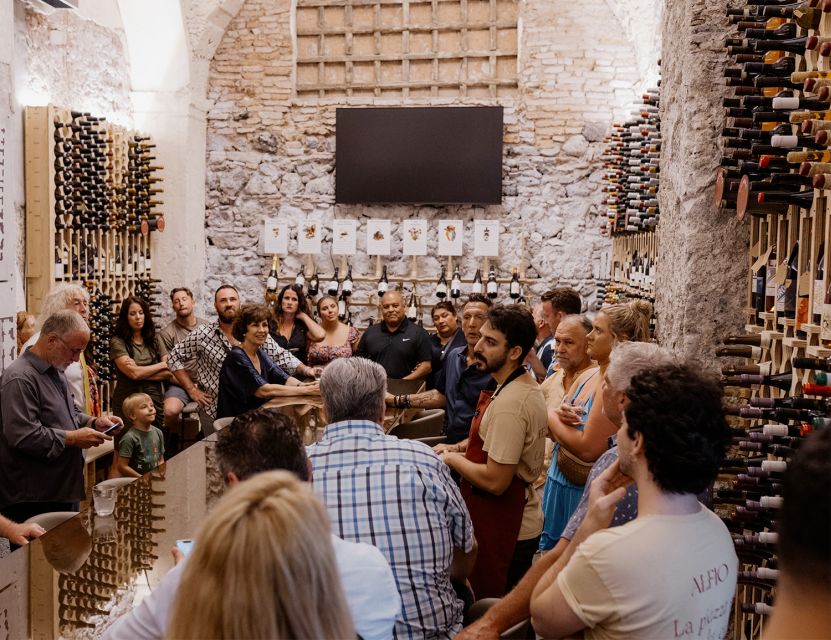
- Piazza Scammacca is the stage: Catania’s first metropolitan market, right where local life happens
- Four glasses, each paired with a bite: food and wine are designed to work together, not side-by-side
- Volcanic terroir is the main character: different eruption histories affect smell and flavor
- Your host may include sommeliers like Luca, Dominico, Andrea, or Frederico: English or Italian, with real local authority
- The tasting room can feel special and historic: some sessions take place in a venue area associated with an old church or cathedral
Piazza Scammacca: the market setting that makes volcanic wine feel real
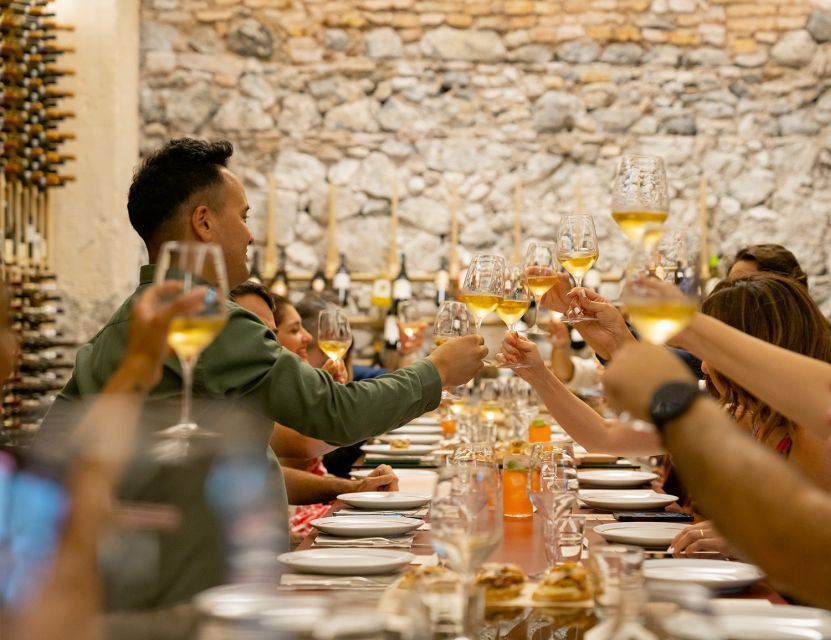
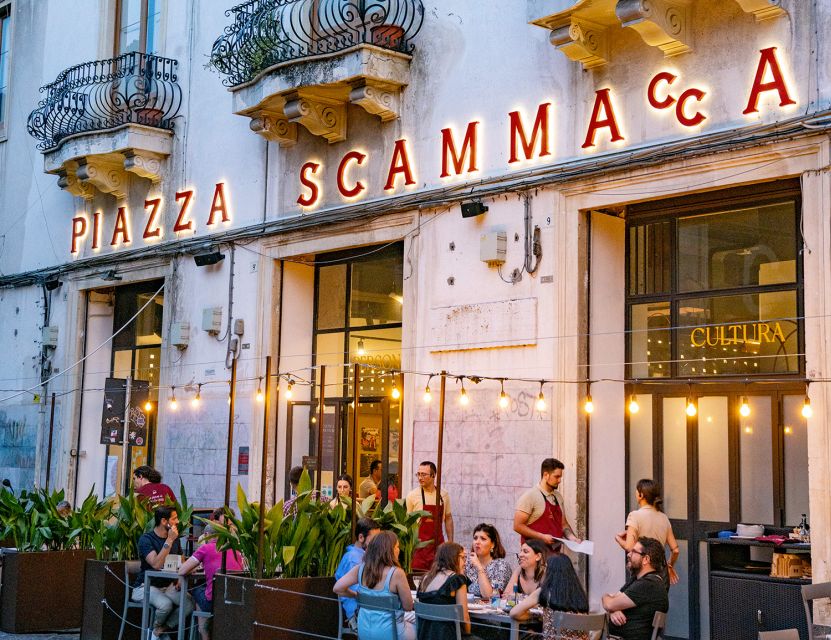
This tasting starts in Piazza Scammacca, which matters more than it sounds. Markets are where you see what locals actually buy, eat, and talk about. And because the event is built around Sicilian volcanic wine, that everyday atmosphere helps the whole subject click. You’re not sitting in a formal wine classroom. You’re in Catania, in the middle of the city’s rhythm.
The meeting point is simple: show your confirmation voucher to staff at the entrance of Piazza Scammacca. That’s useful when you’re arriving on foot and want zero stress. Once you’re checked in, the experience stays centered on a tight theme—how volcano activity influences the wines—while the market setting keeps it grounded.
One more thing I appreciate: this kind of location tends to make wine feel less intimidating. You can focus on the flavors and the stories, not on performing. If you’re curious but not confident about wine, this is a friendly format.
You can also read our reviews of more tours and experiences in Catania.

The volcanic wine story: how soil and eruption history change what you taste
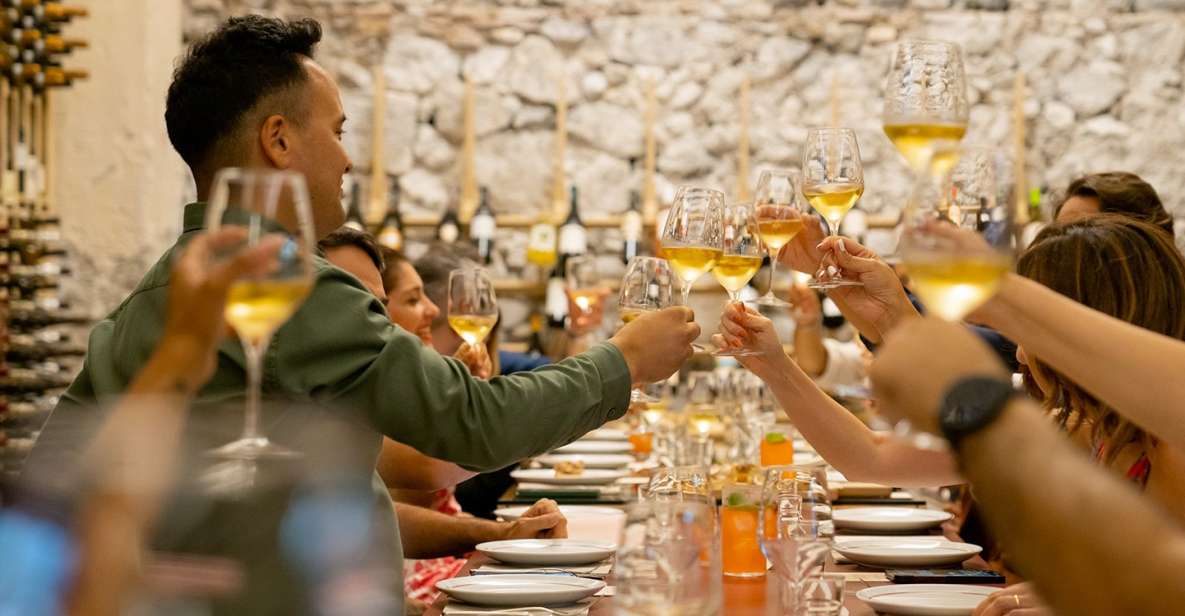
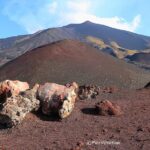
Volcanic wine can sound like a theme park label until someone connects it to your senses. Here, you get that connection. The explanation focuses on how volcano eruptions have influenced smells and flavors through soils with distinctive characteristics—so the wines aren’t just called volcanic for marketing.
You’ll learn that different volcano origins and compositions can affect the wine production process, and the tasting reflects that. In plain terms, you’re tasting the idea that a wine can carry fingerprints from the ground it grows in—especially when that ground was shaped by volcanic activity.
If you’ve ever wondered why some wines taste earthy, smoky, mineral, or oddly specific in aroma, this is where that question gets answered. The tour doesn’t require technical knowledge. It’s more like guided observation: taste, smell, and listen to how the host connects the dots between volcanic terroir and the glass in front of you.
And because you taste four different wines instead of just one, you get a range. That range is the real value of doing this as a tasting rather than reading about it later.
The 1.5-hour flow: what happens between the first and fourth glass
The whole experience is about 1.5 hours, which is exactly the right length for a themed tasting. Long enough to learn something meaningful, short enough that you’re not dragging your feet around Catania afterward.
Here’s the structure you can expect:
- You start at Piazza Scammacca, with the tasting getting underway in the designated meeting area.
- You then sample four glasses of Sicilian volcanic wine.
- Each pour comes with matching food samples, designed by the sommelier and chefs.
- The host guides you through what you’re drinking and why it tastes the way it does.
Now, about pacing: one recent guest noted that wait times between each pour felt too long when the venue wasn’t very full. That’s a good heads-up. If your ideal tour is tightly timed with constant attention, you might feel a little stuck during slower stretches. Still, the topic is interactive in a hands-on way—so even when the next pour takes a moment, you can use the time to reset your palate and pay attention to how the last wine lingered.
Also, because the tour is theme-based, you don’t have to guess what to look for. The host’s guidance keeps the tasting from turning into random sipping.
The food pairings: small plates that actually match the wine
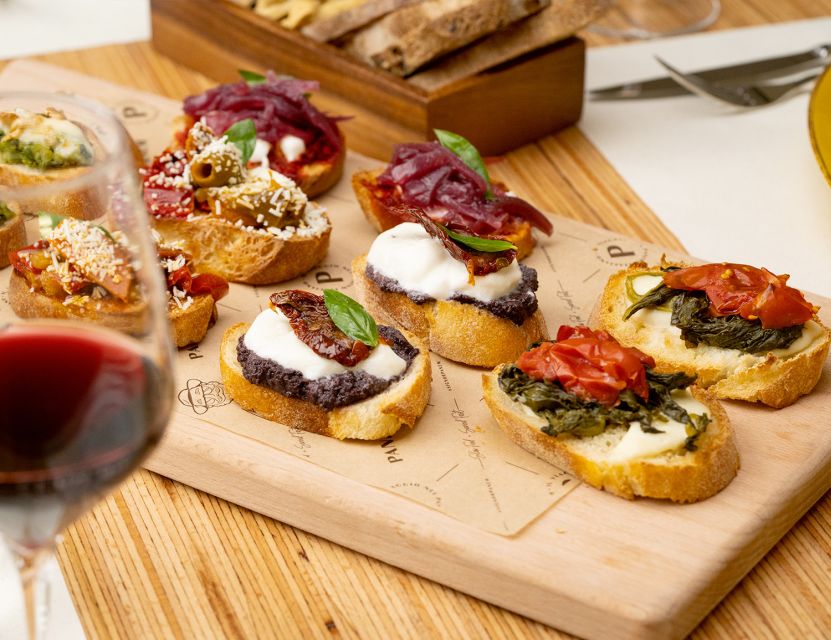
This is not a sit-down dinner. You’re getting food samples, but the key word is samples: small, intentional portions that let you focus on pairing instead of filling up.
The pairing concept is simple and smart: the food is created in synergy with the sommelier and chefs so each combo reflects the wine’s style and flavors you’re tasting at that moment. In practice, that often means you’ll notice how the wine changes when food hits your palate—sometimes smoother, sometimes more aromatic, sometimes with a different balance of acidity or texture.
One review called out that the venue includes food with the tasting, with a clear suggestion not to eat dinner beforehand. That advice holds up logically: if you arrive hungry, you’ll enjoy the pairing work more. If you’ve already eaten a full meal, you may feel the experience turning into sip-and-wait instead of taste-and-learn.
Diet notes: one guest mentioned gluten intolerance and that special food was prepared. So if you have a dietary restriction, it’s worth flagging ahead of time. The tour isn’t described as fully customizable for every condition, but the provided info and feedback suggest accommodations can be possible.
Your sommelier and the language mix: English or Italian, with real personality
You won’t be left alone with a menu of wines and a guess. The tasting is led by an instructor with English and Italian support, and reviews highlight that the hosts bring both enthusiasm and structure.
Specific guide names show up in feedback—Luca, Dominico, Gabrielle, Andrea, and Frederico—and the common thread is clear: the best sessions make volcanic wine understandable without dumbing it down. One guest even praised a host for keeping explanations straightforward and light-hearted, which is ideal for a group wine tasting where attention spans vary.
The experience also benefits from having chefs involved in the food pairing side. That matters because pairing isn’t only about matching flavors on paper. It’s about timing, portion, and how the bite lands with the next sip.
One more practical note: if you’re sensitive to slower transitions between pours, choose sessions based on how you like to travel. For some people, the atmosphere and market setting during the pauses are part of the charm. For others, faster pacing is the difference between a good tasting and a great one.



Price and value: is $53 for four volcanic wines fair?
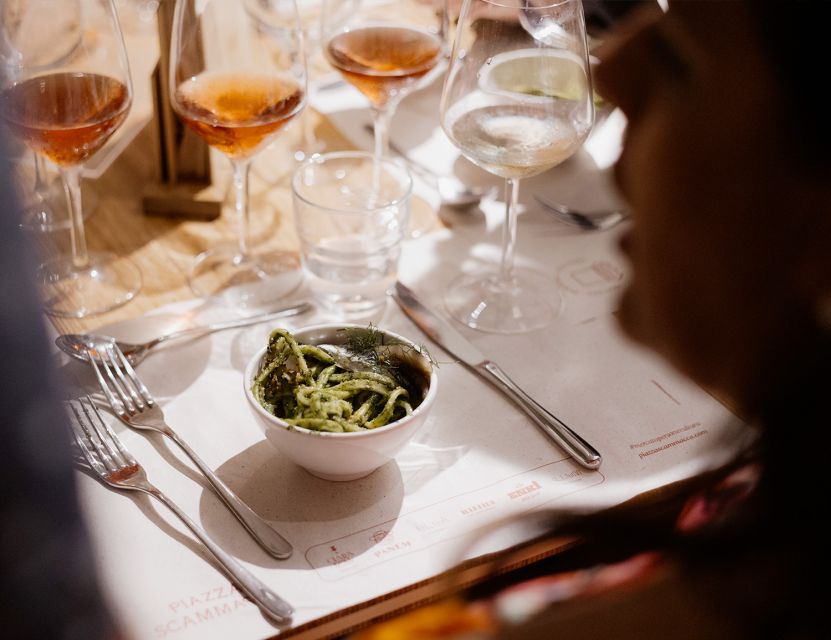
At $53 per person, you’re paying for four glasses plus food samples, guided explanations, and the work of both a sommelier and chefs. The experience is only 1.5 hours, so you’re not paying for hours of sit-down service. You’re paying for concentrated learning and pairing.
Is it worth it? For me, the value hinges on what’s included:
- 4 glasses of wine (the centerpiece)
- Food samples paired to those wines
- A guided theme around Sicilian volcanic wines and how volcano activity influences taste
What’s not included is also important: additional food and drinks cost extra. So if you like to order more wine beyond the included tasting, your final bill will climb. If you treat the included tasting like the main event (and maybe add a non-alcoholic option later, if you like), this price is much easier to justify.
Think of it like this: you’re buying a structured taste of Sicilian volcanic wines plus a chef-driven pairing lesson. If you enjoy wine but don’t want to spend a whole day piecing together tastings on your own, this is a practical way to get the story and the samples in one clean package.
Where it feels special: the room, the mood, and Catania in the background
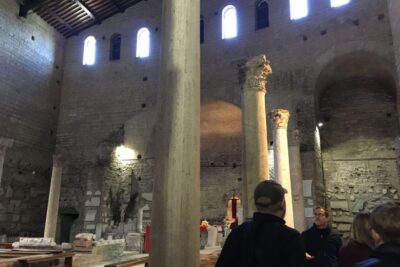
Even though the tasting centers on the market, the venue atmosphere can make a big difference. Reviews mention a setting linked to an old church or cathedral, which adds an unexpected sense of occasion. That kind of space tends to make a tasting feel more memorable than a standard bar.
At the same time, don’t expect a nightclub vibe. One guest suggested that some background music could help set the mood, so the atmosphere may feel calm rather than party-like. That’s not a flaw—just useful context. If you want lively energy, you might feel better planning a dinner walk afterward through Catania to extend the evening.
Also, because the event is short and theme-focused, it works well as part of a day that includes exploring the city streets. You’ll get a story you can carry with you as you move around—especially if you’re visiting other food stops nearby.
Who should book this volcanic wine tasting in Catania?
This works best for:
- Adults who want a guided wine experience without needing prior knowledge
- People interested in Sicilian food culture and local wine production
- Anyone who likes tasting as a learning format: smell, sip, compare, repeat
It’s explicitly not suitable for:
- Children under 18
- Pregnant women
- People with pre-existing medical conditions
It’s also wheelchair accessible, which is a real plus for travelers who need step-free access.
If you’re a solo traveler, this kind of guided tasting can feel comfortable because the structure keeps things moving. If you’re coming as a couple, it can be a great shared activity: you’ll both hear the same story and compare how you experience the four wines.
Small trade-offs to plan around
Every tasting has trade-offs. Based on feedback and the format, here are the ones you should mentally budget for:
- Pacing between pours: some sessions may feel slower, which can reduce the feeling of personal back-and-forth
- Background atmosphere: the room may be quiet; some guests prefer more music or a fuller vibe
- Not a full dinner: you get food samples, but not additional drinks or extra courses
- Medical and age restrictions: check suitability before booking
If you’re the kind of traveler who needs constant attention from the start, pick a time when you’re not rushing to anything else afterward. If you’re flexible and happy to enjoy the market surroundings while the next wine is prepared, you’ll likely feel less bothered by slower transitions.
Should you book? My take on this Sicilian volcanic wine tasting
If you want an efficient, guided way to understand Sicilian volcanic wines, I think this is a strong choice. Four glasses is enough to notice differences, and the pairing with local food samples turns the tasting into more than just drinking. The volcanic-soil angle also gives you a real framework for what you taste, not just vague notes.
Book it if:
- You like structured tastings with a theme
- You want a sommelier-led experience in English or Italian
- You’d rather taste and learn in 1.5 hours than try to DIY wine stops
Skip it if:
- You dislike any waiting between courses and need nonstop pacing
- You’re expecting a large, dinner-style meal (you’re getting samples, not a full meal)
If you’re in Catania and you want a memorable wine moment tied directly to the land, this one makes sense. It’s a neat blend of market energy and a truly specific topic: how volcanoes shape what ends up in your glass.
FAQ
FAQ
Where is the meeting point?
You meet at the entrance of Piazza Scammacca. Show your confirmation voucher to staff there.
How long is the wine tasting?
The experience lasts 1.5 hours.
How much does the tasting cost?
The price is $53 per person.
What’s included in the ticket?
The ticket includes 4 glasses of wine and food samples.
Are additional food or drinks included?
No. Additional food and drinks are not included.
What languages are offered during the tasting?
The instructor provides the experience in English and Italian.
Is the tour wheelchair accessible?
Yes, it is wheelchair accessible.
Is this experience suitable for children?
No. It’s not suitable for children under 18.
Is it suitable during pregnancy or for medical conditions?
No. It’s not suitable for pregnant women or people with pre-existing medical conditions.
Is there free cancellation and can I pay later?
Yes. You can cancel up to 24 hours in advance for a full refund, and you can reserve now & pay later (book your spot and pay nothing today).