REVIEW · CATANIA
Etna Morning Tour 2000 mt.
Book on Viator →Operated by Excursions Etna Catania · Bookable on Viator
Etna feels staged until you see it close. This Etna morning tour from Catania strings together crater views, a lava cave visit, and a food-tasting stop, with helmets and torches so you get both above-and-below volcano moments.
I like two things a lot. First, the Craters Silvestri stop, where you’re shown black-dune terrain and solidified lava with clear scientific explanations. Second, the Oro d’Etna farm stop at Zafferana Etnea, where the volcano story keeps going through flavors: honey, wines, and olive oil.
One thing to consider: the tour includes tastings, but food and drinks aren’t included, so you’ll want to plan for that before the early start.
In This Review
- Key highlights to know before you go
- Why this Etna morning format feels efficient
- Pickup in Catania and the reality of small-group travel
- Stop 1: Craters Silvestri and the first wow-factor terrain
- Stop 2: Valle del Bove caldera and its almost-desert feel
- Stop 3: Exploring a lava cave from the inside
- Stop 4: Colata Lavica 1992 and the eruption timeline
- Stop 5: Oro d’Etna in Zafferana Etnea and the tastings that make it click
- Price and value: what $114.89 buys you in plain terms
- Weather, timing, and what to wear for real
- Who this Etna morning tour is for
- Should you book the Etna Morning Tour?
Key highlights to know before you go
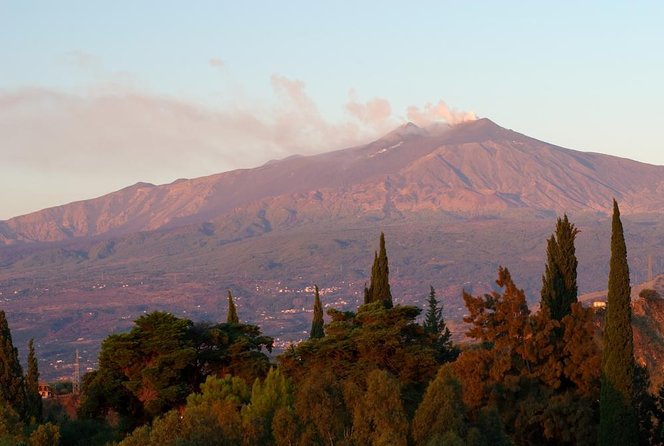
- Craters Silvestri views with lunar-like black dunes and short, focused guiding time
- Valle del Bove caldera stop, an arid depression with almost no vegetation and big, ancient scale
- Lava cave exploration with safety gear, plus a guide at your side while you walk inside
- Colata Lavica 1992 photo stops, including the eruption story from 1991–93
- Oro d’Etna farm tasting in Zafferana Etnea, typically honey plus wines and olive products
- Small group size (max 10), with pickup and drop-off from Catania
Why this Etna morning format feels efficient
This is a classic half-day “best of” plan, but it doesn’t feel rushed in the way some whirlwind tours do. You start at 8:00 am and spend roughly 4 to 6 hours moving between a few high-impact volcano sites. You get the drama of the summit area without giving up the practical benefits of a guided group: you’re not guessing where to look or what you’re seeing.
The other reason it works is that the day mixes skills and senses. You get science talk outdoors, then you literally get underground. That combo makes Mt. Etna feel less like a postcard and more like a living system that still creates new landforms.
You can also read our reviews of more tours and experiences in Catania.
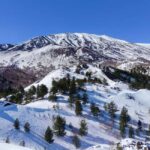
Pickup in Catania and the reality of small-group travel
Pickup and drop-off are included from designated meeting points in Catania. That’s a big deal for a morning tour because Etna roads can eat up time and patience if you’re driving yourself, especially when you’d rather be looking at volcano views.
This runs with a maximum of 10 travelers, so you should feel like part of a group rather than a crowd. One review did mention that the vehicle used for transport can feel tight, so if you’re sensitive to cramped seating, it’s worth keeping that in mind. Also, if you’re traveling as a group that wants to stay together, be aware that on at least one occasion the operator had to adjust logistics due to a technical problem with a vehicle. The good news: they still offered a solution so everyone could rejoin.
Stop 1: Craters Silvestri and the first wow-factor terrain
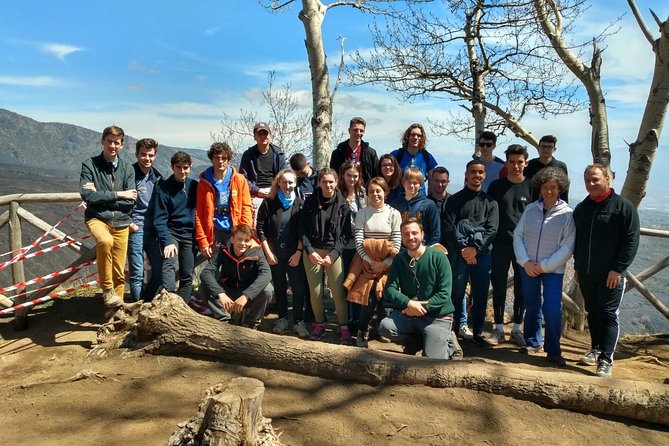
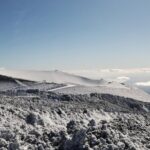
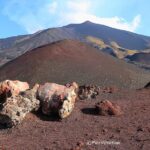
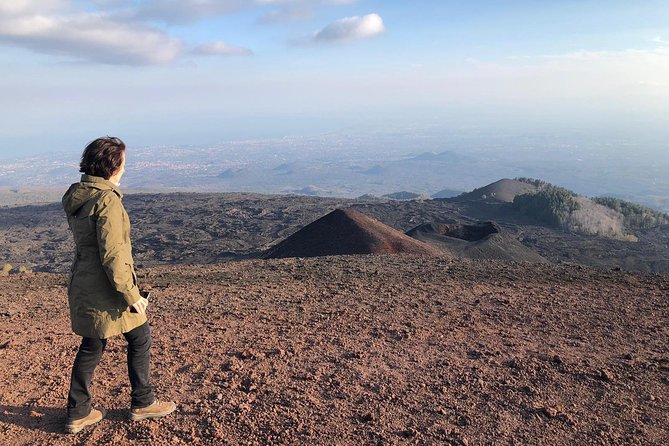
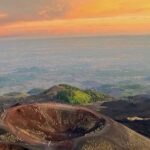
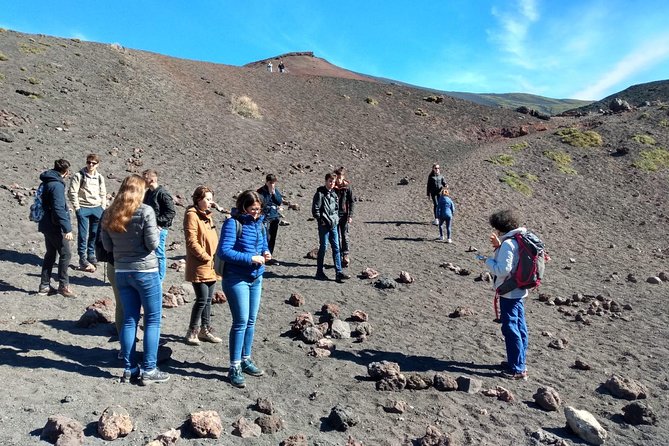
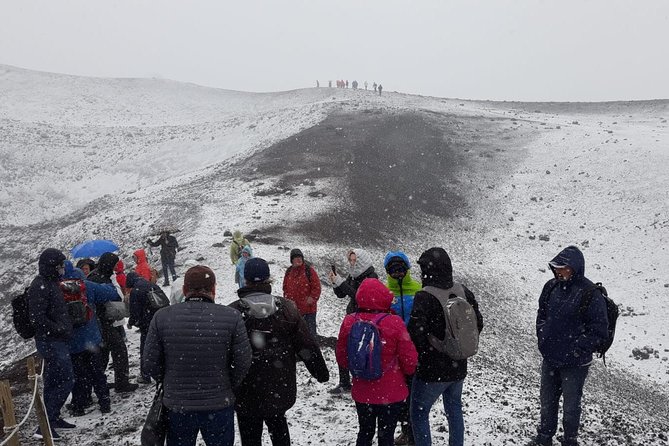
You’ll head to the Silvestri craters for about 45 minutes, with admission listed as free. This stop is built for instant understanding. The ground looks almost extraterrestrial: black dunes, stretches of solidified lava, and the kind of stark emptiness that makes it easy to picture volcanic activity shaping the area.
What you’re really buying here is interpretation. The guide provides scientific explanations of the volcanological phenomena that created the area. That matters because Etna can look similar across viewpoints unless you know what you’re looking at: where the shape came from, why the lava hardened the way it did, and how the crater landscape fits into the bigger story.
If you like your photos with a sense of scale, this is the moment. You’ll also likely get your orientation here, since later stops refer back to what you just saw.
Stop 2: Valle del Bove caldera and its almost-desert feel
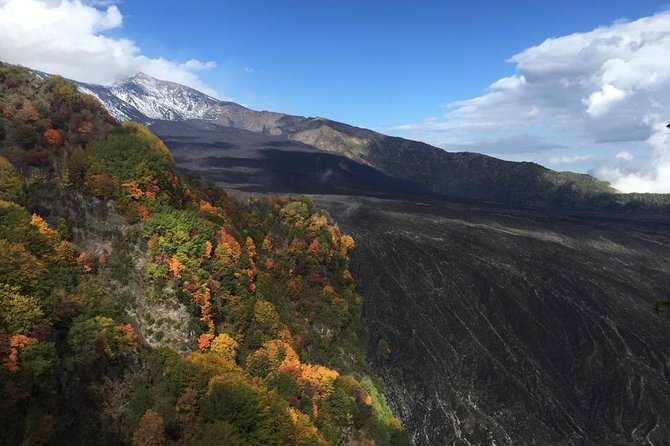
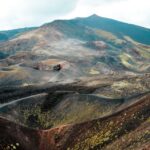
Next is Valle del Bove for around 20 minutes. Admission is also listed as free. This is the kind of place you understand even if you don’t speak geology: it’s an enormous volcanic depression, arid and almost vegetation-free, with a unique, harsh charm.
You come here to see the “big bowl” effect of an old volcanic caldera. From the outside, it can feel like walking toward an empty stage set. That emptiness is the point. It makes the volcanic form readable, and it also sets up why Mt. Etna is more than one peak. It’s a whole system of shapes created over time.
The drawback? This is a short stop. You won’t do hours of exploring here. But the time is usually enough to get the visual concept and move on while the day still feels lively.
Stop 3: Exploring a lava cave from the inside
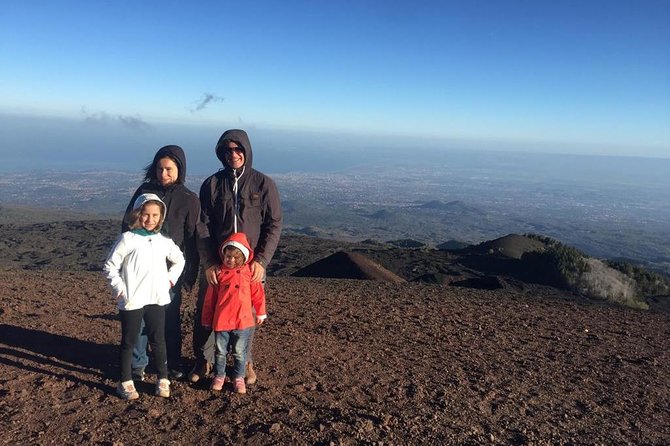
This part is the signature “above and below” experience. You’ll spend about 20 minutes exploring a spectacular lava cave, with admission listed as free. You get the equipment you need: helmet, head caps, and torches.
The practical value is safety and confidence. When you’re underground, you want both light and protection, and you don’t want to improvise gear. The tour provides it, and guides accompany you so you’re not wandering in the dark like a character in a horror movie.
Reviews back up the “walk-through” nature of this stop. People mention help navigating inside the cave and feeling taken care of while moving through the space. If you’re a bit cautious in enclosed, dim areas, this isn’t a stroll past a single opening. It’s an actual cave visit, so treat it like a real activity, not a quick photo stop.
Stop 4: Colata Lavica 1992 and the eruption timeline
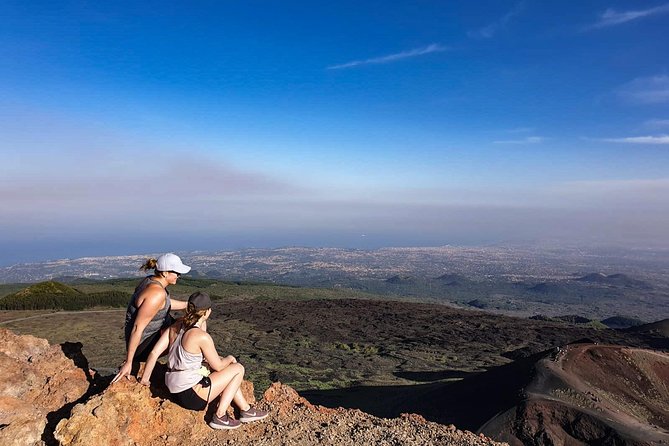
After the cave, you’ll watch for lava flows along the way, spending about 20 minutes at Colata Lavica 1992. Admission is listed as free here too. This is one of those stops where the tour turns your earlier views into a timeline.
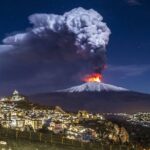
You’ll get the chance to observe the lava flow linked with the eruption from 1991–93, described as the longest in recent Etna history. That detail gives the scenery more meaning. Instead of seeing “lava rock,” you see the consequence of a specific time period.
This stop also works well if you’re the type who likes to connect dots. The guide’s framing helps you understand how repeated eruptions build patterns into the terrain.
Stop 5: Oro d’Etna in Zafferana Etnea and the tastings that make it click
You’ll finish with Oro d’Etna in Zafferana Etnea for about 30 minutes. Here, the experience includes a tasting at a certified farm. This is the cultural counterweight to the cave and the craters.
You’ll be tasting Etna products such as honey and wines, plus olive oils. One review specifically called out wines, olives, pesto, and honey, so you may find a broader range depending on what the farm is offering that day. Either way, the point stays the same: you’re tasting what the volcanic soils and local traditions produce.
Guides also tend to bring this stop to life. People praise guides by name, including Florinda, Simone, Leonardo, and Marilena, for being patient, fun, and information-packed. That matters here because tastings can be awkward if you’re just standing around. On this tour, you get explanation and a smooth rhythm.
Price and value: what $114.89 buys you in plain terms
At $114.89 per person, you’re paying for a package, not just entry to a couple of scenic spots.
Here’s what’s included:
- Driver/guide and a professional naturalistic guide
- Pickup and drop-off from Catania meeting points
- Helmet, head caps, and torches for the cave
What’s not included:
- Food and drinks
So your money goes toward guiding, transportation, and safety equipment. That’s good value for a day that includes both an outdoor crater visit and an underground cave walk. If you tried to DIY this, you’d still face the hard parts: finding the right viewpoints, arranging cave gear, and getting real interpretation on what you’re seeing.
You’re also not stuck with a huge bus load. With a max group size of 10, it’s easier to ask questions and keep the day moving with fewer headaches.
Weather, timing, and what to wear for real
This tour runs in all weather conditions. That means you should treat it like a practical outdoor program, not a fair-weather hike.
In practice, your best move is to dress in layers and wear clothes and shoes you’re comfortable using on volcanic terrain. Since you’ll walk around on rocky ground and go into a cave, choose gear that won’t make you tense every time the path changes. If you get cold easily, consider extra layers, because caves can feel cooler than the bright outdoors.
The other tip is simple: start the day early enough that you’re not rushing. Confirmation is received at booking, and the tour begins at 8:00 am, so sleep and breakfast planning really matter.
Who this Etna morning tour is for
This tour is ideal if you want the classic Etna highlights in one efficient run: craters, Valle del Bove, a lava cave, lava flows, and a local farm tasting.
It’s also a strong choice for:
- Families with kids who can handle short, guided stops. Reviews include a family tour with a 7-year-old where the guide was patient and flexible.
- People who want expert explanations without having to read a geology book first.
- Travelers who like hands-on moments, especially the cave portion.
If you’re very limited on mobility or you dislike confined, dim spaces, you’ll want to be thoughtful about the cave walk. The tour does provide guidance and gear, but it’s still an actual cave visit.
Should you book the Etna Morning Tour?
Yes, if your priority is a well-paced half-day that covers the main Etna hits with safety gear and real explanation. You’ll get the lunar-style craters, the big caldera feeling at Valle del Bove, and the memorable lava cave walk. The Oro d’Etna farm tasting is a nice payoff at the end, and small-group size helps keep the experience human.
I’d be a little cautious if food and drink planning matters to you. Since meals aren’t included, bring snacks or plan to eat afterward. Also, if you’re part of a close-knit group and need everyone to stay together, it can’t hurt to ask in advance how grouping works on the morning of the tour.
If you want Etna to feel like a story you can follow, not a list of stops, this is a solid way to do it.