REVIEW · CATANIA
Cooking lesson in Catania with lunch or dinner
Book on Viator →Operated by Futuro e Lavoro · Bookable on Viator
First time in Catania, you’ll want to taste and learn. This hands-on cooking lesson turns Sicilian comfort food into something you can actually recreate at home, and you finish by sitting down to eat your own food with a bottle of Sicilian wine. I especially liked how small the group is and how much you do yourself in the kitchen. One thing to weigh: the menu leans heavily into eggplant and pasta, so if you want a meat-focused meal, this may not be your best fit.
You meet at a real, working kitchen near transit, not a showy demo space. The chef-led, English-friendly instruction makes it easier to follow even if you’re not a serious cook. Just go in with the right expectations about the kitchen setting: it’s practical and professional, not a decorative restaurant dining room.
In This Review
- Key Takeaways Before You Go
- A Hands-On Catania Kitchen Lesson for Sicilian Comfort Food
- What You’ll Cook: Caponata, Spaghetti alla Norma Rolls, and Cannoli
- The Starter: Bruschetta with Pesto and Cherry Tomatoes
- Main Event: Sweet-and-Sour Caponata (And Why It’s So Memorable)
- Pasta alla Norma Rolls: Fresh Pasta and a Catania Signature
- Alternative Menu: Eggplant Parmigiana and Cherry Tomato Ricotta Basil Pasta
- Cannoli for Dessert: The Sweet Finish You Can Recreate
- The Kitchen Setting: Professional Labs vs Cozy Dining Rooms
- Language and Group Dynamics: English Instruction and Real Interaction
- Lunch or Dinner with Wine: Eating What You Made
- Price and Value in Catania: Is $119.77 Worth It?
- Who This Cooking Class Suits Best
- Should You Book This Sicilian Cooking Class?
- FAQ
- What dishes will we cook in the Catania cooking lesson?
- How long is the cooking class in Catania?
- Is the cooking class taught in English?
- Is lunch or dinner included?
- Where does the tour start, and is it easy to reach?
- How big is the group?
- Are there recipes you can take home?
- Does the menu include meat?
- Does the experience require good weather?
Key Takeaways Before You Go
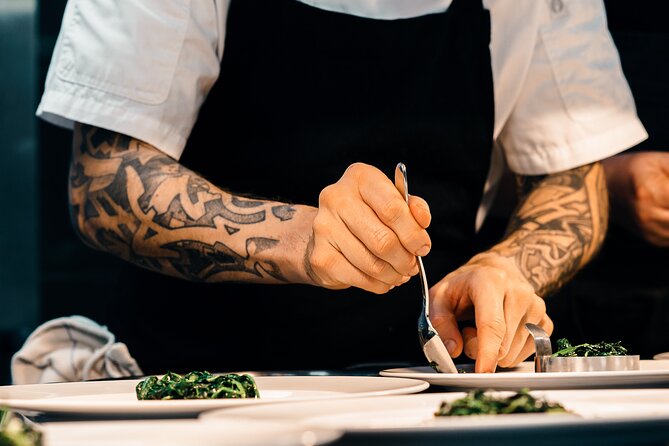
- Small group, hands-on cooking: up to 14 people, so you get real time at the station rather than watching from afar.
- Chef instruction in English: the cooking teaching is designed for English speakers, with clear step-by-step guidance.
- You’ll make several Sicilian classics: bruschetta (often with basil pesto), caponata, fresh pasta alla Norma, and cannoli.
- Wine with lunch or dinner: your meal includes a bottle of Sicilian wine.
- A “take-it-with-you” approach: you typically prepare dishes for the meal and end up with recipes to recreate them later.
A Hands-On Catania Kitchen Lesson for Sicilian Comfort Food
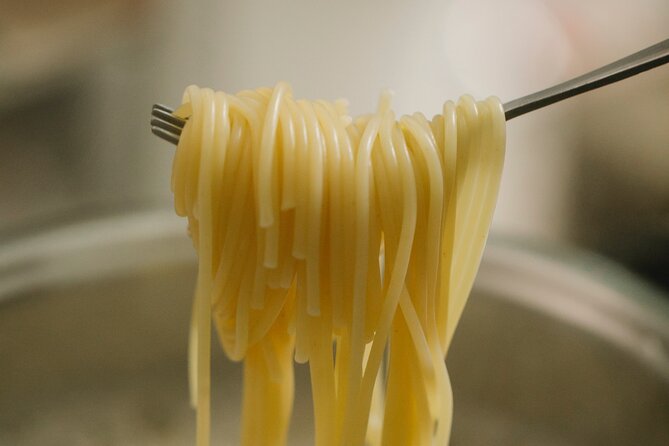
Catania has the kind of food scene where locals eat with their hands, talk while they cook, and take flavor seriously. This class fits that vibe. In about 3 hours, you’ll go from ingredients to plated Sicilian dishes, with a chef guiding you through each step and you doing the chopping, mixing, shaping, and filling.
The big win here is the balance between technique and fun. You’re not just learning theory. You’re making caponata, rolling pasta alla Norma, and assembling cannoli, then tasting everything in the end. I also like the pacing: it’s long enough to feel productive, but short enough that you’re not stuck all afternoon wondering when the eating starts.
One practical consideration: the experience is based around a restaurant-style workflow in a professional kitchen lab. That’s great for real cooking, but it isn’t the same as a cozy homestyle kitchen with lots of décor. If you’re expecting a “cute setting” more than a “serious cooking session,” you might feel let down.
You can also read our reviews of more tours and experiences in Catania.



What You’ll Cook: Caponata, Spaghetti alla Norma Rolls, and Cannoli
The class centers on a menu that introduces you to the flavors Sicily is famous for, especially eggplant-based dishes and pasta you can shape and sauce properly. Depending on the day, your exact menu can shift, but the core lineup is consistent.
Here’s what you should plan on seeing:
- A starter such as Sicilian bruschetta (often with basil pesto and cherry tomatoes).
- A main built around sweet-and-sour caponata.
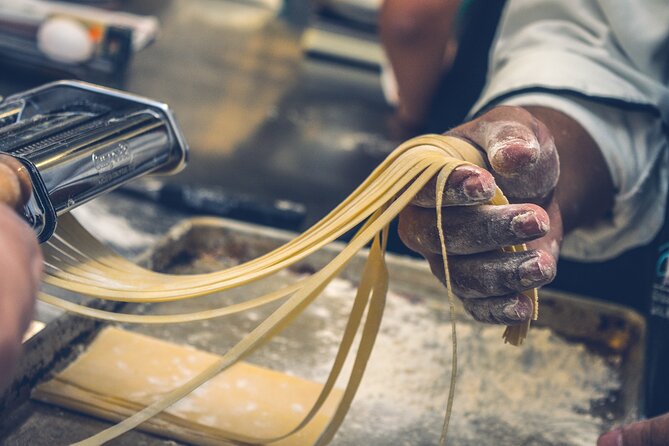
- Fresh pasta in the style of pasta alla Norma, described as rolls made with Sicilian tradition.
- Dessert: Sicilian cannoli.
Even better, the food is not random. It’s the kind of set that teaches you how Sicilians think: balance (sweet and tangy), texture (soft eggplant plus something briny or sharp), and contrast (fresh pasta with a bold sauce, then a sweet ricotta-filled finish).
The Starter: Bruschetta with Pesto and Cherry Tomatoes
Your lesson usually starts with a classic Sicilian bruschetta, which is a smart warm-up. It’s fast, familiar enough to get comfortable, and it teaches you how to build flavor without overcomplicating things.
The version I’d expect based on the menu options uses basil pesto and cherry tomatoes. That combo matters because it shows you two things at once:
- how herbs and olive oil create a base flavor,
- and how tomatoes add freshness instead of just sweetness.
In a cooking class, starters are where people either relax or get stuck. This one tends to work because it’s practical. You chop, you mix, you assemble, and you move on.
Main Event: Sweet-and-Sour Caponata (And Why It’s So Memorable)
Caponata is one of those dishes that sounds simple until you taste it. The key is the sweet-and-sour balance, where vinegar or something tangy meets cooked vegetables and ends up feeling both comforting and bright.
In your class, you’ll make Sicilian sweet and sour caponata using typical Sicilian ingredients. The lesson teaches you how to treat eggplant so it becomes tender instead of watery, and how to season so the flavors don’t collapse into one big mush. That’s why caponata works as a centerpiece: it’s not just a recipe, it’s a flavor logic.
Also, caponata is a very Catania-friendly dish to learn because eggplant is everywhere in eastern Sicily. If you’re game for it, you’ll leave with a dish you can adapt and repeat at home with whatever eggplants are in season.
Pasta alla Norma Rolls: Fresh Pasta and a Catania Signature
If caponata is the flavor lesson, pasta alla Norma is the identity piece. This dish is famous in Sicily and beyond, and the class format makes it more than a concept.
You’ll likely prepare fresh pasta alla Norma (described as roll-style pasta), and you’ll work through how to assemble and finish it. The sauce and topping matter a lot in Norma, and the class focuses on the essential feel of the dish rather than just generic red sauce.
Here’s the practical part: when you learn a signature dish like this, you can stop guessing when you make it later. You’ll know what the texture should be, what gets cooked down, and how the final finishing step ties it together.






Alternative Menu: Eggplant Parmigiana and Cherry Tomato Ricotta Basil Pasta
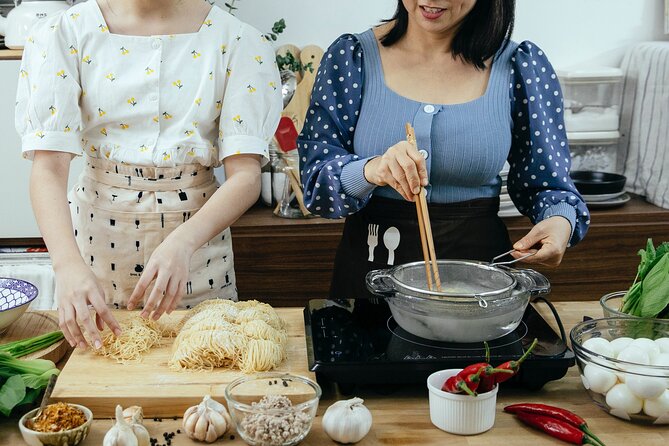
Not every session runs exactly the same menu. Some days include:
- Eggplant Parmigiana
- Pasta with cherry tomatoes, ricotta, and basil
That variation can be useful. If one day’s caponata plan doesn’t excite you as much, the Parmigiana route still teaches you core Sicilian eggplant thinking—how to build layers, how to cook tomatoes down, and how to balance richness with fresh herbs.
If you’re deciding which class fits you best, think about this:
- Caponata is sweet-and-sour and storier in flavor.
- Parmigiana is more layered, comfort-forward, and rich.
Either way, you’re learning Sicilian method, not just Sicilian ingredients.
Cannoli for Dessert: The Sweet Finish You Can Recreate
Dessert is Sicilian cannoli, and the cannoli element is one of the most satisfying parts of the class because it’s hands-on. You’re not just tasting; you’re filling and assembling.
Cannoli is also a good “home cooking” win. Once you learn the filling balance and how to handle the ricotta texture, you can recreate the feel of the dessert even if your kitchen isn’t as big or equipped as theirs. Many people walk out of this class saying the cannoli were the best part, so if you’re dessert-motivated, this is the right call.
The Kitchen Setting: Professional Labs vs Cozy Dining Rooms
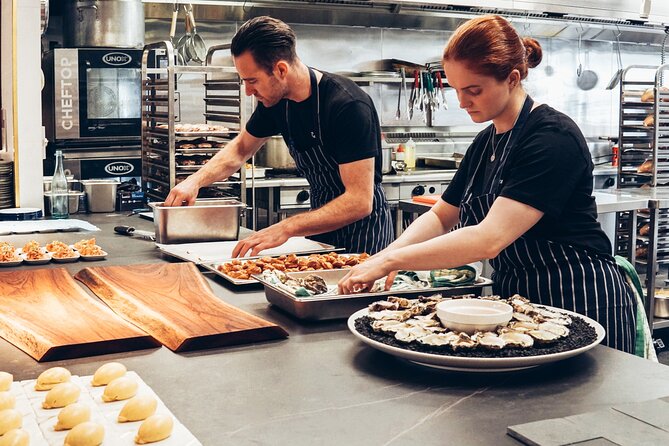
Let’s talk about the kitchen reality. This class uses an equipped laboratory space with professional kitchen equipment. That’s ideal for safety, hygiene, and consistent results. It also means you should expect a working environment rather than a romantic, candlelit kitchen.
Some guests were disappointed by the minimal, industrial look and the fact that the space isn’t designed like a decorated restaurant. If you’re sensitive to that, manage your expectations. The payoff is that the setup supports real cooking—shared tools, clear stations, and a workflow built for a group lesson.
Heat can be a factor in Catania. If you’re sensitive to warmth, consider what you’ll wear and bring. A few comments mentioned air conditioning that didn’t feel strong enough for the space. You can’t control the weather, but you can control your comfort plan.
Language and Group Dynamics: English Instruction and Real Interaction
The class is offered in English, and the chef-led instruction is a big part of why people recommend it. In practice, you’ll likely get English explanations from the cooking lead, with the rest of the team supporting you as needed.
The group size cap—14 travelers maximum—is the other reason this feels like a lesson rather than a demo. You get enough hands-on time to actually make each dish instead of standing back. You also get the fun social part: you cook alongside other people, then compare notes over lunch or dinner.
If you’re traveling as a couple or small group, you may get an even more intimate experience. Some sessions have run with very small groups, which makes the feedback and correction more personal.
Lunch or Dinner with Wine: Eating What You Made
After you cook, you sit down and eat the dishes you prepared. This is where the value really clicks, because you get the full experience: learn the method, then taste the result without the stress of doing everything twice.
Your meal includes a bottle of Sicilian wine. That’s not a token pour. It’s part of the lunch/dinner setup, which makes it feel like a real evening meal rather than just a cooking workshop that ends with a few bites.
One tip: if you’re unsure about when wine is served, ask politely early. A small number of people expected it sooner. Don’t be shy about starting the conversation; the whole session is meant to be friendly and interactive.
You might also find that the team offers extra drinks like lemoncello, but the reliable takeaway is that wine is included with your meal.
Price and Value in Catania: Is $119.77 Worth It?
At about $119.77 per person for roughly 3 hours, this sits in the “experiential” category. The question isn’t only whether it’s cheap; it’s whether it saves you from the usual cooking-class frustrations.
Here’s what you’re paying for, in plain terms:
- Real chef-led instruction in English.
- Hands-on cooking of multiple Sicilian dishes (not just one).
- A professional kitchen setup that supports consistent results.
- A full meal with a bottle of Sicilian wine.
- Typical Sicilian ingredients rather than generic substitutes.
The best value is when you want both sides: the learning and the eating. If you only want a quick food sample, this is likely too much. If you want something you can carry home—skills plus recipes—this makes more sense.
I also think the small group size matters. Paying around this price feels fair when you’re not stuck watching from the sidelines.
Who This Cooking Class Suits Best
This is a strong fit if:
- you want a practical way to learn Sicilian cuisine in Catania,
- you enjoy eggplant and want to understand how it becomes sweet-and-sour caponata and layered classics,
- you like the idea of fresh pasta you assemble yourself,
- you’re traveling with friends and want a shared activity that ends in a real meal.
It might be less ideal if:
- you want a meat-heavy menu (the menu options listed focus on vegetables, pasta, and dessert),
- you’re expecting a glamorous, themed setting more than a working cooking lab,
- you’re very sensitive to indoor temperature and need strong air conditioning.
Should You Book This Sicilian Cooking Class?
Book it if you want a hands-on, chef-led way to learn core Catania flavors—caponata, pasta alla Norma, and cannoli—then eat a meal that matches what you cooked. The small group format and the included wine push it toward true value, especially if you enjoy learning by doing.
Skip it if your ideal day is mostly sightseeing and you’re not interested in cooking methods, or if eggplant-heavy menus won’t work for your taste. If that’s you, you might prefer a different food tour format.
In most cases, though, this is exactly the kind of experience that turns a visit to Catania into something you’ll remember—and cook again.
FAQ
What dishes will we cook in the Catania cooking lesson?
The menu typically includes Sicilian bruschetta, caponata (sweet and sour), fresh pasta alla Norma rolls, and Sicilian cannoli. Depending on the day, you might also cook eggplant Parmigiana and pasta with cherry tomatoes, ricotta, and basil.
How long is the cooking class in Catania?
The experience lasts about 3 hours.
Is the cooking class taught in English?
Yes. The class is offered in English.
Is lunch or dinner included?
Yes. You’ll have lunch or dinner with the dishes you prepared, plus a bottle of Sicilian wine.
Where does the tour start, and is it easy to reach?
The meeting point is Via Cervignano, 42, 95129 Catania CT, Italy. It’s near public transportation, a few steps from the subway stops GALATEA and ITALIA.
How big is the group?
The maximum group size is 14 travelers.
Are there recipes you can take home?
Yes. You’re provided with recipe materials so you can recreate what you made after the class.
Does the menu include meat?
The listed menu options focus on Sicilian vegetables, pasta, and cannoli. Meat is not included in the dishes described in the menu suggestions.
Does the experience require good weather?
Yes. If it’s canceled due to poor weather, you’ll be offered a different date or a full refund.