REVIEW · HERAKLION
Crete: Olive Oil, Soap, Wine, Raki – Flavorful Culinary Journey
Book on Viator →Operated by LocalTrips4U "Experience True Crete" · Bookable on Viator
The tastings start with something you can smell. This day turns inland from Heraklion so you can watch olive oil production, then move to wine and raki—where the drinking comes with the story.
I love the hands-on olive oil tasting right after the press, and I also love how the day feels personal in a small group (up to 15). Getting to spend time with hosts like Tony when he’s driving adds that local, talk-to-you-like-a-neighbor vibe.
One drawback: the schedule is long and the heat can be real. Bring a fan and expect the day to run at a steady pace, with lunch later in the afternoon.
In This Review
- Key things I’d circle before you book
- Crete’s inland shortcut: why this flavor tour works
- Olive mill visit: where liquid gold starts
- Winery and indigenous wines: Cretan grapes, not generic pours
- Raki distillery: the fiery spirit with a social role
- Soap workshop: hands-on and surprisingly memorable
- Peza Village lunch: the real reason the day feels complete
- Group size, timing, and what “6 hours” feels like
- Price and value: is it worth about $111.26?
- Who should book this (and who might want a different day)
- Smart packing and small “don’t get caught” tips
- Booking recommendation: should you do this?
- FAQ
- How long is the tour?
- Is pickup available in Heraklion?
- What tastings are included?
- Is lunch included, and where is it served?
- How many people are on the tour?
- Is there free cancellation?
- Is the tour wheelchair accessible?
Key things I’d circle before you book
- Family-run producers, not a showroom day: you spend time with people making olive oil, wine, raki, and soap.
- Tastings that match the craft: wine from indigenous varieties plus raki aged in a barrel.
- A small-group feel: max 15 travelers keeps questions and conversation easy.
- Soap making is more than a stop: you don’t just watch—you participate in the demo.
- A practical value trade: one all-in price for transport, lunch, and multiple tastings.
Crete’s inland shortcut: why this flavor tour works
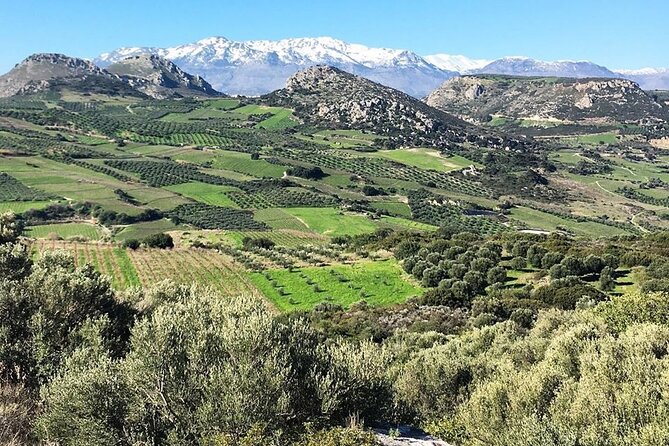
Cretan food culture doesn’t begin with a beach bar. It begins with work: pressing olives, distilling raki, bottling wine, and turning leftovers (olive oil) into useful things (soap). This tour is basically that chain, in one day, around the Heraklion area.
The best part is the flow. You’re not bouncing between random attractions. Each stop feeds the next one: you learn why olive oil matters, then you taste alcohol made from local grapes and distillation traditions, and you end with something that’s daily-use, not souvenir-use.
It also helps that the tour is built for interaction. You’re in an air-conditioned vehicle for the drives (about 10–15 minutes between stops, with short walks on-site), but you’re not stuck staring at glass cases.
You can also read our reviews of more tours and experiences in Heraklion.


Olive mill visit: where liquid gold starts
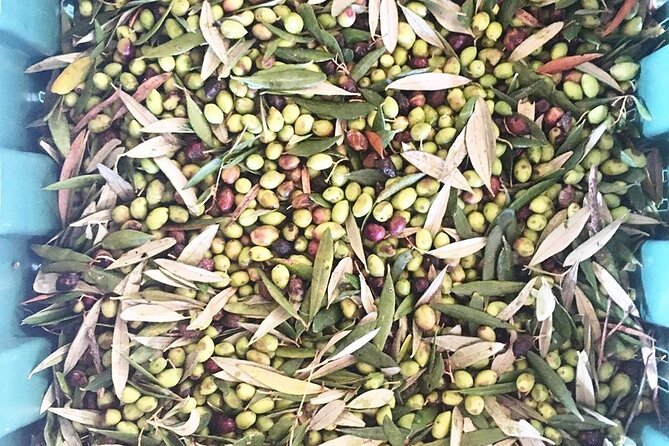
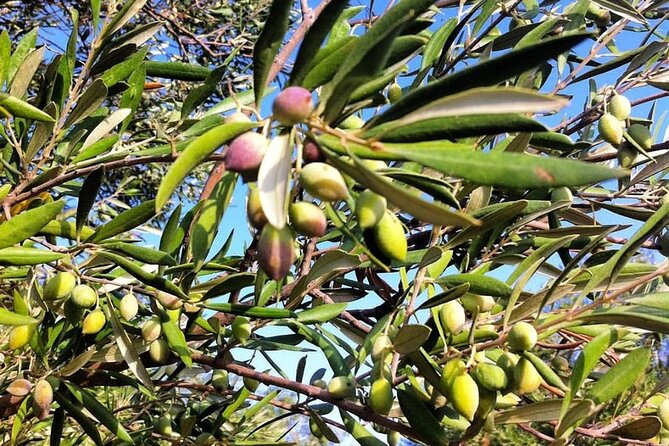
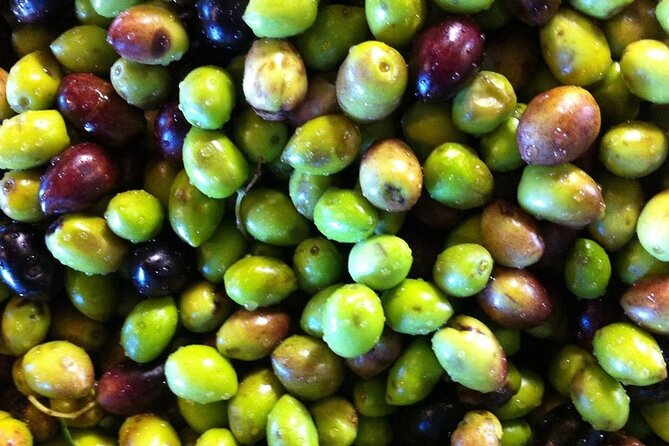
Your day kicks off at a family-run olive mill, where you can see olive oil production up close. This is the kind of stop many people skip because it’s inland and not “photo-first.” But once you’re standing there, it makes sense: olive oil isn’t just a bottle you buy. It’s a process.
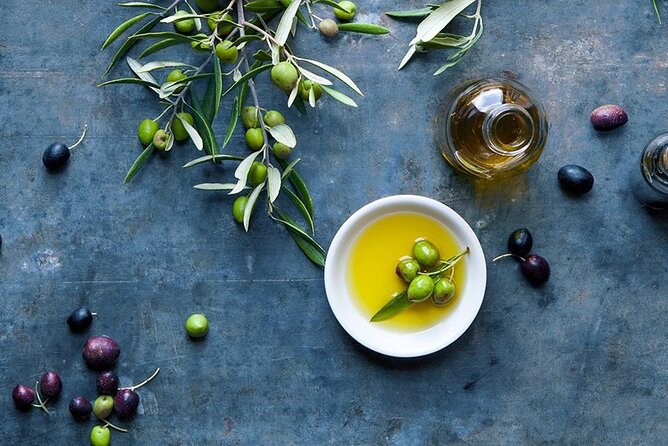
What I like about this part is that it’s not only explanation. You get a tasting from the mill. That matters because fresh oil tastes different than the oil you’ve already had for months in your kitchen.
Also, don’t rush it. The most useful thing you can do is ask how they know when the olives are ready and what changes across the season. Even if you only catch a few details, you’ll start recognizing what “good oil” means in real flavor terms: peppery bite, fruit notes, and a finish that feels clean rather than bland.
What to consider: Some days include added farm-style flavor stops (like extra tastings), so the olive portion may be part education + part “taste and talk.” If your priority is deep mill mechanics, arrive ready with questions about steps and timing.
Winery and indigenous wines: Cretan grapes, not generic pours
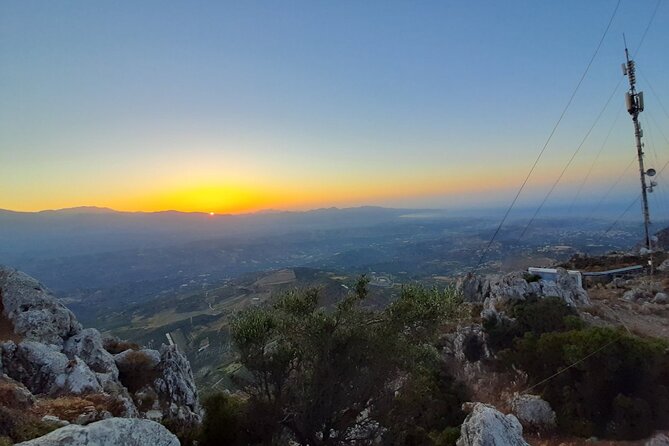
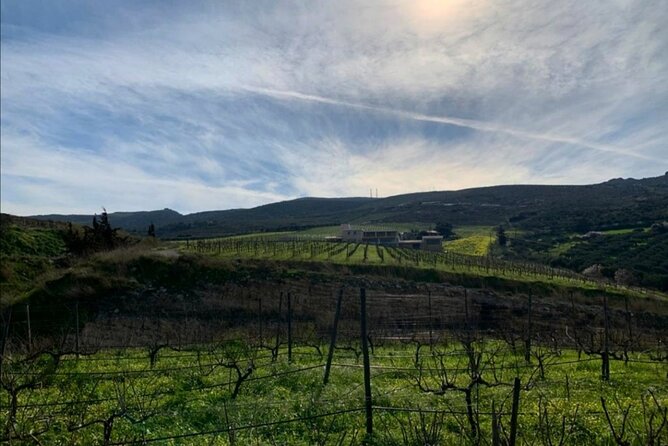
Next comes the wine side—smaller, local, and built around tasting. You’ll do a wine tasting of 3 indigenous varieties, which is a big deal if you’re used to “mostly Chardonnay / mostly Cabernet” wine lists.
Indigenous varieties can be harder to find at home, so this is one of those chances where you can actually learn something practical. You’ll taste, compare, and start to connect grape types to flavor patterns, instead of just guessing based on labels.
One thing to keep expectations realistic: wine service depends on the venue and conditions. A few guests noted that the wine wasn’t chilled, which can make a difference in hot weather. If you’re a serious wine person, I’d mentally prepare for tastes to be influenced by temperature, not just the wine itself.
My tip: Ask which variety they recommend for food pairing. Even a simple answer helps you understand how Cretans drink wine with their meals, not like a tasting lesson for its own sake.
Raki distillery: the fiery spirit with a social role
If olive oil is the island’s daily fuel, raki is the social fuel. You’ll visit a raki distillery and do a tasting of 1 raki aged in a barrel. That aging step usually means a smoother profile than straight, unaged distillate, and it’s easier for newcomers to enjoy.
Raki on Crete often comes with ritual—shared cups, friendly explanations, and a lot of conversation around how it’s made and how it’s used. You’re not just sampling alcohol. You’re learning why it’s a conversation starter.
Some stops may also include extra liqueur-style tastes alongside the main raki, depending on the day and the hosts. If you’re curious about sweeter drizzles or mixed raki drinks, it’s worth paying attention when they offer options.
What to consider: Raki is strong. Pace yourself through the tastings. You have a full day—drives, walking, and lunch—so keep water and breathing room in mind.
Soap workshop: hands-on and surprisingly memorable
This is the stop that catches people off guard—in the best way. You’ll visit a family-run soap making workshop where olive oil is turned into handmade soap, and you’ll participate in a demonstration.
What makes this valuable is the logic. Olive oil is already part of daily Crete. Turning it into soap shows the same resourcefulness: use what you have, build products that last, and share skills within families.
It’s also the most tactile part of the day. You can watch steps, smell the process, and often you leave with a better sense of why a handmade bar feels different from industrial soap. If you like practical souvenirs, this is the kind you actually use.
Note: Some days may also add other artisan-style stops (like pottery), but the soap demo is consistent in the experience you’re booking.




Peza Village lunch: the real reason the day feels complete
Lunch is included as a traditional light meal at a local tavern in Peza Village. This matters because Peza is tied to wine culture, so even lunch supports the theme of the day.
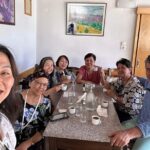
The standout detail here is not fancy presentation. It’s hospitality. A few descriptions point out a homey, family-style feeling—like you were invited in, not processed through.
Timing can be part of the story too. One practical warning: lunch can land later than you’d expect (around mid-afternoon for some schedules). If you normally eat breakfast and snack lightly, plan for that. If you skip breakfast, you might feel the hunger while you’re still mid-tasting.
What I’d do: Eat a solid breakfast before pickup. Then plan to sip water during the day (see packing section below), so the lunch doesn’t feel like a shock to your system.
Group size, timing, and what “6 hours” feels like
This tour runs about 6 hours and caps at 15 travelers, which is the sweet spot for a food-and-craft day. You get conversation without feeling like you’re in a bus parade.
Transport is handled by an air-conditioned vehicle, with short drives between stops and smaller walks on the properties. Several guests liked the pacing: small walks, then a drive, then another short stop—so you don’t end up exhausted before the tastings.
But it’s still a full-day rhythm. It’s not “drop in for 20 minutes and leave.” You’ll move, taste, listen, and then do the next thing.
Heat is the practical factor. One guest advice was clear: bring a fan. Another said water wasn’t consistently offered at every stop. I’d take both as your cue to travel prepared rather than hoping the day solves it for you.
Price and value: is it worth about $111.26?
At about $111.26 per person for roughly 6 hours, this isn’t a bargain-food-tour price. But it also isn’t one of those “we drive you around and you buy your own tastes” deals.
You’re paying for:
- Air-conditioned transport
- Lunch in Peza Village
- Olive mill visit plus olive oil tasting
- Wine tasting of 3 indigenous varieties
- Raki tasting (1 raki aged in a barrel) plus distillery visit
- Soap workshop demonstration participation
When you add up the experience value, the pricing starts to make sense. The tour is built around multiple paid tastings and entry-style producer access in one day, instead of you piecing it together with separate tickets and transport.
Also, it’s a popular option for people in the Heraklion area, often booked around 42 days in advance, which usually signals real demand for this kind of inland craft day.
My value check for you: If you’re the type who likes buying olive oil, wine, or soap but you hate wasting time on places that don’t explain anything, this tour is a good match.
Who should book this (and who might want a different day)
This is a great fit if you want:
- A food and drink day that’s actually tied to production
- Multiple tastings in one outing
- A small group where you can ask questions
- Inland experiences beyond beaches
It’s also a good choice if you enjoy conversations with artisans and producers. A lot of the positive energy in the day comes from warm hosts, not fancy scenery.
Considerations before you book:
- The day is hot and walking is part of it.
- Wine temperature can vary.
- If you’re very time-sensitive, plan around a later lunch and a longer schedule.
One accessibility note from the way the day is described: it isn’t listed as wheelchair accessible, and there can be uneven/sloping dirt and stair walking (especially around winery areas). If you have mobility concerns, you’ll want to double-check the specifics before going.
Smart packing and small “don’t get caught” tips
Cretan sun has a sense of humor. Prepare for it.
Bring:
- A small fan (sun heat inside and outside vehicles adds up)
- Water for the day, since water availability may not be consistent at every stop
- Sun protection (hat + sunscreen are a no-brainer)
- Comfortable shoes for uneven surfaces and short walks
And if you drink alcohol: pace your tastings. You’ll still be traveling and moving, and you’ll enjoy the day more if you’re alert for the stories and explanations.
Booking recommendation: should you do this?
Book this tour if you want a true “production-to-table” day—olive oil, wine, raki, and soap, all linked. The small-group size and the hands-on soap demo are big reasons to choose it, and the olive oil tasting after the mill visit is exactly the kind of detail that makes the experience feel real.
Skip it or consider an alternative if:
- You’re very sensitive to heat and long schedules
- You strongly prefer wine served chilled
- You need wheelchair-friendly routes and step-free access
If you’re in the Heraklion area and you want your Crete day to feel like work-admired-by-craftspeople (not just sightseeing), this is one of the clearer bets.
FAQ
How long is the tour?
The experience runs about 6 hours.
Is pickup available in Heraklion?
Pickup is offered, and the exact pick-up time is sent to you after booking via text message or email.
What tastings are included?
You’ll do an olive oil tasting at the olive mill, a wine tasting of 3 indigenous varieties, and a raki tasting of 1 raki aged in a barrel.
Is lunch included, and where is it served?
Yes. Lunch is included as a traditional light lunch at a local tavern in Peza Village.
How many people are on the tour?
The tour is limited to a maximum of 15 travelers.
Is there free cancellation?
Yes, you can cancel for a full refund up to 24 hours in advance of the experience start time.
Is the tour wheelchair accessible?
It is not listed as wheelchair accessible, and there can be walking on uneven or sloping surfaces plus stair walking at some parts of the day.