REVIEW · HERAKLION
Full-Day Jeep Safari Tour with Cooking Lesson
Book on Viator →Operated by Safari Experts Crete · Bookable on Viator
Rural Crete, minus the crowds. This full-day 4WD Jeep safari from Heraklion blends village life, classic Cretan food know-how, and some serious countryside views. I love the hands-on cooking and pottery lessons, plus the door-to-door pickup that keeps the day feeling smooth. One thing to keep in mind: it’s an 8 to 9 hour day, and the dirt-road riding can be bouncy, so pack for comfort.
Guides really shape the vibe here. People bring up names like Mario, Giannis, and Nikos for the same reason: they make the route fun while still giving real explanations of what you’re seeing, not just a drive-by tour. If you want a day that feels local and active, this is one of the better “from the hotel to the end” options in the area.
In This Review
- Key Things I’d Prioritize Before You Book
- What You’re Actually Buying: More Than a Jeep Ride
- Price and Value: Why $111.31 Can Make Sense for This Day
- Getting Going From Heraklion: Pickup, Timing, and Vehicle Comfort
- Potamies: Mitato Life, Cheese, Raki, and Traditional Flour Making
- Aposelemis Dam and Sfendili’s Old Houses Under Water
- Avdou: A Conserved Cretan Village You Can Walk and Look
- Ano Kera and the Ebassas Gorge: Mountain Views and Herb Collecting
- Lasithi Plateau Windmills: The Stone Sails That Used to Pump Water
- Pinakiano Cooking Class: Cook With Local Professionals, Not a Script
- Psychro Pottery Workshop: Create Your Own Ceramics
- Plati Plateau Stop: Walk the Old Village and Grab Optional Coffee
- Krasi Lunch With a Wood Oven: Food, Wine, and the Right Kind of Recovery Time
- The 2,000-Year Plane Tree and the 18th-Century Aqueduct
- Malia Olive Oil Mill: How Olive Oil Gets Exported, Plus a Tasting
- What to Expect From the Pace: Long, Fun, and Occasionally Bumpy
- Who This Tour Fits Best (And Who Might Want to Skip)
- Should You Book This Jeep Safari and Cooking Lesson?
- FAQ
- How long is the tour?
- What time does the tour start in Heraklion?
- Is pickup included, and where do they pick you up?
- What’s included for food and drinks?
- What activities are included besides the Jeep driving?
- What language is the tour offered in?
- What should I bring for the day?
- What happens if weather is poor or there aren’t enough travelers?
Key Things I’d Prioritize Before You Book
- Door-to-door pickup in the wider Heraklion area so you start the day relaxed
- Hands-on food and craft lessons: cooking + pottery, not just demos
- 4WD off-road time plus village stops that avoid the busiest tourist corridors
- A real meal included: lunch with wine and water
- Multiple culture stops in one day, including Windmills of Lasithi and an olive oil mill
What You’re Actually Buying: More Than a Jeep Ride
This isn’t a one-note safari. Yes, you’ll ride in a 4WD vehicle (a Landrover Defender or a Mercedes Vito), but the payoff is what happens at the stops: you meet local food and craft makers, you learn how Cretan staples are made, and you get to participate instead of just watch.
I like this format because it solves a common Crete problem. If you only drive on your own, you can see views but miss the how-to details. If you only do a museum-style tour, you learn facts but don’t get your hands involved. Here, you get both, with enough variety to keep the day from dragging.
The day also has a practical rhythm. There are quick photo and viewpoint pauses, then longer activity windows where you’re actually working, tasting, or learning. That pacing matters when you’re looking at an 8 to 9 hour total outing.
If your travel style is “do something real, then enjoy the drive,” you’ll probably feel at home here.
You can also read our reviews of more tours and experiences in Heraklion.

Price and Value: Why $111.31 Can Make Sense for This Day
At $111.31 per person, you’re paying for a full package: round-trip transport (including pickup and drop-off), fuel, guided driving, and multiple included activities. The part that often justifies the cost is the mix of paid elements you’d otherwise piece together on separate days: a cooking class, a pottery workshop, and a village-meets-food experience where tastings are part of the flow.
You’re also not just buying food at the end. Lunch includes wine and water, and the day builds in additional tasting moments like products from a shepherd setting and a small olive oil sampling later.
Is it cheap? No. But it’s also not overpriced in the context of what’s included—especially if you want a single day that covers several rural regions and skills. For many visitors, the value is the convenience: you don’t need to organize transport, find rural workshops, or negotiate where to eat.
Getting Going From Heraklion: Pickup, Timing, and Vehicle Comfort
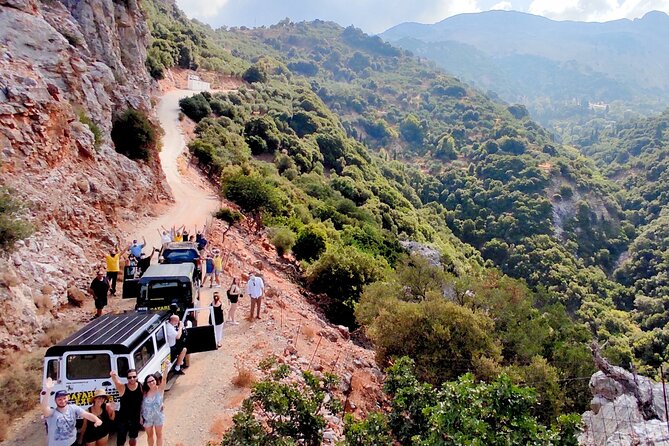
The tour starts at 8:00 am, with pickup offered from many locations around Heraklion between 7:45 am and 9:30 am. Drop-off is around 4:30 to 5:00 pm. If your hotel is in an area the vehicle can’t reach, they’ll give you a nearby meeting point, which is a nice safety-first approach.
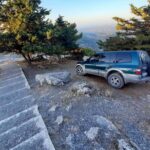
The vehicle choice matters. You’ll be in a 4WD Landrover Defender or a Mercedes Vito, and those dirt-road sections are part of the point. Plan for some bouncing. If you’re the type who needs a smooth ride, you’ll want to sit smart (toward the front is often steadier on rough roads).
Group size is capped at 20 travelers, which helps keep the day from feeling like a cattle-car day tour. And yes, English is offered.
Before you go, pack like you’re heading out for a long outdoor day: walking shoes, sunscreen, a hat, sunglasses, a jacket, and water.
Potamies: Mitato Life, Cheese, Raki, and Traditional Flour Making
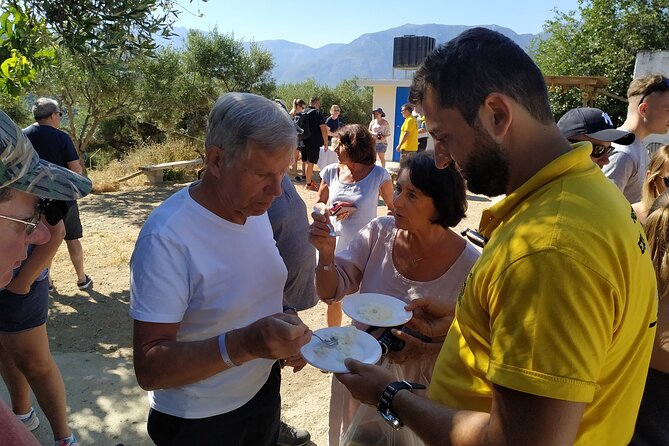
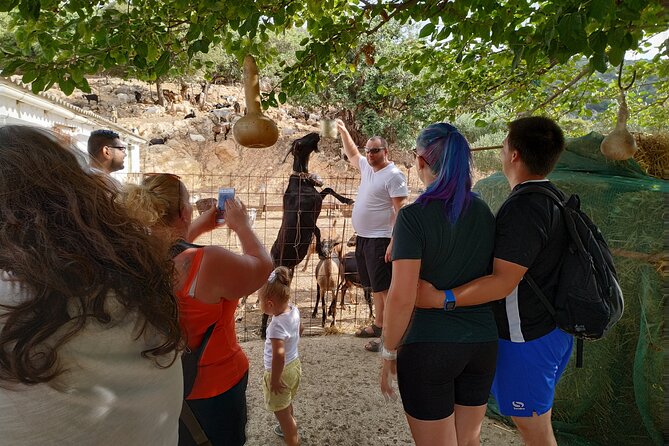
Your first meaningful stop is Potamies, an authentic Cretan village setting. You’ll visit a traditional mitato where you meet a local shepherd and his family. This is one of the most hands-on starts of the day because it connects animals to food—goats, then milk, then what people make from it.
In this setting you’ll see:
- how cheese is made after milking
- how flour is made using a traditional herromily process
If you want to taste, there’s the option to sample traditional products like cheese, raki, and oil. I like that the tour doesn’t keep everything theoretical. You see, you learn, and you can taste.
Possible consideration: this is an active farm-style stop. If you’re sensitive to animals or aren’t comfortable with hands-on learning environments, it might feel busier than the more architectural stops later.
Aposelemis Dam and Sfendili’s Old Houses Under Water
After Potamies, you head to Aposelemis Dam, described as the largest water supply project in Crete. The village of Sfendili is submerged, and you can see the idea of old houses fading on the water’s surface.
This is a shorter stop, more about atmosphere and perspective than a long activity session. But it’s valuable because it shows how infrastructure and landscape changes shape real communities.
If you’re the type who likes photo moments, this is a good one. Bring a steady eye for textures—stone, water, and the sense of a place that used to be fully above ground.


Avdou: A Conserved Cretan Village You Can Walk and Look
Next comes Avdou, a village where the buildings are preserved and even marked with signs about how the settlement was shaped. This stop feels different from the farm and craft parts because it’s about how people built and lived.
I like Avdou for slowing the pace just enough to notice details you’d miss if you were rushing to the next viewpoint. The village vibe is also a good mental reset after earlier activity.
Ano Kera and the Ebassas Gorge: Mountain Views and Herb Collecting
Now you start ascending over dirt roads, passing by the gorge of Ebassas. This is where the day starts to feel like a true mountain drive: steep grades, wider views, and that feeling of getting farther from the coast.
There’s also a short stop where the guide collects local herbs—including oregano, thyme, and sage—in a way that connects what you’ll smell later (in cooking) to where it grows.
This is the kind of small moment that makes the cooking lesson hit harder. You’re not just learning ingredients. You’re learning where they come from and why Cretans use them so often.
Lasithi Plateau Windmills: The Stone Sails That Used to Pump Water
The tour includes the Windmills of Lasithi Plateau, stone structures originally fitted with white sails that turned in the wind to draw water for irrigation. The heyday had over 10,000 windmills, and even if you don’t see that number today, the scale of the story comes through.
This stop is brief, but it’s a big-picture moment. It helps you understand how people engineered water access before modern systems took over.
If you’re a “teach me how people lived” visitor, this works well.
Pinakiano Cooking Class: Cook With Local Professionals, Not a Script
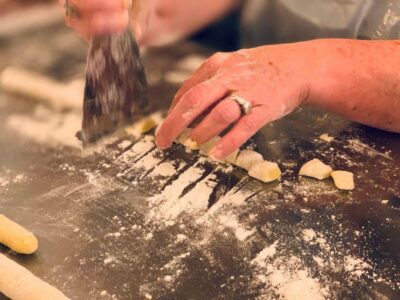
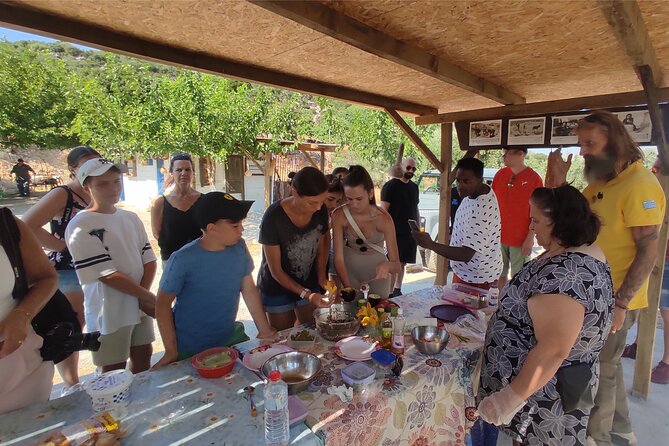
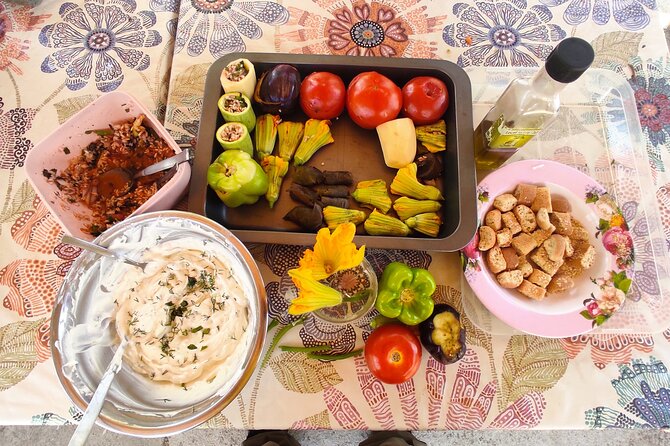
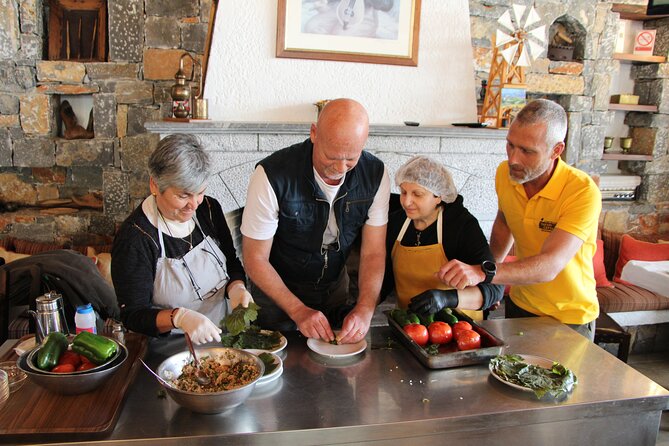
Then it’s time for the cooking classes from local professionals in Pinakiano. This is not just a tasting. You’ll participate in the preparation of dishes made with pure ingredients and local products. Expect herb aromas and a chance to taste what you cook.
The best part of a cooking class like this isn’t just the meal at the end—it’s the method. Even if you don’t recreate the exact dish at home, you’ll learn the logic of Cretan flavors: herb-forward, ingredient-focused, and built around what local producers make available.
Practical note: cooking classes still happen inside a bigger, moving day. If you get motion-sick, take it easy in the vehicle on the way to this segment.
Psychro Pottery Workshop: Create Your Own Ceramics
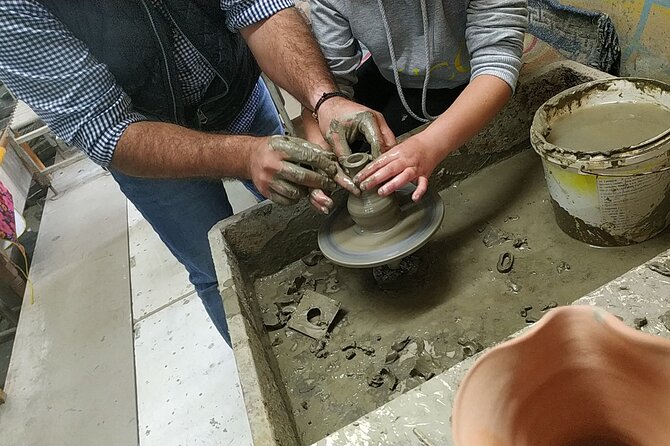
After cooking, the day adds another skill: pottery. At Psychro, you visit a pottery workshop to learn the secrets of ceramic art, and you take part in a course where you create your own ceramics.
I like pottery here because it’s tactile and slow-paced compared to the earlier driving. It’s also a nice counterbalance to the food segment. If you’re traveling with someone who isn’t a big foodie, they still get something hands-on.
Possible consideration: your finished piece might not be ready immediately in the way you’re imagining. The tour description focuses on participation and creation, but you should plan for a workshop experience rather than an instant museum-grade result.
Plati Plateau Stop: Walk the Old Village and Grab Optional Coffee
Next up is Plati, with time for a tour of the plateau and contact with its inhabitants. There’s also a stop at a local cafeteria, where optional coffee is available.
You’ll get a bit of downtime here, which matters because by now you’ve already done a farm stop, some driving, a cooking class, and a pottery session. This segment can help you breathe and reset.
If you enjoy wandering small lanes, you might also use the time to walk the allies of the old village, depending on how the schedule feels on the day.
Krasi Lunch With a Wood Oven: Food, Wine, and the Right Kind of Recovery Time
One of the strongest parts of the day is lunch in Krasi, where the food is baked in a wood oven at a traditional restaurant. This is where the day stops being about lessons and turns into reward mode: flavors, aromas, and local wine, with lunch lasting about 1 hour 30 minutes.
This long lunch block is a big deal on a day like this. Eight to nine hours of activities can feel like a grind if the meal is short. Here, you get real time to sit, eat, and talk—plus you’re fueling up for the last stretch.
If you want a smooth experience, make sure you’ve been drinking water earlier in the day. The sun and travel effort can sneak up on you.
The 2,000-Year Plane Tree and the 18th-Century Aqueduct
After lunch, you visit the monumental plane tree of Krasi, described as over 2,000 years old. The square around it is dominated by an 18th-century aqueduct.
This stop is short—about 15 minutes—but it’s the kind of scene that makes the whole route feel grounded. You get a real landmark, not just a viewpoint.
It’s also a good photo pause before the final segment.
Malia Olive Oil Mill: How Olive Oil Gets Exported, Plus a Tasting
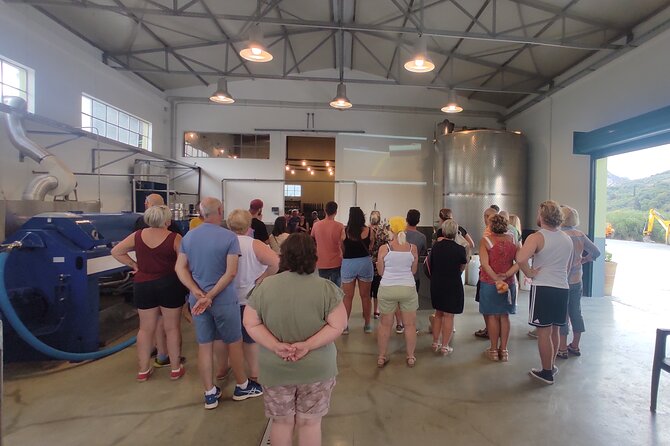
The day ends in Malia with a tour of an olive oil mill, plus a lesson on how olive oil is exported. You’ll finish with a small taste test.
This is a smart closing choice because it ties the food themes together. You started with goats, milk, and cheese. Then herbs and cooking. Now you finish with olive oil, another core ingredient of Cretan life.
If you want to bring something home from the day—even just in your memory—the olive oil focus is a strong wrap-up.
What to Expect From the Pace: Long, Fun, and Occasionally Bumpy
This is an action-heavy full day. The schedule moves from village to village with frequent short stops and several main activity blocks. The good news: the day is designed so you’re not stuck waiting around. The common complaint to watch for isn’t about boredom—it’s about being ready for a long day and the occasional bumps on dirt roads.
Also, keep expectations flexible. Some stops can change due to safety reasons or practical closures. The tour operator notes route or stop changes for safety, and it can happen that a workshop or location isn’t accessible on a given day.
That’s why I recommend you go in with the mindset of experiencing the rural rhythm, not checking off a perfect checklist.
Who This Tour Fits Best (And Who Might Want to Skip)
This tour is a great match if you want:
- a rural Crete day with actual participation
- a mix of food lessons + craft time
- guided driving that helps you reach places you might not find easily on your own
It’s also a strong option for couples and families, since the day has variety. You’re not only sitting; you’re learning and doing.
Skip or reconsider if:
- you need a smooth, low-activity day
- you have serious medical conditions (the tour notes it’s not recommended)
- the idea of hands-on farm and workshop settings feels stressful for you
Should You Book This Jeep Safari and Cooking Lesson?
If you want one unforgettable day that combines off-road Crete, real village encounters, and two hands-on workshops, I think this is a strong booking. The value stacks up because you get transport + included lunch + cooking + pottery, and the schedule is packed in a way that usually keeps the day moving without feeling rushed.
Just be honest with yourself about comfort. Bring sun protection, wear proper shoes, and expect some bumps. If that’s fine, you’ll likely come away with more than photos—you’ll have food knowledge and craft experience you can actually use.
FAQ
How long is the tour?
The tour runs about 8 to 9 hours.
What time does the tour start in Heraklion?
It starts at 8:00 am.
Is pickup included, and where do they pick you up?
Pickup is included from wider areas around Heraklion, including places like Amoudara, Analipsis – Anissaras, Chersonissos – Piskopiano – Koutouloufari, Elounda, Agios Nikolaos, Gouves – Kokkini Hani, Malia, Sisi, Milatos, and Stalis. Pickup is typically offered between 7:45 am and 9:30 am, and you’ll receive the exact pickup time after booking.
What’s included for food and drinks?
Lunch is included, with wine and water.
What activities are included besides the Jeep driving?
The tour includes cooking classes and a pottery class, plus village stops such as goat-related experiences in a mitato and an olive oil mill visit.
What language is the tour offered in?
The tour is offered in English.
What should I bring for the day?
Wear walking shoes, and bring sunscreen, a hat, sunglasses, a jacket, and water.
What happens if weather is poor or there aren’t enough travelers?
The experience requires good weather. If it’s canceled due to poor weather, you’ll be offered a different date or a full refund. If the minimum number of travelers isn’t met, you’ll be offered a different date/experience or a full refund.