REVIEW · SARDINIA
Culurgiones Cooking Class Cagliari
Book on Viator →Operated by Damiano Usala · Bookable on Viator
A dumpling class that feels like Sunday lunch. This culurgiones cooking class in Cagliari is a hands-on way to learn one of Sardinia’s most traditional dishes—then eat what you make with appetizers, wine, and dessert. I like that you get real technique practice (not just watching), especially when learning to seal each dumpling, and I also like the focus on local ingredients like durum wheat flour, potatoes, mint, and cheese. One thing to consider: the filling mix can be shared across the table, so if you’re not a cheese fan, you’ll want to go in with that in mind.
You meet at Via Cettigne, 20 in Cagliari for an 11:00am start, and the whole experience runs about 3 hours. The class stays small—max 8 travelers—which helps the hosts give specific feedback while you work. The tone is warm and relaxed, but still structured enough that you’ll leave knowing what to do next time you try culurgiones at home.
In This Review
- 5 Key Things I’d Put on Your Radar
- Why Culurgiones Cooking Belongs in Your Cagliari Day
- Meeting at Via Cettigne: How the 11:00am Class Runs
- The Ingredient Story: Durum Flour, Mint, Potatoes, Cheese
- Step-by-Step: Preparing and Sealing Your Dumplings
- A Small Detail to Watch: Cheese-Heavy by Design
- Lunch Included: Cheese Selection, Vegetarian Starters, Wine, and Apps
- Starters: Cheese and Seasonal Options
- Main: The Culurgiones You Made
- The Myth-Buster Dessert: Myrtle (Mirto) Liquor
- Group Dynamics: What Small-Group Means in Practice
- Price and Value: Is $96.79 Worth It?
- Who This Culurgiones Class Fits Best
- Should You Book This Culurgiones Cooking Class?
- FAQ
- How long is the culurgiones cooking class in Cagliari?
- What time does the class start?
- Where is the meeting point?
- What’s included in the price?
- What’s the maximum group size?
- Is the class offered in English?
- What is the minimum age?
- Is there a cancellation window?
5 Key Things I’d Put on Your Radar
- Hands-on culurgiones shaping: you learn how to prepare and seal each dumpling
- Small group of up to 8: better coaching and more time at the worktable
- Local ingredient focus: durum wheat flour plus local farmers’ potatoes, mint, and cheese
- Included lunch and wine: appetizers, your culurgiones, and local glass wine
- Myrtle (mirto) finish: a traditional dessert liquor to close the meal
Why Culurgiones Cooking Belongs in Your Cagliari Day
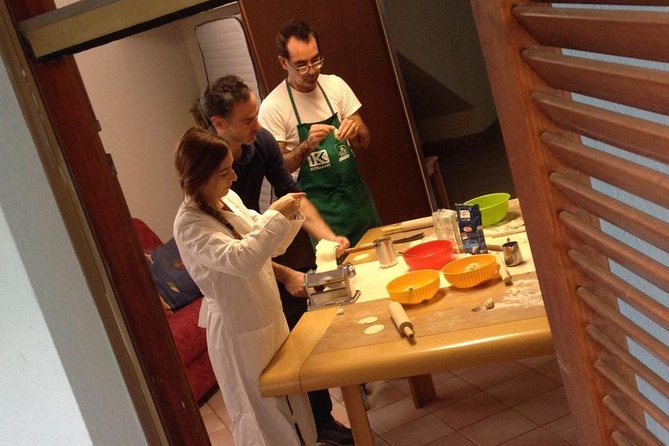
Culurgiones aren’t just pasta. They’re a Sardinian idea of comfort food—potatoes and cheese tucked into a sealed dumpling, shaped with just enough care that it feels like a family craft. What I like about this class in particular is how it treats the dish as a process: you learn dough, filling, and the finishing technique that makes culurgiones recognizable.
This is also a good “culture through food” option that doesn’t require you to hunt down a restaurant reservation or decode a menu. You’ll get the why behind the flavors as you work, and then you’ll taste the result right away—usually the fastest way to understand a regional specialty.
The setting matters, too. The experience is hosted by Damiano Usala (with helpers who support the teaching), and the lesson happens in a home-style kitchen setup. That tends to make the whole thing feel less like a performance and more like getting invited to help with a real meal.
You can also read our reviews of more tours and experiences in Sardinia.


Meeting at Via Cettigne: How the 11:00am Class Runs
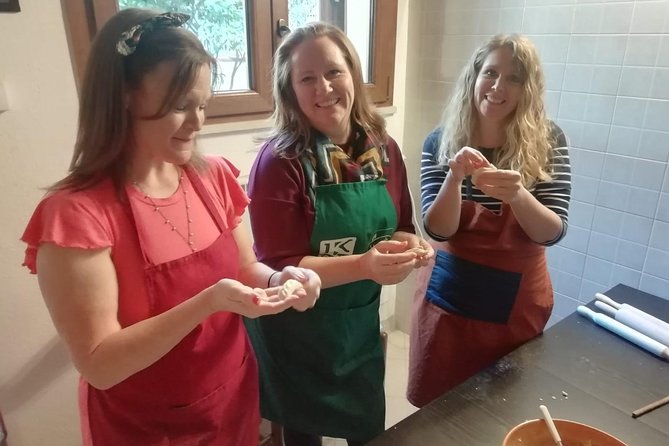
The day starts at Via Cettigne, 20, 09129 Cagliari, with a start time of 11:00am. You return back to the same meeting point at the end. Planning-wise, that’s convenient: you don’t have to figure out a second transit step after lunch, and you can build the rest of your afternoon around a 3-hour window.
The session is paced around cooking realities. While you work the pasta dough and assembly steps, the potatoes and tomato sauce are cooking in the background. That “while this simmers, we do this” rhythm is exactly what you want from a class like this. It keeps energy up and prevents that slow, awkward feeling where everyone waits.
With only up to 8 people, you’re not stuck in a line. You can usually expect turn-by-turn guidance and corrections as you learn. In plain terms: it’s easier to get your technique right when you’re not competing for attention.
The Ingredient Story: Durum Flour, Mint, Potatoes, Cheese
One of the best signals here is the ingredient approach. This isn’t a class that relies on generic supermarket shortcuts. You’ll use durum wheat flour from a Sardinian local producer, and the key components—potatoes, mint, and cheese—are described as coming from local farmers.
Why that matters for you:
- Durum flour changes the bite and feel of pasta dough. Even if you’ve never handled dough before, you can notice that it behaves differently than soft wheat blends.
- Potatoes are the base flavor for culurgiones. If they’re fresh and well prepared, the filling tastes grounded, not watery.
- Mint isn’t a garnish here. It’s part of the identity of the filling, so you’ll understand why Sardinians take it seriously.
And cheese is front and center. Some of the most positive comments focus on how much people loved the cheese-driven flavor, so this is especially satisfying if you like aged, salty notes alongside potato sweetness.
Step-by-Step: Preparing and Sealing Your Dumplings
The core of the class is the culurgiones workshop itself: you’ll learn how to prepare the pasta and how to assemble and seal each dumpling. The sealing step is where the craft lives. It’s also the part most people remember later—because once you’ve practiced a few, you finally understand how the shape holds in the filling.
Here’s what you can expect in rhythm:
- You start with dough prep while the other components cook.
- You move into filling and shaping.
- You practice the sealing technique until the dumplings look cohesive and ready to cook.
- Then you get to eat what you made.
You’ll also pick up a couple of practical ideas that make the skill portable. When a host gives specific tips—like how to handle dough thickness, how to portion filling, or how to prevent gaps—it reduces the “mystery” of the dish. That’s the real value in any cooking class: leaving with a repeatable method, not just a full plate.
A Small Detail to Watch: Cheese-Heavy by Design
There’s one consideration to flag. The filling can be handled in a way that results in a shared mix among the group, so your personal taste preferences might not fully control what ends up on your dumpling. If you don’t like cheese much, you might find this limits your enjoyment compared with someone who’s happy with cheese as the star.




Lunch Included: Cheese Selection, Vegetarian Starters, Wine, and Apps
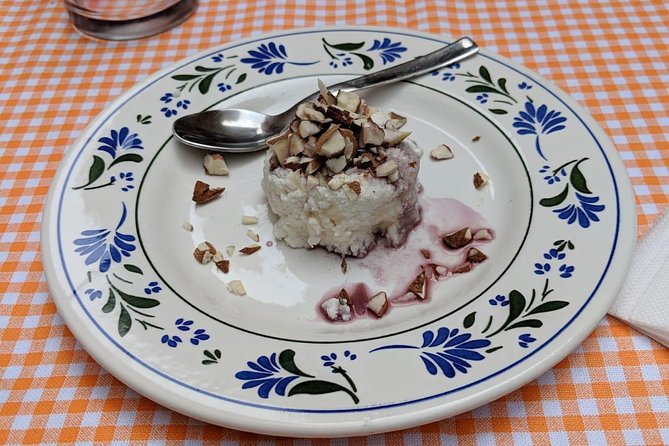
After the worktable phase, it turns into a proper lunch with a community table setup. The menu is built around Sardinian simplicity: a starter lineup, your culurgiones, and a sweet ending.
Starters: Cheese and Seasonal Options
You’ll get:
- A Sardinian cheese selection (described as at least two different cheeses)
- A seasonal vegetarian appetizer, with options like pickled vegetables or vegetables preserved in oil
If you’re the type who loves tasting a region through dairy and preserved flavors, this part hits hard. Cheese in Sardinia isn’t a side quest—it’s a main character. Even if you’re there for culurgiones, the starter helps set the flavor stage so the dumpling tastes like it belongs.
Main: The Culurgiones You Made
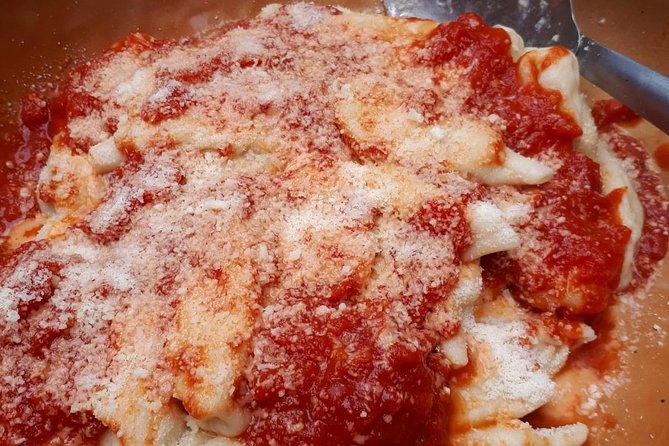
The class meal centers on the culurgiones outcome. You’ll be served the dumplings you created, and the format is intentionally friendly: the more you make, the more the group eats. In other words, it rewards effort without making you feel rushed or judged.
Also, you’re not just eating plain pasta. The dumplings are traditionally tied to potato and sauce elements, and you’ll notice how the sealing and filling consistency affects the final bite.
The Myth-Buster Dessert: Myrtle (Mirto) Liquor
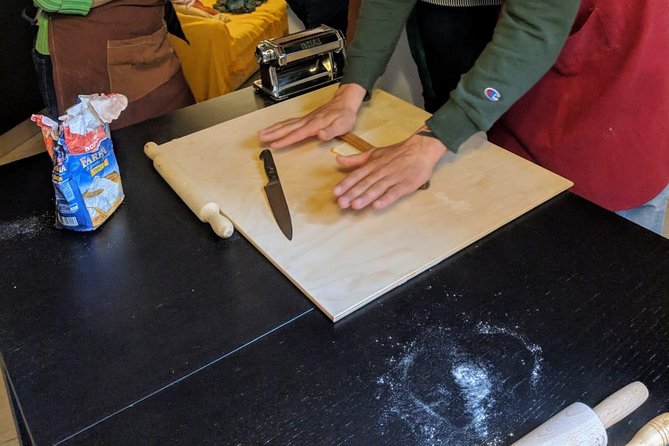
Dessert is described as a dessert liquor made with myrtle, often called mirto. This matters because mirto is one of those flavors that instantly makes a trip feel “real.” It’s local, it’s traditional, and it ties the meal to Sardinia rather than generic Italian dessert choices.
So instead of a heavy dessert plate, you get a digestif-style finish—something you can sip and reflect on what you learned in the last 3 hours.
Group Dynamics: What Small-Group Means in Practice
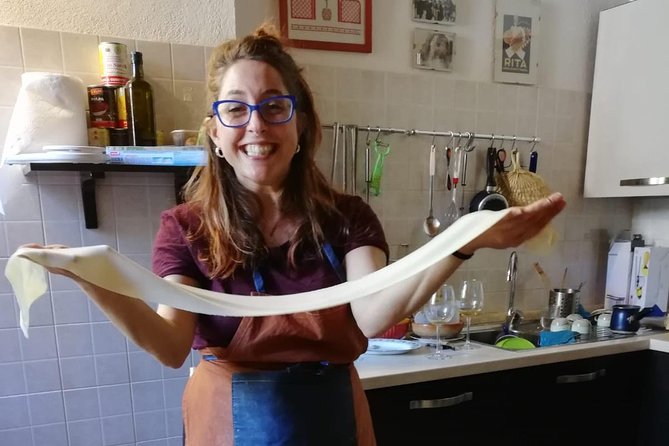
With maximum 8 travelers, the class tends to feel like a shared table experience, not a classroom. You’ll likely get plenty of chances to ask questions and get hands-on help without waiting around. That small group size is especially important for beginner cooks.
Also, this is offered in English, so you’re not stuck translating while trying to shape pasta. Add patience from the host and helpers (Damiano plus supportive instructors), and the class becomes a good “first time pasta-making” entry.
Family-wise, it’s built to work for a range of ages:
- Minimum age is 4 years
- Service animals are allowed
- It’s near public transportation
If you’re traveling with kids, the structured hands-on activity can be more engaging than sitting through a long meal at a restaurant.
Price and Value: Is $96.79 Worth It?
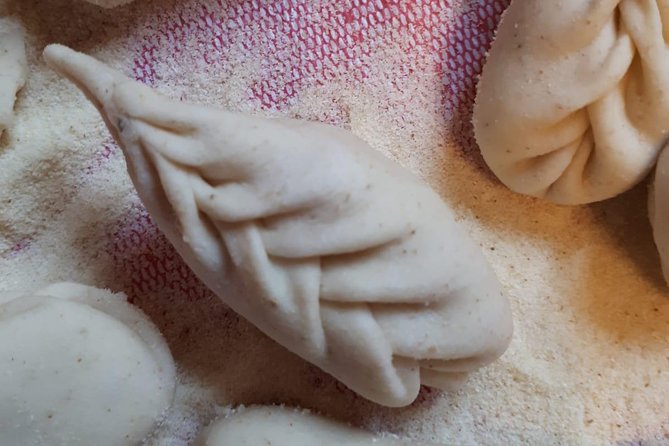
At $96.79 per person, the value depends on what you want from the experience. If you’re just buying lunch, it won’t be the cheapest food you can find. But if you want a guided skill lesson plus ingredients plus a full meal, the price starts to make sense quickly.
Here’s the practical way to think about the value:
- You’re paying for instruction on technique: dough prep and the sealing step.
- You’re paying for the ingredient experience: local durum flour and local filling components.
- You’re paying for a full meal: appetizers, wine, and dessert liquor are included.
- You’re getting a small-group setting with coaching potential.
Also, this is a skill you can repeat. Even if your first batch at home isn’t perfect, you’ll have a starting point. That’s why I tend to rate cooking classes as experiences over “activities”—the payoff lasts longer than a single meal.
Who This Culurgiones Class Fits Best
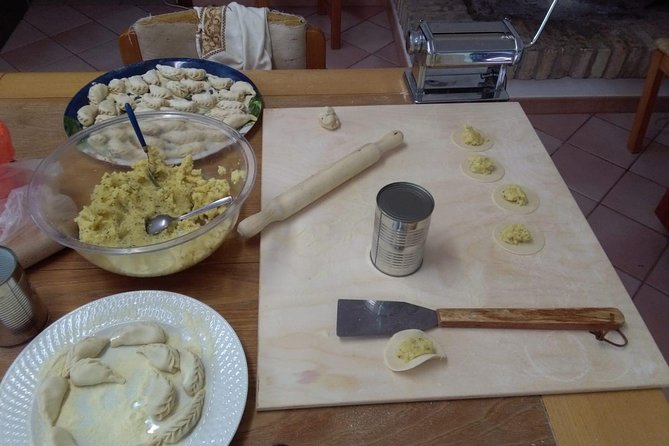
This is a strong match if you:
- Love Italian and specifically Sardinian food
- Want to learn dumpling technique (not just taste)
- Enjoy cheese-driven flavors
- Prefer small groups and direct instruction
- Want a social meal experience, since you’ll sit together and eat what you made
It’s not ideal if you:
- Strongly dislike cheese (the filling-forward style may not suit you)
- Expect a long formal lecture (this is hands-on and food-centered)
- Want a very fast, stop-and-go “tourist sampler” format (this is a real cooking lesson with a full sit-down lunch)
Should You Book This Culurgiones Cooking Class?
If you’re in Cagliari and you want one thing that feels both practical and local, I’d book this. The class is small, the teaching focus is clear, and the meal is built around real Sardinian ingredients—durum flour, potatoes, mint, and cheese. The included lunch plus wine plus mirto also means you’re not juggling plans right after your pasta-making session.
My main caution is taste preference. If you’re not a cheese person, ask yourself whether you’ll still enjoy the dish even when your control over exact filling seasoning is limited by the shared format. If that’s not you, this is the kind of experience you’ll talk about long after you head back to your hotel.
FAQ
How long is the culurgiones cooking class in Cagliari?
The experience lasts about 3 hours.
What time does the class start?
It starts at 11:00am.
Where is the meeting point?
The meeting point is Via Cettigne, 20, 09129 Cagliari CA, Italy.
What’s included in the price?
You get hands-on instruction making culurgiones, plus a meal that includes appetizers, wine, the culurgiones you made, and a myrtle (mirto) dessert liquor.
What’s the maximum group size?
The class has a maximum of 8 travelers.
Is the class offered in English?
Yes, it’s offered in English.
What is the minimum age?
The minimum age is 4 years.
Is there a cancellation window?
Free cancellation is available, and you can cancel up to 24 hours in advance for a full refund.