REVIEW · MILAN
Discover the Milano by Food
Book on Viator →Operated by Caterina Torella · Bookable on Viator
Milan gets easier with food and feet. This private Milano by Food walk uses tastings plus street-smart guidance to help you get your bearings fast, with stops in Brera, Porta Garibaldi, and the newer Porta Nuova area. You’ll also finish near the Moscova subway, so it’s a handy starter tour for a first day in town.
I particularly love the Brera section—art, history, and boutique shopping streets that feel more like a neighborhood stroll than a checklist march. I also love how the tour connects food with real-life choices: you’ll pick up suggestions for where to eat and how to fit Milan’s aperitivo rhythm into your own plan.
One possible drawback: it’s about 2.5 hours, so if you’re expecting a long, heavy-food crawl with lots of stops for every course, this may feel more like a focused intro than a full-on eating marathon.
In This Review
- Key things to know before you go
- Getting oriented in Milan’s Brera-to-Moscova route
- Brera District: art, design, and fashion streets you’ll want to revisit
- Orto Botanico di Brera: a quick reset inside the school grounds
- Piazza Gae Aulenti and the Bosco Verticale area
- Porta Garibaldi: an old gate break that adds context fast
- The tastings and the aperitivo/dinner ideas you can actually use
- Price and time: is it good value for your trip?
- Caterina Torella’s style: conversations plus city context
- Who should book this tour (and who might skip it)
- Should you book Milano by Food?
- FAQ
- How long is the Milano by Food tour?
- How much does it cost per person?
- Is the tour private?
- Where does the tour start and end?
- Is the tour offered in English?
- What if I need to cancel?
Key things to know before you go
- Private group: only your group participates, which makes questions and pacing easier.
- Brera first: a design, art, and fashion-oriented district sets the tone early.
- Modern Milan sight: you’ll see the area where Bosco Verticale is located.
- Old gate moment: Porta Garibaldi gives you a quick hit of the city’s older side.
- Food advice that lasts: you’ll leave with ideas for aperitivo and dinner spots, not just photos.
Getting oriented in Milan’s Brera-to-Moscova route
This is a short, guided walk that’s built for orientation. You start near Lanza and end near Moscova, with a finish in front of a good coffee option close to the subway. That routing matters because Milan can feel big and slightly confusing the first day, especially if you’re hopping between districts.
The vibe is “skip the stress.” You’re not wandering around trying to guess what’s worth your time. Instead, you get a structured stroll with context—so the streets, architecture, and food suggestions connect rather than feel random.
Because it’s a private tour/activity, you can ask follow-ups without worrying that the whole group will get thrown off. In the reviews, the guide’s conversational style comes up often, and that’s exactly what helps on a first visit.
You can also read our reviews of more tours and experiences in Milan.

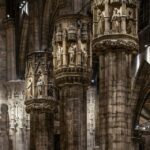
Brera District: art, design, and fashion streets you’ll want to revisit
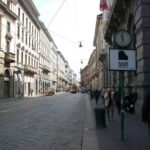
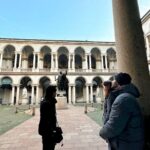
Brera is the classic Milan neighborhood for a reason. On this tour, you begin there, walking through streets that feel creative and curated, with art, history, and boutiques all mixed into the same blocks. Even if you’re not shopping, this district helps you understand Milan’s taste level—how style and culture sit side by side.
You’ll also get a sense of Brera’s energy without it turning into a crowded, performative sightseeing session. It’s a solid first stop because it gives you a mental map: where the design vibe lives, where people like to browse, and what kind of atmosphere you should seek later.
One practical tip: wear shoes you can walk in for an extended block-by-block wander. Brera rewards that pace. If you rush through, you’ll miss the little street details that make the area feel lived-in rather than staged.
Orto Botanico di Brera: a quick reset inside the school grounds
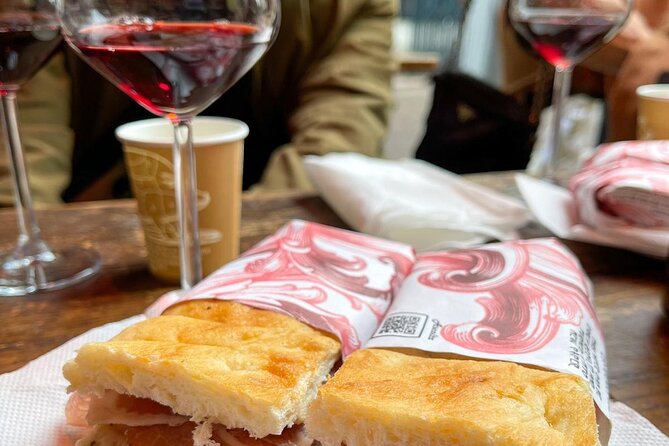
After Brera’s streets, the tour moves to the Orto Botanico di Brera. This stop is brief, just enough time to step into a quieter pocket of green and reset your senses. It’s also tied to Brera’s school environment, so you get a “place within a place” feeling rather than a standalone attraction.
What I like here is the pacing. In tours that cram too much, you can end up with sights that blur together. The garden stop breaks that up. It also gives you something different from the architecture-and-shopping focus of the first part.
The downside is also obvious: it’s not a long garden visit. If you’re hoping for a slow, lingering botanical experience, you may want extra time before or after your tour elsewhere. But as a short breath in the middle of a food-and-neighborhood walk, it works.
Piazza Gae Aulenti and the Bosco Verticale area
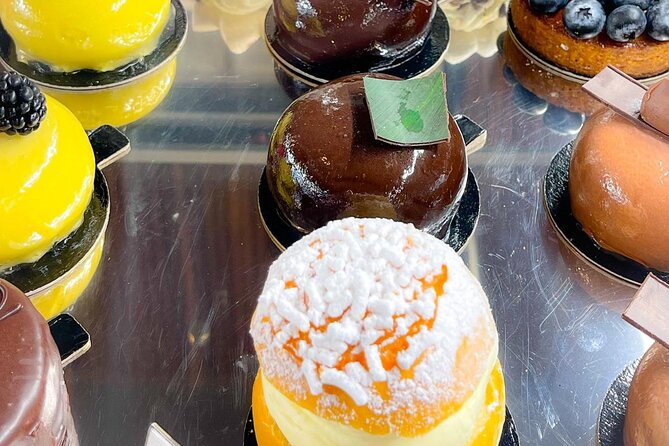
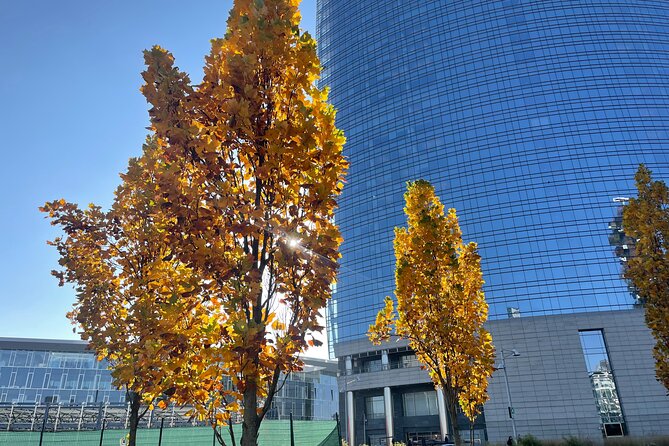
Next you head toward Piazza Gae Aulenti and the newer business zone where Bosco Verticale is found. This is your “modern Milan” moment, and it’s a useful contrast to Brera’s older feel.
The best part of this section isn’t only the photo opportunity. It’s the way the tour frames the change in Milan—how the city invests in contemporary design while still keeping older landmarks in the mix. Even in just the short time you spend here, you start to see Milan as layered, not one-note.
If you’re the kind of traveler who loves architecture details, you’ll likely enjoy this stop more than the average “pass-by” view. Just remember it’s time-limited, so come with a quick game plan: decide what you want to notice (building forms, street layout, how people move through the area), and you’ll get more out of a short walk.
Porta Garibaldi: an old gate break that adds context fast
Then comes Porta Garibaldi, where you’ll walk through one of Milan’s older gates. This is a quick stop, but it does a big job: it anchors the tour in the city’s older streets and tells you that Milan’s modern look has history underneath.
I like stops like this because they create contrast. After modern architecture, stepping into the older gate zone helps you feel the shift in time. It’s also the kind of sight you’d easily miss if you were only following the most obvious tourist routes.
Because the stop is short, don’t expect a lecture that turns into a museum visit. Instead, it’s a “right info, right moment” style stop—ideal if you’re trying to pack smart learning into a 2.5-hour window.

The tastings and the aperitivo/dinner ideas you can actually use
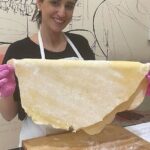
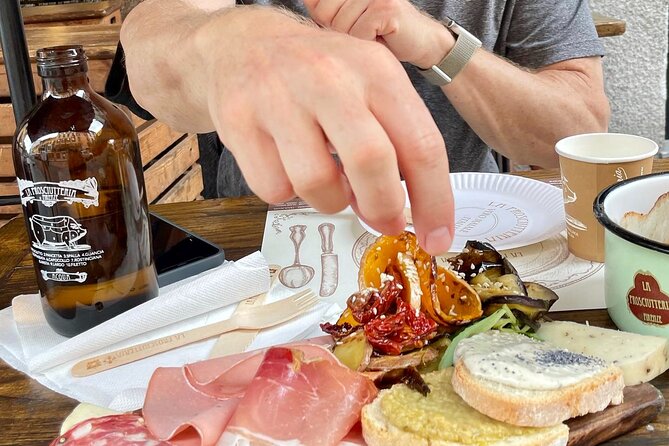
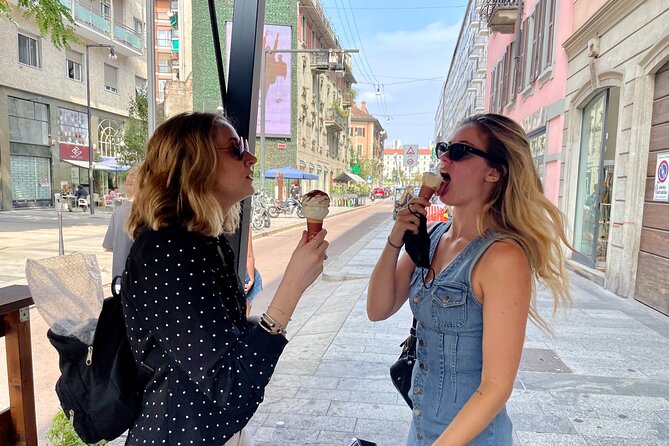
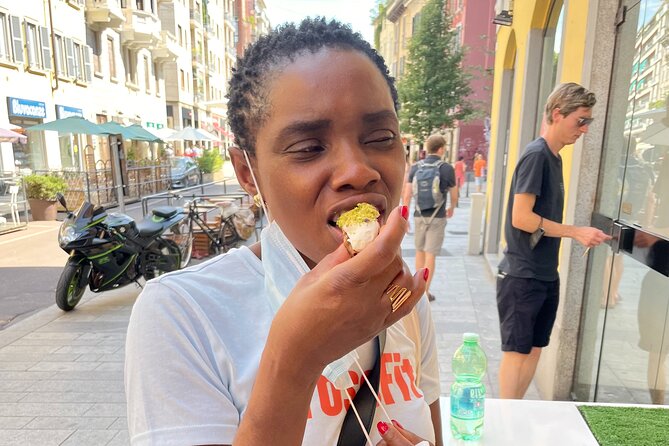
This tour is built around food, not just sightseeing. You’ll start at a restaurant and get tastings, including a Negroni-style cocktail riff mentioned in one review, which is a nice example of how the experience mixes Milan’s bar culture with guided context.
Here’s why I think this matters: in Milan, where to eat is half the battle. If you don’t know what neighborhoods to target, you can waste time on places that are convenient but not right for your vibe or schedule. This tour helps you avoid that by giving you practical dining suggestions for aperitivo and dinner—plus ideas for sightseeing and shopping that match the same areas you walk through.
A good strategy after you finish is to use your tour notes immediately. Pick one aperitivo option for your first evening, then use the rest of your tour guidance to shape where you’ll go next day. You’ll get more out of the city because you’ll already know what kind of Milan experience you’re aiming for.
Price and time: is it good value for your trip?
The price is $181.41 per person, and the tour runs about 2 hours 30 minutes. That sounds steep until you compare it to what you’re really paying for: a private walking experience with guided stops in multiple districts, plus tastings and curated restaurant insight.
If you’re traveling with a group and want a reliable first-day plan, this can be good value. The reason is simple: you’re buying time and direction. Milan’s neighborhoods are not uniform, and hopping around without a plan can cost you hours. A structured 2.5-hour start can save you that.
Also, the tour is booked in advance fairly often (on average about 53 days). If your dates are fixed, it’s smart to book early so you don’t end up scrambling for a good time slot.
The expectation piece is important. One review flagged that the experience felt average compared with other food tours, while also praising the guide’s on-time service, plan, and clear English. So I’d frame it like this: if you want a very standard, fast, neighborhood-and-taste intro, you’ll likely enjoy it. If you want a longer or more dramatic food crawl, you might want to pair this with another food-focused experience later.
Caterina Torella’s style: conversations plus city context
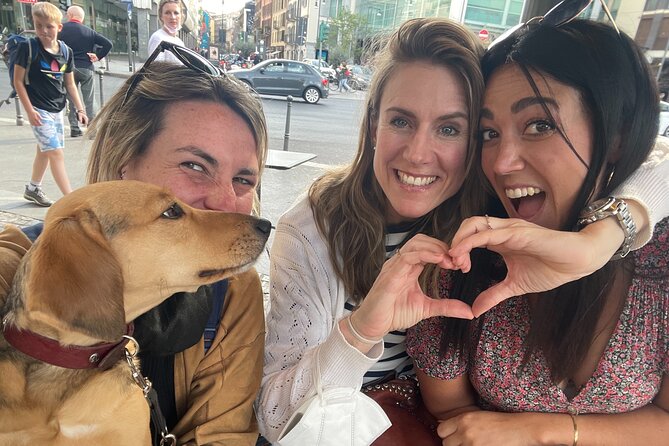
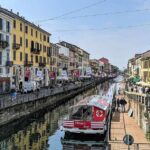
The guide for this experience is Caterina Torella, and she comes across as someone who likes to connect food with what’s going on in the city. In the reviews, her presentation gets singled out, including attention to Milan’s canals history and friendly, engaging conversation.
That matters because it turns a food stop into something you can carry with you. You don’t just taste and move on. You learn why certain areas feel the way they do, and that makes the rest of your trip easier to navigate.
You’ll also appreciate that the tour has a clear plan and stays on schedule. One reviewer mentioned that the guide was kind and on time, with a structured approach. In practice, that’s the kind of professionalism that helps when you’ve got dinner reservations or a tight itinerary.
Who should book this tour (and who might skip it)
This works best if you:
- want a first-day Milan orientation that combines neighborhoods with food advice
- enjoy both design/architecture and casual tastings
- like a guide who talks through context, not just names of streets
It might not be ideal if you:
- are chasing a longer, multi-stop tasting marathon
- prefer food without much historical or neighborhood framing
- have an extremely tight schedule where finishing on time near Moscova could interfere with your next commitment
A smart compromise if you’re a big foodie: use this as your starter plan for what to try, then build your later meals around the neighborhoods and styles your guide recommends.
Should you book Milano by Food?
I’d book it if you want a clean, structured introduction to Milan that covers the “why” behind the places you’re walking through. The private format, tastings, and the immediate payoff of aperitivo and dinner suggestions make it a practical choice—especially on day one.
If you’re the type who already has a full day mapped and you only want a quick snack, this may feel like too much planning for what you get. But if you’re building your trip around smart decisions, not random wandering, this is a strong start.
FAQ
How long is the Milano by Food tour?
It runs about 2 hours 30 minutes (approximately).
How much does it cost per person?
The price is $181.41 per person.
Is the tour private?
Yes. It’s a private tour/activity, and only your group participates.
Where does the tour start and end?
It starts near Lanza (20121 Milan) and ends near Moscova (20121 Milan), with the tour ending in front of a nice coffee close to the Moscova subway station.
Is the tour offered in English?
Yes, it is offered in English.
What if I need to cancel?
You can cancel for a full refund up to 24 hours in advance of the experience’s start time.