REVIEW · MILAN
Milan: Pasta, Tiramisu, Cooking Class! Learning Premium Products!
Book on Viator →Bookable on Viator
Cooking in Milan hits different. You’ll learn handmade pasta and tiramisu in a real home kitchen, not a showroom. Two things I really like about this experience are the product education (single-origin olive oil, aged balsamic, and Parmigiano Reggiano) and the hands-on pace with a host who builds in plenty of conversation about Italian food and everyday life.
The main drawback to think about is timing: plan for a long afternoon/evening, since one earlier start does not always mean an exact finish time. Also, it’s an informal setting at the chef’s residence, so dress like you’re heading to a casual dinner with a bit of cooking involved.
In This Review
- Key highlights to look for
- Milan’s pasta class at a real chef’s home (not a cooking theater)
- What you’ll cook: fettuccine, Pomodoro sauce, Parmigiano sauce, and tiramisu
- The ingredient tastings that actually change how you cook
- Meet Rafael: the host style, group vibe, and the “family dinner” finish
- Lunch or early dinner: picking the right slot for your Milan rhythm
- How long it takes and what that means for planning
- Small-group size: why it matters more than you think
- Price and value: what $102.80 really buys in skills
- Who should book this Milan cooking class (and who might skip it)
- Should you book this Milan pasta and tiramisu class?
- FAQ
- How long is the cooking class?
- Can I choose lunch or early dinner?
- How many people are in each group?
- Where does the class start and end?
- What dishes will I learn to make?
- Do we taste olive oil and balsamic before cooking?
- Is the class offered in English?
- Is wine included?
- What is the cancellation policy?
Key highlights to look for
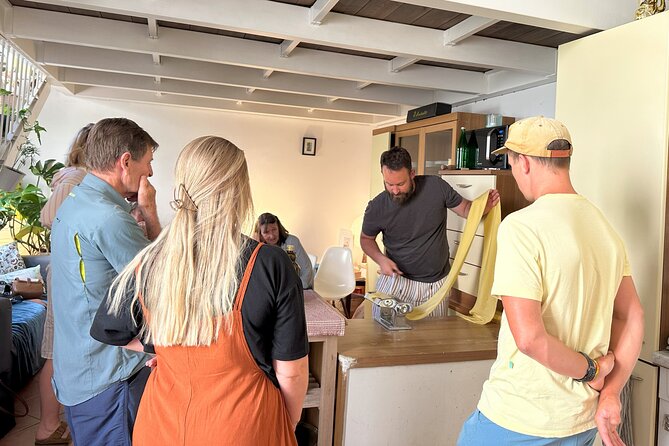
- Hands-on handmade pasta using eggs, flour, and a traditional pasta machine
- Two sauces you’ll actually be able to repeat: Pomodoro style and a creamy Parmigiano Reggiano sauce
- Premium tastings before you cook (single-origin DOP olive oil, aged balsamic vinegar, artisan bread)
- Tiramisu with technique and a product focus plus a wine pairing
- Small group energy capped at six per group, with a stated maximum of 8 travelers
Milan’s pasta class at a real chef’s home (not a cooking theater)
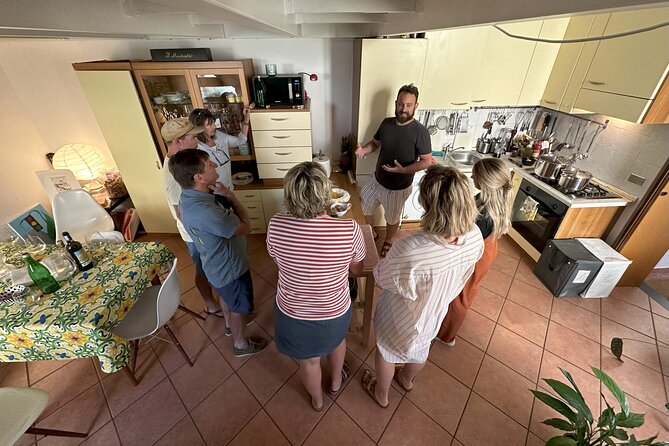
This class gives you the Milan version of cooking: simple ingredients handled with care, done on purpose, and eaten right after. It takes place at the chef’s home, so you’re in a lived-in space where cooking feels less like an activity and more like how families eat when they want something special.
I like that it’s designed to be social. You’re not just watching; you’re working side by side with other people, and the host mixes cooking instruction with stories about Italian restaurant life and how food culture shows up day to day.
One more practical plus: the experience runs from the start point at Via Giuseppe Ripamonti, and it ends back there. That makes planning your return easier after the class, especially if you’re using public transport.
You can also read our reviews of more tours and experiences in Milan.


What you’ll cook: fettuccine, Pomodoro sauce, Parmigiano sauce, and tiramisu
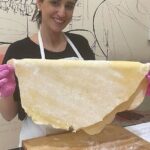
The core of the evening is building your confidence with pasta from scratch. You’ll make handmade pasta using just eggs and flour, then roll and shape it with a traditional pasta machine. For a lot of people, that’s the real “Milan skill”: you stop thinking pasta is magic and start thinking it’s technique.
Then comes the fun part, the two classic sauces. You’ll learn a classic tomato-based sauce (Pomodoro style) and a creamy Parmigiano Reggiano sauce. These aren’t throw-together sauces. The point is to learn how a few key choices and cooking steps create big flavor without relying on complicated shortcuts.
For the creamy option, the class emphasizes premium ingredients, including 24-month-aged Parmigiano Reggiano and high-quality butter for a rich, Alfredo-style result. The tomato sauce side is built around restraint: when you only have a few ingredients, quality and method have to do the work. That mindset is what you take home, not just the finished plate.
And dessert is tiramisu, taught as a process, not just a recipe. You’ll cover the story and techniques for making traditional tiramisu, using premium ingredients. The class also pairs your dessert and meal with Italian wine, so you get that proper “stay for dinner” feeling instead of a quick class-and-go.
The ingredient tastings that actually change how you cook
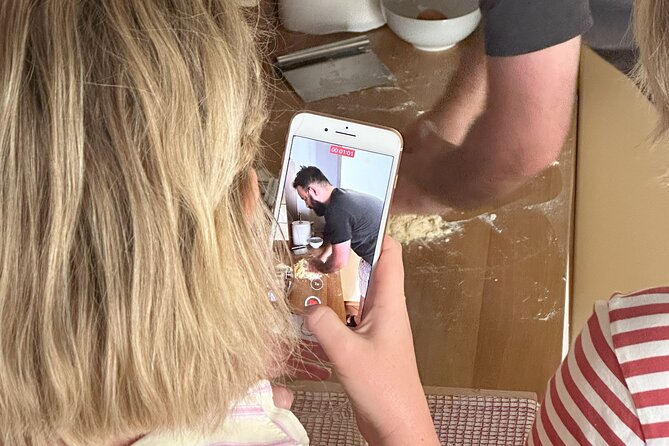
Before you start cooking, you get a real advantage: instruction on how to choose ingredients. The starter includes a product tasting with artisan bread, pairing single-origin olive oil and premium balsamic vinegars from well-known producers. The class also highlights aged balsamic vinegar (including a 12-year-aged style) and shows you what those flavors mean in practice.
This matters because many home cooks buy olive oil and balsamic in a way that’s convenient, not accurate. Here, you learn what to look for and why it changes the taste of even a basic dish like bread dipped in oil or a sauce finished with the right vinegar.
You also get an ingredient focus that’s very Italian: choose fewer, better items and treat them with respect. The reviews echo this idea with the same takeaway: a handful of quality ingredients can beat a complicated recipe almost every time.
If you care about cooking quality, this tasting portion is not filler. It’s the foundation for why your pasta sauces and tiramisu will taste like you planned them, not like you guessed.
Meet Rafael: the host style, group vibe, and the “family dinner” finish
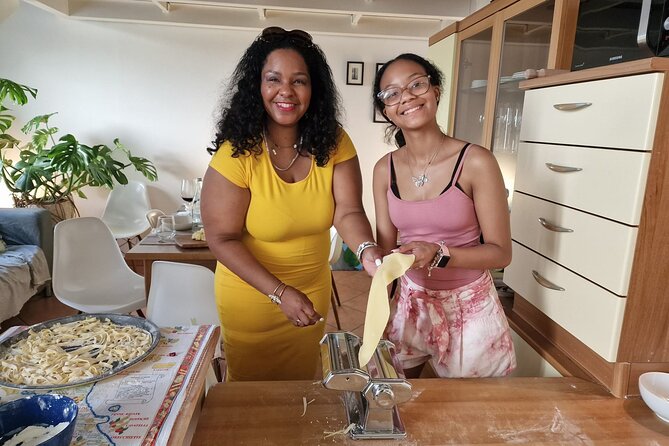
The class is led by Rafael, and his teaching approach blends hands-on cooking with stories and lively conversation. In the best moments, you feel like you’re in a friend’s apartment that just happens to run a cooking lesson: laugh, chop, stir, taste, repeat.
Rafael also spends time explaining Italian cuisine through culture and history, not in a lecture way, but through how ingredients and habits show up in real kitchens. That’s part of what makes the evening more than recipe copying.
There’s also a very personal ending. After you cook, you sit down family-style and eat what you made, with warm, personal stories about life in Italy’s restaurant kitchens. It’s the kind of finish that helps you relax and actually enjoy the results instead of rushing through to the next stop.
One consideration: the setting can be informal and the host may use colorful jokes. If you’re traveling with kids, it’s often workable, but I’d keep expectations realistic for a home-based class. The same informal vibe is what many people love most.
Lunch or early dinner: picking the right slot for your Milan rhythm
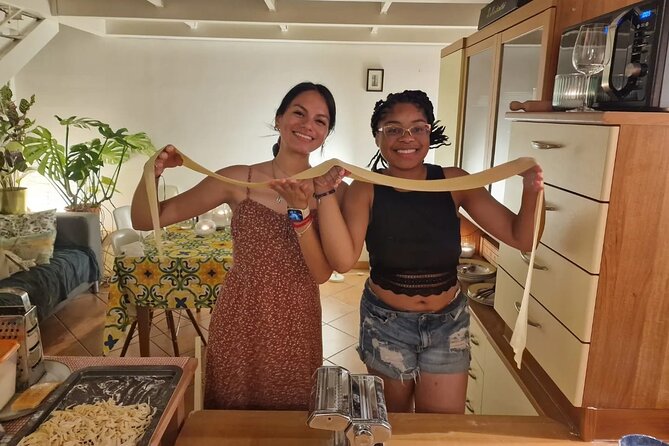
When you book, you can choose between a lunch class or an early dinner class. Either option gives you the same core cooking skills and the same main menu structure, but your day around it matters.
If you’re sightseeing hard in the morning, the lunch slot can help you lock in one “done” meal early. You’ll be eating your own pasta and tiramisu while the city is still active, and then you’ll have energy for an evening walk afterward.
If you want Milan to feel more like an Italian evening, choose the early dinner class. You’ll start later, cook while the light changes, and end with a meal that feels like a real kitchen event, not just a scheduled activity.
One more timing note: plan buffer time. One experience ran longer than the listed window, so don’t book a tight connection right after. If you rely on a specific train or have a show with a hard start time, build in slack.






How long it takes and what that means for planning
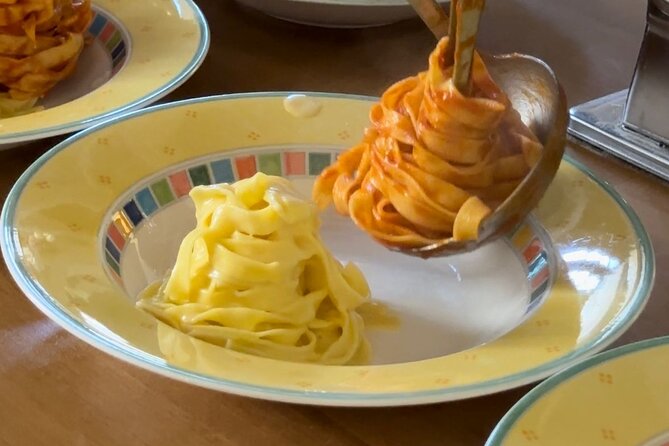
The class runs about 3 hours 30 minutes. That length is a good sign. It usually means you have time for tastings, hands-on pasta making, cooking both sauces, assembling tiramisu, and then sitting down together to eat.
It also means you should show up hungry and ready to work. Wear clothes you’re fine with getting a little splashed, since you’ll be handling dough and sauce while learning.
Because the group is small, the pacing can feel relaxed even though you’re doing multiple dishes. Small groups help with one-on-one attention when you hit a tricky step, like rolling dough evenly or getting the sauce consistency right.
Small-group size: why it matters more than you think
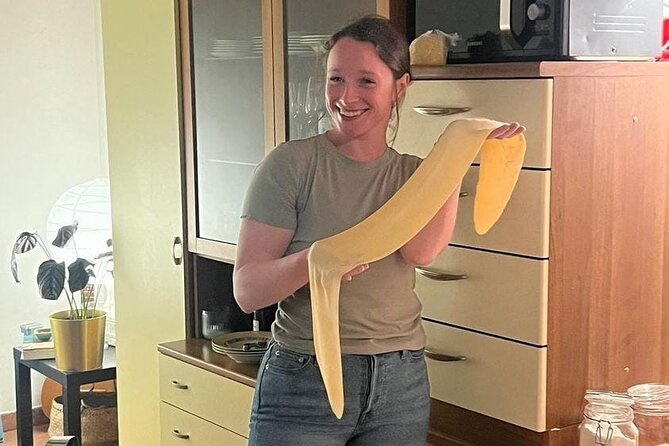
This experience is capped at just six per group, and it’s also stated as a maximum of 8 travelers. Either way, you’re in a compact class where everyone can participate.
That size changes the whole feel. In a bigger group, the host might demonstrate more and you might participate less. Here, you’re more likely to handle the pasta machine steps, mix components, and taste along the way.
It also makes the family-style dinner part better. With fewer people, conversation stays easy, and you get a sense of sharing the meal rather than just eating your plate.
If you want a course where you leave with real confidence, this small setup is a key value point.
Price and value: what $102.80 really buys in skills
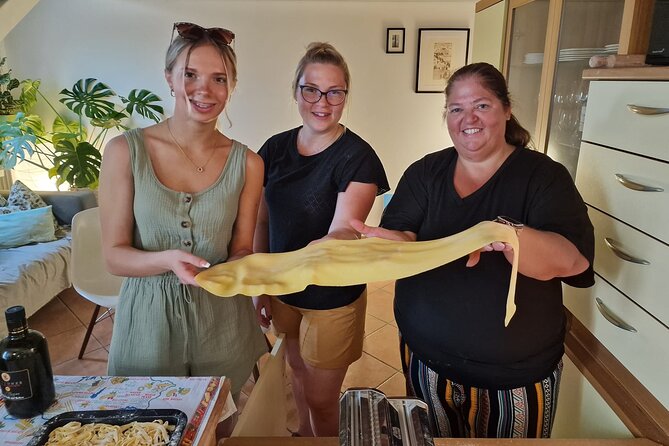
At $102.80 per person, this isn’t a budget snack-class. You’re paying for a full meal experience plus skill building, and the ingredient list supports that.
Here’s what you’re actually getting for the price:
- Premium tastings (single-origin olive oil and aged balsamic paired with bread)
- Hands-on pasta making with eggs, flour, and a pasta machine
- Two sauces taught with classic technique (Pomodoro and Parmigiano Reggiano style)
- Tiramisu with technique and premium ingredients
- A bottle of Italian wine paired with the meal
- A family-style dinner where you eat what you made
That combination is why the cost can make sense compared to paying for a meal and then paying separately for a class. This is one of those “you’re not just eating, you’re learning the method” experiences, which is what lets you recreate it at home.
Also, if you travel in a duo or small group, you’re buying more than recipes. You’re buying the logic behind ingredient choice and the small technique cues that prevent homemade pasta and tiramisu from going flat.
Who should book this Milan cooking class (and who might skip it)
I think this is a strong fit if you want:
- A practical Milan memory you can recreate at home
- Pasta and dessert technique in a relaxed, small-group setting
- Ingredient education you can use next time you cook, not just entertainment
- A meal that becomes part of your travel day, with wine and conversation
It’s also a good choice for people who enjoy food culture. The evening includes stories about Italian cuisine and restaurant life, so your brain gets fed along with your stomach.
You might consider a different option if you:
- Need a strict schedule with no buffer (the evening can run long)
- Prefer very formal instruction only, not an informal home-hosting vibe
- Don’t want any chance of colorful jokes during conversation
Should you book this Milan pasta and tiramisu class?
If you want real cooking skills tied to premium ingredients, I’d book it. The biggest reasons are the hands-on pasta from scratch, the two sauces you learn with clear technique, and the tasting portion that teaches you how to buy and use better olive oil and balsamic. Add the tiramisu lesson and the family-style dinner, and you’re getting a full “Italian kitchen evening” rather than a quick demo.
Just go in with the right mindset: bring comfortable clothes, plan extra time, and accept that this is at a chef’s residence where the vibe is warm and chatty. If that sounds like your kind of Milan moment, this class can become one of your most useful travel buys.
FAQ
How long is the cooking class?
It lasts about 3 hours 30 minutes, approximately.
Can I choose lunch or early dinner?
Yes. When you book, you can choose between a lunch class or an early dinner class.
How many people are in each group?
It’s designed as a small-group experience, described as capped at six per group, with a maximum of 8 travelers.
Where does the class start and end?
It starts at Via Giuseppe Ripamonti, 7/a, 20136 Milano MI, Italy, and it ends back at the meeting point.
What dishes will I learn to make?
You’ll make handmade pasta from scratch, cook two dishes with sauce (including a classic tomato sauce and a creamy Parmigiano Reggiano sauce), and make tiramisu for dessert.
Do we taste olive oil and balsamic before cooking?
Yes. There is a special products tasting experience, including single-origin olive oil and premium aged balsamic vinegar paired with artisan bread.
Is the class offered in English?
Yes, it’s offered in English.
Is wine included?
Yes. Your meal includes Italian wine, with the class description pairing it with your tiramisu and dinner.
What is the cancellation policy?
You can cancel for free up to 24 hours in advance for a full refund. If you cancel within 24 hours of the start time, there is no refund.