REVIEW · LINGUAGLOSSA
Etna North 2900mt & Craters of 2002
Book on GetYourGuide →Operated by SicilyInsideOut · Bookable on GetYourGuide
Etna can feel like a movie set. This short excursion takes you to 2900 meters on the North side and onto the edge of the 2002 craters, with a real volcanological guide. I like that it’s built for people who love nature first, and geology second. The off-road ride makes the hard parts easier, and the views are big enough to reset your brain.
I love two things most: the 4×4 access to high elevation and the focused walk where you learn what a volcano is doing in real time. I also really appreciate the way the guide breaks down what you’re seeing, including mineral colors and eruption traces.
One consideration: it’s cold and exposed at altitude, and it includes a climb (about 300 meters) plus walking on volcanic terrain—so it’s not a fit if you have certain health concerns.
In This Review
- Quick hits: what makes Etna North 2900 m and the 2002 craters special
- Entering Etna: Piano Provenzana, voucher exchange, and that first 4×4 jolt
- The Craters of 2002 rift walk: how eruptions shape what you can see
- The view stop from Sicily’s roof: what you see when visibility is good
- North-East crater and the volcano observatory area: the part that feels most real
- Group size and pacing: short days can still teach you a lot
- What to pack (and what to skip): the practical altitude checklist
- Price and value: is $77.03 for 2.5 hours a smart Etna move?
- Who should book this Etna North tour (and who should skip it)
- Weather reality check: how to plan for cold, wind, and changing visibility
- Should you book Etna North 2900 m and Craters of 2002?
- FAQ
- Where does the tour start and end?
- How long is the Etna North 2900 m and Craters of 2002 tour?
- What transportation is included?
- Do I need a lunch reservation or packed food?
- What languages are the guides available in?
- Is a licensed guide included?
- How much walking or climbing is there?
- What should I bring?
- Are sandals allowed?
- Is this tour suitable for people with health problems?
- Where will I go for viewpoints?
Quick hits: what makes Etna North 2900 m and the 2002 craters special
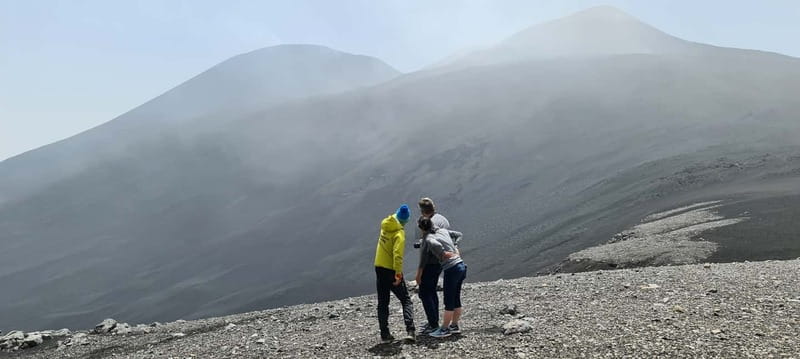
- Start at Piano Provenzana and use off-road vehicles to reach high ground fast
- Walk the edge of the Craters of 2002 and learn how the eruption shaped the rift
- Minerals in multiple colors (yellow, red, and blue) are part of the learning stop
- Sweeping viewpoints on a clear day: Taormina, Naxos, the Straits of Messina and Calabria
- North-East crater area and the volcano observatory are part of the summit-side experience
- A short but real climb (around 300 m total) on scoria and bombs, not a flat stroll
Entering Etna: Piano Provenzana, voucher exchange, and that first 4×4 jolt
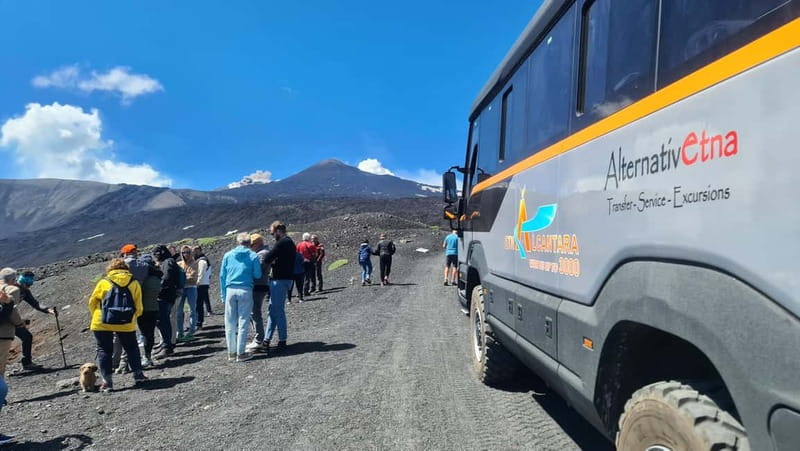
This tour starts at Piano Provenzana. Before you go anywhere, you’ll exchange your voucher at the ticket counter. It’s a small step, but it matters because this is the point where you get sorted and meet the guide and vehicle crew.
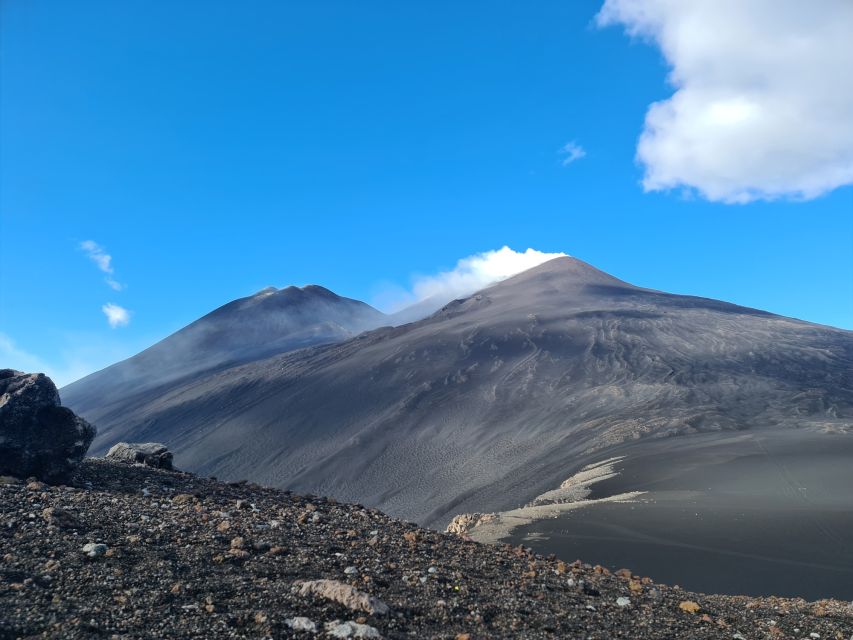
Then comes the part that makes this excursion feel efficient: you ride in a 4×4 bus up rough terrain. You’re not stuck grinding uphill from the start. Instead, you get lifted toward the higher slopes, where the volcanic textures start showing up in a big way—lava fields, volcanic sand, and the scar lines tied to the 2002 eruption.
If you’re the type who likes to have your bearings, take that seriously here. One of the most practical tips I’d follow is using Google Maps to help you get to the meeting area, because road signs aren’t always clear near the mountain access points. Give yourself extra time so you don’t arrive rushed.
You can also read our reviews of more tours and experiences in Linguaglossa.
The Craters of 2002 rift walk: how eruptions shape what you can see
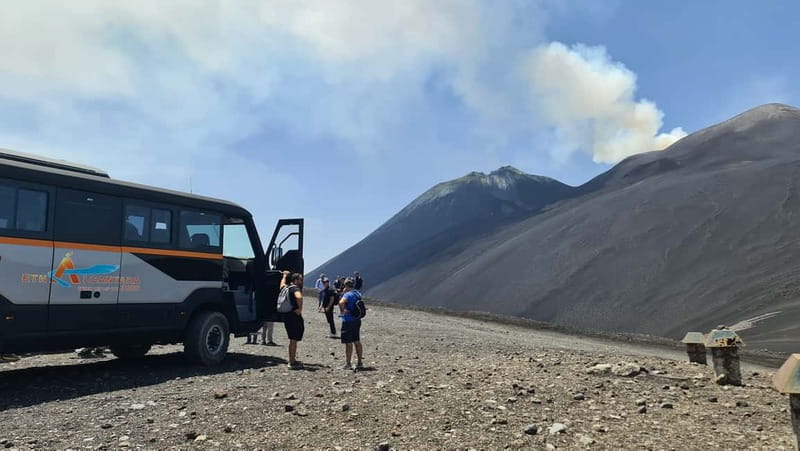
Once you’re up in the volcanic zone, the tour shifts from ride-time to walk-time. You’ll follow a mountain trail in the 2900-meter zone, framed by the rift created in the 2002 eruption. This is one of the most rewarding parts because it turns a scary headline eruption into something you can actually stand on and look at.
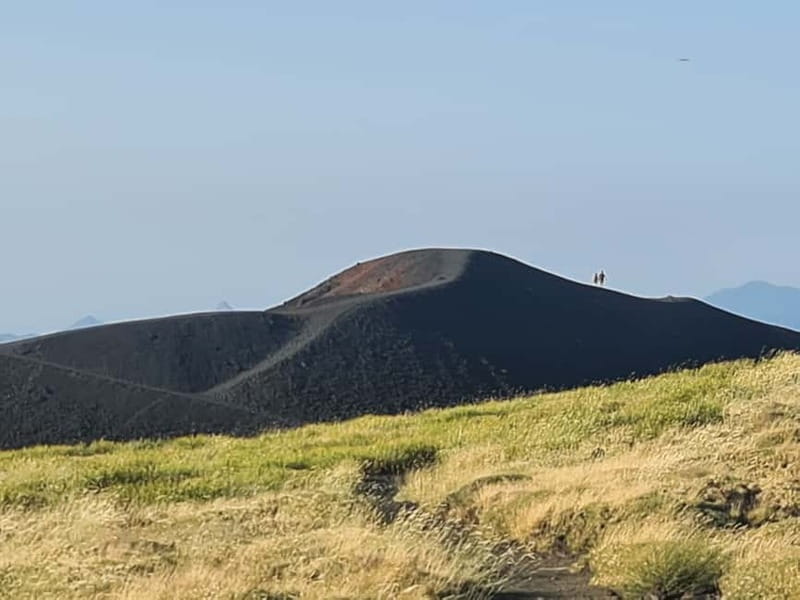
You’ll walk near the edge of the Craters of 2002. The guide explains how a volcano forms and how the eruption left behind shapes that still make sense when you pay attention to the ground. It’s not just dramatic scenery. It’s a set of physical clues.
One of my favorite details is the mineral stop. You’ll identify minerals with colors ranging from yellow to red to blue. That kind of hands-on observation helps you connect eruption materials to what you see in front of you. Even if you’re not a geology person, it gives you a way to look past the obvious black rock.
You’ll also get time to stop, look, and take photos. The pace is designed for short pauses between points, so you can actually absorb the rift terrain rather than racing through it.
The view stop from Sicily’s roof: what you see when visibility is good
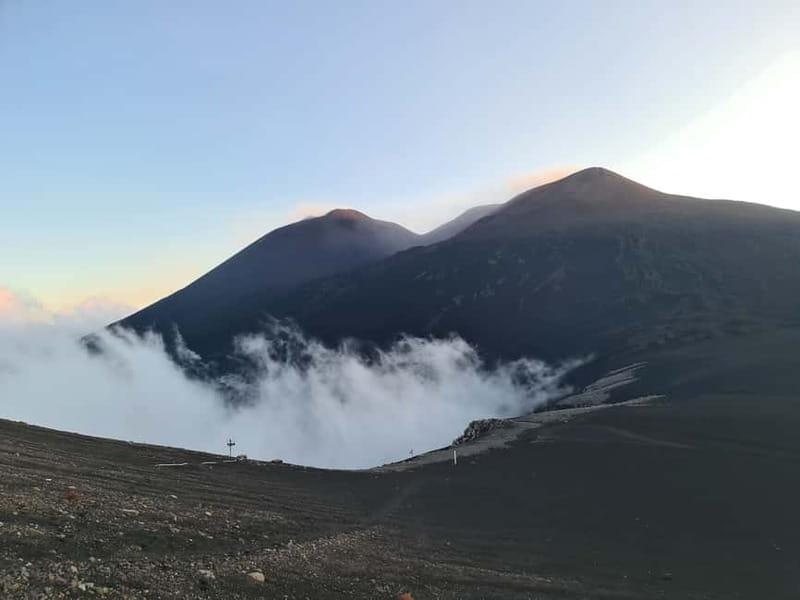
At the heart of the experience is the viewpoint stage, where the day turns from learning to awe. The route builds toward a high perspective where you can admire the processes of the volcanic environment alongside sweeping panoramas.
On a clear day, the tour description promises you can see:
- the Gulf of Taormina
- the Bay of Naxos
- the Straits of Messina and Calabria
- the Nebrodi mountain range up to Rocca Novara
This is where Etna does its best work: multiple lateral eruptions along the North face can make the terrain look almost lunar—layered, pocked, and strangely clean in the way it shows change.
Now, here’s the honest part: visibility can shift with weather and volcanic conditions. If the atmosphere is hazy, the view won’t disappear, but it will feel more muted. I’d plan for that. In other words, don’t book this expecting perfect sightlines every single minute. You’re still getting the crater-edge walk and the high-altitude environment.
North-East crater and the volcano observatory area: the part that feels most real
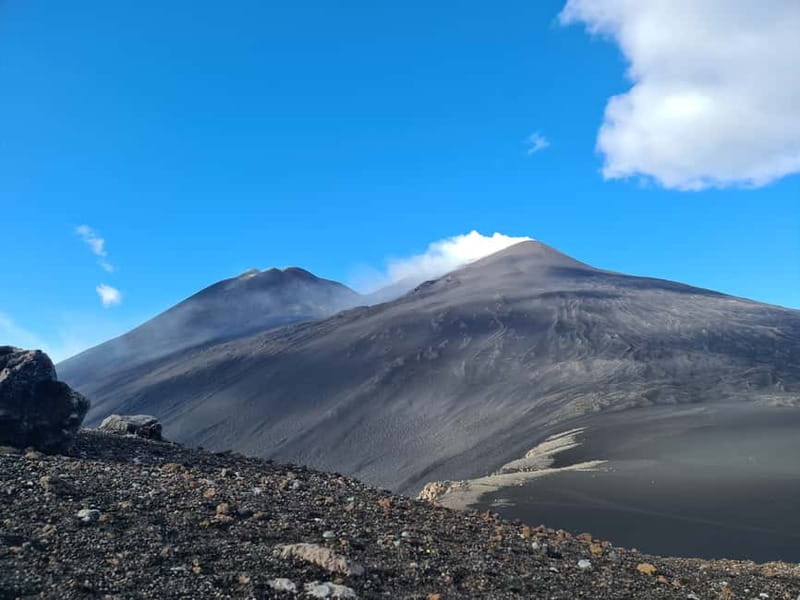
After the earlier viewpoints and crater walk, you continue by off-road vehicles again, reaching around the 2900-meter zone on the North-East side. This part centers on the North-East crater area, where the volcano observatory is located.
Even if you don’t know the science behind observatories, the setting makes sense: this is the side of Etna where careful monitoring matters, and it shows you that volcanology isn’t just theories in textbooks—it’s ongoing work in the real world.
From this area, the walking section begins again, with a climb that totals about 300 meters. The path is surrounded by volcanic scoria and bombs—loose, sharp volcanic material that looks different from ordinary trail surfaces. Your job is simple: keep steady footing and let the guide handle the explanations.
At the end of the ascent, you reach a viewpoint around 2900 meters. That stop is your payoff moment: the place where the day’s clues—rifts, crater edge, minerals, materials—come together with a wide horizon.
Group size and pacing: short days can still teach you a lot
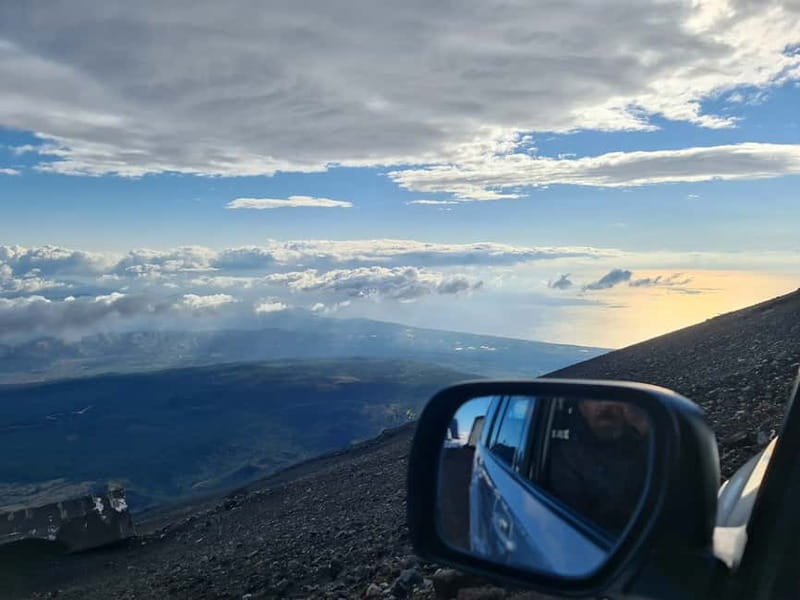
This isn’t an all-day hike. It’s about 2.5 hours total, which is a huge advantage if you’re visiting Etna as part of a broader Sicily plan. The structure is also built to keep the experience absorbing rather than exhausting: ride to altitude, short walk sections, viewpoint stops, then ride back down.
In the experiences people describe, the group can be small, which helps at high points where space and attention matter. You’re better able to take photos, ask questions, and not feel like you’re constantly stepping aside to keep the line moving.
The guide is also a key part of the value. Names like Davide and Linda come up in how people describe their tours: clear English, good explanations, and a willingness to answer questions. If you’re unsure about the science, that matters. You don’t need a background; you need a guide who can translate what you see into something you understand.
What to pack (and what to skip): the practical altitude checklist
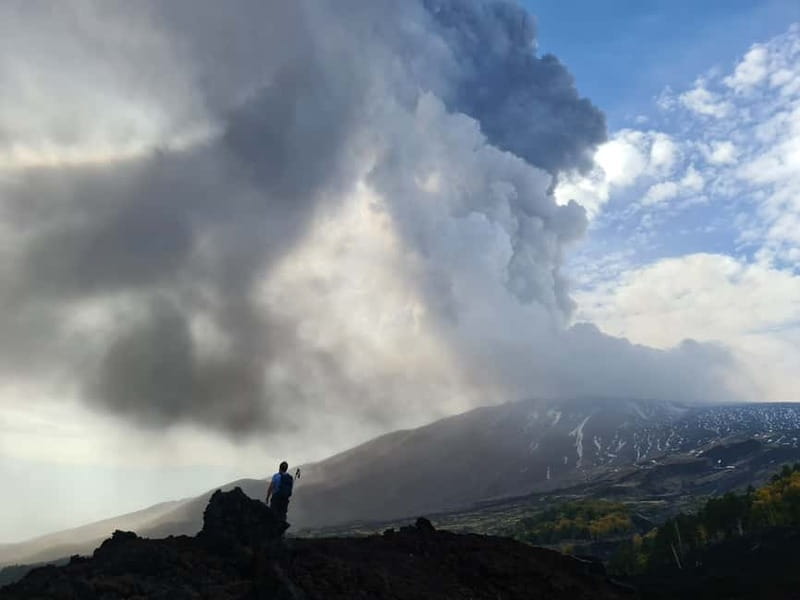
At Etna height, cold and wind can sneak up on you. The tour setup already includes walking and exposed viewpoints, so dress like you’ll be outside for a while—even if the tour duration looks short on paper.
Bring:
- Sunglasses
- Water
- Windbreaker
Wear:
- Scarpe da trekking (trekking shoes)
Skip:
- Sandals or flip flops
- Alcohol and drugs (not allowed)
If you only remember one extra tip: pack an extra layer. Even with a windbreaker, high altitude can feel sharper than you expect. People also recommend taking a jacket or extra warmth because temperatures at 2900 m are often cold.
Price and value: is $77.03 for 2.5 hours a smart Etna move?
At $77.03 per person, this tour is priced like a focused experience, not a budget ride up the mountain. The value comes from what you get bundled:
- a licensed volcanological guide
- round-trip transportation by 4×4 bus
- time at the 2002 craters with a walk and explanation
- viewpoint time that ties the eruption evidence to the horizon
If you’re comparing it to doing Etna on your own, the biggest advantage is access. Getting to the higher North-side zones and doing the right short walks with interpretation is harder without local guidance. And since the total time is only about 2.5 hours, you’re not paying for a long, slow day that eats your daylight.
Is it worth it for everyone? If you want a full, multi-hour summit marathon, you might feel this is shorter than you expected. But if you want high-volcano drama with a guided learning thread—and you want it fast—this is a strong value.
Who should book this Etna North tour (and who should skip it)
This one is ideal if you:
- love nature and bold views
- want a guided explanation without spending the whole day
- prefer off-road access that gets you to volcanic terrain efficiently
- enjoy the mix of observation (minerals, eruption shapes) and scenery
You should think twice or choose another option if you have any of the listed limitations. It’s not suitable for:
- pregnant women
- babies under 1 year
- people with heart problems
- people with respiratory issues
- people with high blood pressure
Also, be honest about your comfort with walking on volcanic ground. Even though the climbs are relatively short in total, scoria and bomb-strewn paths can be slippery and uneven.
Weather reality check: how to plan for cold, wind, and changing visibility
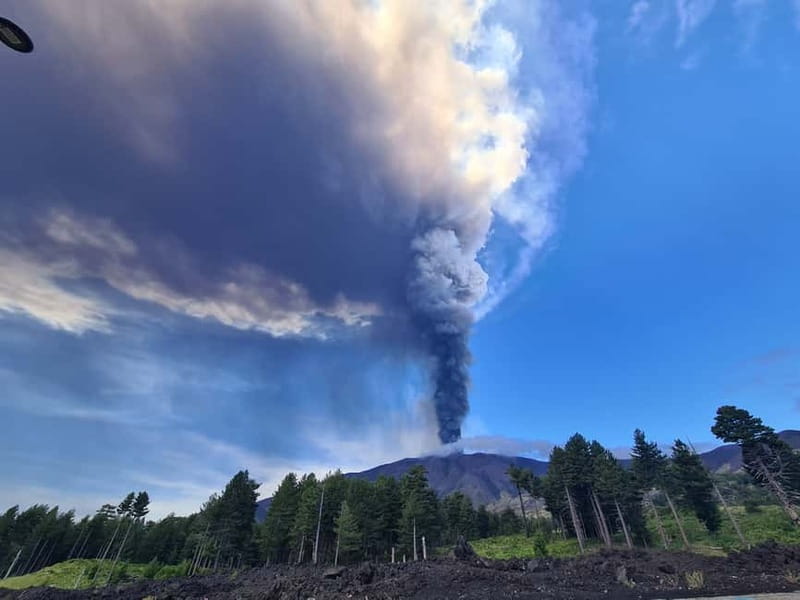
This tour lives at altitude, and the mountain runs its own schedule. Visibility is explicitly dependent on weather or volcanic conditions, so the best planning strategy is flexible expectations.
Here’s what I’d do:
- dress for cold and wind
- bring water so the day doesn’t feel harder than it needs to
- go into the crater walk ready to learn, even if the horizon is hazy
A strong tour day on Etna still works when you can’t see forever, because the experience includes the crater-edge environment, mineral colors, and eruption-shaped terrain up close.
Should you book Etna North 2900 m and Craters of 2002?
Book it if you want a short, guided Etna experience that still feels substantial. The mix of the 4×4 ride, the 2002 craters edge walk, mineral identification, and the North-East crater/observatory area hits a sweet spot. It’s also a good choice if you’re pairing Etna with time in Taormina or the coast and you don’t want the whole day consumed by transit and long hikes.
Skip it (or choose another option) if you know you can’t handle cold, wind, uneven volcanic ground, or if you fall into the listed health categories. And if you hate uncertainty about weather views, remember: you’re still getting the eruption evidence on the ground.
If you want an Etna day that’s practical, guided, and focused—this one fits.
FAQ
Where does the tour start and end?
It starts at Piano Provenzana. You exchange your voucher at the ticket counter before the tour begins, and the activity ends back at the meeting point.
How long is the Etna North 2900 m and Craters of 2002 tour?
The duration is about 2.5 hours.
What transportation is included?
You get round-trip transportation by 4×4 bus.
Do I need a lunch reservation or packed food?
Lunch is not included, and food isn’t listed as part of the tour. You should plan accordingly.
What languages are the guides available in?
The live tour guide is available in English, French, and Italian.
Is a licensed guide included?
Yes. The tour includes a licensed volcanological guide.
How much walking or climbing is there?
The description notes a total climb of about 300 meters, with walking on volcanic terrain and then stopping at the viewpoint.
What should I bring?
Bring sunglasses, water, and a windbreaker. Trekking shoes are also expected.
Are sandals allowed?
No. Sandals or flip flops are not allowed.
Is this tour suitable for people with health problems?
It’s not suitable for pregnant women, babies under 1, or people with heart problems, respiratory issues, or high blood pressure.
Where will I go for viewpoints?
You’ll have viewpoint stops in the high 2900-meter zone, with visibility that can include sights like the Gulf of Taormina, Bay of Naxos, and the Straits of Messina and Calabria when conditions allow.