REVIEW · LINGUAGLOSSA
Mount Etna: Central Crater Guided Hike for Advanced Hikers
Book on GetYourGuide →Operated by Guide Vulcanologiche Etna Nord · Bookable on GetYourGuide
Mt Etna at 3,300 meters is a real-world physics lesson. What I love most is the volcanology guide who explains what you’re seeing as the volcano shifts, and the way the route hits the true Central Crater edge with active summit craters in view. The moonscape feel is intense, even on a clear day, and you’ll get a top-of-Sicily bonus if weather and volcanic gas levels cooperate. One drawback to flag up front: the descent drops about 1,500 meters and can be tough on knees or joints.
This trip is designed for trained hikers, not casual walkers. You start around 1,800 meters, ride up by 4×4/SUV along a north-side panoramic road, then do a steep, rocky crater-edge walk followed by a long drop through slag, ash, and sandy channels. It’s small-group too (max 10), and that matters when the guide needs to keep everyone safe on loose ground and high, exposed sections.
In This Review
- Key things that make this Etna Central Crater hike worth it
- Why this Etna Central Crater hike feels like the northern side of the volcano
- Meeting at Chiosco Bar Mareneve (1,800 m) and the 4×4/SUV ride up
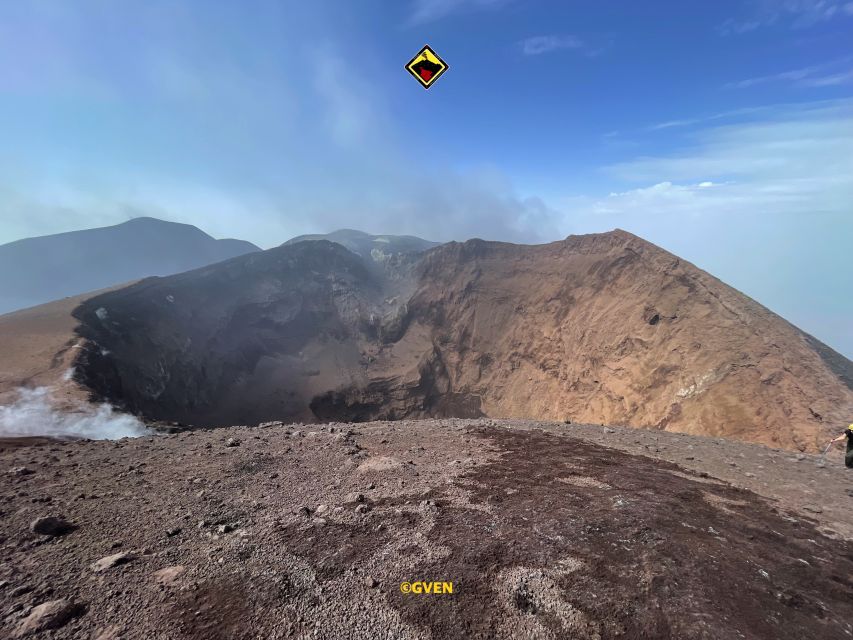
- The Central Crater edge at 3,315 m: fumaroles, gas, and that exposed feeling
- Piano delle Concazze and the Anfiteatro lift area: science breaks above the skiing zones
- Observatory lunch and the descent through ash and sandy channels to Piano Provenzana
- Trek difficulty: why the downhill is harder than the climb
- Gear provided by the guide vs what you should pack anyway
- Price and logistics: what you’re really paying for (and what costs extra)
- Who should book this advanced Etna hike (and who should skip it)
- Should you book Mount Etna Central Crater Guided Hike?
- FAQ
- How long is the Mount Etna Central Crater hike?
- How much does it cost?
- What is the meeting point for the tour?
- Do I need to pay for transportation to the start area?
- Is lunch included?
- What altitudes will we reach?
- What kind of hikers is this for?
- What equipment is provided, and what should I bring?
Key things that make this Etna Central Crater hike worth it
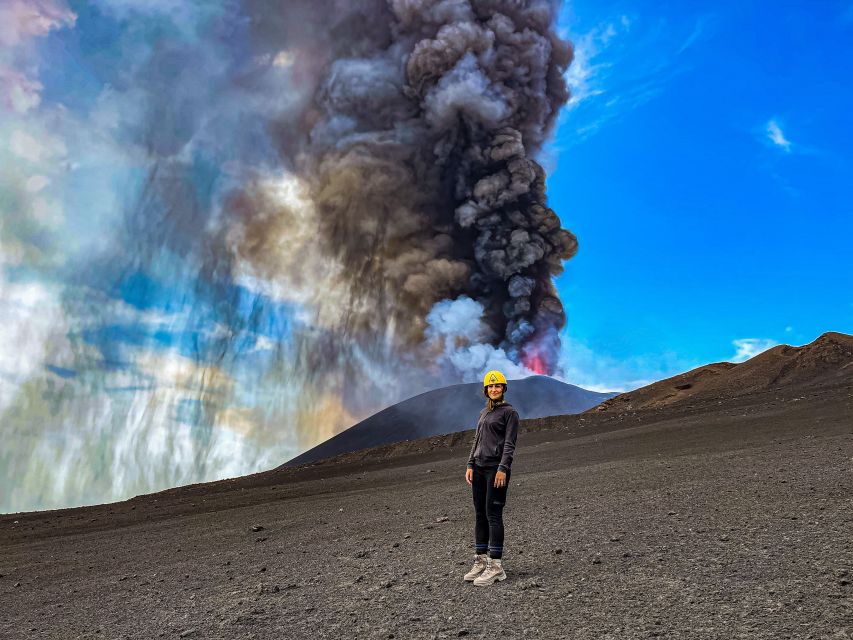
- Real summit-crater altitude: you reach roughly 3,315 m at the Central Crater edge
- Licensed volcanology explanations: you’re not just hiking; you’re learning how Etna evolves
- Moonscape terrain: volcanic slag, bombs, ash slopes, and sandy channels keep it visually wild
- Multiple high stops: Central Crater, Piano delle Concazze, Anfiteatro lift area, then Piano Provenzana
- Small group size: limited to 10 participants, so pace and safety get real attention
Why this Etna Central Crater hike feels like the northern side of the volcano
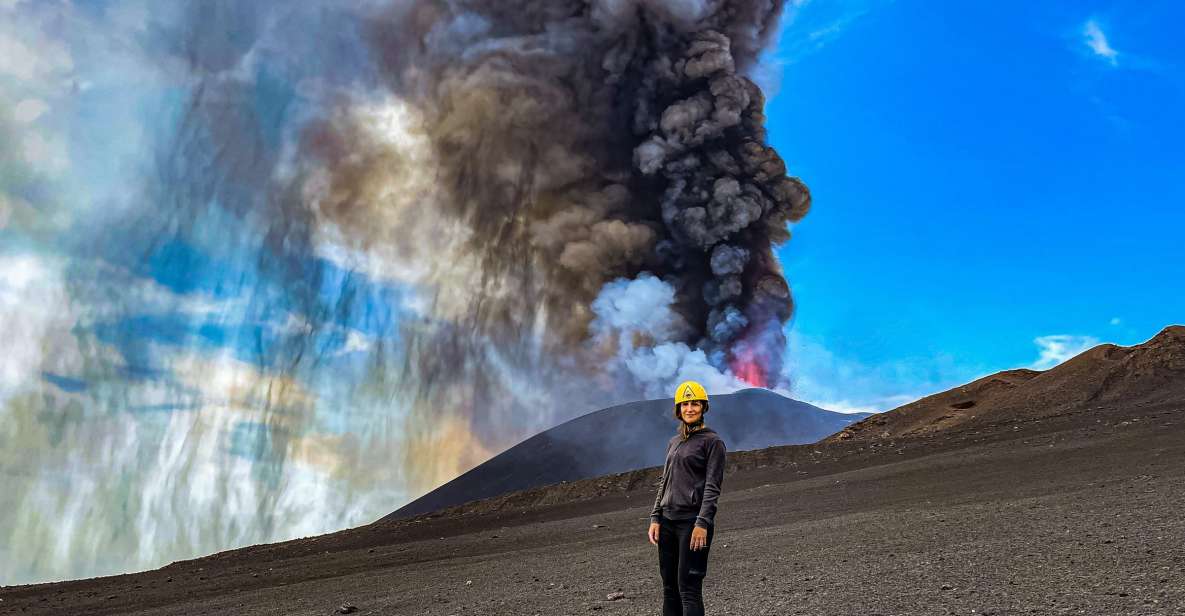
Mount Etna is famous, but this route leans toward the side less crowded. You’re based out of Linguaglossa and heading up toward Etna’s north area, where the terrain quickly stops looking like a normal mountain and starts looking like a lunar set.
I like that the experience isn’t just a summit photo. You get the science context while you’re standing in the middle of it—gas emissions, fumaroles, and the colors of sublimates are part of the story your guide connects to how Etna works.
If your goal is to see Etna’s activity up close without bouncing along quick viewpoints, this hike matches that better than the short, easy sightseeing options.
You can also read our reviews of more tours and experiences in Linguaglossa.
Meeting at Chiosco Bar Mareneve (1,800 m) and the 4×4/SUV ride up
The day starts at Chiosco Bar Mareneve di Ferraro Giuseppa, not the nearby Chiosco Bar Etna Nord. It’s by the chairlift used by skiers in winter, in the parking area, and it’s the second house among four.
From there you take a 4×4/SUV ride (about 30 minutes). The route uses an 8-kilometer-long panoramic road on the north side of the volcano, lifting you to about 2,825 meters.
Why this is useful for you: it saves energy for the technical, steeper crater-edge section. Also, the ride gives you a first taste of Etna’s surface texture—lava flows and volcanic rubble—so the hike doesn’t feel like a sudden change.
Possible consideration: there can be some waiting time for the vehicles when there’s more than one group. If you’re cold easily, that’s a real factor at altitude.
The Central Crater edge at 3,315 m: fumaroles, gas, and that exposed feeling
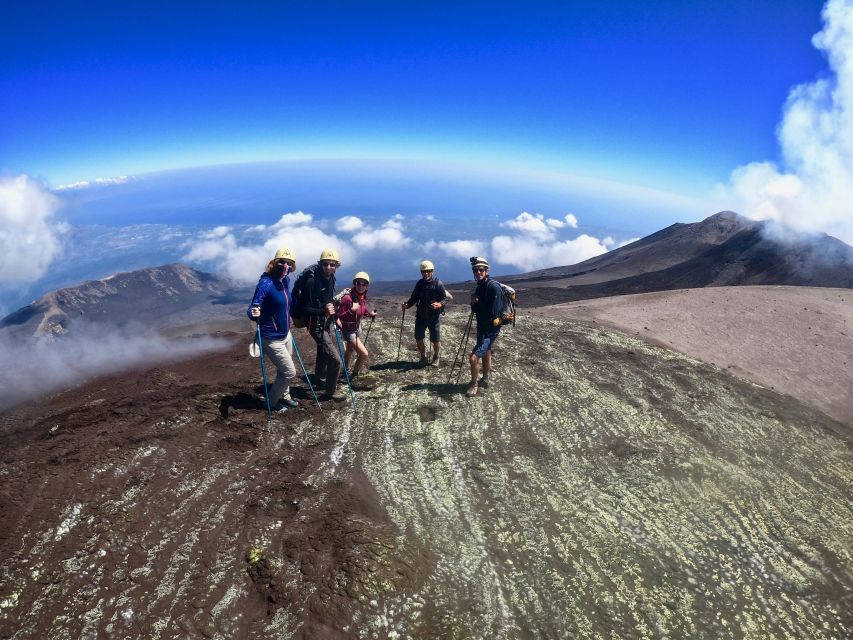
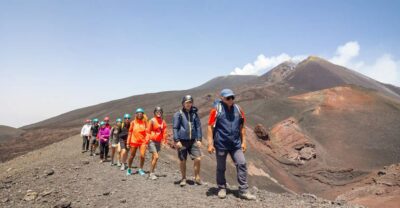
After the vehicle drop-off around 2,825 m, you start the uphill walk. It’s about 5 kilometers upward, with volcanic slag underfoot and areas described as surrounded by large volcanic bombs.
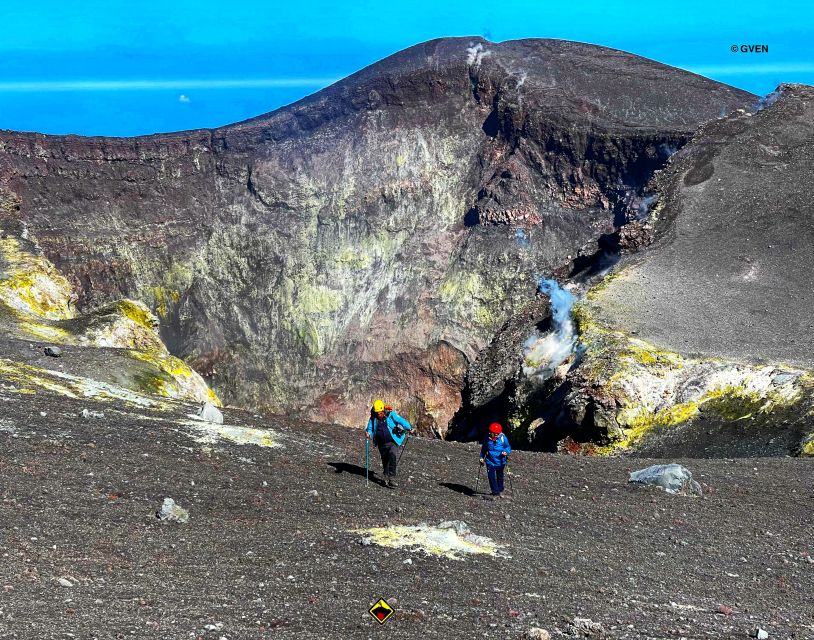
Then comes the main event: the Cratere Centrale dell’Etna stop. You spend around 2 hours here, with time for photos, a guided visit, and walking along the crater edge.
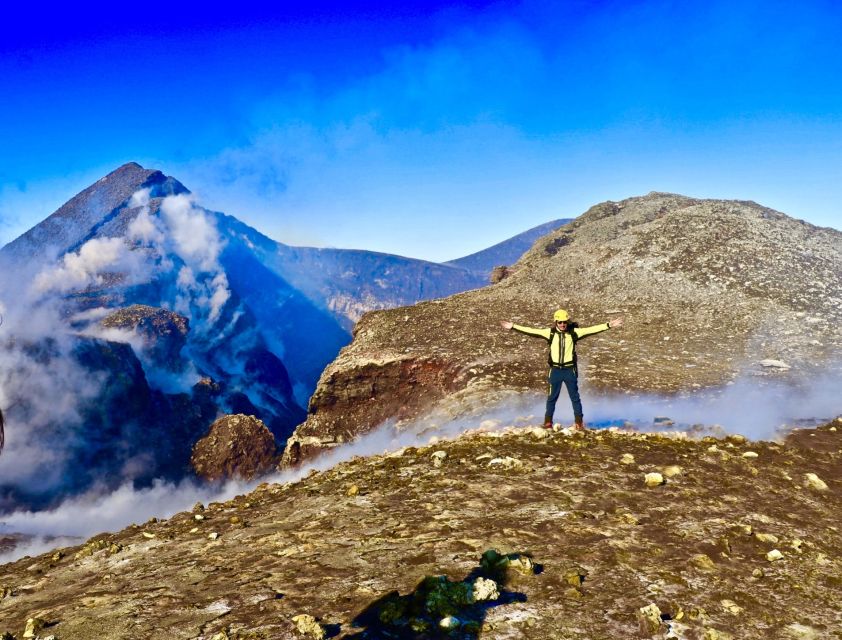
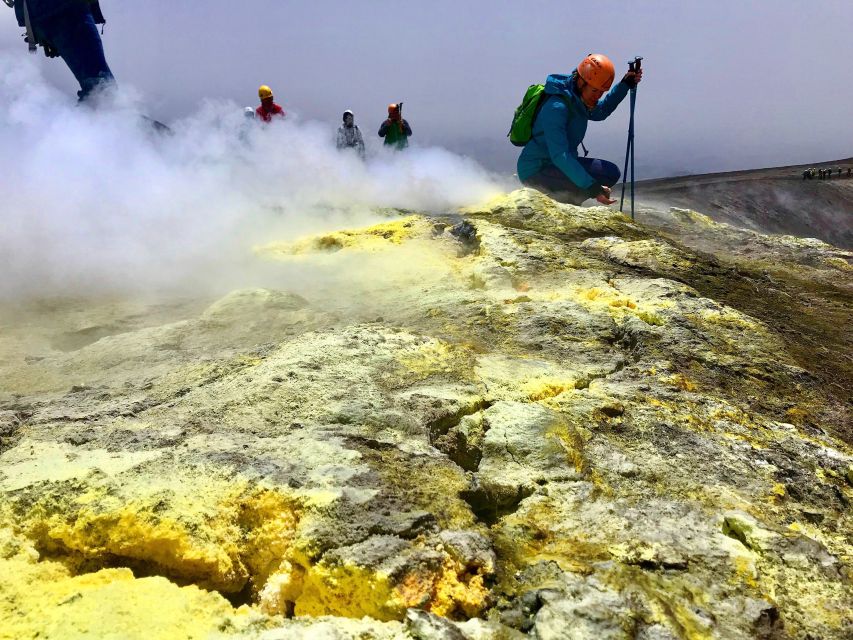
At this height (about 3,315 m), your senses shift fast. The guide points out the volcanic processes you can actually see—gas emissions and low- and high-temperature fumaroles—plus the brilliant colors of sublimates. It’s one thing to read about volcanoes. It’s another to stand near active vents while your breath and the wind remind you you’re on working ground.
Weather matters. You might get the “rooftop view” of Sicily if conditions and volcanic gas emissions allow it. On a clear day you feel like you can see forever. On a windy day, you focus on balance and staying warm.
Safety note that affects how you should plan: the crater-edge route can cause vertigo. If you’re even mildly uneasy near exposure, take that seriously. There are safe ways to manage it, but this is not a place to fight panic.
Piano delle Concazze and the Anfiteatro lift area: science breaks above the skiing zones
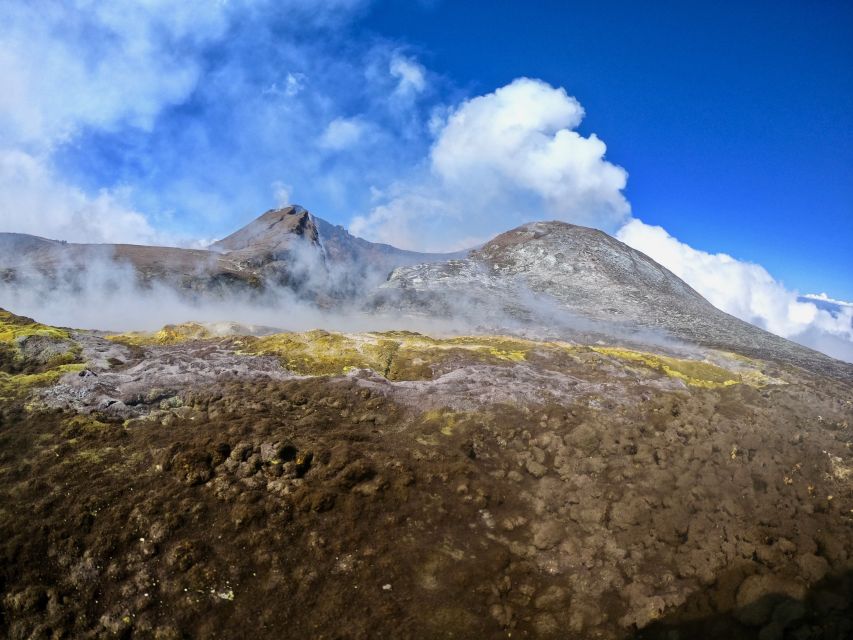
Once you leave the main crater stop, the route keeps you at high altitude rather than dropping too quickly. The next segments include time at Piano delle Concazze and later the Arrivo ski-lift Anfiteatro area.
At Piano delle Concazze, you’ll get about 2 hours, including guided explanation, break time, and free time for views. This is a good moment to slow down and catch your breath, because your body often feels the altitude more after the crater section.
At the Anfiteatro lift area, you’ll spend about 1 hour. Expect more guided walking and scenic viewing while the guide continues tying what you see to Etna’s evolution.
What I find helpful for planning: these stops break the day into chunks. The hike isn’t one straight grind from start to summit and back. It’s a sequence of high-altitude sections, each with a purpose—learning, viewing, then moving on.
Observatory lunch and the descent through ash and sandy channels to Piano Provenzana
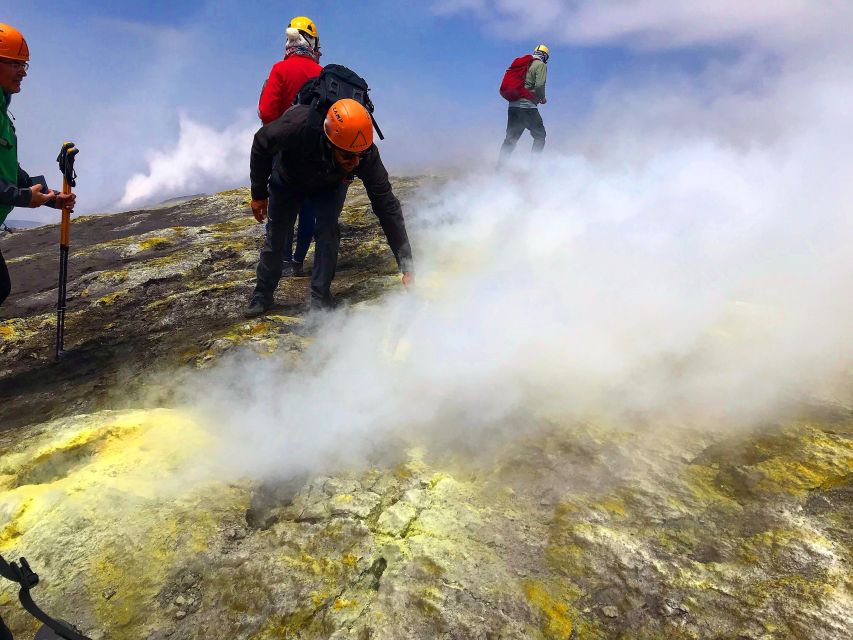
After the summit section, you start downhill along slag and volcanic ash slopes. The route then heads toward the base of the Volcanological Observatory for a lunch stop.
Lunch isn’t included, so you need to bring a packed lunch and water. That also means you can tailor your fuel to your stomach and energy needs. When you’re dropping more than 1,000 meters in elevation, appetite can be inconsistent—plan for that.
From the observatory area, the hike continues “inside one of the large sandy channels,” described as characteristic of Etna’s northeast side. This is where the trail can feel faster and looser underfoot. It’s not a gentle stroll; it’s a descent through volcanic material that changes how your steps grip.
The day finishes at Piano Provenzana (about 45 minutes at the final stop for photos and guided time), then you return back to the meeting point at Chiosco Bar Mareneve.
If you want the real Etna feeling, this downhill section is a big part of why. It’s not just the destination—it’s the way the mountain hands you back to Earth, piece by piece, in volcanic sand and ash.
Trek difficulty: why the downhill is harder than the climb
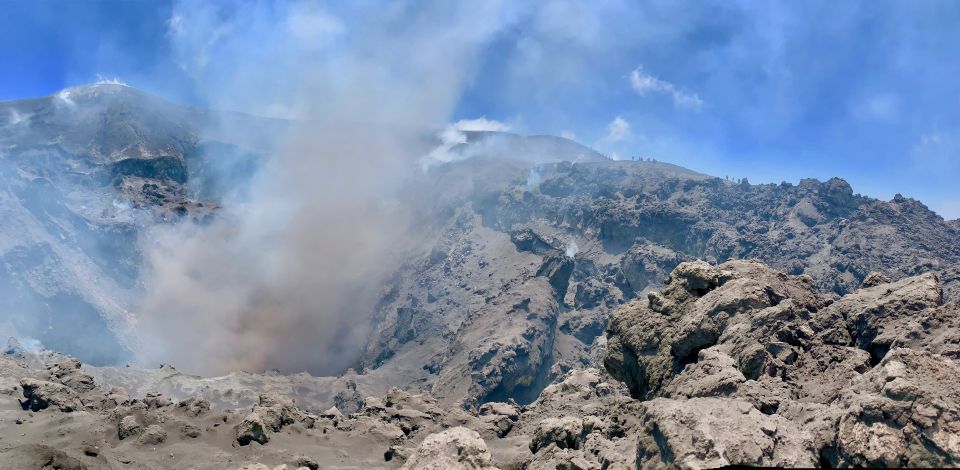
This isn’t an easy hike wearing a volcano costume. The route is for experienced hikers accustomed to regular mountain walking.
Yes, the ascent is demanding, but the bigger risk is the long descent. The total walking distance is about 12 kilometers round trip, with roughly 5 km uphill and 7 km downhill. You reach a maximum altitude of about 3,315 m and a minimum around 1,800 m, for a downhill altitude difference of roughly 1,500 m (it can vary).
The operator explicitly warns that the descent can be harder than the climb and is strongly not recommended for anyone with joint problems, especially knee problems. That’s not a small detail. It changes who should book this.
What to do with this information: if you have any history of knee pain on steep slopes, I’d seriously consider an alternative Etna route. Even with trekking poles, your knees take the hit on loose volcanic surfaces.
Also watch vertigo risk at the crater edges. The route includes walking along crater edges, and that exposure can make your body react even if you’re mentally fine.
Gear provided by the guide vs what you should pack anyway
One of the smartest parts of this tour is the equipment support. You’re provided with trekking poles, protective helmets, trekking shoes and extra socks, warm jackets, and a backpack.
Still, don’t show up with just a T-shirt and hope. The tour asks you to bring key items:
- Windbreaker
- Sunglasses
- Hat
- Packed lunch
- Food and snacks
- Water
- Rain gear
- Gloves
- Long pants
- Weather-appropriate clothing
I also recommend you pack layers like you would for a winter mountain day. Even in bright sun, Etna’s summit area can be cold and wind-whipped. One clear, calm day can turn into a windy one fast at those heights.
And check the do-not-bring list: no sandals/flip-flops, no luggage or large bags, and no umbrellas. If you’re wearing something too light, swap it before you arrive.
Price and logistics: what you’re really paying for (and what costs extra)
The base price is $130.28 per person, for about 5 hours (starting times vary with availability). For that, you’re paying for a licensed volcanology guide, a guided hike, and the included safety/comfort gear.
To judge value, think about what’s included vs what isn’t. Not included:
- hotel pickup and drop-off
- transportation with off-road vehicles to the start area (listed as €50 per person, paid on the spot)
- optional off-road vehicle descent from about 2,800 m to 1,800 m (€20 per person, paid on the spot)
- parking ticket (€3 for the whole day, paid on the spot)
- lunch
- water
So your real cost depends on how you handle the logistics. If you can reach the meeting point easily, the tour price holds more value. If you need the off-road transport, that adds up fast.
Where I think the price makes sense: this isn’t self-guided. The volcano environment is active, conditions can change, and the guide is managing safety plus the science teaching in real time. Small group size (max 10) also raises the quality per person compared with mass tours.
Who should book this advanced Etna hike (and who should skip it)
This hike fits best if you’re:
- a trained hiker who walks regularly
- comfortable with steep uneven terrain and loose volcanic ground
- able to handle high altitude and wind-chill
- okay with exposure near crater edges
Avoid it if you’re in any of these categories given by the tour details: pregnant, anyone with back problems, mobility impairments, heart problems, vertigo, fear of heights, respiratory issues, epilepsy, high blood pressure, or pre-existing medical conditions. It’s also not suitable if you have low fitness or you’re without mountain hiking experience.
If you have knee or joint issues, treat the “strongly not recommended” warning as a deal-breaker. This route’s descent profile is the issue.
On the guide side, I like the consistency in how they run the group. Names like Edo, Vincenzo, and Daniele show up in guide experiences, and a clear theme is that guides adjust pace and keep people together while staying attentive to safety when explosions or changes happen at the summit area.
Should you book Mount Etna Central Crater Guided Hike?
Book it if you want Etna as a living system, not just a viewpoint. The best part is the combination of active summit-crater access and volcanology explanations while you’re in the middle of the geothermal show—fumaroles, gas, and colored sublimates included.
Skip it if your knees aren’t happy on steep descents, if vertigo makes crater edges difficult, or if you’re hoping for a moderate stroll. This is an advanced day, and the day is shaped by the 1,500-meter descent.
If you’re a strong hiker and you can pack smart (layers, gloves, rain gear, lunch, water), this is a powerful, memorable way to understand Mount Etna up close.
FAQ
How long is the Mount Etna Central Crater hike?
The tour duration is listed as 5 hours, and the trekking route generally runs about 5 to 6 hours depending on conditions.
How much does it cost?
The price is $130.28 per person.
What is the meeting point for the tour?
Meet at Chiosco Bar Mareneve di Ferraro Giuseppa near the skiers chairlift in winter. This is the second house among four in the parking lot.
Do I need to pay for transportation to the start area?
Yes. Hotel pickup/drop-off is not included, and the tour lists one-way off-road vehicle transportation with a cost of €50 per person, paid on the spot.
Is lunch included?
No. Lunch is not included, so you need to bring a packed lunch.
What altitudes will we reach?
Minimum altitude is about 1,800 m, and the maximum reached is about 3,315 m at the Central Crater edge.
What kind of hikers is this for?
It’s for trained, experienced hikers who are accustomed to regular mountain walking. It’s not suitable for beginners or people without experience.
What equipment is provided, and what should I bring?
The tour provides trekking poles, helmets, trekking shoes and extra socks, warm jackets, and backpacks. You should bring windbreaker, sunglasses, hat, gloves, long pants, rain gear, water, snacks/food, and a packed lunch.