REVIEW · VENICE
FriendInVenice: Experience the True Venice with a Private Tour
Book on Viator →Operated by Friend in Venice Private Tours · Bookable on Viator
Venice gets easy fast with a local guide. This private 2-hour walk uses a native Venetian to help you understand the city’s layout on day one, not just point at it from behind a crowd. It’s a choose-your-own-adventure style tour, so you can shape what you focus on.
I especially like two things: you’ll get practical know-how for daily Venice life—how to handle markets, and how to order a drink without freezing. And you’ll connect the big sights with the quieter streets, so you leave with more than photos and a vague sense of history.
One consideration: this is an English-speaking tour with a real local voice, and like any international experience, accents or explanations can take a second try. Also, Venice history can be interpreted in different ways, so if you’re strict about every fact, keep your expectations flexible.
In This Review
- Key things to know before you go
- Entering Venice Like a Local: The Real Advantage of This 2-Hour Private Walk
- The Secret Door Mindset: What “Native Venetian” Actually Means on the Ground
- St. Mark’s Square, Frari, San Marco, and Rialto: A Tour Route That Makes Landmarks Make Sense
- St. Mark’s Square: more than postcard geometry
- Frari and the San Marco zone: architecture with a point
- Rialto Bridge: the ending that sets you up for the next step
- Markets and the Fish-Market Side of Venice: Watching Daily Life Happen
- Bacari Tips: Learning How to Order and What to Try
- Gondola-Crossing Reality Check: What You Learn at the Ferry Landing
- Finding Quiet Venice Without Missing the Classics
- Value and Price: Is $139.08 per Person Worth It?
- Who Should Book This Private Walk (and Who Might Skip It)
- A Simple Way to Plan Your Day Around This Tour
- Should You Book Friend in Venice? My Honest Take
- FAQ
- How long is the private tour in Venice?
- How much does the tour cost?
- Is this tour private or shared?
- Where does the tour start and end?
- Is pickup available?
- What language is the tour offered in?
- What key sights does the route include?
- Do you visit markets and local food spots?
- Is there an access fee for some days?
- Can I use a mobile ticket, and are service animals allowed?
- What’s the cancellation policy?
Key things to know before you go
- Private, customizable route: you can adjust focus based on what you want most that day.
- St. Mark’s to Rialto, plus detours: famous landmarks are included, but you also get side streets away from the main congestion.
- Markets and fish-market style Venice: you’ll see how daily food shopping works in real neighborhoods.
- Bacaro know-how for cicchetti and wine: you’ll learn how to order and what to try in local bars.
- A ferry-landing lesson for Grand Canal crossings: you’ll get the practical gondola-crossing rhythm Venetians talk about.
- Your guide’s next-day suggestions: you’ll finish with a plan for where to go next.
Entering Venice Like a Local: The Real Advantage of This 2-Hour Private Walk
Venice is not hard because it’s complicated. It’s hard because it’s confusing on purpose. Streets fold into each other, bridges appear without warning, and your sense of direction can disappear fast—especially if you land in the middle of peak foot traffic.
That’s why a private first-day walk works so well. In two hours, you can get your bearings, learn how routes connect, and understand what you’re actually seeing when you hit places like St. Mark’s and Rialto. The goal here is not to “cover everything.” It’s to help you walk smarter for the rest of your trip.
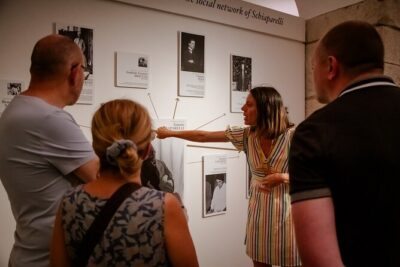
This tour is built around a native Venetian perspective, with room for your interests. If you’re more into architecture than food, or you want the quiet neighborhoods more than the headline sights, your guide can steer the route. In past experiences, guides such as Nadia and Linda have also tailored the pace for family needs, including an 84-year-old traveler, which is a good sign if you want the day to feel supportive rather than rushed.
You can also read our reviews of more tours and experiences in Venice.


The Secret Door Mindset: What “Native Venetian” Actually Means on the Ground
The tour’s framing is playful—open the secret door to Venice—but the substance is practical. You’re not just receiving facts. You’re learning how Venetians move, shop, eat, and order.
A big part of what you get is navigation logic. Venice isn’t built like a grid. Your guide will help you understand why bridges matter, how neighborhoods connect, and where the flow of people gets stuck near the most famous zones. You’ll also hear how Venetians historically lived—and how they live now—in a city made of islands.
And yes, the “secret door” idea also points to small, off-the-beaten-path areas. You’ll see famous places like St. Mark’s Square and Rialto, but you’ll also get pulled into the lesser-traveled sections where daily life continues away from the heaviest congestion. The result is that Venice starts to feel like a set of neighborhoods, not one big monument.
St. Mark’s Square, Frari, San Marco, and Rialto: A Tour Route That Makes Landmarks Make Sense
You’ll hit a classic Venice spine—St. Mark’s Square area, then on toward San Marco and the Frari area, and later Rialto Bridge. But what makes it more valuable than a standard “see the sights” route is the way your guide connects each stop to the city’s layout and daily rhythms.
St. Mark’s Square: more than postcard geometry
St. Mark’s Square is iconic, but it can also feel like a stage set if you don’t understand the “why.” Your guide will help you read what you’re seeing in context—how the space functions and how it connects to the city’s broader history. The plus here is pacing: you’re not just staring at buildings. You’re learning how to interpret the space around them.
Frari and the San Marco zone: architecture with a point
The Frari area brings you into a Venice section many first-timers miss or rush through. You’ll get art and architectural references while walking, which helps those structures stop being background noise. The specific advantage is that your guide is walking with you, so every sight comes with a sense of consequence—how it fits into Venice’s story and why it matters in the city’s physical plan.




Rialto Bridge: the ending that sets you up for the next step
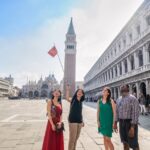
Your walk ends at Rialto Bridge (Ponte de Rialto). That’s not a random finish line. It’s a practical place to transition into independent exploring. You’ll leave with a better sense of direction, and likely with recommendations for where to go next based on the interests you already shared.
Markets and the Fish-Market Side of Venice: Watching Daily Life Happen
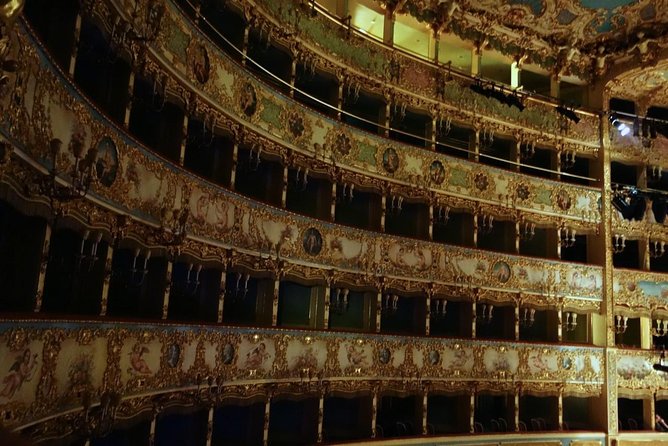
One of the best parts of this tour is the inclusion of markets, including a fish market. Venice isn’t just canals and palaces; it’s also food supply, daily shopping, and neighborhoods that keep moving even when the cruise schedules slow things down.
Seeing the fish-market side helps you understand Venice’s economy in a tangible way. It also makes the rest of the tour click. When you later pass a bar or a bacaro and see how locals eat, you’ll have more context for why certain foods and habits show up where they do.
This is also the kind of stop that benefits from a guide. Market layouts can feel chaotic if you don’t know what to look for. Your guide helps you notice what matters, and you get insider framing that’s hard to pick up from signage alone.
Bacari Tips: Learning How to Order and What to Try
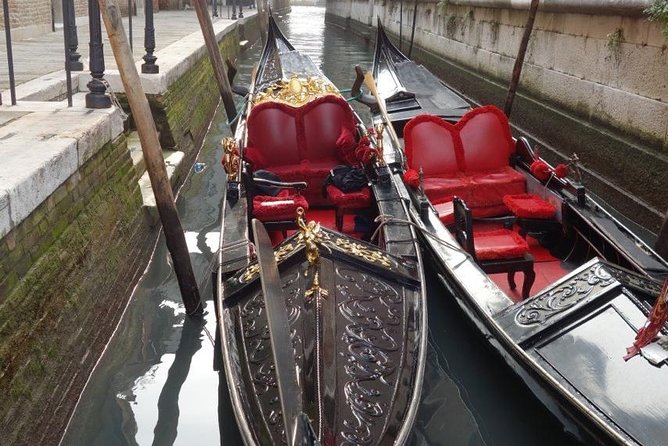
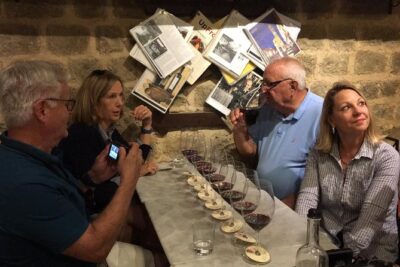
If you’ve ever stood in a Venetian bar and thought, I have no idea what to say, you’re exactly the target for this part of the walk. Your guide will show you how to order a glass of wine or an espresso, then connect it to the actual culture of bacari.
You’ll stop for cicchetti (appetizers) or a sandwich in a local bacaro. That matters because Venice bar culture is not just about alcohol. It’s a social rhythm. You eat a little, talk a lot, and keep the day moving.
From the information shared in past experiences, guides including Nadia and Vilma have been praised for making these moments feel easy—warm guidance, clear instructions, and the kind of “here’s how it works” explanations that help you avoid awkwardness. One tour even included a particularly memorable patio-style stop with prosecco and prosciutto, which is the sort of simple local experience that turns a walk into a story you’ll remember.
A practical note: you’ll also have a cappuccino stop along the way at a charming cafe. That’s useful pacing in a city where the “walk, pause, walk again” rhythm can make or break your energy.
Gondola-Crossing Reality Check: What You Learn at the Ferry Landing
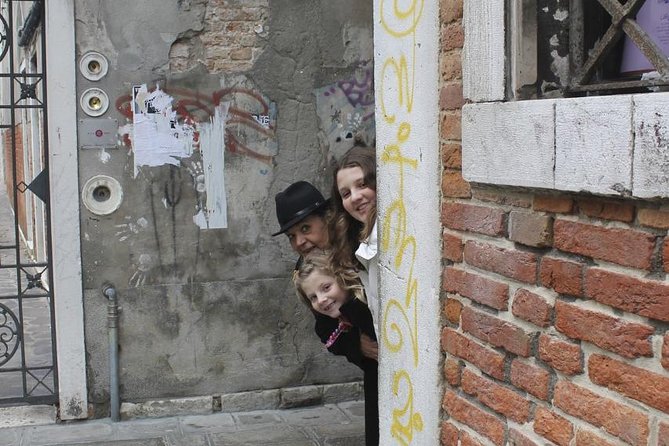
The itinerary includes a moment at a ferry landing where you learn how to cross the Grand Canal standing up in a gondola as Venetians do. That doesn’t mean you’re necessarily getting a full ride included. It means you’re getting the real-world behavior—where crossings happen, how the movement feels, and how locals think about the canal as part of everyday travel.
This is valuable because it replaces vague imagination with basic mechanics. When you understand what’s happening at the crossing points, you can plan better, feel less intimidated, and appreciate the canal system as transportation rather than just scenery.
If you’re the type who likes to know how things actually work, this portion will make Venice feel more solid and less mysterious.
Finding Quiet Venice Without Missing the Classics
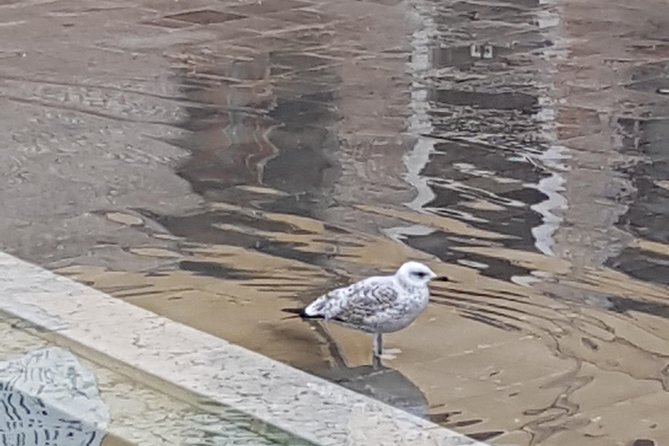
Venice has two modes: the crowded headline areas and the calmer neighborhood side streets. This tour deliberately tries to give you both.
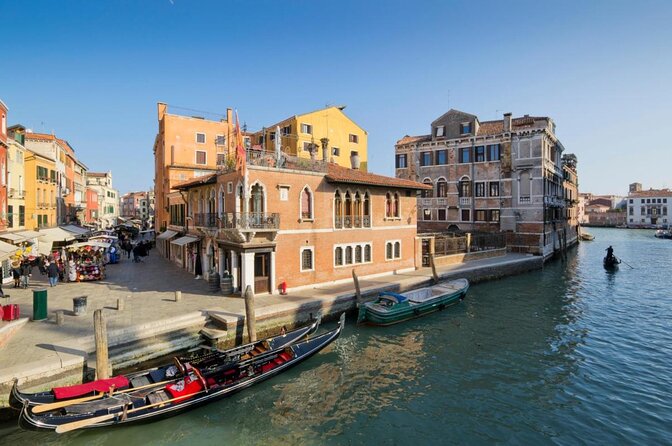
The route includes famous sights like St. Mark’s Square, the Frari, San Marco, and Rialto Bridge, but it also takes you into less-traveled areas where Venetians live—areas that are away from the worst congestion around St. Mark’s. That approach matters because it prevents “only-famous” Venice from becoming your whole memory. You come away with a stronger sense of the city as a lived-in place.
One review highlight was the way the guide took people through back streets and alleys while explaining how Venetians actually live, ending with a relaxed stop that fit the setting. That blend—sights plus calm—tends to be what makes a first trip feel satisfying rather than exhausting.
Value and Price: Is $139.08 per Person Worth It?
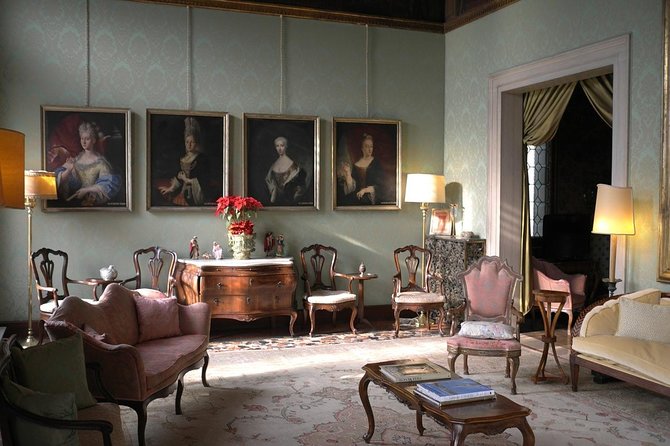
At $139.08 per person for about two hours, this tour isn’t “cheap.” It’s also not meant to be. You’re paying for a private guide and the human value of tailored pacing.
Here’s how to judge the value in real terms:
- If you’re traveling solo, private tours in Venice can feel expensive because you’re paying for the guide full-time.
- If you’re traveling with a partner or family, that per-person cost can feel much more reasonable because you’re sharing the guide time.
- The real cost justification is the decision support you get: how to navigate, what to eat, and where to go next.
The tour also includes practical extras: pickup is offered (details are to be agreed), a mobile ticket is provided, and the experience is in English. There are group discounts too, which is a plus if you’re traveling with more people.
If you have limited time in Venice—say you arrive and want your next 48 hours to feel easier—this is the kind of “front-load your clarity” expense that often pays off.
Who Should Book This Private Walk (and Who Might Skip It)
This is a strong match if:
- It’s your first time in Venice and you want a fast, friendly orientation.
- You care about local eating habits, not just major monuments.
- You like walking and want small streets and neighborhoods, not only the main squares.
- You want your schedule shaped around your interests, not a fixed checklist.
It may be less ideal if:
- You want only museum-style depth and timed indoor stops (this is a walking tour with outdoor sights and local food moments).
- You’re very sensitive to how historical narratives are presented. In one instance, a guest noted that some historical framing didn’t match what they’d heard elsewhere. If you prefer one strict version of the past, be aware Venice can be interpreted differently.
A Simple Way to Plan Your Day Around This Tour
Think of this as your Venice foundation. You want it early enough that you can use what you learn immediately.
A good strategy is:
- Book it close to your arrival day, so you can navigate after without stress.
- Keep your day flexible around lunch or snacks. The tour already includes bar and café moments like cicchetti/sandwich and cappuccino.
- Use your guide’s suggested next itineraries rather than relying only on instinct.
Also, be aware of Venice access fees on certain dates. The tour info notes that on some days, people visiting for the day from outside Venice may need to pay a €5 access fee (with exemptions and details at cda.ve.it). If that affects your schedule, factor it in so it doesn’t become a surprise.
Should You Book Friend in Venice? My Honest Take
I’d book this tour if you want your Venice to feel like a place you can actually live in for a few days—not a theme park you hurry through. The big win is not that you’ll see St. Mark’s and Rialto. Lots of tours do. It’s that you’ll learn how to move through Venice, how to handle food and drink situations like a local, and how to find calmer routes without giving up the famous landmarks.
Just go in with the right expectations: it’s a two-hour walk, not a full-day history seminar. And because it’s a private, English-guided experience, communication will depend on the guide and your comfort level with accents.
If that sounds like your style of travel, this is one of the best ways to start Venice with confidence and come away with real stories, not just screenshots.
FAQ
How long is the private tour in Venice?
It runs for about 2 hours.
How much does the tour cost?
The price is $139.08 per person.
Is this tour private or shared?
It’s a private tour/activity, so only your group participates.
Where does the tour start and end?
It starts in Venezia and ends at Rialto Bridge (Ponte de Rialto, 30100 Venezia VE, Italy).
Is pickup available?
Pickup is offered, but the specific details are to be agreed.
What language is the tour offered in?
The tour is offered in English.
What key sights does the route include?
It includes well-known stops such as St. Mark’s Square, the Frari, San Marco, and Rialto, along with off-the-beaten-path areas.
Do you visit markets and local food spots?
Yes. The tour includes markets, including a fish market, plus stops for local bacaro experiences such as cicchetti or a sandwich.
Is there an access fee for some days?
On certain dates, day visitors planning to visit for the day may be required to pay a €5 access fee. Details and exemptions are available at cda.ve.it.
Can I use a mobile ticket, and are service animals allowed?
Yes, it uses a mobile ticket, and service animals are allowed.
What’s the cancellation policy?
You can cancel for a full refund up to 24 hours before the experience starts. If you cancel within 24 hours, the amount paid is not refunded.