REVIEW · LUCCA
From Lucca to Pisa: Self-Guided Bike Tour
Book on GetYourGuide →Operated by Tourist Center Lucca · Bookable on GetYourGuide
Two towns. One long, scenic bike day. This self-guided Lucca to Pisa ride is interesting because it trades big-city walking for rolling country roads and Serchio River views, plus a phone holder that keeps your route visible. I love how the mix of secondary roads and cycle paths makes the day feel local, and I also love the setup support at the shop—bikes are ready to go fast. The result is a fun way to reach Pisa without turning your day into one more museum line.
The one possible drawback is tech and timing: the app-based directions can be slow on some phones and can drain battery quickly, so you’ll want a charged device or a power bank. Add that the route includes a few short road moments and roundabouts, and you’ll enjoy it most if you’re comfortable riding with everyday traffic at least briefly.
In This Review
- Key highlights
- Why Lucca to Pisa by bike feels so Tuscan (without the long bus rides)
- Your ride setup: trekking bikes vs e-bikes (and what that really means)
- Start point in Lucca: what to expect at the station meeting spot
- Following the GPS app: the convenience—and the battery risk
- Outward ride itinerary: Lucca streets to the Serchio River and Monti Pisani
- What you’ll feel on the bike
- The San Giuliano Terme break (after ~20 km)
- Arriving in Pisa: landing in Piazza dei Miracoli
- Getting back to Lucca: train with bikes vs riding the return route
- Price and value: why $34 can make sense (and when it doesn’t)
- Who should book this and who might skip it
- Should you book Lucca to Pisa by bike?
- FAQ
- How long does it take to cycle from Lucca to Pisa?
- How far is the ride from Lucca to Pisa?
- Where do I stop along the way?
- How do I get back to Lucca?
- What’s included in the tour price?
- What’s not included?
Key highlights
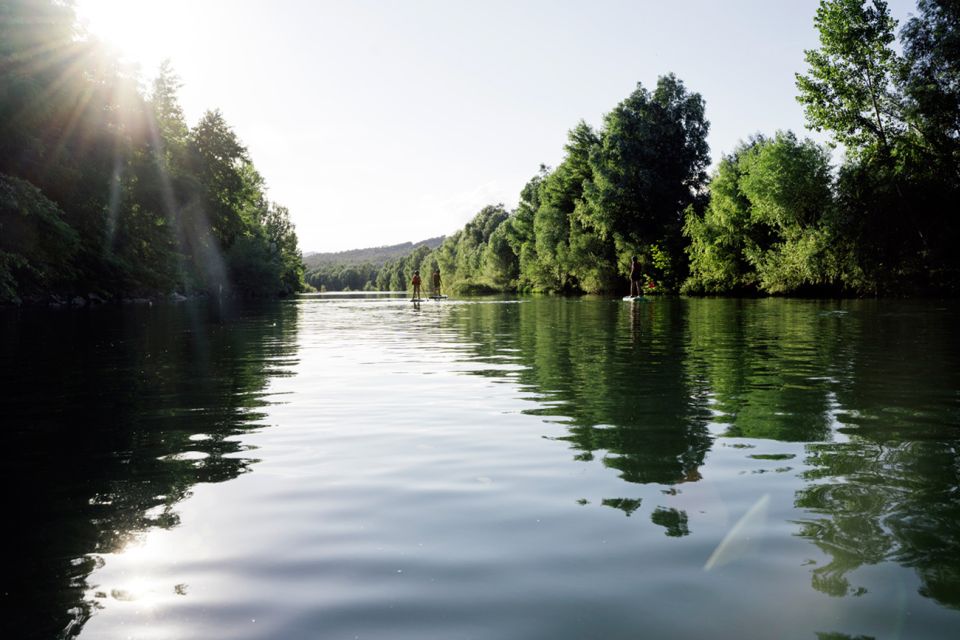
- Serchio River route feel: scenic cycling that stays calmer than you might expect
- Phone-on-handlebar navigation: easier GPS follow-through than paper maps
- Easy-to-manage effort (especially on e-bikes): good choice for families and mixed fitness
- San Giuliano Terme stop (~20 km): a practical break near the spa area
- Piazza dei Miracoli finish: bike-to-tower photo moment with minimal fuss
Why Lucca to Pisa by bike feels so Tuscan (without the long bus rides)
Lucca and Pisa are close enough that you could do this by train, but biking is what makes it feel like Tuscany. You start in Lucca with city energy, then the ride gradually turns into countryside time—fields, small roads, and river-side stretches that keep your eyes busy even when you’re just cruising.
This tour is also a smart “in-between” day. If you’re doing Florence plus Pisa and you worry about stacking too many heavy walking days, the bike format gives you movement with a built-in break from crowds. Most riders rate it highly for the simple reason that it’s a day trip where you’re actively traveling, not just getting from A to B.
You can also read our reviews of more tours and experiences in Lucca.

Your ride setup: trekking bikes vs e-bikes (and what that really means)
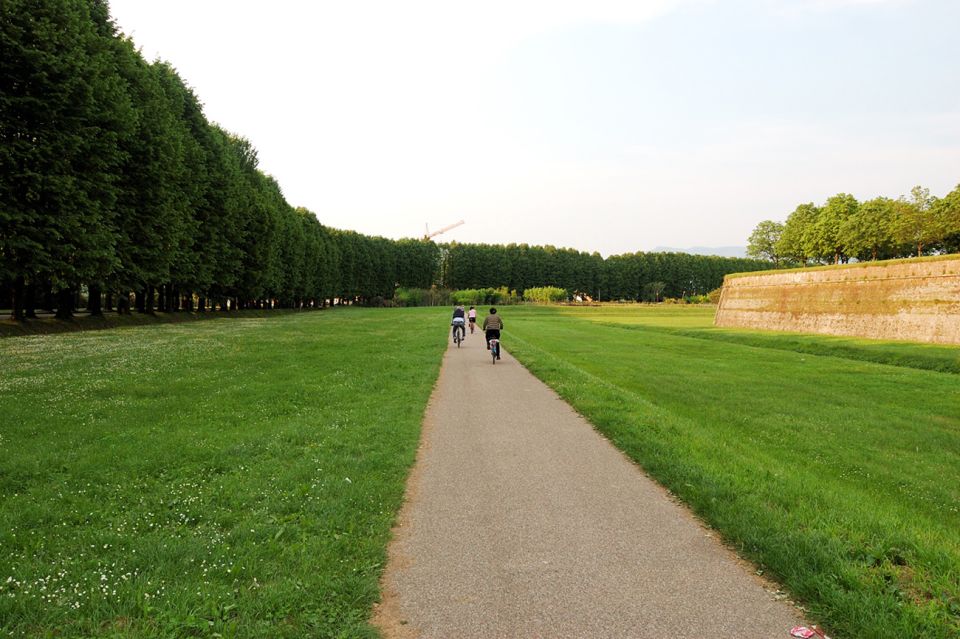
You’ve got two bike styles: trekking bikes for riders over 150 cm and e-bikes for riders over 155 cm and over 14 years old. That height/age split matters because the e-bike option is the difference between “easy fun” and “workout you’ll remember later.”
If you go e-bike, the assist helps you roll through the ride without feeling like you’re constantly fighting the terrain. Reviews specifically call out that e-bikes make the day work even in serious heat (one rider did it during 31°C). E-bikes are also framed to be safe for a wide weight range up to 130 kg per the manufacturing guarantee.
If you go trekking bike, you’ll still likely be fine because this is described as easy/intermediate. The catch is that “easy” doesn’t mean “only smooth pavement.” Expect a mix: dirt, asphalt, and some gravel/cycle-path surfaces. So pick the bike that matches your comfort with mixed terrain, not just your comfort with distance.
At pickup, the shop provides the basics that make this self-guided tour actually feel guided:
- bike lock
- repair kit
- a phone holder for the handlebar
- an app with the itinerary
- and often a quick setup lesson (helmets are mentioned in reviews)
One detail I’d treat as important: the bikes are big. That’s great for stability on the ride, but it changes the train logistics on the return day (more on that below).
Start point in Lucca: what to expect at the station meeting spot
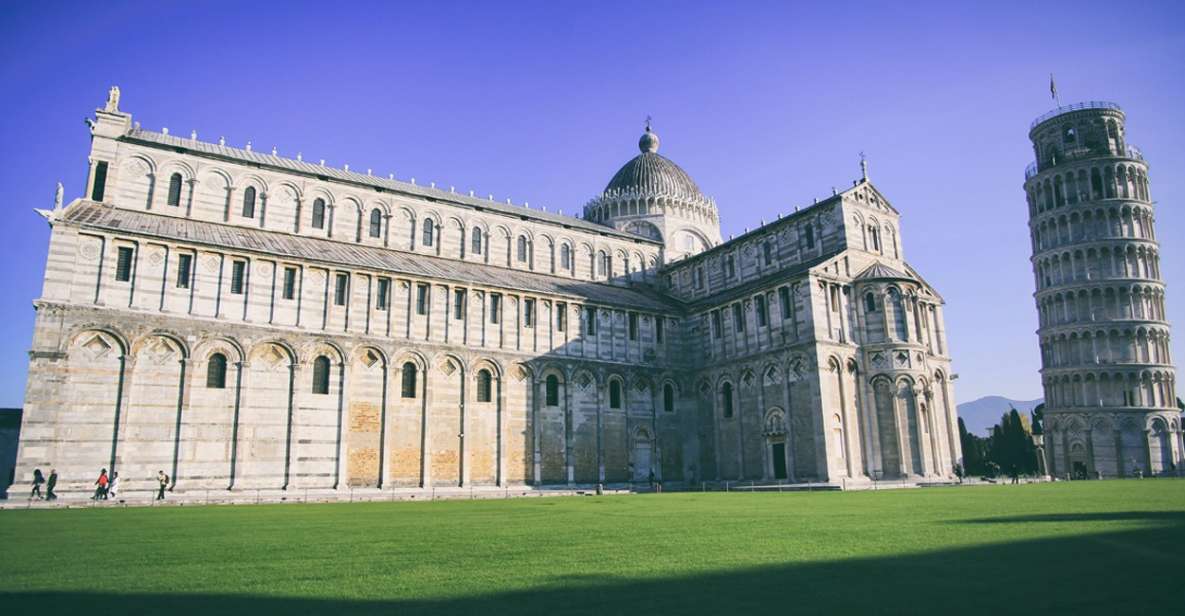
You meet just outside the Lucca train station, on the left side of the square. This matters because it keeps your day simple: no complicated pickup window, no long walk across town before you start cycling.
The shop setup is a big part of why the experience gets such high marks. People consistently describe the staff as helpful and focused on getting the bike running smoothly and the app installed/working. In one case, the owner Gianluca helped with the process and troubleshooting later when needed, which tells you the shop is paying attention to real rider problems, not just handing over keys.
If you’re arriving in Lucca by train that morning, this meeting point is convenient because you can drop straight into the day instead of spending time trying to find your bike in a different neighborhood.
Following the GPS app: the convenience—and the battery risk
This is a self-guided tour, so the app is your “invisible guide.” The bike includes a phone holder on the handlebar, which is a huge deal in a country like Italy where signage can be inconsistent and where a wrong turn turns into a long detour.
The best news: the route is built to be followable. The app-based directions are described as easy to use by many riders, and some shops help you download it offline so you can keep going without constant cell service.
The not-so-best news: the app can be hard on your phone battery. Multiple riders report that it drains power faster than they expected, and a couple note the route guidance can be slow or glitchy. One rider even recommended bringing a spare phone or battery pack.
So here’s your practical plan:
- Start with a fully charged phone.
- If the shop offers offline setup, take it.
- Bring a power bank if you want zero stress.
- When the app seems unsure, use it as a suggestion, then check your position on the map screen rather than blindly tapping turn-by-turn prompts.
Also keep in mind that returning may involve a QR code step in the app (one rider found that out the hard way). The lesson: when you finish the ride, make sure you understand how you’ll load the return route.
Outward ride itinerary: Lucca streets to the Serchio River and Monti Pisani
You’ll start in Lucca and head toward Pisa along a route that follows the Serchio River for much of the way. That river-following detail is what makes the day pleasant: it naturally pulls you through quieter areas and gives you a sense of direction.
Distance-wise, you’re cycling about 33 kilometers of dirt and asphalt roads on the way to Pisa. Time-wise, the ride takes about 2 to 4 hours, depending on your pace, how often you stop, and how comfortable you are with the surfaces.


What you’ll feel on the bike
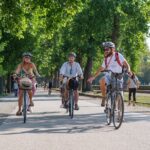
Even though this is labeled easy/intermediate, you’ll still notice changes in texture and road type. Reviews describe gravel trail bits, quiet cycle sections, and a few moments where you’re on busier roads or have to navigate around roundabouts. Those road moments are usually short, but they’re real—so treat them like part of the experience.
One rider described the outward path as very safe with cars respecting cyclists, while another pointed out that the ride is less “gentle cruise” and more “adventure with mixed surfaces.” Both can be true depending on your comfort level and the exact day conditions.
And yes—weather can throw curveballs. One group rode in thunderstorm weather on the way and said cheap ponchos saved them. If rain is in the forecast, light rain gear is worth it because you’ll be out long enough for it to matter.
The San Giuliano Terme break (after ~20 km)
After roughly 20 kilometers, you stop at San Giuliano Terme for a refreshing drink in the charming central square in front of the spa. This is a great break because it’s not just a random stop: it gives you a structured moment to reset your hands, stretch your legs, and check your phone battery while you’re not actively pedaling.
It also breaks the mental load. If you’re doing a one-way ride and then thinking about how much farther you have, a mid-point town stop helps you keep a steady pace rather than rushing the last segment.
Arriving in Pisa: landing in Piazza dei Miracoli
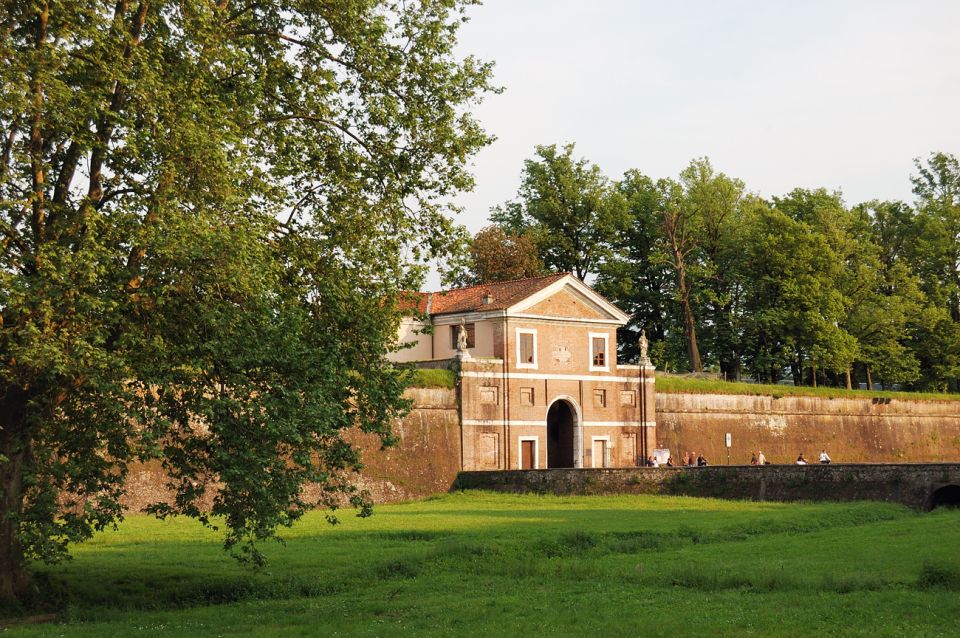
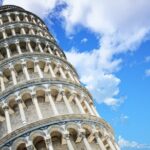
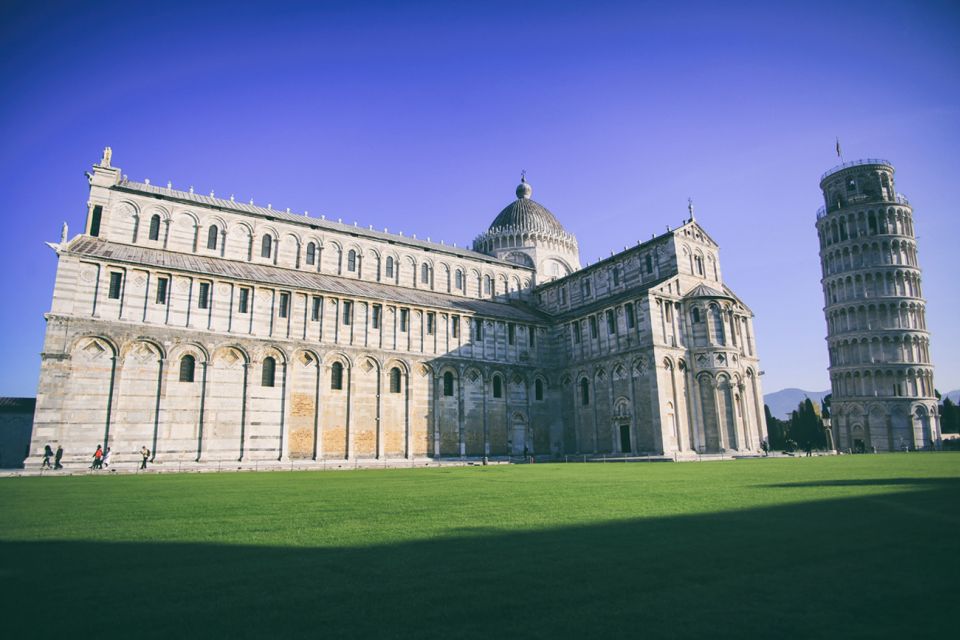
The ride ends in Piazza dei Miracoli, right in front of the Leaning Tower of Pisa. That finish is the payoff: you don’t have to fight buses or taxis just to get to the main sights, and you get the classic tower photo moment with a dramatic backdrop.
A practical note from reviews: walking around Pisa after you park bikes can take longer than people expect. One rider cautioned that it’s not a quick 10-minute walk from the Pisa station area to the tower area, recommending a cab if you’re trying to save time. When you bike in and end at the piazza, you avoid some of that—at least at the start.
Timing matters if you want to see more than the outside of the monuments. One rider advised leaving 2.5 to 3 hours between e-bike pickup and ticket time for climbing the tower (if that’s in your plan). The reason is simple: your bike day already includes route time, and Pisa itself needs walking time around the complex.
So if you’re squeezing Pisa into a tight schedule, build in slack. The bike gets you there; you still have to experience the place.
Getting back to Lucca: train with bikes vs riding the return route
At the end of the Pisa day, you can return to Lucca in two ways:
1) Bike back via a direct route by bike, or
2) Take the train, which is about 25 minutes.
The train option is a comfort move. Bikes fit into the train’s storage wagons, and train tickets can be purchased in advance through the local partner. That reduces stress on the day.
But don’t ignore the physical reality of trains: reviews say the bikes are big and do not fit in a station elevator. That means you may have to carry or maneuver your bike down from the train in Lucca. One rider managed it alone with the help of a ramp to come out of the station, but they still described it as not easy. Translation: if you’re traveling with limited strength or a small child, the bike-lifting portion is something to plan for.
If you choose to bike back, the route is described as a different path that can be more straightforward for some riders. Still, you’ll be tired after Pisa, so start early if you’re thinking of returning by bike.
Price and value: why $34 can make sense (and when it doesn’t)
The price is $34 per person for the day, and what you’re actually buying is more than a bike rental. You’re getting:
- the bike (trekking or e-bike)
- lock
- repair kit
- app itinerary
- phone holder setup
- and a system that gets you to Pisa efficiently
What’s not included is the return train ticket and food/drinks. That means your real cost depends on whether you take the train back and whether you stop for meals.
When this is great value:
- If you want Pisa without spending your whole day walking
- If you’re paying for an e-bike because it makes the day enjoyable rather than tiring
- If you like scenic travel where you’re seeing places, not just passing through
When you should rethink:
- If you’re on a strict budget and you already have to add train tickets and meals
- If you don’t want any responsibility around phone navigation (even though the route is designed to be followable)
For many people, the value lands because the tour converts your time. Instead of a transit day, you get a ride day.
Who should book this and who might skip it
This is a good fit for families and teenagers because the pace is manageable on e-bikes and the day is structured with a mid-ride stop in San Giuliano Terme. Reviews also describe the ride as safe most of the time, with only short road moments and a handful of roundabouts.
It’s also a strong fit if you’re comfortable riding a bike for a few hours and handling mixed surfaces. Even on e-bikes, you’ll still feel dirt, gravel, and asphalt differences through the frame.
You might skip it if:
- you’re anxious about navigating traffic at roundabouts or short busier stretches
- you hate battery-dependent navigation (and don’t plan to bring a power bank)
- you don’t want the train return “big bike” handling
But if your idea of a good day is countryside roads, a controlled pace, and a straightforward way to reach Pisa, this is exactly that kind of day.
Should you book Lucca to Pisa by bike?
I’d book it if you want a Tuscany day that feels like travel, not logistics. The combination of Serchio River scenery, an app you can follow while riding, and a finish in Piazza dei Miracoli makes it one of the more efficient ways to do Pisa without spending your legs on long transit days.
Book it especially if you’re considering e-bikes for comfort. Multiple riders say it’s worth the extra expense because the ride stays fun even in hot weather and for mixed ages.
One last check before you go: charge your phone and plan for the app screen. If your battery dies mid-ride, you’ll be glad you came prepared.
FAQ
How long does it take to cycle from Lucca to Pisa?
The ride to Pisa takes between about 2 and 4 hours, depending on your pace and stops.
How far is the ride from Lucca to Pisa?
The ride includes about 33 kilometers of dirt and asphalt roads from Lucca to Pisa.
Where do I stop along the way?
After about 20 kilometers, there’s a stop in San Giuliano Terme for a refreshing drink in the central square in front of the spa.
How do I get back to Lucca?
You can return to Lucca either by bike via a direct route or by taking the train (about 25 minutes). Bikes fit in the train’s storage wagons.
What’s included in the tour price?
Included are the trekking bike or e-bike, a bike lock, an app with the itinerary, a phone holder for the handlebar, and a repair kit.
What’s not included?
Return train tickets and food and beverages are not included.