REVIEW · LUCCA
Lucca: Renaissance City Walls Walking Tour
Book on GetYourGuide →Operated by Coop. Turislucca · Bookable on GetYourGuide
Lucca’s walls are architecture you can walk on. This Renaissance fortification tour takes you up onto the elevated ringway around the historic center, then inside the bastions where you’ll see recently restored rooms and massive brick vaults. I especially liked how the guide connects the walk to the bigger story of Italian military engineering, and how the interior access turns a normal sightseeing loop into something more memorable. One thing to consider: the tour runs rain or shine, so wear shoes that handle wet stone.
You also get a real-feeling sense of city planning: the walls aren’t just defensive ideas frozen in time—they function today as a public park with trees lining the walkway and long sightlines over Lucca. Expect the group pace to move steadily, and if you’re sensitive to timing, the full 2 hours can feel like a lot of information if you prefer reading stops slowly on your own.
The biggest payoff, though, is going inside. The bastions you visit were never used for defensive purposes, but the structure and design are still fascinating—especially the brick galleries built to hide heavy bronze cannons. And if you end up with a guide like Roberta, Paula, or Paola (names I saw associated with this tour), you should be in good hands for clear explanations and lively city pride.
In This Review
- Key points I’d prioritize before you go
- Why Lucca’s Renaissance Walls Feel Like a Park Over the City
- Meeting at the Tourist Information Center and Getting Oriented Fast
- The Wall Walk: Trees, Elevation, and City-Planning Clues
- Going Inside: Restored Bastion Rooms You Can’t Replicate Alone
- Brick Vaults and the Bronze Cannon Hiding Mechanism
- The Fortification Story: How the Guide Threads 13th to 17th Centuries
- Price and Value: What $17 Buys for Two Hours in Lucca
- Who This Tour Fits Best (and Who Might Skip It)
- Should You Book the Lucca Walls Walking Tour?
- FAQ
- How long is the Walls of Lucca walking tour?
- What languages are offered?
- Where do we meet the guide?
- What should I wear or bring?
- Does the tour run in bad weather?
- Is it wheelchair accessible?
- How does cancellation work?
- Can I reserve without paying right away?
Key points I’d prioritize before you go
- A wall walk that doubles as a park circuit, with trees and elevated views that make Lucca feel bigger than the old center.
- Interior access to bastions, including restored rooms you wouldn’t stumble into alone.
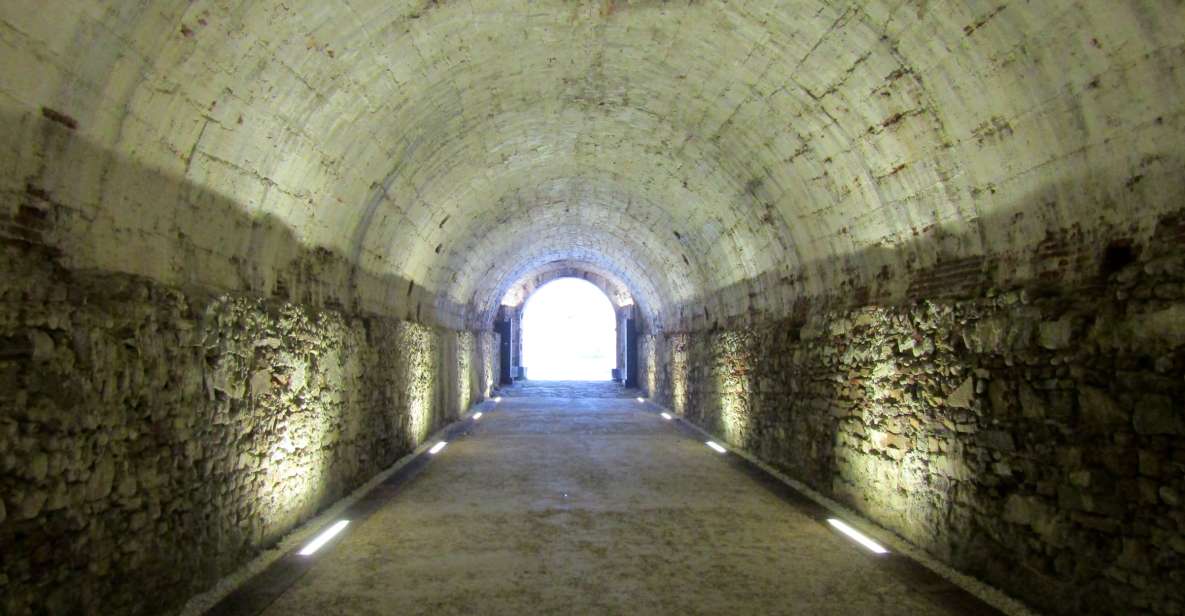
- Brick vault galleries designed for concealment of heavy artillery.
- Fortification evolution from the 13th to 17th centuries, explained in plain terms while you’re still outside.
- Bilingual live guiding (English and Italian), which can shape the pace and how quickly points get explained.
- Rain or shine, so plan for comfortable footwear and weather-ready clothes.
Why Lucca’s Renaissance Walls Feel Like a Park Over the City
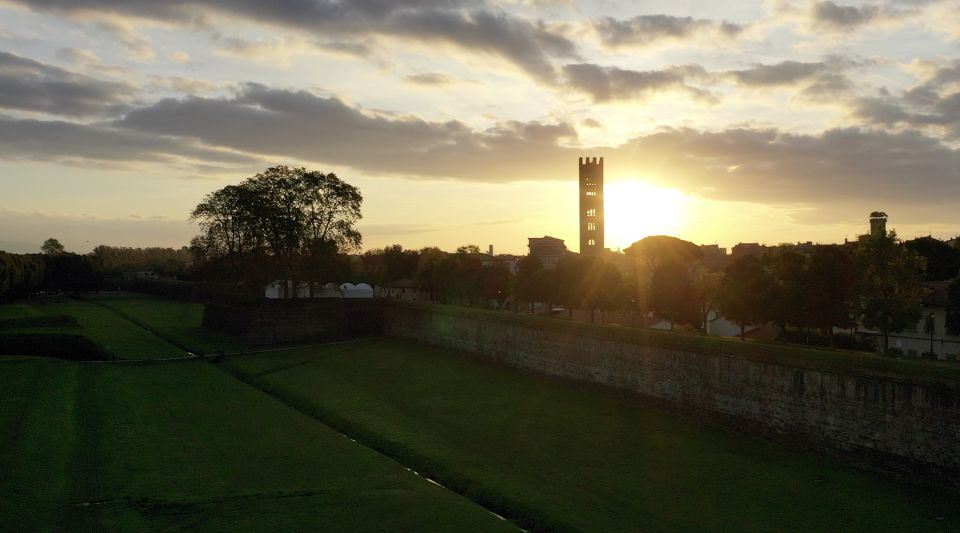
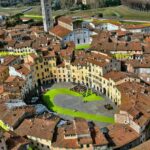
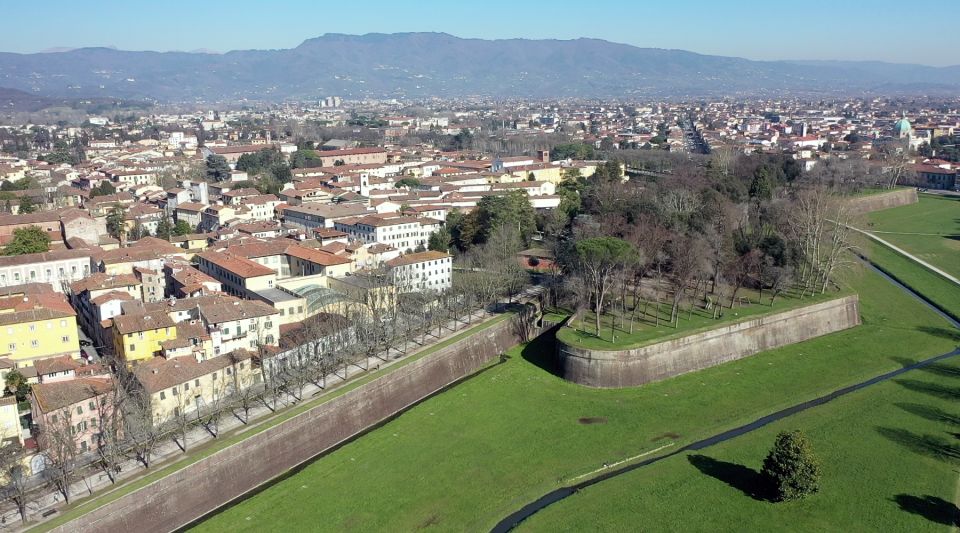
If you only visit Lucca’s streets, you miss a big piece of how the city works. The walls wrap the historic center like a boundary and a promise: a controlled edge that later became a public promenade. On this tour, that idea clicks fast because you’re not just looking at stone from below. You’re walking along the top, moving at human speed, with the sensation of being set apart—like you’re seeing the city from its protective skin.
I like that it’s not all theory. The elevated walkway is flanked by different varieties of trees, so the setting changes as you move. It’s the kind of place where you can stop for a breath, then continue and pick up another chunk of history from the guide. Even if you’re not a military-history nerd, the visual logic helps. Walls are geometry, angles, and space. When you walk them, you understand the design before you even hear the details.
And because it’s a public park today, it also feels relevant. You’re watching how a Renaissance infrastructure project got repurposed into everyday city life—something you’ll feel in the atmosphere, even during a guided visit.
You can also read our reviews of more tours and experiences in Lucca.


Meeting at the Tourist Information Center and Getting Oriented Fast
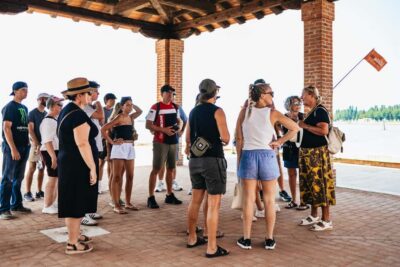
The tour starts by meeting your guide near the entrance of the tourist information center. Plan to arrive 10 minutes early. That early buffer matters here because you’ll want a clean start: the route is about timing, and you’ll likely want to get your footing before you start moving along the elevated areas.
From the start, I’d treat the first few minutes like orientation training. The guide sets up what you’re about to see: the walls themselves, the logic behind the bastions, and the specific parts you’ll visit inside. This is one of those tours where knowing what you’re about to notice makes everything easier. Instead of random brickwork, you’ll start seeing purpose—where sightlines mattered, why certain spaces existed, and how the interior was built to handle heavy equipment.
It also helps that the tour is live and bilingual (English and Italian). If you’re going to be listening for both languages or switching focus, come ready to be flexible. You’ll likely get the same key ideas, but the rhythm can change depending on how the guide delivers each language segment.
The Wall Walk: Trees, Elevation, and City-Planning Clues
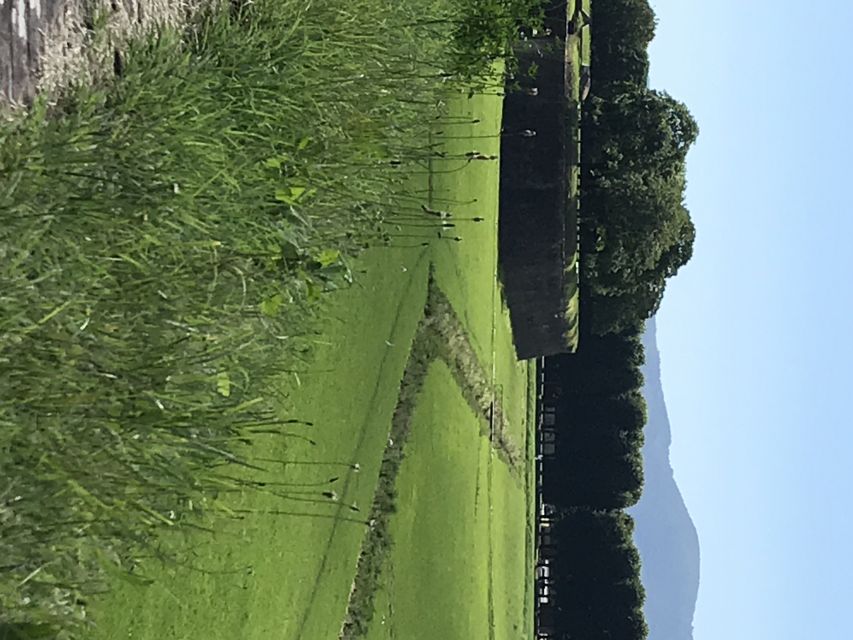
The core experience begins outdoors: a long, steady stroll along Lucca’s historic walls. This is where the architecture turns physical. From the top, you can see how the wall controls the city’s shape—how the historic center reads as a distinct zone. It’s a clear reminder that Renaissance urban planning wasn’t just about aesthetics. It was about defense, movement, and controlling access.
What you’ll likely notice along the walkway:
- The raised path gives you a sense of perimeter and enclosure, but with open-air comfort.
- The trees break up the monotony and give you little changes in light and feel as you go.
- You’ll pass sections that set up what’s coming next, especially when the guide begins linking the exterior form to the interior function.
Comfort matters more than you’d think. You’re walking on stone and moving for around 2 hours total, and you’ll want your feet to stay happy. I’d wear supportive shoes you don’t mind getting a bit dirty.
One practical note: because it goes rain or shine, the wall can become slick. If there’s even light drizzle, slow down on turns and keep your stride short. The tour is easy-going, but wet stone is still wet stone.
Going Inside: Restored Bastion Rooms You Can’t Replicate Alone
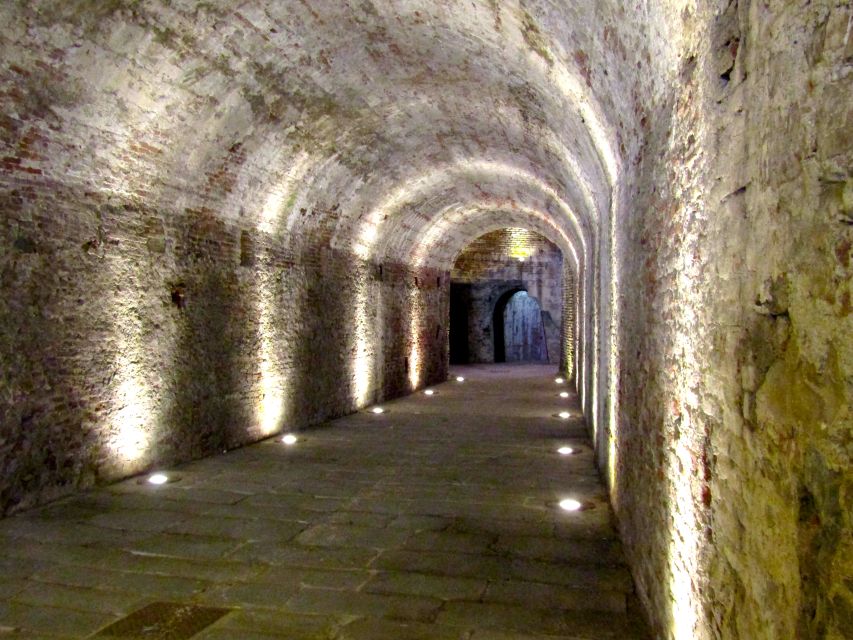
After the outdoor portion, the tour turns into the part most people don’t plan for: entering the bastions. These interiors are where Lucca’s walls stop being a view and become a lesson in engineering.
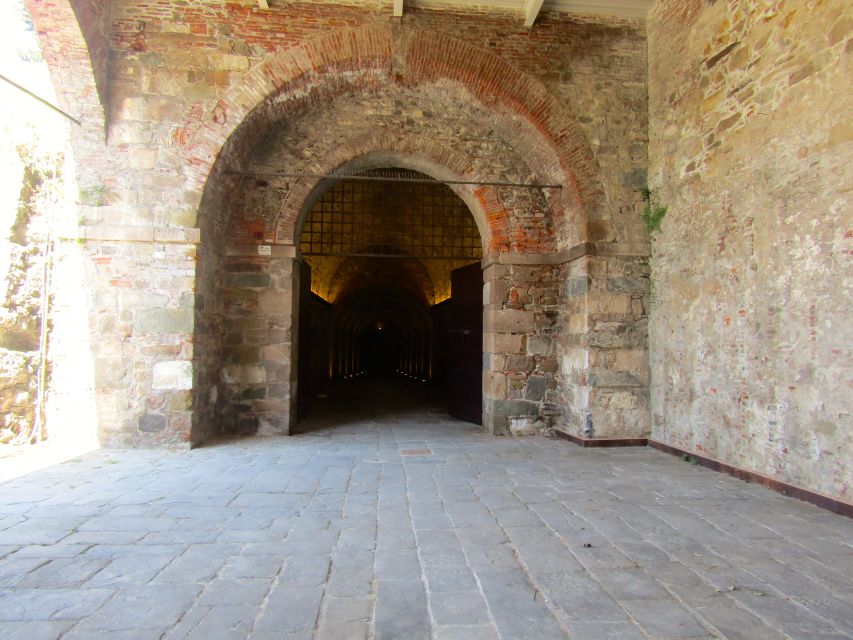
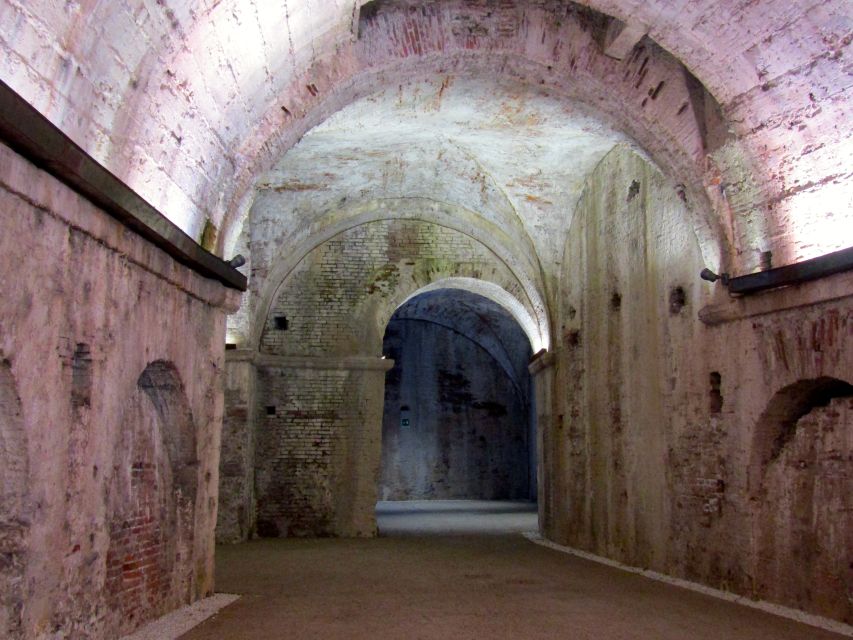
You’ll discover galleries and rooms within the bastions, including recently restored areas. That restoration is a key detail because it changes the experience from looking at ruins to seeing functioning spaces with a sense of how people could move through them. You also get a strong sense of the shift from city inside to the outside perimeter—how the structure ties the urban core to the defensive ring.
One of the more interesting facts: the bastions you visit were never used for defensive purposes. That doesn’t make them less important. If anything, it underlines how built plans can outlast their original intent. You’re seeing the architecture and the logic of fortification, even if history didn’t play out exactly as the builders might have planned.
And because you can’t exactly recreate this on your own without local help, this is where the guided format earns its keep. A guide helps you understand what you’re looking at—especially the interior paths, vaults, and the purpose of specific spaces.
Brick Vaults and the Bronze Cannon Hiding Mechanism
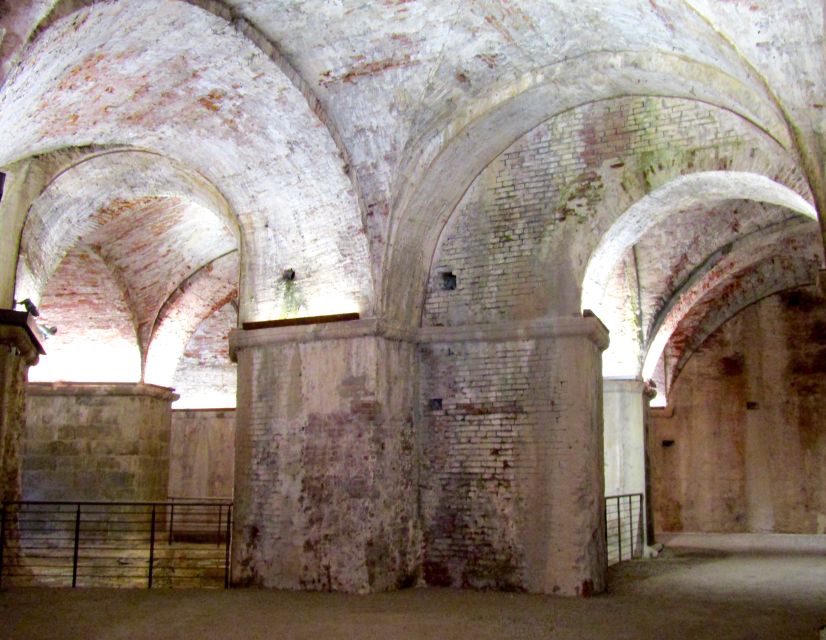
The most striking visual detail inside is the immense brick vaults covering the interior galleries. They’re impressive because they look heavy and intentional, like they were designed to hold weight and resist pressure. And that impression lines up with the story the guide tells: these galleries were built to hide heavy bronze cannons.
That cannon detail matters because it explains why the interior architecture looks the way it does. Fortifications weren’t only about standing walls. They were about storing equipment, controlling where it could be deployed from, and protecting it from damage or visibility. The vaults are a physical explanation of those priorities: enclosure for defense, shelter for artillery, and structure built to support major forces.
When you walk the exterior and then step into these covered galleries, you get a two-part understanding:
1) The wall as the city’s boundary and defensive mindset
2) The interior as the machinery space—where equipment was managed and concealed
It’s one of those “oh, now I get it” experiences.






The Fortification Story: How the Guide Threads 13th to 17th Centuries
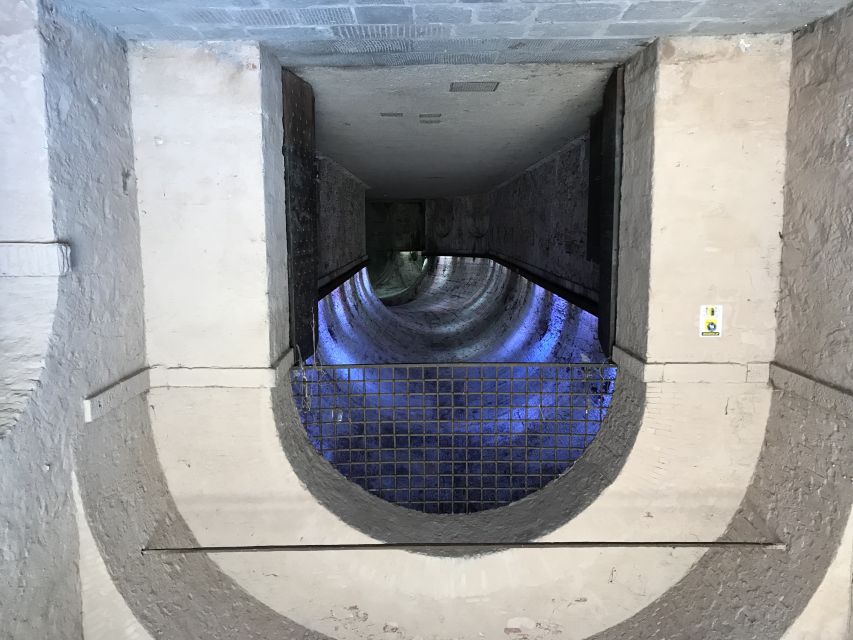
What really makes this tour work is that you’re not stuck with one era. The guide walks you through the evolution of military engineering in Italy from the 13th to the 17th centuries while you’re still in the setting where those ideas would apply.
Even if you know nothing going in, you’ll get enough context to follow the logic. Fortification design changed as weapons, tactics, and materials evolved. The wall and bastion form weren’t static—they adapted. And because you’re physically moving through the spaces, the story doesn’t float in the air. You can point to the wall, then to the interior, and understand how each part fits the larger engineering goals.
This is also where a strong guide makes the difference. Guides such as Roberta, Paula, and Paola are repeatedly noted for being passionate and for explaining the function clearly. I can tell the style that works: someone who cares about the city and can translate technical ideas into something you can grasp while walking.
One small consideration: the tour is bilingual, and in some setups the guide has to cover both languages. That can affect timing. If you’re very language-specific, keep your expectations flexible and remember that you may not get the exact same pacing you’d get on a single-language group.
Price and Value: What $17 Buys for Two Hours in Lucca
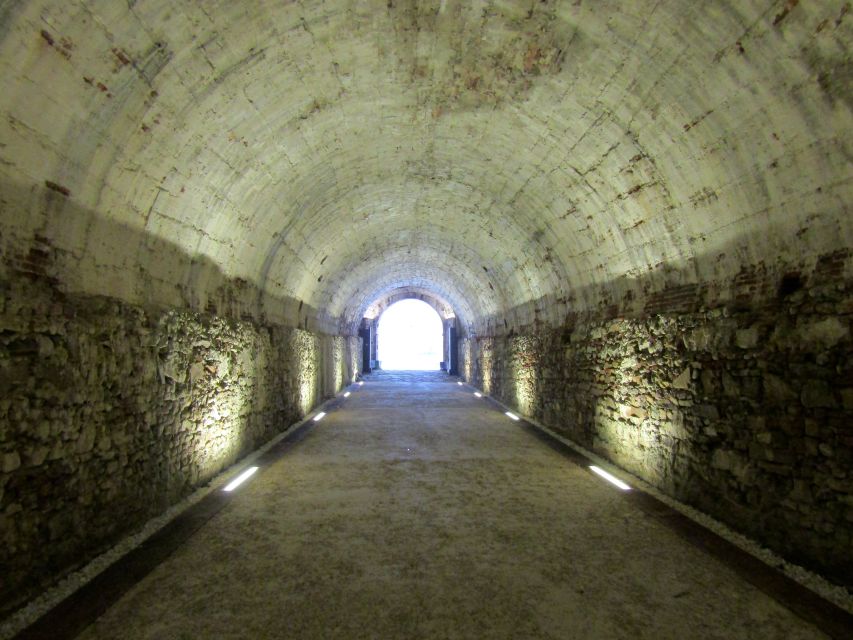
At about $17 per person for a roughly 2-hour experience, this is a strong value for three reasons.
First, you get more than a scenic loop. Many inexpensive tours are “look at this, then look at that.” Here, you get the walls plus interior access to bastions and restored rooms, which is the part most people miss.
Second, you’re paying for interpretation. The guide helps connect what you see—brick vaults, galleries, and cannon concealment—to how fortifications evolved from the 13th to the 17th centuries. That turns the architecture into understanding, not just photos.
Third, it includes a bilingual live guide. That’s extra effort on the operator’s side, and it often matters for comprehension. You get the core points in more than one language, rather than hoping you can translate on your own.
If you’re deciding between a quick self-guided walk and a guided interior visit, I’d lean guided for this one. The price is low enough that you’re not taking a big risk, but the interior component is exactly what makes it feel worth it.
Who This Tour Fits Best (and Who Might Skip It)
This Lucca walls tour is ideal if you like:
- Walking tours with a clear theme (architecture + engineering).
- Getting inside places you wouldn’t find without help.
- Travelers who enjoy explanations that connect design to real-world function.
You’ll also enjoy it if you want a break from shop-and-church pacing. The wall walk in a park-like setting is a good change of rhythm. It’s also a solid pick if your day includes other Lucca sights and you want something that feels different.
You might not love it if:
- You want mostly free time and minimal talking.
- You get frustrated by any chance of timing that’s shaped by bilingual segments.
- You dislike wet weather walking, since it runs rain or shine.
The fact that it’s wheelchair accessible is a big plus if mobility is a concern. Wear comfortable shoes either way, because you’re still covering ground on historic surfaces.
Should You Book the Lucca Walls Walking Tour?
Yes—if you want a Lucca experience that goes past postcard views. This tour is one of the better deals in the city because it combines a classic sightseeing loop with the thing that usually costs more time and effort to access: the interior bastions and their restored rooms. The brick vaults and the cannon-hiding explanation are the kind of details that stick, and a good guide makes the entire story easier to follow.
Book it especially if you enjoy architectural design and want the “why” behind what you see. Arrive ready to walk, bring shoes you trust on wet stone, and give yourself the full 2 hours without rushing. If you do that, you’ll leave with a much better grasp of how Lucca turned fortification engineering into a lasting part of daily life.
FAQ
How long is the Walls of Lucca walking tour?
The tour lasts about 2 hours. Exact starting times depend on availability.
What languages are offered?
The live tour guide provides English and Italian.
Where do we meet the guide?
Meet your guide by the entrance of the tourist information center. Arrive about 10 minutes early.
What should I wear or bring?
Wear comfortable shoes. The tour is outdoors and involves walking.
Does the tour run in bad weather?
Yes. The tour takes place rain or shine.
Is it wheelchair accessible?
Yes, the tour is listed as wheelchair accessible.
How does cancellation work?
You can cancel up to 24 hours in advance for a full refund.
Can I reserve without paying right away?
Yes. The booking option includes reserve now & pay later, so you can hold your spot before you pay.