REVIEW · NAPLES
From Naples: Pompeii and Wine Tasting Tour with Lunch
Book on GetYourGuide →Operated by NapoliCityVision · Bookable on GetYourGuide
Pompeii feels close enough to touch. I like this day because it pairs a guided walk through the UNESCO ruins with a proper tasting experience on the slopes of Vesuvius. You get a focused look at Pompeii’s everyday life, then you slow down for vineyard views and Campania wines matched with lunch.
The main thing to consider is logistics around heat, crowds, and the fact that Pompeii entry tickets are not included. Plan for a busy site and bring the right gear so the day feels fun, not just exhausting.
In This Review
- Key things I’d zero in on
- Pompeii from Naples: what you’re really signing up for
- The Pompeii walk: fast context, smart highlights, real walking
- The Vesuvius wine stop: volcanic soil becomes a flavor you can taste
- Walking vineyards and touring a working winery
- Lunch at the winery: Mediterranean comfort that actually fills you
- What the day’s timing really feels like (8 hours of Naples-to-Vesuvius)
- Price and value: how this $135.94 day trip stacks up
- What’s included, and what you must plan for yourself
- Language and guidance: live guide in high season, audio otherwise
- Who this tour fits best (and who should skip it)
- Should you book this Naples Pompeii and Wine Tasting Tour?
- FAQ
- How long is the Pompeii and wine tasting tour?
- Do I need to buy Pompeii entry tickets separately?
- Where does pickup happen in Naples?
- What time should I be ready for pickup?
- Is there a live guide or an audio guide?
- What languages are offered?
- What do we do at Pompeii?
- What happens during the wine tasting portion?
- Is the tour suitable for wheelchair users or people with mobility impairments?
Key things I’d zero in on
- A guided Pompeii walking tour (about 2 hours) that gives context beyond the stones
- A vineyard and winery stop on Vesuvius slopes, paired with lunch rather than a quick pour-and-go
- Wine tastings tied to the volcanic story, including grapes like Falanghina, Lacryma Christi, and Aglianico
- Small-group feel when offered, with options for live guide or audio guidance depending on group size
- Comfortable, practical pacing across a full 8-hour day (including round-trip transport)
Pompeii from Naples: what you’re really signing up for
If you’ve ever looked at photos of Pompeii and thought, I should do this, this is a solid way to make it happen. The big win here is structure. Instead of wandering and guessing, you follow a guided walk at the archaeological site, with the ruins explained in a way that helps the city click into place.
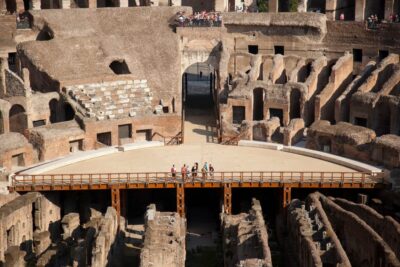
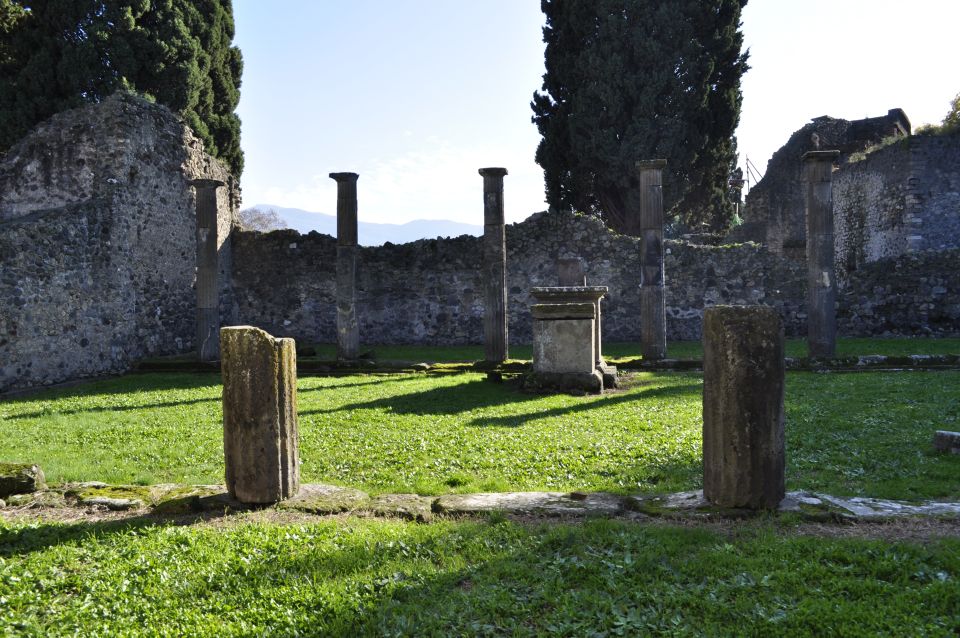
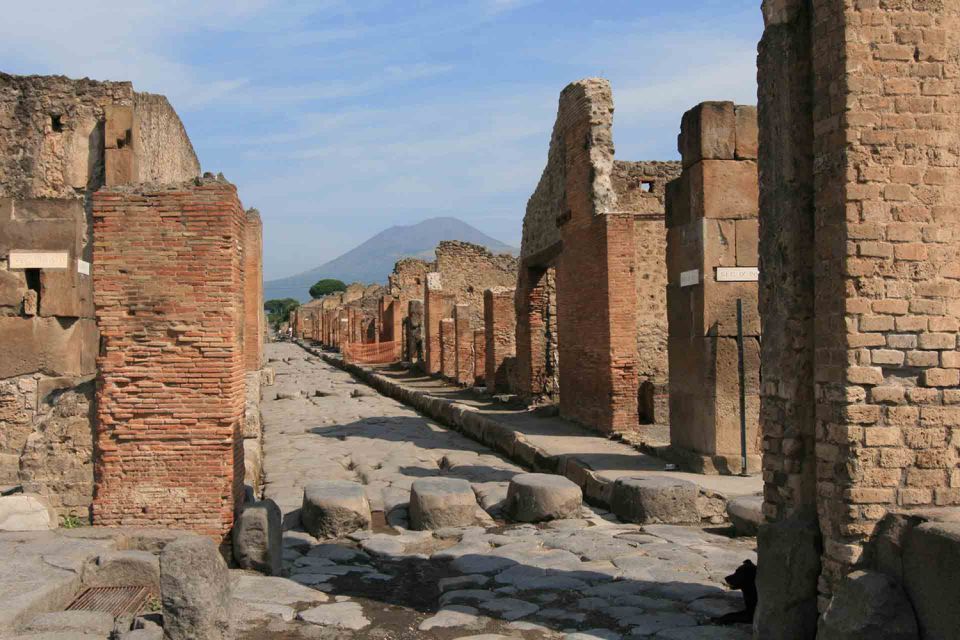
You’ll focus on the preserved parts of Pompeii—buried by Vesuvius in 79 A.D.—that archaeologists have revealed over time. The tour is designed to help you understand what daily life looked like: villas and homes, shops, and public buildings that show how the Roman Republic world worked at street level. Even if you don’t go deep into every single corner (you won’t, in a one-day trip), you’ll leave with a better sense of how the place functioned.
One more reason this approach works: Pompeii can be visually overwhelming. It’s easy to see columns, mosaics, or doorways and miss the story. A guided format helps you see patterns—how spaces were used and what survived—so the visit feels like more than a walk through ruins.
You can also read our reviews of more tours and experiences in Naples.

The Pompeii walk: fast context, smart highlights, real walking
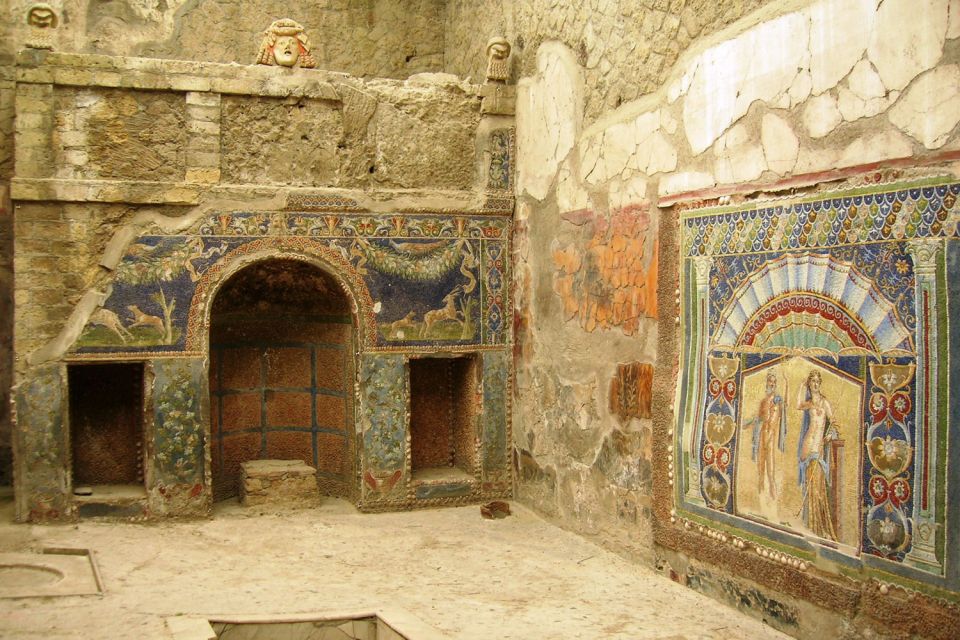
Pompeii is UNESCO for a reason, but UNESCO doesn’t automatically mean easy to experience. The ruins are spread out and the site is popular, so you want someone pointing you to the right stops and explaining what you’re seeing.
This tour gives you a guided walking tour of Pompeii for about 2 hours. That’s a sweet spot for a day trip: long enough to absorb a lot, short enough that you’re not stuck in the worst of the heat for too long. You also get that “ah, now I get it” feeling, because the guide is set up to translate what the site represents—why it’s so intact, what the eruption meant, and what you can infer from the buildings.
Practical reality check: Pompeii can be crowded and very hot. You’re not fighting the weather on your own here, but you are still exposed for part of the day. That’s why comfortable shoes matter more than you think. The ground can be uneven, and you’ll be moving for hours total even with the time split between Pompeii and the winery.
The Vesuvius wine stop: volcanic soil becomes a flavor you can taste
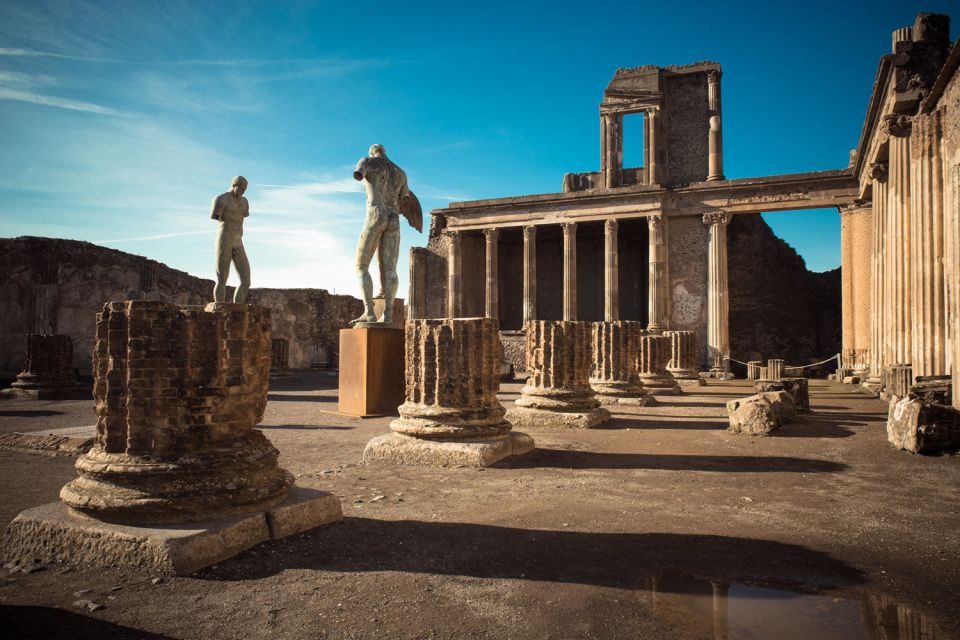
After Pompeii, the day shifts gears. One of the clever parts of this tour is that it ties Campania wine to the volcano you just learned about. Vesuvius isn’t just a dramatic backdrop—it’s part of the explanation for why local wines taste the way they do.
You’ll head to the Campania wine stop for wine, lunch, and wine tasting (about 2 hours). Along the way, you’ll hear the story of how volcanic soil—soil burned by the sun and shaped by the fertilization of lava flows—affects the grapes. You also learn about specific wines and the legends around them, including Lacryma Christi, which is tied to the region’s volcanic identity.
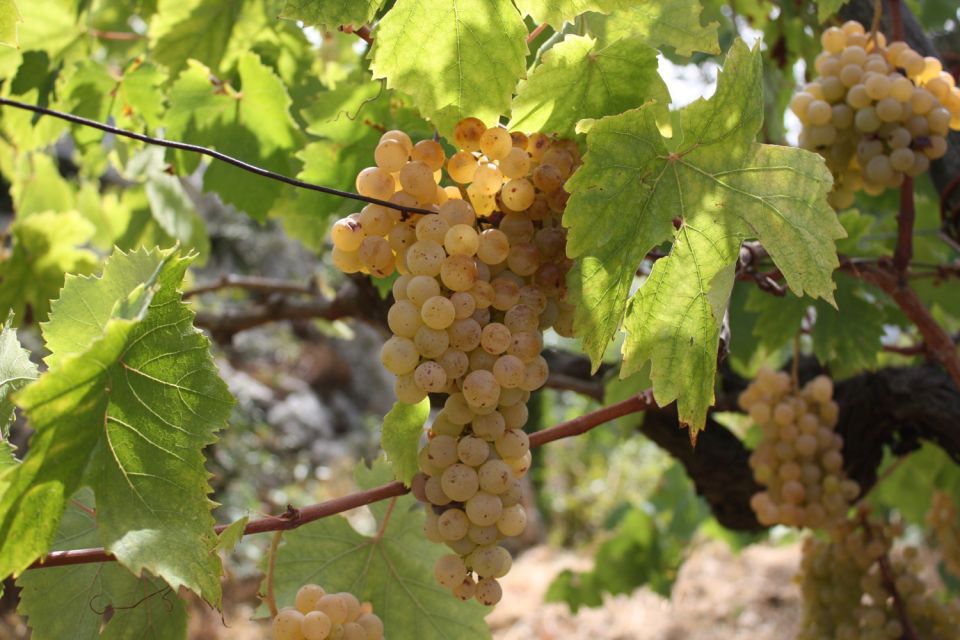
On this tour, you’re not limited to one style. You’ll taste wines made from grapes such as Falanghina, Lacryma Christi, and Aglianico, plus other local varieties depending on what’s served that day. That matters because tasting the range gives you a clearer sense of what Campania does best, rather than walking away with one “good bottle” memory.
Walking vineyards and touring a working winery
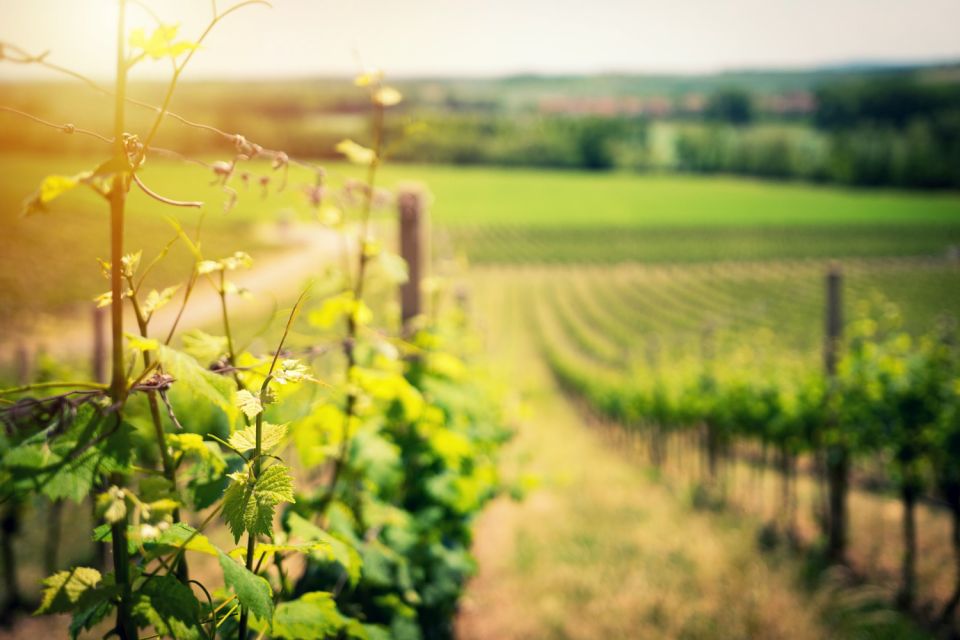
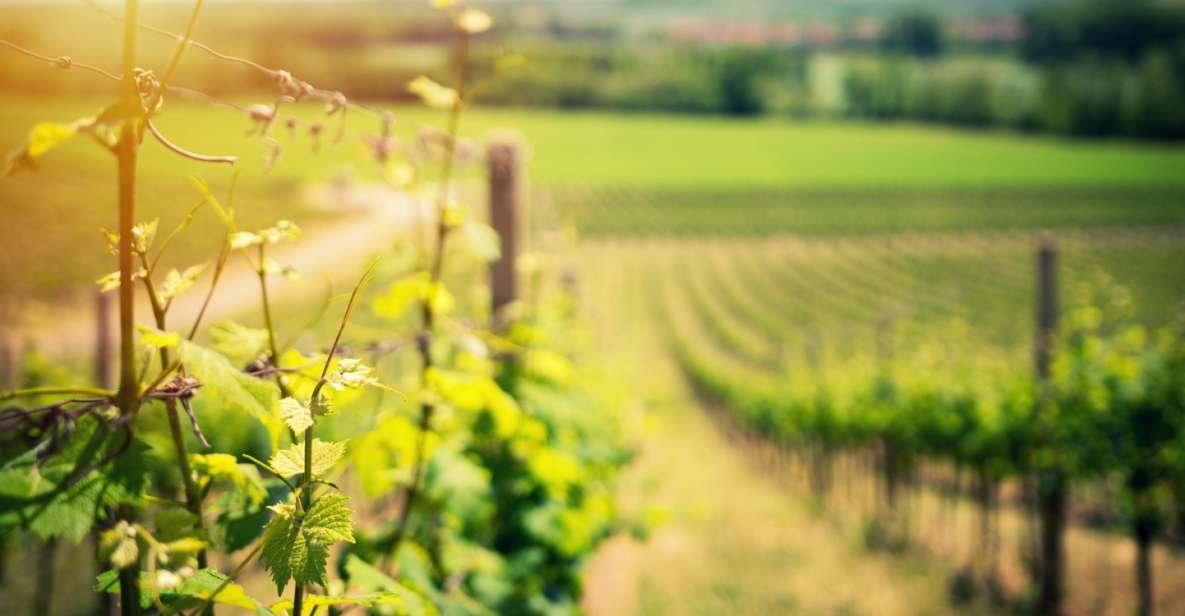
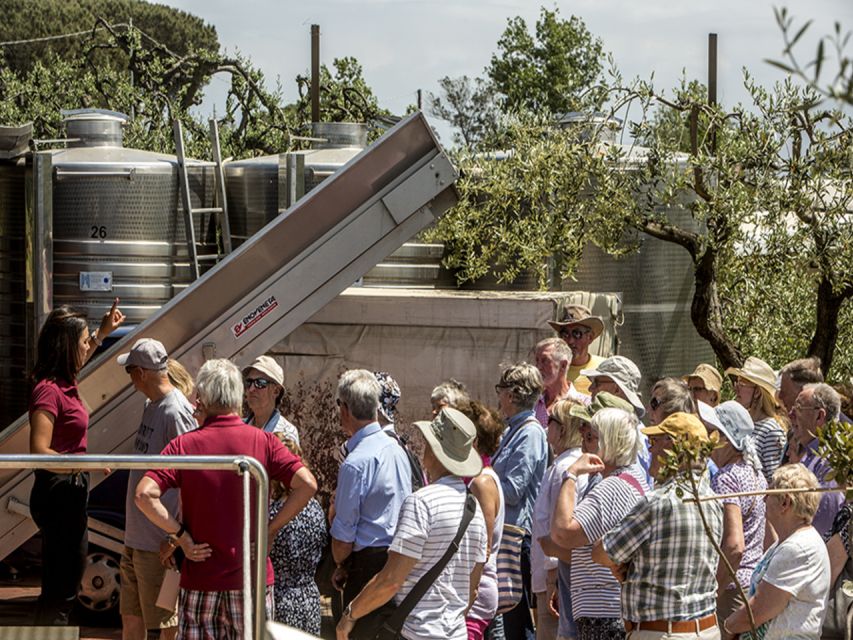
This is not just a tasting room experience. You get a walking tour of local vineyards, so you can connect the wine to the vines and the view. The slopes of Vesuvius are one of those places where geography isn’t background noise—it’s part of the product.
You may also get a quick look at how the winery operates, including areas connected to production like storage and bottling (the tour format often includes a short, guided look inside the facility). Even without a technical lecture, you’ll come away with a sense of the workflow and why volcanic conditions make this area distinctive.
What I like about doing this after Pompeii is mental contrast. Pompeii is about preservation. The winery is about process—what living farmers do with living land. That swap keeps the day from turning into “history overload.”
Lunch at the winery: Mediterranean comfort that actually fills you
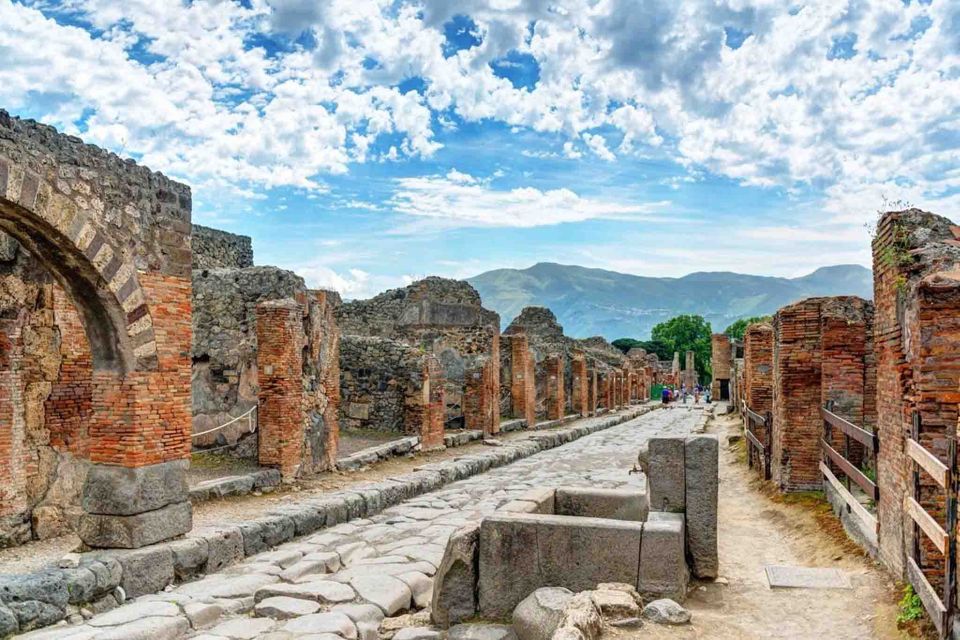
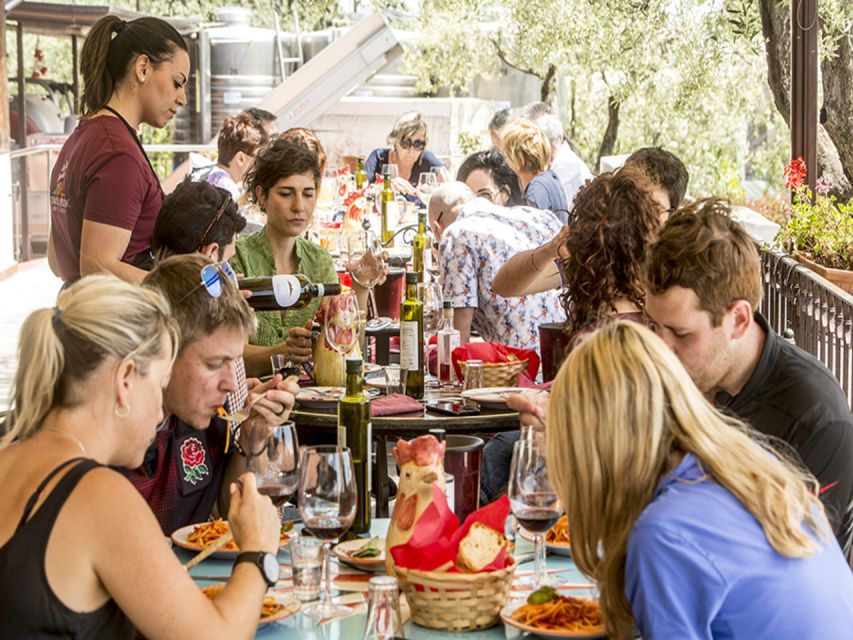
The lunch is paired with the tasting, and it’s one of the reasons people leave happy instead of just buzzed on wine. The meal is described as a Mediterranean lunch with local products, and in practice it often feels more substantial than the word light might suggest.
You can expect courses built to match the wines you’re tasting. That pairing element is important. If you just drink without food context, the whole experience turns chaotic fast. Here, the meal helps you slow down and notice the differences between pours—how acidity, structure, and fruit shift as you move from starter to main.
And because you’re eating with a view of Vesuvius, it changes the emotional tone of the day. It’s not only “we did Pompeii.” It becomes “we ate and tasted in the place connected to the story.” That’s the kind of memory that sticks.



What the day’s timing really feels like (8 hours of Naples-to-Vesuvius)
This tour runs about 8 hours, with different starting times depending on availability. The day begins with round-trip transportation from selected pickup points in Naples, then it’s Pompeii first, then the winery/lunch stop, and finally the ride back to the original meeting area.
Pickup matters here because Naples isn’t one tidy grid. You’ll be collected from multiple hotels or meeting points, and pickup time can be affected by traffic. The operator notes that the driver waits up to 5 minutes if you’re late, so you’ll want to be ready at your assigned spot.
Once you’re on the road, you get commentary on the bus. That’s useful for setting expectations and making the ride more than just sitting. Then Pompeii is guided and paced, and the winery experience is guided and tasted, with time to walk and relax.
Bring your patience for a full day. Even if the schedule is well organized, you’re moving through two major experiences plus transportation. The payoff is that you see more than just “a ruin and a sip.”
Price and value: how this $135.94 day trip stacks up
At $135.94 per person, the pricing sits in the mid-range for a one-day Pompeii + wine experience from Naples. What you’re paying for isn’t just entrance to places (Pompeii tickets are extra). You’re paying for the structure: round-trip transport, guided walking in Pompeii, a winery visit with a walking tour, plus lunch and wine tasting.
Here’s the real value math for most people:
- If you tried to do Pompeii solo, you’d still spend on transit and you’d still need a plan for what to see.
- If you did a winery tasting alone, you’d likely pay for transport anyway, and you might not get the Pompeii context.
- This combines both, with meals and tasting baked in.
So the cost makes sense if you want a “no-thinking” day that still feels authentic. If you’re the type who loves building your own route and pacing (and already knows Pompeii well), you might find cheaper options. But if you want the day to be organized and explanatory, this is the kind of package that earns its price.
What’s included, and what you must plan for yourself
Here’s the practical split: the tour includes transport, guides or audio, and the winery experience, but you handle Pompeii entry.
Included:
- Round-trip transportation
- Commentary on board the bus
- Pompeii guided walking tour (about 2 hours)
- Wine stop with walking tour of vineyards (plus lunch and wine tasting)
- Lunch and wine tasting
Not included:
- Pompeii entry tickets
You also need to plan for the environment:
- Bring comfortable shoes for walking
- Sun hat, sunscreen, and an umbrella are smart choices
- Wear clothes that can handle heat
Also note the guide setup: in high season, a live guide is available if there are at least 6 participants per language. If not, you get an audio guide for multiple languages.
In real life, this affects the experience level. A live guide can answer questions and adjust to what the group is seeing. Audio guidance is still helpful, but it’s more fixed. If Pompeii is a “once-in-a-lifetime” stop for you, having a live guide (when available) is the better scenario.
Language and guidance: live guide in high season, audio otherwise
The tour is offered with live guidance in English, Italian, and Spanish, depending on group size. If there aren’t enough participants for a live guide in your language, you’ll receive an audio guide in languages that include French, German, Japanese, Polish, Portuguese, Russian, and Chinese.
This matters because Pompeii is where explanations add the most value. You want context for what you’re seeing, not just a list of locations. Audio guidance can still work well if you listen actively and pay attention, but if you hate prerecorded narration, try to travel in periods when live guides are more likely.
Who this tour fits best (and who should skip it)
This is a great fit if you want:
- a day trip that combines Pompeii + Vesuvius wine country
- guided context without needing to research every stop
- lunch plus tasting, not just a short visit
It’s less ideal if:
- you have mobility concerns or trouble with walking (the tour is not suitable for people with mobility impairments and not for wheelchair users)
- you want unstructured time at Pompeii (the day is paced, with about 2 hours at the site)
- you hate tours with multiple moving parts (Naples pickup points + transportation time are part of the package)
Should you book this Naples Pompeii and Wine Tasting Tour?
I’d book it if you want a full, satisfying day without juggling tickets, transport, and timing yourself. The combo is strong: Pompeii gives the history and the drama of Vesuvius’ eruption, then the wine stop turns that volcano into something you can taste and smell—food, grapes, and a real working setting.
I’d hesitate if you’re looking for a long, slow Pompeii wander or if you’re very sensitive to heat and crowds. Also remember Pompeii entry is extra, so check that total budget before you book.
If you do book, go prepared: comfortable shoes, sun protection, and a positive attitude for a busy site. Then you’ll get the best of both worlds—Roman ruins by day, volcanic wine by lunch—on a day that’s paced for regular humans, not super-schedulers.
FAQ
How long is the Pompeii and wine tasting tour?
The tour duration is 8 hours.
Do I need to buy Pompeii entry tickets separately?
Yes. Pompeii entry tickets are not included.
Where does pickup happen in Naples?
Pickup is available from selected meeting points in Naples, including several hotels and kiosks at Molo Beverello pier. You must confirm the exact meeting point with the provider by email at least 24 hours before the tour.
What time should I be ready for pickup?
You should be ready at the designated meeting point 10 minutes before the scheduled time. The driver waits up to 5 minutes if you are late.
Is there a live guide or an audio guide?
A live guide is available in high season if a minimum number of participants is reached (minimum 6 participants per language). If not, you’ll receive an audio guide.
What languages are offered?
Live tour guide languages include English, Italian, and Spanish. Audio guides are available in French, German, Japanese, Polish, Portuguese, Russian, and Chinese.
What do we do at Pompeii?
You take a walking tour of Pompeii with a guide for about 2 hours.
What happens during the wine tasting portion?
You visit the Campania wine area for wine, lunch, and a wine tasting experience for about 2 hours, with a walking tour of local vineyards included.
Is the tour suitable for wheelchair users or people with mobility impairments?
No. The tour is not suitable for people with mobility impairments and is not suitable for wheelchair users.