REVIEW · NAPLES
Naples Chapel of Sansevero and the Veiled Christ with Ticket
Book on Viator →Operated by Stridescape · Bookable on Viator
This chapel can stop you mid-step. The Veiled Christ is the headline, but I love how the guide turns it into a full story, not just a photo stop. I also like that the visit is tight and focused—about 40 minutes—so you get the essentials without wandering. One possible drawback: the chapel space is small, so the experience can feel a bit crowded and time can move fast.
You’ll meet at Obelisco di San Domenico and get a mobile ticket that keeps things simple. It’s offered in English, with a small group size (max 15), which helps the guide manage the flow. The tour is a practical way to see the museum and understand the art, but note that no photos are allowed inside.
In This Review
- Key things to know before you go
- Naples Chapel of Sansevero: why this ticket feels worth it
- Meeting at Obelisco di San Domenico and staying on schedule
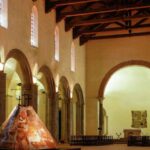
- Entering the Chapel: what the first moments feel like
- The Veiled Christ moment: more than a famous sculpture
- No photos inside: how to get the most from looking
- Beyond the headline: the museum story inside Sansevero
- English narration and group size: why max 15 matters
- Value for money: paying for access and interpretation
- Who should book this tour?
- Should you book the Chapel of Sansevero and Veiled Christ with ticket?
- FAQ
- How long is the Chapel of Sansevero and Veiled Christ tour?
- Is the admission ticket included?
- What language is the tour offered in?
- Where do we meet for the tour?
- Do I need a printed ticket?
- Are photos allowed inside the chapel?
- Is free cancellation available?
Key things to know before you go
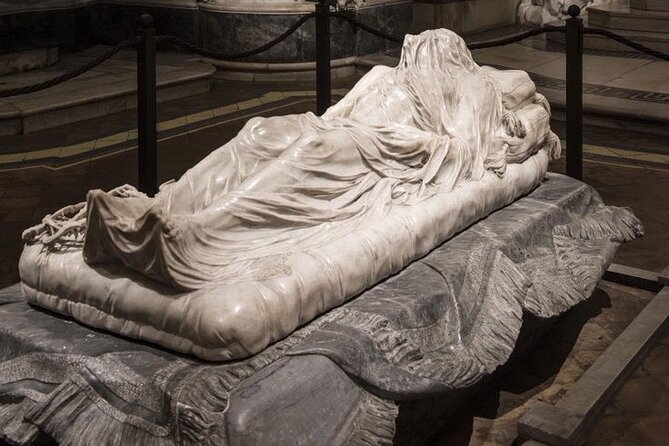
- Veiled Christ plus museum meaning: you’ll get the story, not only the sculpture
- Tight timing: about 40 minutes in a small space
- English-guided visit, max 15 people: better pacing than an open crowd
- Stone-carving illusion details: the linen and rope-net effects are explained
- No photos inside: plan to look, not shoot
Naples Chapel of Sansevero: why this ticket feels worth it
Naples has a talent for making art feel like a puzzle you can walk through. The Chapel of Sansevero is one of those places where you’ll understand the famous centerpiece faster after someone explains what you’re actually looking at.
If you’re short on time, this is a strong fit. The tour runs around 40 minutes, and it’s built for the way most people experience the chapel: you enter, you look hard, and you learn how the symbolism and craftsmanship connect. That tight structure is a real value. You’re not paying for an all-day tour that includes long transit or extra stops you might skip anyway.
And the price—about $38.70 per person—is easier to justify because the admission ticket is included with the guided experience. In places like this, it’s not just the entrance fee you’re buying. You’re buying access to a guide who can point out what your eye might miss in the first 10 seconds.
Guides in this experience include people like Francesca, Christina, Enzo, Wanda, Mery, and Daniela, and the common thread is that they focus on the chapel’s meaning and the technical tricks behind the sculptures, not just the obvious centerpiece.
You can also read our reviews of more tours and experiences in Naples.


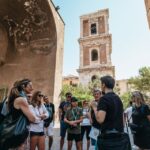
Meeting at Obelisco di San Domenico and staying on schedule
You start at Obelisco di San Domenico, at P.za S. Domenico Maggiore, 16, 80134 Napoli. It ends at the Sansevero Chapel Museum at Via Francesco de Sanctis, 19/21, outside the chapel.
Here’s the practical advice that matters: show up 15 minutes early. In a tiny venue like this, arriving late can squeeze you into the wrong moment in the line flow, and that can affect how long you actually get inside.
Also keep your expectations realistic. Even with a guide, the chapel is not big enough for everyone to linger at every angle. The experience works best when you’re mentally ready to look carefully, take in the explanation, then move along when the group shifts.
One more thing to keep in mind: there have been times when meeting details weren’t communicated perfectly well in advance. So if you get any change notices, treat them seriously and double-check the meeting point the day of. It’s a small inconvenience that can save you from a frustrating scramble.
Entering the Chapel: what the first moments feel like
Once you’re inside, the first few minutes set the tone. The guides tend to get you oriented quickly—what to focus on first, what each area of the chapel is meant to represent, and how the main artwork relates to the rest of the space.
You’ll be in a confined environment, and that shows up in two ways:
- You can feel a bit pressed in during peak times.
- Your view time can feel shorter than you want, because the group has to keep moving.
That doesn’t mean it’s rushed by a careless guide. It’s simply the reality of the space and the number of people arriving for timed entry.
One tip I really recommend: if you think you might feel claustrophobic or off in small rooms, consider pacing yourself. Look, listen, then step back slightly when the group movement allows it. It’s not about panicking—it’s about using the flow to stay comfortable.
The Veiled Christ moment: more than a famous sculpture
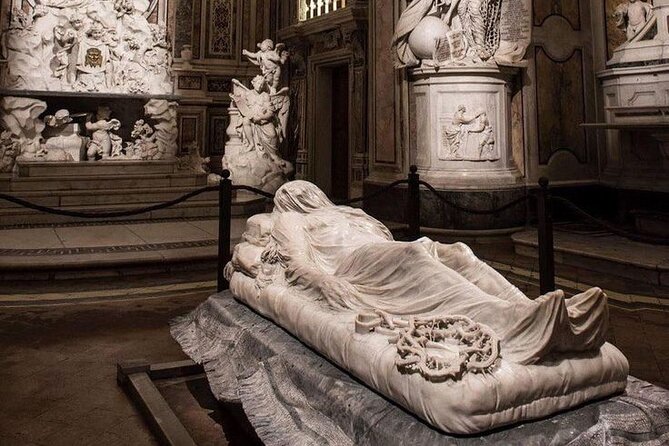
Yes, the Veiled Christ is dramatic. Even before you understand the symbolism, you can see why it has the reputation it does. The effect is striking: the sculpture looks like fabric draped over a body, and it’s hard to believe it’s stone.
What makes the tour worthwhile is that the guide doesn’t stop at admiration. In multiple explanations, guides point out how the illusion is created through the craftsmanship—especially the way the stone can be carved to produce textures that look like linen, plus effects that resemble rope netting.
This is the part I’d tell you not to skip if you care about “how did they do that?” The guide turns your staring into comprehension.
And the Veiled Christ isn’t presented as a standalone object. You’ll also hear how the tomb area and the broader chapel symbolism connect to the patron and the intentions behind the work. Guides often highlight quirks and details you might never notice if you were walking it alone.
A real-world example from the guide style: people have called out how well Francesca explains the chapel story beyond the main attraction, and how guides like Enzo have a knack for making the stonework feel understandable instead of just mysterious.
No photos inside: how to get the most from looking
This is important: no photos are allowed inside the chapel. That rule changes how you should prepare.
Instead of relying on your camera, you’ll get more out of this if you treat your eyes like the main tool:
- Start by picking one perspective and really follow the details.
- Then let the guide pull your attention to the next part.
- Finally, do one last silent look before you exit.
If you love art, this can be a gift. It forces you to slow down in your head, even if the group physically moves you along. And because the guide is there, you can spend your energy on seeing, not on trying to read labels.



Beyond the headline: the museum story inside Sansevero
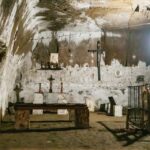
The chapel is famous for one figure, but it’s also a lesson in how symbolism and technical skill can work together.
In this guided format, you should expect the talk to cover more than the obvious center of attention. Guides often explain:
- what the tomb area represents
- why the surrounding sculptures matter
- how the chapel’s design communicates meaning
- how specific techniques create optical effects that look like real materials
This is one of the most praised elements of the experience: people have been especially glad they had a guide because there’s a lot going on in a small footprint.
If you’re the type who likes to understand what an artist was trying to say, this tour fits you well. It also helps if you’ve seen photos of the Veiled Christ and want to know what you’re seeing beyond the first wow-factor.
And if you’re traveling with kids, don’t assume it’s just adult “museum time.” Children need a ticket to enter, and a good guide can make the explanation easier to follow than you might expect in a room this small.
English narration and group size: why max 15 matters
This experience is offered in English, and the group size is capped at 15 travelers.
That number isn’t trivia—it affects your experience. With a smaller group, the guide can keep explanations clear and you’re less likely to be shoved around randomly. You also tend to get better pacing, which matters when you’re moving through a space where everyone is trying to see the same centerpiece.
Still, the chapel’s capacity limits mean you should expect some movement and time pressure. A guide can’t freeze the crowd. What they can do—and what the best sessions seem to do—is give you a mental map so the brief time inside feels like it added understanding, not just another quick stop.
Value for money: paying for access and interpretation
Let’s do the practical math in plain language. You’re paying around $38.70 and getting:
- admission included
- an English guide
- a timed, structured visit of about 40 minutes
- a small group format
The main reason this can be good value is interpretation. Many travelers can enter a chapel and see an impressive sculpture. Fewer people will catch why the chapel was designed this way, what the symbolism is meant to communicate, and how the technical illusion works.
Also, tickets can be hard to get. People have pointed out that entry tickets can sell out quickly, so booking ahead is a smart move. This format helps you avoid the stress of hunting for availability at the last minute.
And timing matters too: this tour is commonly booked about 20 days in advance on average. If you’re planning near a busy season, treat that as a sign to lock it in early.
Who should book this tour?
I’d especially recommend it if:
- you want the Veiled Christ but also want the meaning behind it
- you like art explanations that connect technique to symbolism
- you’re okay with a short, focused visit rather than a long linger
- you’d rather pay for a guide than try to assemble the story on your own
It might be less comfortable if:
- you’re sensitive to small, crowded spaces
- you prefer long unscheduled museum wandering time
- you want photo time inside (since photos aren’t allowed)
For most people, though, this is a very efficient way to experience one of Naples’s most talked-about artworks without turning it into a confusing puzzle.
Should you book the Chapel of Sansevero and Veiled Christ with ticket?
If you’re deciding between going on your own and booking this guided option, I’d lean toward booking—especially because the guide explanations are the difference between seeing an impressive sculpture and understanding why it’s so famous.
Book this tour if you care about the story, the craftsmanship, and the details around the tomb and symbolism. The small group size, English narration, and included admission make it a straightforward value play.
Skip it only if you know you won’t do well in a tight indoor space or you simply don’t want any structured pacing. Otherwise, this is the kind of stop that earns its hype, because you leave with more than a memory—you leave with context.
FAQ
How long is the Chapel of Sansevero and Veiled Christ tour?
The visit is about 40 minutes.
Is the admission ticket included?
Yes. The admission ticket is included with the tour.
What language is the tour offered in?
The tour is offered in English.
Where do we meet for the tour?
You meet at Obelisco di San Domenico, P.za S. Domenico Maggiore, 16, 80134 Napoli. The end point is outside the chapel at the Sansevero Chapel Museum location (Via Francesco de Sanctis, 19/21).
Do I need a printed ticket?
No. You get a mobile ticket.
Are photos allowed inside the chapel?
No. No photos are allowed inside the chapel.
Is free cancellation available?
Yes. You can cancel for a full refund if you cancel at least 24 hours in advance. Free cancellation is available, and changes made less than 24 hours before the experience start time aren’t accepted.