REVIEW · GENOA
Genoa: Cetacean Watching Cruise with Marine Biologist Guide
Book on GetYourGuide →Operated by Consorzio Liguria Via Mare · Bookable on GetYourGuide
Whales up close, without chasing them. This Genoa cruise takes you into the Pelagos Sanctuary in the Tyrrhenian Sea with a marine biologist guide, so your sightings come with real context. I like the way the tour emphasizes non-disturbance while you scan the water for spouts, breaches, and fast dolphin movement.
You’ll also get a structured on-board briefing that covers the sanctuary and what different species do for feeding and social behavior. The best part is the Q&A time, where you can ask the questions you actually have, not just listen.
One thing to consider: the ride is a full 4.5 hours, and the onboard audio/announcements can feel loud or repetitive, especially when both Italian and English are running back-to-back.
In This Review
- Key highlights worth your attention
- Setting sail from Genoa’s Ponte Spinola pier
- The Pelagos Sanctuary briefing: turning sightings into understanding
- Searching the water: how the 4.5 hours actually plays out
- Non-disturbance rules: observation with respect
- Comfort, bathrooms, and getting good photos
- Conservation behind the scenes at sea
- Price and value for a Genoa whale watching cruise
- What you’re likely to see: species range and real-world variety
- Who should book this tour (and who might want a different plan)
- Should you book the Genoa cetacean cruise?
- FAQ
- How long is the Genoan cetacean watching cruise?
- Where do I meet for the tour?
- Is cetacean viewing guaranteed?
- What happens if there are no cetacean sightings?
- What languages are offered for the live guide?
- Are snacks and drinks included?
- Is the tour wheelchair accessible?
Key highlights worth your attention
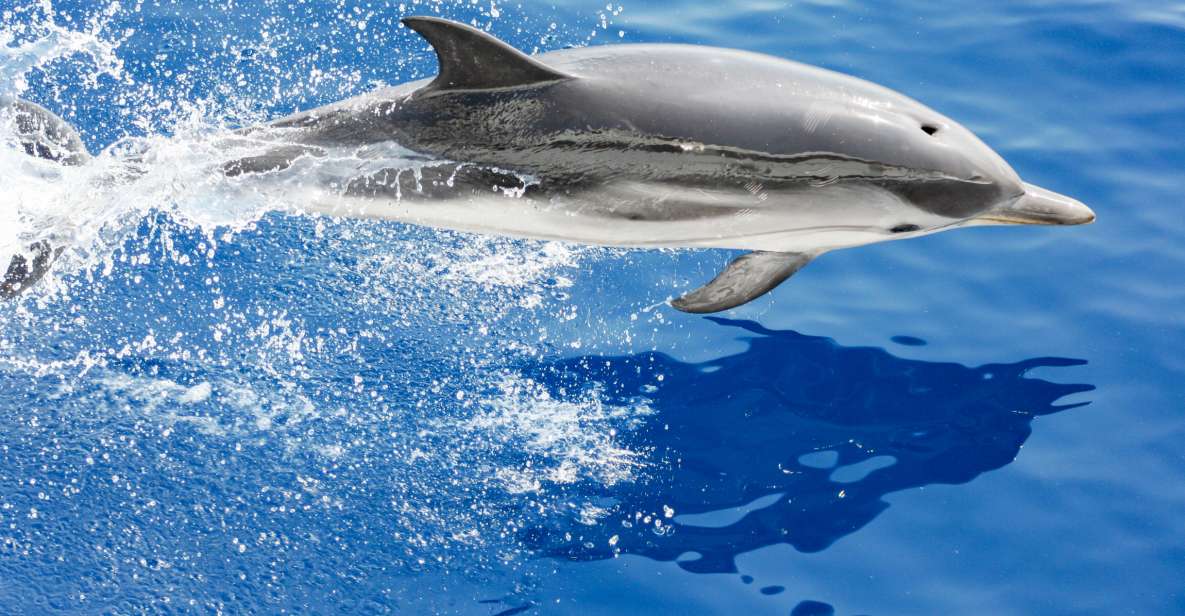
- Pelagos Sanctuary searching: a purpose-built area for spotting whales and dolphins in the Tyrrhenian Sea
- Marine biologist guide: species ID and behavior explanations, plus conservation context
- Non-disturbance approach: you observe without pushing animals around
- Common sightings (95%): great odds, but not a guarantee
- Photo-friendly moments: dolphins often approach enough for useful pictures when conditions are right
- Onboard comfort basics: indoor and outdoor seating plus a toilet, with a bar available for drinks
Setting sail from Genoa’s Ponte Spinola pier
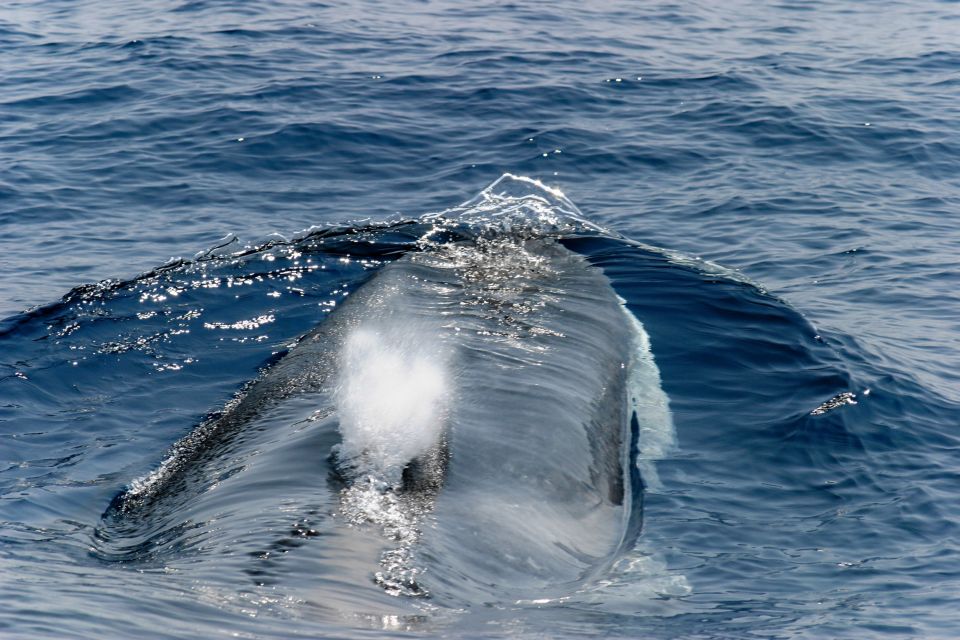
Most people start at the partner ticket office at the beginning of the Aquarium Pier in Ponte Spinola (on the left side), and it’s smart to arrive about 15 minutes early. The tour also offers two starting options, but the core idea is the same: you check in, get oriented, then head out onto the open sea for your 4.5-hour search window.
Timing matters here. If you’re prone to sea-sickness, you’ll want to be ready before departure rather than hoping the boat ride magically behaves. You’ll also want comfortable shoes and weather-ready clothing, because you’ll be standing, shifting, and scanning for spouts and surface action.
Good news: it’s wheelchair accessible, which makes this a rare activity that still keeps the focus on viewing rather than turning into a logistics headache.
You can also read our reviews of more tours and experiences in Genoa.

The Pelagos Sanctuary briefing: turning sightings into understanding
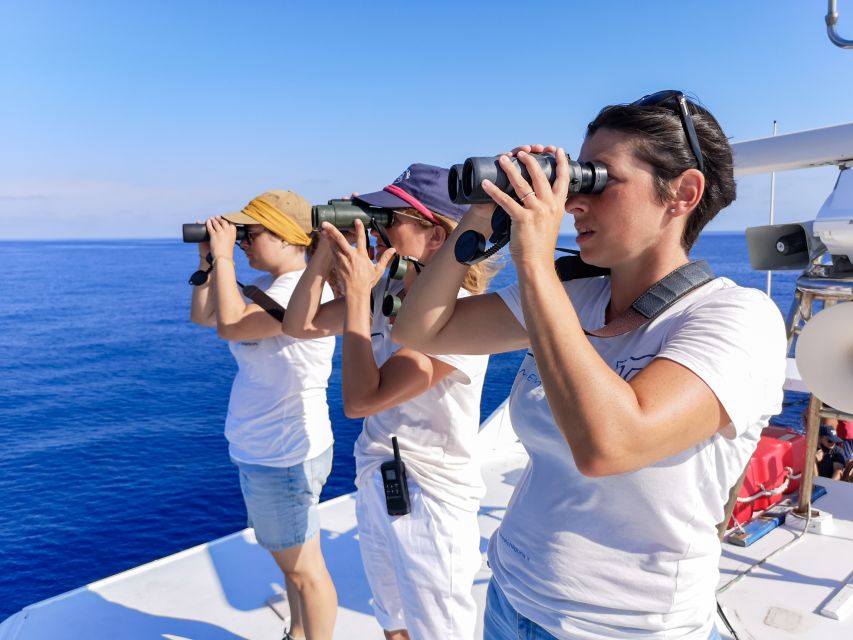
Before you’re out chasing a breach on the horizon, the marine biologist guide sets the stage with an introductory briefing about the Pelagos Sanctuary. You learn why this region is protected and what conservation programs are working to reduce harm to whales and dolphins.
Then the talk gets practical: you get a rundown of the species you might encounter, including fin whales, sperm whales, Cuvier’s beaked whales, and several dolphin types such as bottlenose dolphins, Risso’s dolphins, striped dolphins, long-finned pilot whales, and short-beaked common dolphins. Even if you don’t memorize the list, it changes how you watch—suddenly you’re looking for patterns, not just random water movement.
This is also where the tour earns trust. The guide’s explanations connect feeding habits and behavior to what you’re seeing outside. And because you can ask questions during the experience, you can follow your own curiosity—how they feed, how groups move, what to look for when animals are distant.
Searching the water: how the 4.5 hours actually plays out
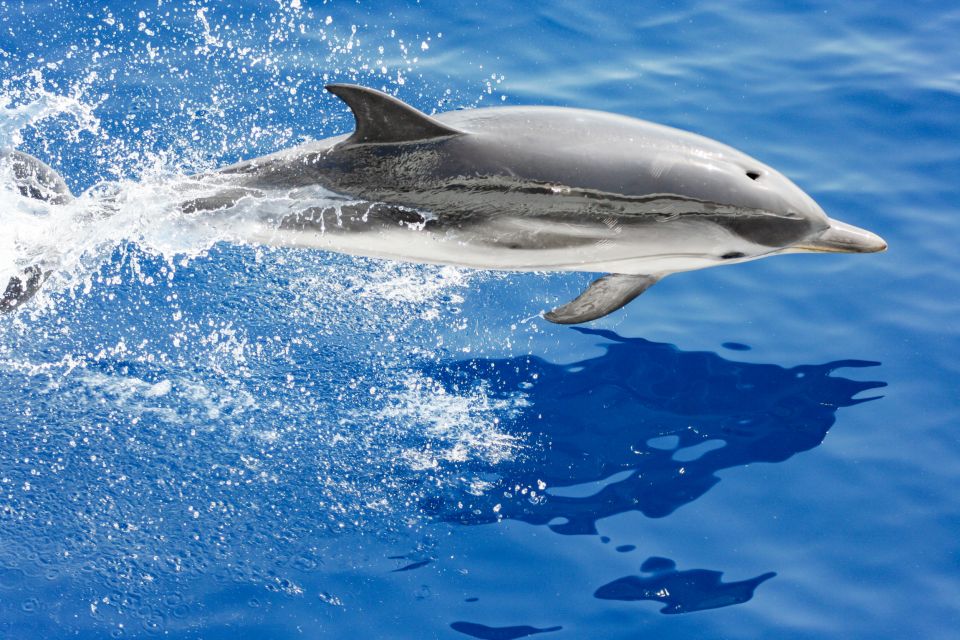
Once you’re underway, you head toward favorable locations inside the sanctuary to increase your chances of spotting cetaceans. You’ll spend most of the time scanning, waiting, and repositioning as sightings occur, because whale watching is less about a fixed route and more about responding to the sea.
In real terms, your experience will likely include a mix of moments:
- A distant spout or brief surfacing that makes you focus hard
- A pod of dolphins appearing and then shifting position as they move through the water
- Longer periods of “watch and wait,” where your eyes start to pick up smaller tells
You should know the sightings are common—listed as a 95% chance—but not guaranteed. That’s not a marketing dodge; it’s just how nature works. Calm seas can help, and on calmer days the viewing time often feels easier because the boat movement is less distracting.
If you end up far from a whale, you may only catch a quick look before it goes under. If you’re lucky with distance and timing, you can get repeated surface events. Either way, the guide helps you interpret what you’re seeing so you don’t feel like you’re just staring at the ocean.
Non-disturbance rules: observation with respect
The tour follows non-disturbance directives, which matters more than people think. You’re not there to force animals into a show; you’re there to observe how they behave in their own environment while the boat approaches in a controlled way.
What this means for you on the water: you’ll still get exciting moments—dolphins can be playful and active near the surface, and breaching events can happen. But the emphasis stays on behaving responsibly: you watch, you learn, and you avoid pushing the animals into unnatural interactions.
This is also where the marine biologist role becomes more than a talking head. When you understand the feeding and movement patterns, you can recognize why certain approaches or timing work better. It turns the cruise from a luck-only activity into a guided wildlife encounter.
Comfort, bathrooms, and getting good photos
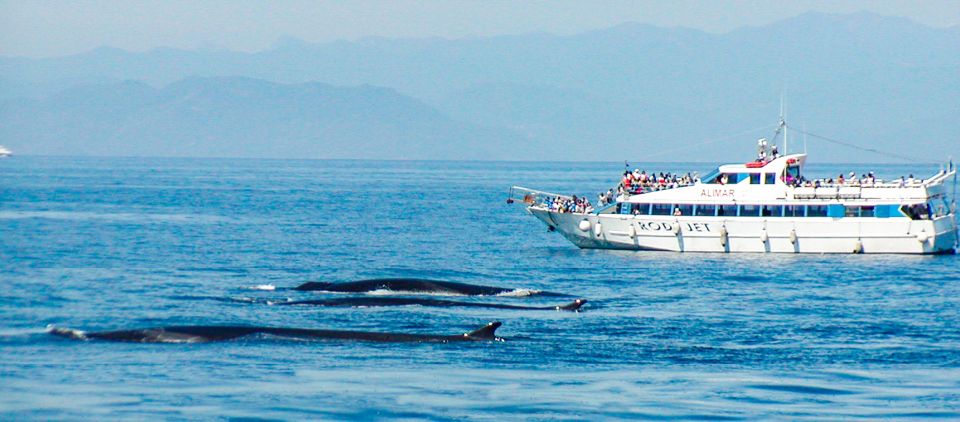
On a 4.5-hour boat ride, comfort is not optional. The experience includes both indoor and outdoor seating, and you’ll find a toilet on board, which is a big deal on trips that don’t feel short.
For photography, the biggest practical tip is simple: be ready. Dolphins can surface and move quickly, and whales may only give you a brief window. If your goal is photos, aim to stay positioned where you can shoot without sprinting around. Weather and lighting will vary by day, so being able to shift between covered and open areas helps.
Snacks and drinks aren’t included, but there is a bar service onboard. That’s useful if you want something warm or a cold drink during the ride, but plan to pay for it. If you care about saving time and money, you may also want to consider whether buying food on land before you board makes sense for your budget.
One more thing: some departures run heavy audio announcements in both Italian and English. That can be informative, but it may also be loud for long stretches. Bringing earplugs can be a low-effort way to make the experience feel more comfortable.


Conservation behind the scenes at sea
Pelagos Sanctuary isn’t just a label on a ticket. Your guide explains the sanctuary’s conservation efforts and why protecting these animals requires action at sea, not only on land.
What I appreciate is that this tour keeps the focus where it should be: reducing harm, protecting breeding and feeding areas, and supporting programs that help reduce threats. You’re watching live wildlife, but you’re also seeing that the goal is sustainable coexistence.
When you connect the behavior you observe—group movement, feeding patterns, surface timing—with conservation goals, the whole outing feels more meaningful. It stops being only about the moment you spot a whale and becomes about why the moment is still possible.
Price and value for a Genoa whale watching cruise
At about $53 per person for a 4.5-hour guided cruise, the value hinges on one key thing: chance plus guidance. Cetacean sightings can’t be guaranteed, but the tour’s listed odds are strong, and the marine biologist help increases the satisfaction even if the sightings are brief or distant.
Also, you’re not paying extra for the guide. The experience includes the marine mammal-watching component and expert guidance, which is the part that turns random sightings into understanding. If your main goal is educational value plus a real shot at fin whales, sperm whales, beaked whales, and multiple dolphin species, this price can make sense.
If you’re hoping for a specific dream species, consider that sightings are common yet unpredictable. That’s why I like the tour’s approach to risk: if you have no cetacean sighting, there’s a free return option within 1 year by making a new reservation and using the original ticket at boarding.
What you’re likely to see: species range and real-world variety
The tour lists a broad set of possible cetaceans, and that variety is part of the appeal. You might spot fin whales, sperm whales, and Cuvier’s beaked whales, plus several dolphin species including bottlenose, Risso’s, striped, long-finned pilot, and short-beaked common dolphins.
Realistically, dolphin sightings often make the day feel lively. You can get large groups, fast turns, and frequent surface activity. If you’re lucky, you might even catch a sperm whale sighting—sometimes brief—depending on distance and surfacing timing.
And if you don’t see the one species you hoped for, you still might leave with a strong collection of moments: multiple dolphin groups, a rare whale sighting even if it’s quick, or clear views of behavior that help you ID what’s out there.
Who should book this tour (and who might want a different plan)
This is a great fit if you:
- Want guided wildlife learning in the Pelagos Sanctuary
- Care about understanding behavior, not only chasing a photo
- Like the idea of a planned 4.5-hour search window with a marine biologist onboard
- Prefer a structured, respectful non-disturbance approach
You might want to rethink if:
- You’re sensitive to loud announcements or long time outdoors scanning the sea
- You’re only interested in one very specific whale species and would feel disappointed by other outcomes
- You dislike uncertainty (even with strong odds, sightings can’t be forced)
If you’re the type who can enjoy a wildlife day even when animals appear briefly, this tour is a strong choice.
Should you book the Genoa cetacean cruise?
I’d book it if you want the best mix of odds and interpretation. With the marine biologist guide, non-disturbance approach, and a high likelihood of sightings, this isn’t just a boat ride—it’s a guided chance to understand why this sanctuary matters.
Book with realistic expectations. You’ll get a real shot at seeing cetaceans, but nature sets the schedule. Pack for the weather, bring something for your comfort, and give your eyes time to adjust. When the dolphins or whales finally show, the explanations you get along the way will make the moment stick.
If you want, tell me your travel month and whether you’re more interested in whales or dolphins, and I’ll help you decide if this is the right day in Genoa for your goals.
FAQ
How long is the Genoan cetacean watching cruise?
The duration is 4.5 hours.
Where do I meet for the tour?
Meet at the local partner’s ticket office located at the beginning of the Aquarium Pier, Ponte Spinola, on the left side. Arrive at least 15 minutes before departure.
Is cetacean viewing guaranteed?
No. Sightings are common (listed as 95%), but they cannot be guaranteed.
What happens if there are no cetacean sightings?
If there is no spot of cetaceans, you can return for free within 1 year from the date of the excursion by making a new reservation on the company website and handing over the original ticket at the boarding gate.
What languages are offered for the live guide?
The live tour guide is available in Italian and English.
Are snacks and drinks included?
No. Snacks and drinks are not included, but there is bar service available onboard.
Is the tour wheelchair accessible?
Yes, the experience is wheelchair accessible.