REVIEW · GENOA
Genoa: Pelagos Sanctuary Whale Watching Cruise
Book on GetYourGuide →Operated by Golfo Paradiso srl · Bookable on GetYourGuide
Pelagos Sanctuary is a whale-watching plan with patience built in. I love how the crew runs this like a field search in the open sea—then you get close views when animals surface. You’re also in good hands with a biologist guiding the trip and helping you understand what you’re seeing.
Two things I really like: the chance to reach deeper waters (around 1000–1500 meters) for better sightings, and the focus on respectful watching rather than chasing. The main drawback to count on is that it’s still wildlife watching—so you should be ready for waiting, and sightings depend on conditions like calm seas and wind.
In This Review
- Key Points Before You Go
- Pelagos Sanctuary Off Genoa: Why This Cruise Works
- The 4-Hour Flow: Genoa Porto Antico to the 1,500-Meter Zone
- Your Biologist Guide on Board: What the “Research Activity” Means
- What You Might See in Pelagos: Dolphins, Sperm Whales, Beaked Whales, Turtles
- Choosing the Best Day: Calm Seas, No Wind, and When the Odds Improve
- Onboard Comfort and Group Size: What to Expect from the Vessel
- Price and Value: Is $51 a Good Deal for a Pelagos Cruise?
- Who This Cruise Fits—and Who Might Prefer Something Else
- Should You Book This Genoa Pelagos Whale Watching Cruise?
- FAQ
- Where does the cruise depart from?
- How long is the cruise?
- What time does it depart?
- What languages are available on the cruise?
- What depth do they reach before the search starts?
- When is the best season to go?
- What happens if you don’t see anything?
Key Points Before You Go
- Open-sea search after ~30 minutes: you head out fast enough, then settle into systematic spotting.
- Biologist-led with Q&A time: you get explanations of habits and behavior as you watch.
- Depth target of 1000–1500 m: the hunt starts when you’re in the right zone.
- Species variety on the itinerary: dolphins, sperm whales, and other cetaceans you can learn to recognize.
- Covers different days of the week: Sundays in spring/fall, plus extra midweek departures in summer.
- If the day is quiet, there’s a safety net: free second excursion within 1 year if no sighting of any kind.
Pelagos Sanctuary Off Genoa: Why This Cruise Works
Genoa is a city with a harbor vibe, but this cruise quickly flips the mood. Within about half an hour, you’re out in the Tyrrhenian Sea rather than staying close to shore. That matters because whales and dolphins don’t follow a sightseeing schedule. They follow food, currents, and their own timing. Pelagos is known for supporting cetaceans in the wider marine area, and this trip is designed to reach the waters where spotting is more likely.
What makes it especially appealing is the research-style format. You’re not just boarding and hoping. The cruise runs on observation: looking for surface signs, tracking movements, and adjusting where the boat focuses. That’s why the experience can feel both calm and exciting—calm because you’re out there breathing salt air and scanning the horizon, exciting because when something appears, the crew is ready to move.
Another reason I think you’ll like it: the price is relatively low for a specialist whale-watching outing. At $51 per person for about 4 hours, you’re paying for an expert-led search and a boat that gets you offshore. You’re also paying for a learning experience, not just a photo op.
You can also read our reviews of more tours and experiences in Genoa.


The 4-Hour Flow: Genoa Porto Antico to the 1,500-Meter Zone
This excursion is built around a straightforward rhythm. Boarding happens in Porto Antico, Calata Mandraccio, near the Bigo and close to the Genoa Coast Guard patrol boats. You depart at 13:00, and the whole trip runs about 4 hours.
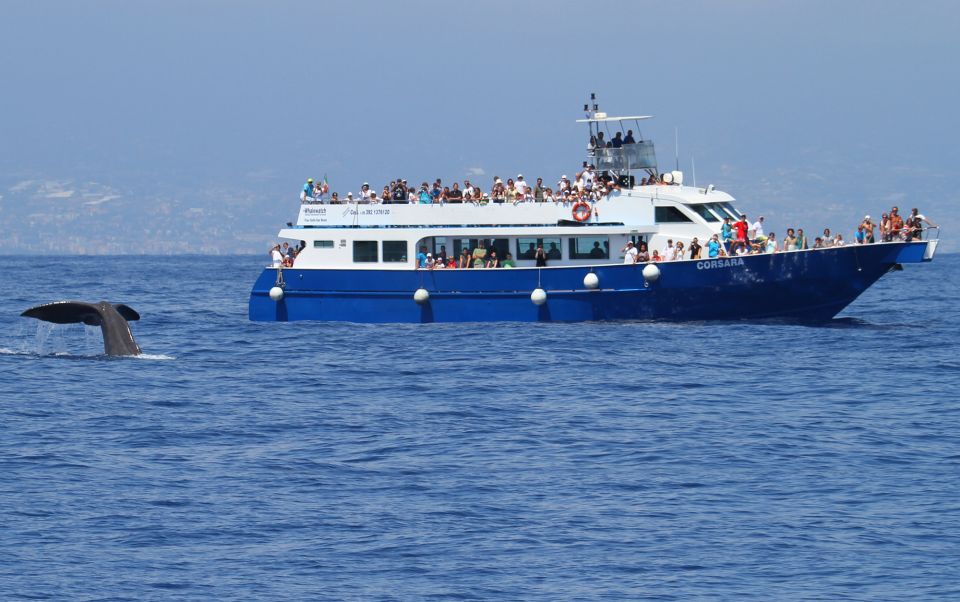
After roughly 30 minutes of navigation, the boat reaches the deeper zone—about 1000–1500 meters. That’s when the real search begins. From there, the cruise shifts from “getting there” to “watching closely.” You’ll be scanning for the telltale signs: the spout of a whale, a flash of movement from a dolphin pod, or a surfacing pattern you start to recognize after the biologist explains what to look for.
A key point for expectations: there are no fixed meeting points or guaranteed time slots for sightings. The boat’s plan responds to what the crew finds. That’s why some days feel slower than others. You might spend time waiting, then see something amazing once the surface signs line up.
Timing is also seasonal. The operator runs trips from April to October because weather tends to be friendlier. The chance of sightings is described as available throughout the year, but spring and early summer generally give you better sailing conditions. The months before peak season can also mean lower shipping traffic, which can help keep the marine search cleaner.
Your Biologist Guide on Board: What the “Research Activity” Means
This isn’t a scripted narration that plays over speakers. The trip includes a biologist guide, and there’s also the possibility—if needed—for a German/English-speaking guide to join in. Translation can be hit-or-miss depending on the day and staffing, so if languages matter a lot to you, I’d treat this as a multilingual bonus rather than a promise of constant translation.
The biologist’s job on this cruise is to interpret what you’re seeing. That includes habits and behavior, plus why certain animals surface where they do. The process is patience-driven: watch the surface, wait for patterns, then respond quickly when the crew spots something.
One practical takeaway: pay attention to how the spotting team uses binoculars and how quickly they react once they confirm a sighting. When animals surface, it’s brief. The fast part of the experience is usually short. The long part is the scanning and waiting—quiet work that can still feel tense in a good way.
From the onboard vibe described in real-day experiences, it also seems the crew tries hard not to disturb wildlife. The goal is to observe, not to pressure the animals to change their behavior just to satisfy a schedule.
What You Might See in Pelagos: Dolphins, Sperm Whales, Beaked Whales, Turtles
The cruise highlights multiple species, and that variety is part of the fun. Expect the possibility of:
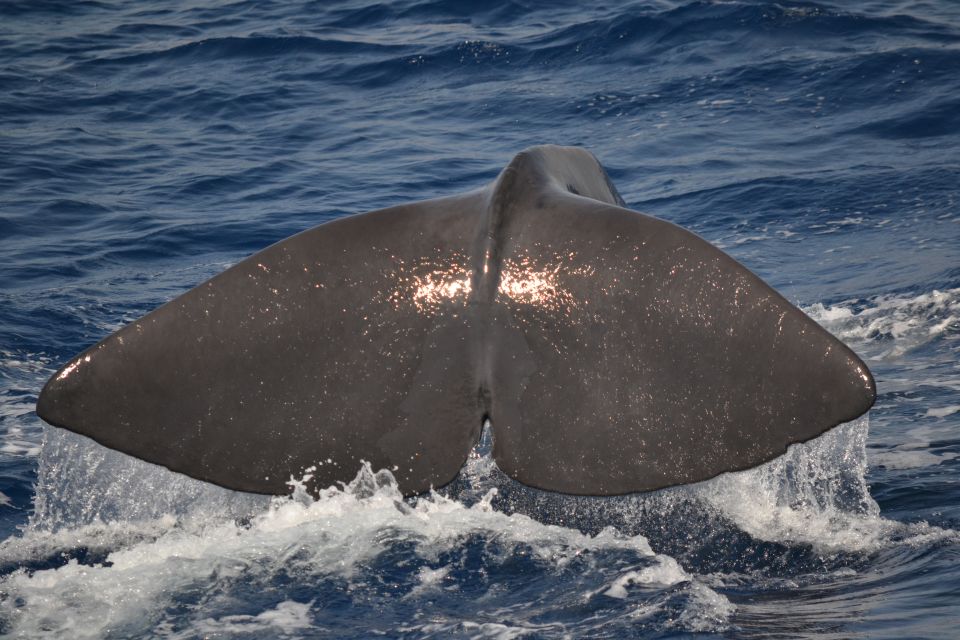
- Mediterranean whales, including sperm whales
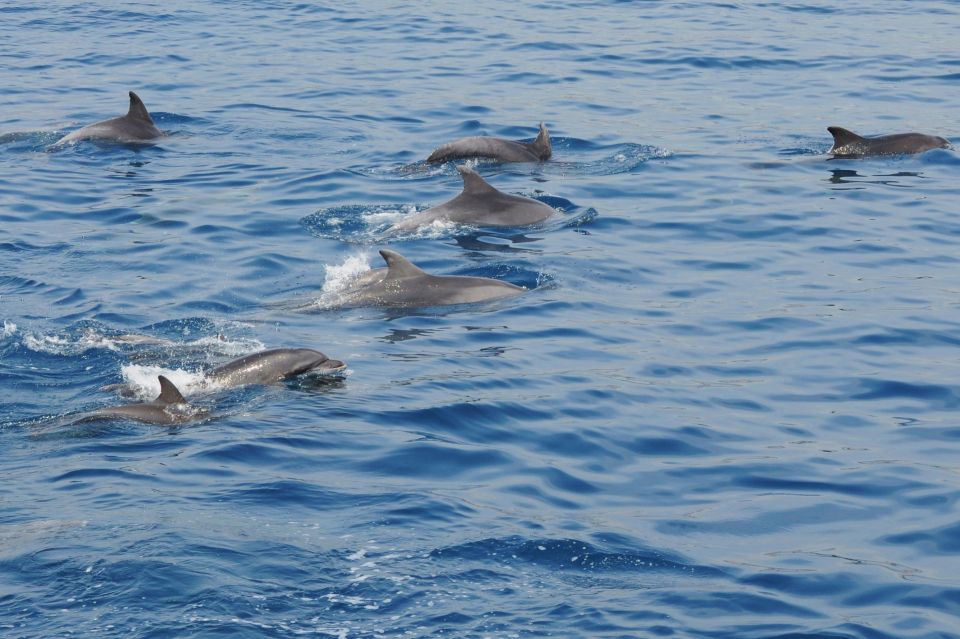
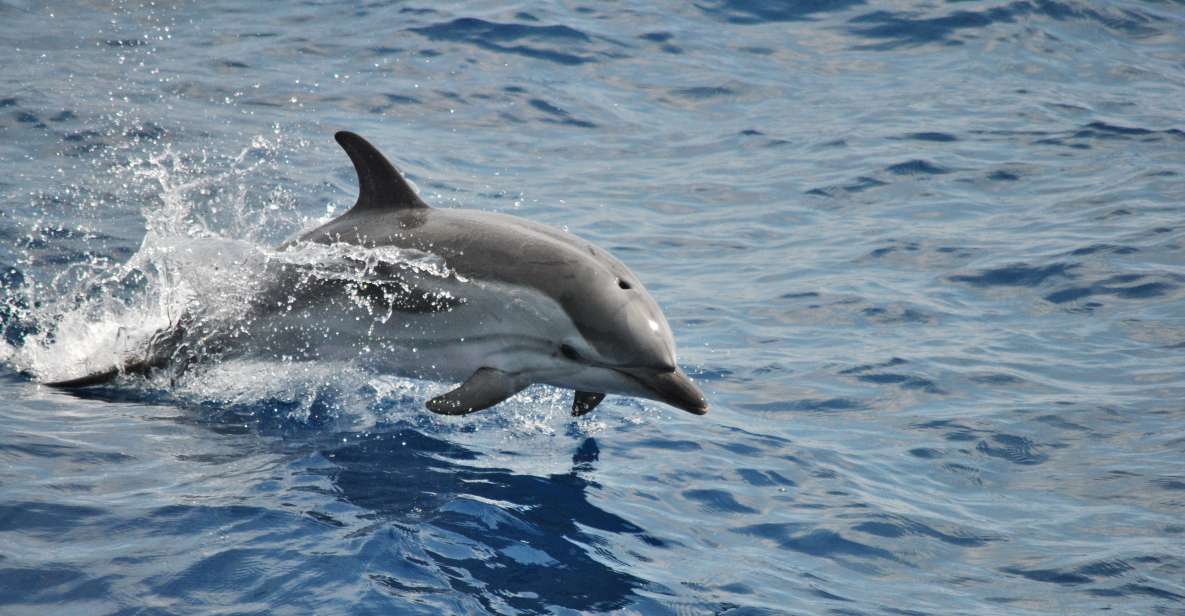
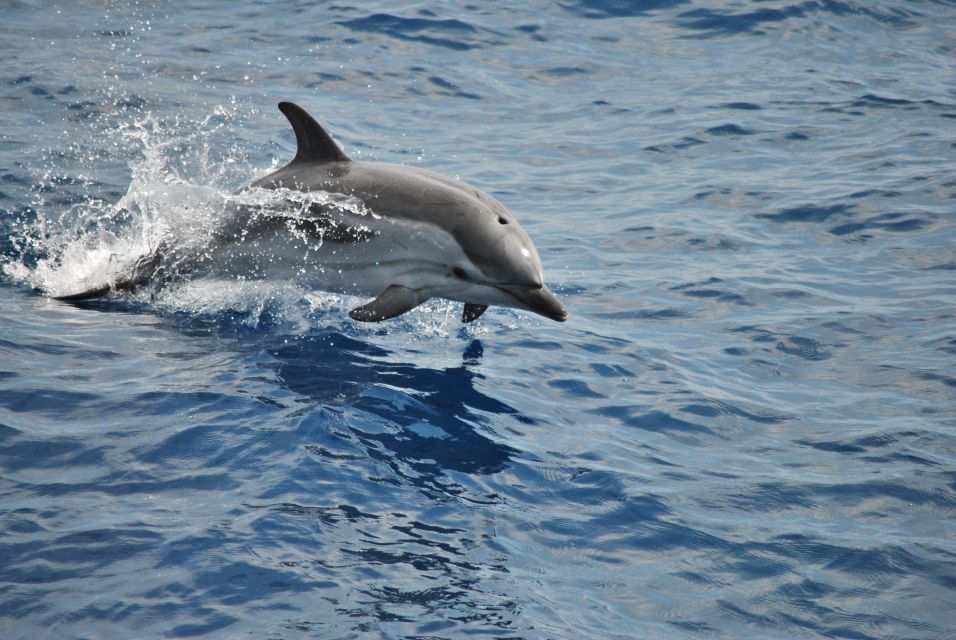
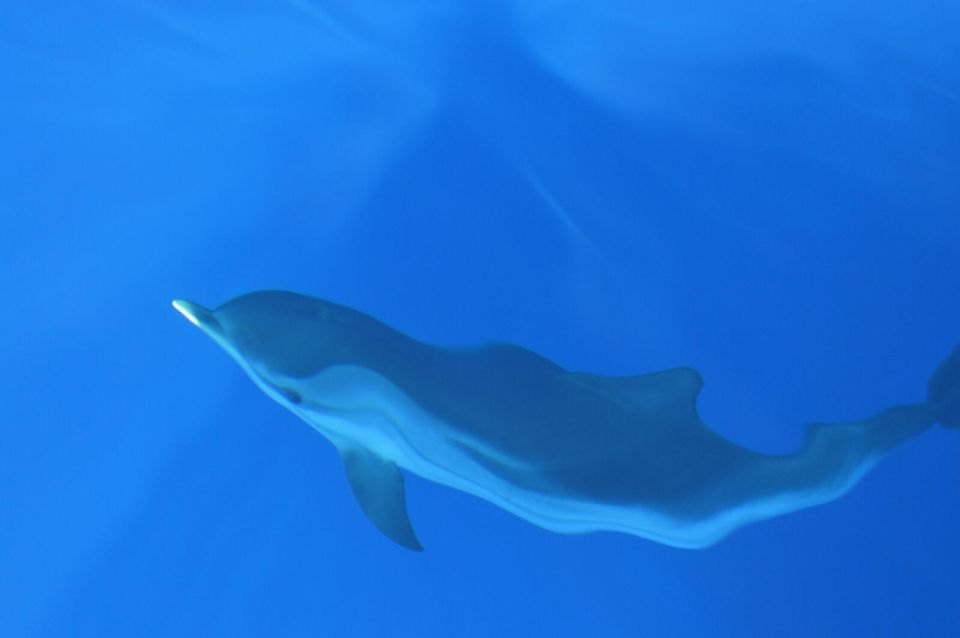
- Striped dolphins
- Pilot dolphins
- Other cetaceans known in the region
Some departures also report more specific whale types like Cuvier’s beaked whales. That’s a name worth remembering. Beaked whales are often associated with deep diving and relatively rare surface appearances, so when they show up, it feels like a special event rather than a routine sighting.
Dolphins are often the easier win, and you can see them in different styles—pods traveling together, mothers with calves, and sometimes playful movement around the boat. One thing I like about this cruise is that the crew looks for patterns, not just a single splash. You might track one pod for a while, then shift focus if another group comes into view.
Turtles can also appear, and that adds variety to what you spot beyond whales and dolphins. Seeing a mix—dolphins in pods, a slower whale encounter, and a turtle sighting—can turn a normal day into a “how did we get so lucky?” day.
Still, here’s the part to keep honest: wildlife sightings are not guaranteed. The operator offers a remedy if you have no sighting of any kind, with a free second excursion within 1 year. That’s a meaningful value add because it reduces the risk of paying for a quiet day.
Choosing the Best Day: Calm Seas, No Wind, and When the Odds Improve
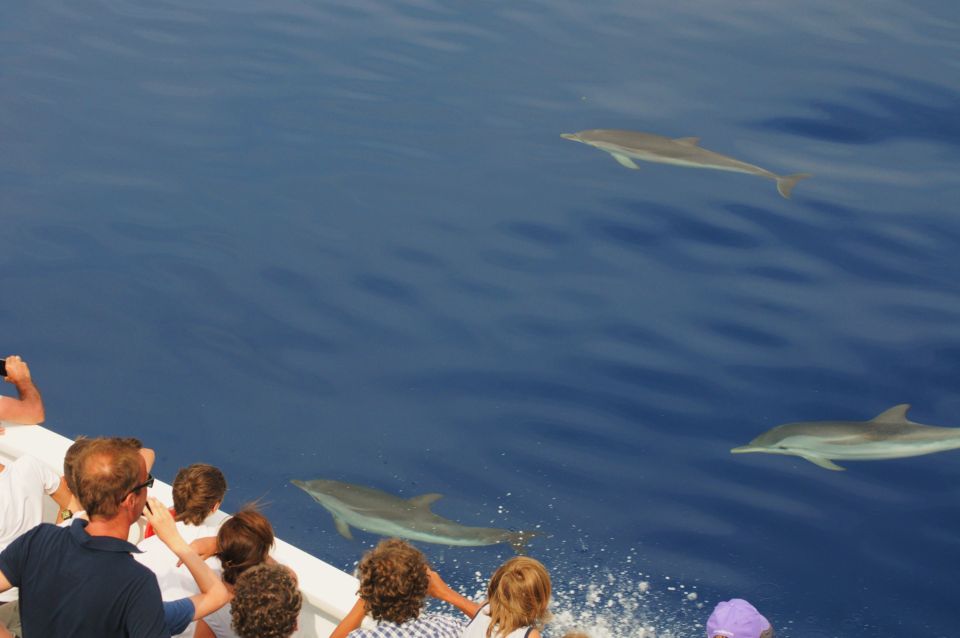
If you care about comfort and visibility, this cruise is all about conditions. The best sightings happen on calm seas with no wind because it’s easier to spot animals when they surface to breathe. In calmer weather, your eyes track movement better and your body stays happier.
That’s also why the season matters. The operation chooses April to October primarily for weather. Early season can be a sweet spot: better conditions than midwinter, but often with less shipping traffic than peak months.
Departure days change across the calendar:
- April, May, and October: Sundays
- June to September: Wednesdays, Fridays, and Sundays
If you have flexibility, I’d aim for the days with the calmest forecast rather than chasing a specific weekday. The trip’s “research” approach works best when the sea surface is readable.



Onboard Comfort and Group Size: What to Expect from the Vessel
This is a boat cruise, and the main comfort factor is how stable the deck feels on your particular day. You’ll be out on the water scanning for movement, so you’ll want to dress for wind-chill if the sea breeze kicks up—even in warm months.
Group size seems to vary, with the trip specifically noting it runs with a minimum number of passengers, which is a good sign for comfort and attention. At the same time, some experiences describe a busy boat feel. Translation and space can be tighter on higher-attendance departures, so if you want more time to ask questions, it helps to arrive early and position yourself where you can hear the biologist.
Practical onboard notes that show up in real-day accounts:
- Onboard toilets are reported as fine.
- Drinks may be available for purchase (worth knowing if you plan to stay out for the full 4 hours).
Also keep a realistic eye on motion. Even with calm conditions, you’re sailing offshore. If you’re prone to seasickness, plan ahead with your usual prevention strategy. One account noted seasickness at the end of the trip even though the boat was drifting.
Price and Value: Is $51 a Good Deal for a Pelagos Cruise?
At $51 per person, this is one of the more budget-friendly ways to experience specialist whale watching from Genoa. For me, the value comes from three things you can’t fake:
- You go offshore into a targeted depth range.
- You have a biologist guide with habits and behavior explanations.
- You’re not paying for a guaranteed sighting—you’re paying for a systematic search and a respectful approach, plus a free return if the day is truly blank.
The free second excursion within 1 year if you have no sightings is especially important. It turns an uncertain wildlife experience into something closer to “low-risk fun.” You’re still not promised animals, but you’re not stuck either.
If you compare this to higher-cost whale tours in other parts of the world, the pricing here feels aligned with the core experience: boat time, expert-led observation, and a genuine chance to see pods and whales.
Who This Cruise Fits—and Who Might Prefer Something Else
This cruise is a great fit for you if:
- You enjoy nature and can handle waiting while scanning the horizon.
- You want to learn while you watch, not just take quick photos.
- You’re flexible about seeing whales versus dolphins. Dolphins are often more frequent, and they’re still fascinating when explained well.
- You’re traveling on a budget and want strong value for a 4-hour offshore outing.
It may be less suitable if:
- You have mobility impairments (it’s stated as not suitable).
- You’re very sensitive to motion and wind exposure, since the best sightings depend on sea conditions and you’ll be on open water.
- You want heavy focus on English-only commentary at all moments. The format allows English/Italian and potentially German/English support, but follow-along translation can vary day to day.
The trip also works especially well for couples and solo travelers who want a shared nature experience without needing to manage complex logistics.
Should You Book This Genoa Pelagos Whale Watching Cruise?
I’d book it if you’re in Genoa during April to October, you can handle the uncertainty of wildlife, and you want a guided search that’s priced like a smart local outing. The combination of offshore depth targeting, a biologist on board, and a free return option if the day goes quiet makes it a strong choice.
I’d skip it if you’re expecting a guaranteed whale encounter or you need a fully accessible experience for mobility needs. And if your top priority is comfort and a predictable schedule, this may feel too weather-dependent, because sightings are reactive, not staged.
If you want a practical rule: treat this as a half-day on the sea with a trained crew scanning for cetaceans. When conditions cooperate, it can be a memorable “wow” day. When conditions don’t, at least the boat brings you back with a safety net—and you’ll still have fresh air, sea views, and the learning part.
FAQ
Where does the cruise depart from?
It departs from Genoa Porto Antico, Calata Mandraccio, near the Bigo and close to the Genoa Coast Guard patrol boats.
How long is the cruise?
The experience lasts about 4 hours.
What time does it depart?
The departure time from Genoa Porto Antico is 13:00.
What languages are available on the cruise?
The guide language is listed as English and Italian, with the possibility of a German/English-speaking guide if required.
What depth do they reach before the search starts?
After about 30 minutes, the cruise reaches a depth of roughly 1000 to 1500 meters, where spotting activity begins.
When is the best season to go?
Trips are run from April to October, with better weather conditions during that period. The chance of sightings is said to be the same throughout the year.
What happens if you don’t see anything?
If there is no sighting of any kind, you can return for a second excursion for free within 1 year. You need to contact the activity provider for an additional booking.