REVIEW · ERCOLANO
Herculaneum: Skip The Line Entrance ticket + Audioguide
Book on GetYourGuide →Operated by Tempio Travel Pompei Tickets · Bookable on GetYourGuide
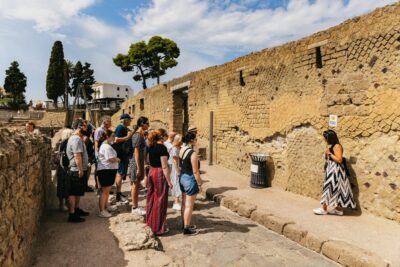
Herculaneum feels personal even in ruins. This skip-the-line entrance ticket comes with an audio guide and site map, so you can explore on your own schedule through the preserved streets, houses, villas, and mosaics. The big win here is control over time, especially if your day is tight. One drawback to plan for: you’ll want to bring your own headphones/earbuds, since hearphones aren’t included.
I like that the audio guide gives you stop-by-stop context while you walk, not a rushed group script. I also like the practical way it supports self-navigation with a map and numbered points, which matters a lot in a site where you’ll be moving through streets and alleys at your own pace. The main consideration is logistics at the start: you need to find the Audioguide Desk at the entrance, and it can be a little easy to miss.
In This Review
- Key Points Before You Go
- Herculaneum in 3 Hours: What Your Self-Guided Plan Really Means
- Entering at the Audioguide Desk: Getting Started Without Losing Time
- How the Audio Guide Helps You Navigate Streets and Houses
- What You’ll See: Daily Life After the 79 AD Eruption
- Timing, Weather, and the No-Café Reality
- Price and Value: Why $35 Can Make Sense Here
- Who This Ticket Fits Best (and Who Might Want a Different Option)
- My Take: Should You Book This Skip-the-Line Audio Ticket?
- FAQ
- How long is the Herculaneum visit with this ticket?
- Does this include a guided tour?
- What’s included in the package?
- Do I need to bring headphones?
- Where do I pick up the audio guide?
- What languages are available for the audio guide?
- What ID do I need for the audio guide?
- Is the visit rain or shine?
Key Points Before You Go
- Skip-the-line entry so you lose less time at the gate and more time in the ancient town
- Audio guide + map for self-guided history with built-in navigation help
- Flexible pacing within opening hours, which works well if you’re pairing stops in the area
- No guided narration from a live person, so you control what you focus on
- Bring comfortable shoes and your own earphones, because there’s no café plan and hearphones aren’t included
- Compact vs. Pompeii: you can see a lot without feeling trapped in a long circuit
Herculaneum in 3 Hours: What Your Self-Guided Plan Really Means
Three hours sounds short until you’re at Herculaneum. This archaeological park is smaller and more manageable than Pompeii, and that changes how you experience it. Instead of covering ground for the sake of checking boxes, you can actually slow down in the places that grab you, then move on when you’re done.
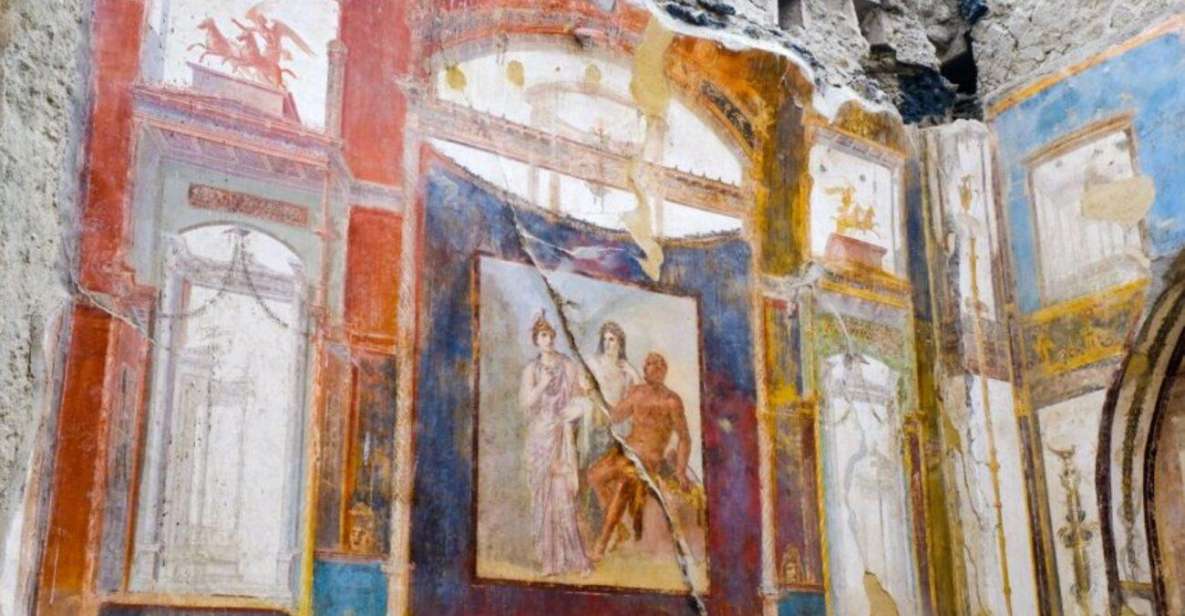
With this combo ticket, your visit is self-guided. That’s important because Herculaneum hits differently: the ruins are unusually well preserved, so you don’t just see broken stone. You’re looking at the kind of details that make ancient daily life feel close—house layouts, wall surfaces, and decorative elements like mosaics. The audio guide is built to support that kind of attention.
A smart way to use your time is to treat the audio as the backbone, not the whole plan. Let the guide point you to what each area represents, then spend extra minutes where you want to look longer. If your train or transport timing is strict, this approach is especially helpful. People who had limited time found they could “right-size” the visit by choosing the stops that mattered most, instead of getting pulled along on someone else’s schedule.
You can also read our reviews of more tours and experiences in Ercolano.


Entering at the Audioguide Desk: Getting Started Without Losing Time
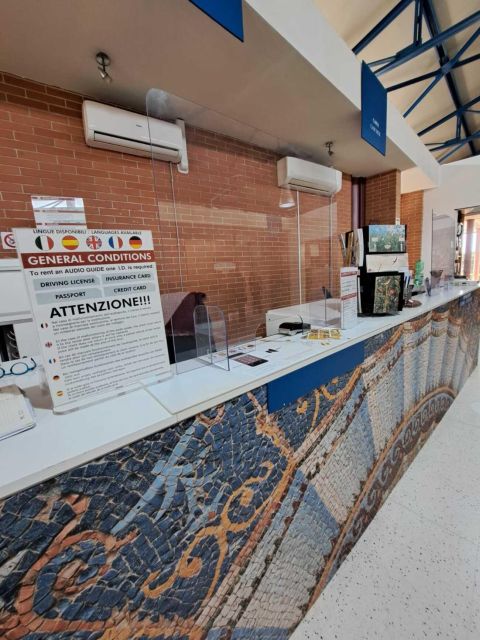
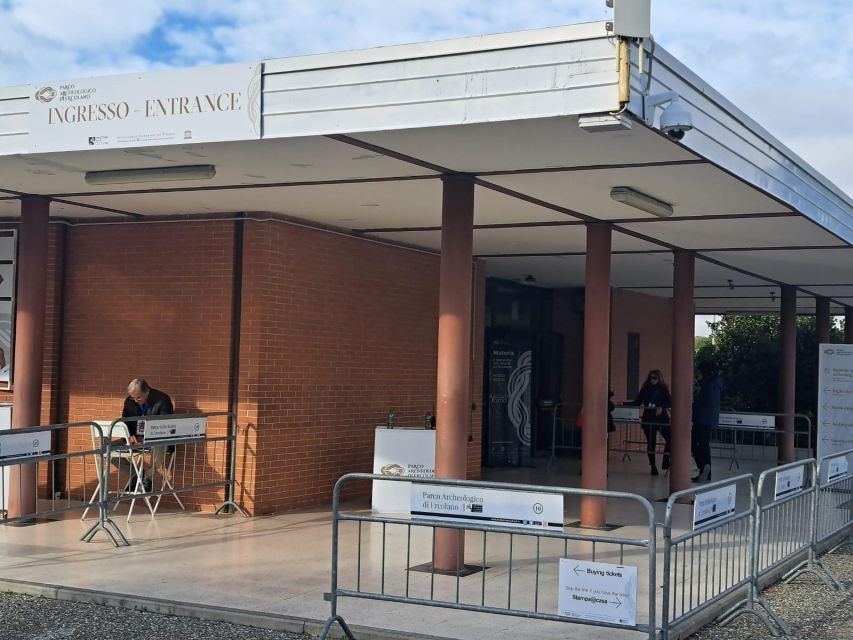
Your meeting point is simple but easy to mess up in practice: go to the entrance and find the Audioguide Desk.
This is one of those small details that can steal time from an otherwise smooth day. A few visitors noted confusion because signage can look ambiguous at first. I’d use this mindset: don’t wander right away. Get your ticket handled, collect the audio device, confirm you have the right language, then start walking with the map in hand. Once you’re moving, it’s much easier to follow the numbered explanations.
Also keep the ID requirement in mind. You’ll need a valid passport or identity card (the info also lists a driving licence as acceptable) to hire the audio guide. If you travel with a photo of your ID, it’s not the same thing. Bring the real document.
Finally, remember the device is part of the entry experience but not something you keep. You’ll need to return it before the office closes. That means your plan shouldn’t be built around the idea of “one more stop” at the very end—leave yourself a little buffer.
How the Audio Guide Helps You Navigate Streets and Houses
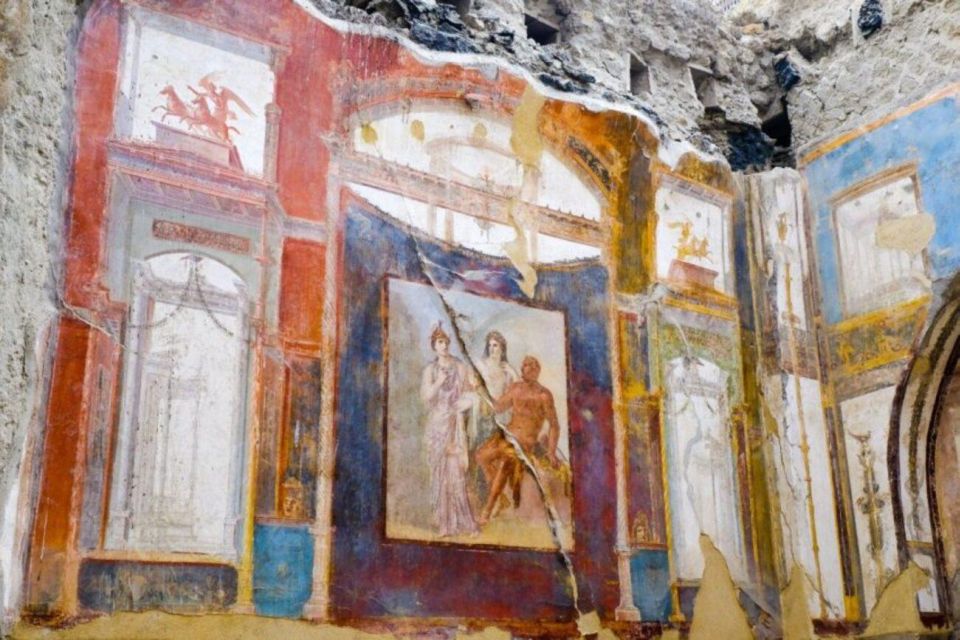
The audio guide is included, and it covers multiple languages: Italian, German, English, French, and Spanish. For me, that matters because Herculaneum is a site where context is everything. You can physically stand in a place and still miss what you’re looking at unless someone explains it clearly.
The audio guide approach here is also practical: it comes with a detailed map and uses the site’s layout to guide you through the experience. That’s a big difference from audio systems that feel generic. With a map and numbered points, you can keep your bearings fast and reduce that frustrating feeling of walking in circles.
Two real-world tips based on what people struggled with:
- Headphones matter. Hearphones aren’t included, and at least one visitor found the audio device can be a bit sensitive with earphones held too close or positioned a certain way. Bring your own wired earbuds or headphones so you’re not stuck improvising.
- If you rely on Bluetooth, test your setup early. One review flagged trouble pairing Bluetooth headphones with the device. Since compatibility isn’t guaranteed by the provided info, I’d assume you may need to use whatever connection method the audio guide supports.
What I like most is that the audio guide lets you choose your own pace without turning your visit into a solo study session. You’re not forced to listen to someone talk the whole time while you hold your place in a group. Instead, you can pause where the explanation is relevant, then move on when you’re ready to see the next area.
What You’ll See: Daily Life After the 79 AD Eruption
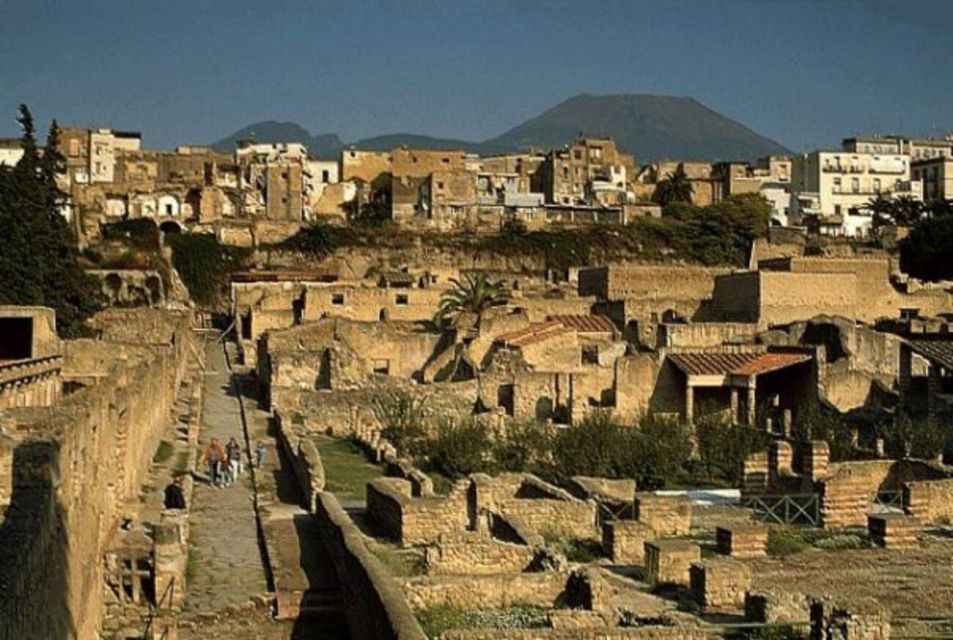
Herculaneum preserves the ruins of an ancient Roman town buried by the eruption of Mount Vesuvius in 79 AD. That one fact shapes everything. You’re not visiting a ruin that slowly decayed from centuries of weather. You’re standing in a town that was sealed away, and the preservation level is why so many people feel it’s more emotionally direct than other sites.
On this visit, you’ll be focused on:
- Well-preserved houses and villas
- Streets and alleys that help you picture the flow of everyday movement
- Mosaics and decorative details that reveal taste, identity, and wealth differences
- The broader sense of how people lived, worked, and hosted guests
The audio guide supports these themes with explanations attached to specific locations. In practice, that means you’re not just walking through stone shells. You’re getting help translating what the space is likely meant to be, which makes the experience feel more like a story you can physically walk through.
One caution: some visitors felt the audio language could be a little formal or less straightforward in describing the remains. That doesn’t mean it’s useless, but it’s a reminder to stay flexible. If you prefer quick, simple explanations, you may still find yourself scanning the map and choosing the stops that feel most relevant to you.
Timing, Weather, and the No-Café Reality
This experience runs rain or shine, so wear shoes that won’t betray you on wet stone. Comfortable shoes are not a “nice-to-have” here. You’re walking through an archaeological park where the surfaces and angles can vary, and you don’t want to spend your visit thinking about blisters.
Food is another practical issue. There’s mention of vending machines but no café or restaurant on site. That’s a big difference from some other major attractions where you can grab a quick snack and keep going. If you’re staying the full suggested time, plan a lunch or snacks off-site and treat vending machines as backup rather than your main food plan.
If you’re combining Herculaneum with other Vesuvius-related stops, build time for transit. One helpful detail that came up: Herculaneum is described as about a half mile downhill from the station. That means you’ll probably feel the walk going in and out, especially if you’re going back up later.
The site itself is manageable, and many visitors reported finishing around 2 to 2.5 hours when they used the audio guide effectively. But don’t feel trapped by that. Your ticket says you can explore for as long as you want within opening hours, so if you want longer photo stops or extra audio points, you can do that.
Price and Value: Why $35 Can Make Sense Here
The listed price is $35 per person for the skip-the-line entrance plus audio guide and map, with a roughly 3-hour visit window.
Here’s how I think about value on this one:
- Skipping the ticket line reduces “idle time.” If you’re traveling on limited train schedules or you don’t want to spend your day waiting, that matters.
- The audio guide is not an add-on you have to hunt down after you arrive. Many self-guided experiences are awkward unless you also plan the audio system. Here, it’s part of the package.
- The map and numbered-style navigation help you make the visit efficient. When you’re exploring ruins, getting lost is time you can’t get back.
- If you’re not interested in following a live guide’s route, self-guided is often the better match for how you actually want to see a site.
That said, the $35 value depends on one choice you make: bringing your own earphones. Since hearphones aren’t included, you may need to buy or borrow them elsewhere. That’s not a deal-breaker, but it changes your “true cost” if you show up unprepared.
One more cost-heads-up from real-world experience: the site is free on Sundays. If you’re booking through a third party, some people reported paying full price anyway and then dealing with refunds. I’d treat that as a reminder to check official pricing if Sunday is in your plans. If free entry is possible on your travel date, you’ll want your booking to match it.
Who This Ticket Fits Best (and Who Might Want a Different Option)
This ticket style—skip-the-line + audio guide—fits best if you like structure but not crowds. I’d recommend it if:
- You want to explore at your own pace
- You’re trying to fit Herculaneum into a busy Campania day
- You prefer choosing what to linger on (instead of being moved along)
- You find group tours too slow in the wrong spots and too fast in the right ones
It can also be a great choice for your first time at Herculaneum because the audio guide gives you the “why am I standing here” context. But you’ll get the most from it if you’re willing to listen and use the map.
It might be less ideal if:
- You want a live guide to answer questions on the spot
- You struggle with audio-only learning and need a person to pace your attention
- You don’t want to manage an audio device and return it at the end
My Take: Should You Book This Skip-the-Line Audio Ticket?
If your goal is to see Herculaneum with minimal friction, I’d book it. The package hits the sweet spot: entry without waiting, plus an audio guide and map that make a self-guided walk feel guided enough to be meaningful.
I’m especially in favor of this setup if you’re working around transport limits or you’re planning a combo day with other Vesuvius-area sights. The ability to speed up, slow down, and focus on the houses, villas, and mosaics you care about is the real value here.
Just go in prepared:
- Bring comfortable shoes.
- Bring your own earphones.
- Bring the ID you need for the audio device.
- Don’t plan to eat a sit-down lunch on site.
If you want a straightforward, flexible way to experience one of Campania’s most hauntingly preserved Roman towns, this is a strong choice.
FAQ
How long is the Herculaneum visit with this ticket?
The duration is listed as 3 hours. You can use that time at your own pace within the opening hours.
Does this include a guided tour?
No. This is self-guided. You’ll have the audio guide, but there is no live guided tour included.
What’s included in the package?
It includes an entry ticket for Herculaneum, an audio guide, and a map.
Do I need to bring headphones?
Hearphones are not included. You should plan to use your own headphones/earbuds with the audio guide.
Where do I pick up the audio guide?
Go to the entrance and look for the Audioguide Desk.
What languages are available for the audio guide?
The audio guide languages listed are Italian, German, English, French, and Spanish.
What ID do I need for the audio guide?
A valid passport, identity card, or driving licence is required for audio guide hire.
Is the visit rain or shine?
Yes. This activity takes place rain or shine.