REVIEW · ROME
Rome: Pizza & Tiramisu Making Class with Wine & Limoncello
Book on GetYourGuide →Operated by Eat and Walk Italy · Bookable on GetYourGuide
A good meal starts with your hands. This Rome class teaches you to make pizza and tiramisu with a real Italian chef (some past sessions included instructors like Leonardo and Hassan), then you eat what you made right there. I especially love the hands-on focus and the way the night ends with wine and a limoncello toast.
One thing to consider: you’ll be working dough, rolling, and layering dessert for the full session. If you want a mostly sit-and-watch experience, this isn’t the right fit.
In This Review
- Key highlights you’ll care about
- Where You Start in Rome: Gusto Restaurant by Piazza Navona
- The Flow of the Class: Tiramisu, Then Pizza
- Making tiramisu the classic way
- Then into pizza: dough work to oven bake
- Pizza Dough Skills You Can Actually Use Again
- Tiramisu Layering: The Dessert Section That Feels Like Magic
- Eating Your Work: Wine, Limoncello, and Coffee Options
- Small Group Size: Why It Changes How You Learn
- Who This Class Fits Best (and Who It Might Not)
- Great match for
- Consider if
- Price and Value: Is $66.84 Worth It?
- Timing in Rome: How to Fit 2.5 Hours into Your Day
- What to Bring and How to Get the Most Out of It
- Should You Book This Rome Pizza and Tiramisu Class?
- FAQ
- FAQ
- Where is the meeting point for the class?
- How long is the Rome pizza and tiramisu class?
- What dishes will you make?
- Are wine and limoncello included?
- Is there an option if I don’t drink alcohol?
- Is the class taught in English?
- What is the class location like?
- How much does it cost?
Key highlights you’ll care about
- You make both dishes: tiramisu first, then pizza from dough to baking
- Dessert details matter: espresso-soaked biscuits with mascarpone cream for classic layering
- Pizza is practical: kneading, stretching, topping, then baking for crispy results
- Drinks are part of the meal: wine plus a limoncello shot (or coffee as an option)
- Central, small-group setting: near Piazza Navona at Gusto Restaurant, taught in English
Where You Start in Rome: Gusto Restaurant by Piazza Navona
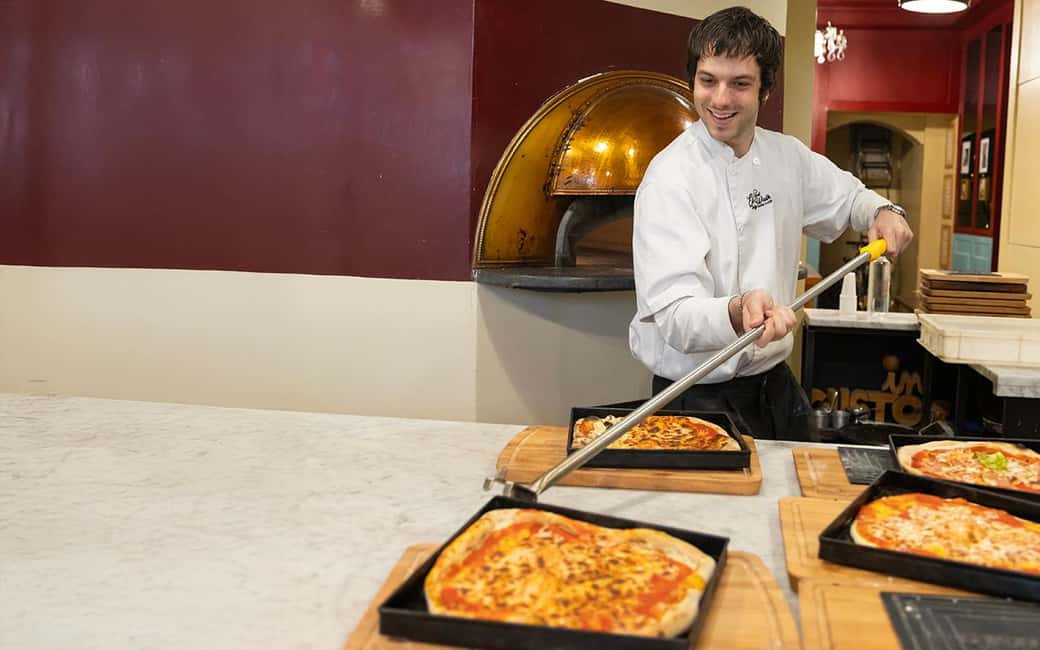
The class meets at Gusto Restaurant, and that location is a big part of the appeal. You’re in Rome’s historic center, near Piazza Navona and major monuments, so you can fit this into your sightseeing day without long transfers or awkward timing.
I like that the session is anchored to one walkable point: it also ends back at the same meeting spot. That matters when you’re tired from cobblestones and crowds, because you don’t have to plan your dinner route from scratch afterward.
Most sessions run 2.5 hours, and the instructor teaches in English. From what I see in the way these classes are run, English instruction is crucial here—not for travel convenience, but because pizza dough and tiramisu layering are hands-on skills. Clear explanations help you avoid the common mistake of thinking you can freestyle it.
You can also read our reviews of more tours and experiences in Rome.


The Flow of the Class: Tiramisu, Then Pizza
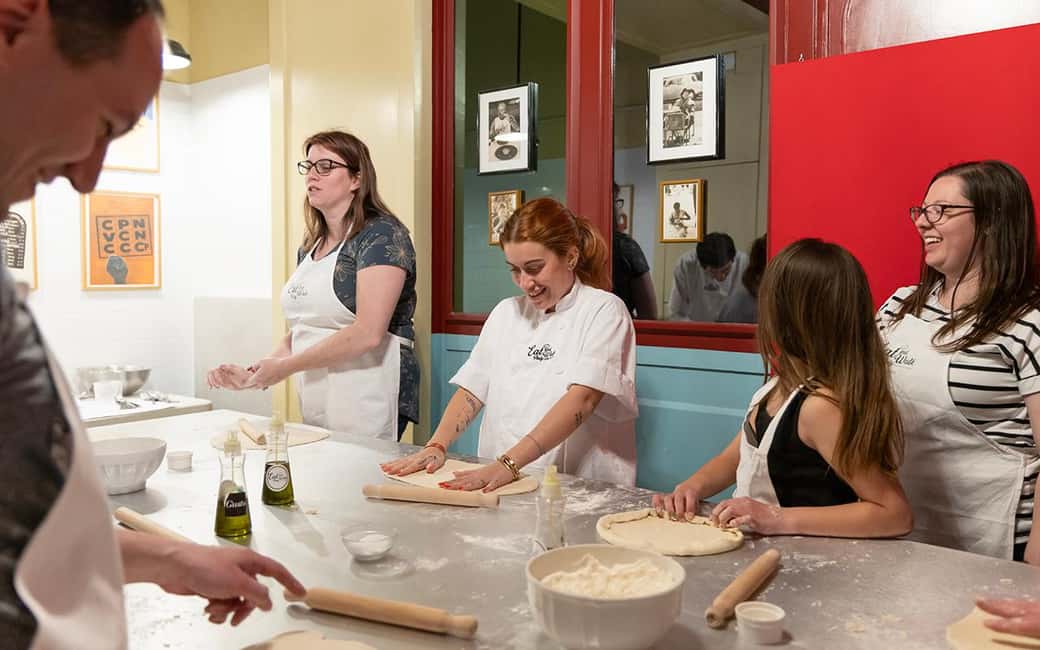
This experience is structured like a real Italian meal, which is smart. You start with tiramisu, then move into pizza making. That order helps too: once you’re done with the dessert layers, your pizza dough work feels less frantic and more like a focused project.
Making tiramisu the classic way
You’ll begin by building a traditional tiramisu using espresso-soaked biscuits and mascarpone cream. This is the part where you learn the difference between merely assembling dessert and actually getting the texture right—how much soaking, how to layer cleanly, and how to handle the cream so it stays smooth.
What makes this valuable is the specificity. Tiramisu can sound simple until you’re the one doing the layering and timing. When you learn the rhythm here, you can repeat it at home without guessing.
Then into pizza: dough work to oven bake
After tiramisu, you switch gears to pizza. The class walks you through the pizza process end-to-end: kneading, stretching the dough, adding fresh toppings, and then baking until you get that crisp result.
A hands-on pizza class is about more than flavor. It teaches you the mechanics—how dough behaves, what to look for as it changes, and how your toppings affect the final bake. If you’ve ever had “good pizza dough” turn out soggy or uneven at home, this is the kind of training that corrects that.
Pizza Dough Skills You Can Actually Use Again
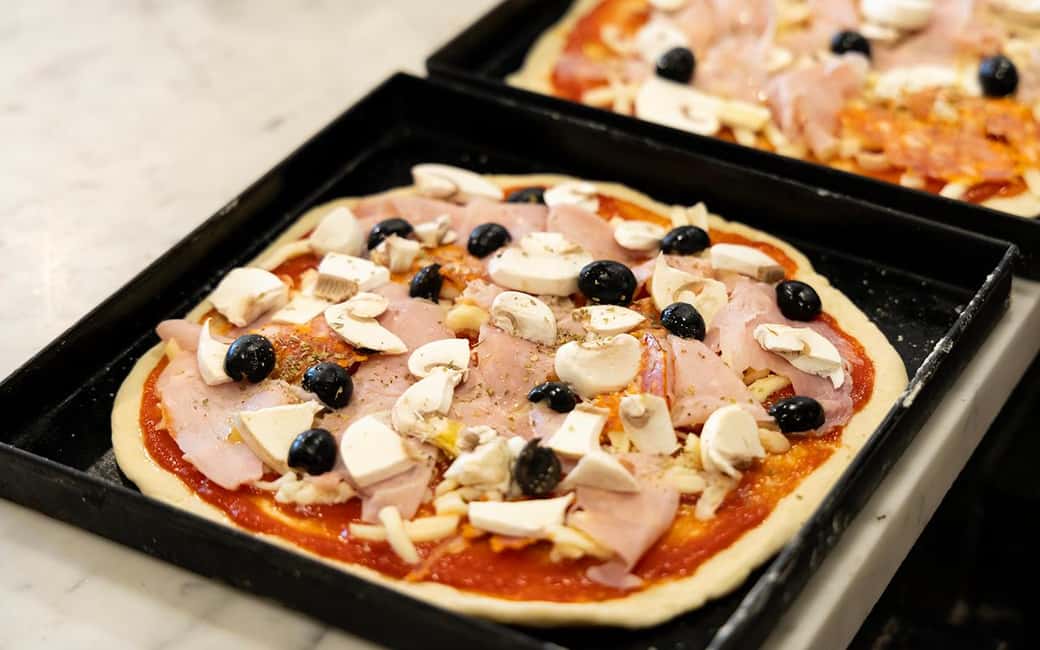
Pizza making sounds like a vibe until you try kneading and stretching it yourself. In this class, that’s the point. You’ll get guided help doing the basic steps, which makes the difference between memorizing a recipe and understanding what the dough needs.
Here’s what you’ll come away with in practical terms:
- Kneading habits: you’ll learn the feel and adjustments that help the dough develop properly
- Stretching technique: you’ll be shown how to shape without tearing or overworking
- Topping control: you learn not just what to add, but how much, because pizza is about balance
Some past classes also highlighted how chefs explain the differences in pizza styles across Italy. Even if your main goal is cooking, those short lessons add context. You start to see pizza as a craft with regional choices, not just one “right way.”
And yes, you’ll likely laugh along the way. Many instructors are described as fun, patient, and quick to get everyone involved—whether you’re a solo diner or cooking with kids.


Tiramisu Layering: The Dessert Section That Feels Like Magic
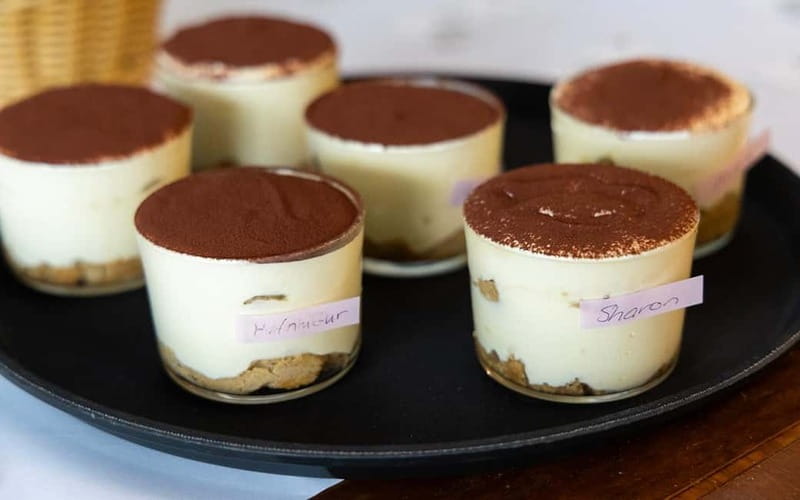
If you love dessert, this portion is a highlight. The class uses a classic formula: espresso-soaked biscuits plus mascarpone cream, layered into a rich, indulgent tiramisu.
What you want to watch for (and what this format helps with) is how the dessert comes together in layers. Too much liquid and the biscuits get loose. Not enough and the flavor doesn’t bloom. The cream texture also matters: it’s easy to over-handle or rush, and that can change how it sets.
What I like about learning tiramisu in a group setting is that you’re not alone when something feels unclear. If the instructor like Leonardo or Hassan is teaching, you get feedback in real time. That’s how you pick up the right technique instead of going home with a vague idea of what went wrong.
Eating Your Work: Wine, Limoncello, and Coffee Options
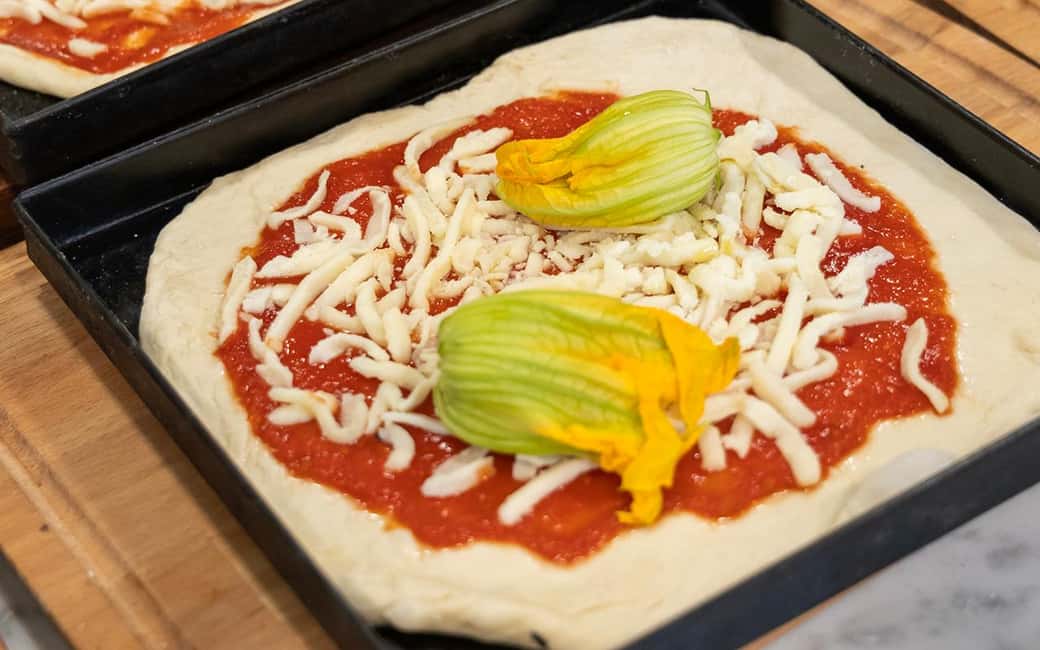
After cooking, you sit down and eat your homemade meal. It’s not a quick “chef plated it, thanks” moment. You’re served the pizza and tiramisu you made, and that alone makes the session feel like more than a class.
This is also where the drinks show up in a very Rome way:
- A glass of wine with your meal
- A glass of limoncello or coffee to finish
- Water is included
The wine and limoncello inclusion is a real value add because you’d normally pay for drinks at a restaurant. Here, they’re tied to the experience, which helps justify the price.
If you prefer non-alcoholic, the class includes a glass of wine or a non-alcoholic beverage, so you’re not forced into alcohol to make the meal feel complete.
Small Group Size: Why It Changes How You Learn
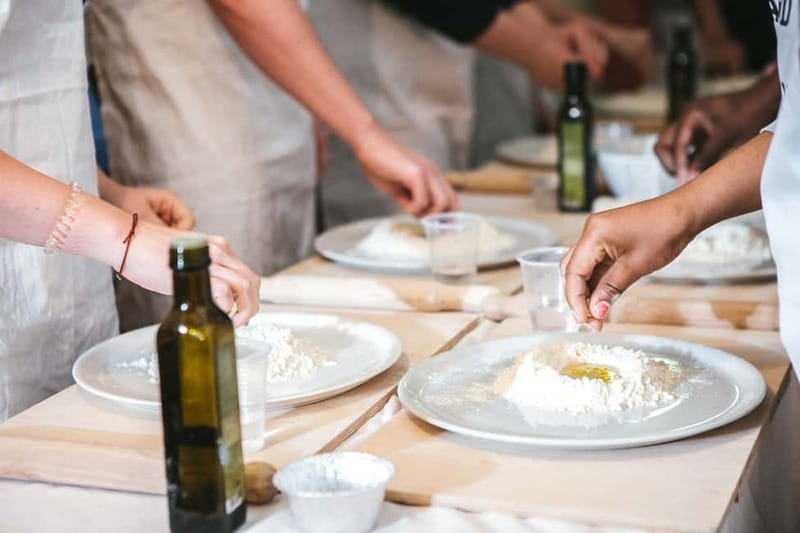
The class is designed as a small group experience in a central Roman location. That matters because pizza dough and tiramisu layering don’t work like a lecture. You need hands-on guidance, and you need time to ask questions.
Many people specifically mention that smaller groups make it easier to get answers and help during cooking. Some sessions have even been described as very small or near-private, depending on who booked.
In a city full of big tours, I like paying for something that keeps the focus on the food and the instructor—not on crowd management.
Who This Class Fits Best (and Who It Might Not)
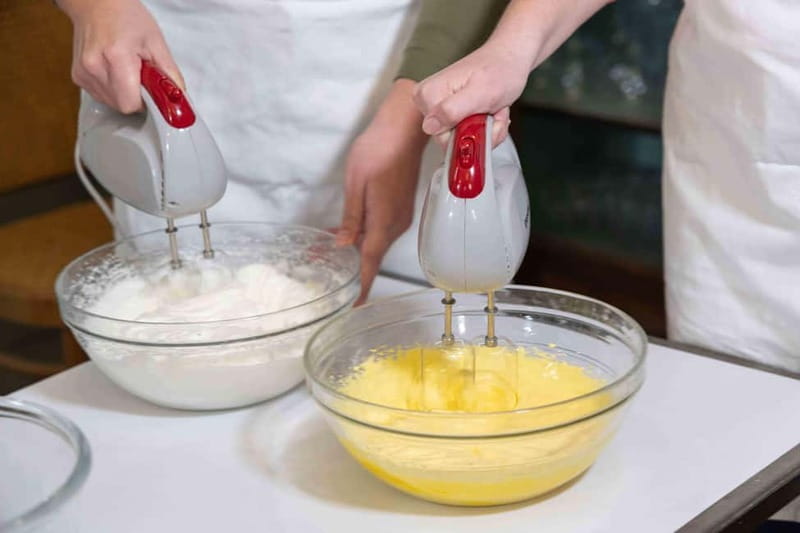
This is a strong pick if you want a hands-on evening that feels authentically Roman without requiring you to already know how to cook.
Great match for
- Couples who want a shared activity that ends with dinner
- Families (some past groups noted the instructor was great with kids)
- Food lovers who want techniques you can repeat at home
- Solo travelers who want a friendly group setting and a structured meal
Consider if
- You’re hoping for a mostly observational experience (this one is actively hands-on)
- You’re sensitive to mess (dough + flour are part of the process, so dress accordingly)
Price and Value: Is $66.84 Worth It?
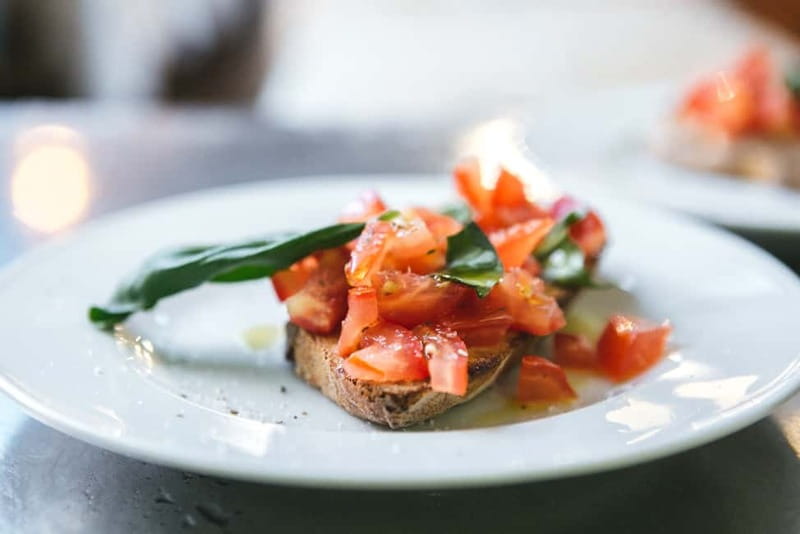
At $66.84 per person for about 2.5 hours, the value depends on what you compare it to.
If you compare it to a normal dinner near Piazza Navona, you’re getting more than a meal. You’re paying for:
- instructor-led hands-on cooking
- ingredients and preparation for both pizza and tiramisu
- wine and limoncello (plus water)
- English instruction
You’re also getting a structured activity that fills a time slot in Rome. That’s not a small thing when you’re juggling sightseeing, long walks, and restaurant choices. The class gives you a planned evening with a guaranteed end point: cook, eat, and return to the meeting location.
Where the cost might feel high is if you only care about one dish and you’d rather spend that time eating out. But since you make both pizza and tiramisu—and you eat what you make—this price typically makes sense for people who enjoy food activities.
Timing in Rome: How to Fit 2.5 Hours into Your Day
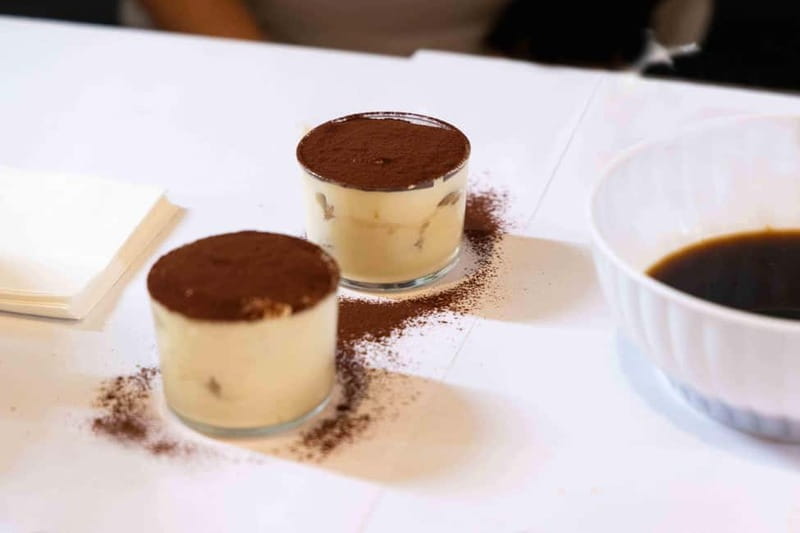
With start times based on availability, you’ll usually have the flexibility to choose an evening that works with your sightseeing rhythm. A class that runs 2.5 hours can sit nicely between daytime museum time and late dinner plans.
One practical tip: choose a time when you’re not rushing to catch another reservation immediately afterward. Even though the class ends back at the meeting point, you’ll still want a little breathing room before you hop into the next thing.
Also, be aware that schedules can shift. One past session was moved from 10:00 to 13:00 with notice more than 24 hours in advance. If your day is tightly packed, it’s smart to keep your schedule flexible where you can.
What to Bring and How to Get the Most Out of It
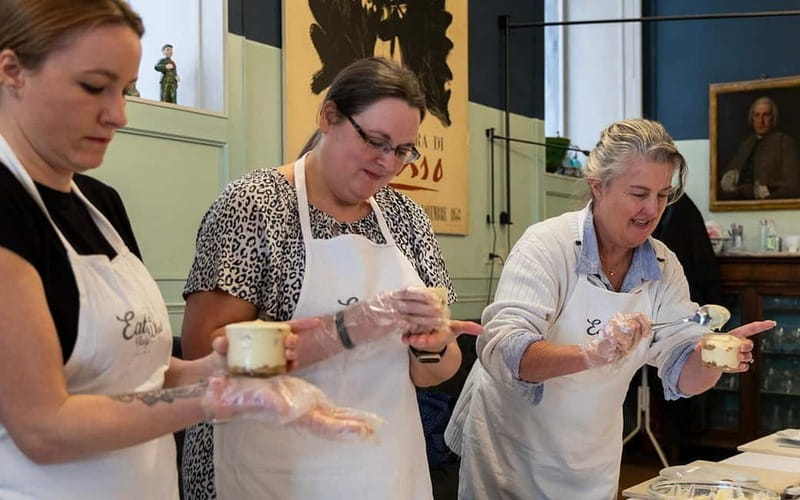
The class is run in a restaurant setting, and you’ll be cooking. Bring clothing you’re comfortable getting a little flour on. Tie back long hair. If you like snapping photos, you may want to do it between steps rather than during kneading or layering.
Most importantly: ask questions while you’re working. Pizza dough behavior changes quickly, and tiramisu layering is all about timing and technique. The best results happen when you don’t wait until the end.
And since the instruction is in English, lean on it. You’ll get more from the class when you ask how to adjust if your dough feels too sticky or too firm, or when you want to know why certain textures matter.
Should You Book This Rome Pizza and Tiramisu Class?
I think you should book it if you want a hands-on Rome evening where the payoff is instant: you cook, you sit down, and you eat your own pizza and tiramisu. The fact that drinks like wine and limoncello are included (with non-alcoholic options) makes the experience feel complete without extra planning.
It’s also a smart choice for people who want more than a one-time taste. The techniques—dough handling, shaping, topping control, and classic tiramisu layering—are the kind of skills that travel with you back home.
Skip it only if you prefer passive experiences or you’re not into cooking at all. Otherwise, this class is a fun, central, small-group way to spend a few hours in Rome doing something you can talk about for years.
FAQ
FAQ
Where is the meeting point for the class?
The class meets at Gusto Restaurant and ends back at the meeting point.
How long is the Rome pizza and tiramisu class?
It lasts 2.5 hours.
What dishes will you make?
You’ll make tiramisù and pizza, and you’ll eat both that you make during the class.
Are wine and limoncello included?
Yes. Your meal includes a glass of wine or a non-alcoholic beverage, and you also get a glass of limoncello or coffee.
Is there an option if I don’t drink alcohol?
Yes. The class includes wine or a non-alcoholic beverage, and you can choose limoncello or coffee.
Is the class taught in English?
Yes. The instructor teaches in English.
What is the class location like?
It’s in Rome’s historic center, near Piazza Navona and major monuments, and the experience is described as a small group class.
How much does it cost?
The price listed is $66.84 per person.