REVIEW · MILAN
La Scala Theatre and Museum guided experience
Book on Viator →Operated by Hidden Experiences · Bookable on Viator
La Scala has a way of making your Milan plans feel instantly serious. With this small-group guided visit, you get a close look at the theatre story without being crushed by tour crowds, plus a guide who puts the building and performances into plain context. I especially like the focused size (max 15) and the fact that you start at a central, easy-to-find spot at the Teatro alla Scala Museum. One thing to consider: rehearsals and private events can limit access to the museum only, so what you see inside the hall may vary.
In 90 minutes, you’re not just looking at marble and gold trim. You’re learning how La Scala works as a working opera house, why its design matters, and how performers move through the space during rehearsals when access allows. It’s also a solid pick for first-timers because the guide experience is built around making the theatre legible fast. The possible drawback is simple: you’ll be on a schedule, so you can’t expect a long, wander-at-your-own-pace museum day.
In This Review
- Key Points to Know Before You Go
- A Small-Group La Scala Look Behind the Velvet Curtain
- Starting at the Teatro alla Scala Museum: Quick, Central, Low-Stress
- Museo Teatrale alla Scala: Why This Building Began in 1778
- When You Might Only See the Museum (And Still Get Real Value)
- The Theatre Experience: What You’re Really Watching for
- How Guides Turn 90 Minutes Into Something You Remember
- Headphones and Group Size: Why This Matters More Than You Think
- Upgrade to Private: When One-on-One Changes Everything
- Price and Value: What You’re Paying For at $56.84
- Practical Tips for a Smoother La Scala Visit
- Who This Tour Fits Best
- Should You Book This La Scala Tour?
- FAQ
- How long is the La Scala Theatre and Museum guided experience?
- What’s included in the ticket price?
- Is the tour offered in English?
- Where do I meet for the tour?
- Can the theatre visit be limited?
- Can I cancel for a refund?
Key Points to Know Before You Go
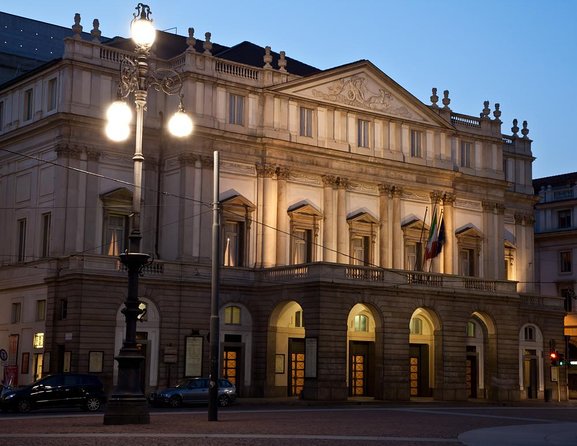
- Small group (max 15) for easier questions and a calmer pace than big-bus tours
- Museum-first plan, with the real possibility that rehearsals/private events restrict theatre access
- Headphones included from 10 participants, so you can hear the guide clearly
- English-guided experience with licensed tour guidance
- Upgrade option to a private tour if you want more one-on-one time
A Small-Group La Scala Look Behind the Velvet Curtain
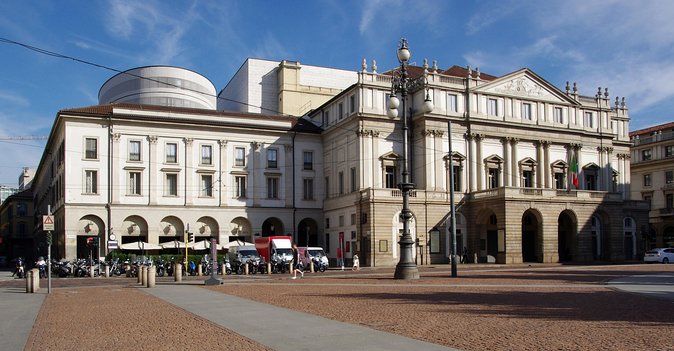
If you only have one shot at La Scala, this kind of tour makes a difference. Not because it changes the building, but because it changes your angle. In a group this size, you can actually keep up with the guide’s points and still stop to look around without feeling like you’re being herded.
I like how the experience is built around meaningful access: you’re not just ticking off rooms. You’re getting context for what you’re seeing, and that context sticks in a way that photos alone never do. And yes, the theatre is stunning, but the best part is learning how it functions as a live performance machine.
You can also read our reviews of more tours and experiences in Milan.



Starting at the Teatro alla Scala Museum: Quick, Central, Low-Stress
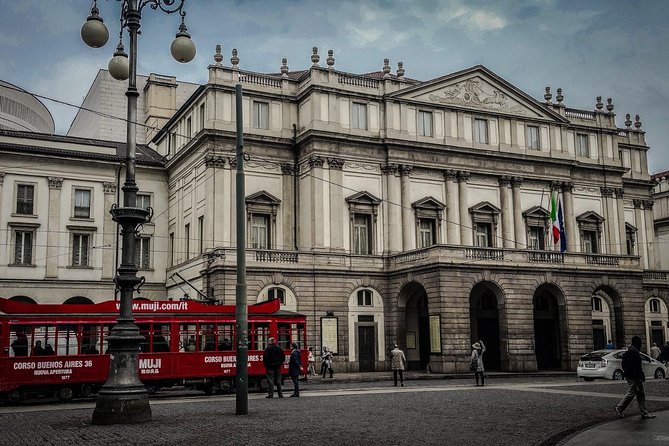
The meeting point is at Teatro alla Scala Museum, Largo Antonio Ghiringhelli, 1, 20121 Milano. That matters more than it sounds, because you’re going to arrive, get oriented, and then move as a group without wasting time crossing the city.
The tour ends back at the same place. That keeps your day tidy, especially if you plan to connect it with other central Milan sights afterward. The experience is also near public transportation, which is handy if you’re mixing transit and walking.
Museo Teatrale alla Scala: Why This Building Began in 1778
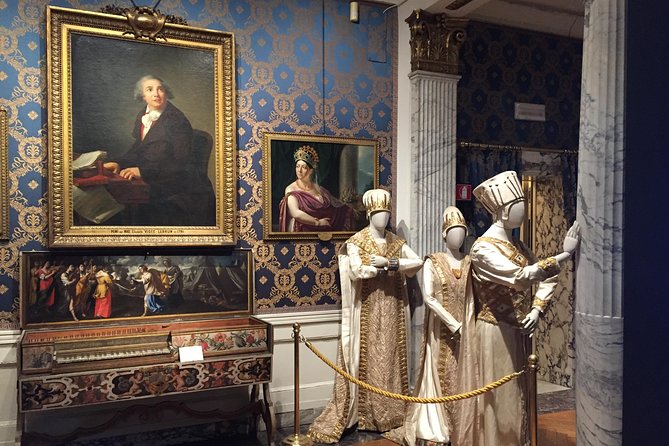
The first stop is the Museo Teatrale alla Scala. This is not casual museum territory. La Scala is the most important theatre in Milan and among the most prestigious opera houses worldwide, and the museum setting helps you understand that stature.
You learn the origins: the theatre was projected by Giuseppe Piermarini and inaugurated in 1778. That date gives you a useful anchor. Instead of treating La Scala like a single moment in time, you start seeing it as a long-running institution with evolving tastes, performers, and production culture.
What you’ll get here is the storytelling layer. The museum sections tend to focus your attention on objects and design choices, so when you later look at the theatre spaces, you’re not staring at details without knowing what they do.
When You Might Only See the Museum (And Still Get Real Value)
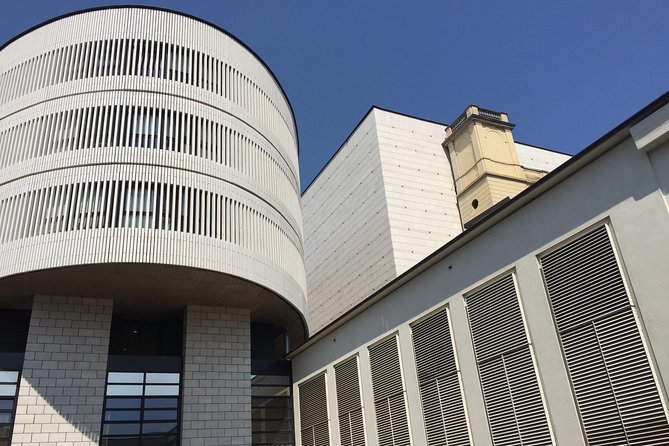
Here’s the practical reality: due to rehearsals and private events, your theatre visit may be limited to the museum only. That sounds disappointing on paper, but in practice it’s still a worthwhile plan.
Why? Because the museum experience is built to stand on its own. You still get the licensed guide, the small-group pacing, and the ticketed access tied directly to this venue. And if you’re there on a day when theatre entry is allowed, you’re in for an extra payoff.
Also, the guide can explain what you would typically notice in the theatre hall—like how sound behaves and how performers prepare—so your understanding grows even if your access is capped. A museum-only outcome doesn’t cancel the learning value; it just changes how much of the performance space you physically enter.
The Theatre Experience: What You’re Really Watching for
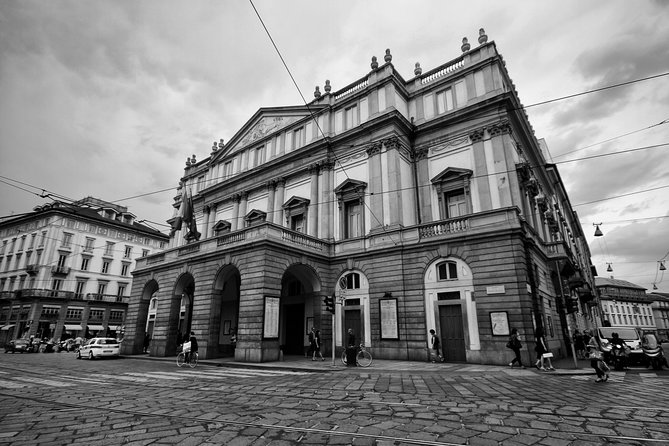
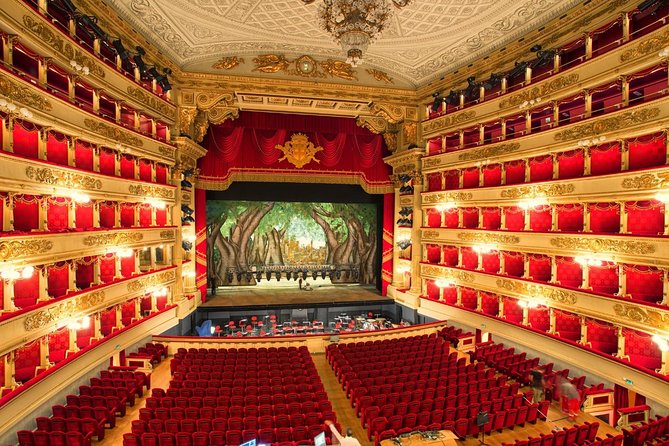
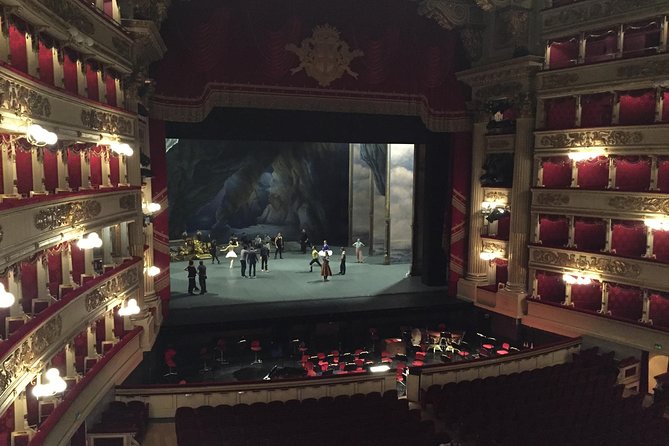
When access allows, the big draw is getting that closer look at La Scala in motion. Some tours even align with the backstage rhythm of a production, where you can catch glimpses of preparation and see how the venue supports staging.
The details in the guide’s talk are where this becomes more than sightseeing. People like Simone and Simone again (yes, that name comes up more than once) are praised for making the building and its acoustics feel understandable, not mystical. Giorgio is singled out for being prompt and for sharing standout facts and answering questions in a way that feels worth your time. Maria gets credit for stories that bring composers and singers to life, which helps you connect the dots between names you’ve heard and the space that hosts them.
Here’s what to watch for during the theatre portion, if you’re allowed in:
- How the hall is arranged, and what that means for sightlines
- How acoustics show up in the guide’s explanations
- How backstage work relates to what you see from the audience side
Even when you can’t enter the hall, you still leave with a better sense of why the theatre works the way it does, and that’s the part that tends to feel most satisfying later.





How Guides Turn 90 Minutes Into Something You Remember
This is a “guide does the heavy lifting” experience. The pacing is designed for a 1 hour 30 minutes window, so you’re not left wandering trying to interpret everything alone.
In the reviews you’ll see the same pattern over and over: passionate storytelling, clear structure, and guides who keep energy up for the full session. Lorella is highlighted for being fantastic and informed, with a tour that feels worth every penny. Anne comes up in a way that suggests a smooth, well-timed visit even when theatre access is limited. Lara is praised for speaking for the full 1.5 hours and holding attention without relying on a stack of notes. Simon is noted for being excellent and for helping the experience feel enjoyable and not stressful.
The practical takeaway for you: choose this tour when you want context. If you just want to take photos and walk at your own speed, you might feel rushed. But if you like a tight, high-yield visit where someone explains what you’re looking at, you’ll probably feel satisfied by the end.
Headphones and Group Size: Why This Matters More Than You Think
This is a group tour, and the logistics are part of the quality. The tour runs with a maximum of 15 travelers, which keeps it manageable. It also matters for questions. When the group is small, you’re more likely to get a real answer instead of being politely told to move on.
Headphones are included from 10 participants, which is a very practical detail. It means you can hear the licensed guide clearly without hovering close to them. That’s especially useful in busy museum areas or tight theatre sections where you can’t always stand where you want.
Upgrade to Private: When One-on-One Changes Everything
There’s an upgrade option to a private tour. I’m glad this exists, because La Scala can get personal fast. If you’re an opera fan who wants deeper answers, a private format often makes the conversation freer. If your group is small and you’re trying to align your pace with your own interest level, private time can feel less rushed.
If you’re traveling with someone who wants different things from the tour—one person more into history, another into performance mechanics—private is also a strong way to keep both people engaged.
Price and Value: What You’re Paying For at $56.84
At $56.84 per person for about 1 hour 30 minutes, the price is in the mid-range for a major landmark experience in central Milan. You’re not paying for a long museum day. You’re paying for a licensed guide, a timed group visit, and ticket access to La Scala’s theatre and museum.
What makes it good value is that you’re getting the core ingredients:
- Admission ticket included
- Licensed tour guide included
- Small-group structure (max 15)
- Headphones included from 10 participants
If you’d otherwise pay for museum access and then try to piece together meaning on your own, a guided approach starts to look smarter. Even if the theatre portion ends up limited, the guided museum still gives you a guided context that’s hard to replicate from signage.
Practical Tips for a Smoother La Scala Visit
A few things will help you get the best from the 90 minutes.
First, arrive with enough buffer to gather your bearings at the Teatro alla Scala Museum entrance. Meeting at a central point is convenient, but you’ll still want a calm start so you’re ready when the guide begins.
Second, keep expectations aligned with the access reality. If rehearsals or private events restrict entry, you’ll still have the museum plan. That’s not a total loss; it’s part of how La Scala remains an active working venue.
Third, if you want the theatre experience specifically, ask yourself this question before booking: do I value explanation as much as access? If yes, you’ll likely enjoy it even under a museum-only scenario. If no, you may wish you had more flexible plans.
Who This Tour Fits Best
This works best for:
- First-time visitors who want their La Scala experience to make sense quickly
- Opera lovers who want the theatre explained beyond the obvious
- People who prefer smaller groups and easier question time
- Anyone who wants a well-structured 90-minute visit in central Milan
It may feel less ideal if you’re the type who wants to roam slowly with no schedule, or if you’re visiting primarily for long photo time rather than guided context.
Should You Book This La Scala Tour?
I’d book it if you want a high-yield La Scala visit with a small group and a guide who turns the building into something you understand. The price feels fair because you’re paying for guide time, headphones, and included admission, not just entry.
If you’re the cautious type, keep one expectation in check: the theatre portion can be limited to the museum due to rehearsals and private events. But even with that possibility, the guided museum stop is built to satisfy, and the guide-driven storytelling is where the experience tends to earn strong ratings.
If you want more control over the pace or deeper questions, consider the private upgrade.
FAQ
How long is the La Scala Theatre and Museum guided experience?
It runs about 1 hour 30 minutes.
What’s included in the ticket price?
Your tour includes tickets to La Scala Theatre & Museum, a licensed tour guide, and small-group guided tour access. Headphones are included from 10 participants.
Is the tour offered in English?
Yes, the tour is offered in English.
Where do I meet for the tour?
You meet at Teatro alla Scala Museum, Largo Antonio Ghiringhelli, 1, 20121 Milano MI, Italy. The tour ends back at the same meeting point.
Can the theatre visit be limited?
Yes. Due to rehearsals and private events, the visit may be limited to the museum only.
Can I cancel for a refund?
Yes. You can cancel for a full refund up to 24 hours before the experience’s start time.