REVIEW · PINACOTECA AMBROSIANA
Milan: Pinacoteca Ambrosiana & da Vinci Codex Exhibition
Book on GetYourGuide →Operated by Veneranda Biblioteca Ambrosiana · Bookable on GetYourGuide
Leonardo’s sketches live inside a working library. The Pinacoteca Ambrosiana and the da Vinci Codex exhibition in Milan turn art viewing into quiet study, with rooms designed for looking closely and thinking longer. You’re stepping into a historic library atmosphere, not a white-box museum.
I love seeing original Codex Atlanticus drawings by Leonardo da Vinci up close, with audio support you can use during your visit (and in an app format after, if you choose). I also love the way the pinacoteca mixes big names and styles, from Raphael’s School of Athens cartoon to Caravaggio’s intensity, so the Leonardo focus doesn’t feel like tunnel vision.
One possible drawback: the museum can be quite dark in parts, and some labels may be hard to read, so budget for the audio guide if you want the most out of the small details.
In This Review
- Key things to know before you go
- Milan’s Pinacoteca Ambrosiana: art and brainpower in a real library
- Federiciana Room: the context that makes Leonardo click
- The Leonardo Codex Atlanticus display: what to look for
- Raphael’s School of Athens cartoon: the rare behind-the-scenes feeling
- Renaissance painters around Leonardo: Botticelli, Tiziano, Caravaggio
- How long to plan for: a calm 2–3 hour museum rhythm
- Audio guide and app: when extra context is worth the extra euros
- Price and value: is $21 worth it?
- Getting there and avoiding common “where am I?” moments
- Should you book this Milan Codex exhibition?
Key things to know before you go
- Original Leonardo drawings from the Codex Atlanticus are the main event
- Federiciana Room gives you context for the man and his era, not just the artwork
- Raphael’s School of Athens cartoon is a standout you’ll want time for
- You’ll also see works tied to Botticelli, Raphael, Tiziano, and Caravaggio
- Audio is available in multiple languages, and you may download an app to keep listening after
Milan’s Pinacoteca Ambrosiana: art and brainpower in a real library
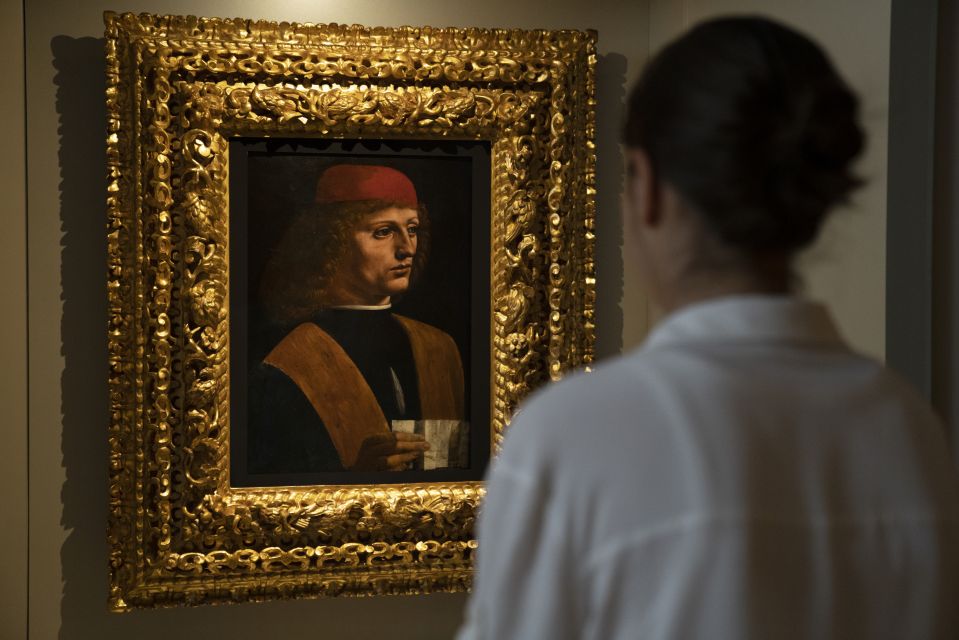
Pinacoteca Ambrosiana is the kind of place I like in Milan: serious, but not showy. It sits inside a historic library, so the visit has a studious feel that makes sense for Leonardo drawings. This isn’t a museum you rush through with one eye on your phone and the other on the exit.
The big promise is Leonardo, but the experience is bigger than a single star display. You’ll also be surrounded by Renaissance painting and ideas, with works by major artists like Botticelli, Raphael, Tiziano, and Caravaggio. The result is that you get context while you’re looking, which is exactly what helps when the art is centuries old and the handwriting (sometimes literally) is the point.
I also like the pacing this setting encourages. In a library, you tend to slow down. You can sit, read the wall notes, and actually take in how the museum organizes visual storytelling rather than blasting you with constant movement.
Federiciana Room: the context that makes Leonardo click
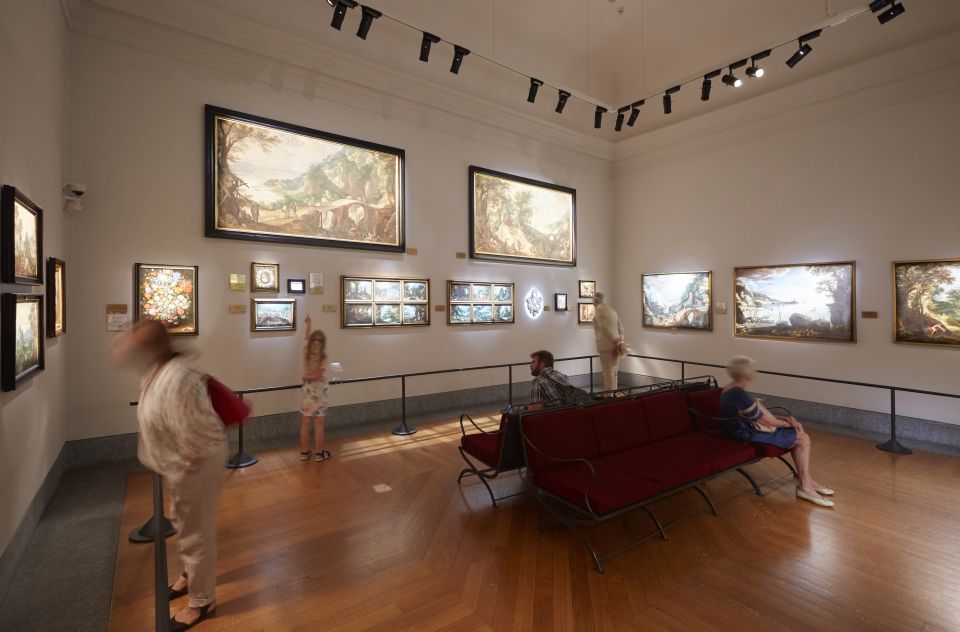
A key stop in your route is the Federiciana Room. This is where the museum shifts from simply showing objects to helping you understand the person behind them. The goal is to give you a deeper appreciation of Leonardo and the world he moved in, not just the finished results.
This matters because Leonardo isn’t only painter-genius. He’s also a thinker—curious, methodical, and obsessed with how things work. When you get the historical framing right, his drawings feel less like random sketches and more like evidence of a mind at work for decades.
Give yourself enough time here to let the room do its job. If you treat the Federiciana Room like a quick restroom break, you miss the part that connects the dots between Leonardo’s interests and the broader Renaissance atmosphere.
The Leonardo Codex Atlanticus display: what to look for
The heart of the da Vinci Codex exhibition is the presentation of original Leonardo drawings from the Codex Atlanticus. This is described as the world’s largest collection of original Leonardo da Vinci drawings, and it’s the reason many people specifically come to Milan for the Ambrosiana.
What you should expect is a display that rewards close looking. Leonardo’s drawings are often about observation: proportions, mechanics, natural forms, and ideas that look like they’re mid-thought. When you’re seeing them in person, you’ll notice how different the lines feel compared to finished paintings. The “roughness” is part of the method.
Since lighting and label readability can vary depending on the room, I recommend using the audio guide to fill in the gaps. The audio support is especially valuable here because it’s built around interpretation—what the drawing is showing, why it mattered, and how research over decades helps you connect the work to Leonardo’s world.
Also plan to spend more than five minutes staring at any single sheet. The best Leonardo moments come when you compare multiple drawings and notice recurring themes. If you do this quickly, you’ll just see a list of masterpieces. If you do it slowly, the codex starts to feel like a long conversation with time.
Raphael’s School of Athens cartoon: the rare behind-the-scenes feeling
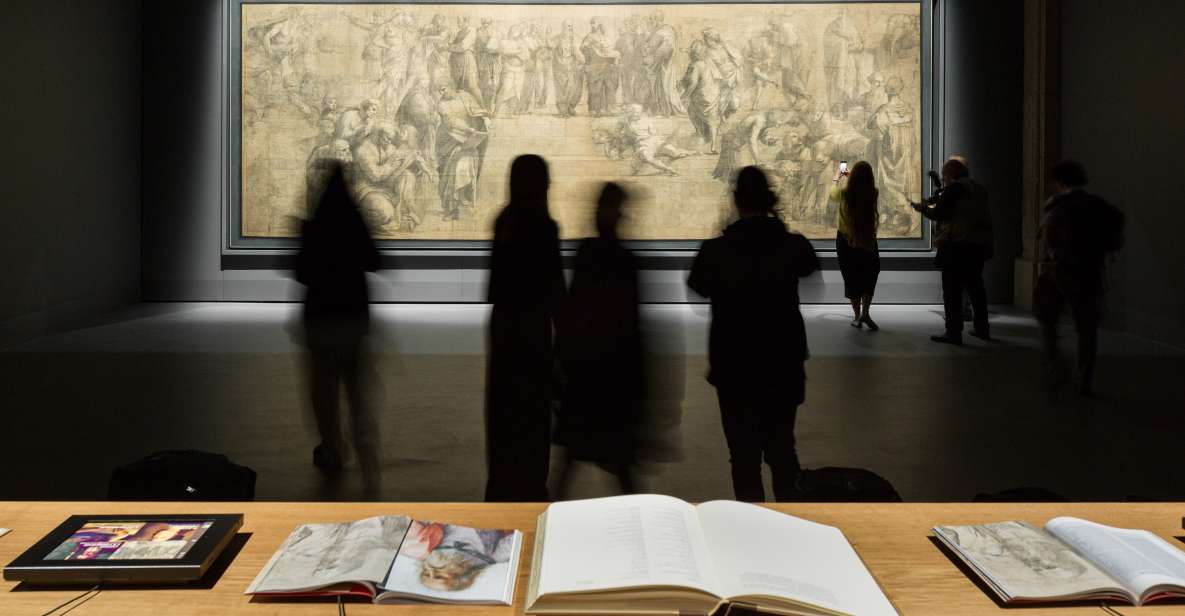
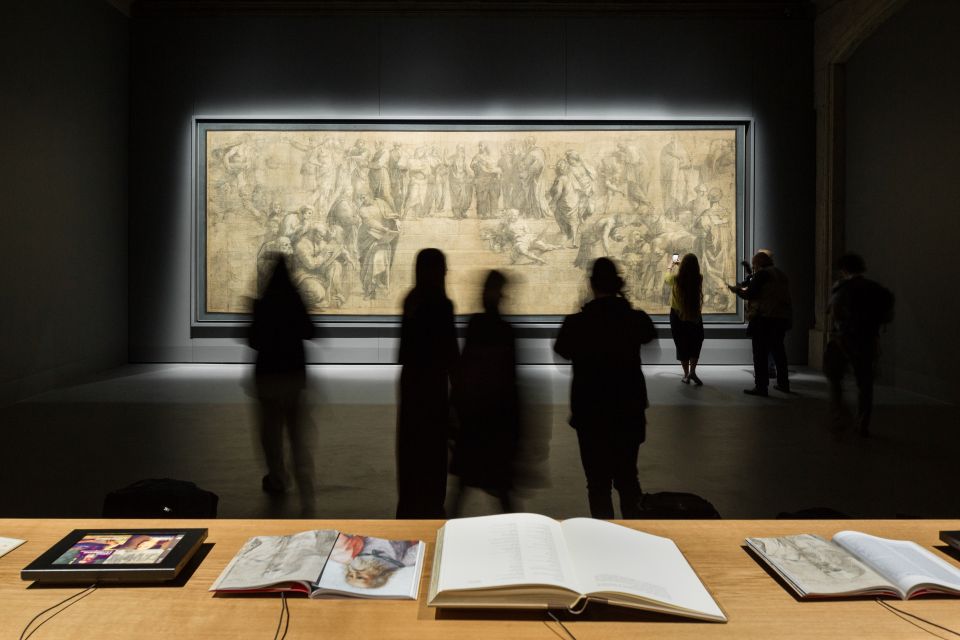
If you want one “wow” moment that’s not only about Leonardo, put your attention on Raphael’s cartoon for the School of Athens. This is one of the most praised highlights, and for a good reason: it shows how artists think and plan.
The cartoon isn’t just a finished image. It’s tied to the process of creating the larger fresco. Knowing that you’re seeing a working model changes how you look. You start noticing structure: how characters are arranged, how space is organized, and how the composition is built to work at wall scale.
You’ll also encounter information connected to the process of transferring the cartoon onto the wall. That kind of explanation turns the artwork into a lesson in craft. It’s one of those experiences where you realize you’re not just viewing art—you’re watching the logic of art happen.
Give this section extra time. Many people come for Leonardo and then end up staying longer because the Raphael stop reframes what the Renaissance was doing as a whole: planning carefully, learning through experimentation, and turning ideas into public masterpieces.
Renaissance painters around Leonardo: Botticelli, Tiziano, Caravaggio
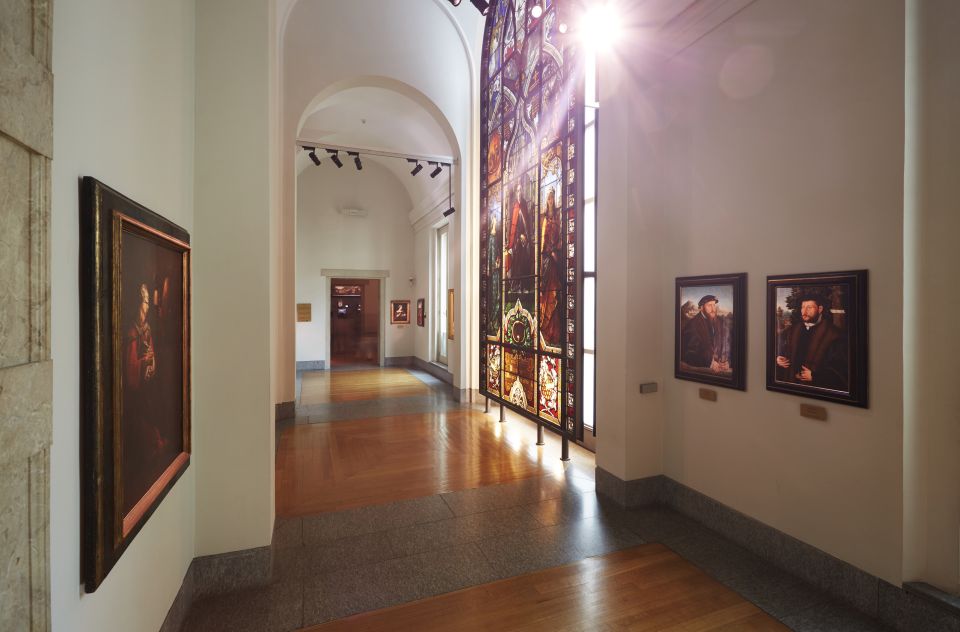
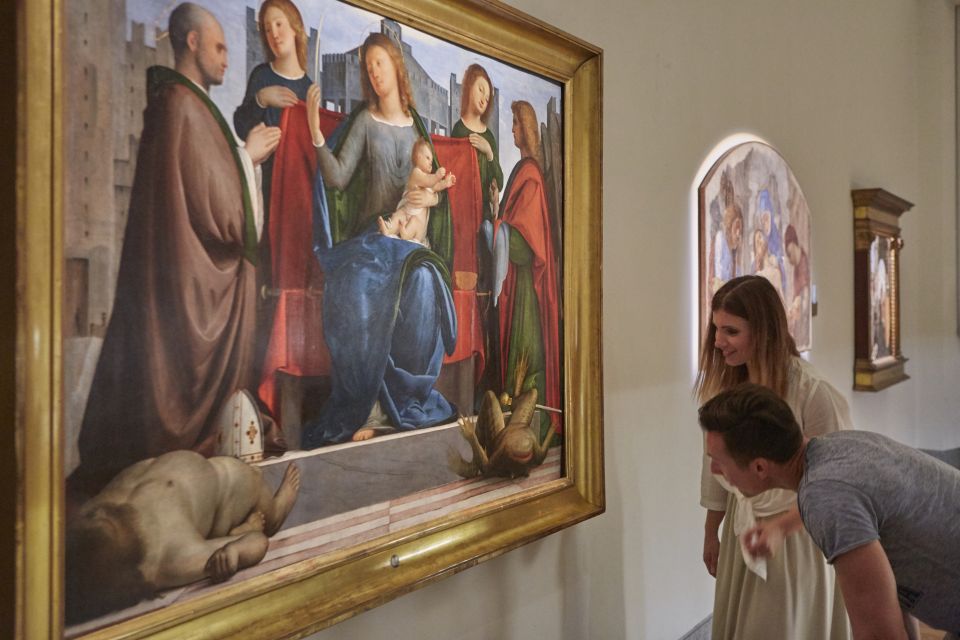
A major part of the value here is the lineup beyond the Codex Atlanticus. As you move through the pinacoteca, you’ll see works connected to artists like Botticelli, Raphael, Tiziano, and Caravaggio, plus the museum’s broader collections.
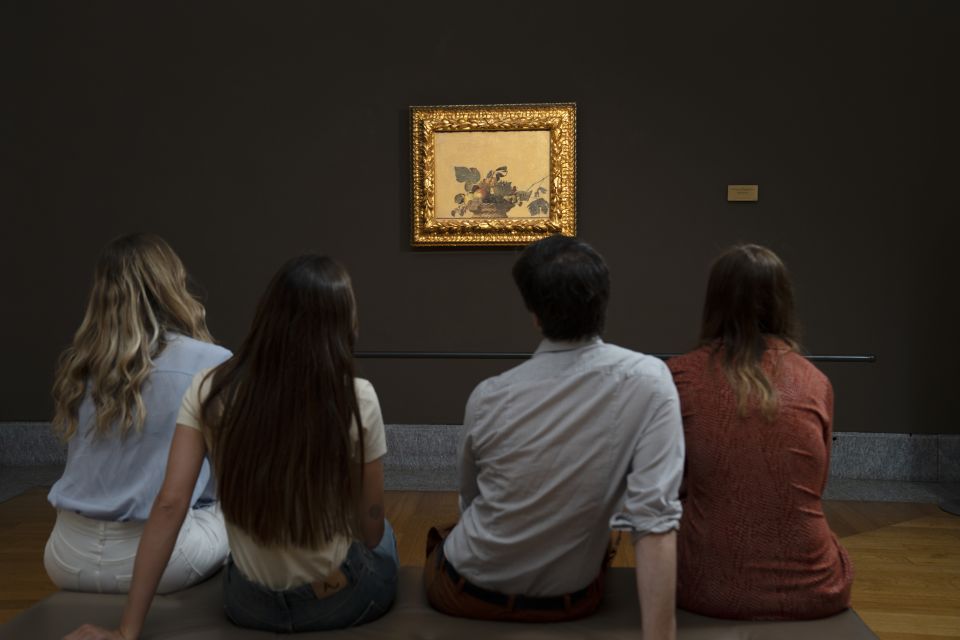
I like how this variety helps you understand Leonardo’s place without turning the visit into a one-artist museum. You can compare how different painters handled light, anatomy, drama, and atmosphere. Caravaggio, in particular, tends to be the kind of artist that shocks you a little in person, because the intensity can feel more direct than photos suggest.
Tiziano and Botticelli give you contrasting approaches to color and form. Raphael anchors the visit with planning and idealized structure, which pairs naturally with the cartoon experience. When these artists sit near Leonardo’s drawings in the overall museum route, you get a clearer picture of how Renaissance art moved across technique and purpose.
Just keep your expectations realistic. This is still a focused museum route, so you’re not going to see every masterpiece Milan has. You are, however, going to see a smart selection that makes the Renaissance feel like one connected era rather than a pile of famous names.
How long to plan for: a calm 2–3 hour museum rhythm
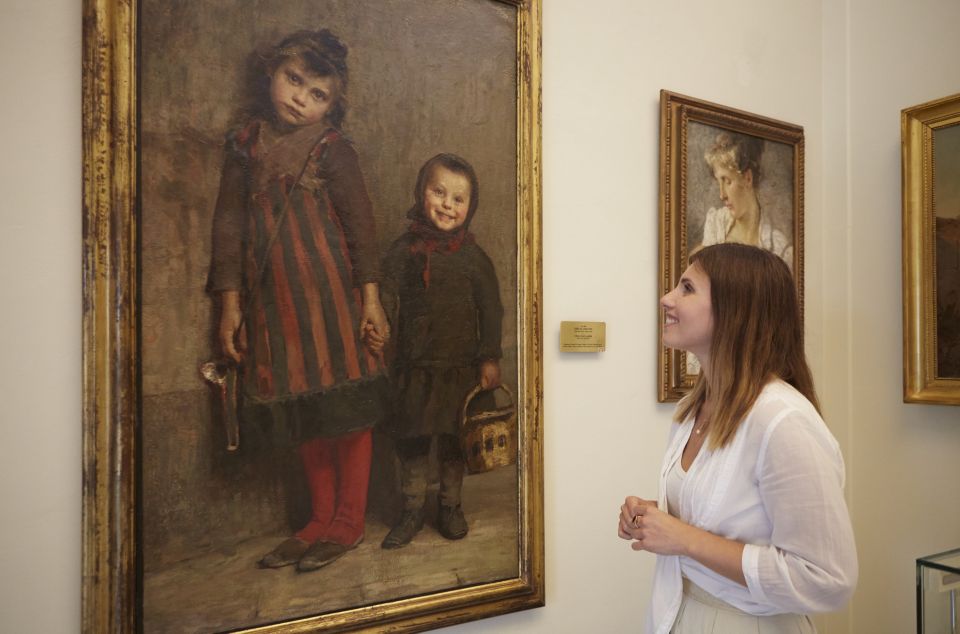
For most people, this is a half-day visit done right. Planning around 2–3 hours is a good target, especially if you want to read, sit, and not feel like you’re racing the clock. If you’re the type who actually follows what the audio says and checks the details in the displays, longer is even better.
This museum’s pacing can be affected by lighting and room flow. Some areas are described as dark, which can make you want to lean in. Other rooms may have label readability issues, so you’ll likely spend extra time moving between the display and the interpretive info.
I also recommend you don’t try to do this on a “tight transit day” right before something major. Put it on a day when you can wander afterward. The experience tends to make you see other Milan art with different eyes, which is a nice payoff.
Audio guide and app: when extra context is worth the extra euros
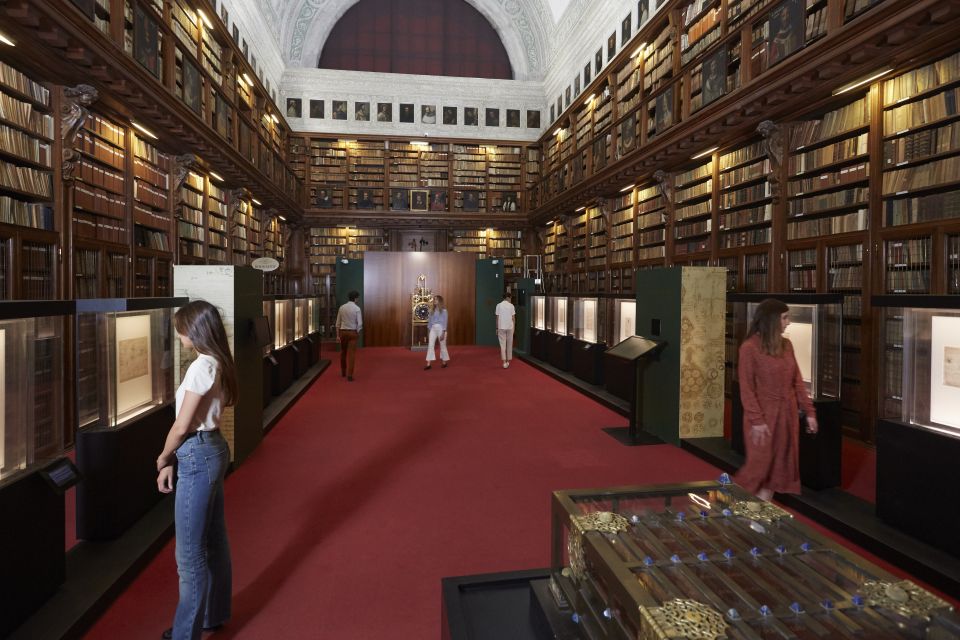
Audio matters here. The tour info clearly lists an audio guide as not included, available in 6 languages, and it’s sold for a nominal fee (listed as 4 EUR). If you want the most out of Leonardo drawings and the historical framing, this is one of those add-ons that tends to justify itself.
One practical thing: if the audio guide offers time modes, set it for the kind of visit you’re making. If you plan to go slow and spend real time, choose the longer setting. Using a short default can leave you scrambling to keep up once you realize you’re not rushing.
There’s also mention that you can download an app on your device and listen to it after the visit. That’s useful if you like to revisit what you learned while you’re walking back through Milan. It’s also a good way to process what you saw before it turns into a blur of famous names.
Audio can be “cumbersome,” depending on your comfort with phone/tablet setups and headphones. My advice: bring your own headphones if you can, and test volume before you start moving rooms.
Price and value: is $21 worth it?
At around $21 per person, the big value driver is that your ticket covers the Ambrosiana collections plus the exhibition of Leonardo’s original drawings from the Codex Atlanticus. That’s the expensive part of the equation in many museums: special access to rare materials and focused exhibition rooms.
The audio guide is extra, but it’s still listed as a small add-on compared to the overall experience. If you’re coming for Leonardo and Raphael, you’ll likely want the interpretive context that audio provides. If you only want quick viewing, you could get by without it, but the museum’s format suggests audio helps you slow down with purpose.
Also keep in mind that this visit is inside a historic library setting, and the experience includes that atmosphere. You’re not just paying for paintings—you’re paying for a space designed for careful looking, which changes the feel of the visit.
If you enjoy Renaissance art and want a different Milan option than the usual mega-attractions, this is strong value. It’s also a good choice if you want a day that feels intellectual but still enjoyable, not a checklist grind.
Getting there and avoiding common “where am I?” moments
The meeting point is The Ambrosiana, Piazza Pio XI 2, Milan. For transit, the nearest metro options listed are the Red Line at Cordusio or Duomo, and the Yellow Line at Duomo. Tram options include lines 12, 14, and 16 at Orefici Cantù, or lines 2 and 3 at Duomo.
Arriving a bit early helps. Even when crowds are manageable, you want time to get oriented inside the museum. One recurring practical issue is that the museum layout can be confusing if you don’t pay attention to maps and room order, so use the map at the entrance and don’t be shy about asking staff where the Codex display is.
Lighting is another practical factor. Some sections are described as very dark, and some labels are hard to read. Bring your expectations accordingly. If you struggle with reading small text, lean on audio and plan to pause more often rather than trying to decode everything while walking.
If you’re traveling with a stroller or baby buggy, note that at least some portions may be difficult to navigate, and you might be asked to keep it at the entrance. Plan for that and keep an eye on room flow.
Should you book this Milan Codex exhibition?
Book it if Leonardo da Vinci drawings are your main interest, and you want them presented in a setting that supports close study. The Codex Atlanticus display, the Federiciana Room context, and the Raphael cartoon stop make this more than a quick art-photo outing.
Consider skipping or simplifying if you dislike dark museum lighting or you know you won’t use an audio guide. This isn’t a loud, easy museum where every label is instantly readable from one angle. You’ll enjoy it more if you’re willing to slow down and let interpretation guide your looking.
For most people, especially art lovers and Renaissance fans, this is one of the most rewarding “one day” cultural purchases you can make in Milan.