REVIEW · VENICE
Murano by Private Watertaxi Including Glass Blowing Demo with Hotel Pickup
Book on Viator →Operated by Glass factory Colleoni Murano · Bookable on Viator
A glass-blowing trip starts at your hotel. This Murano experience pairs a private watertaxi with time on the islands, plus a hands-on look at how Murano glass is made. I like that it’s structured enough to feel complete, yet paced so you still get views and a little wandering.
Hotel pickup makes it feel low-stress from the start, and the ride over the lagoon gives you a great angle on Venice. The second thing I love is the glass blowing demo at Colleoni, where you can actually see the technique (not just glass on a shelf). One possible drawback: timing can vary by day, and you may not get every fixed sight-stop as long as expected.
In This Review
- Key highlights to look for
- Why the private Murano watertaxi feels like the grown-up option
- Hotel pickup and the lagoon route you should expect
- Colleoni glassworks: what the demo actually gives you
- Santi Maria e Donato mosaics on San Donato: quick but memorable
- The Colleoni showroom and the 20% discount: buy smart, not fast
- Murano’s quiet streets: the short walk that keeps it human
- Price and timing: who gets the most value from this tour
- Should you book this Murano glass tour?
- FAQ
- Is hotel pickup included?
- Is this a private tour?
- What does the tour include at the glass factory?
- How long is the glass demo?
- Do I get a return boat ride to Venice?
- Is the church admission included?
- Are there any special fees on certain dates?
Key highlights to look for
- Private watertaxi to Murano so you skip the usual Venice waterbus hassle
- Colleoni glassworks demo with a master craft performance and a short, focused visit
- Duomo di Murano Santi Maria e Donato for XI-century mosaics on San Donato
- Showroom time plus a 20% factory discount if you want to buy Murano glass
- A short walk on Murano through quieter streets before you head back
- Guides like Giovanni, Julia, Alessandro, Fabio, and Eleonora are repeatedly mentioned for clear local context
Why the private Murano watertaxi feels like the grown-up option
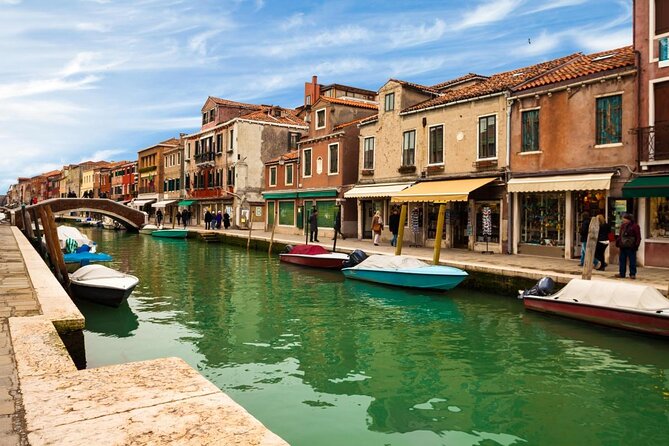
Murano is close to Venice, but getting there the usual way can turn into a small endurance test: queues, crowds, then squeezing your way onto the next boat. This tour fixes that by bringing private transportation to your hotel area and delivering you directly to Murano by taxi boat. You still get the Venice lagoon drama—only you don’t spend your energy fighting it.
The ride matters more than you’d think. A private water crossing gives you time to look out at the Grand Canal views and the lagoon from a more relaxed vantage point. It also sets a calmer tone for the rest of the morning: you arrive already in island-hopping mode, not stressed about schedules.
And since it’s a private tour (your group only), your pace stays yours. You’ll have a private local guide explaining what you’re seeing, so Murano glass becomes more than a pretty souvenir hunt. I also appreciate that the experience is designed to be doable even if you don’t plan a whole day—this clocks in at about 2 hours 30 minutes.
The value is strongest if you hate logistics more than walking. If you want Murano without turning it into a transit project, this format is a very good match.
You can also read our reviews of more tours and experiences in Venice.


Hotel pickup and the lagoon route you should expect
The tour includes hotel pickup, but only for hotels in Venice island. If your lodging is outside Venice, you’ll want to confirm what the pickup arrangement actually is for your address—this is one of the few places where you can’t assume flexibility.
Once you’re set, you’ll head toward Murano by private water taxi. The route can vary based on where you depart and whether you ride on the north side of the lagoon. In practice, that usually means you get a mix of views, and sometimes a stop-by moment on the way.
One interesting detail to know up front: there’s often a sight component connected with Murano San Michele, an island that started as a residential area and was converted into a cemetery during the Napoleon era. Even if you don’t spend long there, seeing it from the water helps you understand why these islands matter beyond glass shops.
Dress code is listed as smart casual, which is exactly what you’d use for a comfortable walking morning: you’re not heading to a formal venue, but you also won’t want to show up in beach-only gear.
Also note the practical ending: the tour ends in Murano, and a return boat ride to Venice isn’t included. The good news is simple. From Murano Faro, you can buy a public boat ticket to major destinations like San Marco, the Train Station, and Fondamente Nove.
So plan your day with that in mind. If you’re trying to fit Venice landmarks right after, you’ll need to build in time for the public-boat connection.
Colleoni glassworks: what the demo actually gives you
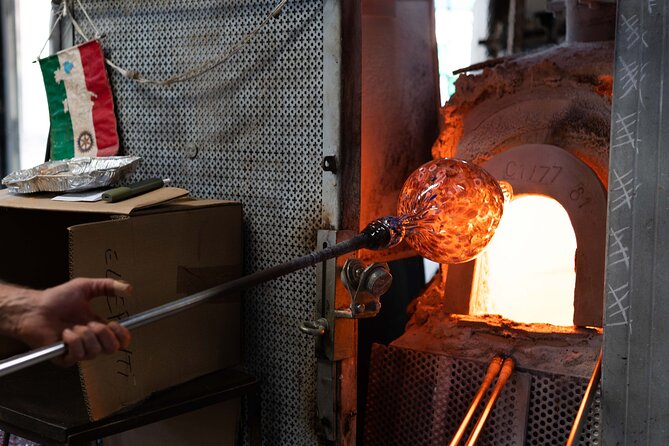
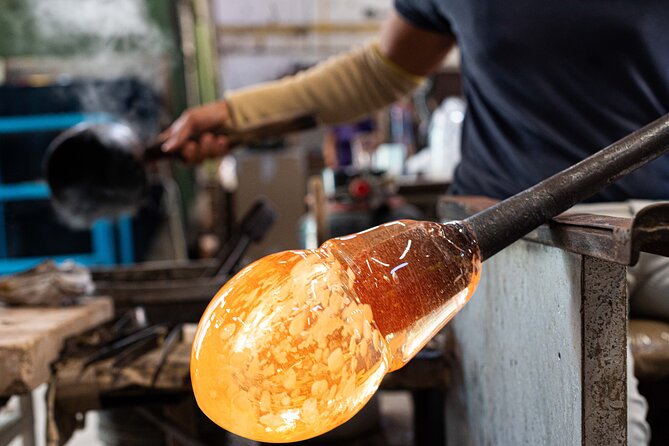
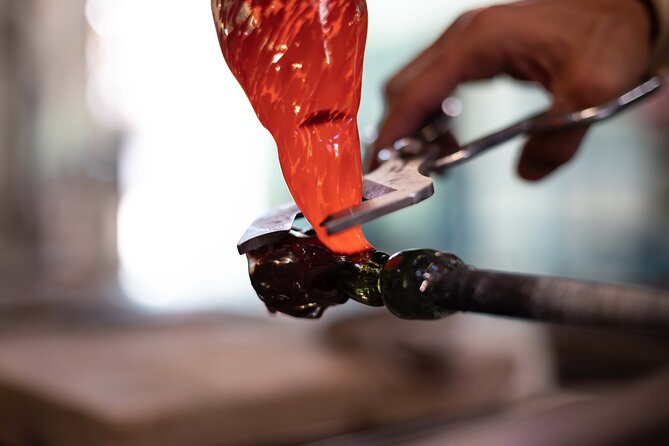
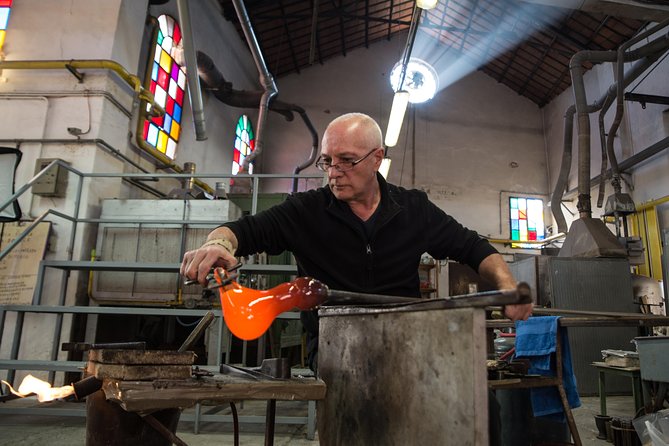
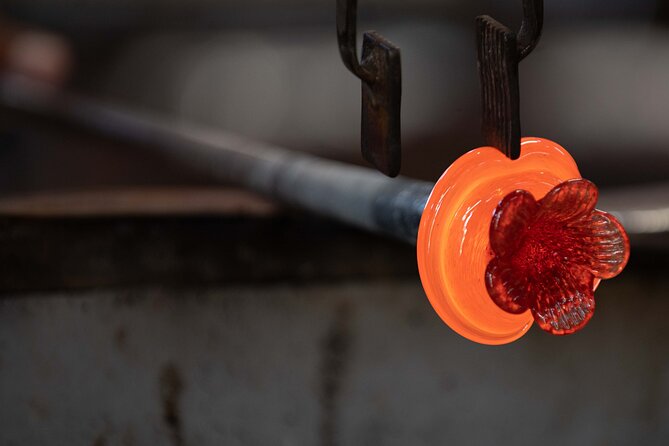
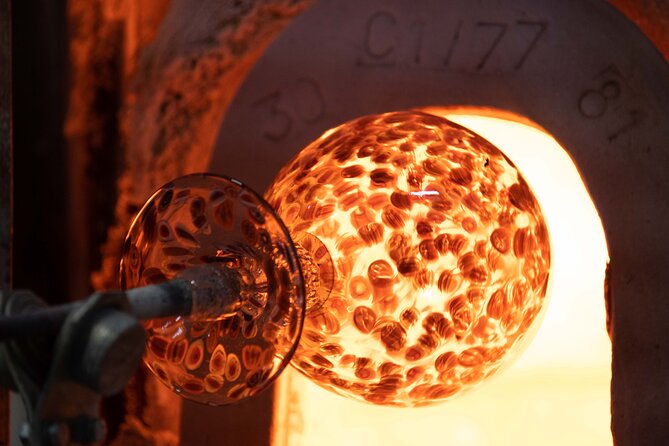
The heart of this tour is the Artistic Glassworks Colleoni stop, where you watch a master performance. Expect a short, clear demonstration with real technique—glass isn’t treated like magic fog. You see how pieces take shape and how the craft is done by hand and tool.
The tour schedule lists about 20 minutes for the demo portion, and the aim is to make it understandable even if you know nothing about glass. In plain terms: you’re watching how artisans turn raw material into form in a matter of moments. That’s why this tour works as a first Murano experience. A normal shop visit gives you finished objects. This gives you the process.
One more thing I appreciate: the wording and structure suggest the demo is a guided moment, not a random show you happen to watch. With a private guide, you can ask questions and get context in the moment, which helps you look at what you see in the showroom afterward with better instincts.
Timing note: some people do report that the demo segment can feel shorter than the headline estimate on certain days. That doesn’t usually ruin the experience, but if you’re someone who wants a long, slow masterclass, you might feel a little rushed.
Still, if your goal is to see master technique up close without spending hours in industrial-style workshops, this is a strong hit. Murano glass is made for the patient—your demo time just can’t afford to be.
Santi Maria e Donato mosaics on San Donato: quick but memorable
After the glass demonstration, you’ll head to Duomo di Murano Santi Maria e Donato. This is the stop that turns the morning from craft to culture.
The schedule calls for about 10 minutes here, and the headline reason to go is the XI-century mosaics. Even with a short visit, the mosaics tend to leave an impression because they’re visual and historical at the same time: you’re standing where older artistic layers still show through.
What to consider: the time is tight. If you love lingering in churches and reading every inscription, 10 minutes can feel like a teaser. On the other hand, if you’re pairing glass with a bit of religious art without wanting to sacrifice the workshop portion, this timing is efficient.
Also keep one practical idea in your pocket: if a church is unexpectedly closed on the day you go, the guide may adjust the plan. The tour does say the itinerary can change depending on the departure ride on the northside of the lagoon, and it’s smart to assume a short-circuit might happen for fixed stops.
Bottom line: treat this as a fast mosaic taste, not an all-out cathedral visit. It’s still worth it.
The Colleoni showroom and the 20% discount: buy smart, not fast
Your next stop returns to Colleoni for about 30 minutes in the showrooms. This is where you’ll have the chance to shop, and the tour includes a 20% discount on purchases in the glass factory.
This is the part where people either feel delighted or annoyed, and it comes down to expectations.
On the positive side, many visitors love the chance to see high-quality pieces and watch how the showroom staff explain what you’re looking at. Some people also report that the sales atmosphere didn’t feel pushy, which matters when you’re trying to enjoy the art rather than fend off pitches.
On the other side, you should assume the showroom is a retail space, not a museum. One recurring caution is that some pieces can be priced higher than you might see elsewhere in Venice. Also, a few shoppers said they experienced a persistent sales presence that distracted from simply enjoying the displays.
So here’s how I’d handle it if you want the benefits without the stress:
- Decide before you arrive if you want something big, small, or just to browse.
- If you’re buying, compare prices when you can. If the factory discount is offered, that helps, but it doesn’t guarantee the best deal versus every Venice shop.
- Bring payment flexibility. It’s a good idea to carry cash, since some visitors specifically recommend it for smoother shopping and negotiation.
Negotiation isn’t promised, but you may find some flexibility in a factory setting—ask politely and be ready to decide on the spot.
This showroom time also connects to your demo experience. Once you’ve seen glass shaping, you’ll spot differences in workmanship and finish much faster.





Murano’s quiet streets: the short walk that keeps it human
After the glass stops, you’ll get time on Isola di Murano itself—about 15 minutes for a walk through the island’s quieter streets.
This part is easy to underestimate, but it’s what prevents the tour from feeling like a factory stop only. Murano has a different tempo than central Venice. The streets can feel more hushed, and that’s exactly what you want after watching artisans at work.
In a short timeframe, you’re not trying to conquer the whole island. You’re getting a taste of local atmosphere—historic island lanes, a change in scenery, and a moment to let your brain switch from workshop details to island life.
The best way to use this time is simple: don’t treat it like a scavenger hunt. Instead, pick a direction, look at how buildings sit beside canals, and enjoy the island rhythm.
Just remember the clock: the schedule is designed to get you back after the walk. If you want longer roaming and more photo stops, you’d need to pair this with extra independent time on Murano afterward.
Price and timing: who gets the most value from this tour
At $54.31 per person, this doesn’t look like a bargain when you think only about a boat ride and a glass demo. But the value improves when you count what’s included:
- Private hotel pickup for Venice island hotels
- Private water taxi
- A private local guide
- Admission tickets included for the glassworks and the cathedral stop
- Glass factory tour with a master performance
- A 20% discount on factory purchases
- Private transportation
In other words, you’re paying to replace stress with coordination. And with private transport in Venice, that coordination is often the difference between a smooth morning and a frantic one.
Timing-wise, this is best for you if:
- You’re short on time and want Murano without losing half a day.
- You want to see glassmaking firsthand but you don’t want to commit to a full workshop day.
- You prefer private guiding over self-touring.
It may not be the best fit if:
- You want long, slow museum-style time inside churches and showrooms.
- You dislike shopping environments even when discounts are included.
- You expect the exact same experience length every time a demo runs. (Some days move differently.)
One more practical note: the tour requires good weather. If weather forces a change, the operator will offer a different date or a full refund. Also, on certain days there’s a possible €5 access fee for people staying outside Venice for day visits. If that applies to you, check the official guidance at cda.ve.it before you go.
If you’re traveling soon, book ahead. This experience is often reserved about 42 days in advance, which usually means you’ll do better with early planning.
Should you book this Murano glass tour?
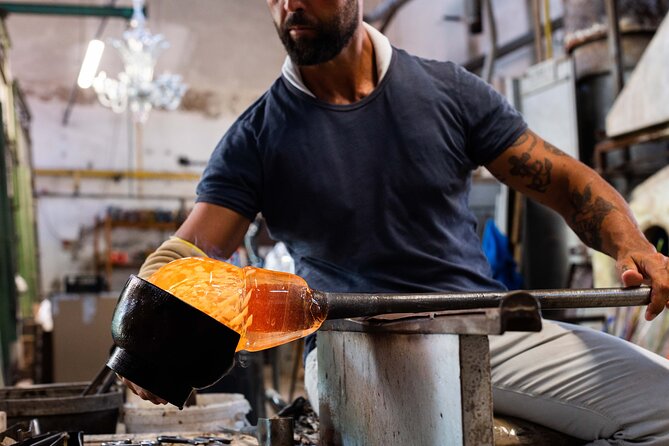
I’d book it if you want the best parts of Murano—glass technique, XI-century mosaics, and a real island feel—without the transit headaches that hit many first-timers in Venice.
Skip or rethink it if your top priority is free-form exploration. This tour is designed to be compact and efficient. The factory demo and showroom are the core; the island walk is a quick taste, not a long self-guided outing.
If you do book, go in with the right mindset:
- Treat the church stop as a short mosaic visit.
- Use the showroom time with a plan if you want to buy.
- Plan your return to Venice using the public boat from Murano Faro, since drop-off isn’t included.
For a solid, value-conscious Murano morning with minimal stress, this is a strong option.
FAQ
Is hotel pickup included?
Yes, pickup is included for hotels on Venice island only. If you’re staying outside Venice island, pickup may not apply in the same way, so confirm your pickup details.
Is this a private tour?
Yes. It’s a private activity with your group only.
What does the tour include at the glass factory?
You get a glass factory tour with a glass master performance. Admission tickets are included for the glassworks stops.
How long is the glass demo?
The schedule lists about 20 minutes for the demo portion at the glassworks.
Do I get a return boat ride to Venice?
No. The tour ends in Murano, and a return ticket to Venice by public transport is not included. From Murano Faro, you can buy public boat tickets to Venice destinations.
Is the church admission included?
Yes. The stop at Duomo di Murano Santi Maria e Donato lists admission tickets included, and it focuses on XI-century mosaics.
Are there any special fees on certain dates?
On some dates, day visitors staying outside of Venice may need to pay a €5 access fee. Check cda.ve.it for which dates apply and any exemptions.