REVIEW · FLORENCE
Florence: Guided Walking Tour
Book on GetYourGuide →Operated by StarFlorence · Bookable on GetYourGuide
Florence can feel overwhelming at first, but this walk keeps it in focus. In just 1.5 hours, you hit the Duomo complex, Piazza della Signoria, and Ponte Vecchio—then you learn the why behind what you see. Two things I really like: the radio system that keeps the guide’s explanations clear in crowds, and the fact that it’s designed to help you notice details you’d otherwise walk right past.
The main catch is simple: it’s an outside-only tour. That means you’ll see key buildings up close, but you won’t get paid entry tickets into museums or monuments. If your goal is ticketed interiors, you’ll still want to add those separately after this tour helps you orient yourself.
In This Review
- Key highlights worth planning for
- Why this short Florence walk makes a big first impression
- Duomo Complex: Cathedral scenes you can actually understand
- Piazza della Signoria and the Michelangelo David replica
- Crossing Ponte Vecchio like a practiced local
- Medici and Renaissance stories: the thread that ties it together
- What’s included, and what you should plan separately
- Timing, pacing, and how the tour feels on crowded streets
- Where you start and where you finish (and why it matters)
- Who this Florence guided walking tour is best for
- Should you book this Florence guided walking tour?
- FAQ
- How long is the Florence guided walking tour?
- How much does it cost?
- What sights do you see on the tour?
- Are entrance tickets included?
- Where does the tour start?
- What languages is the guide available in?
- Is the tour wheelchair accessible?
- What should I bring?
- FAQ
- Are pets allowed?
- What items are not allowed?
Key highlights worth planning for
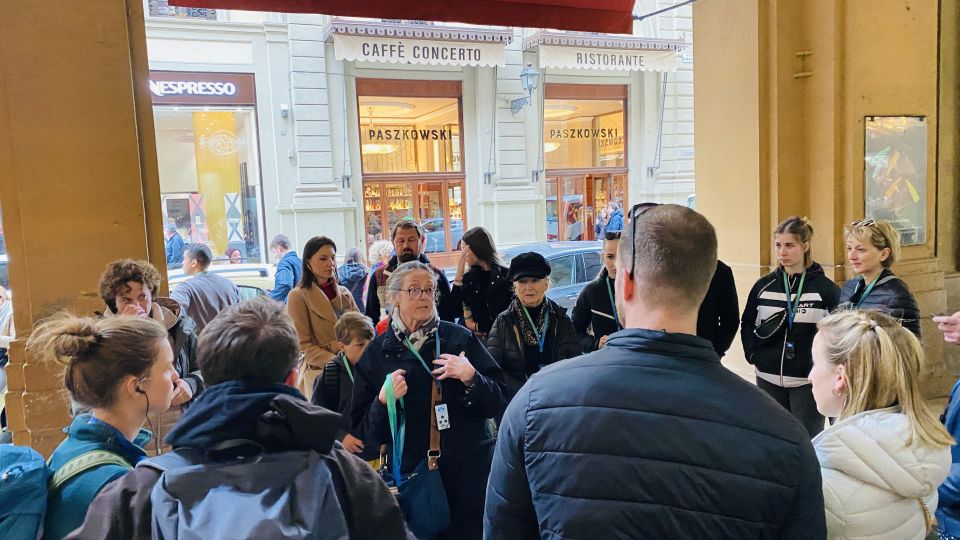
- Duomo complex views: Cathedral, Baptistery, Museo dell’Opera del Duomo, and Giotto’s Bell Tower from street level
- Piazza della Signoria + the David replica: the Michelangelo statue outside Palazzo Vecchio, used as a political symbol
- Ponte Vecchio walk: the classic Old Bridge with built-in storytelling as you cross
- Hidden-notice stops: small sights on the way that most people miss
- Guides who work with questions: from humor to clear pacing, with options across English, German, Spanish, and French
Why this short Florence walk makes a big first impression
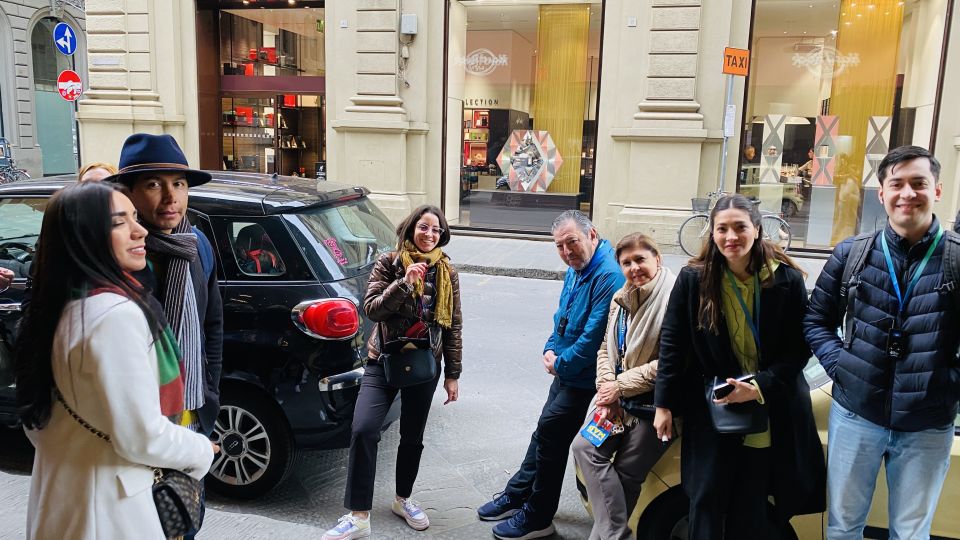
Florence is a city where the best parts are not always inside buildings. This tour is built for “first-time clarity.” You get a logical route through the city’s most recognizable heart—then the guide fills in context so the sights stop looking like postcards.
I also like that it’s not just statue-and-stand-there. The guide points out practical things: what you’re looking at, what it meant to Florence at the time, and how the power shifts of the Medici era show up in art and public space. It’s a fast way to connect dots before you spend more time inside museums or churches.
And because you’re using a radio system, you’re not stuck craning your neck through shoulder-to-shoulder crowds. That matters on streets around the Duomo and along the main squares, where sound carries and bottlenecks happen.
You can also read our reviews of more tours and experiences in Florence.
- Tuscany Day Trip from Florence: Siena, San Gimignano, Pisa and Lunch at a Winery
★ 5.0 · 21,634 reviews

Duomo Complex: Cathedral scenes you can actually understand
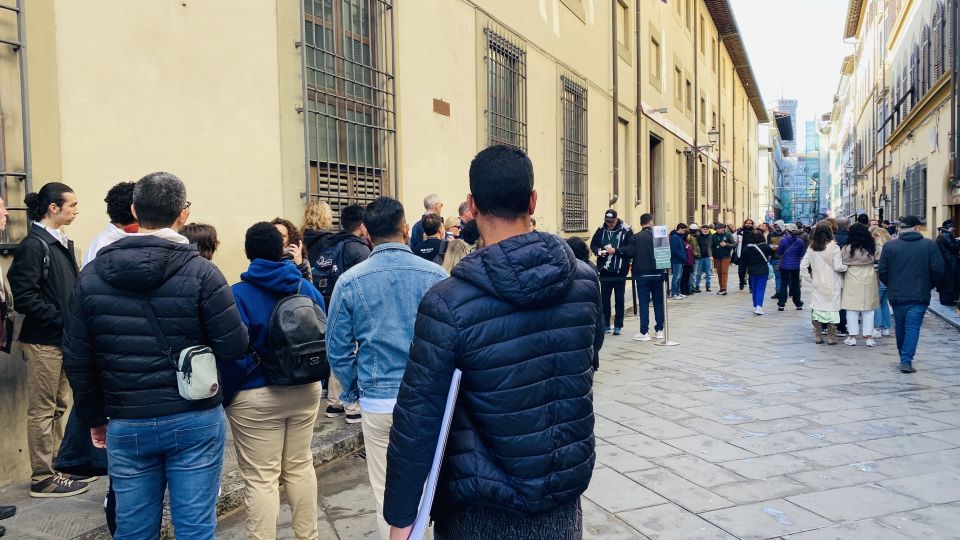
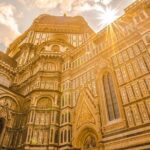
The tour begins around the Duomo complex, so you’re not wandering blindly trying to figure out what matters most. From the street, you’ll see the big players in one sweep:
- Santa Maria del Fiore (Duomo) exterior: You’ll get help reading the facade and realizing why this cathedral matters beyond its size
- Baptistery of Saint John: A key religious landmark tied to Florence’s identity
- Museo dell’Opera del Duomo (outside): The museum is known for holding original works connected to the cathedral; you won’t enter here, but you’ll understand why it exists
- Giotto’s Bell Tower: You’ll view it from adjacent space so it doesn’t feel like a random tower in a pile of towers
What makes this stop valuable is the guide’s framing. You’re not just seeing architecture—you’re learning how Renaissance Florence used religious and civic art to project meaning. Even if you’ve never studied Florence before, the “why” clicks quickly.
One practical consideration: since the tour is outside-only, your experience here depends on the weather and the crowd levels. Plan to wear comfortable shoes and be ready for standing time at major viewpoints.
Piazza della Signoria and the Michelangelo David replica
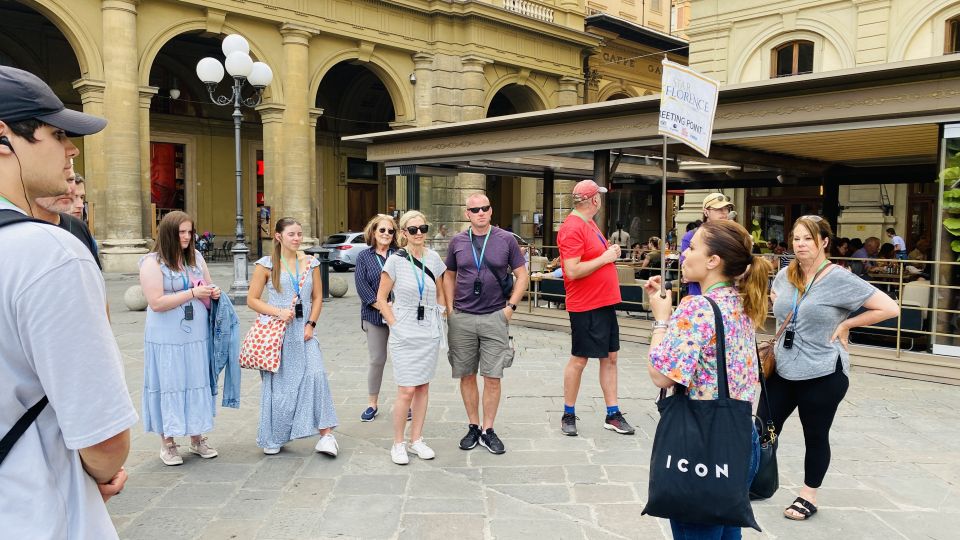
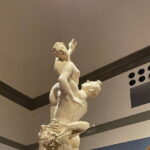
Next comes Piazza della Signoria, the open-air stage where Florence keeps showing off its values. The headliner is the David replica placed outside Palazzo Vecchio.
Here’s the part I think you’ll appreciate: the statue isn’t only about beauty. It also functions like political messaging. The guide explains how David became a symbol of the Republic’s defiance—especially in opposition to Medici tyranny. That turns the statue from “famous person, famous sculpture” into a story you can carry as you move through the city.
This stop also works well for orientation. You’re in the civic center, surrounded by the kind of monumental space where Florence wanted power to feel permanent. After this, it’s easier to make sense of why later Renaissance buildings look so confident and self-aware.
Small drawback: because this is one of the most photographed places in Florence, expect some waiting for clear views. That’s normal. The radio system helps you keep following the story even if the best angle is momentarily blocked.
Crossing Ponte Vecchio like a practiced local
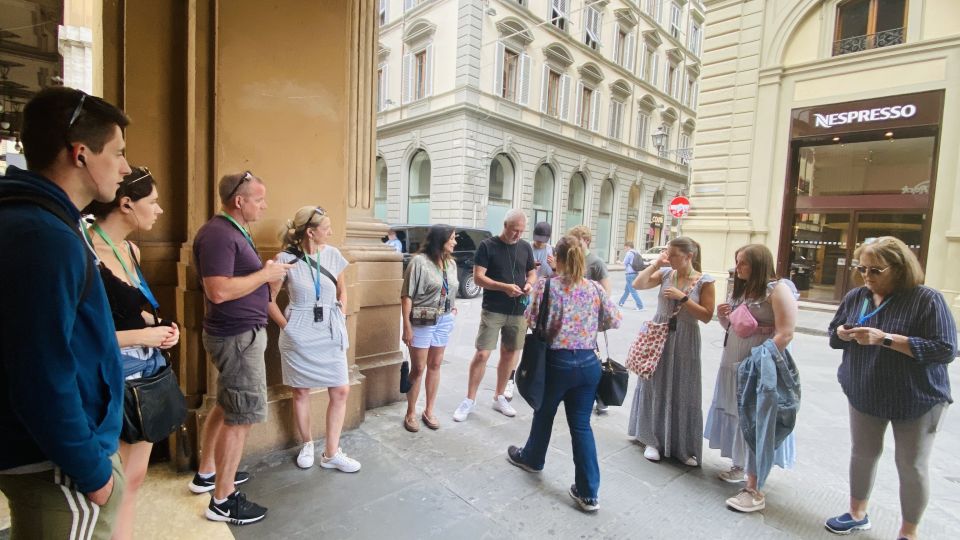
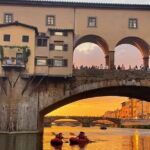
Then you head to Ponte Vecchio, Florence’s famous old bridge. Walking across it is one of those experiences that feels easy but actually rewards attention. The guide gives you a reason to slow down and look.
As you cross, you’ll notice how the bridge fits into the riverfront and how the design supports a long-lived relationship between commerce, craftsmanship, and public life. This is one of those stops where the architecture is the lesson, and the guide turns it into something you can picture later when you’re looking at photos or planning museum time.
One practical note: the bridge area can get tight with foot traffic. If you’re sensitive to crowds, you’ll still be fine—you’ll just want to keep your pace steady and avoid sudden stops while the group funnels across.
Medici and Renaissance stories: the thread that ties it together
What makes this tour feel worth doing isn’t any single monument. It’s the narrative thread: Medici politics, Renaissance art, and why Florence built so many of its identity markers in public view.
I like that the guide mixes history with curiosity—little details that make the street feel intentional. Some of the guides have leaned into interactive storytelling and humor, including guides such as Chiara, Pam, Matteo, Mateo, Luigi, Lucrezia? (not provided), Sharon, Marko, Lazaro, and Laura (names vary by departure). You’ll recognize their style if you’ve booked other walking tours in Europe: the best ones keep momentum while still answering questions.
A couple of practical benefits from this “story first” approach:
- When you later visit museums, the objects make more sense because you already understand what Florence was trying to prove
- When you return to squares and churches on your own, you’re not just staring—you’re reading the space
Also, guides have sometimes shared extra suggestions—like where to eat or what to prioritize next—because they can tell what kind of visitor you are. Even when recommendations aren’t part of the official script, you’ll likely leave with clearer priorities.
- The Best tour in Florence: Renaissance & Medici Tales – guided by a STORYTELLER
★ 5.0 · 12,316 reviews



What’s included, and what you should plan separately
This tour includes:
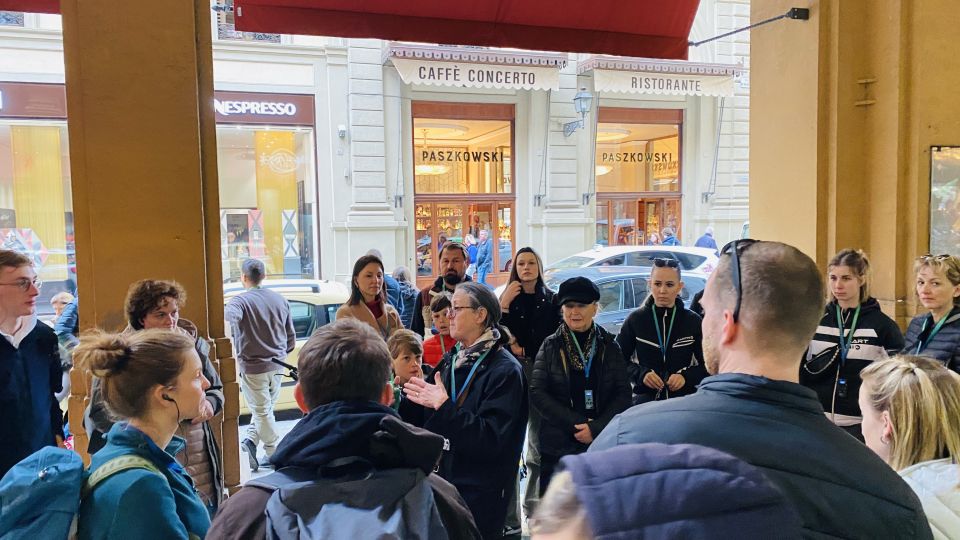
- An official certified guide
- A radio system so you can hear in busy areas
- A walking tour experience (with the route described above)
It does not include entrance tickets. You’ll be outside the attractions the whole time, which is a smart choice for a short duration. You get the big picture without losing time buying tickets or waiting for entry.
So what should you do afterward? If you want the full “Florence inside” experience, plan on adding at least one interior visit after the walk—especially if you’re drawn to sculpture, religious art, or Renaissance workshops. This tour helps you decide where to spend your money and time.
Value for money check: at $27 per person for about 1.5 hours, this is priced like an efficient orientation tool. You’re paying mostly for expert interpretation and logistics in crowded central Florence, not for museum access. If your goal is to understand the city fast, the price-to-time ratio is strong.
Timing, pacing, and how the tour feels on crowded streets
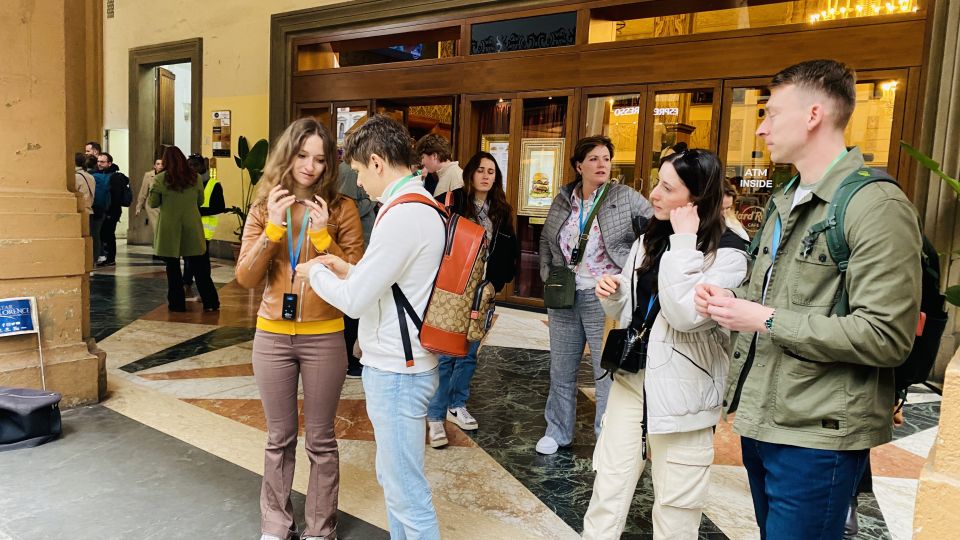
The route is built for walking pace you can actually maintain for 90 minutes. You’ll pass key points—often more than once in an indirect way—so you start feeling like you’re moving through a map, not crossing isolated sights.
In practice, a tour like this lives or dies on the guide’s pacing. The best guides here keep the group together while still giving you time to look up at details and not just down at your feet. People have noted that some guides even run a little overtime when the group wants to keep going, which tells me the tour is meant to be flexible rather than rushed.
You’ll also want to show up on time. Late arrivals won’t be rescheduled within the tour. So if you’re connecting from another activity, build buffer time—especially in the Duomo-area streets.
Where you start and where you finish (and why it matters)
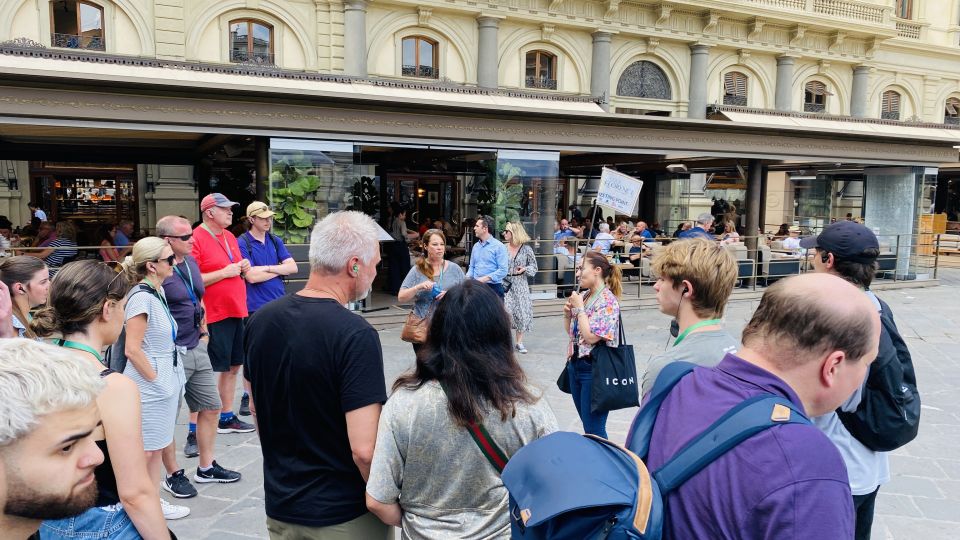
Meeting points can vary by the option you choose. You might start from places like:
- Piazza della Repubblica
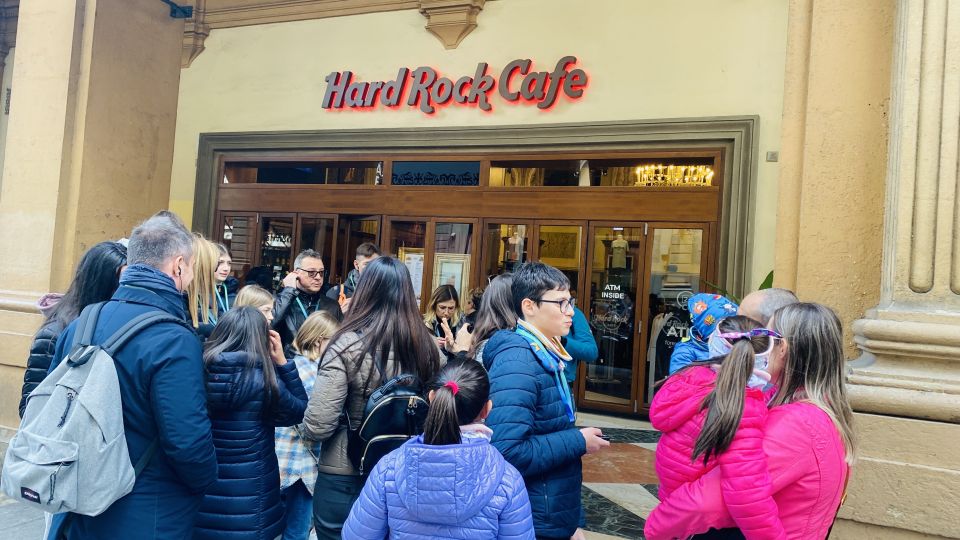
- The area around Hard Rock Cafe Florence (listed as a starting point in some options)
- Near Piazza della Signoria
Drop-offs also vary, with options including Hard Rock Cafe Florence and Piazza della Repubblica.
Why this matters: if you’re also trying to fit in a timed ticket later (for example, a museum or church visit), your start/finish area can make or break your schedule. Pick the option that keeps you closest to where you want to be after the tour ends.
Who this Florence guided walking tour is best for
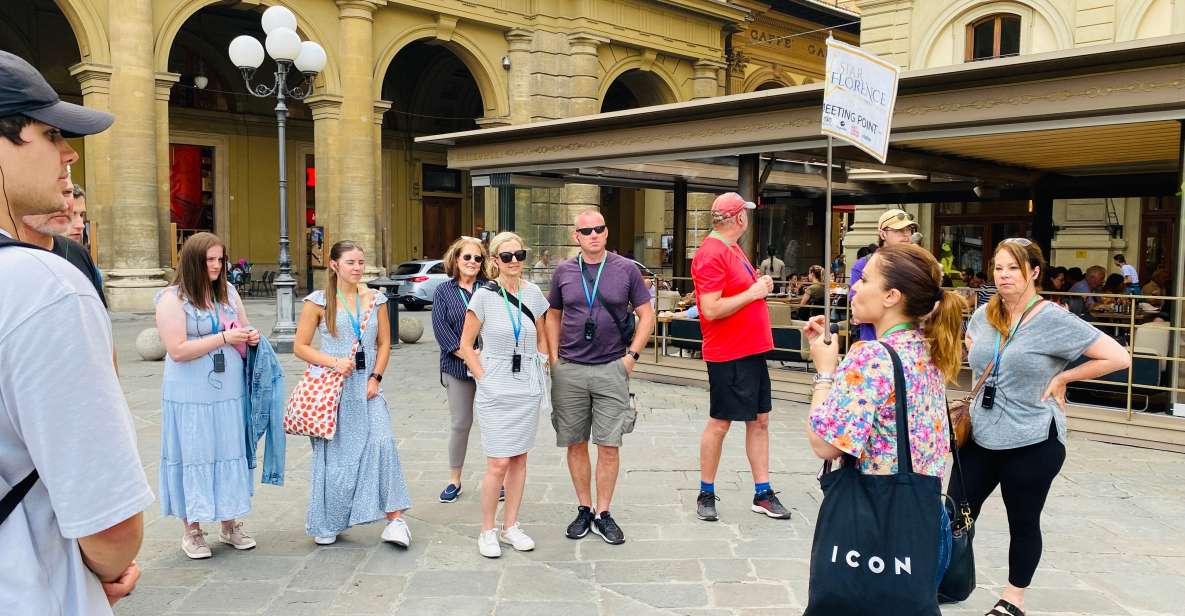
I think this is a great fit if:
- You’re doing Florence as a short stop (or you want a strong day-1 orientation)
- You want Duomo + Signoria + Ponte Vecchio without committing to long indoor lines
- You prefer a guide who explains meaning, not just names
It may be less ideal if:
- You need confirmed timed entry to specific museums and monuments right away
- You’re the type who wants to linger for long periods at one sight (this is structured for moving)
- You’re traveling with lots of luggage; larger bags aren’t allowed
Because it’s wheelchair accessible, it’s also designed with mobility in mind—though you’ll still be walking and navigating public spaces.
Should you book this Florence guided walking tour?
Yes—if you want the quickest path to understanding Florence’s core landmarks. The route is efficient, and the outside-only format makes it hard to waste time. At $27 for 1.5 hours with an official certified guide and a radio system, it’s a strong value when you treat it as the foundation for the rest of your day.
I’d book it early in your trip. You’ll walk away with a mental map and a set of stories that make the city feel less random. Then, when you return on your own, you’ll know what to prioritize and what’s worth your extra time.
If you’re only in Florence for a day and you’re torn between “see sights” and “learn what they mean,” this tour leans toward the second option. That’s the advantage: you get both the big highlights and the context that keeps them from turning into background noise.
FAQ
How long is the Florence guided walking tour?
The tour lasts about 1.5 hours.
How much does it cost?
The price is listed as $27 per person.
What sights do you see on the tour?
You’ll visit areas around the Duomo complex, Piazza della Signoria (with the David replica), and Ponte Vecchio, plus you’ll pass by nearby landmarks such as Pitti Palace.
Are entrance tickets included?
No. The tour operates entirely from outside the attractions.
Where does the tour start?
The meeting point can vary depending on the starting option you book, including areas like Piazza della Repubblica and Hard Rock Cafe Florence.
What languages is the guide available in?
The live guide is available in English, German, Spanish, and French.
Is the tour wheelchair accessible?
Yes, it is listed as wheelchair accessible.
What should I bring?
Bring a passport or ID card and wear comfortable shoes.
FAQ
Are pets allowed?
No, pets are not allowed on the tour.
What items are not allowed?
Luggage or large bags are not allowed.
You Might Also Enjoy

More Tour Reviews in Florence
- Tuscany Day Trip from Florence: Siena, San Gimignano, Pisa and Lunch at a Winery
★ 5.0 · 21,634 reviews - The Best tour in Florence: Renaissance & Medici Tales – guided by a STORYTELLER
★ 5.0 · 12,316 reviews