REVIEW · POMPEI CAMPANIA
Pompeii: Small Group Tour with an Archaeologist
Book on GetYourGuide →Operated by Askos Tours · Bookable on GetYourGuide
Pompeii feels close when an archaeologist leads. This UNESCO site was sealed by Vesuvius ash in 79 AD, so the ruins have that rare, instant context. I love the way archaeologist-guided storytelling makes you notice what you’re actually looking at, from civic life in the Forum to neighborhood details. I also love the up-close art moments—frescoes and mosaics—plus stops like the Lupanar, where you can see the architecture designed for everyday behavior.
One possible drawback: the tour is not a sit-down museum. You’ll cover ground on uneven paths with steps and ramps, and the pace can feel quick if you’re the type who wants to linger at every doorway.
You can choose a 2-hour guided tour or a longer 3-hour option that adds the Villa of the Mysteries, then you get time to roam on your own. That combo is why this works so well: you get a strong start, and you’re still free to steer the rest of your visit.
In This Review
- Key reasons this Pompeii tour works so well
- Pompeii with an archaeologist: what you’re really paying for
- 2 hours vs 3 hours: choosing the right amount of Pompeii
- Starting at Porta Marina Superiore: the fastest way to get your bearings
- Porta to Forum: the Basilica, public life, and why this part matters
- Great Theater and the big stages of daily life
- Frescoes, mosaics, and houses: House of the Vettii plus friends
- The Lupanar: why Pompeii’s brothel ruins are so important
- Villa of the Mysteries: the 3-hour stop that most people remember
- How the tour runs on the ground (meeting points, headsets, and staying oriented)
- Crowd management, timing, and what to do after the guided portion
- Who should book this Pompeii archaeologist tour (and who should skip it)
- Should you choose small-group or private?
- My booking advice: when this Pompeii tour is the right first move
- FAQ
- How long is the Pompeii tour?
- What’s included in the price?
- Do I get to skip the ticket line?
- Is there a 3-hour option, and what extra site does it include?
- Where do we meet the guide?
- What languages are offered?
- Can I explore Pompeii after the guided part ends?
- What should I bring?
- What’s not allowed during the tour?
- Is the tour suitable for wheelchair users?
- Should you book this Pompeii archaeologist tour?
Key reasons this Pompeii tour works so well
- Real archaeologists, real explanations: guides such as Anna, Michele, Dr. Nicoletta, and Mario (names you’ll see in past groups) focus on what the site can tell us.
- A route with built-in logic: starting at Porta Marina Superiore and moving toward the Forum helps you understand Pompeii’s layout fast.
- Forum to public life, fast: you’ll hit major civic areas like the Basilica and theaters rather than random streets.
- The Villa of the Mysteries is the payoff: it’s included on the 3-hour option for the famous fresco cycle.
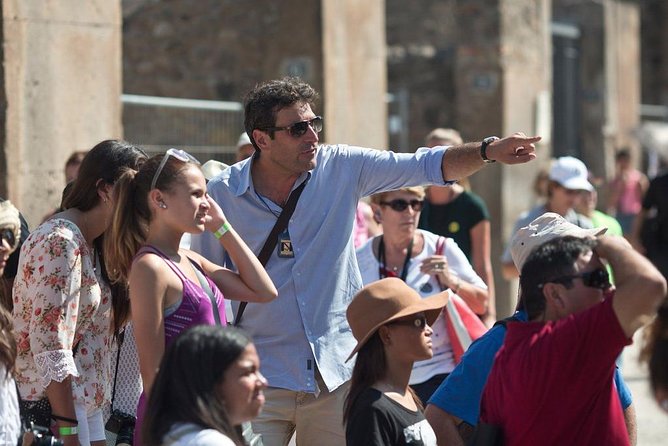
- Headsets for larger groups: you can hear the guide clearly when groups reach the cutoff for audio support.
- You leave with a plan: the guide closes with smart ideas for what to see next on your own.
Pompeii with an archaeologist: what you’re really paying for
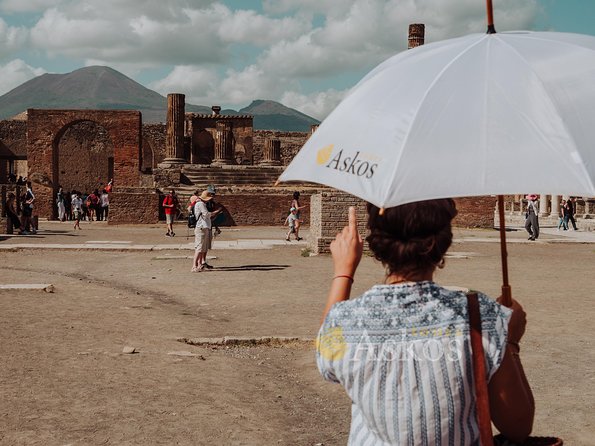
At about $40 per person, the value here isn’t just access to Pompeii. You’re paying for interpretation—someone with an archaeology background guiding you through one of the world’s most important preserved cities.
Entry is included, and the tour also skips the ticket line, which matters because Pompeii can get crowded and slow. Add a guide who points out why certain spaces were used the way they were, and the ruins start making sense in a hurry. Even if you’ve read a little about Pompeii before, a good guide helps you connect the dots between architecture, daily routine, and the story of that sudden eruption.
I also like that the experience is timed (2 to 3 hours) but not designed to feel rushed. The best guides keep the walking efficient, avoid over-packed areas when possible, and keep the story moving without turning it into a lecture.
You can also read our reviews of more tours and experiences in Pompei Campania.



2 hours vs 3 hours: choosing the right amount of Pompeii
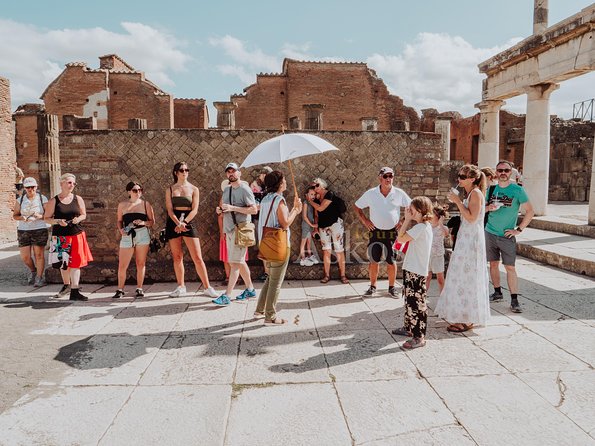
This is one of those choices that affects the whole day. The standard option is a guided visit for about 2 hours. It’s a solid way to get oriented, hit the big-picture sites, and still have enough time afterward to explore independently.
The longer option runs about 3 hours and includes a visit to the Villa of the Mysteries. If you care about frescoes and want the most famous painted stop on this side of Pompeii, this is where the extra time pays off. People in past groups have also praised how guides can talk about fresco details with real specificity—less guessing, more seeing.
If you’re the type who wants to come out of Pompeii with a strong sense of how the city worked, I’d lean toward 3 hours. If you’re on a tight schedule or you just want a first pass before you roam, 2 hours is plenty to get your bearings.
Starting at Porta Marina Superiore: the fastest way to get your bearings
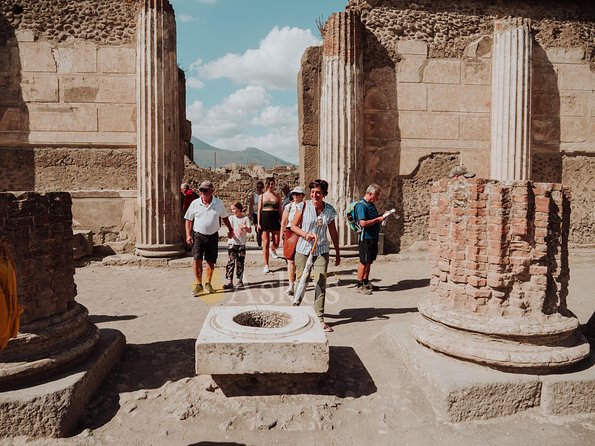
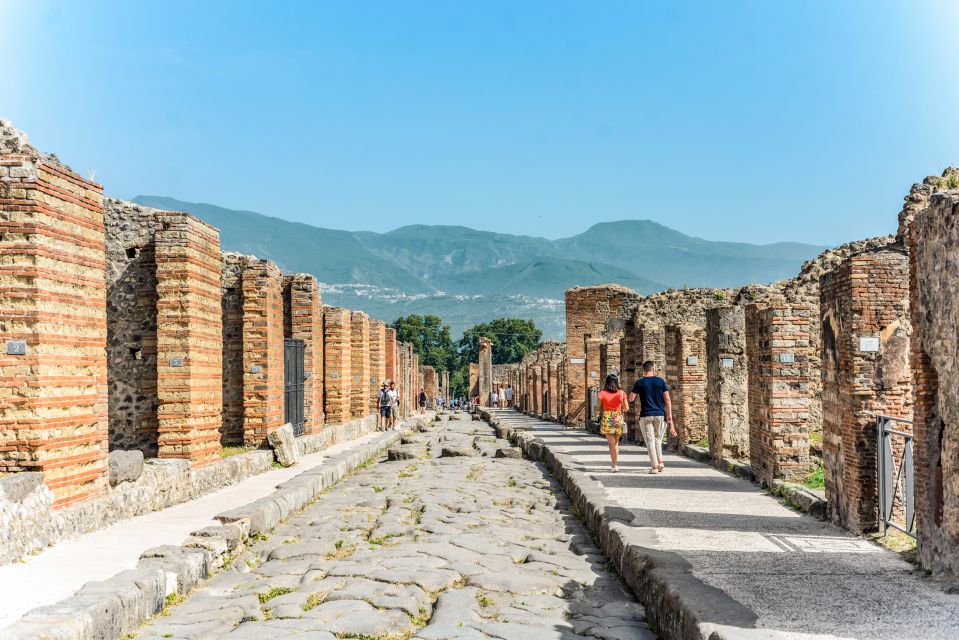
Your tour begins at Porta Marina Superiore, one of Pompeii’s seven gates. Starting at a gate isn’t just a cute historical detail. It frames Pompeii as a real city that people entered from the outside, not a random pile of ruins.
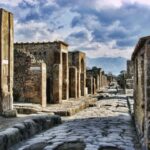
From there, you walk main streets and move toward the heart of public life. The guide’s job here is huge: Pompeii is big, and without a plan, it’s easy to wander into fragments that don’t connect. With the route built around major areas, you’ll start noticing how the city funnels you from entry, to civic center, to neighborhood life.
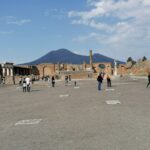
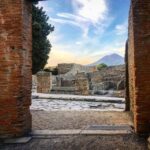
One of the neat moments along the way is the way Mount Vesuvius looms over the city. You’ll see it from the Forum area later, but even early on, the geography helps the eruption story feel less abstract.
Porta to Forum: the Basilica, public life, and why this part matters
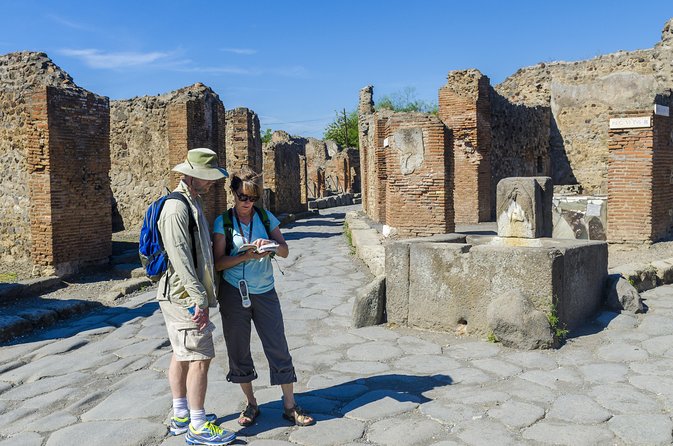
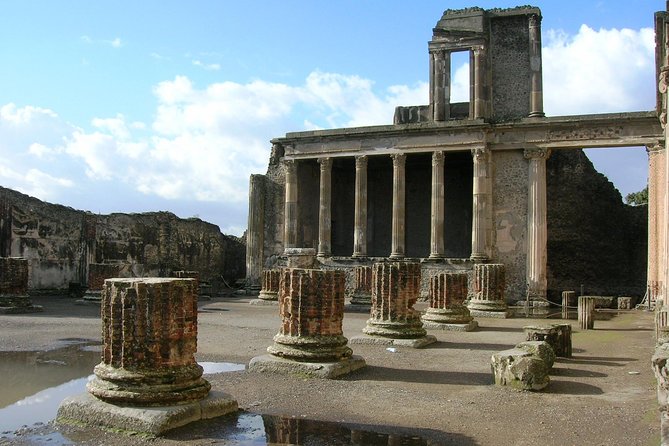
The Forum is where Pompeii shows its personality. This is the old heart of the city and the center of public life, so it’s where you’ll understand how people gathered for business, politics, announcements, and community.
You’ll also visit the Basilica, which acted as a business and legal center. That detail matters. When you look at a building like the Basilica with the right context, you’re not just seeing stone walls—you’re picturing transactions, decisions, and the everyday flow of public work.
Other stops you may see during the walk include temples and civic spaces tied to city life. You might also get time at thermal baths and nearby public areas, depending on your exact route length and how crowds affect timing.
A nice bonus: guides often point out how to read the area as you walk. Some groups have mentioned being shown small entrance-and-use cues that help you tell a commercial space from a residence. That kind of guidance is what turns Pompeii from scenery into a working city.
Great Theater and the big stages of daily life

Pompeii isn’t only about homes and wall art. The theaters show how the city handled entertainment and public gatherings.
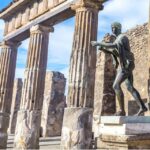
You’ll visit the Great Theater (and you may also see another theater stop like the Large Theatre, depending on your exact tour loop). Walking into a theater space in Pompeii can feel like a scene from a film, but the real value comes from what the guide explains around it—how events were staged, how crowds moved, and why these buildings mattered in the rhythm of life.
If you’re the sort of traveler who likes architecture, this section is one of the easiest ways to “get it” quickly. It’s visual. It’s structured. And it gives you a clear idea of the scale of public spaces.



Frescoes, mosaics, and houses: House of the Vettii plus friends
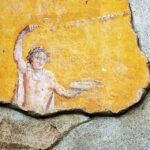
This tour makes a strong case for why Pompeii is more than ruins. You get preserved artwork up close—frescoes, mosaics, and wall paintings that help you understand taste, status, and daily decoration.
A standout for many visitors is the House of the Vettii. It’s the kind of place where, without guidance, you might just glance and keep moving. With a good archaeologist in your ear, you learn what to look for—how rooms were arranged, what the decoration is saying, and how wealthy households expressed themselves in everyday life.
You may also pass through or visit other notable houses depending on the tour version and routing. Past tour coverage has included stops such as the House of Menander and the House of the Faun, both used to illustrate how family life, art, and architecture worked together.
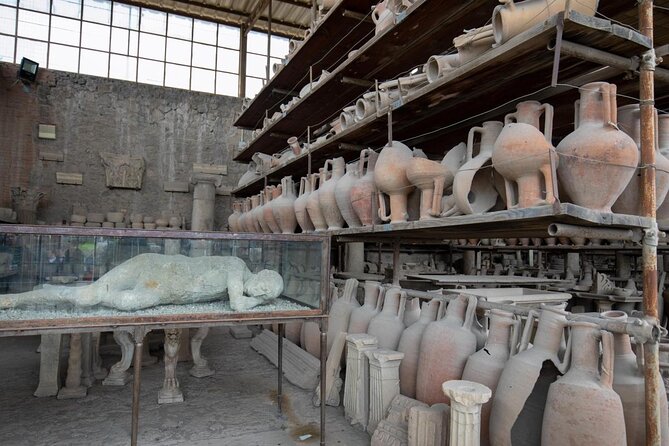
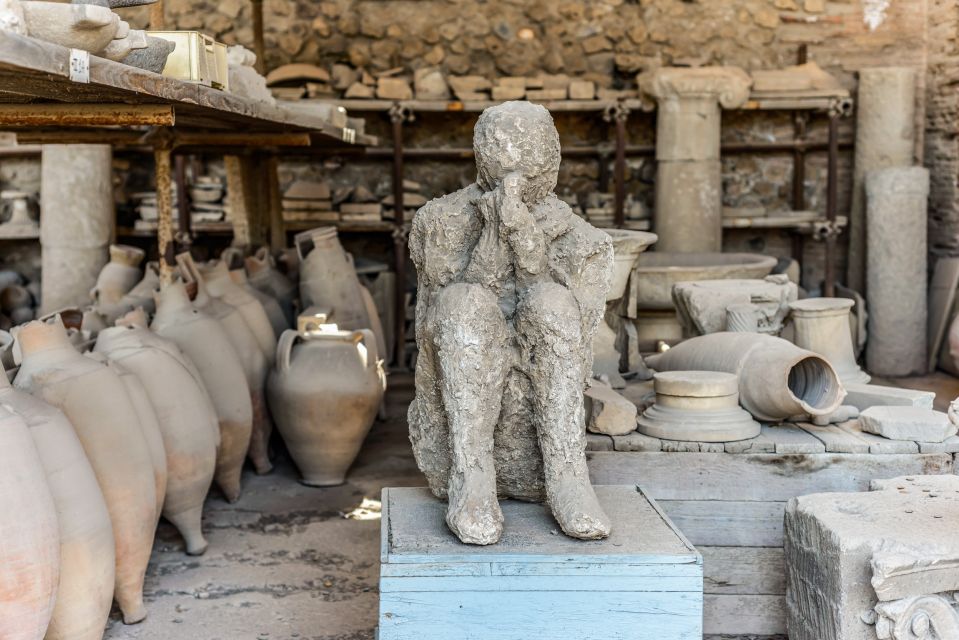
One detail to keep in mind: the tour can include plaster-cast viewing. A recent note from a guide experience says the casts are no longer located in dwellings the way some older expectations suggest. Instead, you’ll likely see plaster casts displayed in sealed glass cases. Still effective—just plan your expectations accordingly.
The Lupanar: why Pompeii’s brothel ruins are so important
The Lupanar is one of Pompeii’s most striking stops because it confronts real human behavior in a way that’s hard to forget.
You’ll learn how this famous brothel got its name, and you’ll see preserved features such as stone beds and wall frescoes. Even if the subject matter isn’t your usual vacation reading, it’s part of what makes Pompeii so valuable: it shows the full range of Roman life, not just the polished parts.
Guides also tend to handle the tone carefully. Some groups have specifically mentioned that adult themes were managed with sensitivity while still keeping the historical explanation clear.
If you’re worried about being shocked, don’t be. I’d treat it like learning from evidence. Stone beds and frescoes aren’t scandal—they’re artifacts of how a particular commercial space functioned.
Villa of the Mysteries: the 3-hour stop that most people remember
If you book the 3-hour tour, the Villa of the Mysteries is the main reason to add time. This is where fresco work takes center stage, and it’s the kind of location that makes you slow down without needing to be told.
Guides in past groups have been praised for bringing fresco details to life and for keeping the pace smooth enough that teenagers and adults stayed engaged. That matters because it’s easy for art-based stops to turn into “walk-by pictures” unless the guide gives you a way to actually look.
If you want the best chance to focus on art rather than rushing through highlights, this is your call.
How the tour runs on the ground (meeting points, headsets, and staying oriented)
Meeting points can vary based on your chosen option. You’ll find multiple start locations around the area, including places like Via Villa dei Misteri and Hortus Pompei. The practical point: arrive early enough to find your exact check-in spot without stress.
You’ll likely spend much of the time walking inside the Pompeii Archaeological Park. Wear shoes that handle uneven ground. This is also one of those tours where a heat wave can make the same route feel harder.
The tour includes headsets for listening to the guide when groups reach a certain size (for groups of 16 or more). This helps you hear the guide clearly, but one past note mentioned that earpieces were a bit harder to manage than in other experiences—so bring calm expectations. If you can, test the headset fit quickly once you receive it.
You’ll also have a free cloakroom service next to Porta Marina Superiore, subject to availability. That can be a lifesaver if you’re carrying anything bulky. Large bags and luggage aren’t allowed, and smoking isn’t allowed on site.
After the official guided portion ends, you’re free to explore Pompeii on your own. I like this because the guide time buys you direction, not just facts.
Crowd management, timing, and what to do after the guided portion
Pompeii is huge, and it’s easy to misjudge how much you can see once the guided loop ends. In one timing note from a prior group, a tour that finished in the afternoon left only about an hour to explore before the park shut. That’s not a reason to skip the tour, but it is a reason to pick your departure time wisely.
If you want a more relaxed pace and more freedom afterward, start earlier in the day when possible. The tour route itself may also shift slightly due to overcrowding or temporary closures, so don’t treat the schedule like a rigid checklist.
When the guide gives you tips at the end, take them seriously. Past experiences have emphasized that the guide’s suggestions can lead you to better personal priorities, especially once you know what you’re looking at.
Who should book this Pompeii archaeologist tour (and who should skip it)
This tour is a great fit if you want:
- a structured first visit to Pompeii
- someone to explain what matters visually (not just dates)
- an emphasis on preserved art like mosaics and frescoes
- a route that covers major highlights without you having to plan every turn
It’s less ideal if you need wheelchair access or have mobility impairments. The tour isn’t recommended for travelers with mobility issues because of steps, ramps, uneven terrain, and some steeper climbs. So if that’s your situation, look for a different format designed for accessibility.
It’s also not a good match if you’re traveling with large luggage (not allowed). And for families: children must be accompanied by an adult, and the content can include adult themes tied to specific locations. In past groups, that tone was handled with sensitivity, but you’ll still be walking through real evidence of everyday behavior.
Should you choose small-group or private?
A small group is often the sweet spot. You get the archaeologist-led experience while still benefiting from a guide who can manage the flow of walkers.
A private tour can make sense if you want slower pacing, more questions, or a cleaner focus on what your group cares about most—especially if you’re traveling with multiple generations and want to tailor the walking pace.
One practical warning: shared group and private experiences do not always offer the same languages, so check your preferred language before you lock in. Tours are available in French, Spanish, German, Portuguese, English, and Italian.
My booking advice: when this Pompeii tour is the right first move
If it’s your first time in Pompeii, I’d book this tour. The site is too big to “figure out” quickly on your own, and the value isn’t only seeing famous places. It’s learning how to read them.
Pick the 2-hour version if you want a fast orientation plus time to wander afterward. Pick the 3-hour version if you care about frescoes and want the Villa of the Mysteries stop without feeling like you’re sprinting.
Also: bring a realistic mindset about time. Pompeii rewards curiosity, and your feet will make the decision for you faster than your calendar. Starting earlier helps.
FAQ
How long is the Pompeii tour?
It runs about 2 to 3 hours, depending on the option you choose.
What’s included in the price?
The tour includes the Pompei Express entry ticket and a 2- or 3-hour guided tour by an archaeologist. It also includes headsets in cases where groups meet the headset requirement, plus freedom to explore the site on your own after.
Do I get to skip the ticket line?
Yes, the tour includes skipping the ticket line.
Is there a 3-hour option, and what extra site does it include?
Yes. The 3-hour tour includes a visit to the Villa of the Mysteries.
Where do we meet the guide?
The meeting point may vary depending on the option booked.
What languages are offered?
The live guide is available in French, Spanish, German, Portuguese, English, and Italian, but the exact language options can vary by shared vs private.
Can I explore Pompeii after the guided part ends?
Yes. You’ll have freedom to explore on your own inside the archaeological site after the tour.
What should I bring?
You should bring a passport or ID card (a copy is accepted).
What’s not allowed during the tour?
Smoking is not allowed. You also can’t bring luggage or large bags, and mobility scooters are not allowed.
Is the tour suitable for wheelchair users?
No. It is not recommended for travelers with mobility issues or impairments, and it is not suitable for wheelchair users.
Should you book this Pompeii archaeologist tour?
Yes—if you want your first Pompeii visit to feel organized and meaningful. This is the kind of tour that helps you see more than just famous rooms. You’ll learn how the city worked, how public spaces functioned, and what the preserved art and spaces can actually tell you.
Book 2 hours if you’re protecting your schedule and want time to roam after. Book 3 hours if you want the Villa of the Mysteries and you’re excited about fresco detail. And if walking on uneven ground with steps and ramps is a problem for you, skip this one and find an accessibility-focused alternative.