Verona can feel like two cities at once. This walking tour stitches together the headline sights with quieter details, so you leave with a clear plan for the rest of your day. I especially love the way the guide threads Rome-era Verona Arena together with the older old-town streets, and how you get real guidance for what to do after the walk. One thing to consider: entry tickets are not included, so if you want to go inside any ticketed spots, budget extra.
The best part is that the tour is built for your pace. In practice, guides like Graziano, Sara, and Elettra have a track record of adjusting on the fly, even when schedules get messy, and finishing with practical recommendations (and sometimes helping you get to your next stop). For most people, two hours is the sweet spot: long enough to understand the city’s layout, short enough to still enjoy Verona at your own tempo.
In This Review
- Key highlights you’ll feel on this walk
- Where You Start in Verona Matters (Piazza Bra and Two Address Options)
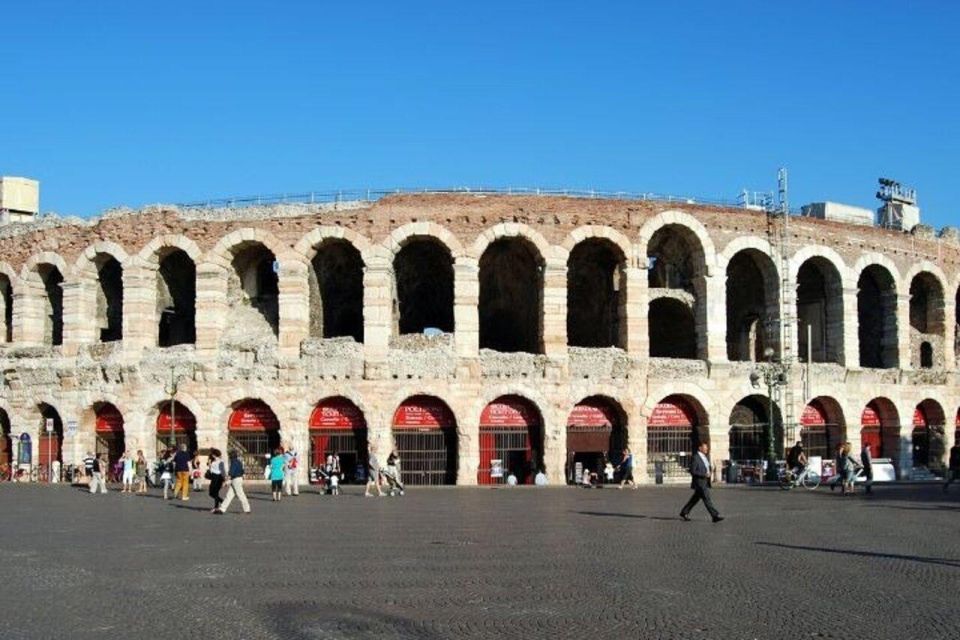
- Roman-Era Verona Arena: The Big Sight You’ll Understand Faster
- Quiet Stops in Old Lanes: Why the Small Addresses Are Part of the Magic
- Porta Borsari to the River Side: Getting a View Without the Extra Effort
- Piazza delle Erbe and Piazza dei Signori: Two Squares With Different Personalities
- Basilica di Santa Anastasia and San Giovanni in Foro: Church Stops That Are More Than Photo Ops
- Romeo’s House and Juliet’s Balcony: A Pop Culture Stop With Real Context
- Ponte Pietra and the River Break: Where the Walk Refreshes Your Eyes
- Arche Scaligere and the Old Market Courtyard: Finishing With Power and Everyday Life
- The Real Value: Guide Adaptation and On-the-Spot Recommendations
- Price and Value for a 2-Hour Verona Orientation
- Who Should Book This Tour (and Who Might Skip It)
- Should You Book This Verona Highlights and Hidden Gems Walk?
Key highlights you’ll feel on this walk
- Piazza Bra start: a central launch point that makes the rest easy to orient
- Arena and old-town flow: Roman-era landmark connections you can actually remember
- Squares with purpose: Piazza delle Erbe and Piazza dei Signori explained in context
- Church stops that teach: Basilica di Santa Anastasia and more, with place-by-place meaning
- Local pacing: guides adapt to your interests, your speed, and even the weather
Where You Start in Verona Matters (Piazza Bra and Two Address Options)
You’ll begin in the heart of the city, in Piazza Bra, which keeps logistics simple if you’re already near the main sights or your hotel is walkable. Depending on what option you book, the tour can also list a starting address at Via Roma, 80 or Via Dietro Listone, 1, so double-check your exact pickup details before heading out.
Bring comfortable shoes. Verona’s streets are a mix of polished stone and older paving, and the walk is long enough that you’ll want real grip underfoot. If you’re in a heat wave or it starts raining, you’ll appreciate the guide’s habit of adjusting stops to keep the walk enjoyable.
You can also read our reviews of more tours and experiences in Verona.
Roman-Era Verona Arena: The Big Sight You’ll Understand Faster
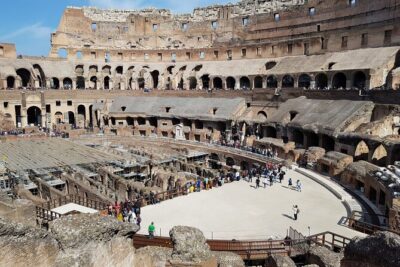
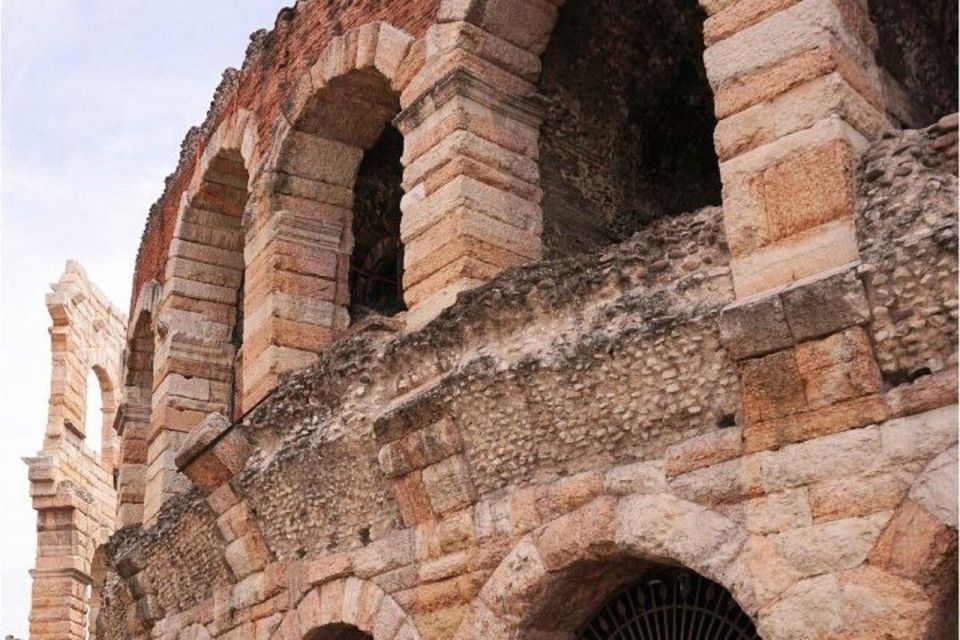
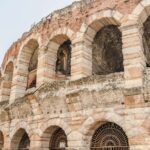
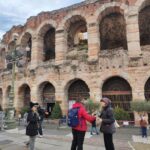
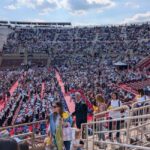
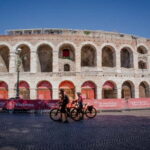
The first major anchor is the Roman-era Verona Arena, one of the city’s most recognized landmarks. The advantage of a guided approach here is not just seeing it, but getting the city layout explained around it, so later you’re not guessing how all these spots connect.
You’ll then move through the area that follows the old city lines, including a stretch along the medieval wall leading toward Corso. The tour uses these transitions on purpose: they help you build a mental map while you’re still fresh, which makes your independent exploring the rest of the time much smoother.
If you’re worried you’ll feel rushed, you’re in the right category for this tour. Several guides (like Avdul, Elsa, and Constanza) are praised for keeping the pace comfortable and answering questions as you go, instead of sprinting through highlights like a checklist.
Quiet Stops in Old Lanes: Why the Small Addresses Are Part of the Magic
One reason this walk works so well is that it doesn’t only stop at famous squares. You’ll also pause at smaller, specific points in the old lanes, including Vicolo del Guasto, 21 and other named stops that most people wouldn’t find on their own.
Think of these stops as wayfinding in disguise. When a guide points out details you would normally miss, you start noticing patterns: how people have moved through these streets for centuries, where views open up, and which corners feel like locals actually use them. It’s the difference between collecting photos and learning Verona.
This is also where the tour can feel more personal. People who care about stories, architecture, or city quirks seem to get the most out of these pauses, because the guide has time to explain the why, not just the what.
Porta Borsari to the River Side: Getting a View Without the Extra Effort
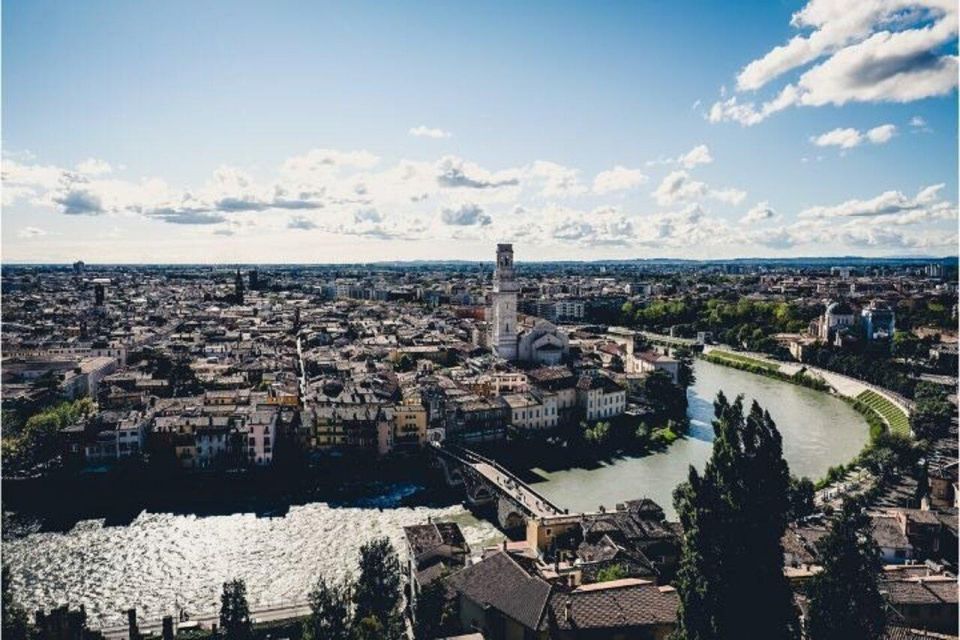
Next up is Porta Borsari, followed by a move toward the river area at Riva San Lorenzo. Even if you’re short on time, this is a smart segment: you get an old-town “edge” feeling, then a different mood as you slide closer to the water.
The route is designed so you see a scenic view over the river. That matters because Verona isn’t only stone and monuments. It’s also light, air, and perspective, and this is the moment where you’ll likely feel your own energy shift from sightseeing mode to enjoying mode.
If you’re traveling in a group, this section is also a good peace-break. You’re changing settings often enough to keep things interesting, but not so often that you’re constantly relocating.
Piazza delle Erbe and Piazza dei Signori: Two Squares With Different Personalities
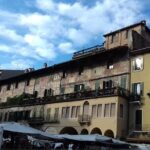
Then you’ll step into the action at Piazza delle Erbe and Piazza dei Signori. The big win here is context. A guide explains how these squares fit into Verona’s daily life and power story, so you understand why people still orbit around them.
Piazza delle Erbe is the lively center where the city feels immediate. Piazza dei Signori adds another layer, with a different atmosphere and the sense that you’re standing in a place that shaped public life. Instead of walking through, you’ll know what you’re looking at.
This is also where guide recommendations really start to matter. One recurring theme in the experience is that the guide shares advice beyond the tour. You’ll get suggestions for what to do next and where to eat, which is a huge deal if you only have a day or two in town.

Basilica di Santa Anastasia and San Giovanni in Foro: Church Stops That Are More Than Photo Ops
A major highlight is Basilica di Santa Anastasia, described as the largest place of worship in the city and located in the old town center. The value of a guided church visit is that you’re not staring at details without a map. You’ll understand how the building fits into the city’s layout and identity.
You’ll also stop at Chiesa di San Giovanni in Foro. When a tour includes multiple places of worship, it usually means the guide is using them as lessons in how Verona’s different eras overlap in the same small area. You’ll leave with more than a set of pictures; you’ll leave with a sense of why these buildings belong where they do.
In reviews, guides like Emanuela and Elettra are praised for strong storytelling and for keeping the tour lively, even when weather disrupts plans. That’s exactly what you want at church stops, because the pacing can make or break whether you enjoy them or just tolerate them.
Romeo’s House and Juliet’s Balcony: A Pop Culture Stop With Real Context
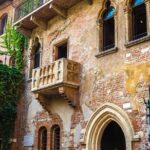
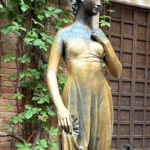
Yes, you’ll get the classic Romeo’s House visit and see Juliet’s balcony. The key is that the walk doesn’t treat this as a shallow photo stop. It’s placed into the broader city story, so you understand it as a landmark you pass through while exploring Verona, not the only thing the city has to offer.
This section is also useful for planning. After you’ve seen where the legend sits in the street layout, you can choose whether to return later for a slower look or keep moving toward quieter areas. That flexibility is what makes this two-hour format so practical.
If your group enjoys Shakespeare, romance stories, or simply street-level Verona culture, this is usually where the tour feels most fun. And if romance isn’t your thing, it still gives you a recognizable anchor point that’s easy to build your own route around afterward.
Ponte Pietra and the River Break: Where the Walk Refreshes Your Eyes
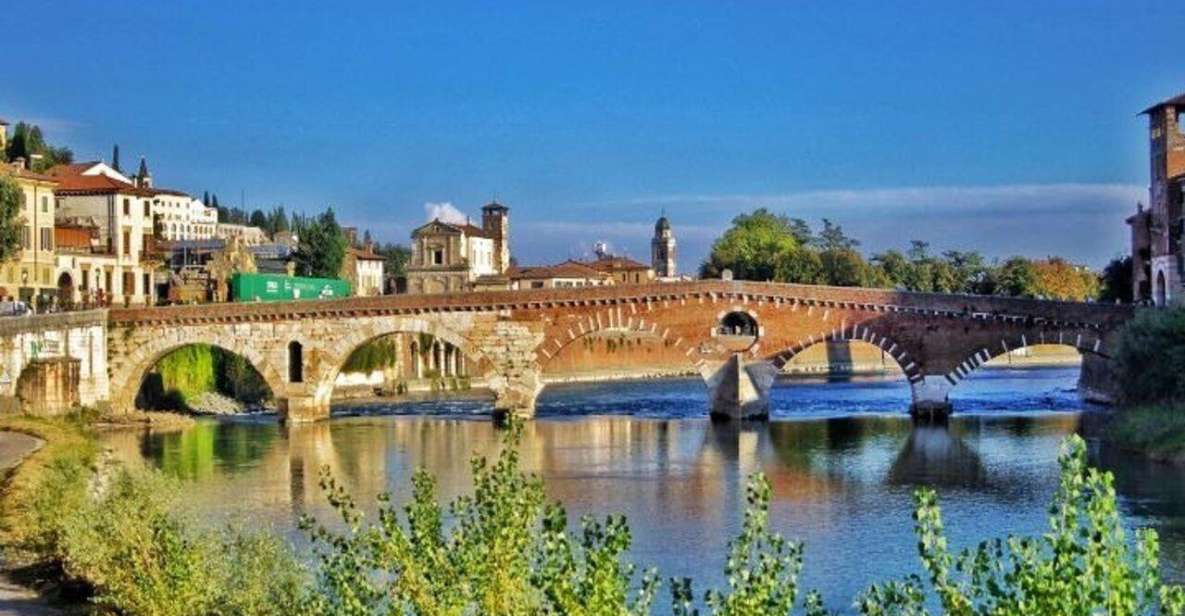
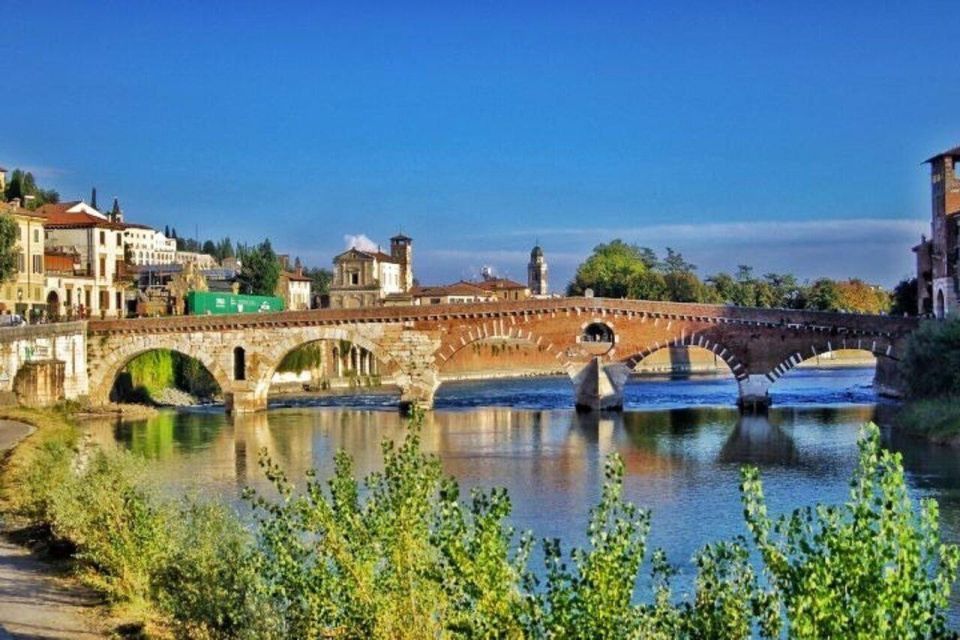
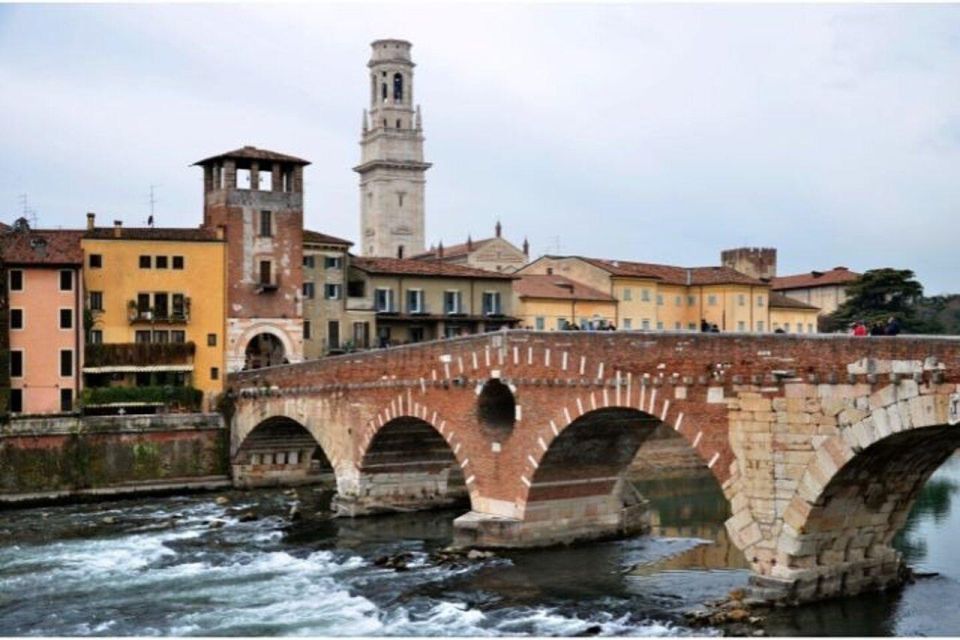
You’ll also cross over Ponte Pietra, with the river setting helping the whole tour feel balanced. This kind of stop is more than a photo moment. It gives your brain a reset, and it helps the city click together: monuments, squares, churches, and then that open view.
Many people underestimate how much a well-timed river view helps on an early sightseeing day. It breaks up the stone-and-street feeling, and it turns the tour into an actual experience you’ll remember.
If you’re traveling in a group with mixed interests, this segment often works because it’s visually satisfying without requiring you to read every detail like a textbook.
Arche Scaligere and the Old Market Courtyard: Finishing With Power and Everyday Life
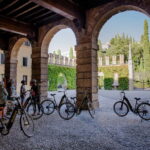
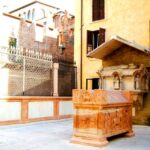
Near the end, the walk includes Arche Scaligere and a stop at the courtyard of the old market. These are the kind of places that tend to reward slower attention. The Scaligere-related stop gives you a sense of how power shows up in stone, while the old market courtyard grounds the walk back in ordinary life.
You might not be able to explain every detail immediately after the tour, but you’ll remember the atmosphere. Guides who do a great job with storytelling help you connect these ending stops to the earlier squares and gates, so the city feels like a timeline instead of unrelated attractions.
The tour also closes with a drop-off back at Via Roma, 80 or Via Dietro Listone, 1, depending on your option. That makes it easier to continue your day without hunting for your bearings.
The Real Value: Guide Adaptation and On-the-Spot Recommendations
At $38 for two hours, you’re not just buying access to sights. You’re buying a fast education in how Verona works, plus advice that saves time later.
What stands out from the experience is the guide’s willingness to adapt. Graziano, for example, is described as accommodating when a train cancellation left someone late, and he even shaped the tour around interests and walked people toward their lunch reservation. That kind of follow-through is not standard everywhere, and it makes the tour feel useful instead of performative.
Other guides are praised for similar behavior: Sara and Constanza are specifically noted for making the city feel clear so you can keep exploring on your own. Emanuela is praised for handling rain strategically with smarter stops, and for going beyond expectations by helping book a transfer to the train station. Even when the tour is only two hours, that extra human effort turns it from a sightseeing product into a helpful local hand.
And then there are the details like dinner recommendations at the end. If your evening plans are loose, you’ll likely walk away with a direction that fits your tastes and energy level.
Price and Value for a 2-Hour Verona Orientation
The price is $38 per person for a 2-hour guided walk. That’s a fair figure when you consider what you’re covering: major highlights like the Verona Arena and Piazza delle Erbe, plus other big-feeling stops like Piazza dei Signori and Basilica di Santa Anastasia, and a handful of quieter points many people miss.
Also remember: entry tickets are not included. That’s normal for walking tours, but it’s important for your math. If you plan to go inside ticketed attractions, you’ll want to budget those separately so there are no surprises.
Where this feels like strong value is the payoff. In a short window, you’re not just seeing Verona; you’re learning the city’s flow. That makes everything after the tour easier and more enjoyable, especially if you have one day or you’re traveling with limited time.
Who Should Book This Tour (and Who Might Skip It)
This is a great match if you want an efficient Verona orientation that mixes famous sights with lesser-known stops. You’ll like it if you appreciate storytelling and you want practical advice for where to go next, not just a list of monuments.
It’s also a smart choice for first-time visitors. The route hits the core pieces of the old-town puzzle, and the guide’s explanations help you choose what to revisit later.
You might consider skipping if you already know Verona well, or if you prefer to wander without any structure at all. But even then, the guide-driven pacing and the recommended places at the end can still be worth it if you like having a starting point.
If you’re traveling with mobility needs, the tour is listed as wheelchair accessible. If you have specific constraints, it’s still wise to confirm with the operator ahead of time so the guide can plan stops that work for your needs.
Should You Book This Verona Highlights and Hidden Gems Walk?
If you want a smart start in Verona, I’d book it. For two hours, you get the headline sights, you get extra street-level stops that help you learn the city, and you leave with advice that can shape your whole day. The $38 price feels reasonable because the tour isn’t only about photos; it’s about understanding how Verona connects.
Do it if you value a guide who can answer questions, adjust to your pace, and send you off with real dinner and next-step ideas. Skip it only if you already have a tight itinerary planned and you prefer zero guidance. For most people, this is one of the cleanest ways to see Verona fast and still feel like you saw the real place.